Top 7 Mountain Passes around Pignone
Best mountain passes around Pignone serve as access points to the mountainous terrain of the Vara Valley in Liguria. This region features wooded valleys, cultivated terraces, and old mule tracks, providing a base for exploring the Ligurian hinterland. The area is characterized by a network of hiking trails that connect to locations such as the Cinque Terre. These routes offer varying levels of difficulty and showcase the natural beauty and rural character of the Ligurian landscape.
Best mountain passes around…
Last updated: June 26, 2026
Marco Pantani Fountain, Guaitarola Pass
Highlight • Monument
Translated by Google •
Tip by

Telegrafo Pass
Highlight • Restaurant
Translated by Google •
Tip by

Sign up now to discover places like this
Get recommendations on the best single tracks, peaks, & plenty of other exciting outdoor places.
Sign up for free
Panoramic Road from Levanto to Passo del Bracco
Highlight (Segment) • Trail
Translated by Google •
Tip by

Termine Pass
Highlight • Viewpoint
Translated by Google •
Tip by
Passo del Bardellone
Highlight • Mountain Pass
Translated by Google •
Tip by

Sign up for free to discover even more mountain passes around Pignone.
Sign up for free
Already have an account?
Start today with a free account
Your next adventure awaits.
Login or Signup

Tips from the Community

After the fork from Bracco towards Levanto..very fresh water..🤩
0
0

Refreshingly cold fountain water and a small shrine in homage to Marco Pantani; definitely worth a detour
0
0

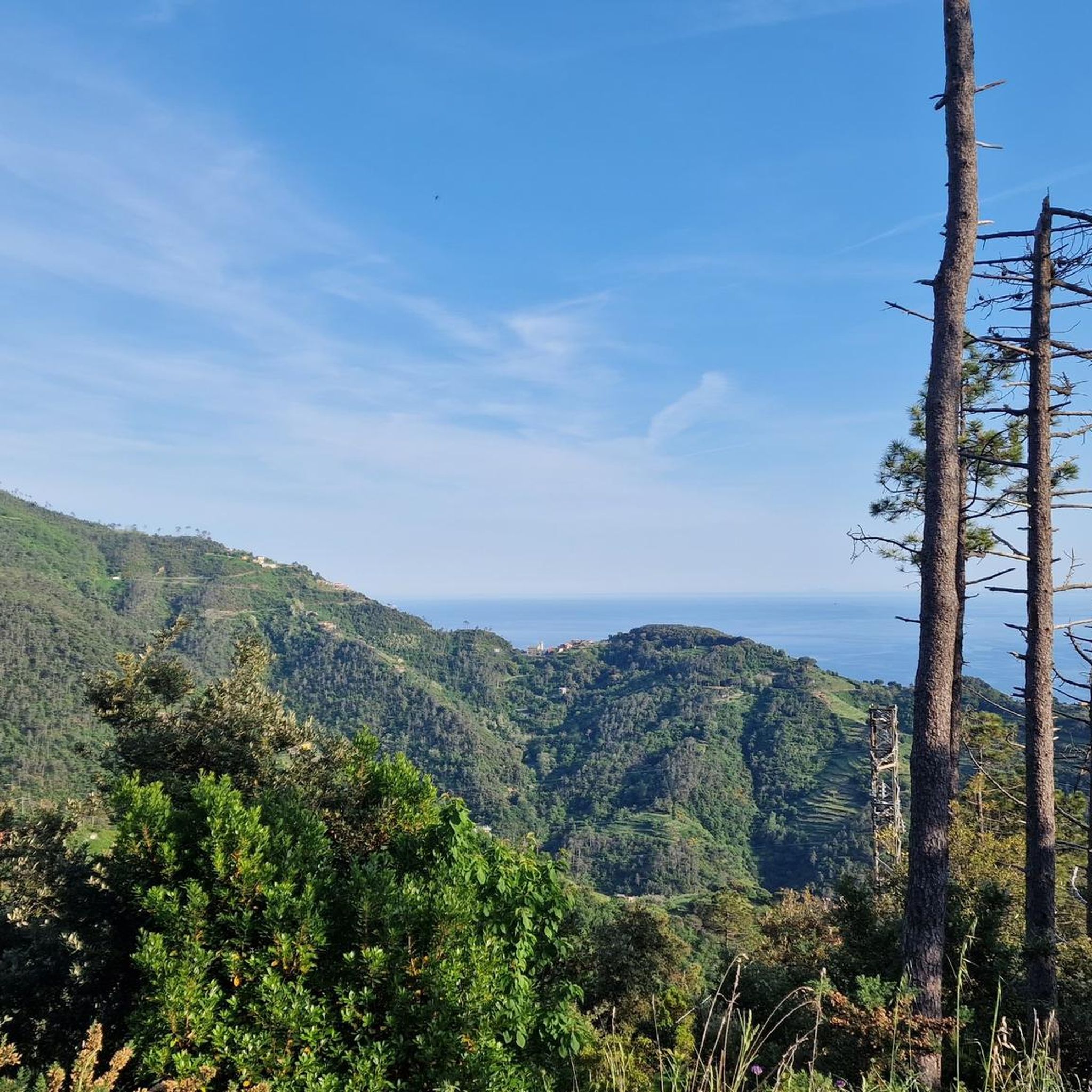
Road panorama out of season with little traffic
1
0

Colle del Telegrafo is the starting point of a series of dirt roads and paths that radiate out in all directions.
1
0

One of several picturesque towns.
1
0

Crossroads point, here there is the possibility of stopping to eat at the bar restaurant
1
0
locality La Baracca
1
0

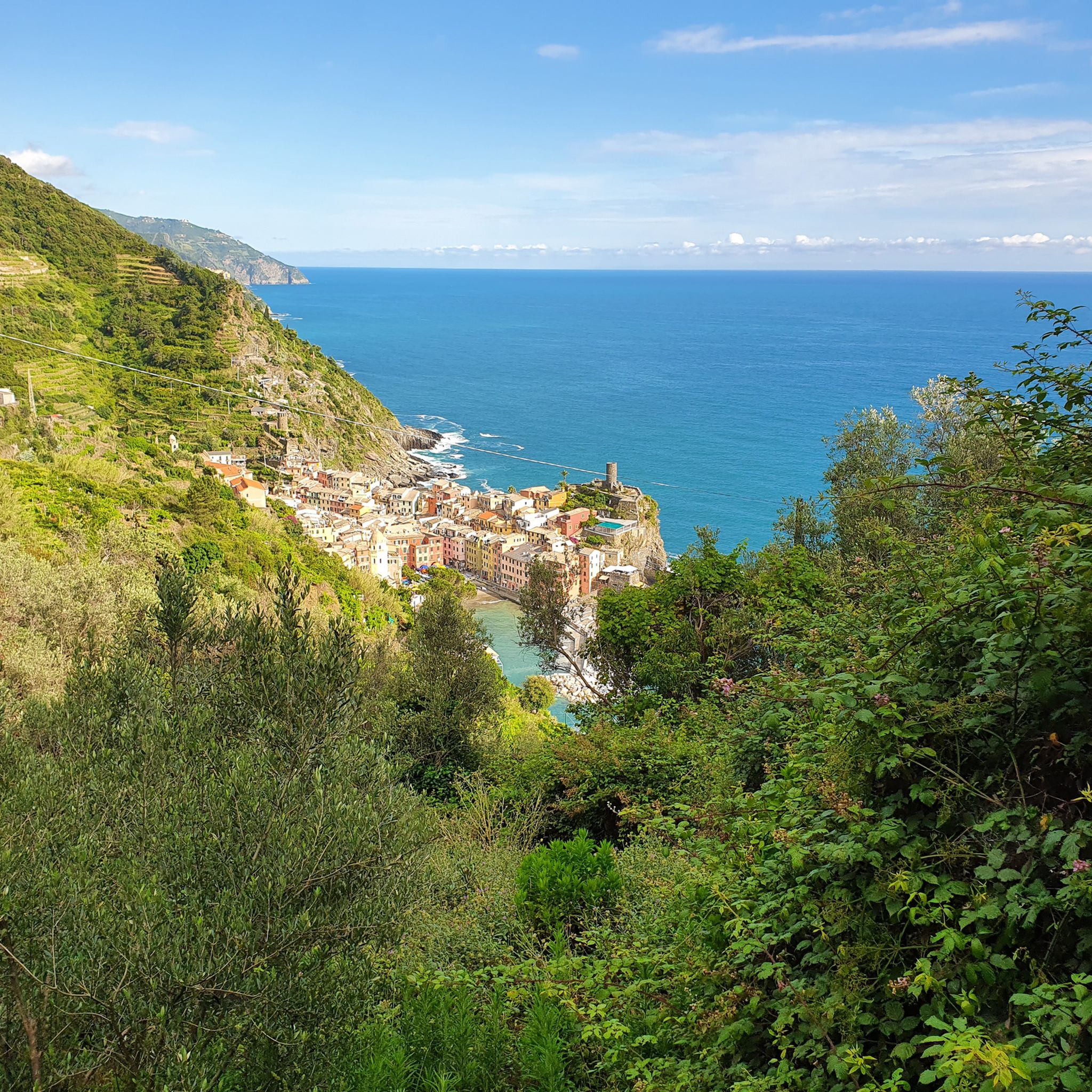
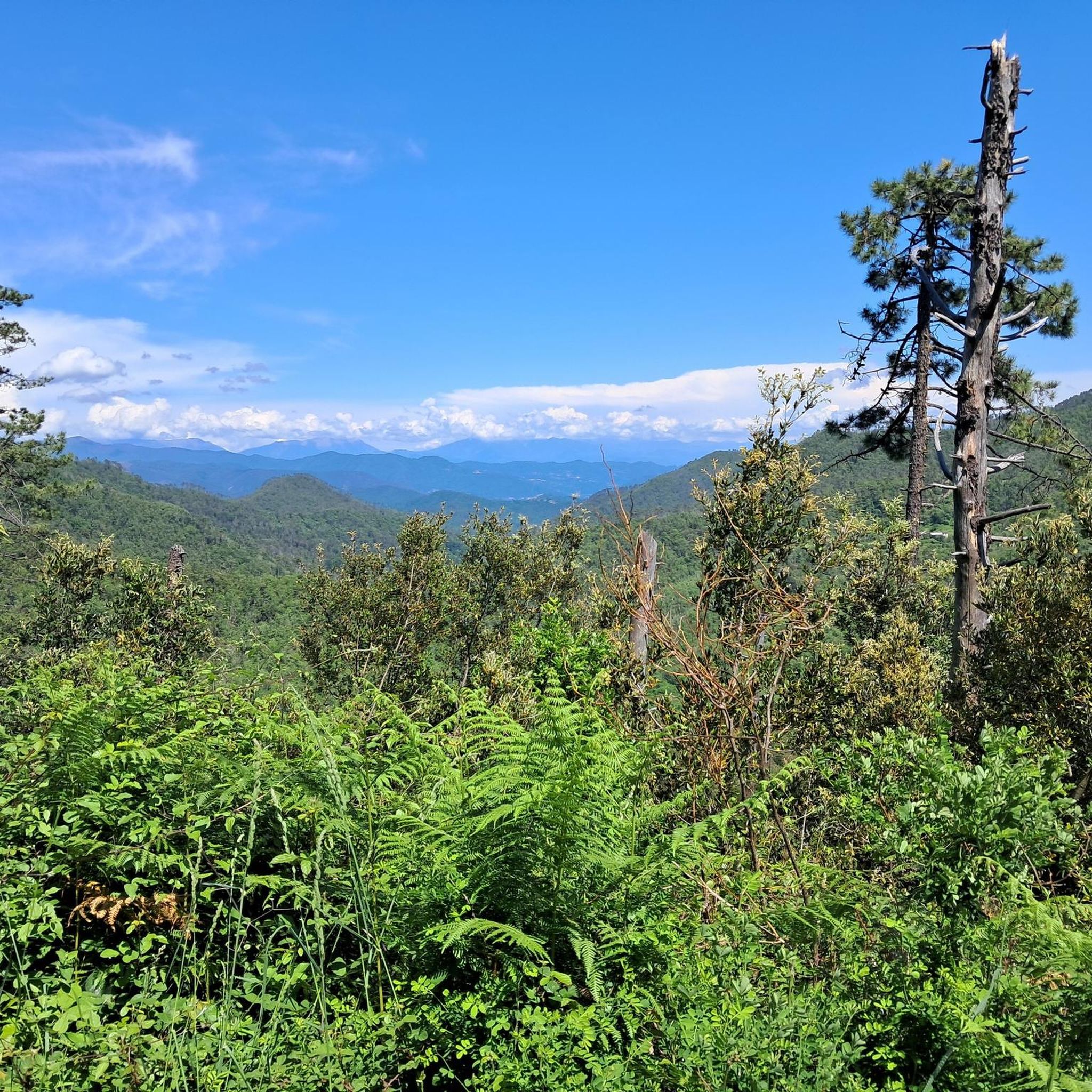
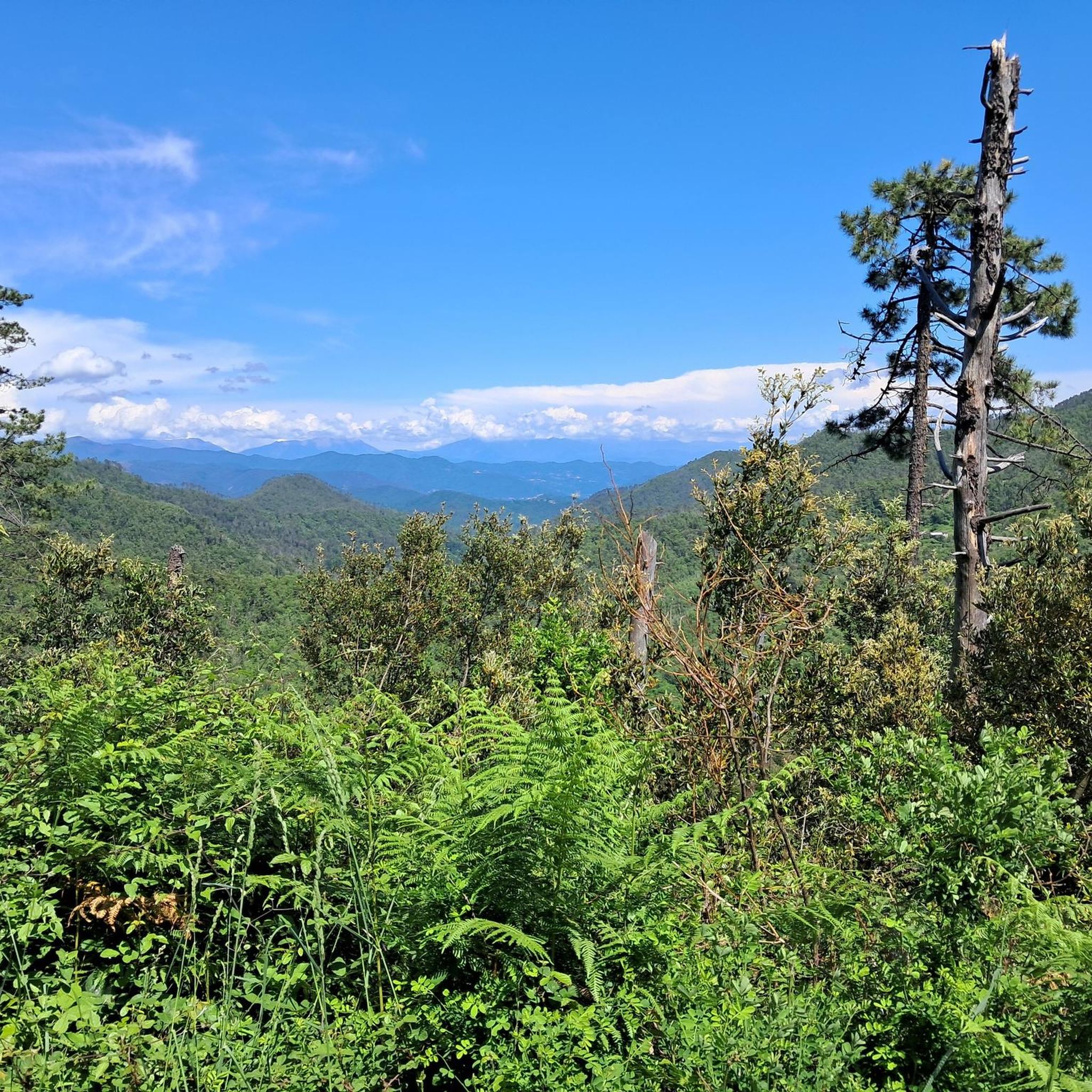
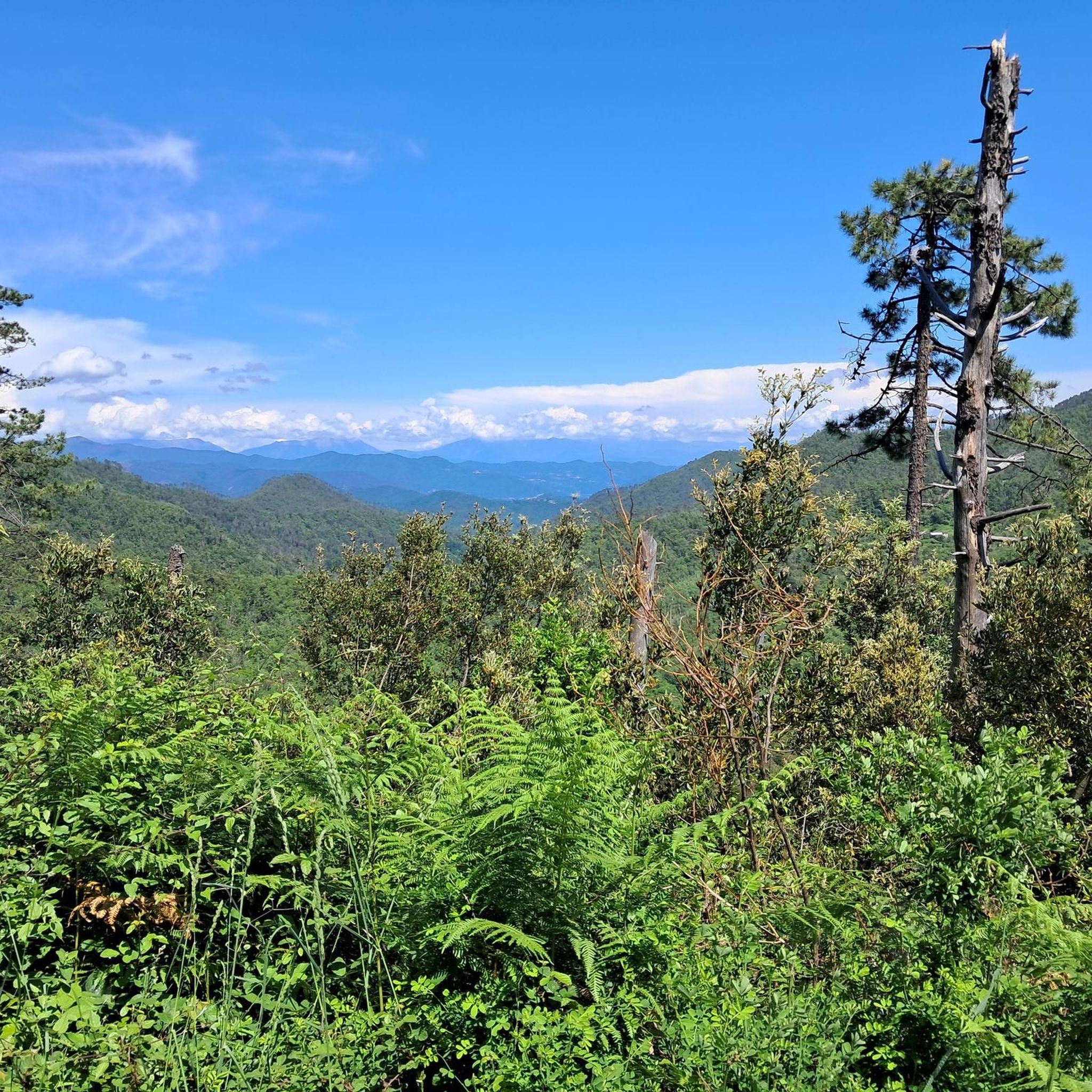
Wonderful place, the whole soul of Liguria is contained here. The view extends on one side towards the horizon of the sea, on the other towards the valleys and mountains of the Apennines
1
0
Frequently Asked Questions
What are some notable mountain passes near Pignone?
While Pignone itself is a small village, it serves as a base for exploring the surrounding mountainous terrain. The broader vicinity features significant passes like the Passo del Bracco, known for its winding roads and panoramic views. Other notable passes include Termine Pass and Passo del Bardellone, both offering stunning vistas.
Which mountain passes offer the best panoramic views around Pignone?
For breathtaking views, consider Termine Pass, located at 548 meters above sea level, which provides spectacular views of Monterosso and the Cinque Terre national park. Passo del Bardellone also offers expansive views extending towards the sea horizon on one side and the valleys and mountains of the Apennines on the other. The Passo del Bracco is also renowned for its panoramic views of the Ligurian Sea.
Are there mountain passes with historical significance in the Pignone area?
Yes, the Telegrafo Pass, at about 523 meters above sea level, gets its name from an optical telegraph system built there in the 1800s. The Passo del Bracco has historical importance as a crucial transit point in the Ligurian Levante region since Roman times, even being fortified by Byzantines due to its strategic position.
What kind of outdoor activities can I do near the mountain passes around Pignone?
The area around Pignone and its passes is excellent for outdoor activities. You can find numerous hiking trails that traverse hills, connect to the Cinque Terre, and lead through forests and olive groves. There are also cycling routes, including challenging ones, that incorporate scenic drives over passes like the Panoramic Road from Levanto to Passo del Bracco.
Are there family-friendly mountain passes or trails near Pignone?
While specific passes might involve climbs, many hiking routes in the Pignone area are suitable for various levels. The 'Pignone mountain village loop' is a moderate hike that takes you through the historic village and its fractions, offering a glimpse into local life. Some highlights, like Marco Pantani Fountain, Guaitarola Pass, are categorized as family-friendly, suggesting accessible points of interest.
When is the best time to visit the mountain passes around Pignone?
The Ligurian region generally enjoys a mild climate. Spring (April-May) and autumn (September-October) are ideal for visiting, offering pleasant temperatures for hiking and cycling, and lush landscapes. Summers can be warm, especially in July and August, but the higher elevations of the passes can provide some relief. Winters are generally mild but can bring rain.
Are there facilities like cafes or restaurants at the mountain passes?
Yes, at the Telegrafo Pass, you'll find a cafe and restaurant, making it a convenient stop for refreshments and a break during your explorations. This pass also features a playground and break benches.
What natural features can I expect to see when exploring the mountain passes near Pignone?
The region around Pignone is characterized by wooded valleys, cultivated terraces, and ancient mule tracks. When exploring the passes, you'll encounter chestnut forests, olive groves, and vineyards. The views often include the Ligurian Sea, the rugged Apennine mountains, and the picturesque rural character of the Ligurian hinterland.
Is there a specific monument or landmark on a mountain pass near Pignone?
Yes, on the Guaitarola Pass, you can find the Marco Pantani Fountain. This man-made monument commemorates the passage of the 2006 Giro d'Italia and is a popular spot for cyclists to refill their water bottles with fresh spring water.
What are some challenging hikes or rides near Pignone's mountain passes?
For those seeking a challenge, several routes around Pignone offer difficult terrain. In mountain hikes, routes like 'View of Vernazza and the sea – Vernazza loop from Monterosso' (15.9 km) and 'View of Corniglia loop from Riomaggiore' (15.9 km) are rated difficult. For cycling, 'From Monterosso to Vernazza — Cinque Terre National Park' (40.2 km) and 'From Vernazza to Riomaggiore - loop tour in the Cinque Terre National Park' (53.9 km) are considered difficult.
How can I reach the mountain passes around Pignone?
Pignone is accessible by car, and many passes like the Passo del Bracco are part of scenic road networks (e.g., ancient Aurelia road SS1). For those exploring on foot or by bike, Pignone serves as a starting point for various trails that lead to and over the surrounding hills and passes. Public transport options to Pignone itself are limited, so driving or using local bus services to nearby towns and then hiking/cycling is often the best approach.
Most popular attractions around Pignone

Get inspired with the komoot mobile app


Explore more
See even more epic mountain passes by checking out these guides around Pignone:
