Top 3 Castles around Thornley
Best castles around Thornley offers insights into the historical landscape of Thornley, County Durham. While historical records indicate a castle existed in Thornley, specifically at Thornlaw, no standing structures remain today. This historical site, documented as "castellum de Thornauum" in 1143, was likely a timber castle. For those interested in exploring historical castles, the broader region provides several options.
Best castles around Thornley
- The most popular castles is Castle Eden Mansion, a man-made monument that was built around 1765 by Rowland Burdon. This 18th-century Palladian style mansion is viewable from many points on a walk around the nearby Castle Eden Dene nature reserve.
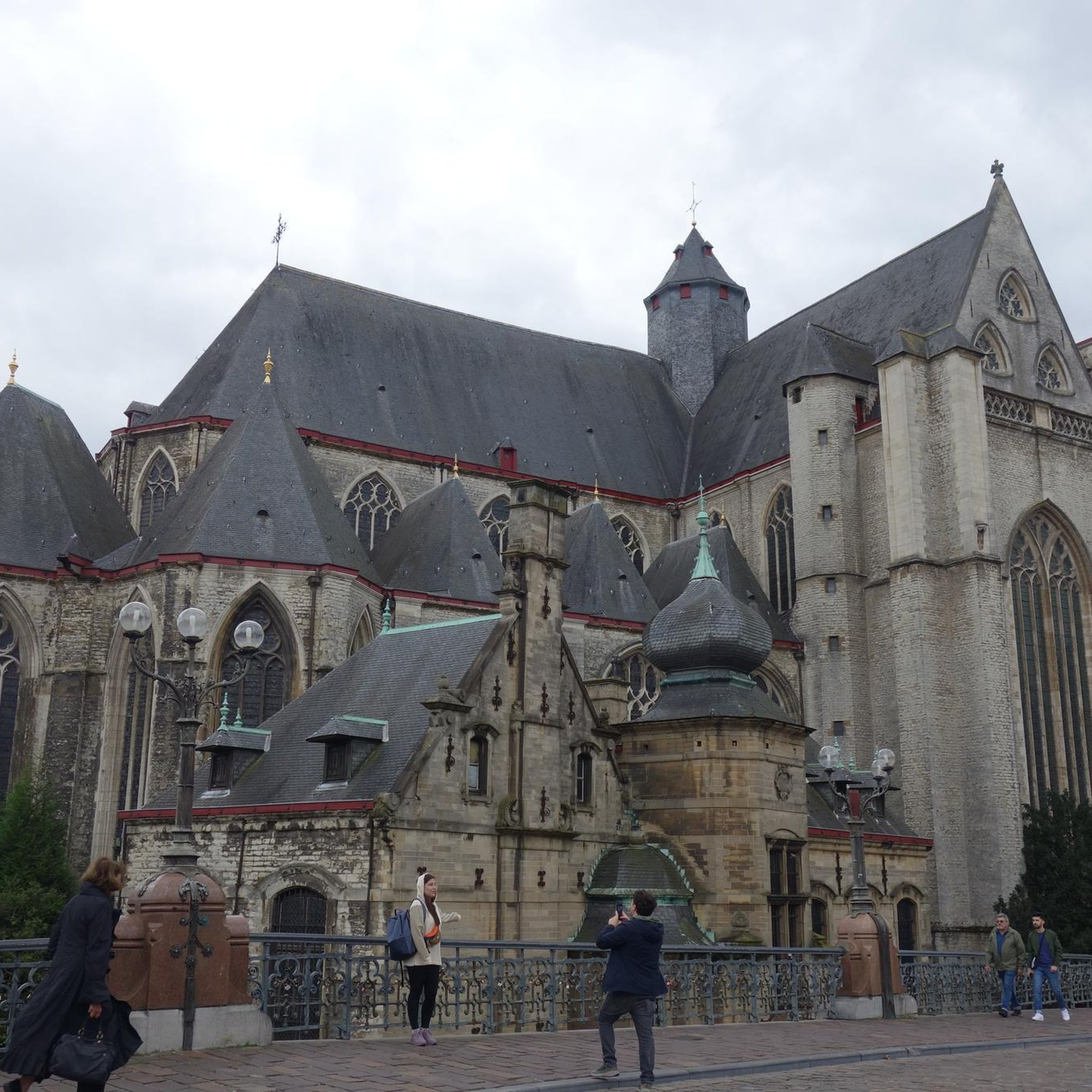
- Another must-see spot is Durham Castle, a castle that is a designated UNESCO World Heritage Site along with the cathedral. It has been continuously occupied since its construction began in 1072 and is now part of Durham University.
- Visitors also love Croxdale Hall and Chapel, a religious building and historical site. This privately owned, Grade I-listed mansion dates from the 17th century and features extensive alterations from the 1760s.
- Thornley is known for historical sites, mansions, and university-affiliated castles. The area offers a variety of castle-related locations to see and explore, from ancient ruins to preserved estates.
- The castles around Thornley are appreciated by the komoot community, with 91 upvotes and 62 photos shared by visitors.
Last updated: July 1, 2026
Durham Castle
Highlight • Castle
Tip by

Croxdale Hall and Chapel
Highlight • Religious Site
Tip by
Sign up now to discover places like this
Get recommendations on the best single tracks, peaks, & plenty of other exciting outdoor places.
Sign up for free
Castle Eden Mansion
Highlight • Monument
Tip by

View of Durham Cathedral from Prebends Bridge
Highlight • Viewpoint
Tip by

Start today with a free account
Your next adventure awaits.
Login or Signup

Tips from the Community

From the 18th-century stone bridge, you can see Durham Cathedral and Castle on top of a rocky peninsula, wrapped by the River Wear.
0
0
The cathedral was originally constructed to house the relics of St Cuthbert, a beloved Northumbrian saint. His shrine is a significant pilgrimage destination.
0
0

An 18th Century Palladian style mansion set above the woodland of Castle Eden Burn. It's an impressive site although not open to the public. Viewable from many points on a walk around nearby Castle Eden Dene nature reserve.
1
0

The view from the bridge over the river is nice, but concerning the cathedral you actually have a better view from the riverbank.
2
0
Donated to the university and now used as student residence. Therefore opening times are limited, but one can get a glimpse into the inner yard when asking friendly.
12
0
A stone arch bridge across the river Weir, it's construction was completed in 1778. The bridge was built slightly upstream of the previous bridge to give a better view of the cathedral. Durham Cathedral was established as a shrine to St. Cuthbert in the year 995. The present cathedral was largely finished by 1093. It's the only cathedral in England to retain the Norman carftmanship. The western towers date from the 12th and 13th centuary with the central tower added in the 15th centuary.
0
0

Stunning view over the bridge to the cathedral
4
0
Right next to the Cathedral is Durham Castle which is now part of the university
4
0
Frequently Asked Questions
Are there any castles directly within Thornley?
While historical records mention a castle in Thornley, specifically at a site known as Thornlaw, there are no standing, notable castles with visible features to visit in Thornley today. The historical site is believed to have been a timber castle, but any remains are merely a 'ghostly shadow' with no preserved structures for visitors to explore.
Which castles near Thornley are family-friendly?
Both Durham Castle and View of Durham Cathedral from Prebends Bridge are listed as family-friendly. Durham Castle, as part of Durham University, offers a unique historical experience, though opening times may be limited as it's still a student residence. The viewpoint offers a great outdoor experience for all ages.
What kind of historical insights can I gain from visiting castles near Thornley?
Durham Castle, an 11th-century Norman motte construction, offers deep historical insights into the region's past, including its role in protecting the Bishop of Durham after the Norman conquest. Croxdale Hall and Chapel, a 17th-century mansion with a disused 12th-century chapel, showcases different architectural periods and local heritage. Even the 18th-century Palladian style of Castle Eden Mansion provides a glimpse into later historical estates.
Can I visit the interior of all castles mentioned?
No, not all castles are fully accessible for interior visits. Durham Castle, while a UNESCO World Heritage Site, is part of Durham University and used as a student residence, so opening times for visitors are limited. Castle Eden Mansion is privately owned and not open to the public, though it can be viewed from nearby walks. Croxdale Hall and Chapel is also privately owned, but its exterior and the chapel are visible from the Weardale Way.
Are there any natural features or viewpoints near these castles?
Yes, Castle Eden Mansion is set above the woodland of Castle Eden Burn and is viewable from many points on a walk around the nearby Castle Eden Dene nature reserve. Additionally, the View of Durham Cathedral from Prebends Bridge offers glorious views of the River Wear and Durham Cathedral, which is adjacent to Durham Castle.
What outdoor activities can I do near the castles around Thornley?
The region around Thornley offers various outdoor activities. You can find numerous routes for hiking, road cycling, and gravel biking. Many of these routes pass through scenic areas, some offering views of historical sites or natural reserves like Castle Eden Dene.
Are there specific hiking trails that pass by these castles?
Yes, Croxdale Hall and Chapel is a fine sight for walkers on the Weardale Way long-distance trail. For other castles, you can explore various hiking routes around Thornley, some of which offer views of the castles or their surrounding landscapes.
What is the best way to view Castle Eden Mansion?
Castle Eden Mansion is not open to the public, but it is viewable from many points on a walk around the nearby Castle Eden Dene nature reserve. This allows you to appreciate its 18th-century Palladian style within its natural setting.
Are there other notable castles in the broader County Durham region, even if not directly near Thornley?
Yes, for those interested in exploring historical castles in the broader County Durham region, options such as Lumley Castle, Walworth Castle, and Langley Castle exist. These offer different historical periods and experiences, though they are not located within Thornley itself.
What makes Durham Castle a significant historical site?
Durham Castle is a designated UNESCO World Heritage Site, continuously occupied since its construction began in 1072 under William the Conqueror. It was built to protect the Bishop of Durham and is an excellent example of Norman motte construction. Its Great Hall was once the largest of its kind in Britain.
Can I find accommodation near these castles?
While specific accommodation details are not provided in the guide, the areas around these castles, particularly near Durham City (for Durham Castle), offer various accommodation options, from hotels to guesthouses, suitable for visitors exploring the region.
Most popular attractions around Thornley

Get inspired with the komoot mobile app


Explore more
Looking for the best castles somewhere else? Discover other guides around Thornley:
