Top 20 Castles in Haut-Rhin
Best castles in Haut-Rhin are found amidst the region's diverse landscape, which includes the Alsace plain, Vosges mountains, and vineyards. This area of France is characterized by its historical significance, with numerous medieval fortifications offering insights into past eras. Many castles are situated on elevated positions, providing extensive views of the surrounding terrain. The region's natural features complement these historical sites, making it a destination for exploring both history and nature.
Best castles in Haut-Rhin
- The most popular castles is…
Last updated: May 9, 2026
Saint-Ulrich Castle
Highlight • Castle
Translated by Google •
Tip by

Girsberg Castle
Highlight • Castle
Translated by Google •
Tip by

Sign up now to discover places like this
Get recommendations on the best single tracks, peaks, & plenty of other exciting outdoor places.
Sign up for free
Haut-Ribeaupierre Castle
Highlight • Castle
Translated by Google •
Tip by
Kaysersberg
Highlight • Settlement
Translated by Google •
Tip by

The Three Castles of Eguisheim
Highlight • Castle
Translated by Google •
Tip by

Kaysersberg Castle
Highlight • Castle
Tip by

Hohlandsbourg Castle
Highlight • Castle
Translated by Google •
Tip by

Landskron Castle
Highlight • Castle
Translated by Google •
Tip by

Wildenstein Castle Ruins
Highlight • Castle
The castle's position on top of …
Tip by

Saint Leo IX Chapel (Chapelle Saint-Léon IX), Éguisheim
Highlight • Religious Site
Translated by Google •
Tip by

Sign up for free to discover even more castles in Haut-Rhin.
Sign up for free
Already have an account?
Start today with a free account
Your next adventure awaits.
Login or Signup
Popular around Haut-Rhin
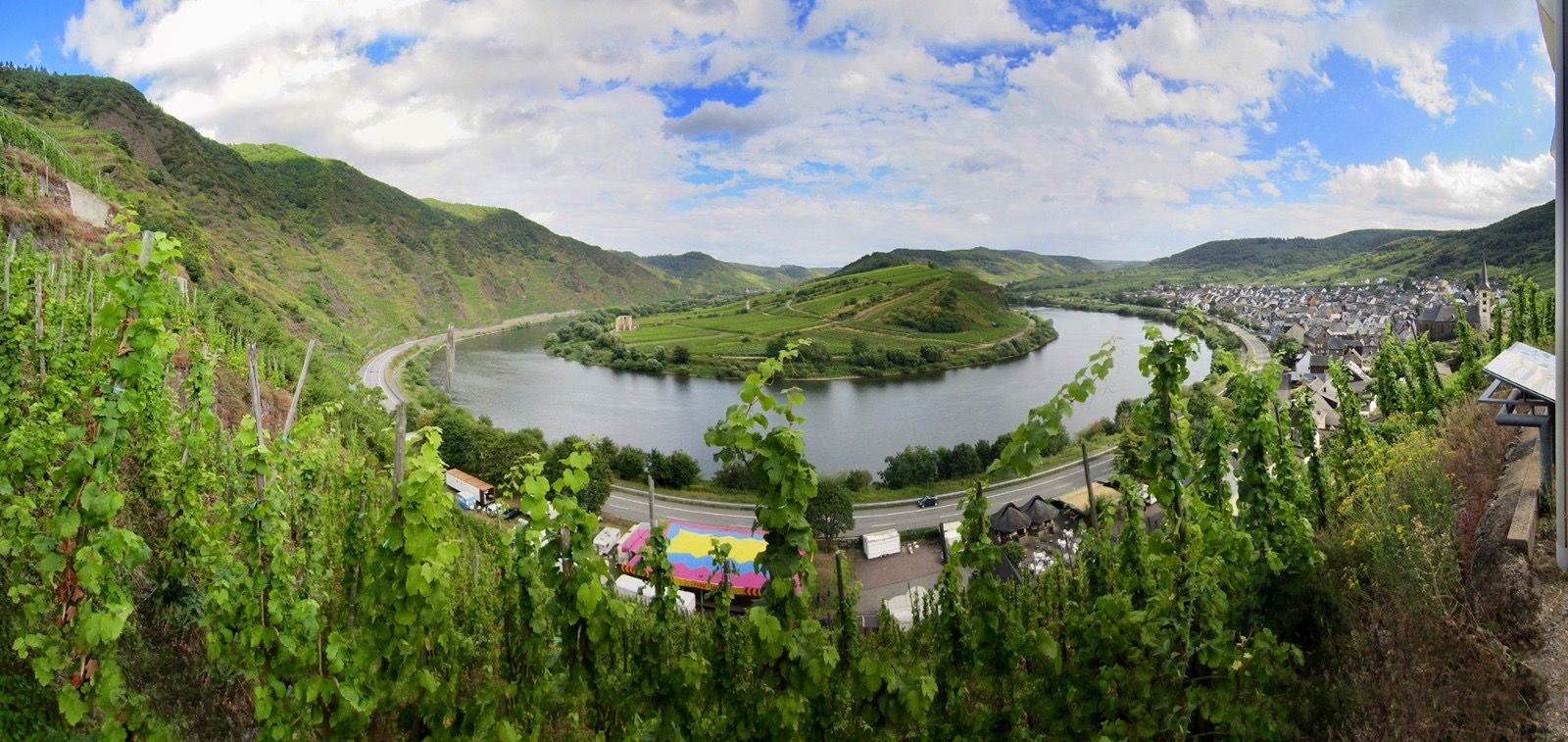
The Moselle cycle path — from the Vosges to the Rhine in 18 stages
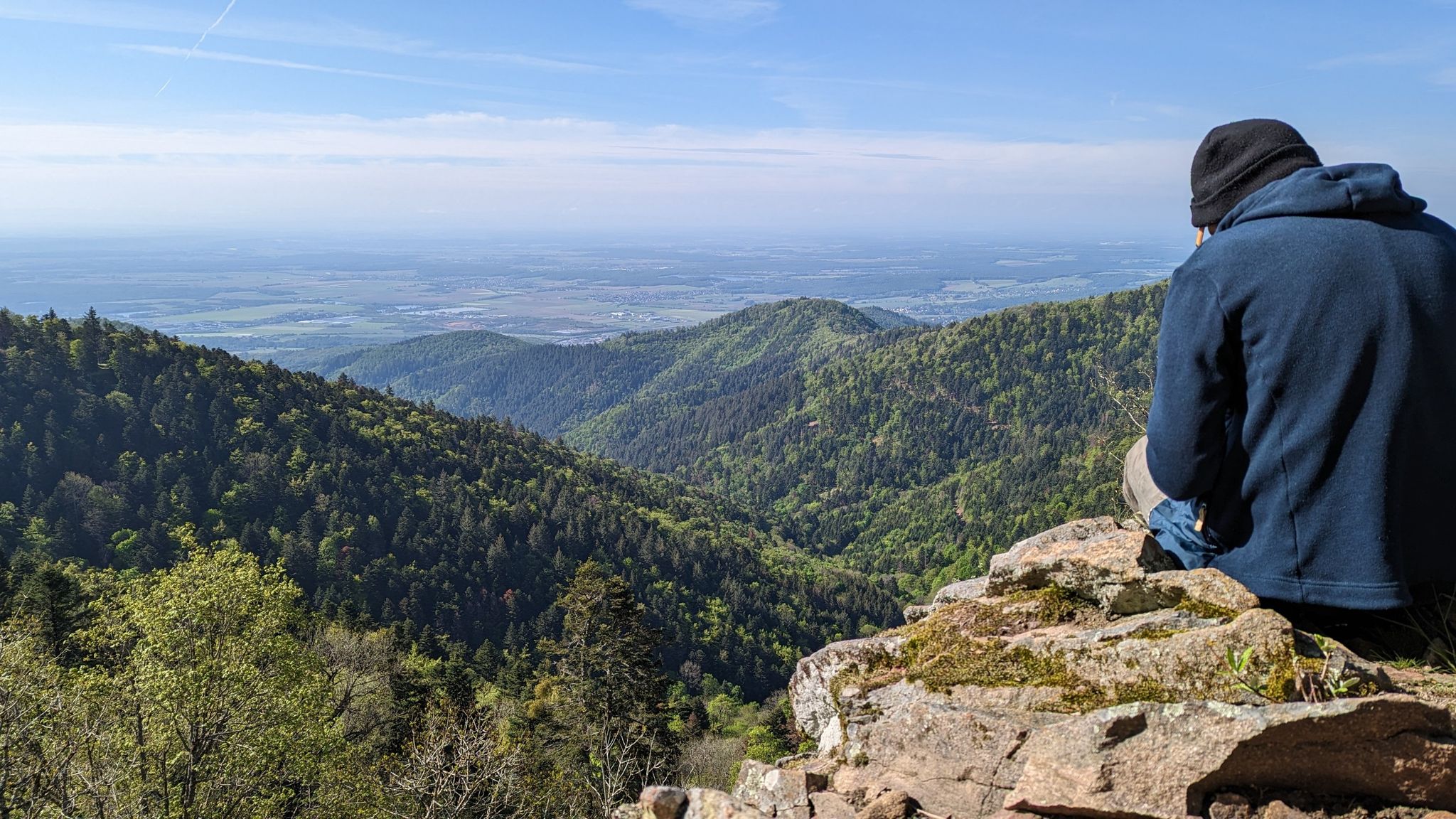
Sentier de l'Europe (GR 5) – Montbéliard to Abreschviller
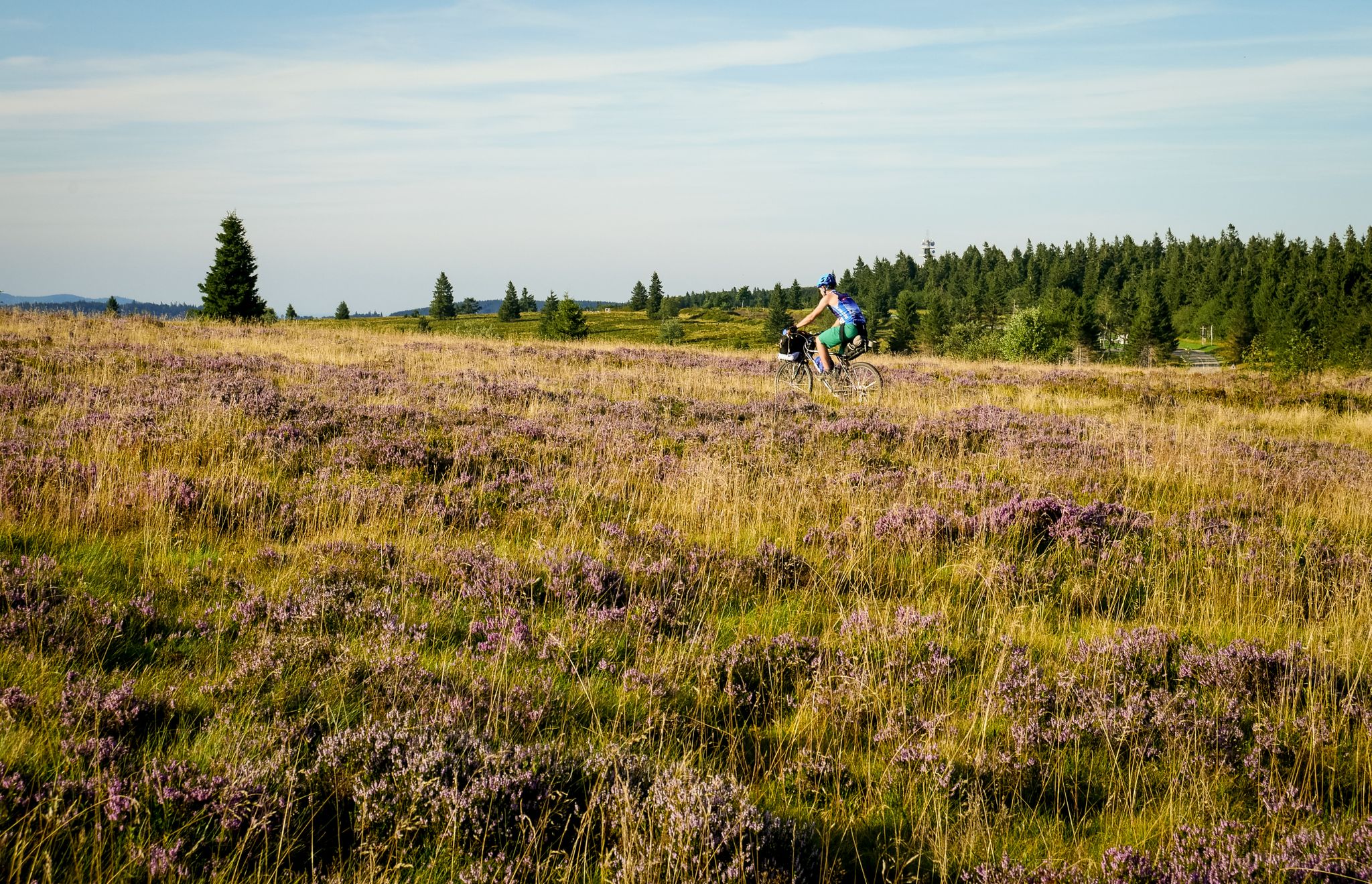
Traversée du Massif Vosgien — Alsace bikepacking
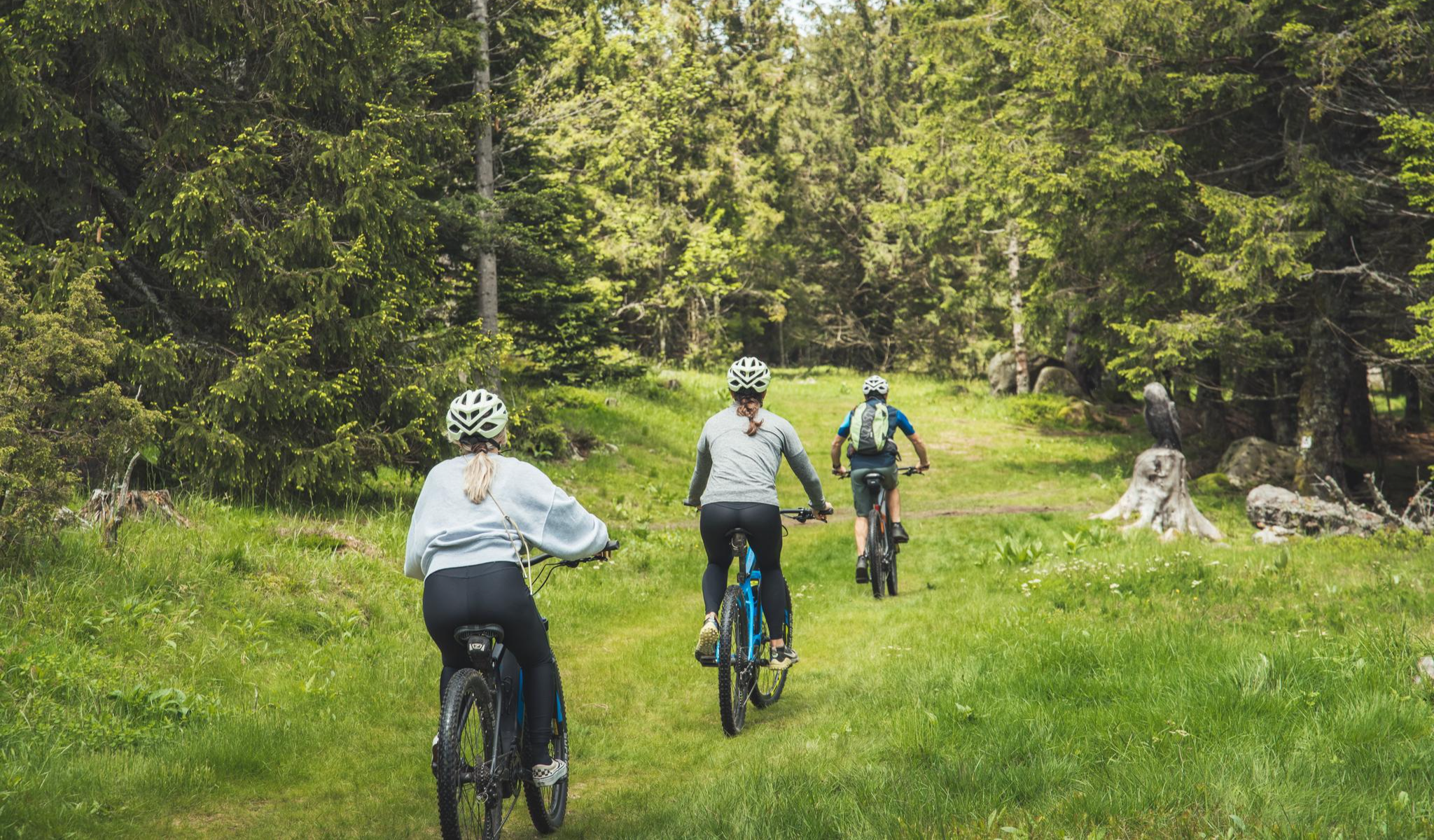
MTB and gravel in the Grand Est – the joy of the low mountains

Trail running in the Grand Est – the region's most beautiful hilly trails
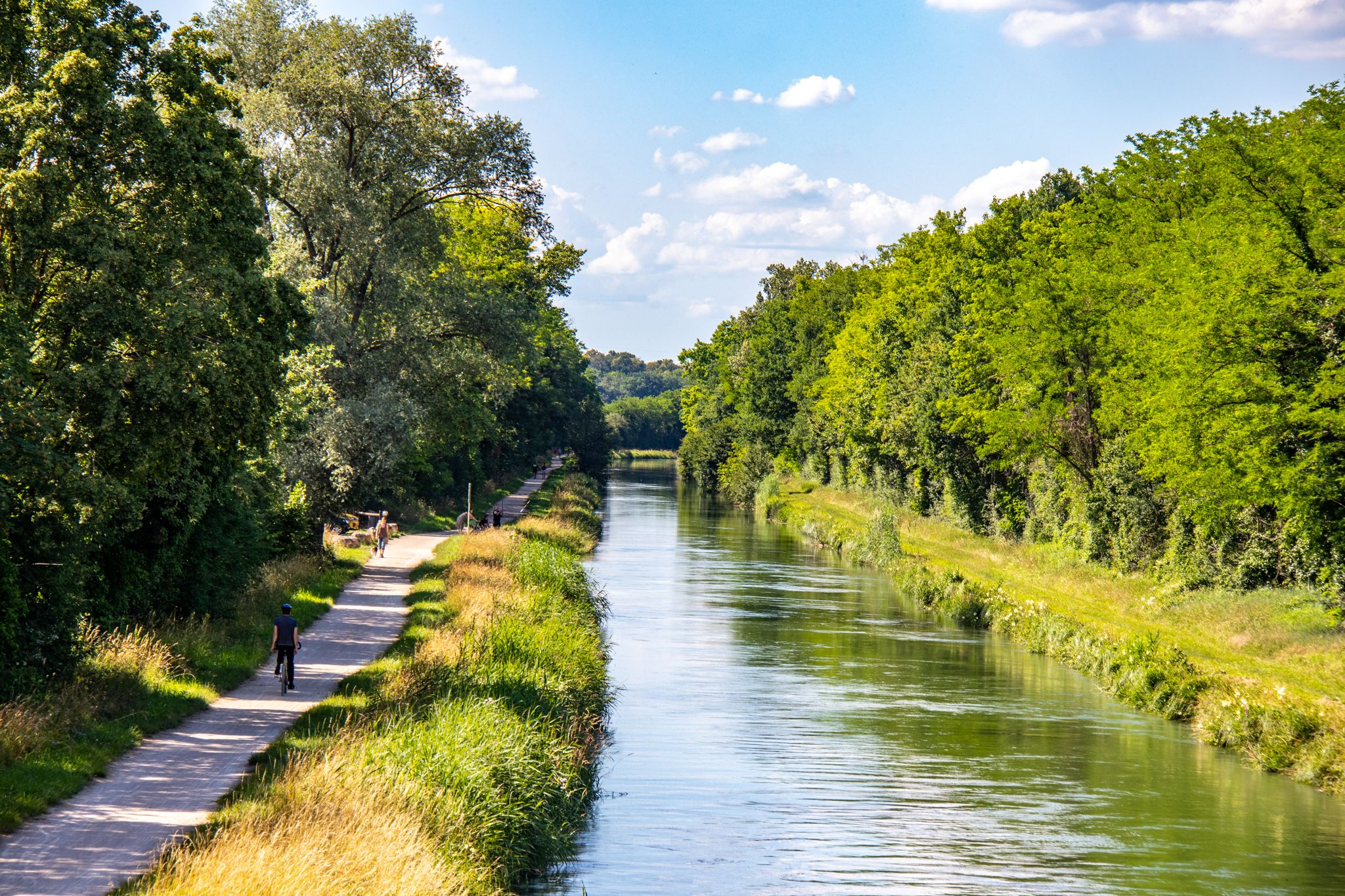
EuroVelo 6 – between the Rhine and the Loire by bike

The Grand Est without a car – cycling from station to station
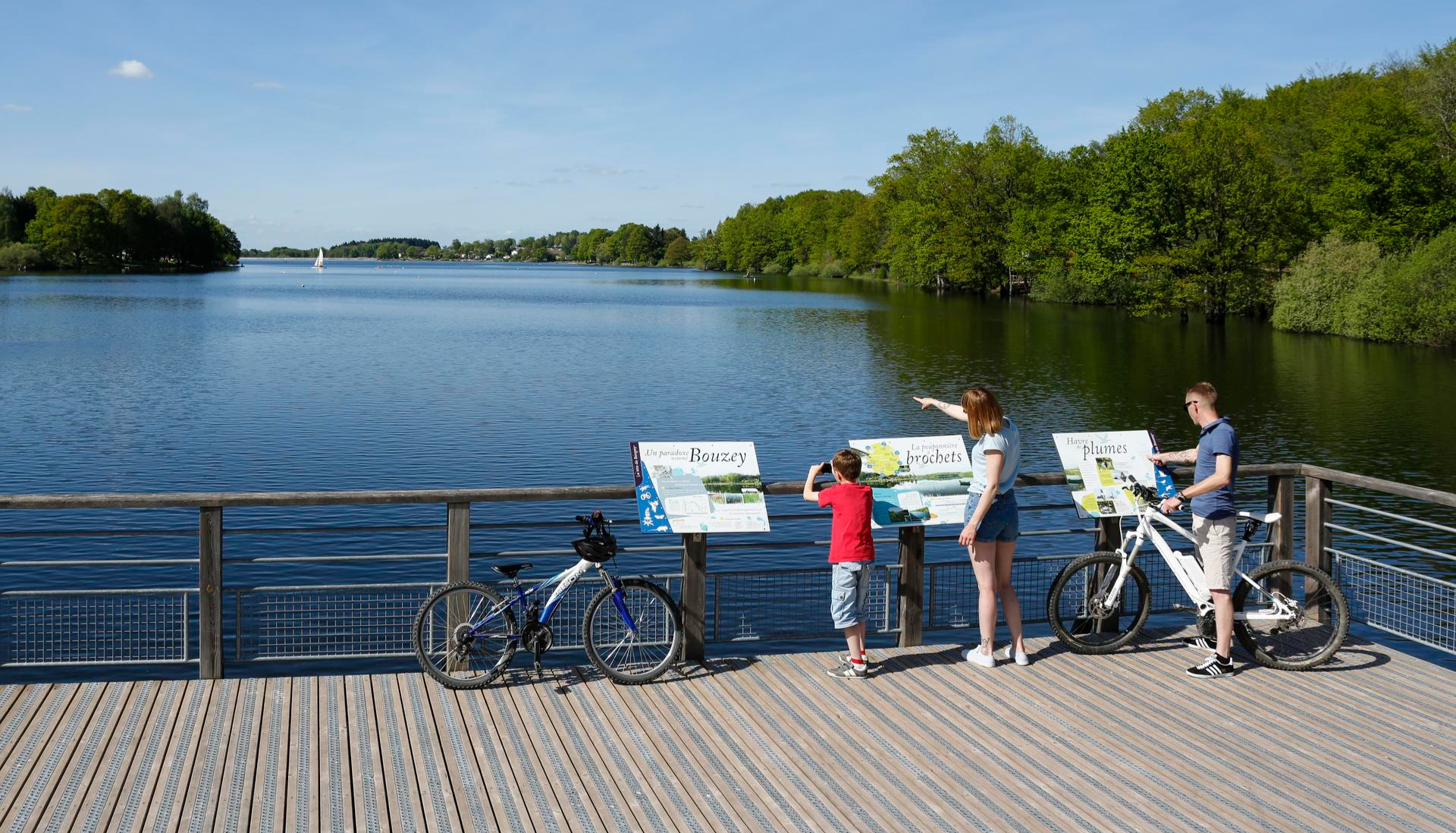
Family getaways – cycling in the Grand Est
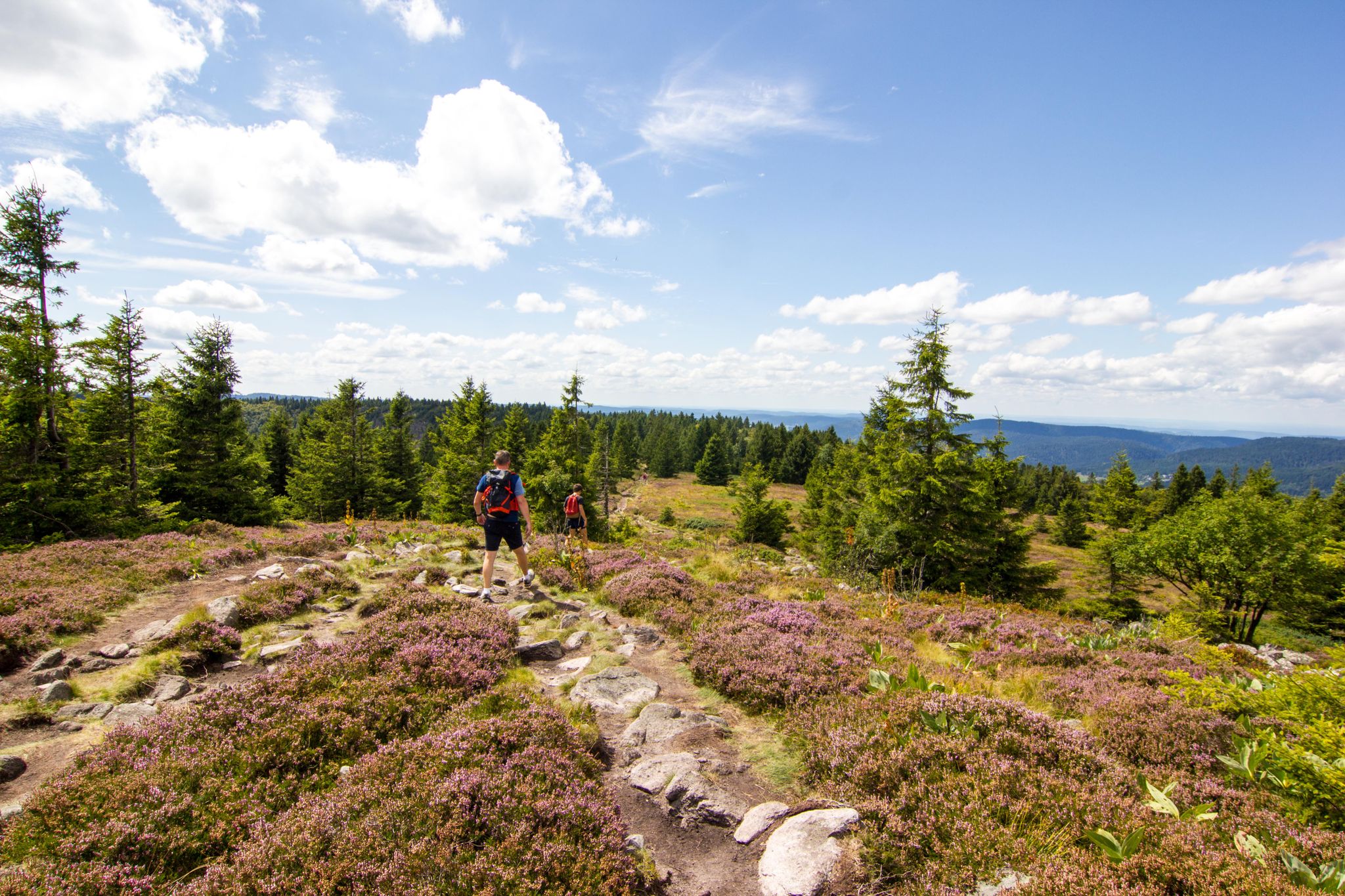
Hiking and relaxation – wellbeing on the Traversée des Vosges
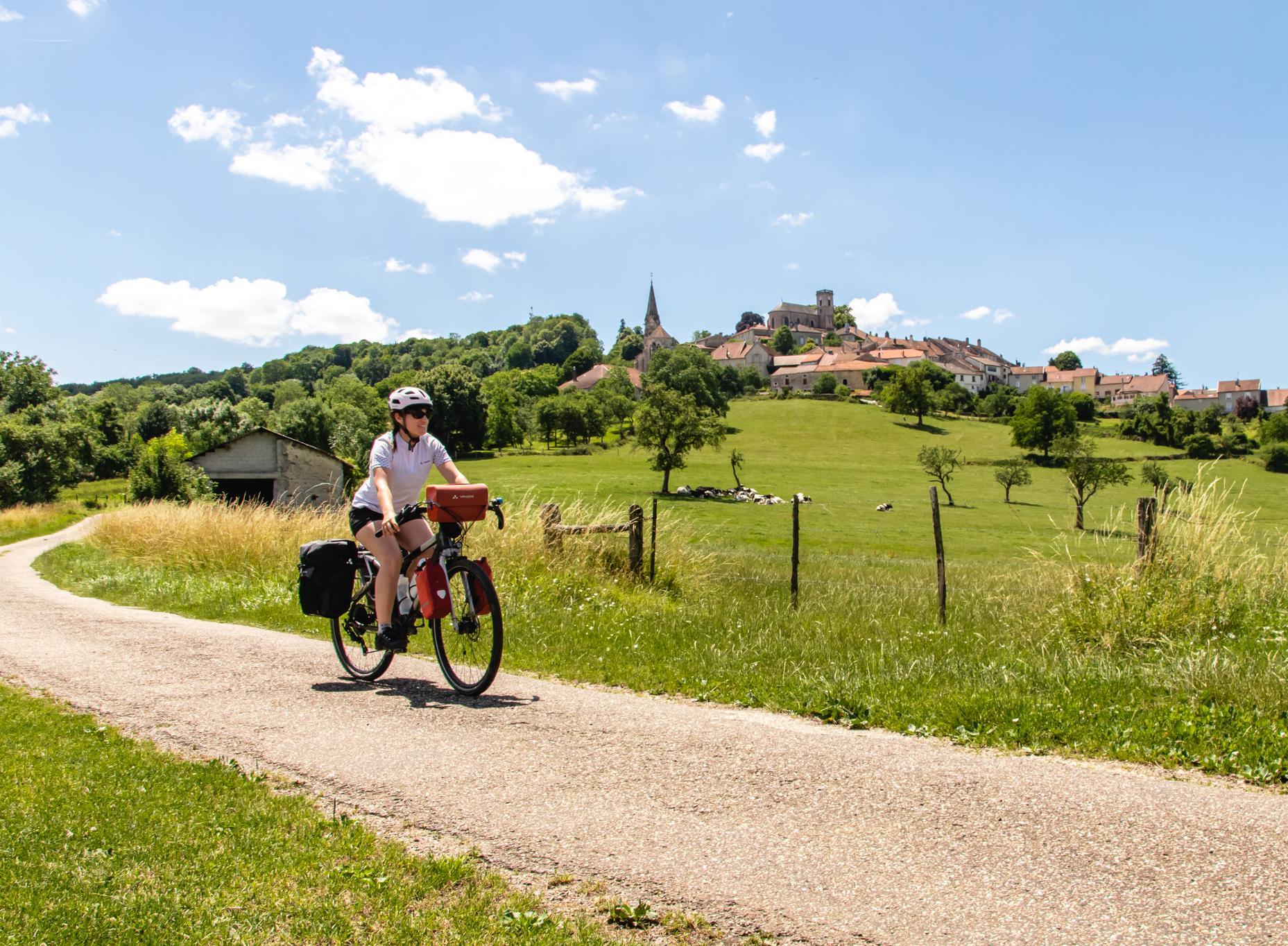
Bikepacking in Grand Est – the must-see routes
Other adventures in Haut-Rhin


Tips from the Community

The large wall at the rear of the ruins has been reinforced. The keep is also now dilapidated. To prevent anyone from climbing the tower, the lower staircase has been removed.
7
1
Saunt Ulric Castle is the largest of the three ruins. It is currently undergoing partial renovation. A small section is cordoned off, and caution is advised in other areas. However, the keep is accessible.
6
0

The castle of Haut-Ribeaupierre (Hohrappoltstein) was probably built during the turmoil of the Interregnum around the mid-13th century. It served as an outpost at a time when the King of France was planning to invade Alsace. Later, it served as an observation tower for early warning of forest fires. The entire castle complex is dominated by an imposing circular keep, which offers a magnificent view of the Alsatian plain and the surrounding mountain ridges.
6
1
As a former Free Imperial City, Kaysersberg boasts its imperial castle. Built around 1200 to block the roads coming from Lorraine, it was a strategically important location in the war between the Holy Roman Empire and the Dukes of Lorraine. A massive cylindrical keep, one of the oldest round keeps in Alsace, with walls over 4 meters thick, is a sight to behold in itself. Within these walls and under the keep's protection, you can also admire the lord's residence with its pointed-arch windows! But above all, don't miss the magnificent view: Climb the 122 steps to the top of the keep and enjoy a breathtaking panorama of Kaysersberg, the valley entrance on the mountainside, the vineyards, and, on a clear day, even the Black Forest in Germany. From the old town, two staircases and a path through the vineyards lead to the castle ruins.
8
0
The Saint Leo Chapel was built in the Romanesque Revival style on the site where the keep once stood. It was consecrated in 1894 and dedicated to Saint Leo. Inside, Martin painted medallions on the vault in the 11th-century style, depicting seven scenes from the life of Saint Leo. The windows, dating from 1895, depict the saints of Alsace, many of whom were members of the Counts of Eguisheim.
7
0

The first mention of Wildenstein Castle dates back to the early 14th century. The stronghold then belonged to Count Ulrich III of Ferrette. Its function was to control the upper Thur Valley, as well as the road to the Bussang Pass. It was during the Thirty Years' War that Wildenstein Castle achieved its greatest military importance. It was successively captured and recaptured by the various belligerents, and was destroyed at the end of the war in 1646 by the French, allies of the Swedes.
1
0

The so-called “palace of the lords of Eguisheim” refers to the original castle of Eguisheim, which was built in the 8th century by Eberhard, Duke of Alsace and nephew of Saint Odilia 1. This castle formed the centre of the village and gave rise to the unique concentric urban structure of Eguisheim, with the houses and streets built in circles around the castle. Although the original castle has largely disappeared, its remains are integrated into the Chapelle Saint-Léon, which was built on the site of the old keep. This chapel and the surrounding Place du Château Saint-Léon today form the symbolic heart of the village. Here you will also find the statue of Pope Leo IX, who was born in this castle in 1002.
6
0

A magnificent castle! The walk along the castle walls offers beautiful views over the Alsatian wine-growing villages and towns... and especially the Vosges Mountains.
2
0
Frequently Asked Questions
What kind of views can I expect from the castles in Haut-Rhin?
Many castles in Haut-Rhin are situated on elevated positions, offering extensive panoramic views. For example, Saint-Ulrich Castle provides fantastic views of the plain and the town of Ribeauvillé. From the Château du Haut-Kœnigsbourg, you can see the Alsace plain, the Black Forest, and even the Alps on clear days. Hohlandsbourg Castle offers magnificent 360-degree views of the Alsace plain and the Vosges mountains. Kaysersberg Castle also provides stunning vistas of the town, vineyards, and the Black Forest.
When is the best time of year to visit the castles in Haut-Rhin?
The Château du Haut-Kœnigsbourg is open year-round, except for a few public holidays, making it accessible throughout the seasons. Hohlandsbourg Castle is typically open from early April to early November. For castles accessible via hiking trails, such as the Three Castles of Eguisheim, spring and autumn offer pleasant weather for walking and exploring.
Are there family-friendly castles in Haut-Rhin with activities for children?
Yes, Hohlandsbourg Castle is particularly engaging for families, featuring modern and interactive exhibits, archaeological artifacts, and hosting various events, re-enactments, workshops, and treasure hunts. The town of Kaysersberg, with its castle ruins, is also considered family-friendly.
What are some popular hiking trails around Haut-Rhin castles?
The Haut-Rhin region offers several popular hiking trails that include castles. The Three Castles of Eguisheim are accessible via scenic hiking trails from Eguisheim village. Another notable route is the Three Castles of Ribeauvillé Trail, which connects Saint-Ulrich Castle, Girsberg Castle, and Haut-Ribeaupierre Castle.
How can I reach the castles, and is parking available?
Accessibility varies by castle. The Château du Haut-Kœnigsbourg is a major attraction and typically has parking facilities. Hohlandsbourg Castle is located just 12 kilometers from Colmar. For castles like the Three Castles of Eguisheim and Kaysersberg Castle, they are often reached via hiking trails from nearby villages, where parking may be available in the village itself.
What is the difference between Château du Haut-Kœnigsbourg and Château du Hohlandsbourg?
The Château du Haut-Kœnigsbourg is famous for its extensive early 20th-century restoration, offering an authentic insight into medieval life with a fully furnished interior and various workshops. Château du Hohlandsbourg, the largest fortified castle in Alsace, has been transformed into a vibrant cultural center with interactive exhibits and family events, and is known for its 360-degree panoramic views. Both offer historical immersion but with different focuses on presentation and activities.
Are there any castles that are free to visit?
Yes, the ruins of the Three Castles of Eguisheim are free to visit and accessible via hiking trails. Similarly, access to Kaysersberg Castle is also free, allowing visitors to climb its circular keep for panoramic views.
What outdoor activities can I do near these castles?
The Haut-Rhin region offers diverse outdoor activities. You can find numerous hiking opportunities, including trails connecting multiple castles like the Three Castles of Ribeauvillé Trail. For cycling enthusiasts, there are MTB trails and road cycling routes throughout the region, often passing through vineyards and scenic landscapes near the castles.
What historical significance do the castles in Haut-Rhin hold?
The castles in Haut-Rhin are rich in history, many dating back to the 11th-13th centuries. They served various purposes, from defensive strongholds controlling strategic passages, like Kaysersberg Castle, to residences of powerful lords. The Château du Haut-Kœnigsbourg, for instance, has a complex history of construction, destruction, and a significant restoration under Kaiser Wilhelm II, offering a unique glimpse into medieval architecture and life.
Can I find dining options or accommodation near the castles?
Yes, the Château du Haut-Kœnigsbourg features an inn within its lower courtyard. The town of Kaysersberg, with its castle, is known for its charming atmosphere and likely offers various dining and accommodation options. For other castles, nearby villages like Eguisheim or Ribeauvillé provide amenities for visitors.
Are there any lesser-known or ruined castles worth exploring?
Beyond the major sites, Haut-Rhin is home to many intriguing ruins. Wildenstein Castle Ruins, for example, offer an impressive position and historical depth, despite being largely in ruins. Girsberg Castle is another picturesque ruin near Ribeauvillé, offering breathtaking views and a romantic charm amidst nature.
What are the most well-preserved castles in the region?
The Château du Haut-Kœnigsbourg is exceptionally well-preserved due to its extensive restoration. Among the Three Castles of Ribeauvillé, Saint-Ulrich Castle is considered the largest and best preserved, with an accessible keep and well-maintained ruins.
Most popular routes in Haut-Rhin
Most popular attractions in Haut-Rhin

Get inspired with the komoot mobile app


Explore more
Looking for the best castles somewhere else? Discover other guides in Haut-Rhin:
