The 6 Most Amazing Peaks around Tudanca-Cabuerniga
Best mountain peaks around Tudanca-Cabuerniga are situated within the Cantabrian Mountains in northern Spain. This region is characterized by its mountainous and coastal landscape, featuring limestone formations, karst topography, and deep valleys. The area offers diverse experiences for visitors exploring its natural features. It is known for its spectacular landscapes and walking trails, with parts belonging to the Saja-Besaya Natural Park.
Best mountain peaks around Tudanca-Cabuerniga
- The most popular mountain peaks is Tres Mares Peak, a summit located at 2,149 meters above sea level. Its name refers to a hydrological divide where waters flow towards 3 different seas, offering panoramic views of the Cantabrian interior and the Picos de Europa National Park.
- Another must-see spot is View of Pico Tordias, a viewpoint and summit. From this crossroads, visitors can reach the Ermita el Moral.
- Visitors also love Peña Labra, a summit marking the border between Cantabria and Castilla y León at 2029 meters above sea level. From its peak, views extend to the Cantabrian interior, the Picos de Europa National Park, and the Montaña Palentina Natural Park.
- Tudanca-Cabuerniga is known for its summits, viewpoints, and natural monuments. The region offers a variety of mountain peaks to see and explore, ranging from intermediate to challenging ascents.
- The mountain peaks around Tudanca-Cabuerniga are appreciated by the komoot community, with 25 upvotes and 35 photos shared by visitors.
Last updated: May 25, 2026
Tres Mares Peak
Highlight • Summit
Translated by Google •
Tip by

Peña Labra
Highlight • Summit
Translated by Google •
Tip by
Sign up now to discover places like this
Get recommendations on the best single tracks, peaks, & plenty of other exciting outdoor places.
Sign up for free
Canto Redondo Summit
Highlight • Summit
Translated by Google •
Tip by

View of Pico Tordias
Highlight • Viewpoint
Translated by Google •
Tip by

El Zarceillo
Highlight • Summit
Translated by Google •
Tip by

Start today with a free account
Your next adventure awaits.
Login or Signup
Popular around Tudanca-Cabuerniga
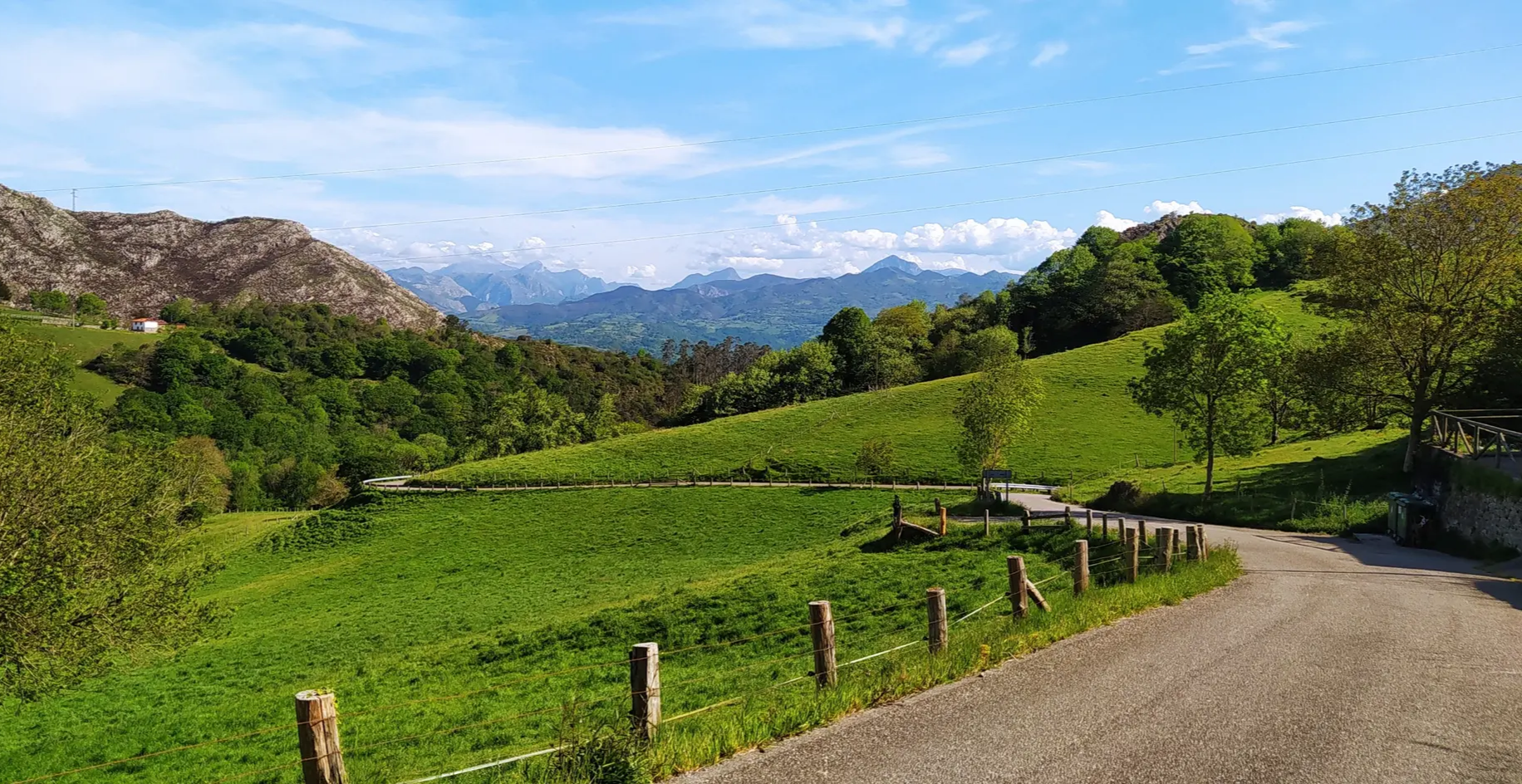
Great mountain passes of Picos de Europa on road bikes
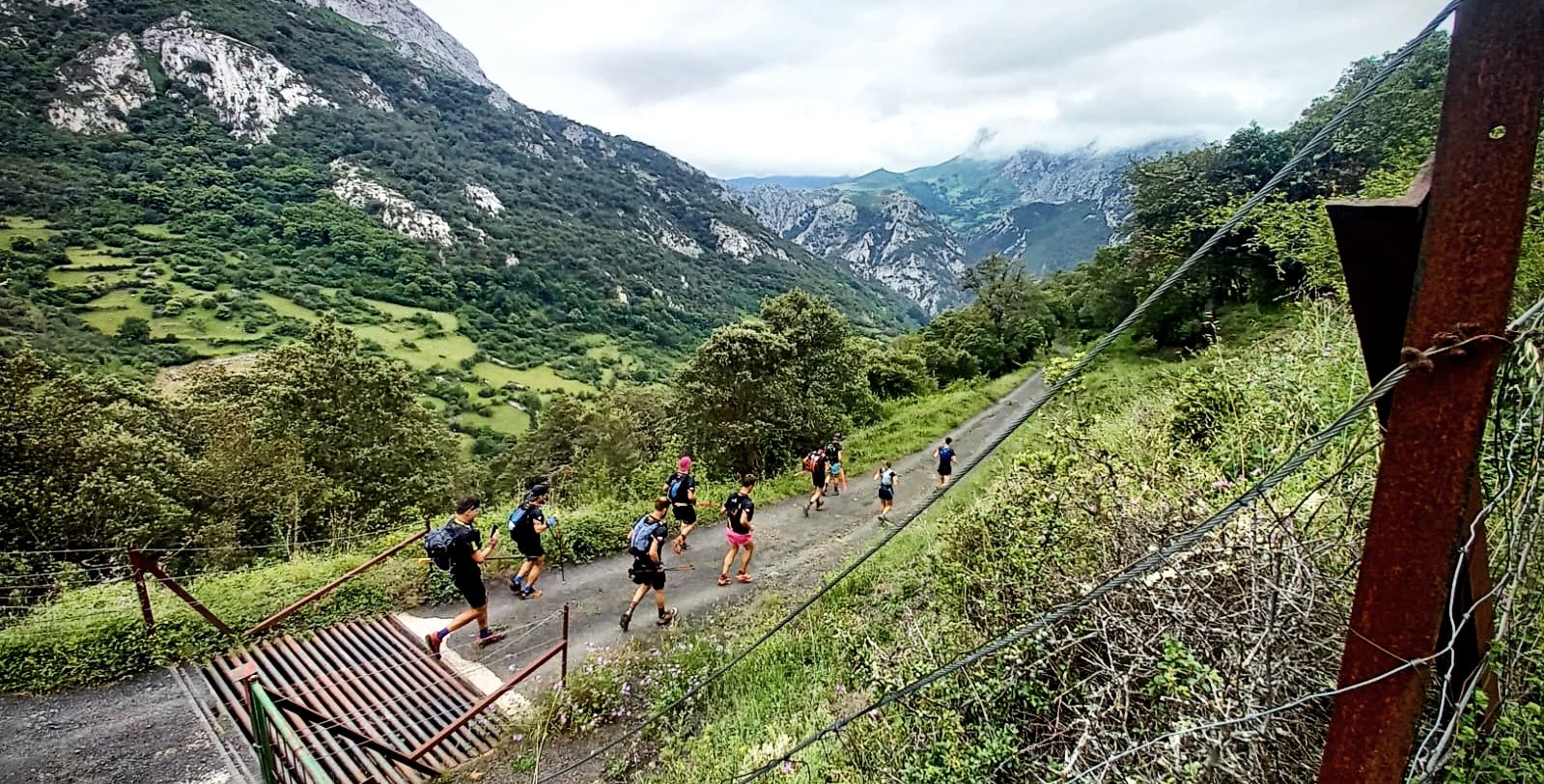
A pilgrim adventure – Spain’s Lebaniego Challenge
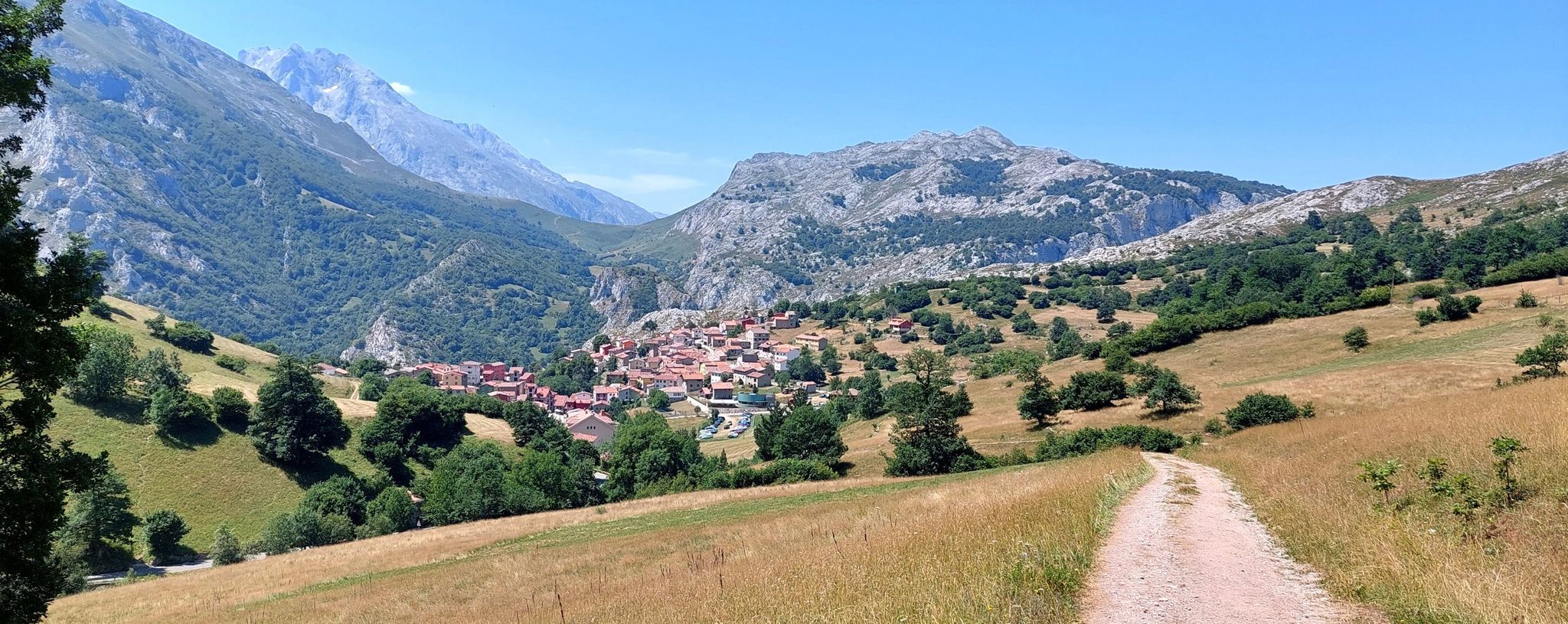
Between valleys and villages – Saja Reserve Trail (GR 71)
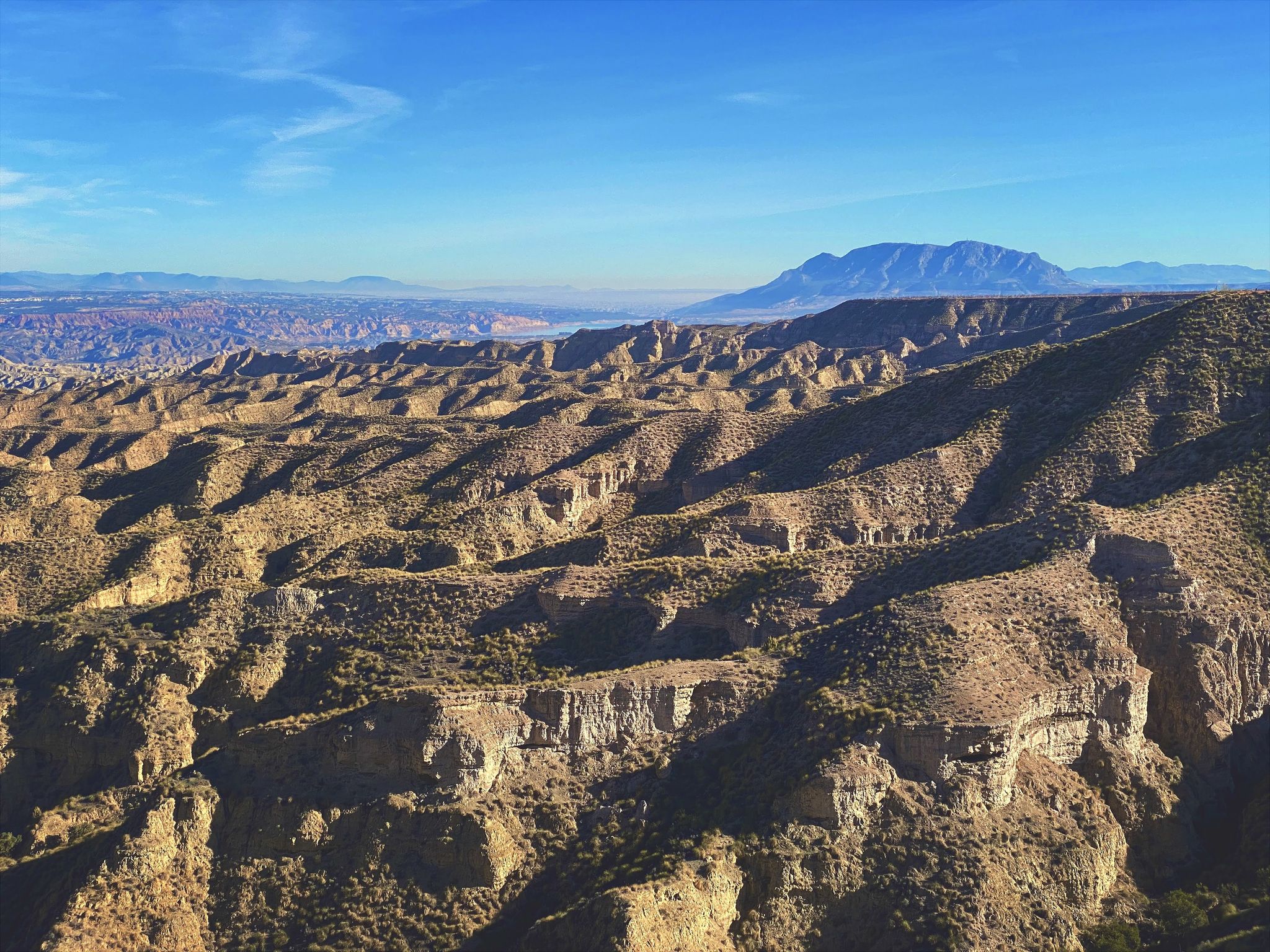
Discover Spain by gravel — a selection of must-see routes
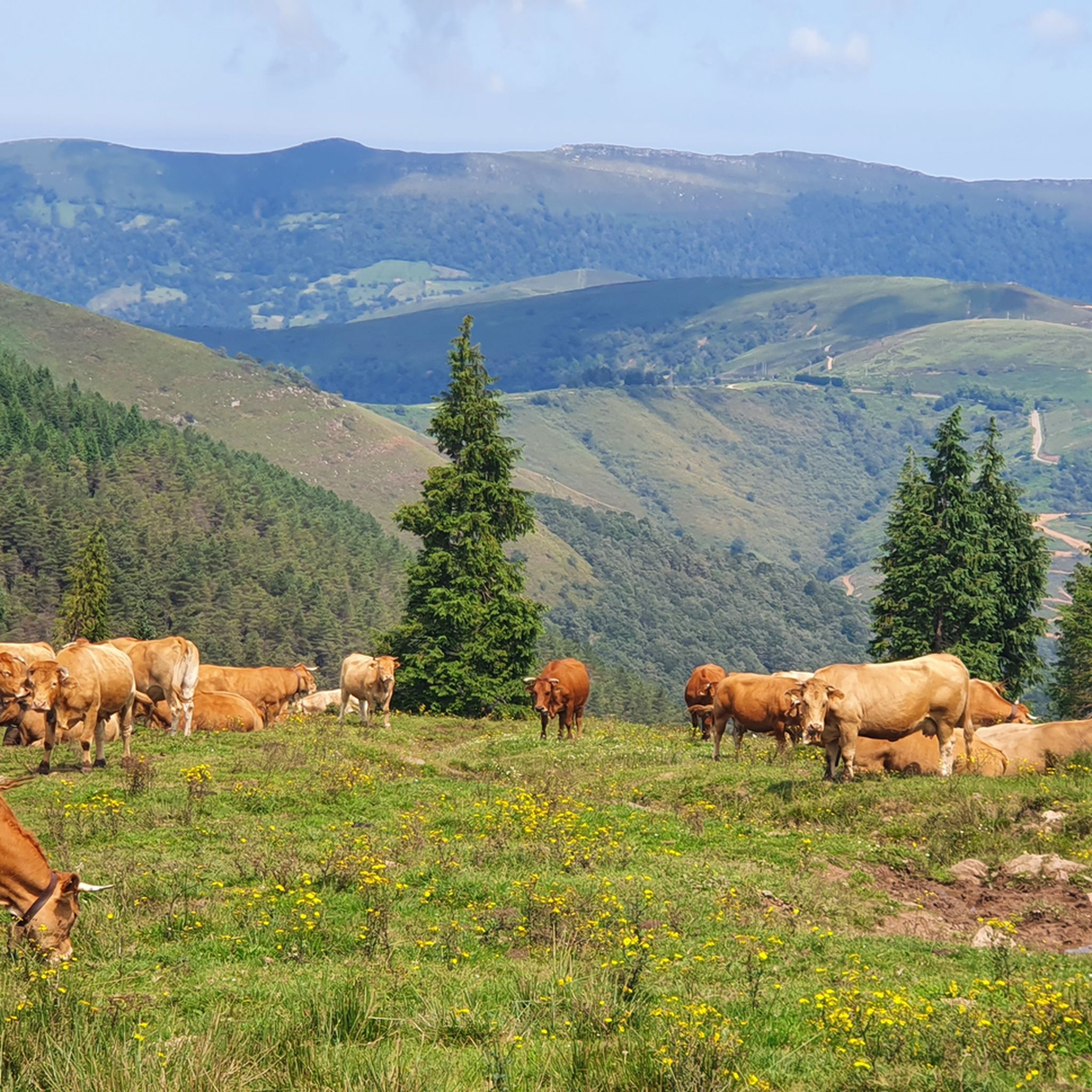
Hiking around Tudanca-Cabuerniga
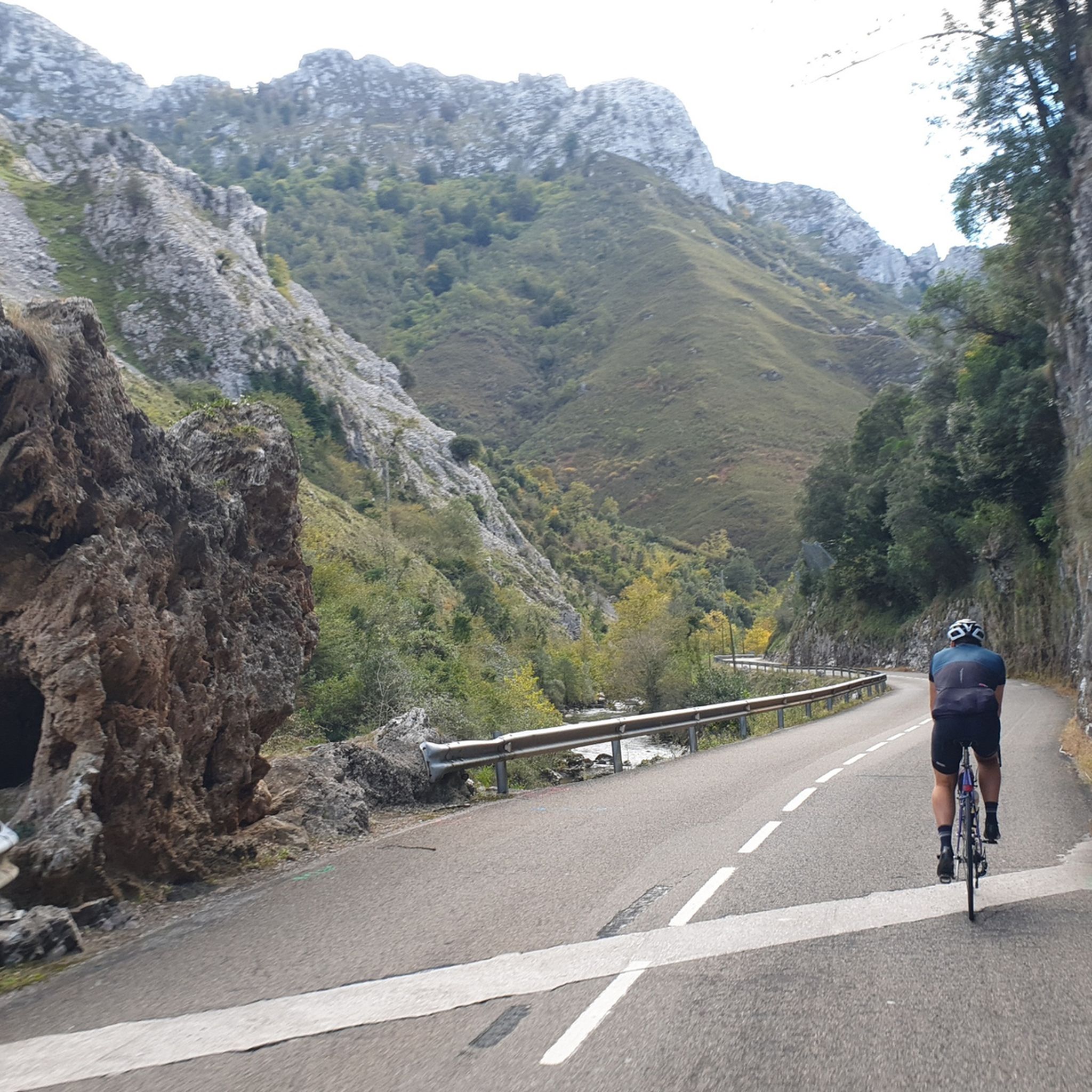
Road Cycling Routes around Tudanca-Cabuerniga
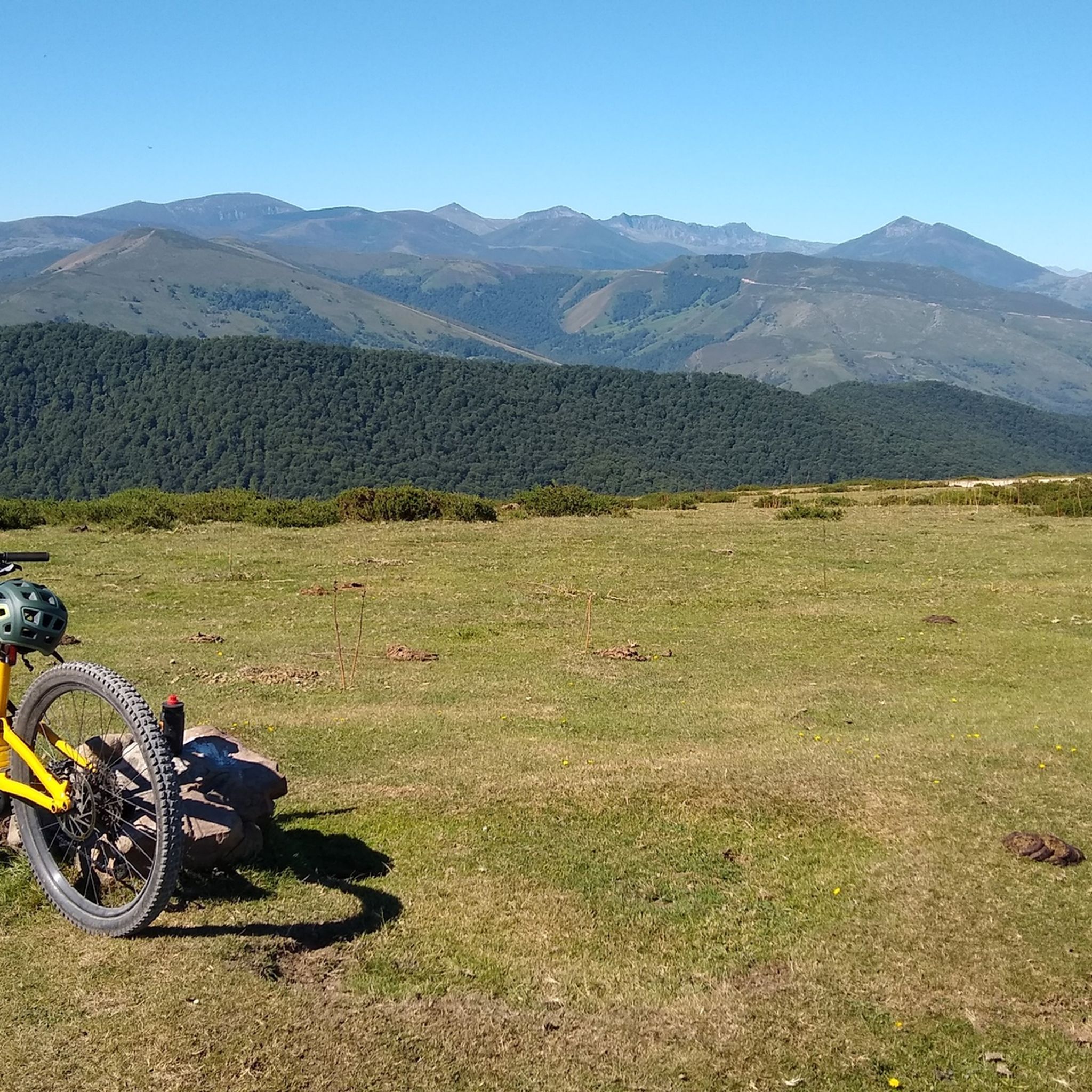
MTB Trails around Tudanca-Cabuerniga
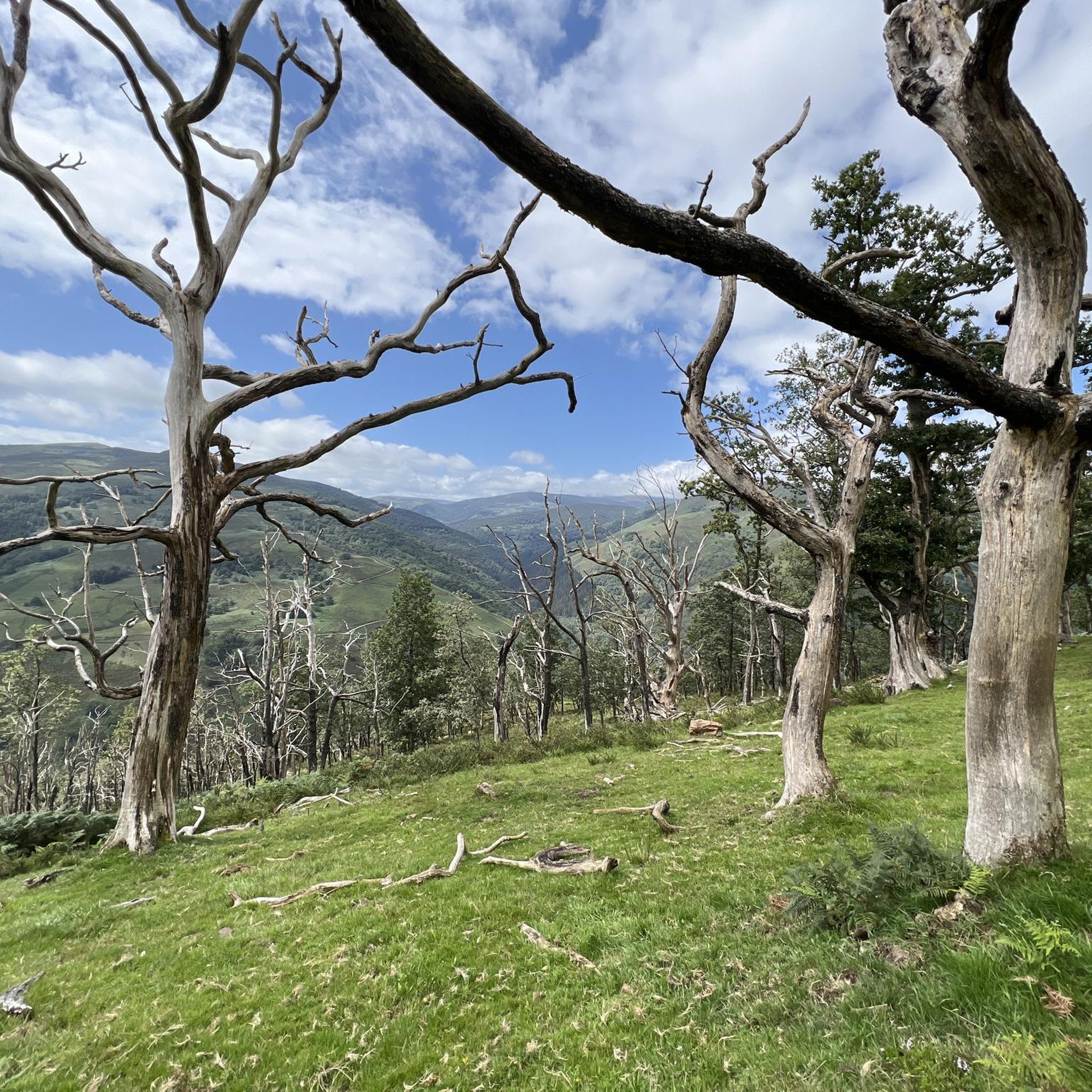
Cycling around Tudanca-Cabuerniga
Running Trails around Tudanca-Cabuerniga

Gravel biking around Tudanca-Cabuerniga
Other adventures around Tudanca-Cabuerniga


Tips from the Community

Crossroads below Pico Tordias and from where you reach the Ermita el Moral
0
0
The Zarceillo, at 905 metres above sea level, is an excellent viewing point over the Cantabrian valleys of Cabuérniga, the Sierra del Escudo de Cabuérniga, Picos de Europa, etc. Halfway up, you can also climb the Matamiguela, which is at a lower altitude. At the top there is a hut with a repeater.
0
0

At 2029 meters above sea level, the top of Peña Labra is located in a privileged place. It represents the border between the Community of Cantabria and Castilla y León, so to the north you will have impressive views of the Cantabrian interior and the mountains of the Picos de Europa National Park, while to the south you will be able to appreciate another wonderful landscape such as the of the Montaña Palencia Natural Park. Crowning its peak is for the most daring, very technical sectors and not suitable for those who suffer from vertigo, but it has a great reward.
1
0
Very close to the Alto Campo ski resort and located at 2,149 meters above sea level, the top of Tres Mares is one of those peaks that you cannot miss. You will have wonderful views towards the Cantabrian interior, the Picos de Europa National Park and the neighboring Montaña Palentina Natural Park in the Castilla y León region.
5
0
At 2029 meters above sea level, the top of Peña Labra is located in a privileged place. It represents the border between the Community of Cantabria and Castilla y León, so to the north you will have impressive views of the Cantabrian interior and the mountains of the Picos de Europa National Park, while to the south you will be able to appreciate another wonderful landscape such as the of the Montaña Palencia Natural Park.
3
0

From Ucieda to El Moral is the crossing that goes down to the Brenes pass. It is also accessed by going up to Brenes (from Villasuso or from Los Llares) and continuing towards El Moral
0
0

Summit with a geodesic vertex where you can see fantastic 360º views. On one side you can see the entire area that includes the sea, clearly visible coastal places such as San Vidente and Comillas ... even Santander in the background. On the other side Ruente and its mountains ... And Peña Sagra, the Picos de Europa ... you can't ask for more.
3
0
Frequently Asked Questions
What are some of the most notable mountain peaks in the Tudanca-Cabuerniga region?
The Tudanca-Cabuerniga region, part of the Cantabrian Mountains, features several remarkable peaks. Among them are Tres Mares Peak, known for its unique hydrological divide, and Peña Labra, which marks the border between Cantabria and Castilla y León. Another excellent viewpoint is El Zarceillo, offering panoramic views of the Cabuérniga valleys.
What makes Tres Mares Peak a unique destination?
Tres Mares Peak is unique because its name, meaning 'Three Seas,' refers to a hydrological divide at its summit. Waters from this peak flow towards the Atlantic Ocean, the Cantabrian Sea, and the Mediterranean Sea, making it a rare geographical marvel. It also offers expansive panoramic views of the Cantabrian interior, the Picos de Europa National Park, and the Montaña Palentina Natural Park.
What kind of views can I expect from Peña Labra?
From the summit of Peña Labra, you can enjoy impressive views. To the north, you'll see the Cantabrian interior and the majestic Picos de Europa National Park. To the south, the beautiful landscapes of the Montaña Palentina Natural Park unfold. This peak is located at the border of Cantabria and Castilla y León, offering diverse vistas.
Are there any peaks offering views of the Cabuérniga valleys?
Yes, El Zarceillo, at 905 meters above sea level, serves as an excellent viewpoint overlooking the picturesque Cabuérniga valleys, the Sierra del Escudo de Cabuérniga, and parts of the Picos de Europa.
What outdoor activities can I do near these mountain peaks?
The region around Tudanca-Cabuerniga offers a variety of outdoor activities. You can find numerous hiking trails, including easy options like the Tres Mares Peak – Tres Mares loop. For road cycling enthusiasts, there are routes such as the Piedrasluengas and Collado de Hoz Loop. Additionally, you can explore waterfall hikes like the Lamiña Waterfalls.
Are there easy mountain trails around Tudanca-Cabuerniga?
Yes, for those seeking less strenuous options, there are several easy hiking trails. One example is the Tres Mares Peak – Tres Mares loop from Estación de Esquí y Montaña Alto Campoo, which is approximately 2.8 km long. The Fuente Clara Trail is another accessible option for a pleasant walk.
Are there challenging climbs in the Tudanca-Cabuerniga region?
Yes, for experienced hikers, peaks like Peña Labra offer challenging ascents. While the views are rewarding, its summit can involve very technical sectors and may not be suitable for those who suffer from vertigo, as noted by the komoot community.
When is the best time to hike the mountain peaks in Tudanca-Cabuerniga?
The best time to hike the mountain peaks in Tudanca-Cabuerniga is generally during spring (April to June) and autumn (September to October). During these seasons, the weather is typically milder, and the landscapes are vibrant with spring blooms or autumn colors. Summer can also be suitable, especially in the mornings, but be prepared for warmer temperatures. Winter hiking is possible but requires appropriate gear and experience due to snow and ice conditions.
What natural features can I see from Canto Redondo Summit?
From Canto Redondo Summit, you can experience fantastic 360º views. On one side, you can see the entire coastal area, including visible places like San Vicente and Comillas, and even Santander in the distance. On the other side, you'll see Ruente and its mountains, as well as Peña Sagra and the majestic Picos de Europa.
Is Tres Mares Peak accessible for most hikers?
The climb to Tres Mares Peak is generally considered a straightforward hike with moderate elevation gain. Its terrain features rocky crests of Triassic quartzite conglomerates, making it accessible to many hikers who are reasonably fit.
What do visitors enjoy most about the mountain peaks in Tudanca-Cabuerniga?
Visitors to the mountain peaks in Tudanca-Cabuerniga particularly enjoy the expansive panoramic views, the unique geographical features like the hydrological divide at Tres Mares Peak, and the diverse landscapes that include the Cantabrian interior, Picos de Europa, and Montaña Palentina Natural Park. The region's spectacular walking trails and the sense of achievement from reaching summits are also highly appreciated.
Are there any viewpoints besides the main peaks?
Yes, beyond the major summits, the region offers dedicated viewpoints. View of Pico Tordias is a notable viewpoint and summit crossroads from where visitors can reach the Ermita el Moral. Additionally, Potro Callicedo also serves as a viewpoint offering scenic vistas.
Most popular routes around Tudanca-Cabuerniga
Most popular attractions around Tudanca-Cabuerniga

Get inspired with the komoot mobile app


Didn’t find what you were looking for?
Discover Tudanca-Cabuerniga’s best peaks and summits by region:
Explore more
See even more amazing summits around Tudanca-Cabuerniga with these guides:
