The best mountain hikes in Chimborazo
27
hikers
3
hikes
Mountaineering in Chimborazo centers around Ecuador's highest mountain, a glaciated stratovolcano with multiple summits, including Whymper Summit at 6,263 meters (20,549 feet). The region is characterized by extensive glaciers, high-altitude páramo ecosystems, and challenging climbing conditions. Its unique position as the point on Earth farthest from its center adds to its geological significance. The surrounding Chimborazo National Park protects diverse Andean wildlife and vital water sources.
Best mountaineering routes in Chimborazo
- The most popular mountaineering route is Summit of Chimborazo…
Last updated: July 2, 2026
14
hikers
9.50km
08:01
1,400m
1,400m
Hard mountaineering route. Very good fitness required. Sure-footedness, sturdy shoes and alpine experience required.
9
hikers
10.1km
04:20
530m
530m
Hard mountaineering route. Good fitness required. Sure-footedness, sturdy shoes and alpine experience required.

Sign up for free
4
hikers
5.34km
03:36
630m
630m
Hard mountaineering route. Good fitness required. Sure-footedness, sturdy shoes and alpine experience required.
Our route recommendations are based on thousands of hikes, rides, and runs completed by other people on komoot.
Start today with a free account
Your next adventure awaits.
Login or Signup
Other adventures in Chimborazo

Tips from the Community

Refugio Carrel refuge at 4800 meters on volcan Chimborazo, in case of strong winds an excellent alternative to the tent. 30USD per dorm bed with dinner and breakfast
0
0


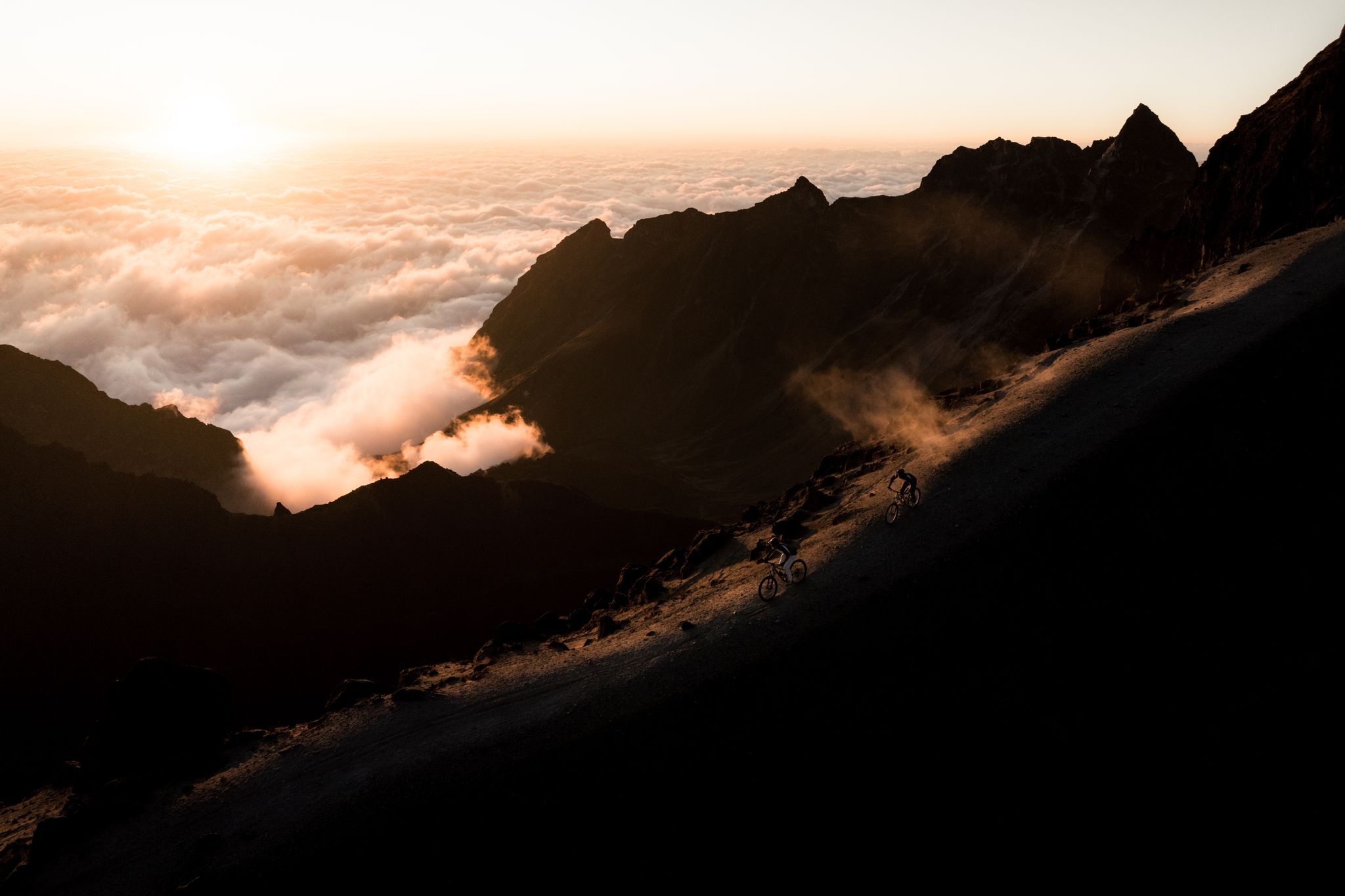
There is a road from the visitor center to the Carrell cabin. Of course, you can also run and take in the fantastic landscape at icy heights. You notice the height of 4800 m with every step.
0
0
In the late afternoon with a clear sky, the panorama is overwhelming. Unfortunately, it doesn't work very often and I needed several attempts myself.
0
0
Frequently Asked Questions
How many mountaineering routes are available in Chimborazo?
There are several mountaineering routes in Chimborazo, with at least 4 documented tours in this guide. These routes primarily focus on high-altitude ascents and glacier climbing, offering challenging experiences for mountaineers.
What are the typical difficulty levels for mountaineering in Chimborazo?
Mountaineering routes in Chimborazo are generally considered difficult due to the extreme altitude, glaciated terrain, and the need for excellent physical conditioning. While some sections are non-technical, glacier climbing experience and proper equipment like crampons and ice axes are essential for a safe ascent.
What kind of wildlife can I expect to see in Chimborazo National Park?
Chimborazo National Park is home to diverse Andean wildlife. You might encounter wild vicuñas, alpacas, llamas, and wild horses. The park's wetlands are also important habitats for various bird species, including the Andean flamingo, Andean lapwing, and Andean duck.
Are there any less crowded mountaineering routes on Chimborazo?
While the main summit routes are popular, you might find a slightly different experience on the Refugio Whymper loop from Refugio Carrel. This route still offers a challenging ascent towards the Whymper Refuge, providing a unique perspective of the mountain's upper slopes.
What is the best time of year to climb Chimborazo?
The best time to climb Chimborazo is typically during the dry seasons, which are generally from June to August and December to February. These periods offer more stable weather conditions and clearer skies, which are crucial for high-altitude ascents.
What are some notable landmarks or natural features to see near the mountaineering routes?
Along the mountaineering routes, you can visit significant landmarks such as the Hermanos Carrel Refuge and the Whymper Refuge (5,000 m a.s.l.), both serving as important base camps. You can also find the stunning Laguna Condor Cocha (5100 m), a high-altitude lake, and the Machay Temple Cave.
What do other mountaineers enjoy most about Chimborazo?
The area is highly rated by the komoot community, with an average score of 5.0 stars. Mountaineers often praise the challenging ascents, the unique experience of climbing the Earth's farthest point from its center, and the breathtaking panoramic views of the Ecuadorian Andes from its slopes.
Is proper acclimatization necessary for climbing Chimborazo?
Yes, proper acclimatization is absolutely essential for a successful and safe ascent of Chimborazo due to its extreme altitude of 6,263 meters (20,549 feet). Many climbing programs incorporate acclimatization treks to other Ecuadorian peaks before attempting Chimborazo.
Are there any circular mountaineering routes in the Chimborazo region?
Yes, there are circular routes available. For instance, the Carihuairazo loop from Laguna Paila Cocha offers a challenging circular trail through the páramo ecosystem, providing a different high-altitude experience in the region.
What gear is typically required for a Chimborazo expedition?
Given the glaciated upper slopes and extreme altitude, essential gear for a Chimborazo expedition includes crampons, ice axes, a helmet, harness, ropes, and appropriate high-altitude clothing layers. Proper mountaineering boots, gloves, and eye protection are also crucial.
Are there any specific permits required for climbing Chimborazo?
Yes, climbing Chimborazo, which is located within Chimborazo National Park, typically requires permits and often the accompaniment of a certified guide. It's advisable to check with local authorities or tour operators for the most current permit requirements before planning your ascent.
What makes Chimborazo unique compared to other high mountains?
Chimborazo holds the unique distinction of being the point on Earth farthest from its center, surpassing Mount Everest. This is due to the Earth's equatorial bulge, making its summit the closest point to outer space and the sun, offering an unparalleled climbing experience.
Most popular attractions in Chimborazo

Get inspired with the komoot mobile app


Explore more
Browse the best Mountain Hikes & Routes in other regions.
