Top 6 Castles around Mochdre
Best castles around Mochdre are found in a region rich with historical significance in North Wales. Mochdre is situated near the Conwy Valley, providing access to several notable historical sites. The area features a mix of coastal and inland settings, offering varied backdrops for its historical structures. This part of North Wales is characterized by its well-preserved historical architecture.
Best castles around Mochdre
- The most popular castles is Conwy Castle, a historical site that was built by Edward I…
Last updated: October 4, 2026
Conwy Castle
Highlight • Historical Site
Tip by

Sinadon
Highlight • Summit
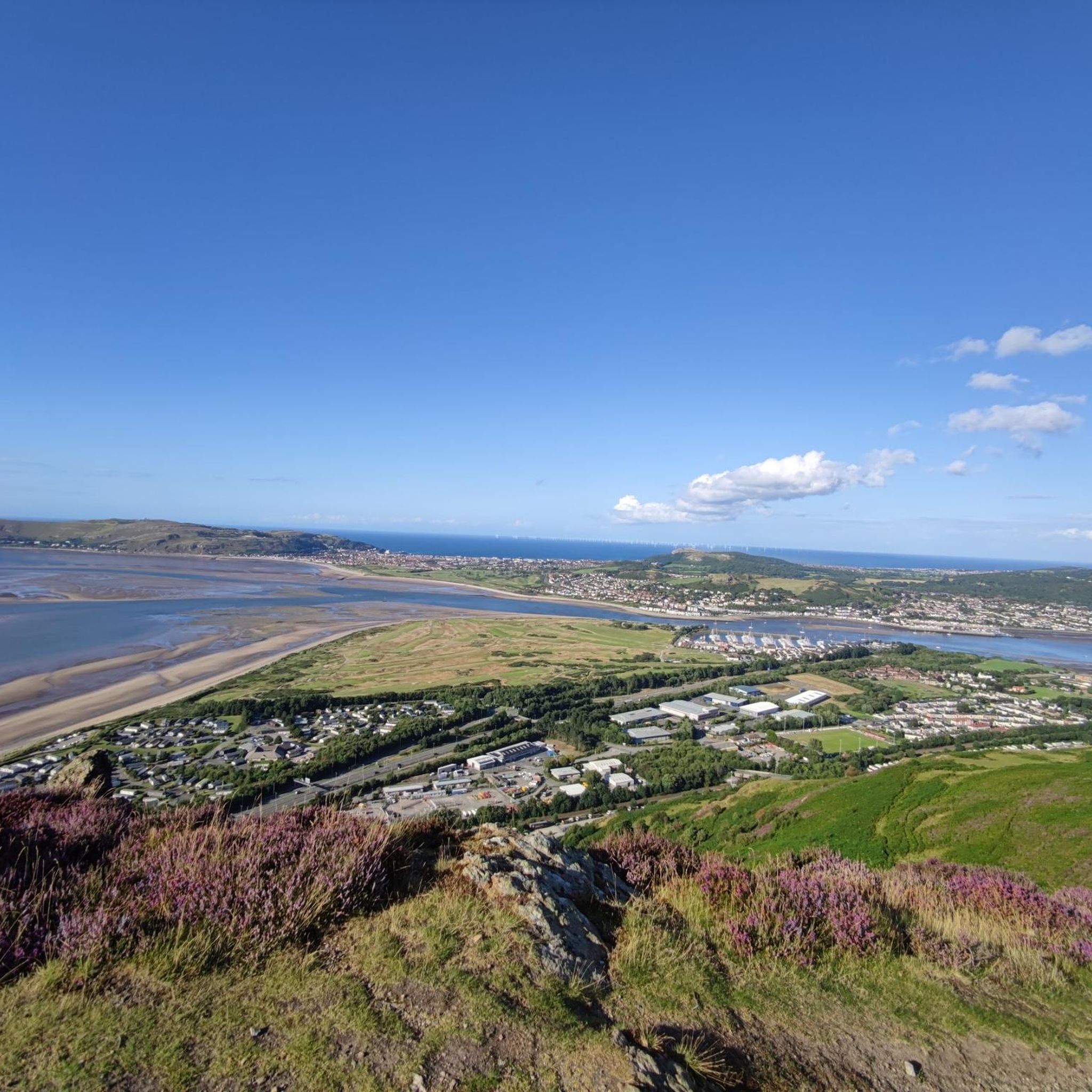
Location: It sits atop Conwy Mountain, overlooking the town of Conwy, the Conwy Estuary, and the Irish …
Tip by

Sign up now to discover places like this
Get recommendations on the best single tracks, peaks, & plenty of other exciting outdoor places.
North Wales Coastal Route (NCN 5) to Conwy Castle
Highlight • Castle
Tip by

Gwrych Castle
Highlight • Historical Site
Tip by

Ednyfeds Castle
Highlight • Castle
Tip by
Sign up for free to discover even more castles around Mochdre.
Already have an account?
Start today with a free account
Your next adventure awaits.
Tips from the Community

The reference to "Ednyfed's Castle" is related to Ednyfed Fychan (c. 1170–1246), a powerful Welsh nobleman, warrior, and ancestor of the Tudor dynasty. He was the distain (seneschal or chief minister) to the Princes of Gwynedd, Llywelyn the Great and his son, Dafydd ap Llywelyn. Ednyfed's vast landholdings and manors were scattered across North Wales, and he is associated with at least two sites where a defensible residence or "castle" of a Welsh lord would have stood. What it was: This site, on Bryn Euryn hill, is traditionally believed to be the location of one of Ednyfed's main manors (or llys, a native Welsh court). The "Castle": The structure associated with Ednyfed would have been an earlier, probably timber, defensive structure like a motte and bailey castle, typical for a Welsh lord of the 13th century. Current Site: Today, the site is dominated by the ruins of the later 15th-century fortified manor house known as Llys Euryn, which was built on the same spot.
0
0
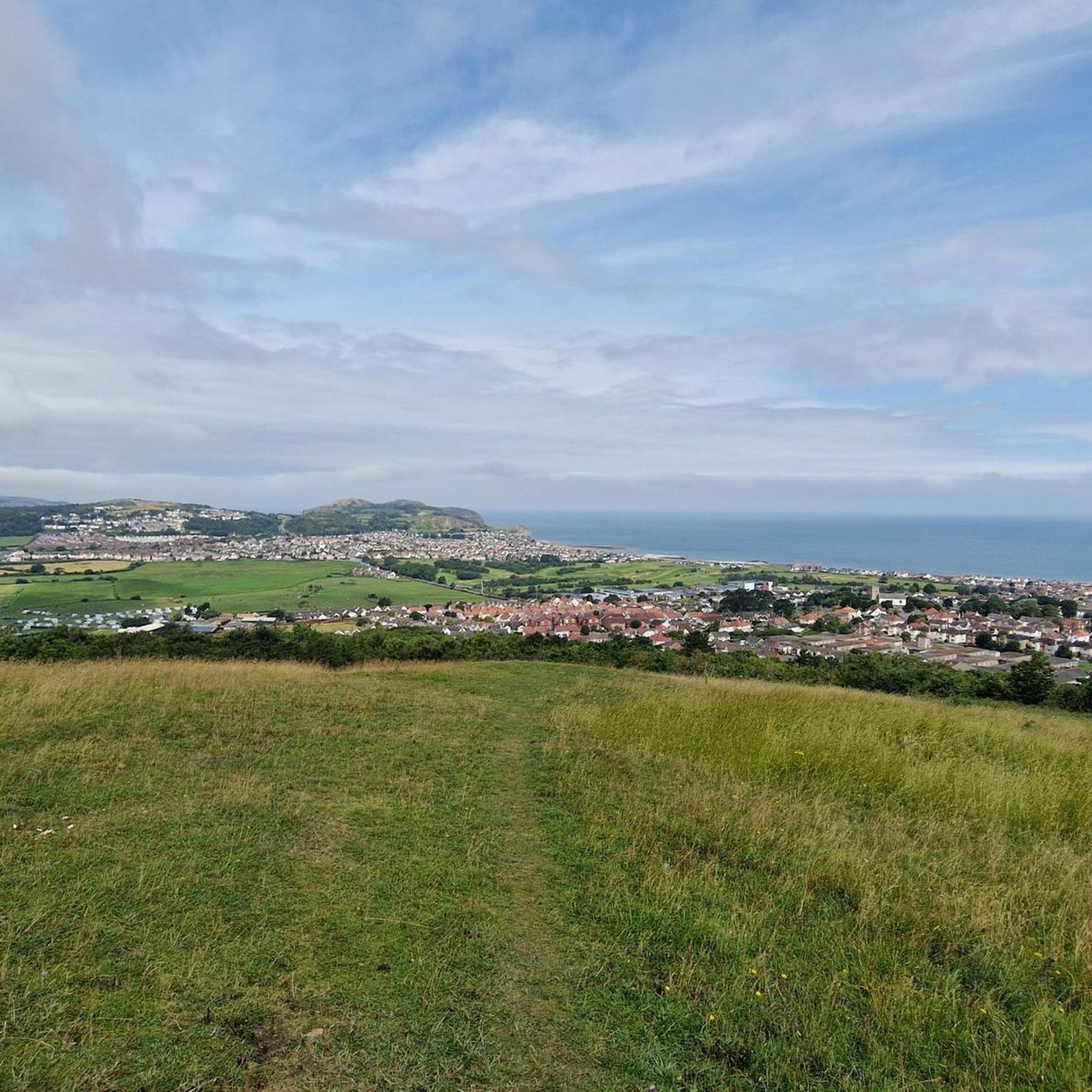
Ancient Hillfort: It is the well-preserved remains of an Iron Age fortified settlement. Location: It sits atop Conwy Mountain, overlooking the town of Conwy, the Conwy Estuary, and the Irish Sea. Time Period: The fort was likely occupied from at least the middle of the Iron Age, possibly between c. 300 BC and 78 AD, before the full Roman arrival in the area.
0
0


You can enter the grounds and carpark for free. You can take amazing photos of the castle at the front, but if you wish to go inside the castle, there is a fee
2
0

Gwrych Castle is an imposing gothic ruin on the picturesque North Wales coastline, with spectacular sea views and impressive architecture around every corner. Really nice place to visit.
0
3
Before the English built the town of Conwy, Aberconwy Abbey, the site was occupied by a Cistercian monastery favoured by the Welsh princes,[3] as well as the location of one of the palaces (called llys) of the Welsh princes. From Conwy: "the oldest structure is part of the town walls, at the southern end of the east side. Here one wall and the tower of a llys [palace/court house] belonging to Llywelyn the Great and his grandson Llywelyn ap Gruffydd have been incorporated into the wall. Built on a rocky outcrop, with an apsidal tower, it is a classic, native, Welsh build and stands out from the rest of the town walls, due to the presence of four window openings. It dates from the early 13th century and is the most complete remnant of any of his Llys." The location also controlled an important crossing point over the River Conwy between the coastal and inland areas of North Wales, that Deganwy Castle for many years had defended.
2
0
Gwrych Castle is a Grade I listed country house in North Wales, one of the first attempts at replicating true medieval architecture in Europe. It stands in 250 acres of gardens and grounds and has extensive views over former parkland including a deer park and the Irish Sea. Gwrych Castle was built between 1812 and 1822 by Lloyd Hesketh Bamford-Hesketh as a memorial to his mother’s ancestors, the Lloyds of Gwrych. Upon the site was an Elizabethan house named ‘Y Fron (rounded hill) which by 1810 had fallen into dereliction. When Lloyd married Lady Emily Esther Ann Lygon, daughter of the 1st Earl of Beauchamp in 1825, the main building was complete.
4
1
Gwrych Castle is an imposing gothic ruin on the picturesque North Wales coastline, with spectacular sea views and impressive architecture around every corner. Gwrych Castle gained fame as the filming location for I’m A Celebrity… Get Me Out of Here! for two consecutive years.
5
1
Frequently Asked Questions
Which castles near Mochdre are considered must-visit historical sites?
The most prominent historical site is Conwy Castle, a UNESCO World Heritage Site built by Edward I. It's renowned for its military architecture and offers breathtaking views. Another significant site is Gwrych Castle, an imposing gothic ruin with spectacular sea views and a rich history, including its role as a filming location.
Are there any family-friendly castles to visit near Mochdre?
Yes, Conwy Castle is categorized as family-friendly, offering an engaging historical experience for all ages. Additionally, the North Wales Coastal Route (NCN 5) to Conwy Castle, a cycle path leading to the castle, is also family-friendly and offers scenic views.
What are the opening hours and ticket prices for Conwy Castle?
Conwy Castle is generally open from 9:30 AM until 5 PM, sometimes extending to 6 PM during high season. Adult tickets cost £12.70. It's advisable to check the official Cadw website for the most current opening times and pricing before your visit.
Can I find any hidden gem castles or less-known historical sites around Mochdre?
While not a grand castle, Ednyfeds Castle, located on Bryn Euryn hill, is a site of historical significance. It's traditionally believed to be the location of a manor belonging to Ednyfed Fychan, a powerful Welsh nobleman. Today, the site features the ruins of the later 15th-century fortified manor house known as Llys Euryn.
What kind of outdoor activities can I do near these castles?
The area around Mochdre offers various outdoor activities. You can find easy hikes, such as the 'Conwy Suspension Bridge – Conwy Castle loop', which is 4.8 km long. There are also mountain biking trails, like the 'Llandudno Promenade Bandstand – Rhos-on-Sea Harbour loop', and running trails, including the 'Ednyfeds Castle – Bryn Euryn Iron Age Hillfort loop'. For more details and routes, explore the easy hikes, MTB trails, and running trails guides around Mochdre.
Are there any viewpoints near the castles that offer scenic vistas?
Yes, Conwy Castle itself offers spectacular views from its battlements over the Conwy estuary, the town, and the Eryri (Snowdonia) mountains. Gwrych Castle also boasts impressive sea views. For a different perspective, Sinadon, an Iron Age hillfort atop Conwy Mountain, provides panoramic views of Conwy, the estuary, and the Irish Sea.
What is Gwydir Castle and why is it worth visiting?
Gwydir Castle, located in the Conwy Valley, is an ancient Welsh house and one of the finest Tudor houses in Wales. It was formerly the ancestral home of the powerful Wynn family. It's worth visiting for its unique country house experience, offering a glimpse into Tudor-era Welsh history and architecture, distinct from the grander military fortresses in the region.
What do visitors enjoy most about the castles around Mochdre?
Visitors frequently appreciate the well-preserved historical architecture and the stunning natural backdrops. The imposing presence of Conwy Castle, with its complete circuit around the battlements and panoramic views, is a particular highlight. The unique gothic charm and sea views of Gwrych Castle also receive positive feedback, especially its role as a filming location.
Is there a cycle route that offers views of Conwy Castle?
Yes, the North Wales Coastal Route (NCN 5) to Conwy Castle is a brilliant traffic-free shared-use cycle path. This section leads through a quiet marina into Conwy and offers particularly special views of Conwy Castle, making it look like something out of a storybook.
What is the historical significance of Castell Dolforwyn?
Castell Dolforwyn is listed as a historical building and a nearby attraction to Mochdre. While specific details about its features are not widely available, its designation as a historic building indicates its archaeological or historical importance within the region, suggesting it holds insights into past eras.
What is Sinadon and what can I expect to see there?
Sinadon is the well-preserved remains of an Iron Age fortified settlement, an ancient hillfort. It sits atop Conwy Mountain, offering historical insights into early fortifications and commanding views over the town of Conwy, the Conwy Estuary, and the Irish Sea. It was likely occupied between c. 300 BC and 78 AD.
Most popular attractions around Mochdre

Get inspired with the komoot mobile app


Explore more
Looking for the best castles somewhere else? Discover other guides around Mochdre:
