The best walks and hikes around Mochdre
4.5
(650)
7,411
hikers
281
hikes
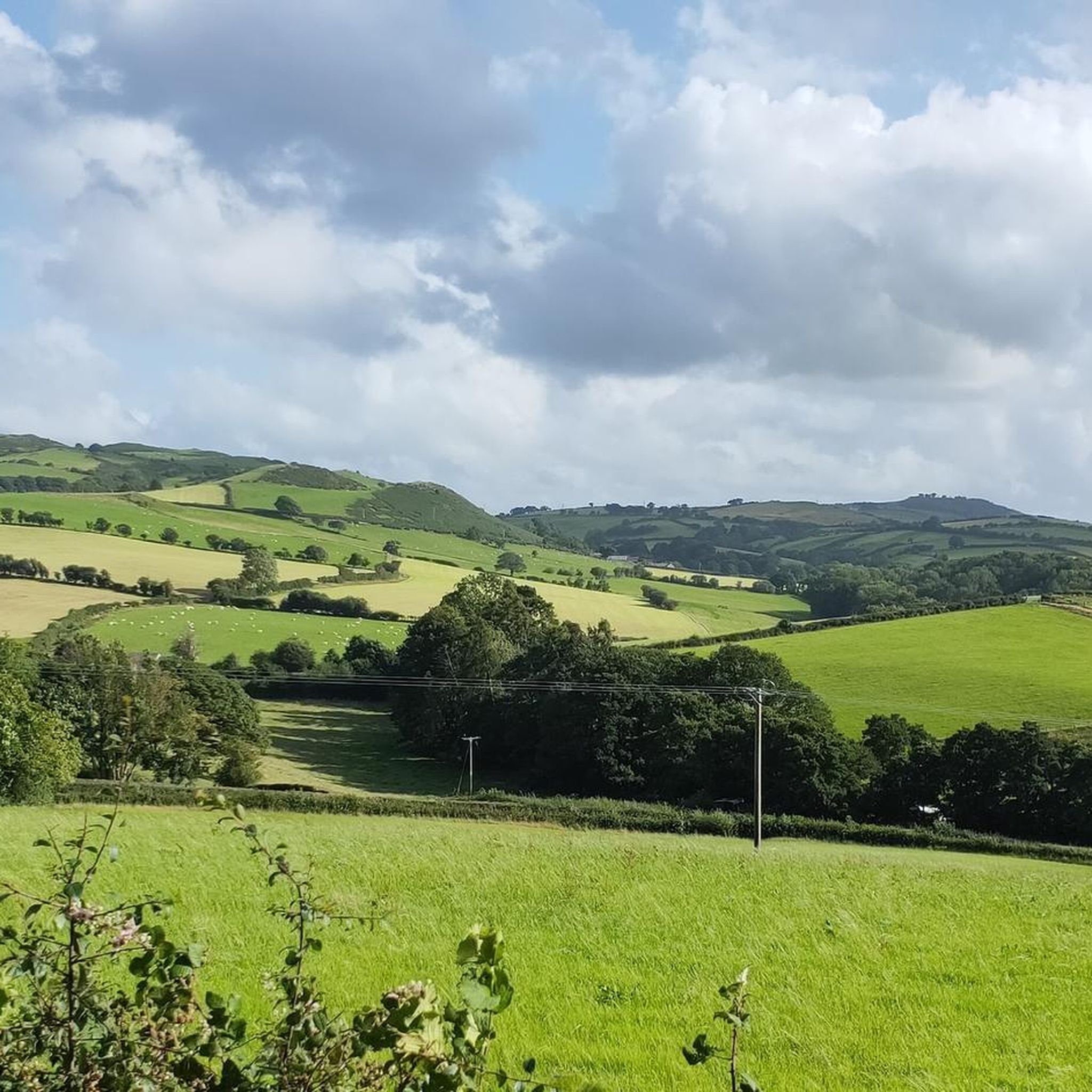
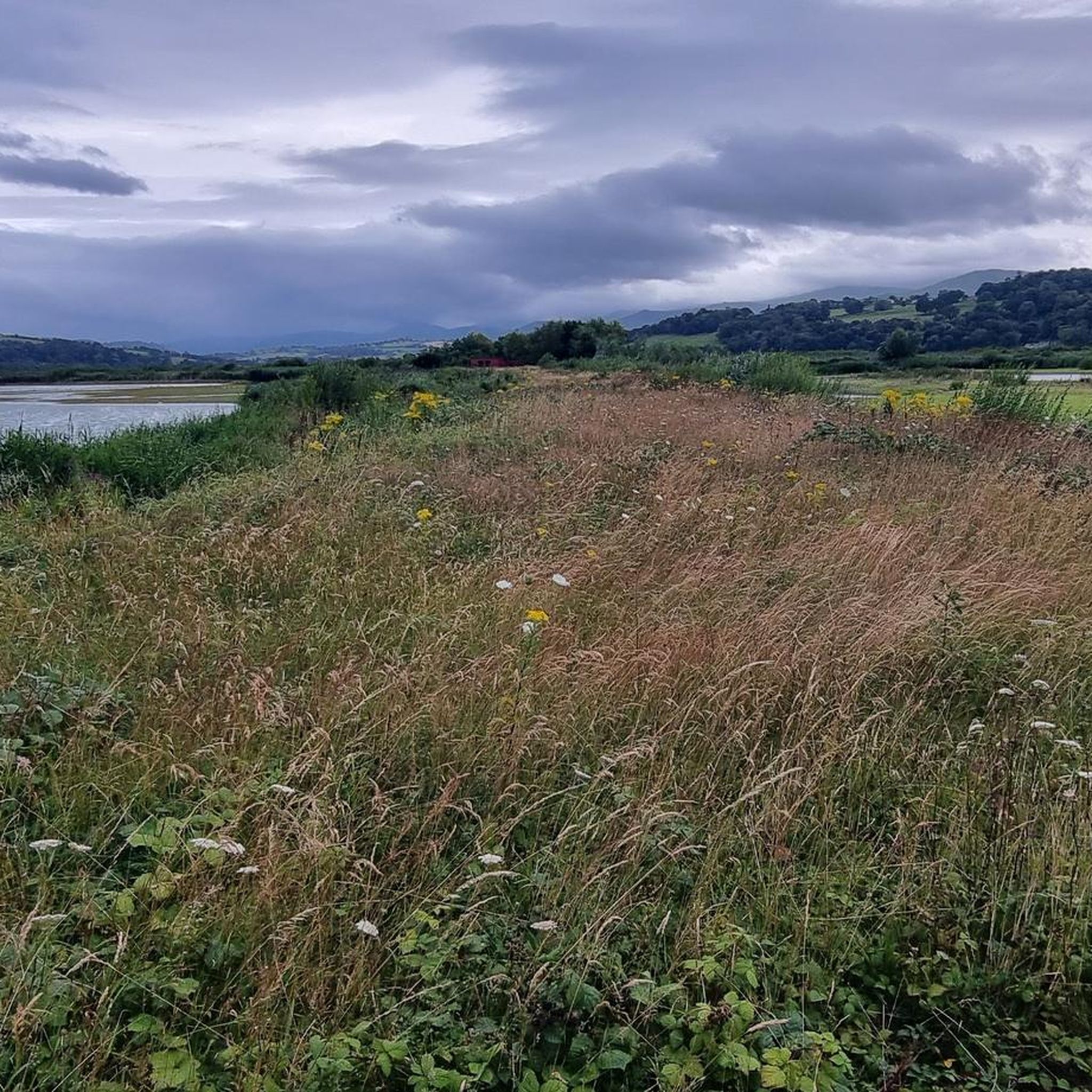
Hiking around Mochdre offers a variety of trails exploring the coastal areas and surrounding hills of North Wales. The region features a mix of seaside promenades, rural paths, and routes ascending to historical hillforts, providing elevated viewpoints. Terrain includes paved sections, grassy tracks, and some moderate inclines, characteristic of the area's transition from coast to countryside.
Best hiking trails around Mochdre
- The most popular hiking route is Colwyn Bay Pier – Colwyn Bay Beach loop from Colwyn Bay, a…
Last updated: August 19, 2026
179
hikers
6.36km
01:39
30m
30m
Easy hike. Great for any fitness level. Easily-accessible paths. Suitable for all skill levels.
5.0
(1)
47
hikers
3.39km
01:00
100m
100m
Easy hike. Great for any fitness level. Easily-accessible paths. Suitable for all skill levels.

Sign up for free
7
hikers
9.47km
02:31
90m
90m
Moderate hike. Good fitness required. Easily-accessible paths. Suitable for all skill levels.
5.0
(2)
9
hikers
Moderate hike. Good fitness required. Easily-accessible paths. Suitable for all skill levels.
5
hikers
4.57km
01:20
120m
120m
Easy hike. Great for any fitness level. Easily-accessible paths. Suitable for all skill levels.
Get access to more routes and recommendations from other explorers.
Sign up for free
Already have an account?
Our route recommendations are based on thousands of hikes, rides, and runs completed by other people on komoot.
Start today with a free account
Your next adventure awaits.
Login or Signup
Tips from the Community

Colwyn Bay Beach is a golden, three-mile playground perfect for seaside strutting! With its sleek, modern promenade and soft sands, it’s a haven for: Watersports: Ideal for jet-skiing or kayaking. Relaxation: Plenty of space for sunbathing and sandcastles.
0
0
The reference to "Ednyfed's Castle" is related to Ednyfed Fychan (c. 1170–1246), a powerful Welsh nobleman, warrior, and ancestor of the Tudor dynasty. He was the distain (seneschal or chief minister) to the Princes of Gwynedd, Llywelyn the Great and his son, Dafydd ap Llywelyn. Ednyfed's vast landholdings and manors were scattered across North Wales, and he is associated with at least two sites where a defensible residence or "castle" of a Welsh lord would have stood. What it was: This site, on Bryn Euryn hill, is traditionally believed to be the location of one of Ednyfed's main manors (or llys, a native Welsh court). The "Castle": The structure associated with Ednyfed would have been an earlier, probably timber, defensive structure like a motte and bailey castle, typical for a Welsh lord of the 13th century. Current Site: Today, the site is dominated by the ruins of the later 15th-century fortified manor house known as Llys Euryn, which was built on the same spot.
0
0

"This fascinating building is thought to be the smallest church in the British Isles, seating only 6 people. It is named after St. Trillo, a 6th century Celtic saint who built his cell here. The age of the present building is not known, as it has been heavily repaired over the centuries. St. Trillo’s original cell is more likely to have been made of wood and wattle, although he may have built a wall of stones gathered from the beach to protect it from the wind." You can find out more here; Source: https://colwynbayheritage.org.uk/st-trillos-chapel-rhos-on-sea-heritage-walk/
0
0

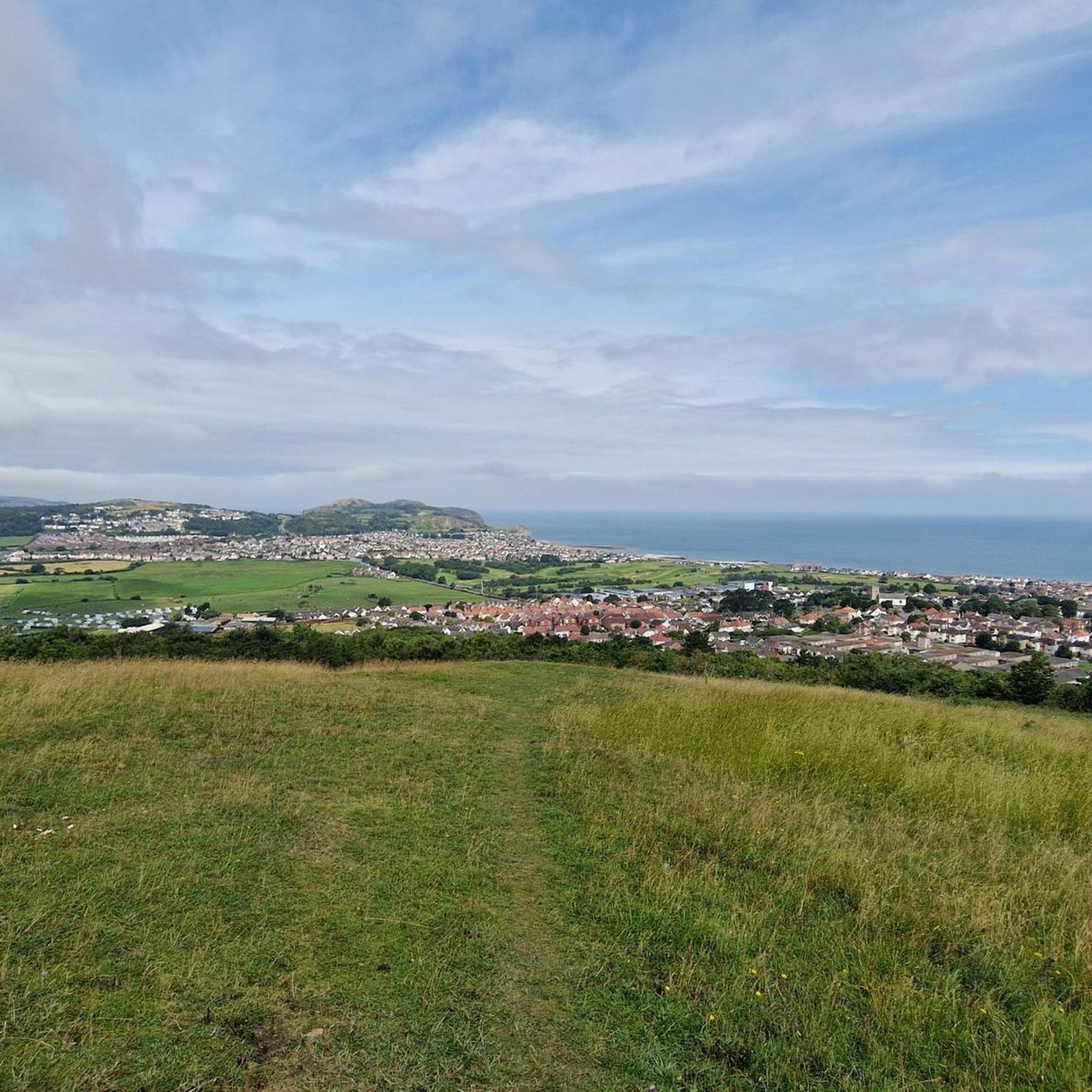
Rhos on Sea is described as neat, pristine and peaceful. There is a long seaside promenade and great views.
0
0
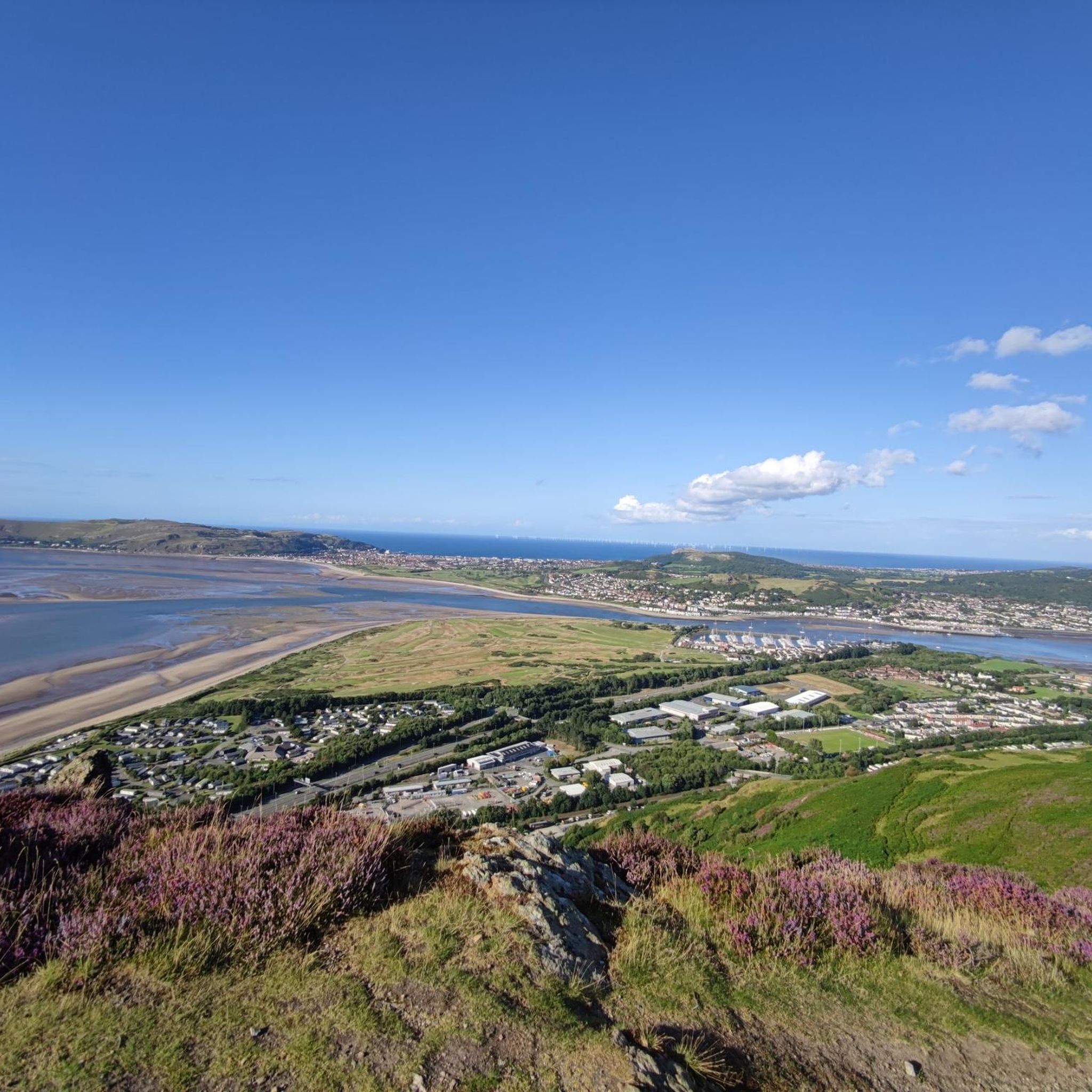
Panoramic views of Penrhyn Bay, the little orme, conwy valley and all the way over to denbighshire.
0
0
The original chapel in the place of the later church in Rhos on Sea (Llandrillo yn Rhôs), was erected in the 13th century. It was built by Ednyfed Fycha, the seneschal of the Welsh kingdom of Gwynedd, and was first mentioned in the documents in 1254. In the fifteenth and the sixteenth century century it was rebuilt and enlarged into the form of the present church. In 1552, a tower was added. Further modifications were introduced in the 17th centuries, and a thorough Victorian renovation was carried out in the 19th century. The church was erected on a hill and whitewashed, to serve as a landmark for sailors at sea. Probably because of the proximity of the sea on the tower, a smaller observation turret was added, to alert the local population in the event of pirate attack, being the plague of the seventeenth century. The church was situated on a high hill surrounded by a cemetery. In the 15th century it consisted of a rectangular nave without a separated externally chancel. In the 16th century, a southern nave of equal length and the same shape as the previous one was added, and a four-sided tower on the west side of the older nave. Porches have been added to both the southern and northern naves. The walls of the tower were 1.4 meters thick at the level of the battered plinth. It was topped with a breastwork mounted on a cornice and provided with a battlement with characteristic, stepped merlons, typical of many Irish churches.
0
0
The tranquillity of Bryn Euryn hill, 365 feet above sea level, belies a dramatic yet little known past. Iron and Dark Age strongholds, the medieval castle of a notable Welshman and a later fortified mansion have all been built here, and a Roman expeditionary force disappeared nearby. Bryn Euryn rises above the North Wales town of Colwyn Bay, dominating the old Welsh kingdom of Rhos. The ancient fortresses stood on its summit and the ruins of the fortified mansion are on its seaward slope. Historical records hint that Ednyfed had a castle here but where was it? The site commands extensive views of the Conwy Valley and coast, and was once the location of a hillfort, which was initially excavated in the autumn of 1997 for the Gwynedd Archaeological Trust. The excavations revealed a "massive, well-built" wall formed from quarried limestone, believed to have once been 3 m (9.8 ft) high and to have been fronted by 3.5 m (11 ft) of rubble. There were no archaeological discoveries permitting a certain identification, but the pre-Norman layout led David Longley, the study's director, to connect it with the early-6th century king of Rhos Cynlas the Red on the basis of the "Bear Den" (Latin: receptaculi ursi) mentioned in Gildas's passage on him and the surviving local name of the area as Dinerth, "Fort Bear" The hilltop was used again in World War II first as an observation post by the Home Guard; it was then used by the RAF as one of the first radar posts used to detect German bombers heading to Liverpool.[
0
0
The ruined remains of Llys Euryn sit upon a wooded shoulder of Bryn Euryn — Three sides of the building remain, with the remains of interior walls, a complete fireplace and chimney stack rising to around 50 feet, two other fireplaces and windows. More than anything else, its history makes this one of the more intriguing and important historical buildings in north Wales. Llys Euryn was one of the local estates in the Dinerth area owned and occupied by Ednyfed Fychan (d. 1246) — full name Ednyfed Fychan ap Cynwrig — who was seneschal to the Kingdom of Gwynedd in northern Wales, serving Llywelyn the Great and his son Dafydd ap Llywelyn. He was the ancestor of Owen Tudor and thereby of the Tudor dynasty. It is thought that the house was burnt in 1409 during the revolt of Owain Glyndŵr and restored or rebuilt shortly afterwards. The present structure is late medieval and may be the house occupied by the Conwy Family until 1629 when it was sold to Sir Peter Mutton. During the working life (end of the 19th century) of the nearby limestone quarry, a small hut was built against one of the walls which was believed to house the blasting materials. An amateur attempt was made to demolish the distinctive chimney stack and although a hole was blown in the side of the fireplace, the chimney remained standing. The site was left overgrown and largely overlooked until the late 1990s. During 1998/1999 the site was subject to a serious conservation project. Much of the vegetation was stripped away, the interior walls and a large fireplace were uncovered, the blasting hut removed and the hole in the chimney filled-in. Finally, stone chippings were added to prevent further vegetation growth and an informative sign about the sites history was erected.
0
0
Frequently Asked Questions
How many hiking trails are available around Mochdre?
Mochdre offers a wide variety of hiking experiences, with over 280 routes documented on komoot. These trails cater to different preferences, ranging from easy strolls to more challenging ascents.
What types of hiking trails can I find in Mochdre?
The region features a diverse network of trails, including coastal paths, routes through gentle hills, and ascents to historical sites. You'll find a good mix of easy (over 140), moderate (over 120), and some more difficult (over 20) routes, ensuring options for all ability levels.
Are there any easy or beginner-friendly hikes in Mochdre?
Yes, Mochdre is well-suited for beginners and those looking for easy walks. Over 140 routes are classified as easy. A great option is the Llys Euryn Ruins – Bryn Euryn Iron Age Hillfort loop from Colwyn Bay, which is 2.1 miles (3.4 km) long and offers panoramic views from a historic site.
Can I find circular walks or loop trails in Mochdre?
Many of the hiking routes around Mochdre are circular, allowing you to start and end at the same point. For example, the popular Colwyn Bay Pier – Colwyn Bay Beach loop from Colwyn Bay is a 4.0-mile (6.5 km) coastal loop, and the View of the Valley loop from Colwyn Bay offers scenic inland views.
What are the typical lengths and durations of hikes around Mochdre?
Hikes in Mochdre vary significantly in length and duration. You can find shorter walks like the 2.1-mile (3.4 km) Llys Euryn Ruins – Bryn Euryn Iron Age Hillfort loop, which takes about 1 hour. Longer routes, such as the 6.0-mile (9.6 km) Conwy Beach – Rhos-on-Sea Harbour loop, can take around 2 hours 30 minutes to complete.
Are there any hikes with good viewpoints in Mochdre?
Absolutely. Mochdre's location, transitioning from coast to countryside, provides numerous elevated viewpoints. The View of Mochdre – Aberconwy Equestrian Centre loop offers excellent vistas. Additionally, the Great Orme Summit and Little Orme Summit are nearby highlights known for their panoramic views.
What can I see along the hiking trails around Mochdre?
Beyond the natural beauty, you can explore historical sites and natural monuments. Highlights include the Caer Seion Hillfort, offering insights into ancient history, and the majestic Conwy Castle, a UNESCO World Heritage site, which can be reached via some routes.
What do other hikers enjoy most about hiking in Mochdre?
The komoot community highly rates the hiking experience in Mochdre, with an average score of 4.6 stars from over 500 reviews. Hikers often praise the varied terrain, the combination of coastal and hill paths, and the accessibility of historical landmarks and scenic viewpoints.
Is Mochdre a good place for family-friendly walks?
Yes, Mochdre offers several family-friendly options, particularly among its easy-rated trails. The coastal promenades are generally flat and accessible, and shorter loop trails like the Llys Euryn Ruins – Bryn Euryn Iron Age Hillfort loop provide engaging historical interest without being overly strenuous for children.
Are there dog-friendly hiking trails in Mochdre?
Many trails around Mochdre are suitable for dogs, especially those on public footpaths and coastal routes. It's always advisable to keep dogs on a lead, particularly near livestock or in nature reserves, and to check local signage for any specific restrictions.
Are there any hikes near Mochdre that pass by pubs or cafes?
While specific routes passing directly by pubs aren't detailed in the guide, many trails in Mochdre are close to the towns of Colwyn Bay and Rhos-on-Sea. These towns offer various pubs and cafes where you can refresh yourself before or after your hike, often just a short detour from the main path.
What is the best time of year to hike in Mochdre?
Mochdre's coastal climate makes it suitable for hiking year-round. Spring and autumn offer pleasant temperatures and vibrant scenery, while summer provides longer daylight hours. Even in winter, many coastal and lower-level paths remain accessible, though conditions can be wetter and windier.
Most popular attractions around Mochdre

Get inspired with the komoot mobile app


Explore more
Browse the best Hikes in other regions.
