Top 20 Natural Monuments in the Regierungsbezirk Düsseldorf
Natural monuments in the Regierungsbezirk Düsseldorf offer diverse landscapes, including unique ecosystems, significant geological formations, and vital habitats for various plant and animal species. The region features a mix of wetlands, forests, and riverine areas, providing opportunities for outdoor exploration. These protected areas contribute to the preservation of the Lower Rhine cultural landscape. Visitors can experience a range of natural environments, from expansive nature reserves to tranquil lakes and river confluences.
Best natural monuments in the Regierungsbezirk Düsseldorf
- The most popular natural monument is Krickenbecker Lakes and Little De Wittsee, a lake that is wonderful to walk or cycle around. Small paths to fishing piers offer charming views of the lake.
- Another must-see spot is Elmpter Schwalmbruch Nature Reserve, a forest known for its tranquility. Many different species of birds can be observed here.
- Visitors also love Bislicher Insel Nature Reserve, a natural monument described as a paradise for ornithologists. It is one of the last intact floodplain landscapes in Germany and an important refuge for migratory birds.
- Regierungsbezirk Düsseldorf is known for its lakes, nature reserves, and river landscapes. The region offers a variety of natural monuments to see and explore, from wetlands to forests.
- The natural monuments in the Regierungsbezirk Düsseldorf are appreciated by the komoot community. They have garnered more than 3600 upvotes and over 1400 photos, reflecting their appeal to outdoor enthusiasts.
Last updated: August 20, 2026
Krickenbecker Lakes and Little De Wittsee
Highlight • Lake
Translated by Google •
Tip by

Bislicher Insel Nature Reserve
Highlight (Segment) • Natural Monument
Translated by Google •
Tip by
Sign up now to discover places like this
Get recommendations on the best single tracks, peaks, & plenty of other exciting outdoor places.
Sign up for free
Düsseldorf Airport Bridge
Highlight • Bridge
Translated by Google •
Tip by

Elmpter Schwalmbruch Nature Reserve
Highlight • Forest
Translated by Google •
Tip by
Confluence of the Erft and the Rhine
Highlight • River
Translated by Google •
Tip by
View of Xanten Cathedral
Highlight • Viewpoint
Translated by Google •
Tip by

Lake Holtmühle
Highlight • Lake
Translated by Google •
Tip by

Schroliksee Viewing Platform
Highlight • Viewpoint
Translated by Google •
Tip by
Glabbacher Bruch Lake
Highlight • Lake
Translated by Google •
Tip by

Diersfordter Wald Nature Reserve
Highlight • Forest
Translated by Google •
Tip by

Sign up for free to discover even more natural monuments in the Regierungsbezirk Düsseldorf.
Sign up for free
Already have an account?
Start today with a free account
Your next adventure awaits.
Login or Signup
Popular around Regierungsbezirk Düsseldorf
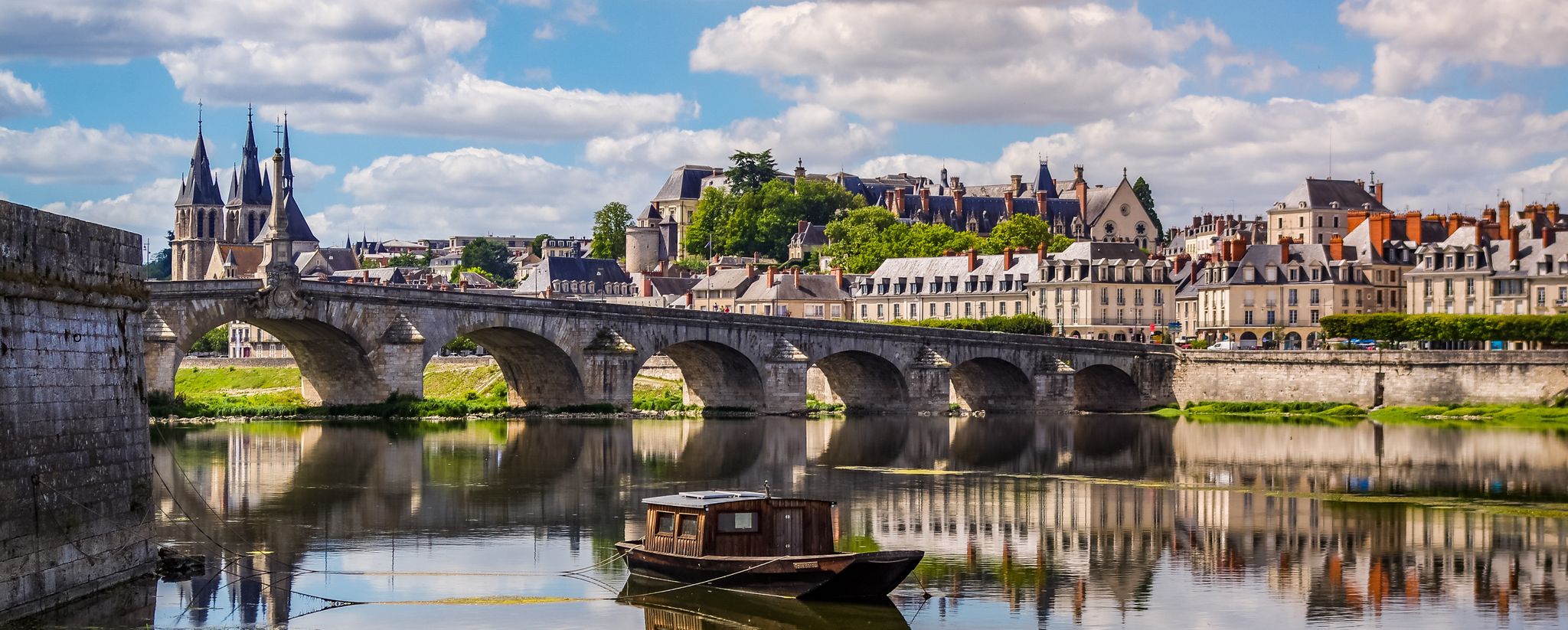
EuroVelo 3 – A cycling pilgrimage from Norway to France
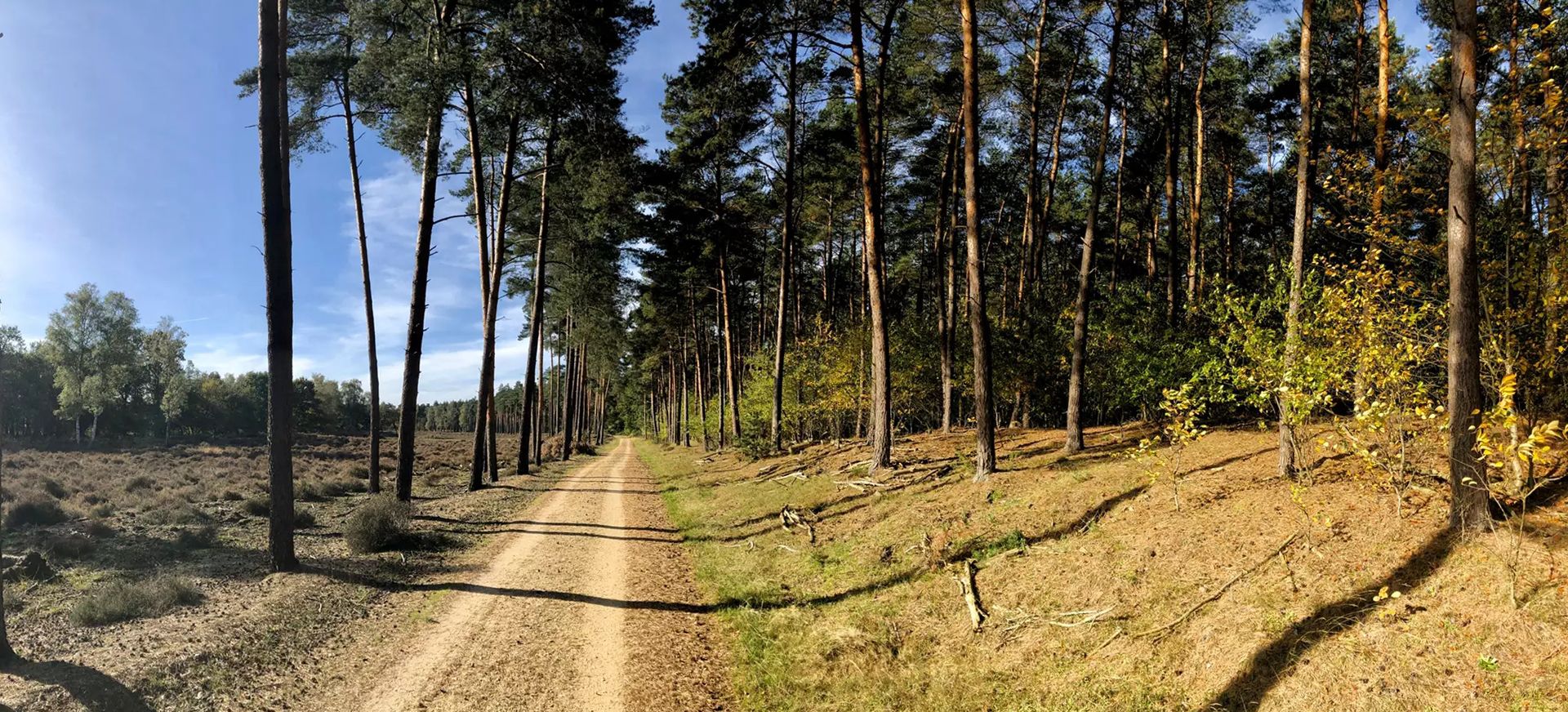
2-Country Route – Cycling from Germany to Netherlands
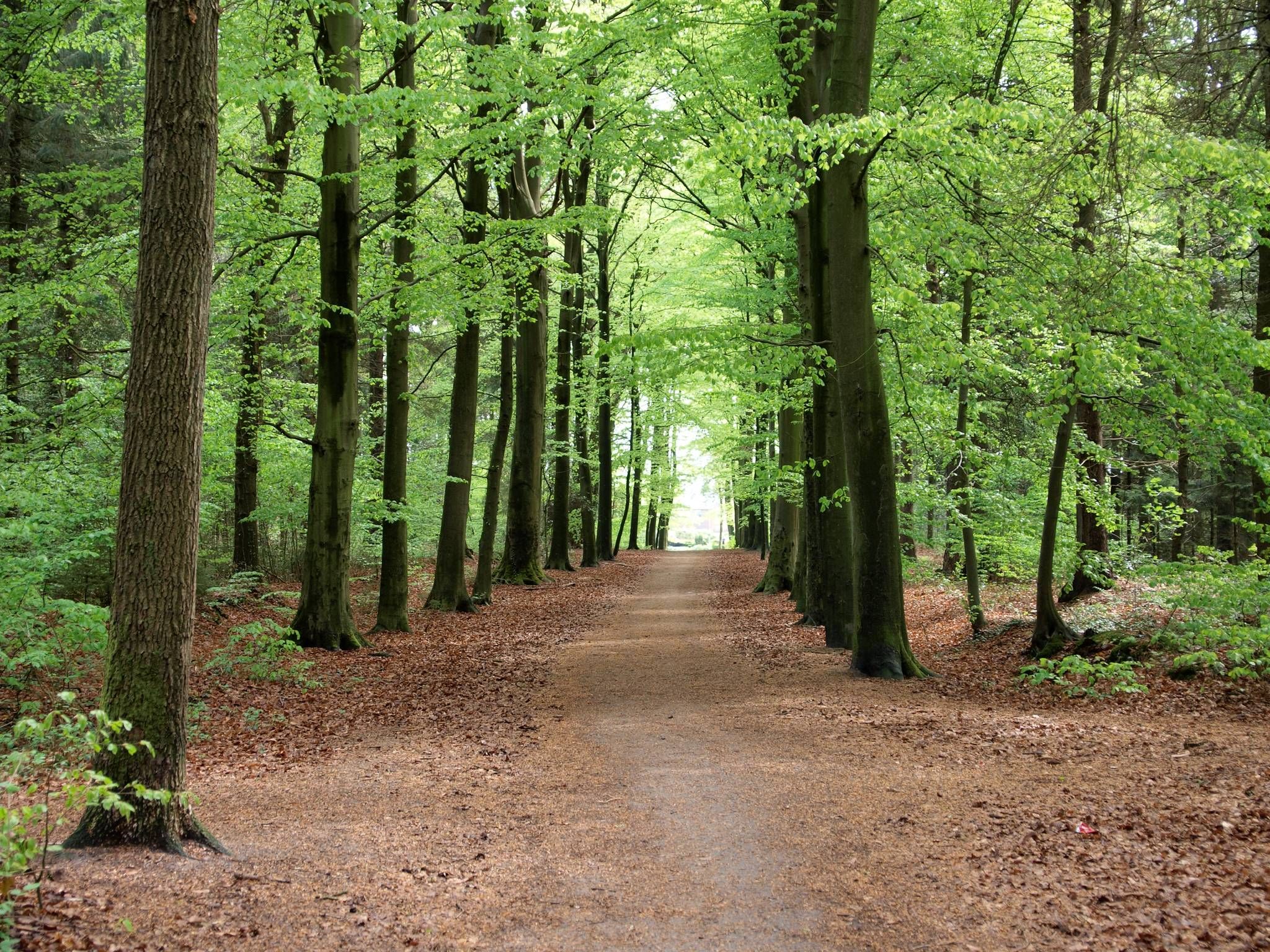
Trans Netherlands MTB Route – The ultimate off-road adventure
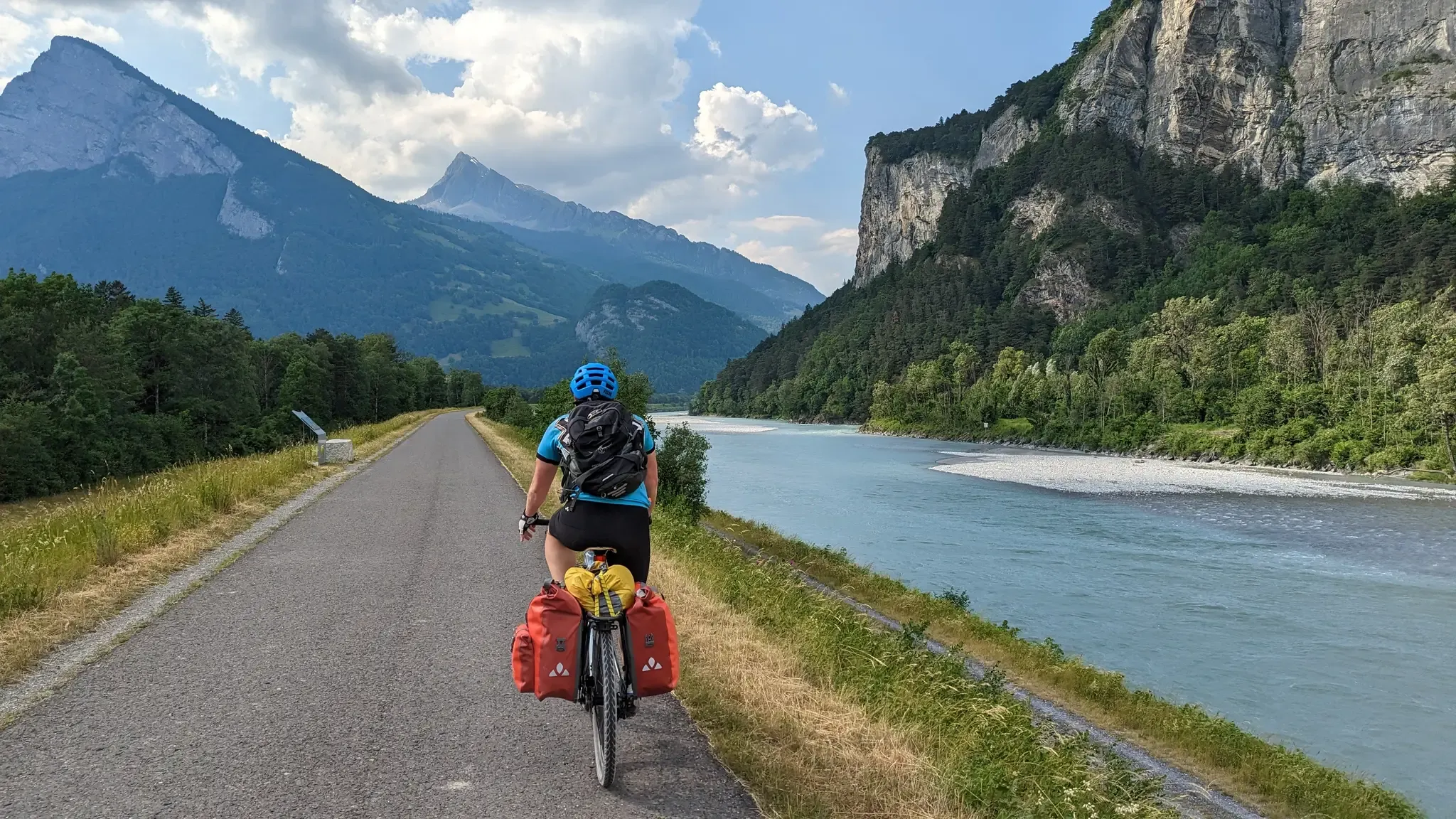
The Rhine Cycle Path — From the source to the North Sea
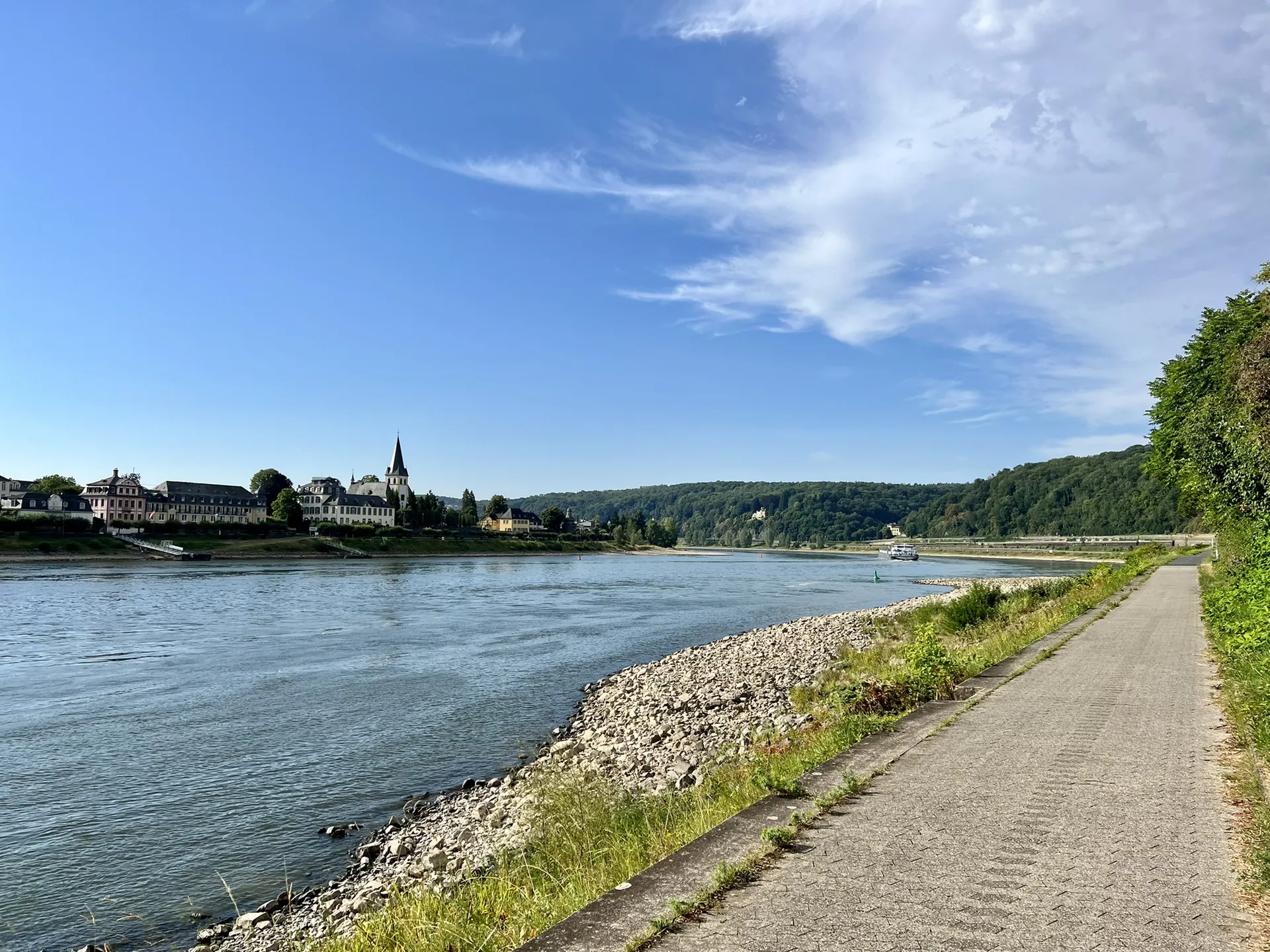
From the Rhine to the Moselle - Five cycling days with the river as your guide
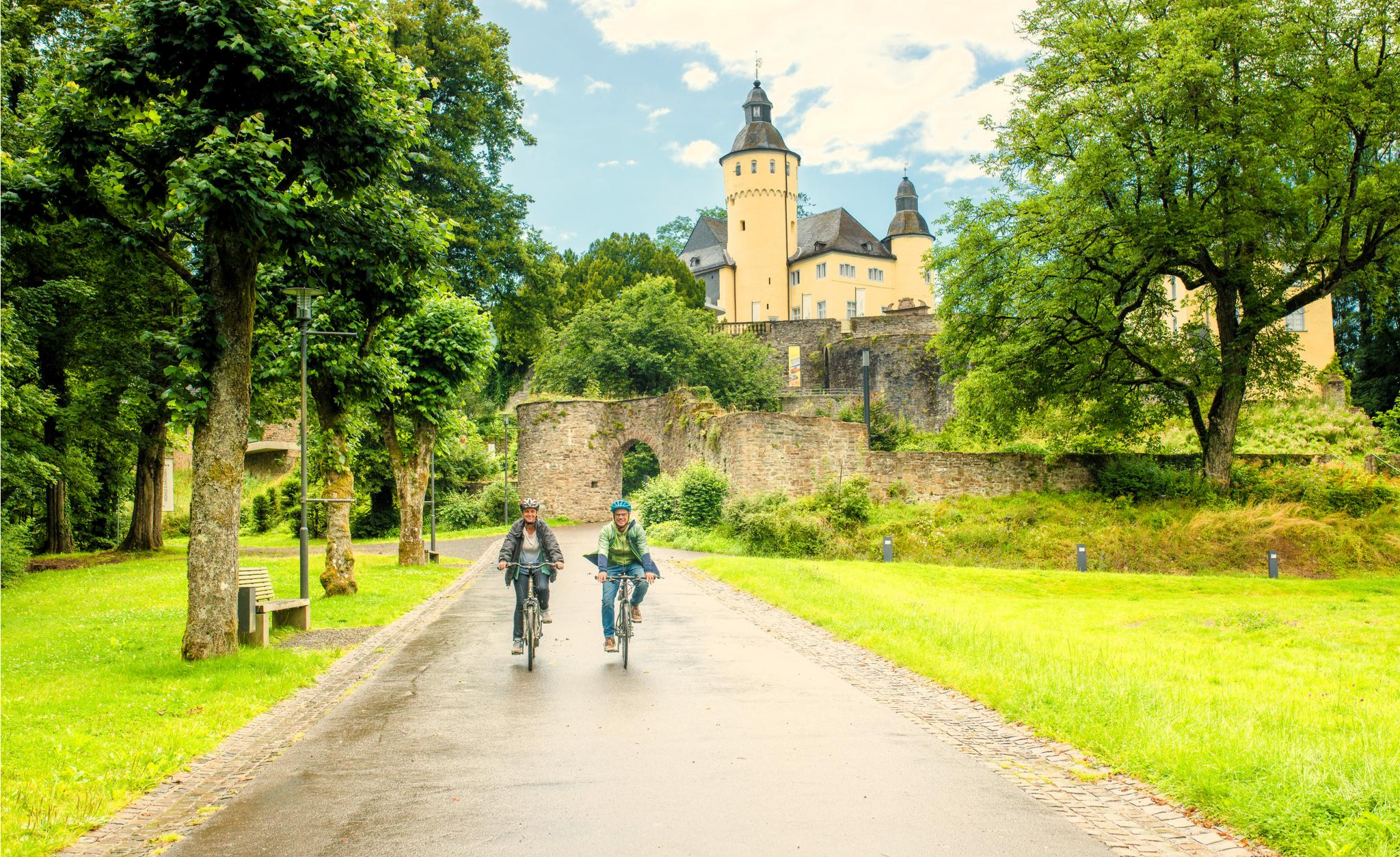
To palaces and castles - rides in the Rheinland cycling region
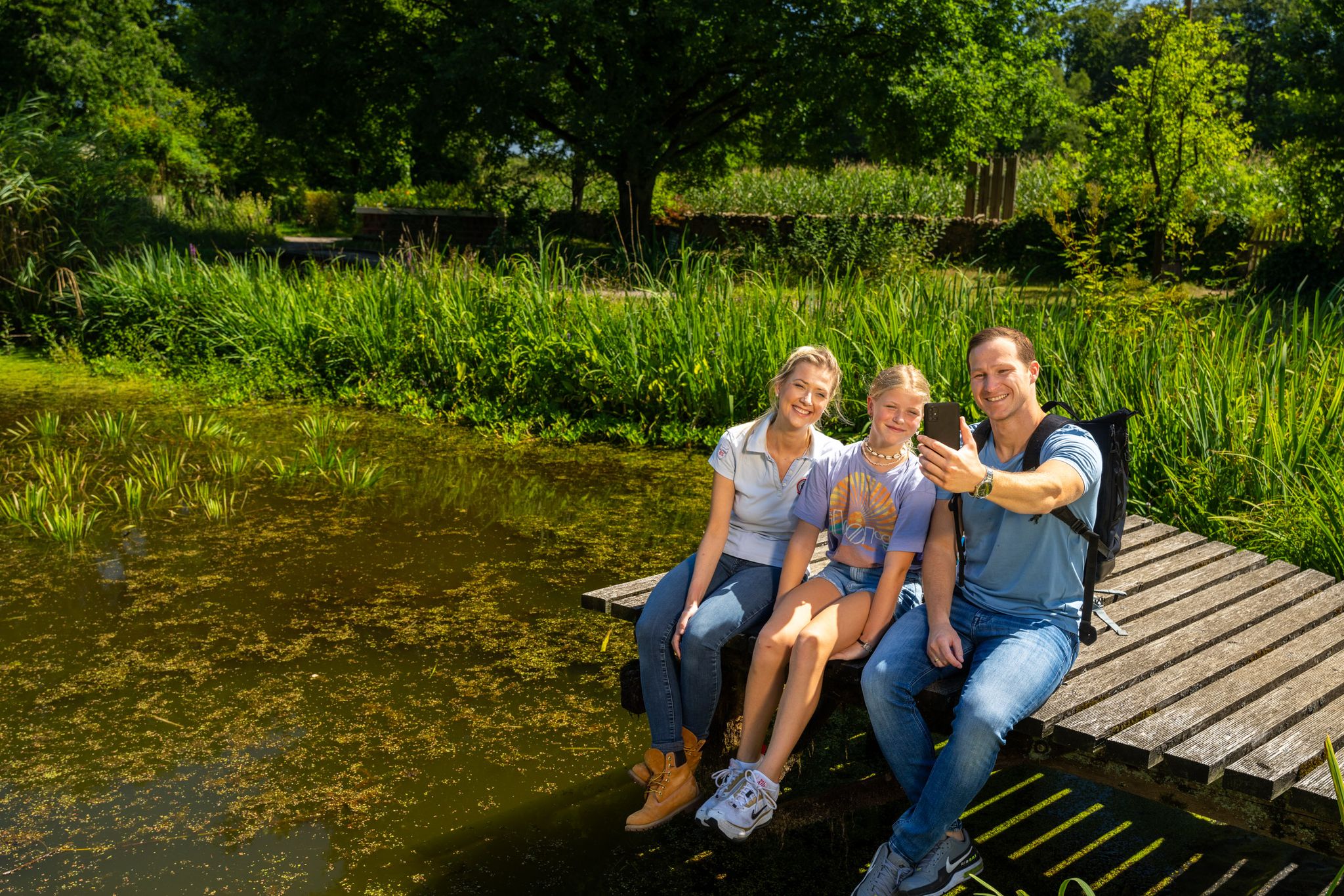
Hiking and discoveries – family walks in the Hohe Mark Nature Park
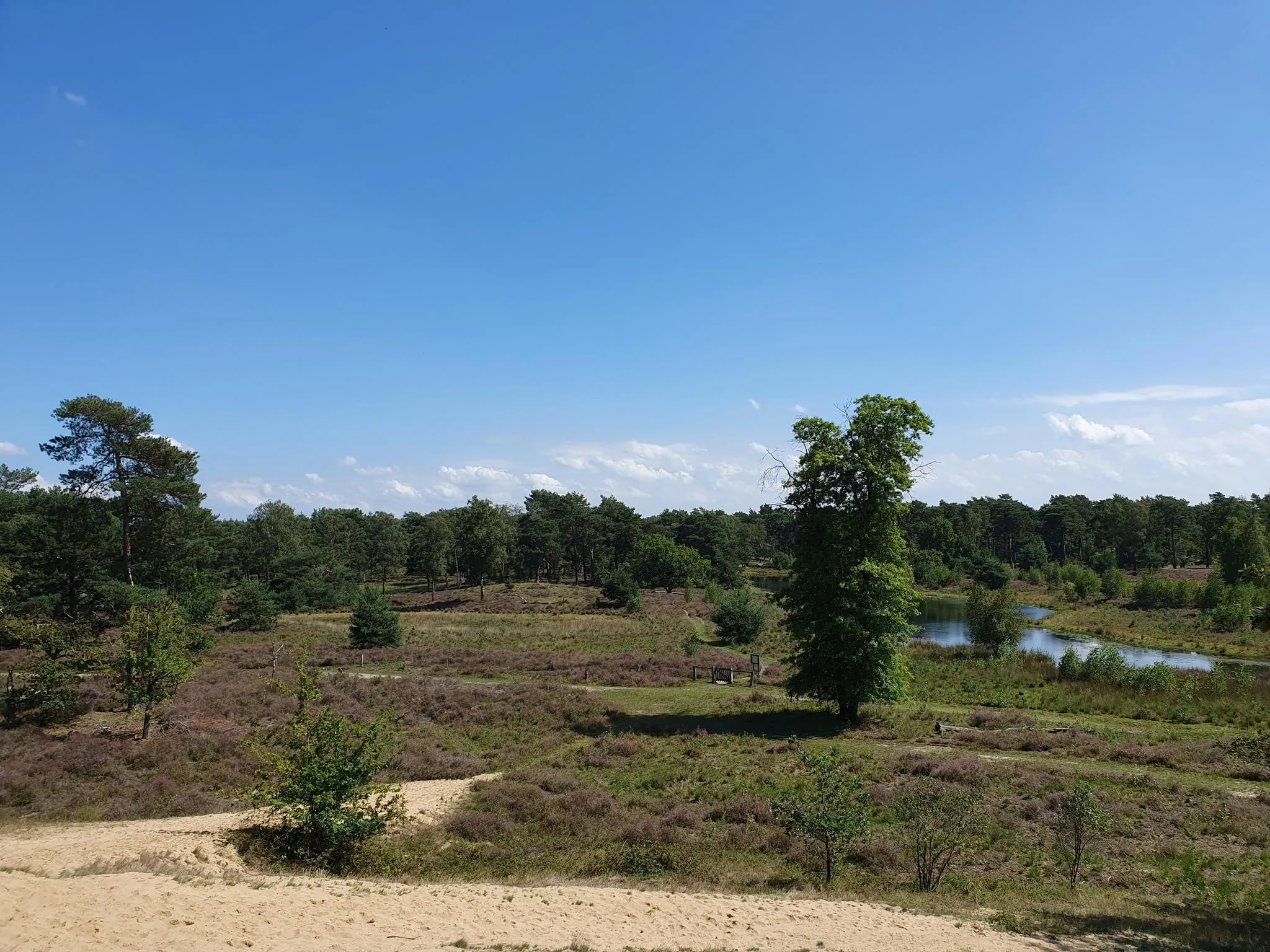
The Maas-Niederrhein Trail - Cross-border hiking in 19 stages
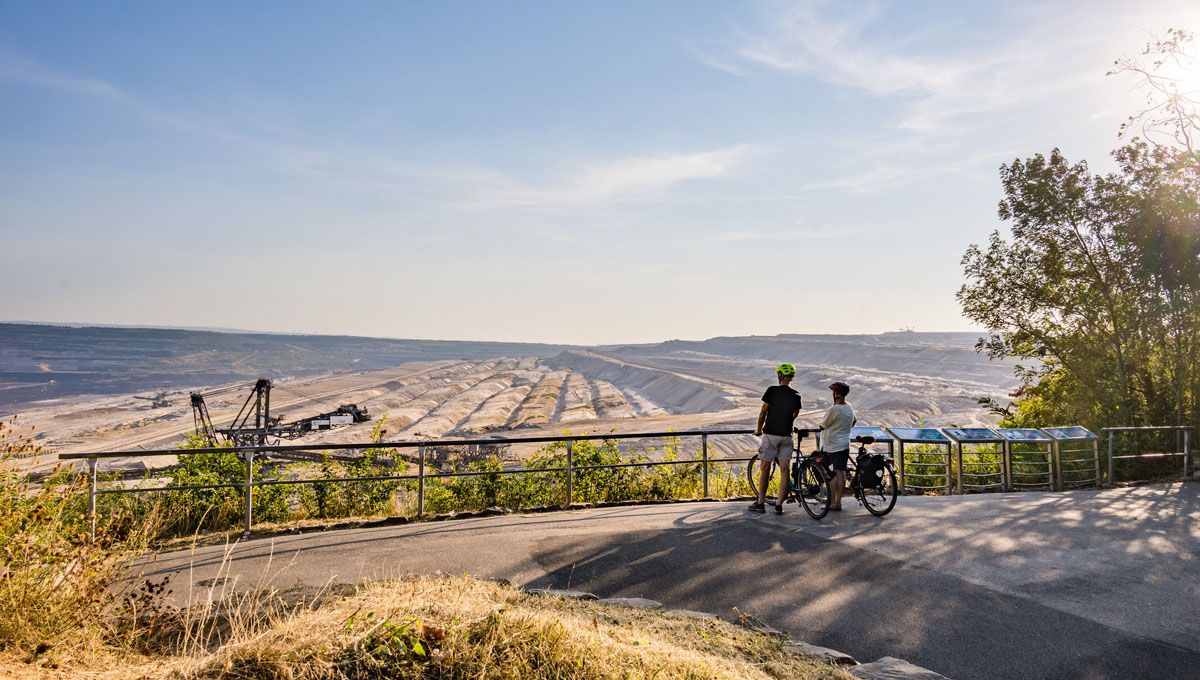
Marvellous views and varied scenery – cycling in the Rhineland
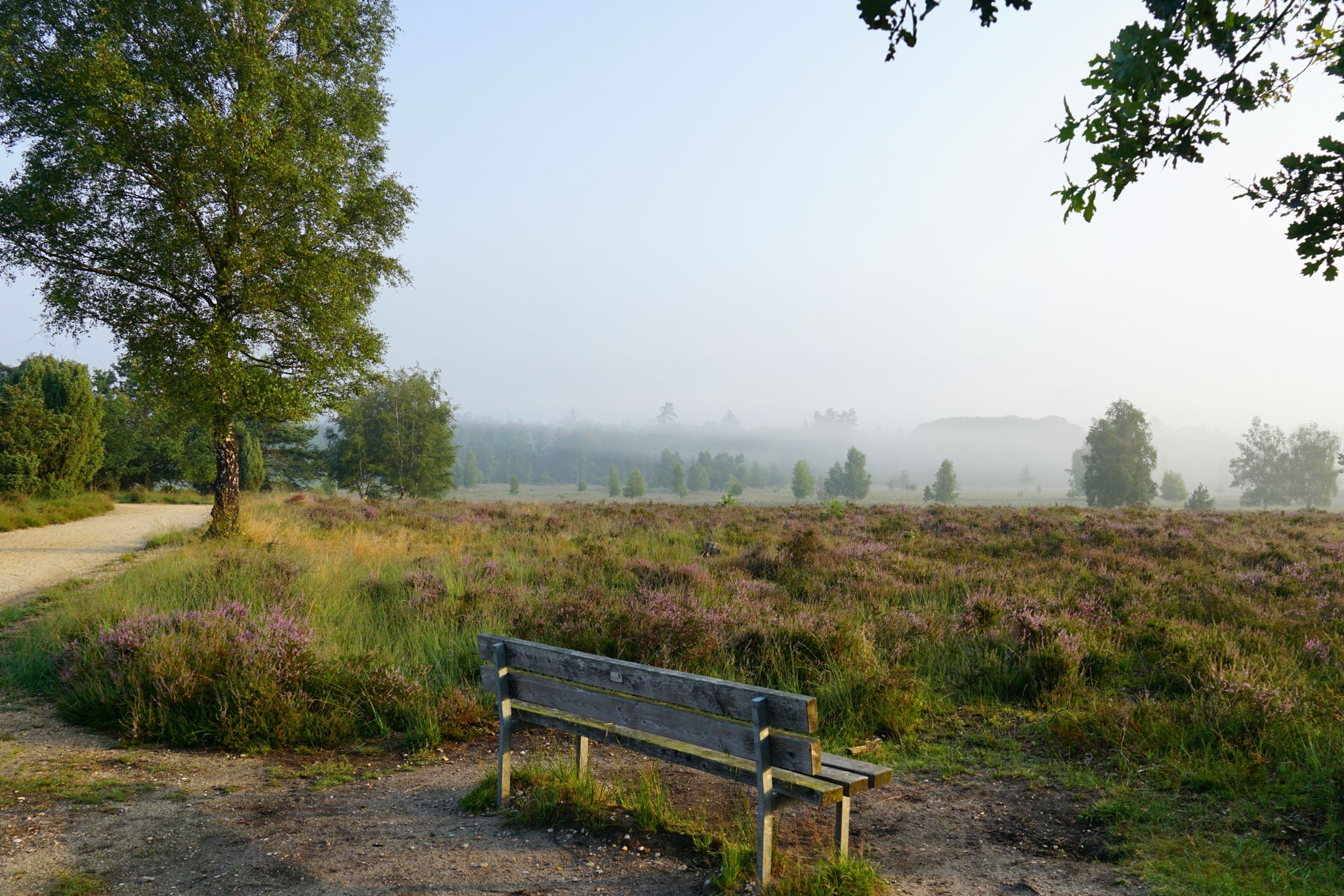
Leichte.Wander.Welt. - 10 barrier-free paths
Other adventures in the Regierungsbezirk Düsseldorf


Tips from the Community

It's pleasant here on the lakeshore.
27
1

The tree in the middle of the lake and the boats on the shore are particularly idyllic.
13
1

Great, quiet place to have a picnic and unwind
11
0
There are countless motifs to be found here.
25
0
Not only the beauty of nature, but also the tranquility that reigns here, wonderful.
33
0
There is a huge variety here on the Lower Rhine.
21
1

Nice place to take a break with a view of the Rhine.
16
0

Beautiful view over the Rheinauen to the Xanten Cathedral.
15
0
Frequently Asked Questions
What kind of natural features can I expect to see in the Regierungsbezirk Düsseldorf?
The Regierungsbezirk Düsseldorf is characterized by diverse natural features, including extensive wetlands, forests, and riverine landscapes. You'll find significant geological formations, unique ecosystems, and vital habitats for various plant and animal species. Notable examples include the Krickenbecker Lakes and Little De Wittsee, which offer charming views of a lake system, and the Confluence of the Erft and the Rhine, where two major rivers meet.
Are there family-friendly natural monuments in the Regierungsbezirk Düsseldorf?
Yes, many natural monuments in the region are suitable for families. For instance, the Krickenbecker Lakes and Little De Wittsee are wonderful for walks or bike rides, with small paths leading to fishing piers. The Bislicher Insel Nature Reserve is also family-friendly and offers a chance to observe migratory birds, especially in winter. Additionally, the Grafenberger Forest and Wildlife Park provides trails and opportunities to see deer and wild boars, with some animals even available for feeding.
What opportunities are there for birdwatching and wildlife observation?
The Regierungsbezirk Düsseldorf is a haven for birdwatchers and wildlife enthusiasts. The Bislicher Insel Nature Reserve is a paradise for ornithologists, known for its role as an important refuge for migratory birds, particularly white-fronted and bean geese in winter. The Urdenbacher Kämpe is a vital habitat for rare animals like little owls, green woodpeckers, and redstarts, while the Pillebachtal Nature Reserve is home to frogs, toads, newts, and various bird species, including at least five types of woodpeckers.
What are some unique or hidden natural gems in the region?
Beyond the well-known spots, the region holds several unique natural gems. The Urdenbacher Kämpe, for example, is the largest nature reserve in Düsseldorf, showcasing the old Lower Rhine cultural landscape with wet meadows and fruit trees. The Pillebachtal Nature Reserve offers a unique natural character with its renaturated stream and diverse wetlands. For a tranquil green oasis, the Himmelgeister Rheinbogen provides a peaceful escape from the urban bustle.
Are there good hiking trails near the natural monuments?
Absolutely. The region offers numerous hiking opportunities. You can find a variety of trails, from easy strolls to more moderate routes. For specific hiking suggestions, you can explore the Easy hikes in the Regierungsbezirk Düsseldorf guide, which includes routes like the 'Premium-Hiking Trail Two-Lake-Round' and the 'Leuther Muehlen-Pfad'. The Grafenberger Forest also features many hiking paths.
Can I go cycling around the natural monuments?
Yes, cycling is a popular way to explore the natural monuments. The Krickenbecker Lakes and Little De Wittsee are excellent for cycling, offering scenic routes around the water. For more extensive cycling adventures, check out the Cycling in the Regierungsbezirk Düsseldorf guide, which features routes like 'Auenland – experience the Rhine' and the 'Rhine floodplain loop of the Roman-Lippe cycle path'.
What is the best time of year to visit the natural monuments?
The best time to visit depends on what you wish to experience. Spring is particularly beautiful when the fruit trees in areas like the Urdenbacher Kämpe are in blossom. Autumn offers vibrant foliage in forested areas. For birdwatching, the winter months are ideal, especially at the Bislicher Insel Nature Reserve, when migratory birds arrive in large numbers. Generally, good weather enhances the scenic views, such as those from the dike at the Walsum Rhine Meadows Nature Reserve.
Are there any natural monuments with historical significance?
While primarily natural, some areas also carry historical context. The Himmelgeister Rheinbogen, for example, gets its name from 'Himmelgeist,' which historically referred to 'heathland,' hinting at the landscape's past. The meandering course of a small stream within the Urdenbacher Kämpe also provides insight into the original, no longer existing, path of the Rhine River. The Confluence of the Erft and the Rhine is also listed as a historical site.
Are there natural monuments that are easily accessible or suitable for those seeking less strenuous walks?
Many natural monuments in the Regierungsbezirk Düsseldorf offer easy paths suitable for less strenuous walks. The Krickenbecker Lakes and Little De Wittsee provide flat, accessible routes around the water. The Aaper Forest, Düsseldorf's city forest, also features numerous easy hiking and biking trails. For specific easy hiking routes, consult the Easy hikes in the Regierungsbezirk Düsseldorf guide.
Where can I find information about the Hubbelrather Bachtal Nature Reserve?
The Hubbelrather Bachtal Nature Reserve is Düsseldorf's highest-lying nature reserve, offering a rich natural environment with wet meadows, small bodies of water, and beech forests. It's known for its diverse bird species. You can find more information about this specific reserve on the Visit Düsseldorf website: visitduesseldorf.de/dus/naturschutzgebiet-hubbelrather-bachtal.
What do visitors particularly enjoy about the natural monuments in the Regierungsbezirk Düsseldorf?
Visitors frequently praise the tranquility and natural beauty of the region's natural monuments. Many appreciate the diverse landscapes, from the serene lakes like Hariksee (Harik Lake) and Lake Holtmühle, to the peaceful forests such as the Elmpter Schwalmbruch Nature Reserve, where many different species of birds can be observed. The opportunity for quiet walks, cycling, and wildlife spotting, especially the migratory birds at Bislicher Insel, are often highlighted as key attractions.
Most popular routes in the Regierungsbezirk Düsseldorf
Most popular attractions in the Regierungsbezirk Düsseldorf

Get inspired with the komoot mobile app


Didn’t find what you were looking for?
Find even more amazing natural monuments in the Regierungsbezirk Düsseldorf by checking out the top Highlights region by region:
Explore more
Extend your search for the best caves by checking out these guides of the top ones in the Regierungsbezirk Düsseldorf:
