The best gravel rides in the Regierungsbezirk Düsseldorf
4.5
(974)
3,944
riders
406
rides
Gravel biking in the Regierungsbezirk Düsseldorf offers a diverse landscape characterized by extensive riverine environments, urban green spaces, and numerous natural reserves. The region features well-developed cycle paths along the Rhine River and its floodplains, providing routes through lowlands, meadows, and alluvial forests. While generally flat in its lower Rhine areas, the region also includes forested sections and some higher elevations, with the Brodtberg reaching 378 meters. This varied terrain provides a range of gravel bike trails suitable for different…
Last updated: September 1, 2026
4.8
(10)
61
riders
48.8km
03:34
290m
290m
Hard gravel ride. Good fitness required. You may need to push your bike for some segments of this route.
4.5
(2)
78
riders
102km
06:53
500m
500m
Hard gravel ride. Very good fitness required. You may need to push your bike for some segments of this route.

Sign up for free
4.8
(9)
68
riders
Hard gravel ride. Very good fitness required. Mostly paved surfaces. Suitable for all skill levels.
4.5
(19)
144
riders
51.1km
02:49
90m
90m
Moderate gravel ride. Good fitness required. Mostly paved surfaces. Suitable for all skill levels.
4.6
(9)
42
riders
Moderate gravel ride. Good fitness required. Mostly paved surfaces. Suitable for all skill levels.
4.4
(14)
112
riders
Moderate gravel ride. Good fitness required. Mostly paved surfaces. Suitable for all skill levels.
4.3
(12)
51
riders
56.0km
03:18
310m
310m
Hard gravel ride. Good fitness required. You may need to push your bike for some segments of this route.
5.0
(2)
17
riders
Hard gravel ride. Very good fitness required. You may need to push your bike for some segments of this route.
4.5
(6)
38
riders
55.1km
03:15
240m
240m
Moderate gravel ride. Good fitness required. Mostly paved surfaces. Suitable for all skill levels.
4.6
(21)
38
riders
39.9km
02:17
70m
70m
Moderate gravel ride. Good fitness required. Mostly paved surfaces. Suitable for all skill levels.
Get access to more routes and recommendations from other explorers.
Sign up for free
Already have an account?
Our route recommendations are based on thousands of hikes, rides, and runs completed by other people on komoot.
Start today with a free account
Your next adventure awaits.
Login or Signup
Popular around Regierungsbezirk Düsseldorf

Gravel biking around Kreis Wesel
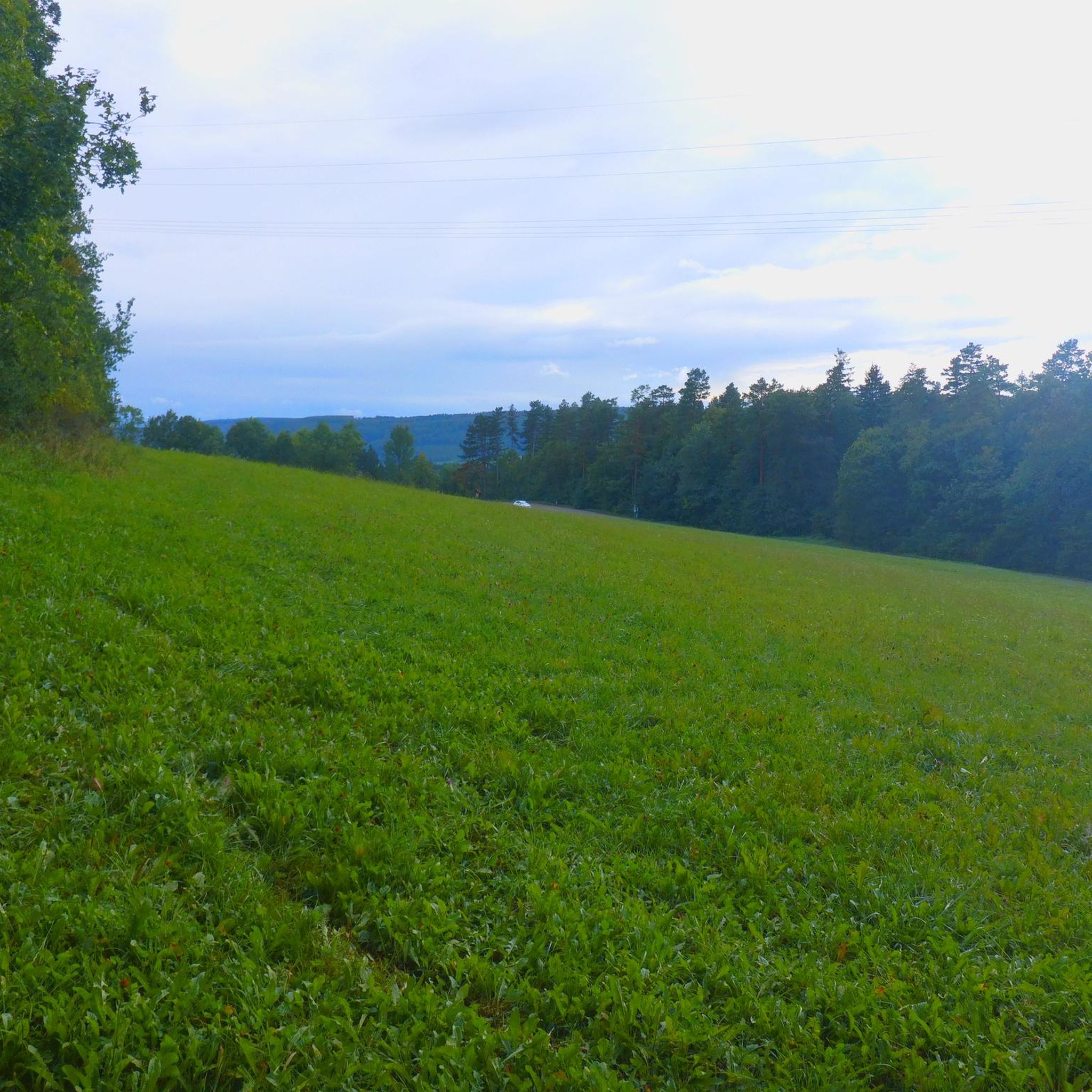
Gravel biking around Viersen

Gravel biking around Kreis Kleve

Gravel biking around Mönchengladbach

Gravel biking around Krefeld
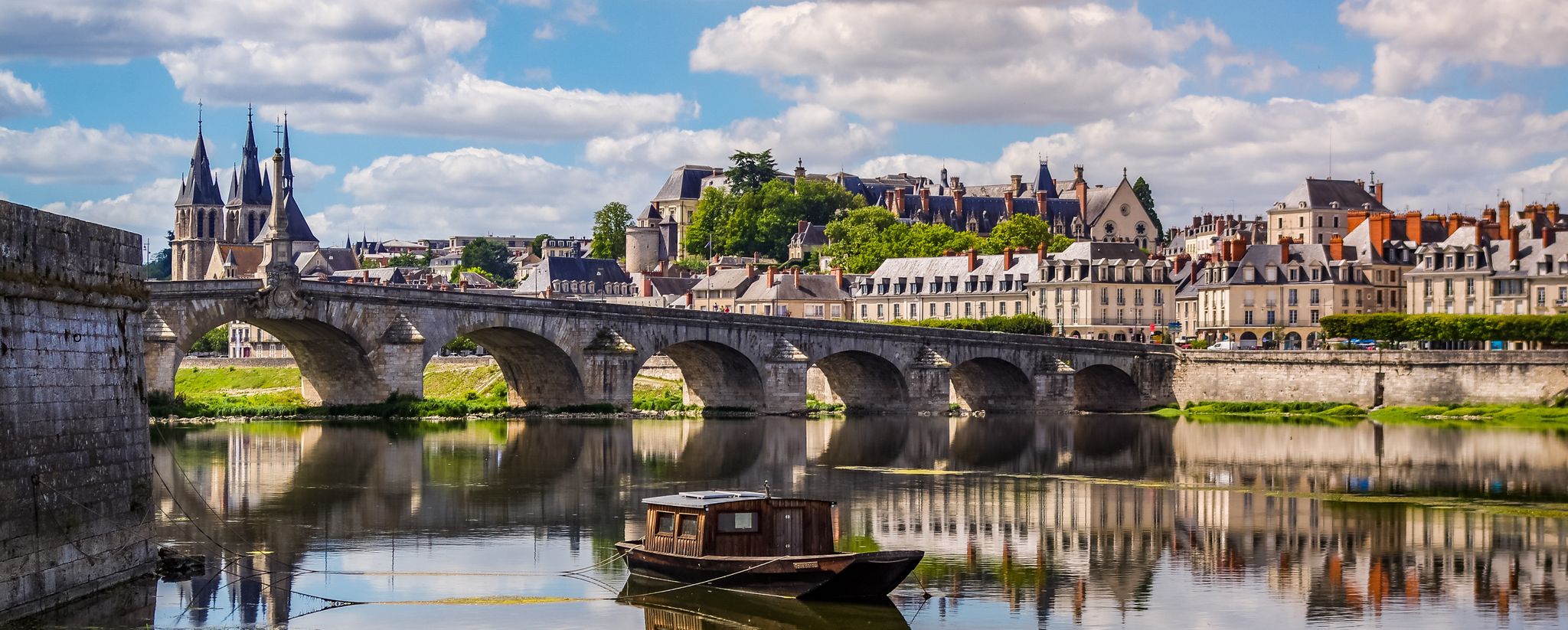
EuroVelo 3 – A cycling pilgrimage from Norway to France
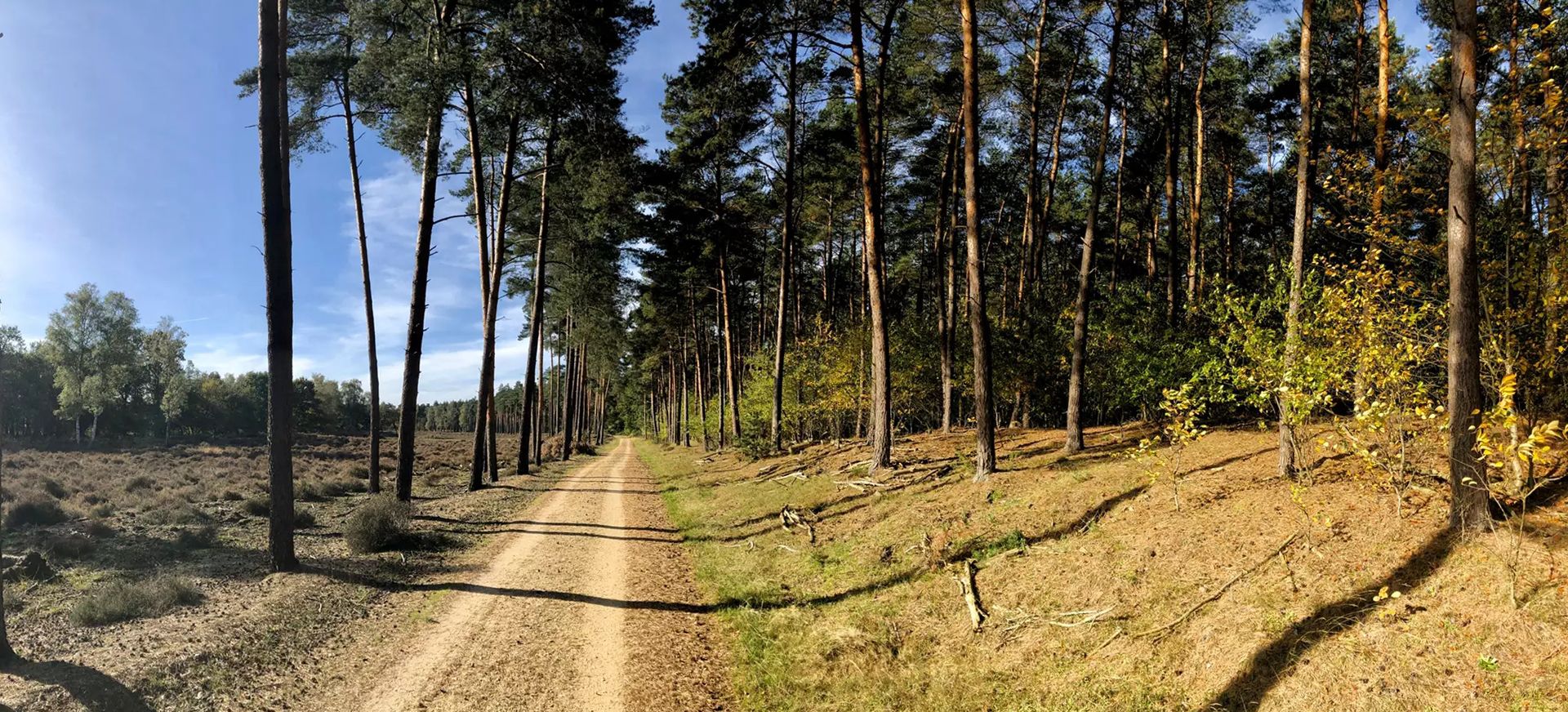
2-Country Route – Cycling from Germany to Netherlands
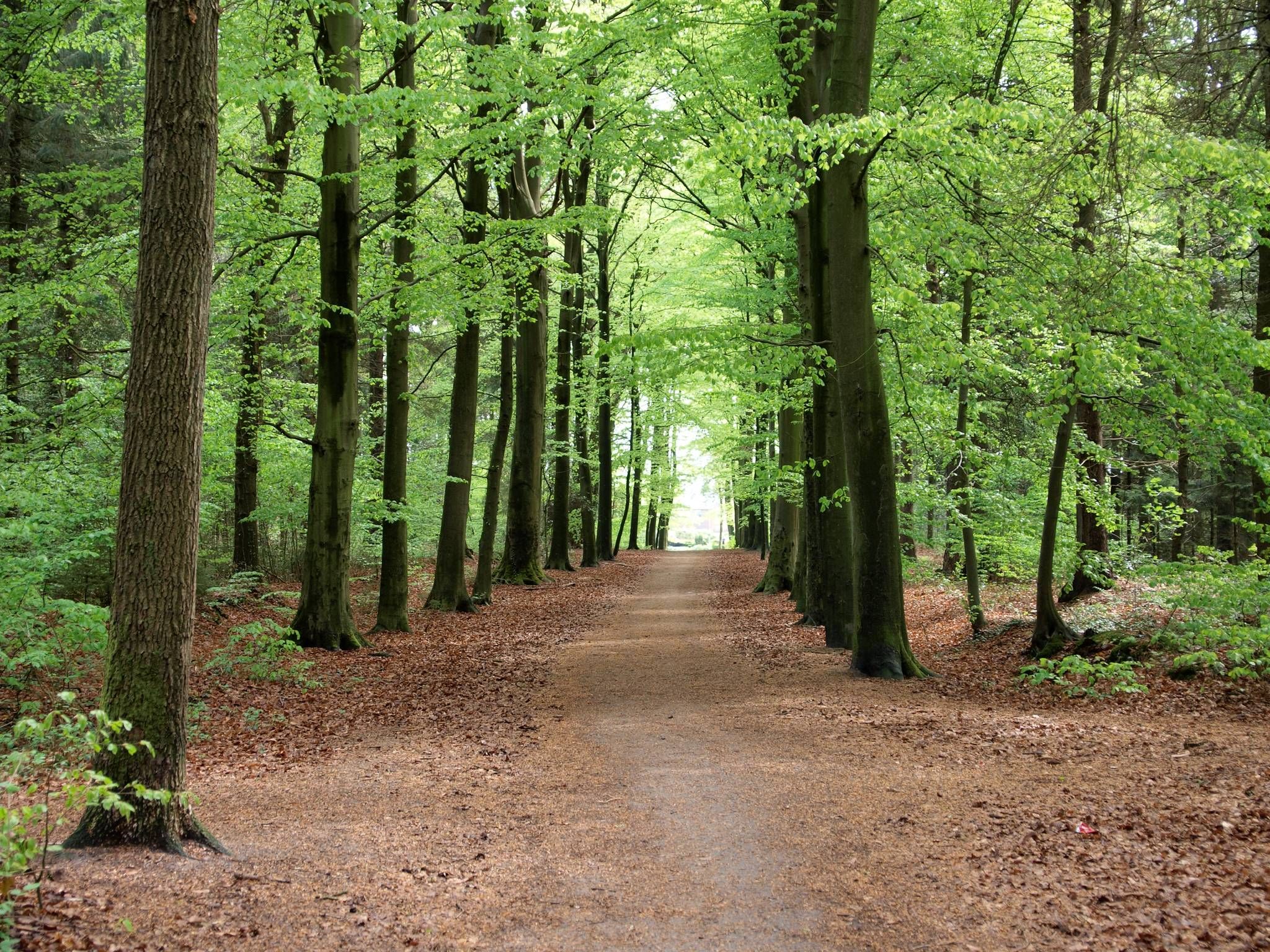
Trans Netherlands MTB Route – The ultimate off-road adventure
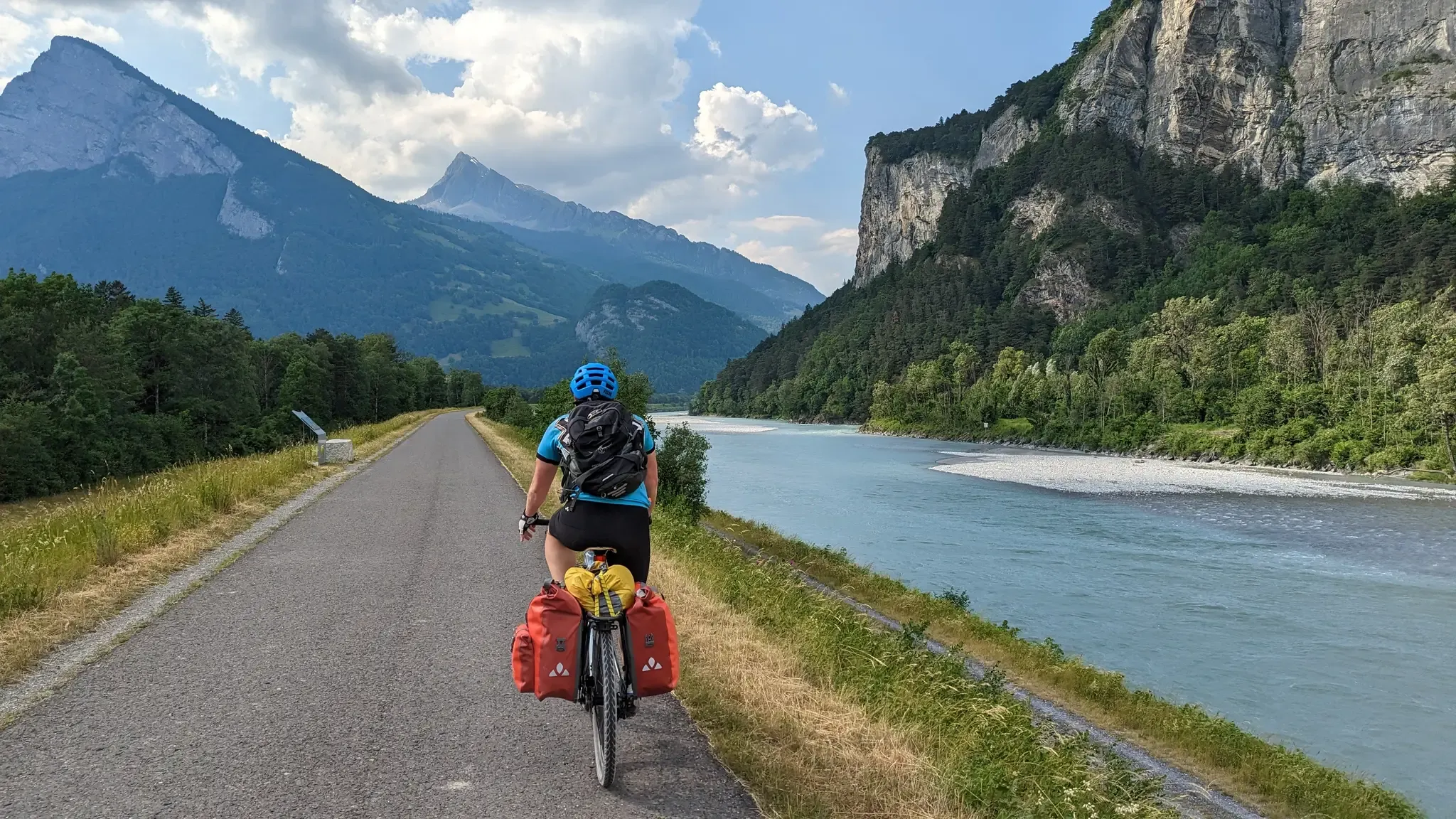
The Rhine Cycle Path — From the source to the North Sea
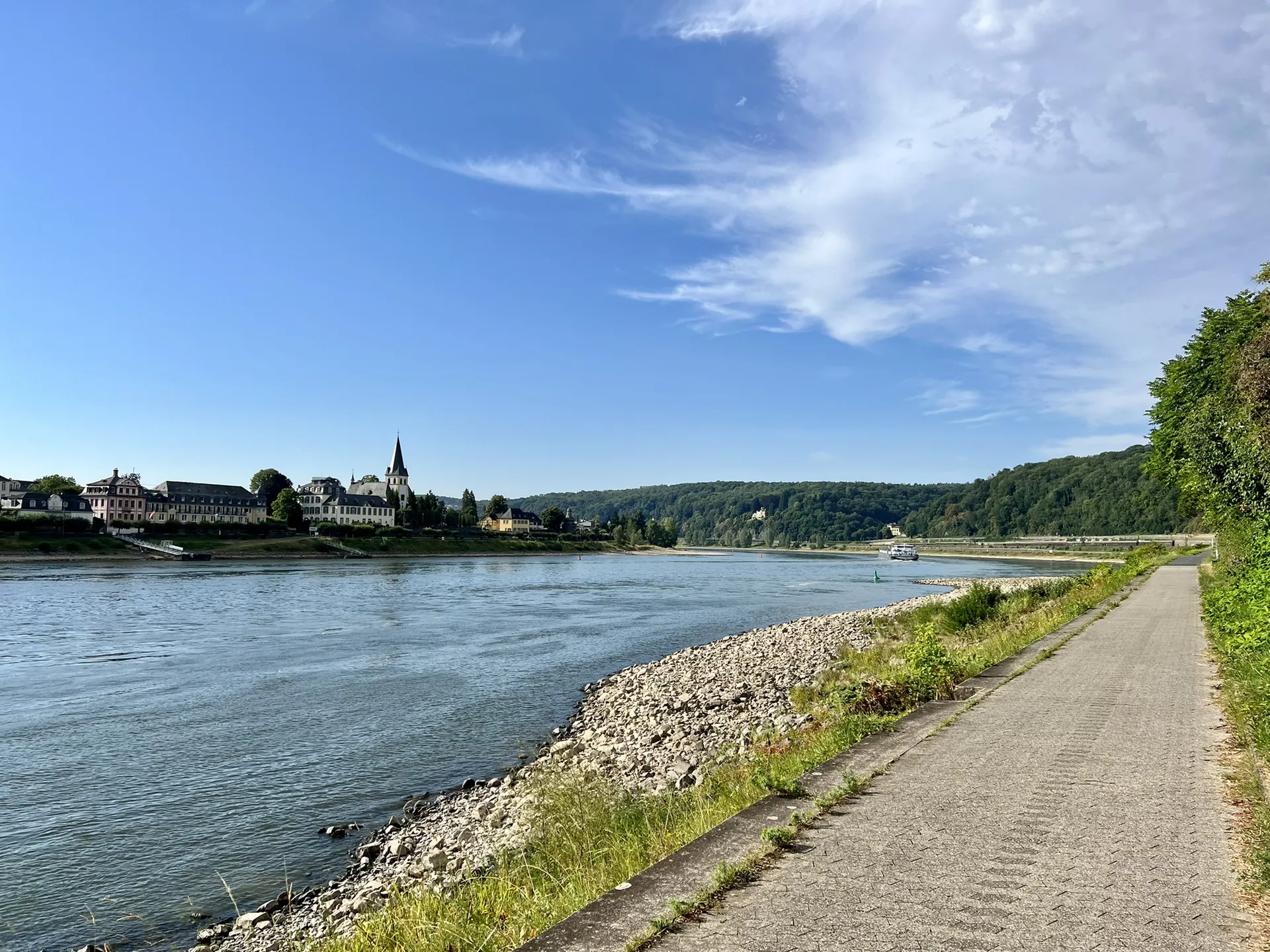
From the Rhine to the Moselle - Five cycling days with the river as your guide
Other adventures in the Regierungsbezirk Düsseldorf


Tips from the Community

Top route - super surface and no cars
0
0

The Lanker Bruch, a part of the Lanker Busch
2
0
an exciting view of the entire complex
0
0
The Ilverich Old Rhine Loop is protected as a natural monument and
0
0
100 to 128 kilometer long river cycle path
2
0

Left Rhine cycle path, largely paved
0
0

Beautiful cycle path
1
0

Undoubtedly a highlight in the region.
0
0
Frequently Asked Questions
What kind of terrain can I expect on gravel bike trails in Regierungsbezirk Düsseldorf?
The Regierungsbezirk Düsseldorf offers a diverse mix of terrain. You'll find extensive riverine environments along the Rhine, with well-developed cycle paths on dikes and through floodplains, meadows, and alluvial forests. There are also numerous nature reserves and forested sections, such as the Grafenberg Forest Wildlife Park. While generally flat in the lower Rhine areas, some routes venture into higher elevations, providing varied gravel experiences.
How many gravel bike trails are available in the Regierungsbezirk Düsseldorf?
There are over 1,000 gravel bike trails available in the Regierungsbezirk Düsseldorf. This includes a wide range of options, with approximately 320 easy routes, 560 moderate routes, and 170 difficult routes, catering to various skill levels and preferences.
Are there any family-friendly gravel bike routes in the region?
Yes, the region offers many routes suitable for families, particularly those along the Rhine River and through urban green spaces. These often feature car-free paths and gentler gradients. Look for routes categorized as 'easy' or 'moderate' on komoot, which typically have less elevation and are shorter in distance, making them ideal for a family outing.
What are some notable natural features or landmarks I can see while gravel biking?
The Regierungsbezirk Düsseldorf is rich in natural beauty. You can explore the scenic Walsum Rhine Meadows Nature Reserve, known for its beauty at sunset, or the Bislicher Insel Nature Reserve, which features extensive meadows and a rich bird population. Many routes also pass by significant river features like the confluence of the Wurm and Rur rivers, or offer views of historic sites like Kaiserwerth.
Are there any circular gravel bike routes in the Regierungsbezirk Düsseldorf?
Yes, many gravel bike routes in the Regierungsbezirk Düsseldorf are designed as loops, allowing you to start and end at the same point. For example, the Rheindeich Cycle Path – Lanker Busch Forest Path loop from Kaarst IKEA is a popular moderate circular route, and the Cycle Path Along the Schwalm – The Grauwe Beer Windmill loop from Brüggen offers a moderate ride through varied landscapes.
What do other gravel bikers say about the trails in Regierungsbezirk Düsseldorf?
The gravel biking trails in Regierungsbezirk Düsseldorf are highly regarded by the komoot community, with an average rating of 4.5 stars from over 1,700 reviews. Many riders praise the region's diverse landscapes, well-maintained paths, and the ability to combine natural exploration with urban green spaces. Over 7,400 gravel bikers have used komoot to explore the area, highlighting its popularity.
Are there any long-distance gravel biking options in the region?
Yes, the region connects to several long-distance cycling routes that can incorporate gravel sections. These include parts of the EuroVelo 3, the 2-Country Route (Germany to Netherlands), and the Rhine Cycle Path. For dedicated long-distance gravel, routes like the New Cycle Path Through the Forest – Old Meuse loop from Kleve (over 100 km) or the Dorstener Lippe Floodplains – Hervester Bruch Nature Reserve loop from Wesel Hohe Mark offer challenging, extensive rides.
What is the best time of year for gravel biking in Regierungsbezirk Düsseldorf?
Gravel biking in Regierungsbezirk Düsseldorf is enjoyable throughout much of the year. Spring and autumn offer pleasant temperatures and beautiful scenery, especially with changing foliage. Summer is also great, though some exposed river sections can be warm. Even in winter, many paths remain rideable, particularly the well-maintained dike paths, though conditions can vary with rain or frost.
Are there any routes that explore the Rhine floodplains?
Absolutely. The Rhine River and its floodplains are central to gravel biking in the region. Routes like the Dorstener Lippe Floodplains – Hervester Bruch Nature Reserve loop from Wesel Hohe Mark specifically explore these unique riverine environments, offering picturesque views and varied terrain through meadows and alluvial forests.
Can I find routes that combine forest paths with riverside views?
Yes, many routes in Regierungsbezirk Düsseldorf offer this combination. For instance, the Rheindeich Cycle Path – Lanker Busch Forest Path loop from Kaarst IKEA takes you along river dikes and through forest paths, providing a varied and scenic experience. The region's blend of natural reserves and river landscapes makes such mixed-terrain rides common.
Are there any routes that pass by windmills or other historical structures?
Yes, you can find routes that incorporate historical elements. The Cycle Path Along the Schwalm – The Grauwe Beer Windmill loop from Brüggen is one such example, passing by a windmill. Other routes may lead you through small towns with historical architecture or past monuments like the Boxteler Bahn Monument, adding cultural interest to your ride.
Where can I find cafes or pubs near gravel bike trails?
The Regierungsbezirk Düsseldorf has a good infrastructure for cyclists. Many routes pass through or near towns and villages where you can find cafes and pubs. For example, the Erdinger Urweisse Hut Rheinwacht Beer Garden is a popular spot, and the Gasthof Pannebäcker offers a place to refuel. It's always a good idea to check your komoot route for highlights tagged as 'cafe' or 'pub' along the way.
Most popular routes in the Regierungsbezirk Düsseldorf
Most popular attractions in the Regierungsbezirk Düsseldorf

Get inspired with the komoot mobile app


Didn’t find what you were looking for?
Check out more Gravel rides throughout Regierungsbezirk Düsseldorf below and find the perfect route in your destination.
Explore more
Browse the best Gravel rides in other regions.
