The 5 Most Amazing Peaks in Viterbo
Mountain peaks in Viterbo, part of Italy's Lazio region, are characterized by hilly and mountainous terrain, primarily formed by ancient volcanic activity. The region's mountains offer diverse experiences, from challenging climbs to tranquil walks through ancient forests. These peaks provide opportunities for outdoor activities and showcase natural beauty.
Best mountain peaks in Viterbo
- The most popular mountain peaks is Devil’s Well Cave (Monte Venere), a cave that is part of the Monti Cimini group and stands directly in front…
Last updated: July 8, 2026
Devil’s Well Cave (Monte Venere)
Highlight • Cave
It is a mountain of volcanic origin that reaches a height of 835 m asl.
Translated by Google •
Tip by

Cima Coppi of Monte Fogliano
Highlight • Summit
Translated by Google •
Tip by

Sign up now to discover places like this
Get recommendations on the best single tracks, peaks, & plenty of other exciting outdoor places.
Sign up for free
Walk in the Beech Forest
Highlight • Forest
Translated by Google •
Tip by

Monte Raschio Beech Forest
Highlight • Forest
Translated by Google •
Tip by

Monte Palanzana Summit and Viewpoint
Highlight • Summit
Translated by Google •
Tip by
Start today with a free account
Your next adventure awaits.
Login or Signup
Popular around Viterbo
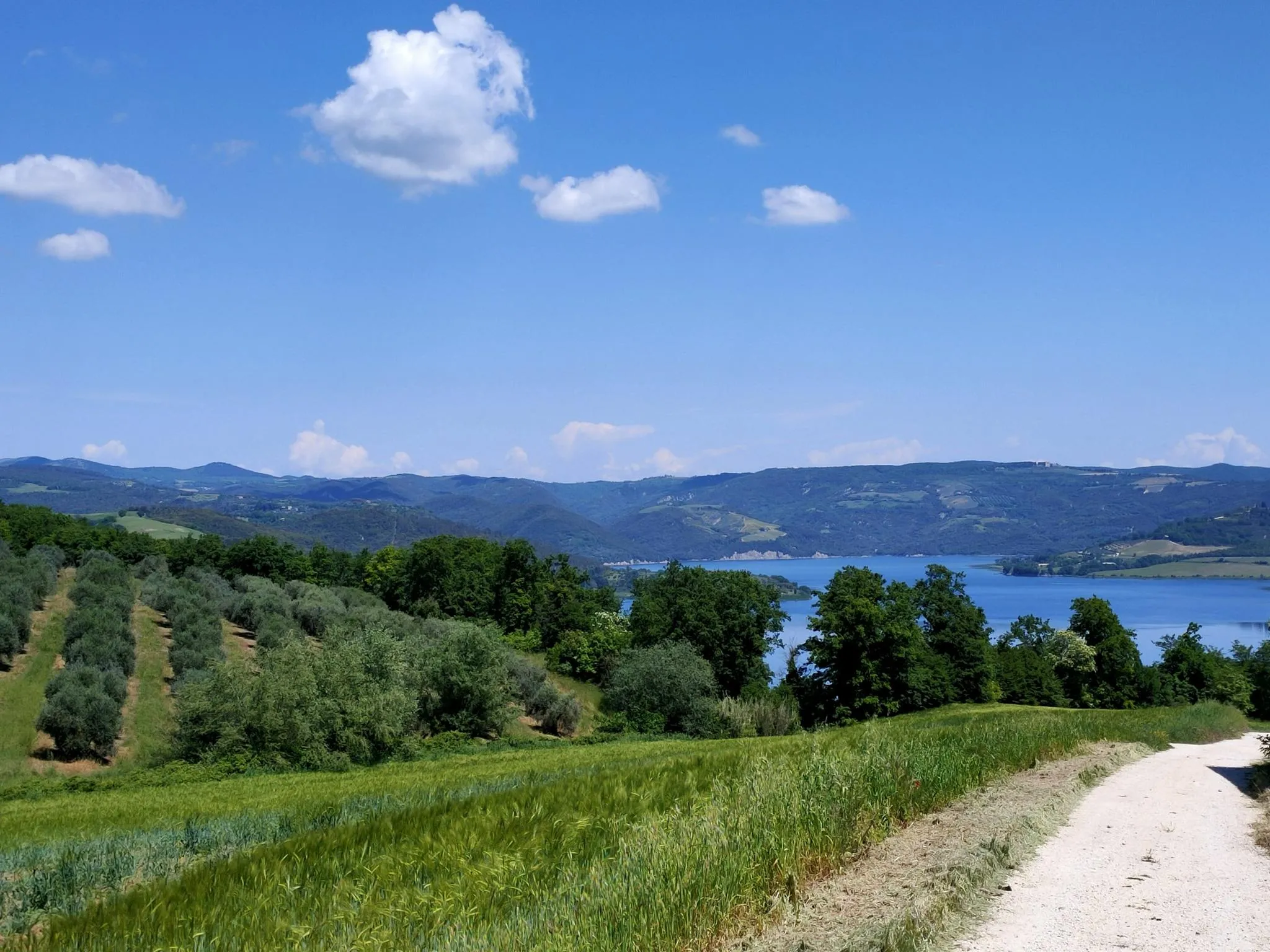
Italian Coast2Coast – From Portonovo to Orbetello
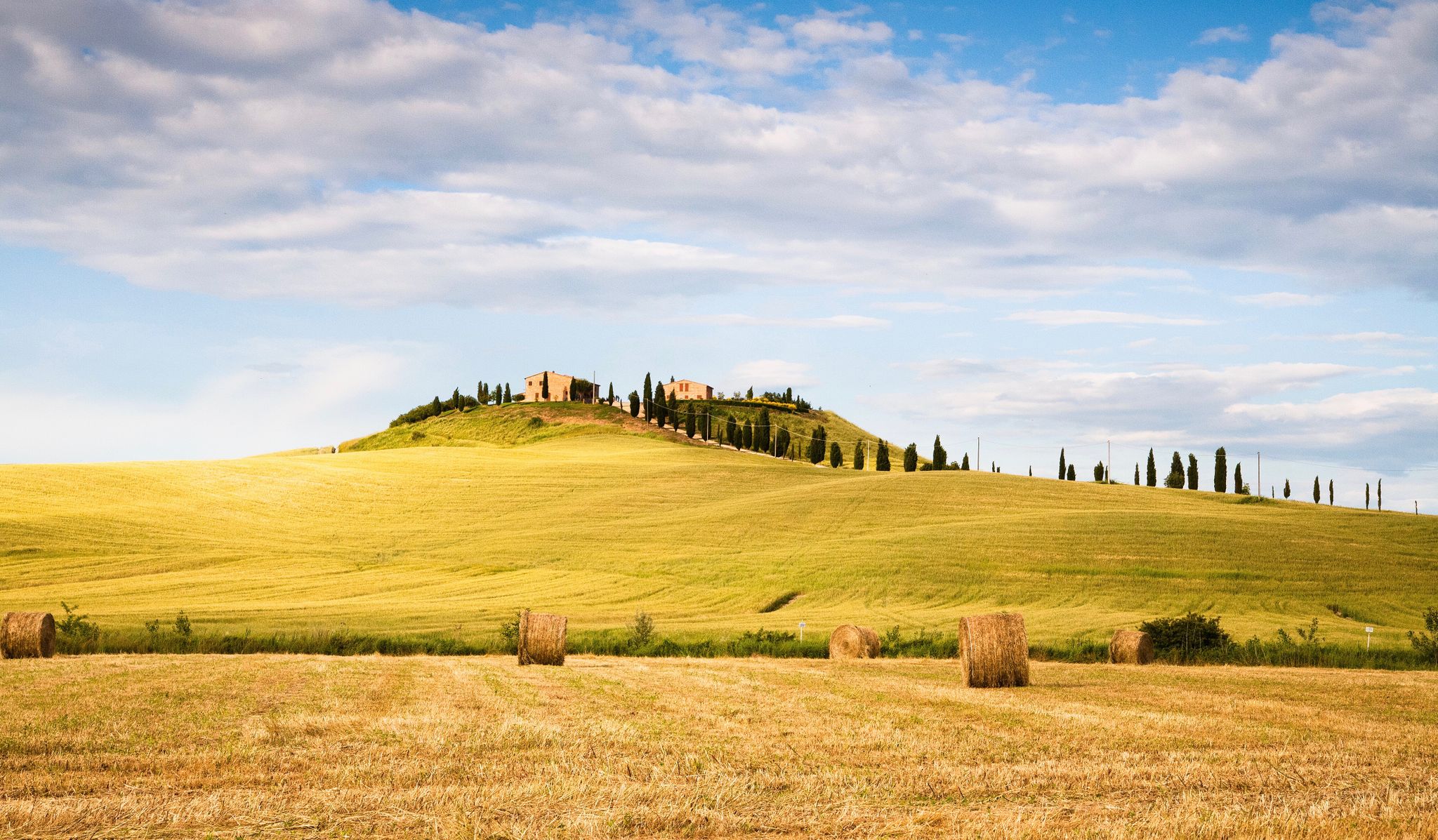
Via Francigena South — Siena to Rome
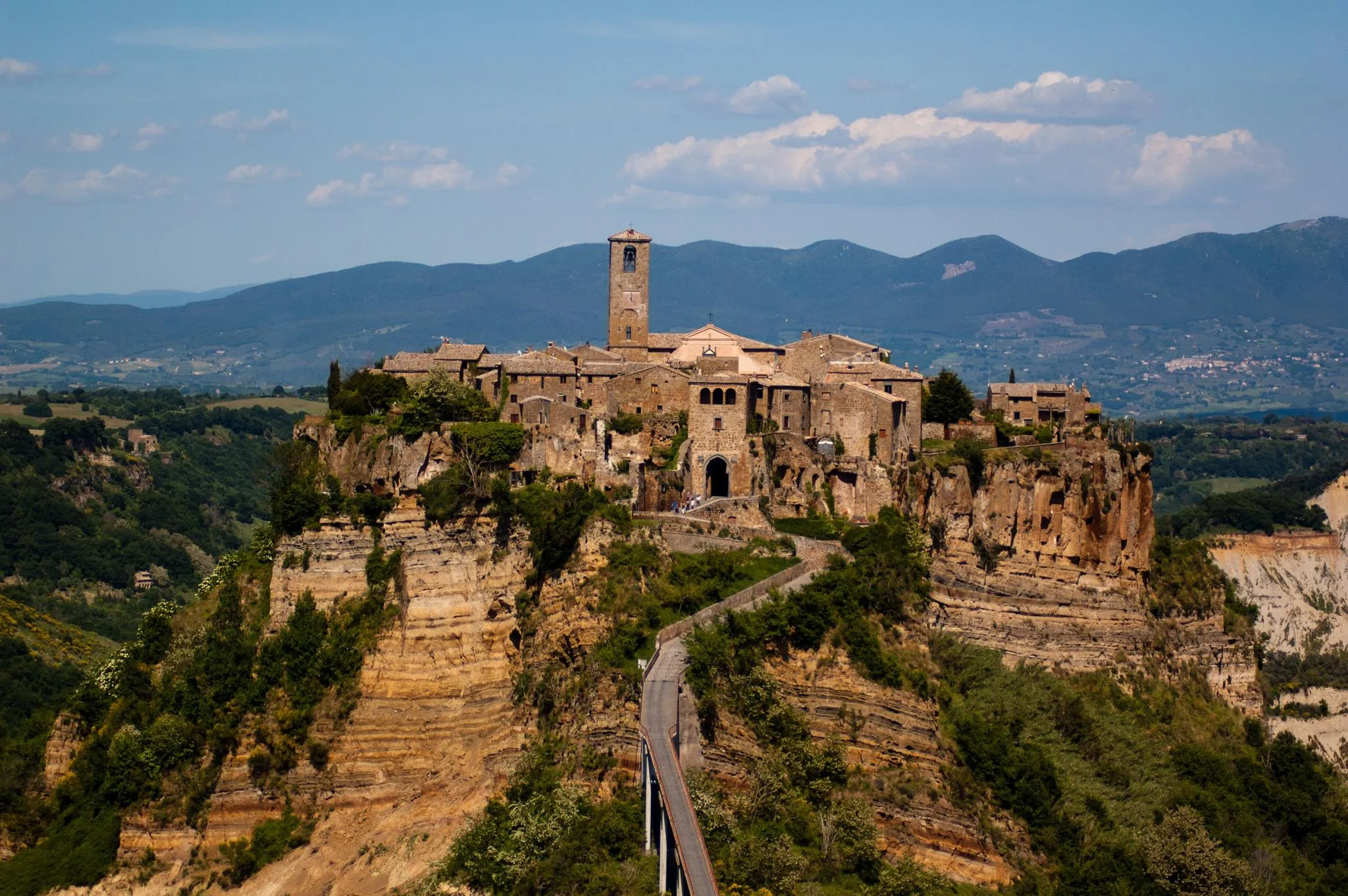
Lazio by bike – suspended villages, turquoise waters and natural parks
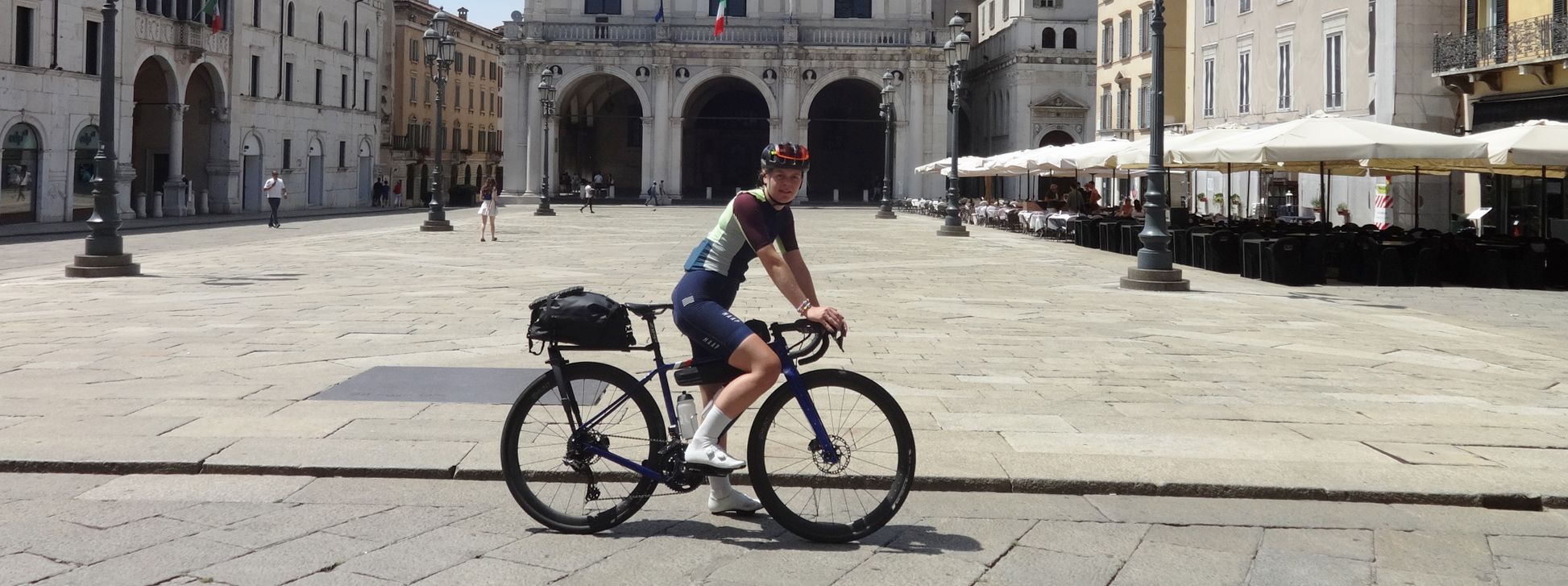
The Pizza Pilgrimage – Milan to Naples, fuelled by pizza
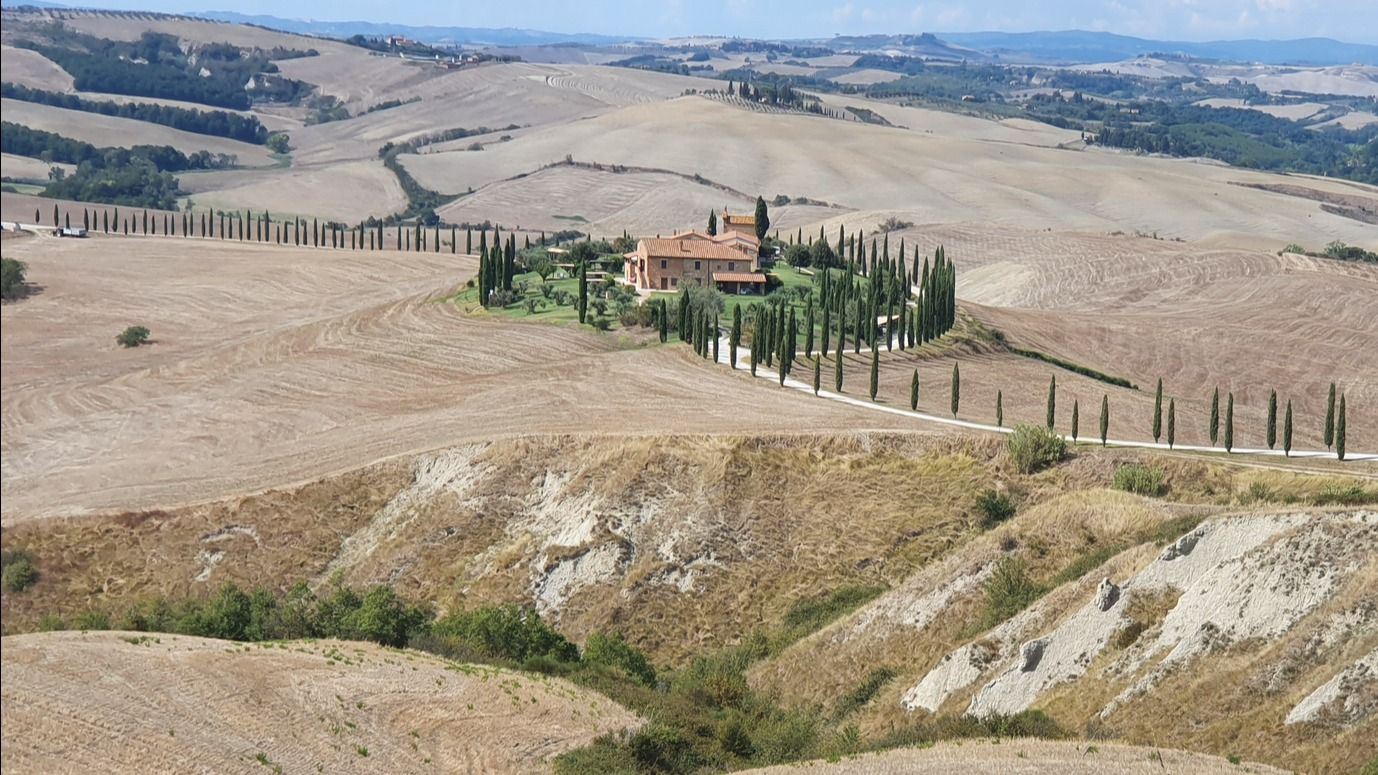
A Grand Tour of Italy – Rome to Milan by bike
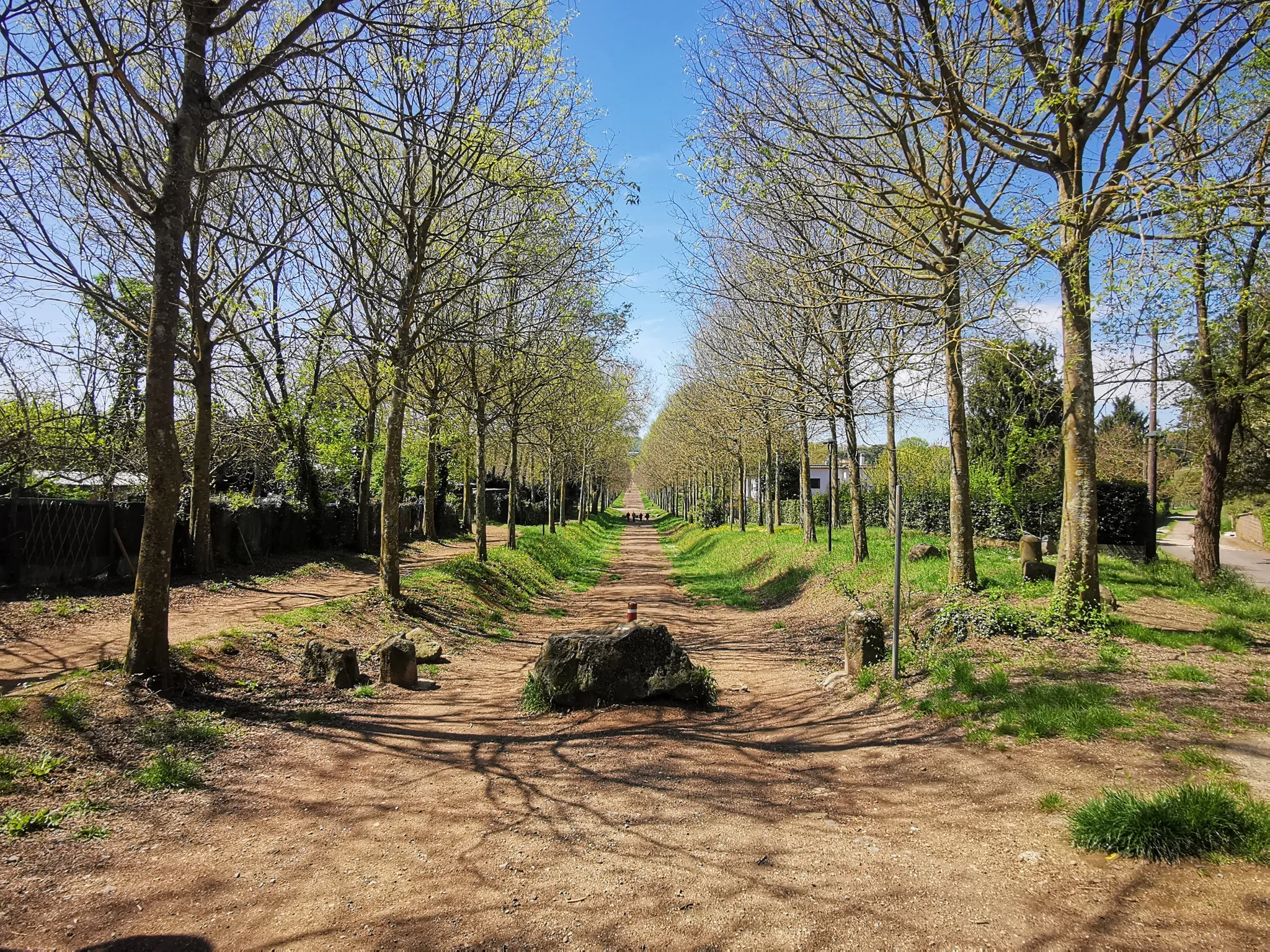
Ancient paths and necropolises – the Via Clodia by bike
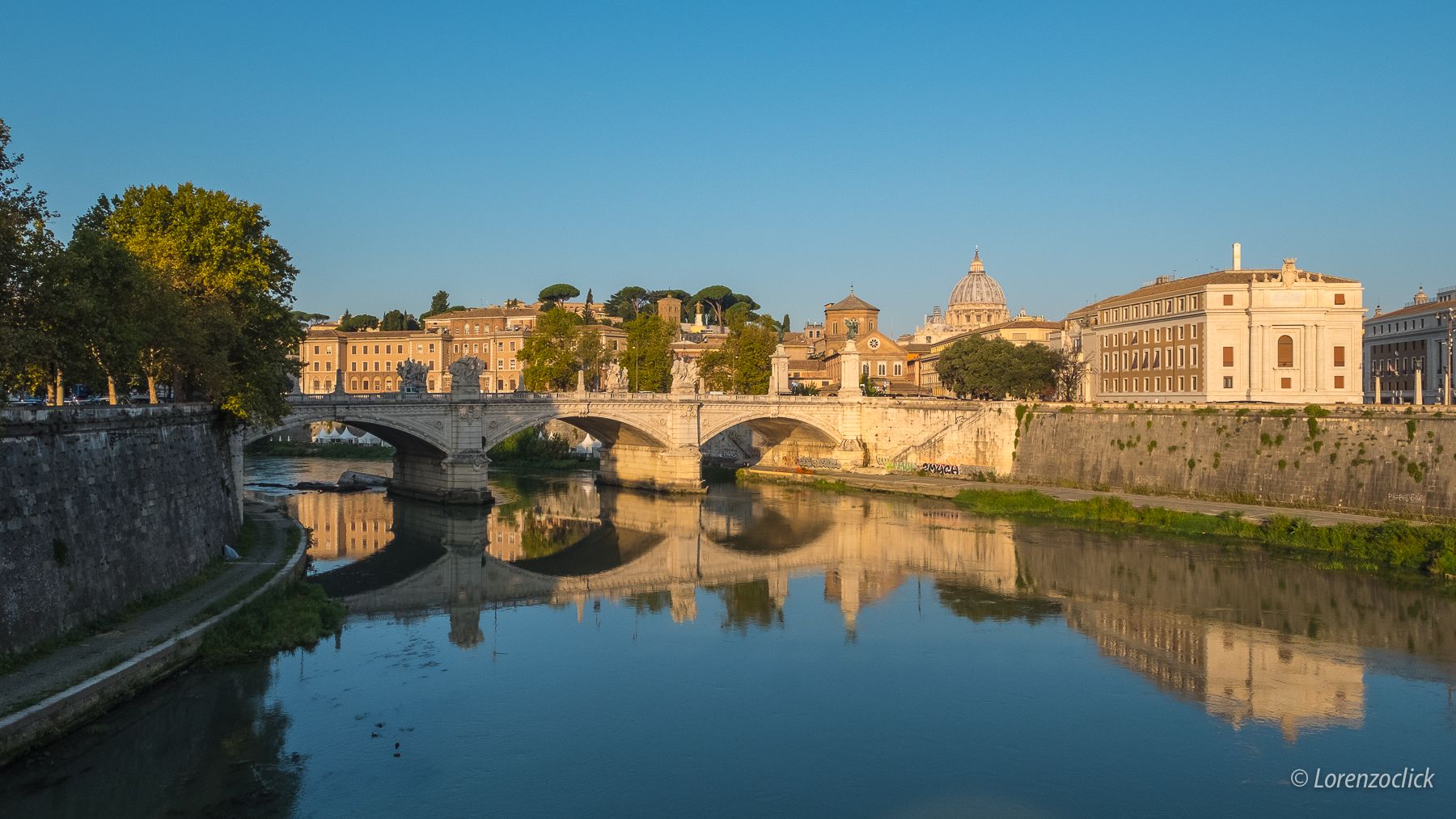
Cycling from the source to the mouth of the Tiber — the Regina Ciclarum
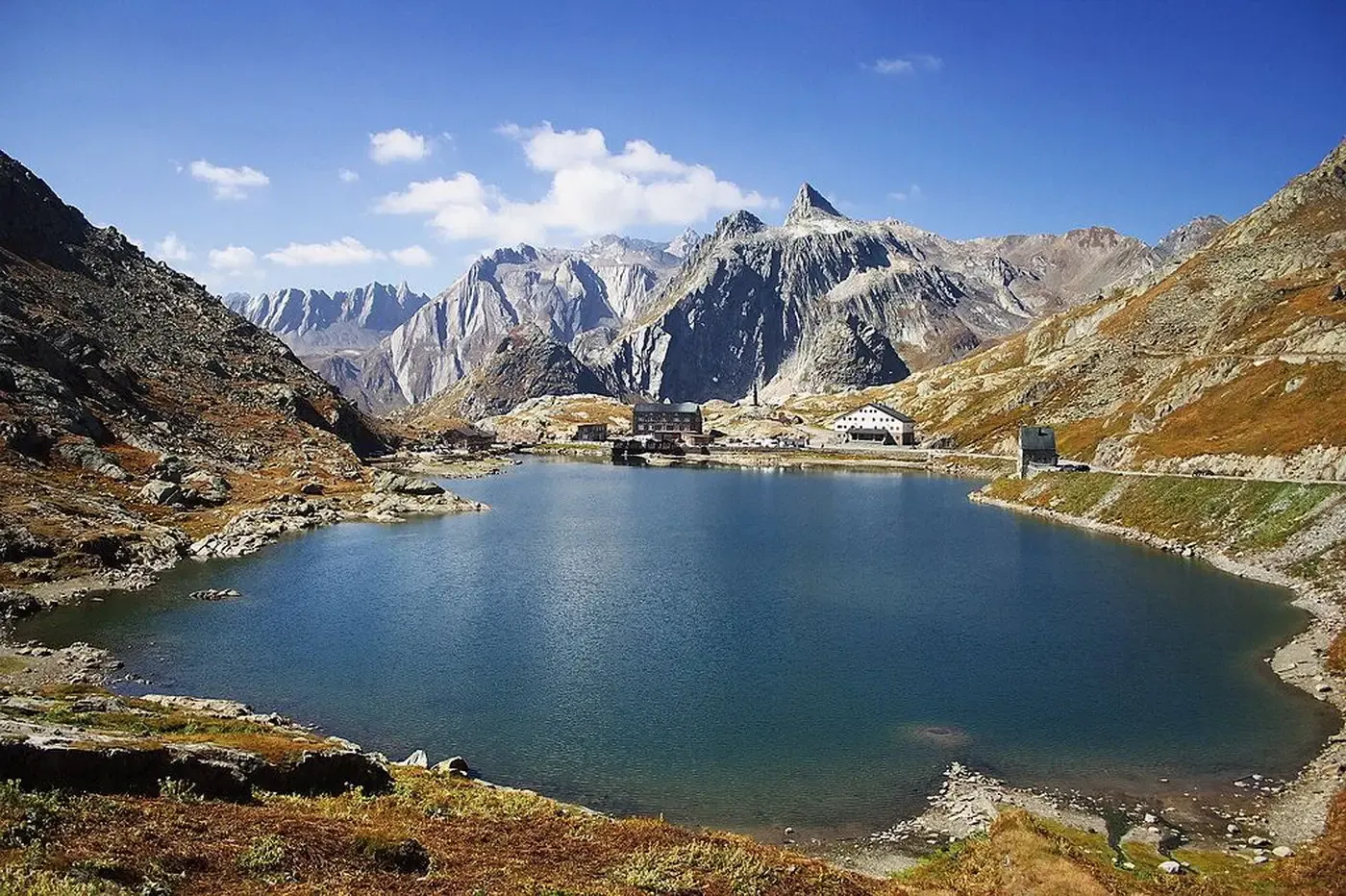
A cycling pilgrimage — history and nature on Italy’s Via Francigena
Italy’s Coast to Coast – pedalling from the Adriatic to Tyrrhenian Sea
Hiking in Viterbo
Other adventures in Viterbo


Tips from the Community

Following this path, just before reaching the devil's well, it is not clear where to go, the path disappears and also the white and red signs. We had to go a bit by intuition and take a very steep climb in the woods to get there. Once we reach the well, the path continues easily until the end.
0
1

Be careful not to lean out!
0
0

Easy route immersed in the beech forest, to be visited in different seasons to admire the changes in the forest
0
0

nice, moderately demanding walk that leads to the summit of Monte Raschio (522 asl), soft ascents and descents that can be covered both by trekking and by bike. stopping points present, one of which is equipped (Bivacco Giorgio Santacroce).
0
0

After the barrier from the main road, a short climb leads to the top where there are large antennas, the view is obstructed by the large trees but it is worth getting there for the beautiful descent that takes you back to the main road towards S. Martino al Cimino.
0
0

Right finish line inside the Woods....
1
0

Please don't enter into the cavity "Pozzo del Diavolo". It's a shelter for bats and people inside could create noise that disturbes colonies. It is also dangerous to enter: we must report several accidents occourred in this point. Download the official guide to the Vico Lake Nature Reserve at http://www.parchilazio.it/vico-pubblicazioni-413-guida_ufficiale_della_riserva_naturale_lago_di_vico
2
0
Please don't enter into the cavity anyway. It's a shelter for bats and people inside could create noise that disturbes colonies. It is also dangerous to enter: we must report several accidents occourred in this point.
1
1
Frequently Asked Questions
What are some of the most prominent mountain peaks in the Viterbo province?
The Viterbo province features several notable peaks, primarily formed by ancient volcanic activity. Key mountains include Monte Cimino, the highest point in the province, known for its ancient beech forest; Monte Venere, offering stunning views of Lake Vico; and Monte Palanzana, an ancient volcanic hill near Viterbo city with expansive vistas. Another significant peak is Monte Raschio, home to a unique low-altitude beech forest.
Which mountain peak is the highest in the Viterbo province?
Monte Cimino is the highest peak in the Viterbo province, reaching an elevation of 1,053 meters (3,455 feet) above sea level. It is part of the Cimini Mountains and is renowned for its dense beech forest.
Are there any family-friendly mountain walks in the Viterbo region?
Yes, several areas offer family-friendly options. For instance, the Walk in the Beech Forest on Monte Raschio provides a nice, moderately demanding walk with soft ascents and descents. The Monte Raschio Beech Forest itself is described as a true marvel, with well-marked trails suitable for walking or biking, offering a serene experience amidst centuries-old trees.
What unique natural features can I expect to see on Viterbo's mountain peaks?
Viterbo's mountain peaks, being of volcanic origin, offer unique natural features. You can explore ancient beech forests, some of which are UNESCO World Heritage sites (like those on Monte Cimino and Monte Raschio). Intriguing geological formations such as the large, erratic boulders known as 'massi tratici' can be found on Monte Cimino. Monte Venere features the 'Devil's Well Cave' (Pozzo del Diavolo), the largest natural cavity of volcanic origin in Lazio, and offers views of Lake Vico, a volcanic crater lake.
Are there challenging hikes for experienced trekkers in Viterbo?
Yes, for experienced trekkers, the region offers challenging routes. The ascent to Cima Coppi of Monte Fogliano involves a long climb, rewarding hikers with views and various descent options on single tracks. The area around Devil’s Well Cave (Monte Venere) also presents adventurous exploration opportunities, though caution is advised regarding entering the cave itself due to bat habitats and safety concerns.
Which mountain peaks offer the best panoramic views?
Several peaks provide excellent panoramic views. Monte Cimino's summit offers expansive views of the surrounding countryside, and on clear days, you might even spot St. Peter's Basilica in Rome. Monte Venere provides stunning vistas of Lake Vico. Monte Palanzana Summit and Viewpoint is highly regarded for its views that can extend to Lake Bolsena, the Tyrrhenian Sea, and even Monte Amiata in Tuscany on clear days.
What historical or cultural points of interest can be found on Viterbo's mountains?
Viterbo's mountains blend natural beauty with historical significance. On Monte Palanzana, you can find ruins of an ancient Benedictine monastery and World War II military posts and bunkers. Archaeological excavations in a cave on Monte Venere have uncovered significant Neolithic remains. Additionally, the 'massi tratici' on Monte Cimino have historical mentions, with Pliny the Elder noting the 'sasso menicante' (trembling stone).
What is the best time of year to hike in the Viterbo mountains?
The Viterbo mountains are enjoyable throughout much of the year. The beech forests on Monte Cimino and Monte Raschio are particularly beautiful during autumn foliage and spring. During warmer months, these dense forests, like those on Monte Cimino and Monte Venere, provide a cool and shaded environment, offering a pleasant escape from the heat.
What outdoor activities are available near the mountain peaks in Viterbo?
Beyond hiking, the Viterbo region offers a variety of outdoor activities. You can find numerous routes for jogging, such as those listed in the Running Trails in Viterbo guide. For cyclists, there are extensive options for road cycling, including tours around Lake Bolsena and Lake Vico, detailed in the Road Cycling Routes in Viterbo guide. Many trails, especially in the beech forests, are also suitable for mountain biking.
Are there opportunities for easy or moderate hikes in the Viterbo area?
Yes, the Viterbo area provides many options for easy and moderate hikes. The trails on Monte Raschio, for example, involve gentle ascents and descents, making them suitable for moderately demanding walks. The ascent to Monte Palanzana Summit and Viewpoint from its eastern side is also considered moderately demanding and accessible to those with reasonable training, offering enjoyable climbs through surrounding nature. You can find more options in the Easy hikes in Viterbo guide.
What makes the beech forests in Viterbo's mountains special?
The beech forests in Viterbo's mountains are particularly special due to their ancient nature and unique ecological characteristics. The 'Faggeta del Monte Cimino' on Monte Cimino and the beech forest on Monte Raschio are both UNESCO World Heritage sites. They are notable for growing at unusually low altitudes, sustained by specific microclimates, offering a serene and picturesque environment, especially during autumn and spring.
What kind of wildlife can be found in the mountain areas of Viterbo?
The diverse ecosystems of Viterbo's mountain areas support various wildlife. For instance, the ancient beech forest of Monte Raschio is home to wild boars, weasels, wildcats, and a variety of bird species, offering opportunities for wildlife observation during your treks.
Most popular routes in Viterbo
Most popular attractions in Viterbo

Get inspired with the komoot mobile app


Didn’t find what you were looking for?
Discover Viterbo’s best peaks and summits by region:
