Attractions and Places To See in Plenty Gorge Park - Top 4
Best attractions and places to see in Plenty Gorge Park include diverse natural landscapes, cultural sites, and recreational areas. Situated northeast of Melbourne, the park features the Plenty River gorge, woodlands, and wetlands, supporting a wide array of native flora and fauna. It is part of the traditional Country of the Wurundjeri Peoples and contains remnants of early European settlement. The park offers varied habitats, making it ecologically significant within the Greater Melbourne area.
Best attractions and places to see…
Last updated: July 4, 2026
Ace Lookout
Highlight • Viewpoint
Tip by

Happy Hollow plank crossing
Highlight • Bridge
Tip by

Sign up now to discover places like this
Get recommendations on the best single tracks, peaks, & plenty of other exciting outdoor places.
Sign up for free
Blue Lake
Highlight • Lake
Tip by
Yellow Gum Ridge Track
Highlight (Segment) • Trail
Tip by
Plenty Gorge Park
Highlight • Gorge
Tip by

Sign up for free to discover even more attractions in Plenty Gorge Park.
Sign up for free
Already have an account?
Start today with a free account
Your next adventure awaits.
Login or Signup
Tips from the Community

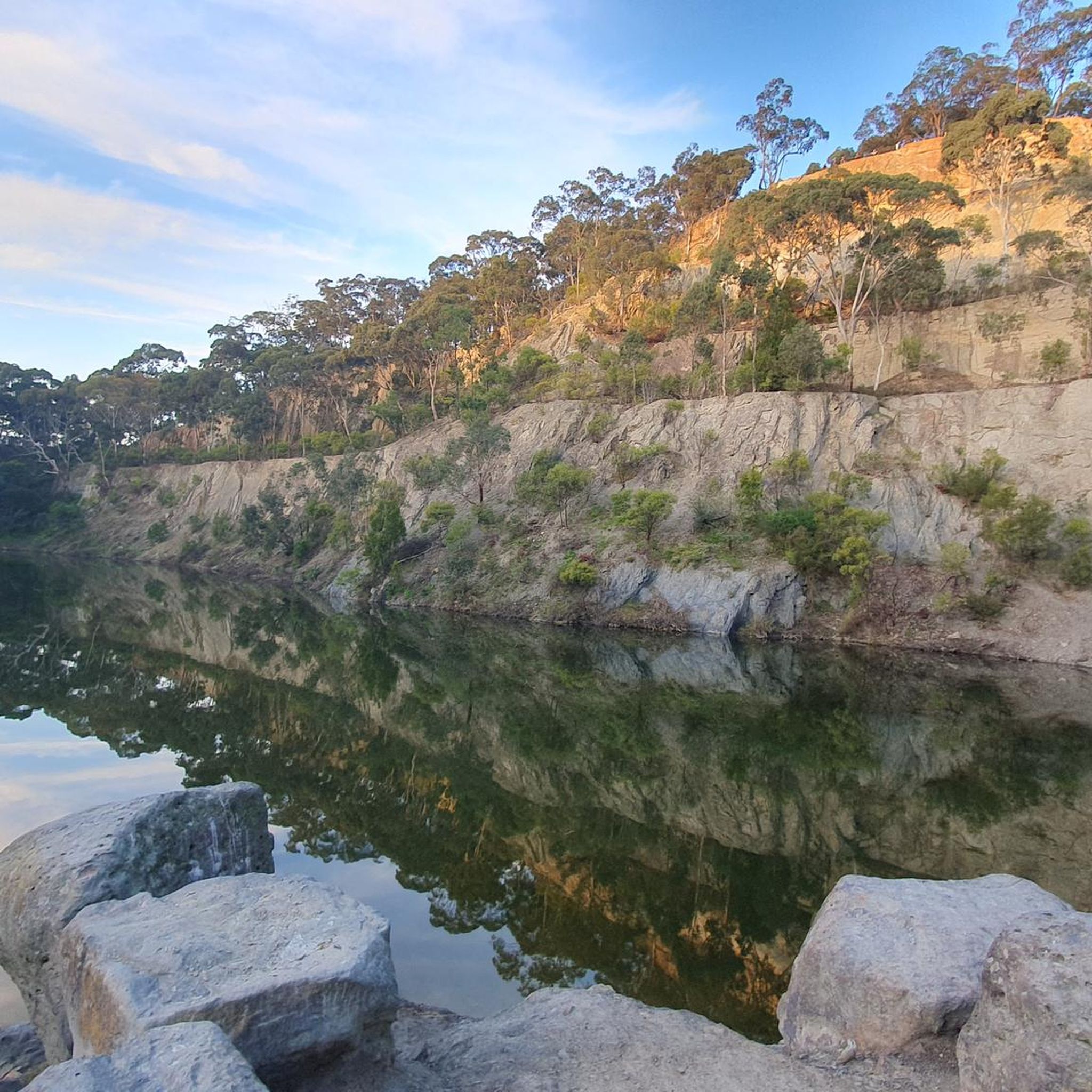
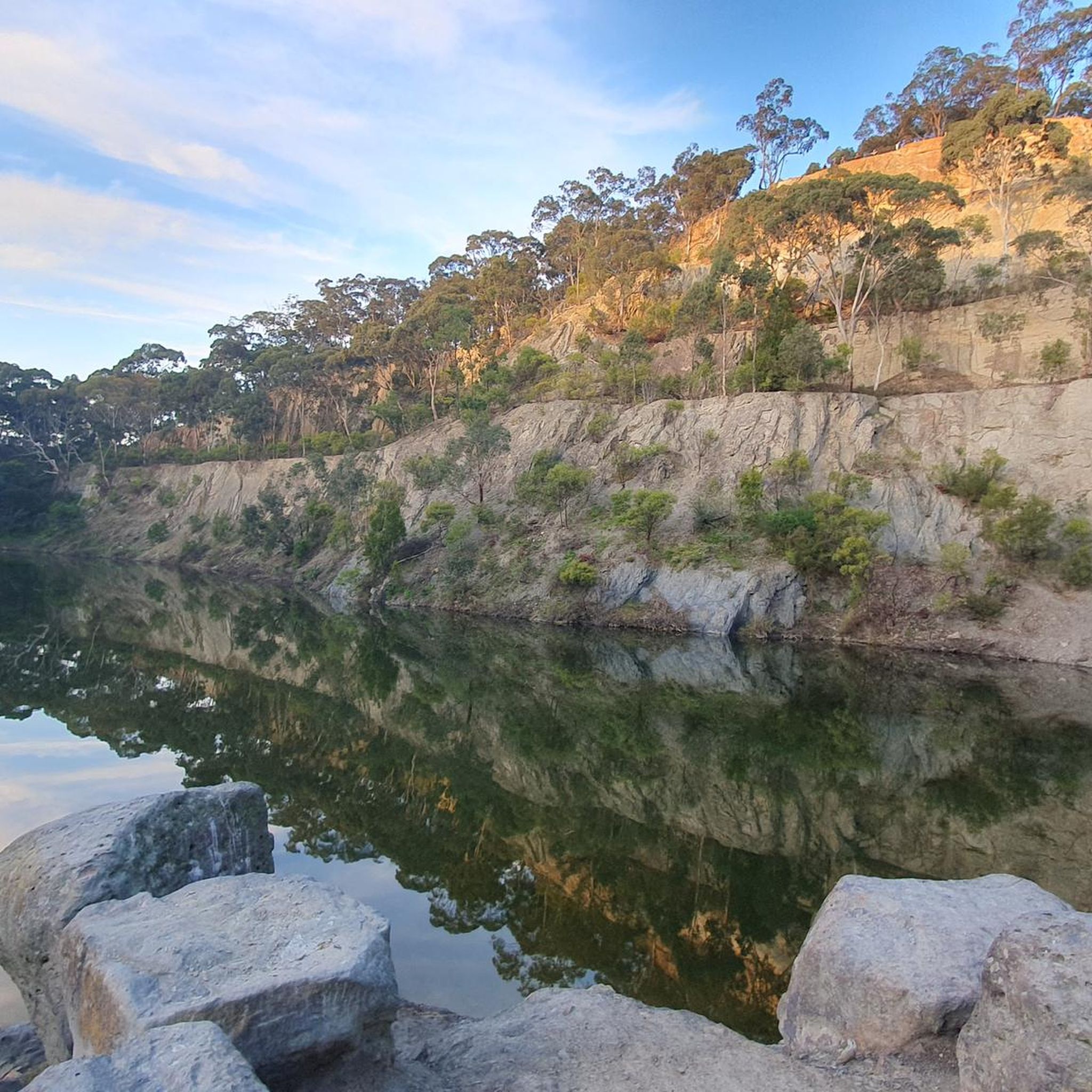
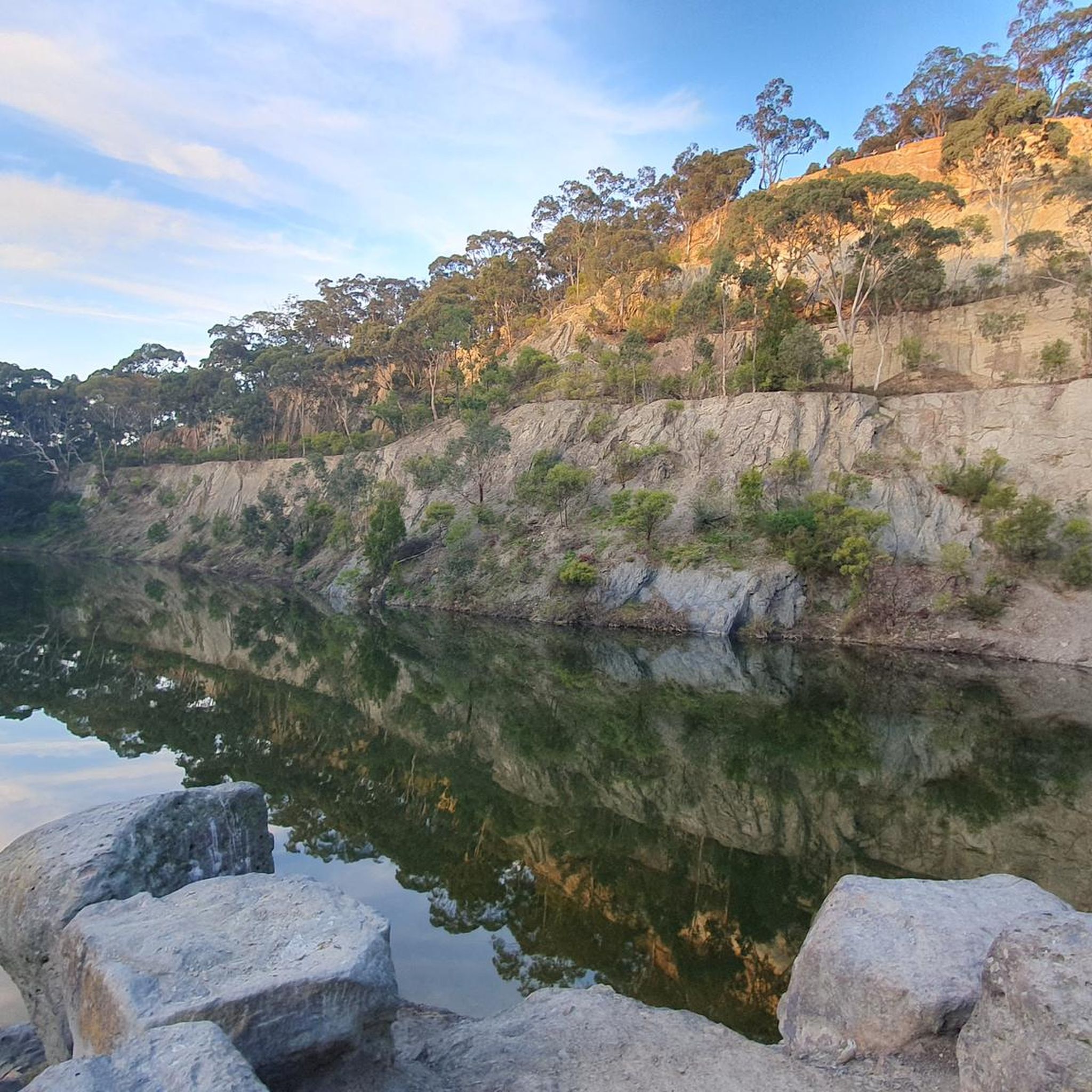
Blue Lake in Plenty Gorge Park is a former quarry that, at certain times of year, takes on a striking turquoise colour. The lake is set within steep, rocky surroundings and is best viewed from nearby paths and lookouts rather than accessed directly. Despite its clear appearance, blue-green algae can be present, so swimming and fishing are not advised.
0
0

Plenty Gorge Park spans roughly 11 kilometres along the Plenty River and covers diverse landscapes, including steep gorges, woodlands, wetlands, and open grasslands. The river has carved a dramatic gorge through softer sedimentary rock, creating varied habitats that support hundreds of native plant and animal species, making the park one of the most ecologically diverse in the Melbourne area. Today, the park is a hub for recreation, with walking trails, picnic areas, and restored former quarry sites, such as Blue Lake, for plenty of opportunities to enjoy the natural scenery and wildlife.
0
0
Ace Lookout offers clear views across Blue Lake and the surrounding bushland in Plenty Gorge Park. A short detour from the Blue Lake Circuit leads to this viewing point, where you can pause and take in the water framed by rocky slopes and native woodland. It’s a quiet stop along the track and a good place to appreciate the contrast between open ridgeline sections and the lake setting.
0
0
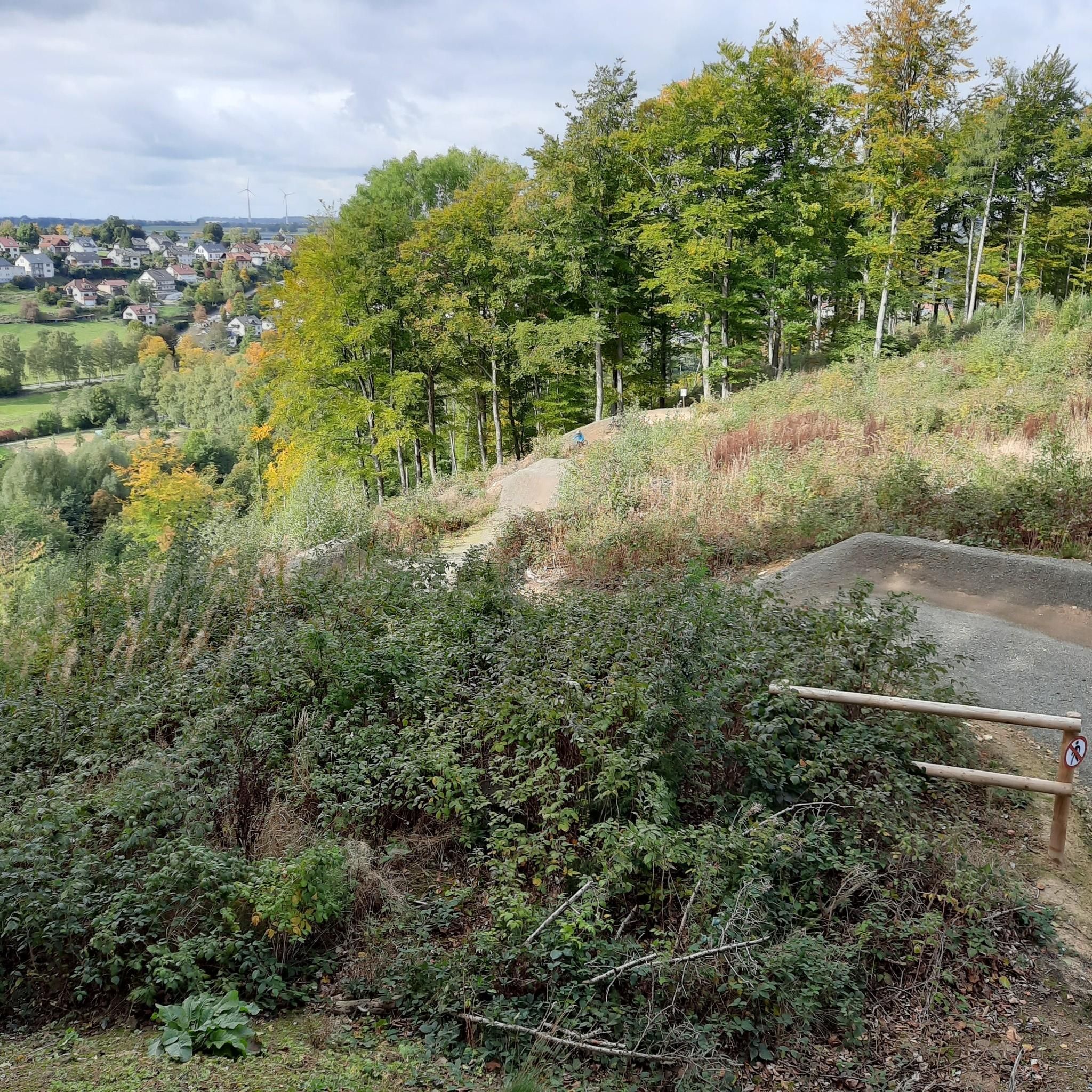
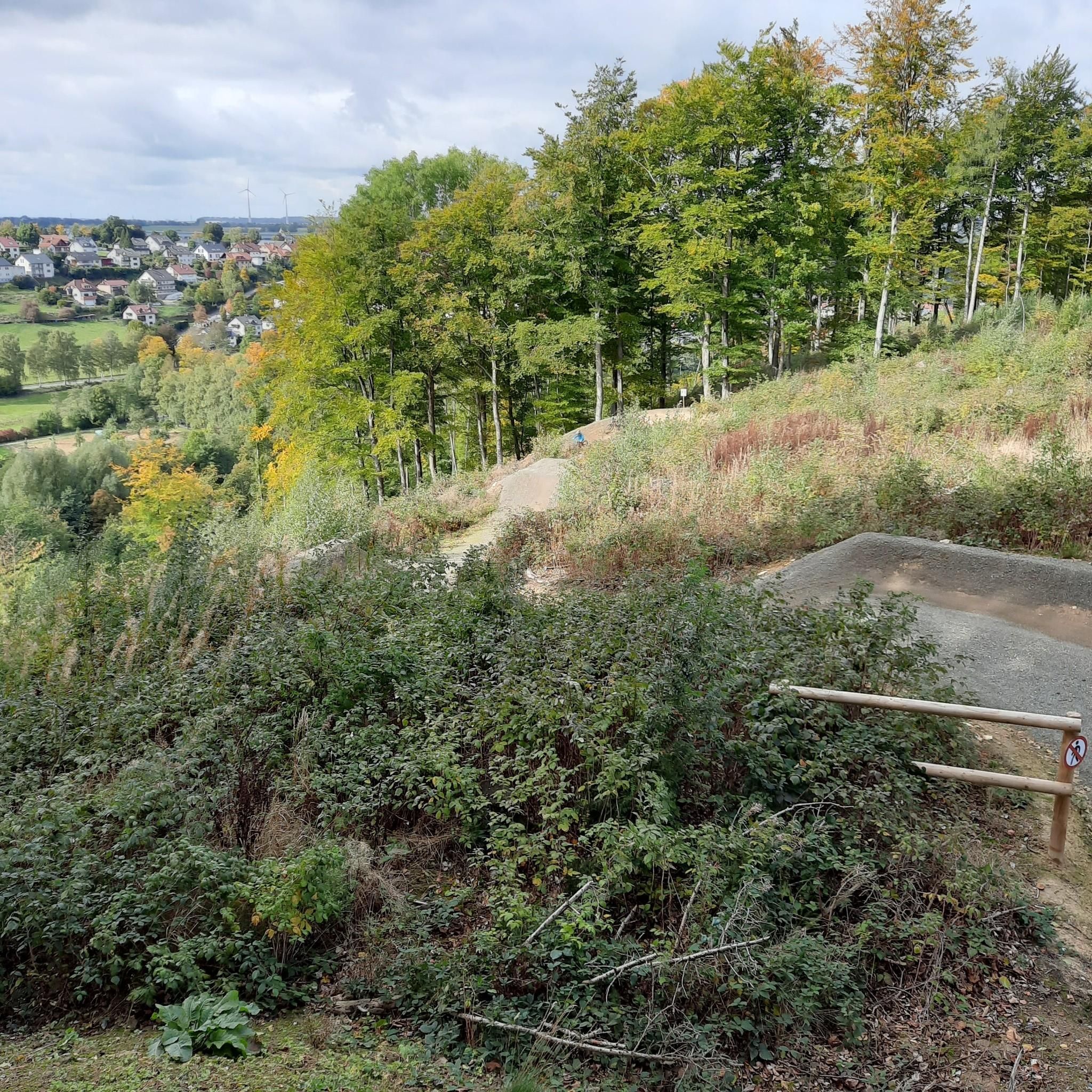
Yellow Gum Ridge Track follows an elevated line through open woodland dominated by yellow gum eucalypts. The path moves across gently undulating ground with sections of exposed rock and dry grass underfoot. From parts of the ridge, you’ll get glimpses across Plenty Gorge and down toward the river corridor below. Shade is limited along exposed stretches, and surfaces can be uneven in places. It’s a quieter section of the park, offering a more open feel compared to the river flats.
0
0

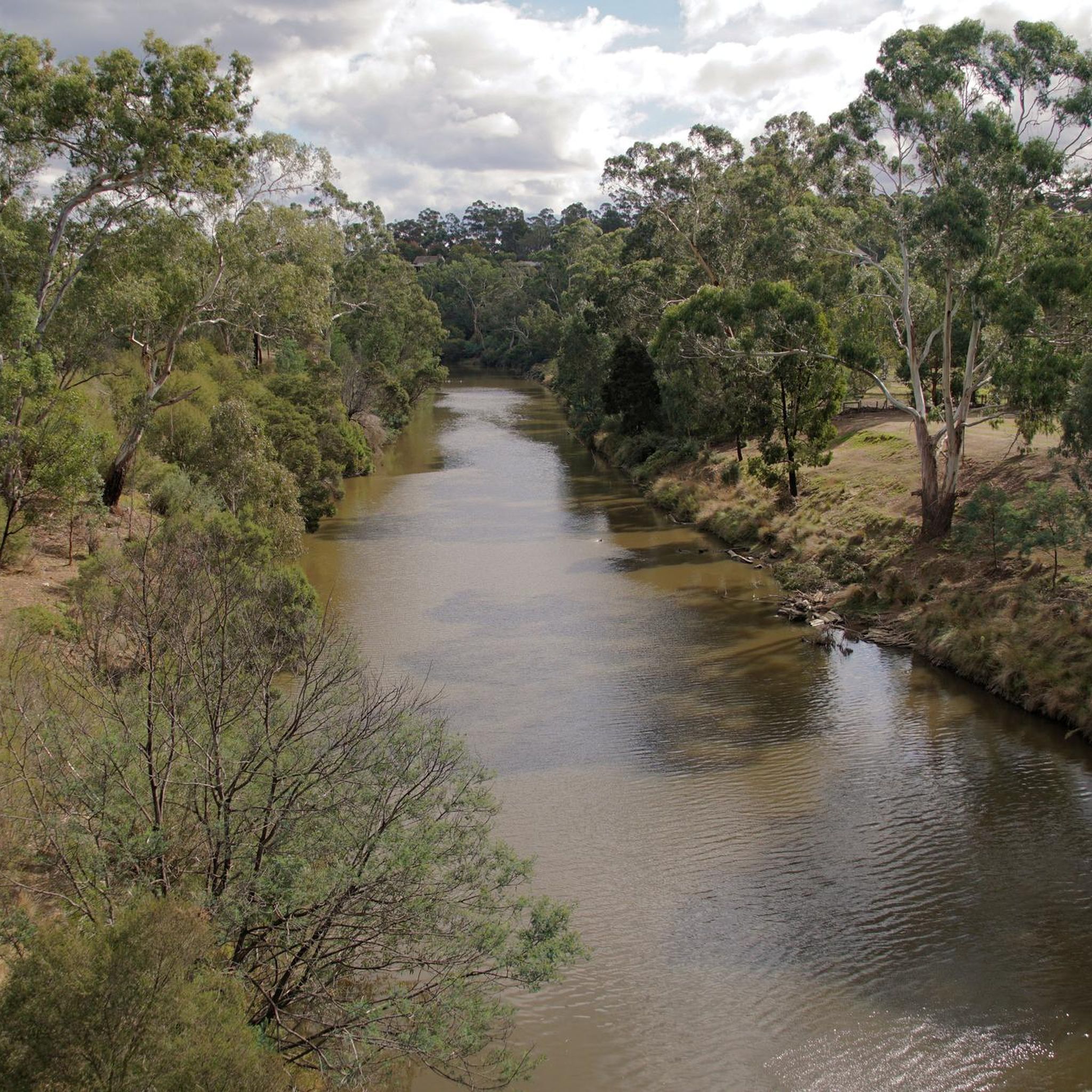
They had installed a really good proper bridge but shortly after it was wiped out by a recent flood and we are back to a plank crossing, but it does the job, better than the serendipity has been just upstream which is now difficult to cross
0
0
Frequently Asked Questions
What natural features can I explore in Plenty Gorge Park?
Plenty Gorge Park is rich in natural diversity. You can explore the dramatic Plenty River gorge, which carves up to 75 meters deep through the landscape. The picturesque Blue Lake, a former quarry, is another highlight, best viewed from nearby paths. The park also features extensive woodlands, wetlands like the Morang Wetlands and Tanunda Wetlands, and open grasslands, providing a wide range of habitats.
Are there any historical or cultural sites to visit in Plenty Gorge Park?
Yes, the park holds significant historical and cultural value. The Hawkstowe Picnic Area is home to the historic Le Page Homestead and outbuildings, reflecting the prosperous farming era of the 1850s. The homestead now hosts the Plenty Valley Arts Inc. art gallery, surrounded by a cottage garden. The park is also part of the traditional Country of the Wurundjeri Peoples, an Aboriginal cultural landscape with deep continuing connections to the land.
What kind of wildlife can I expect to see in Plenty Gorge Park?
Plenty Gorge Park is a significant refuge for wildlife, boasting 631 native flora species and 262 recorded native fauna species. Visitors frequently spot kangaroos, wallabies, and echidnas. The park is also a birdwatcher's paradise, with over 200 bird species, including wedge-tailed eagles, often seen soaring overhead, especially around the wetlands.
Are there family-friendly areas or activities in Plenty Gorge Park?
Absolutely. The Plenty Gorge Park itself is considered family-friendly, offering diverse landscapes for exploration. The Red Gum Picnic Area features a modern children's playground, picnic tables, and serves as a starting point for various walking tracks. The Tanunda Wetlands are also noted as family-friendly, offering opportunities to observe birdlife.
What are the best viewpoints in Plenty Gorge Park?
For stunning vistas, head to Ace Lookout, which offers clear views across the Blue Lake and surrounding bushland. Middle Gorge also features a viewing platform with spectacular views of the gorge and river. The Yellow Gum Recreation Area provides excellent vantage points for bird and wildlife watching across the Plenty River.
Can I go hiking or walking in Plenty Gorge Park?
Yes, Plenty Gorge Park offers an extensive network of walking tracks suitable for various difficulty levels, including the Wonga Walk and the Plenty Gorge Walk. These trails lead to many of the park's features and scenic viewpoints. For more detailed hiking routes, you can explore the Running Trails in Plenty Gorge Park guide, which includes routes like 'Tributary Rise loop from Middle Gorge'.
Are there cycling opportunities in Plenty Gorge Park?
Plenty Gorge Park is a popular destination for cyclists. You can find various routes for different cycling styles. For road cycling, check out the Road Cycling Routes in Plenty Gorge Park guide, with options like 'Northcote Park – Darebin Parklands loop'. Mountain biking enthusiasts can explore trails such as 'Happy Hollow plank crossing – Fallen Tree Bridge loop' in the MTB Trails in Plenty Gorge Park guide.
What is the Blue Lake, and can I swim there?
The Blue Lake in Plenty Gorge Park is a former quarry that has filled with water, sometimes displaying a striking turquoise color. It's a picturesque spot, but swimming and fishing are not advised due to the potential presence of blue-green algae. It's best enjoyed from nearby paths and lookouts like Ace Lookout.
Is Plenty Gorge Park dog-friendly?
Dogs are permitted in certain areas of Plenty Gorge Park, but must be kept on a leash at all times. The Yarrambat Picnic Ground is a good option for wide-open spaces where you can walk your dog on-lead. Always check local signage for specific regulations within different sections of the park.
What are the Morang Wetlands or Tanunda Wetlands, and what can I see there?
Both the Morang Wetlands and Tanunda Wetlands are constructed wetlands designed to filter stormwater and provide crucial habitats. They are excellent spots for birdwatching, offering opportunities to observe diverse birdlife, reedy vegetation, and listen for frogs. These areas highlight the park's commitment to environmental conservation and offer a peaceful natural experience.
What is the best time of year to visit Plenty Gorge Park?
Plenty Gorge Park can be enjoyed year-round, with each season offering a different experience. Spring (September-November) brings wildflowers and active wildlife. Autumn (March-May) offers pleasant temperatures for walking and cycling. Summer (December-February) is ideal for early morning or late afternoon visits to avoid the heat, while winter (June-August) provides cooler weather for longer hikes and a chance to see the gorge in a different light.
Where can I find picnic or barbecue facilities in Plenty Gorge Park?
The park offers several designated areas for picnics and barbecues. The Hawkstowe Picnic Area and the Red Gum Picnic Area both provide picnic tables and are great spots for a meal outdoors. The Yellow Gum Recreation Area also offers facilities for picnicking and barbecuing, alongside stunning views of the Plenty River.
What are some of the more challenging trails for experienced hikers or cyclists?
For those seeking a challenge, the park offers several difficult routes. In the Running Trails guide, you'll find the 'Tributary Rise loop from Middle Gorge' and 'Belmont Reserve loop from Montmorency' listed as difficult. For mountain biking, the MTB Trails guide includes challenging options like 'Happy Hollow plank crossing – Fallen Tree Bridge loop' and 'Plenty River Footbridge – Forest Pond loop'.
Most popular routes in Plenty Gorge Park

Get inspired with the komoot mobile app


Explore more
Still not found the Highlight you’re looking for? See guides of the top attractions in other regions:
