The 8 Most Amazing Peaks around Mochdre
Best mountain peaks around Mochdre include a mix of local landmarks and access points to major Welsh ranges. Mochdre, a village in Conwy County Borough, Wales, is situated near Bryn Euryn, a limestone hill offering panoramic views and historical significance. It also serves as a gateway to the Carneddau, Glyderau, and Snowdon Massif, providing diverse mountain experiences. The area combines accessible local walks with challenging climbs in iconic mountain landscapes.
Best mountain peaks around Mochdre
- The most popular mountain peaks…
Last updated: July 1, 2026
Great Orme Summit
Highlight • Viewpoint
Tip by

Alltwen Hill
Highlight • Viewpoint
Sign up now to discover places like this
Get recommendations on the best single tracks, peaks, & plenty of other exciting outdoor places.
Sign up for free
Little Orme Summit and Trig Point
Highlight • Natural Monument
It's a limestone outcrop like the …
Tip by

Bryn Euryn Iron Age Hillfort
Highlight • Summit
Tip by

View of Little Orme (Trwyn y Fuwch)
Highlight • Climb
Tip by

Sign up for free to discover even more peaks around Mochdre.
Sign up for free
Already have an account?
Start today with a free account
Your next adventure awaits.
Login or Signup
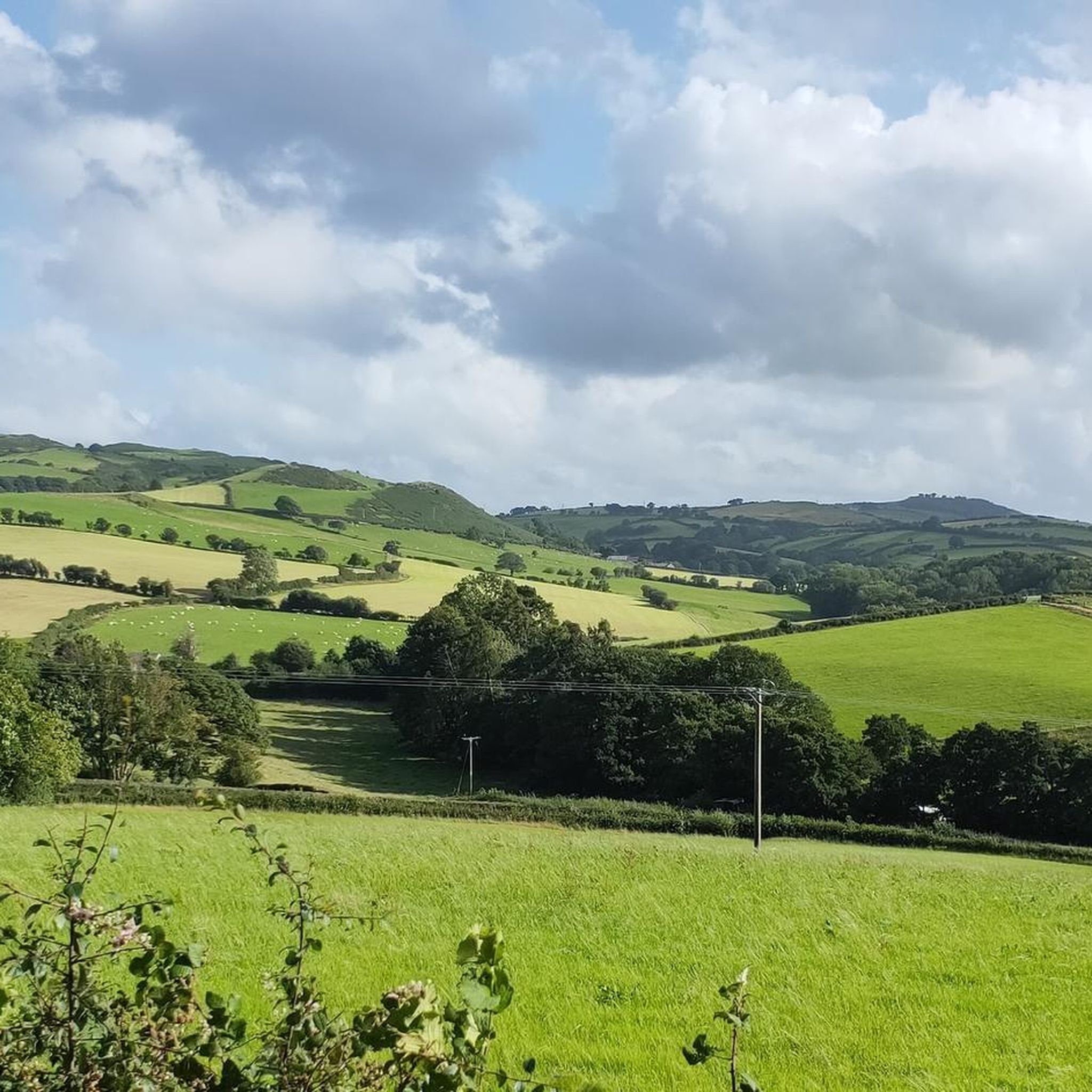
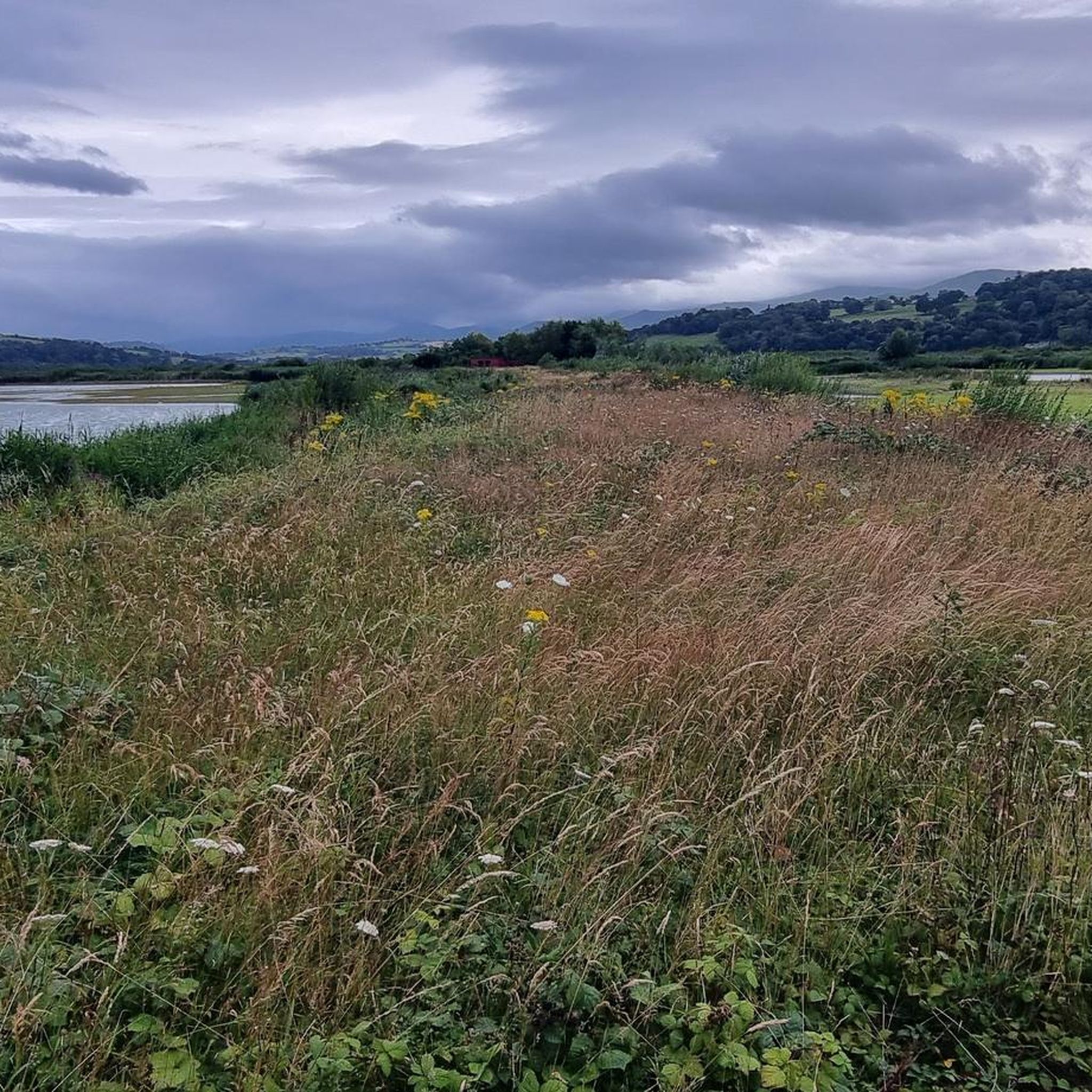
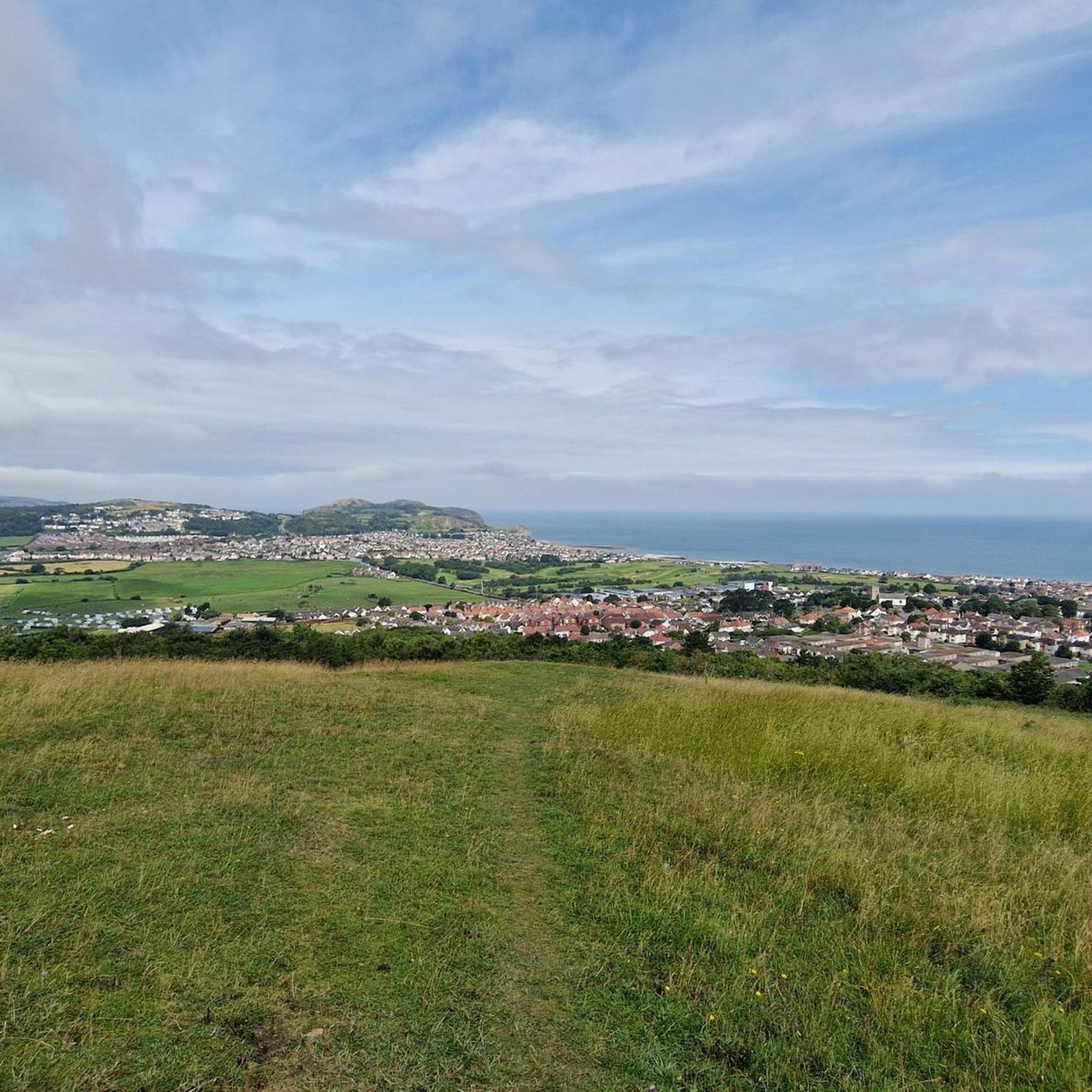
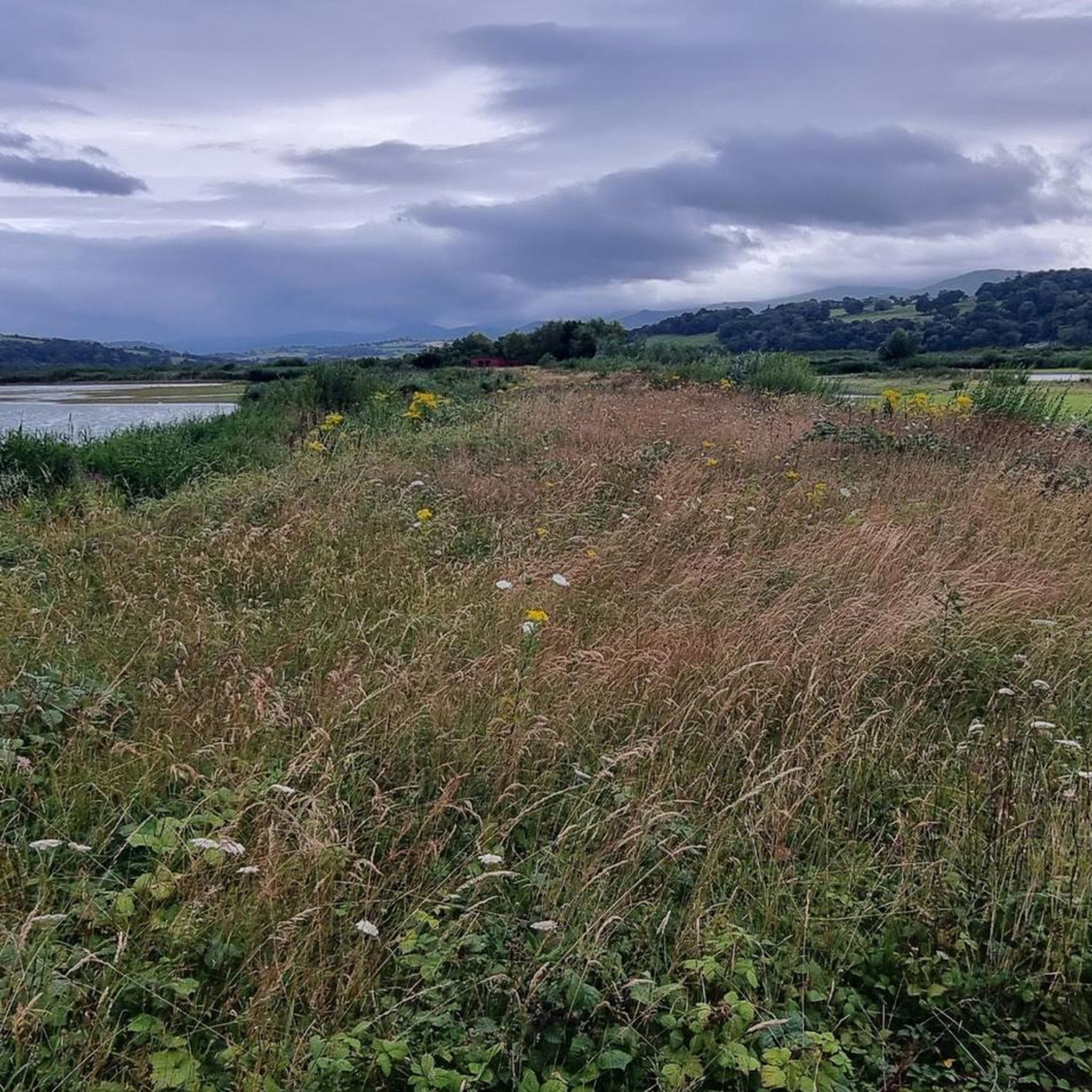
Tips from the Community

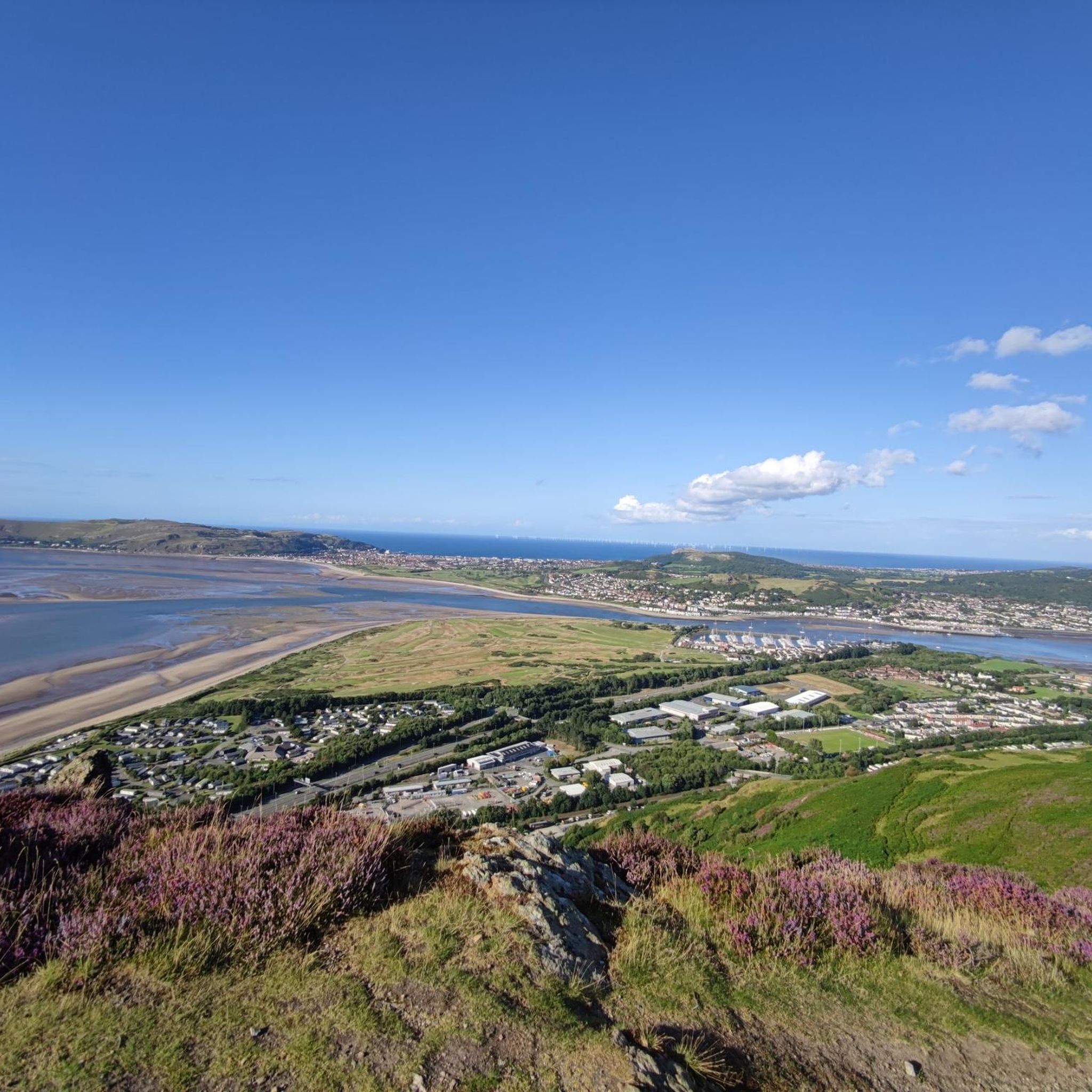
Trig point on top of the little orme. Gives panoramic views of the Irish sea, Snowdonia, Conwy, Denbighshire, Llandudno and the Great Orme.
0
0
The tranquillity of Bryn Euryn hill, 365 feet above sea level, belies a dramatic yet little known past. Iron and Dark Age strongholds, the medieval castle of a notable Welshman and a later fortified mansion have all been built here, and a Roman expeditionary force disappeared nearby. Bryn Euryn rises above the North Wales town of Colwyn Bay, dominating the old Welsh kingdom of Rhos. The ancient fortresses stood on its summit and the ruins of the fortified mansion are on its seaward slope. Historical records hint that Ednyfed had a castle here but where was it? The site commands extensive views of the Conwy Valley and coast, and was once the location of a hillfort, which was initially excavated in the autumn of 1997 for the Gwynedd Archaeological Trust. The excavations revealed a "massive, well-built" wall formed from quarried limestone, believed to have once been 3 m (9.8 ft) high and to have been fronted by 3.5 m (11 ft) of rubble. There were no archaeological discoveries permitting a certain identification, but the pre-Norman layout led David Longley, the study's director, to connect it with the early-6th century king of Rhos Cynlas the Red on the basis of the "Bear Den" (Latin: receptaculi ursi) mentioned in Gildas's passage on him and the surviving local name of the area as Dinerth, "Fort Bear" The hilltop was used again in World War II first as an observation post by the Home Guard; it was then used by the RAF as one of the first radar posts used to detect German bombers heading to Liverpool.[
0
0
The Little Orme (Welsh: Rhiwledyn, also known as Trwyn y Fuwch, Trwyn y Gogarth and Y Gogarth Fach) is 141 metres (463 ft) in height, and is a HuMP (having a minimum Hundred Metre Prominence). It is one of two headlands situated at either end of Llandudno Bay, in Conwy County Borough, Wales. The other, larger, headland is the Great Orme. It has two summits, the higher with a trig point. The cliffs are a popular challenge for highly experienced rock climbers. The Coast Guard Rescue Unit use the Little Orme for training. Otherwise, it is a popular sightseeing location and walking/hiking site. The Little Orme was inhabited during the Mesolithic and Neolithic eras, notably the Pant y Wennol cave. A small hoard of Iron Age Celtic metalwork was found in a cave on the Little Orme. The medieval chapel of Blessed Mary of Penrhyn, abandoned in 1930 and now in ruins, is at the foot of the Little Orme in the grounds of Penrhyn Hall at Penrhyn Bay. On 14 April 1587, printing material for Catholic literature was found in a cave on the Little Orme, where it had been used by the recusant Robert Pugh (squire of Penrhyn Hall) and his Chaplain Father William Davies to print Y Drych Cristianogawl (The Christian Mirror), the first book to be printed in Wales. They had taken refuge there during the persecution of Catholics instigated by Queen Elizabeth I in May 1586. The Royal Artillery coastal gunnery school, 198 battery, was posted to Little Orme during the Second World War. Target practice was undertaken from the headland to anchored boats, and unspent ammunition and unexploded shells may still be encountered offshore. Gun emplacements and ancillary buildings were in situ until at least the early 1960s, but the site has since been 'landscaped'.
0
0

Trwyn Y Fuwch has a very large rock formation of hills, these stick out considerably as you ride along the flat promenade. When you get close to then you realise the size
0
0
So much to discover on this little gem of a place.
0
0
Beatiful views across the bay of llandudno and Snowdonia park in the distance.
0
0

Great little cafe at the summit complex, always good for a coffee and a flapjack !!
1
2
Really good hike up to the trig point from the Pier at the bottom of the Great Orme. About 6-7 miles for a really good round trip of the Orme.
3
0
Frequently Asked Questions
What are the most popular mountain peaks and viewpoints near Mochdre?
Visitors frequently enjoy the Great Orme Summit, which offers expansive views towards Anglesey and the Carneddau range, along with amenities like a cafe. Another favorite is Caer Seion Hillfort (Conwy Mountain), providing historical insights and views over Conwy Bay. The Little Orme Summit and Trig Point is also popular for its views across Llandudno Bay and distant Snowdonia.
Are there any historical landmarks on the peaks around Mochdre?
Yes, several peaks boast significant historical features. Caer Seion Hillfort (Conwy Mountain) is home to the remains of an Iron Age hillfort and Neolithic hut circles. Additionally, Bryn Euryn Iron Age Hillfort features the ruins of Llys Euryn, a 13th-century house, and an ancient hillfort, which also served as a WWII observation post.
What kind of natural features can I expect to see on the mountain peaks near Mochdre?
The area offers a diverse range of natural features. Bryn Euryn, for instance, is a Local Nature Reserve known for its wildflowers, including various orchids, and a rich insect life with many butterfly species. The Carneddau Range features broad, grassy plateaus and glacial valleys, while the Glyderau Range is characterized by dramatic rocky summits and unique glacial formations. The Little Orme Summit and Trig Point is a limestone outcrop where you can often spot seals on the sheltered beaches below.
Are there family-friendly walking options on the peaks near Mochdre?
While many of the higher peaks require more strenuous effort, Bryn Euryn offers well-marked circular trails, including a Summit Trail and a Woodland Trail, which are considered easy to moderate and suitable for families and dog walkers. The Great Orme Summit is also considered family-friendly, with facilities like a cafe and information centre, and can be accessed via various means.
What are the most challenging mountain peaks accessible from Mochdre?
For experienced hikers seeking a challenge, the wider Conwy area offers several demanding peaks. The Carneddau Range includes Carnedd Llewelyn (1,064 meters) and Carnedd Dafydd (1,044 meters), both among Wales' highest. The Glyderau Range features Glyder Fawr (1,001 meters) and Glyder Fach, known for its scrambling routes like Bristly Ridge. Further afield, Yr Wyddfa (Snowdon) in the Snowdon Massif is the highest mountain in Wales, offering multiple challenging routes.
What outdoor activities can I do near these mountain peaks?
Beyond hiking, the area around Mochdre offers various outdoor activities. You can find numerous running trails, such as the 'Ednyfeds Castle – Bryn Euryn Iron Age Hillfort loop from Colwyn Bay', which you can explore further in the Running Trails around Mochdre guide. For mountain biking enthusiasts, there are trails like the 'Llandudno Promenade Bandstand – Rhos-on-Sea Harbour loop from Colwyn Bay', detailed in the MTB Trails around Mochdre guide.
Are there specific hiking trails to reach the local peaks?
Yes, for local peaks like Bryn Euryn, there are well-marked trails such as the 'Llys Euryn Ruins – Bryn Euryn Iron Age Hillfort loop from Colwyn Bay', which is an easy hike. You can find more hiking options in the Hiking around Mochdre guide, which includes routes like the 'Colwyn Bay Pier – Colwyn Bay Beach loop from Colwyn Bay'.
What makes the Carneddau Range unique for hikers?
The Carneddau Range, accessible from Mochdre, is known for its remote feel and diverse wildlife, including feral Carneddau ponies. It features broad, grassy plateaus and interesting 'cwms' (glacial valleys). Peaks like Carnedd Llewelyn and Carnedd Dafydd offer challenging but rewarding hikes with breathtaking vistas, often providing a more solitary mountain experience compared to Snowdon.
What is the best time of year to hike the mountain peaks near Mochdre?
While specific conditions vary, generally, late spring to early autumn (May to October) offers the most favorable weather for hiking in North Wales, with longer daylight hours and milder temperatures. However, the region's weather can be unpredictable, so it's always advisable to check local forecasts and be prepared for changing conditions, especially at higher elevations.
What can visitors expect at the Great Orme Summit?
The Great Orme Summit is a popular destination offering more than just views. It provides facilities including a cafe, an information centre, and even a crazy golf course. It's a great spot for all visitors, whether you arrive by car, hike, or cable car, and offers excellent views towards Anglesey and the foothills of the Carneddau range. You might even encounter wild Cashmere goats during your visit.
What is the significance of Bryn Euryn near Mochdre?
Bryn Euryn is a historically rich limestone hill rising to 131 meters, offering panoramic views of Rhos-on-Sea, Colwyn Bay, and Mochdre. It's home to the ruins of Llys Euryn (a 13th-century house) and an ancient Iron Age hillfort. The hilltop also served as an observation post during World War II. It is a designated Local Nature Reserve and a Site of Special Scientific Interest, recognized for its diverse wildflowers and butterfly species. You can find more information about its history on Wikipedia.
What makes the Glyderau Range a unique hiking experience?
The Glyderau Range is arguably the most dramatic of the Welsh ranges, characterized by its rocky summits, spiky ridges, and stunning glacial formations. It's a haven for scramblers and experienced hikers, offering iconic routes and dramatic landscapes shaped by volcanic activity and glaciation. Highlights include Glyder Fawr, with its incredible views of Snowdon, and Glyder Fach, famous for the Cantilever Stone and challenging scrambling routes like Bristly Ridge.
Most popular attractions around Mochdre

Get inspired with the komoot mobile app


Explore more
See even more amazing summits around Mochdre with these guides:
