Attractions and Places To See in Palermo - Top 20
Best attractions and places to see in Palermo include a blend of historical sites, diverse architectural styles, and natural landscapes. As Sicily's capital, Palermo features ancient royal residences and intricate mosaics. The city is characterized by its coastal location and surrounding hills, offering both urban exploration and natural escapes.
Best attractions and places to see in Palermo
- The most popular attractions is Palermo Cathedral, a religious building that reflects a mix of Moorish, Norman, and Baroque elements. Its architecture…
Last updated: August 16, 2026
Palermo – Start of the Magna Via Francigena
Highlight • Historical Site
Translated by Google •
Tip by

Rocca di Cefalù — Castle Ruins
Highlight • Castle
Translated by Google •
Tip by

Sign up now to discover places like this
Get recommendations on the best single tracks, peaks, & plenty of other exciting outdoor places.
Sign up for free
Vittorio Emanuele Massimo Theatre
Highlight • Monument
Translated by Google •
Tip by

Cefalù Cathedral
Highlight • Religious Site
Translated by Google •
Tip by

Pizzo Carbonara (1,979 m)
Highlight • Summit
Translated by Google •
Tip by

San Cataldo Church
Highlight • Religious Site
Translated by Google •
Tip by

Quattro Canti (Four Corners)
Highlight • Historical Site
Translated by Google •
Tip by

Capo Market
Highlight • Settlement
Translated by Google •
Tip by
Politeama Garibaldi Theatre
Highlight • Monument
Translated by Google •
Tip by

Palermo City Center Monuments
Highlight • Historical Site
Translated by Google •
Tip by

Sign up for free to discover even more attractions in Palermo.
Sign up for free
Already have an account?
Start today with a free account
Your next adventure awaits.
Login or Signup
Popular around Palermo
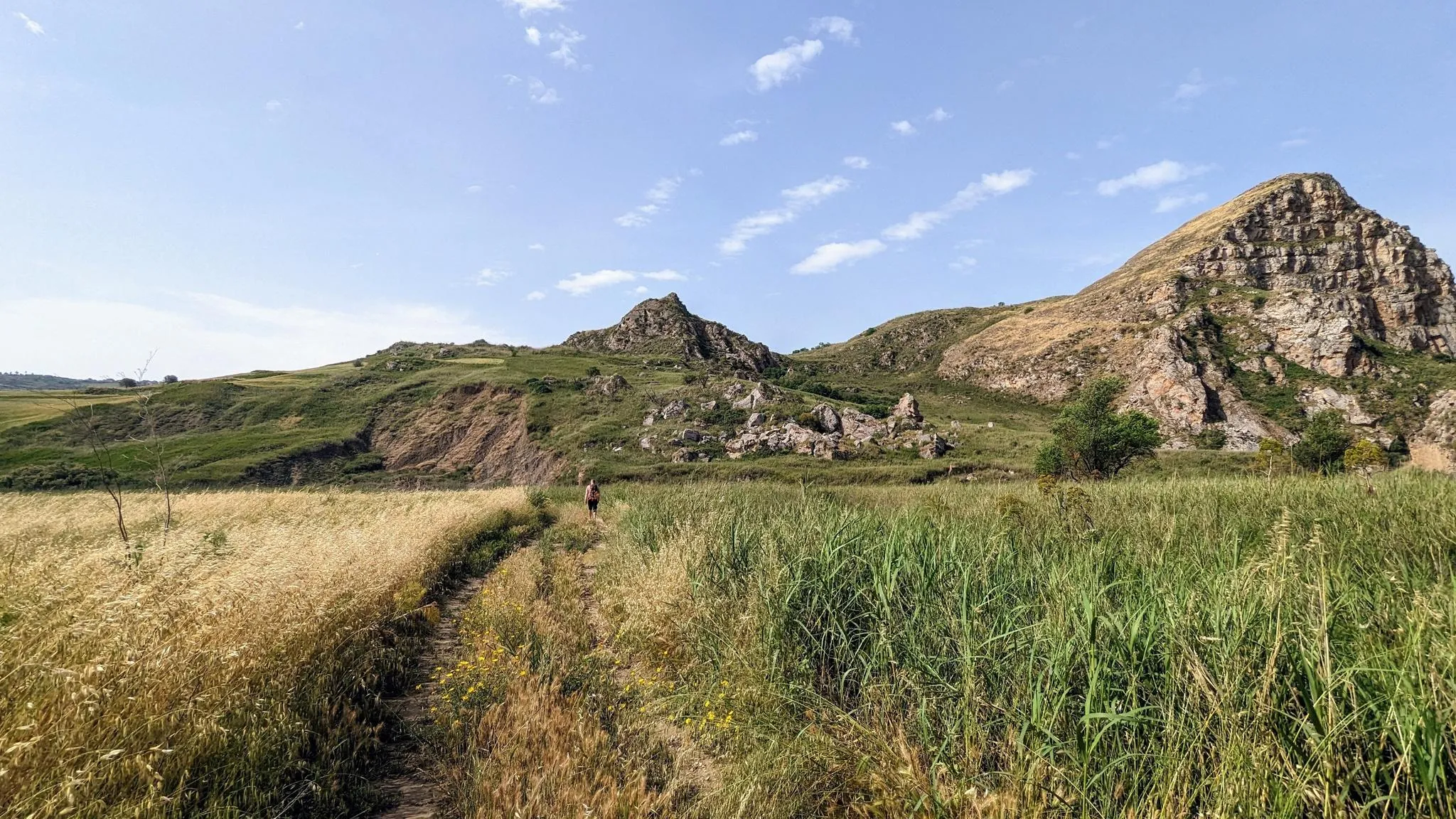
Magna Via Francigena – Sicily between the two seas
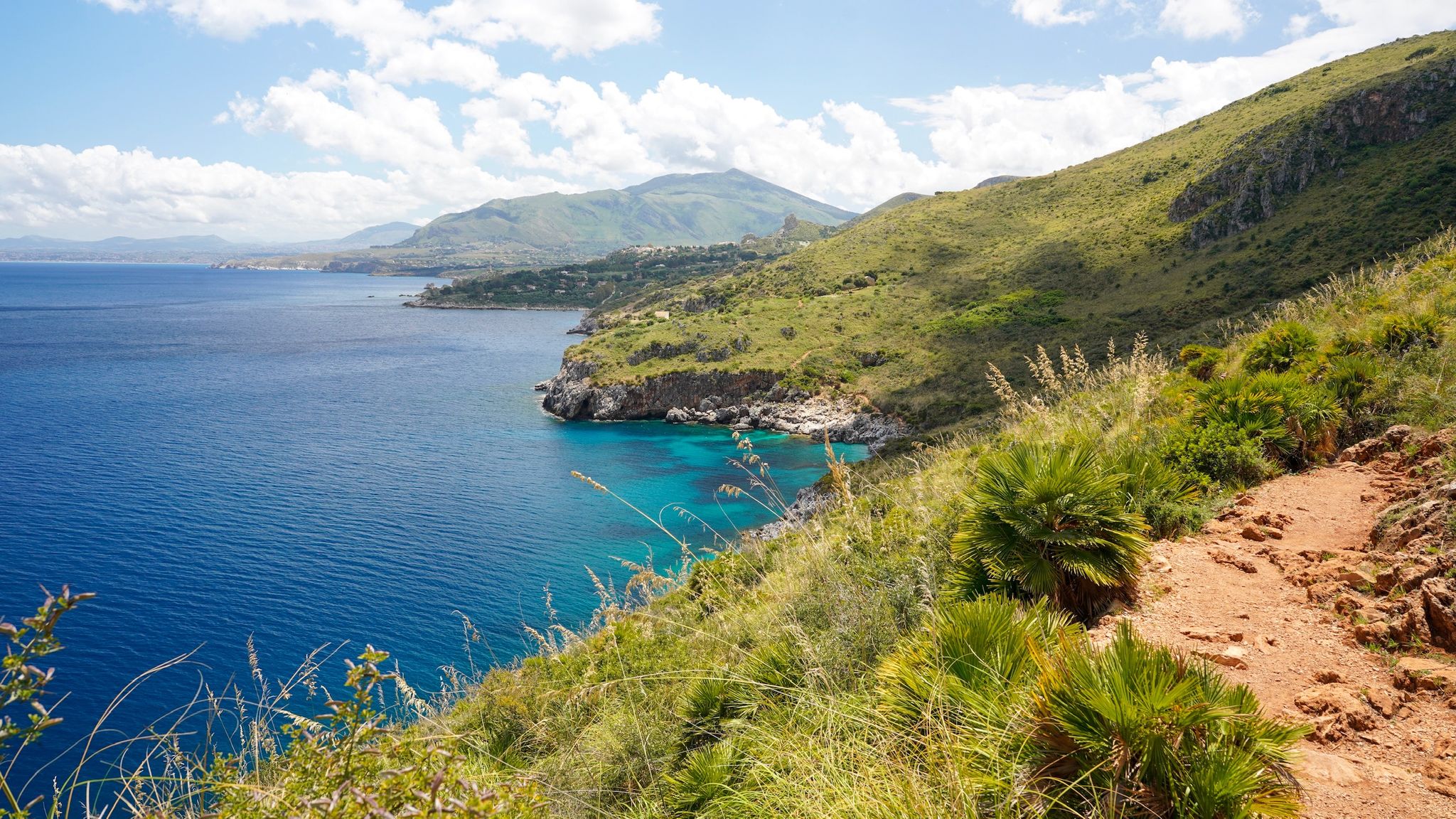
Sentiero Italia – Sicily's natural and artistic treasures
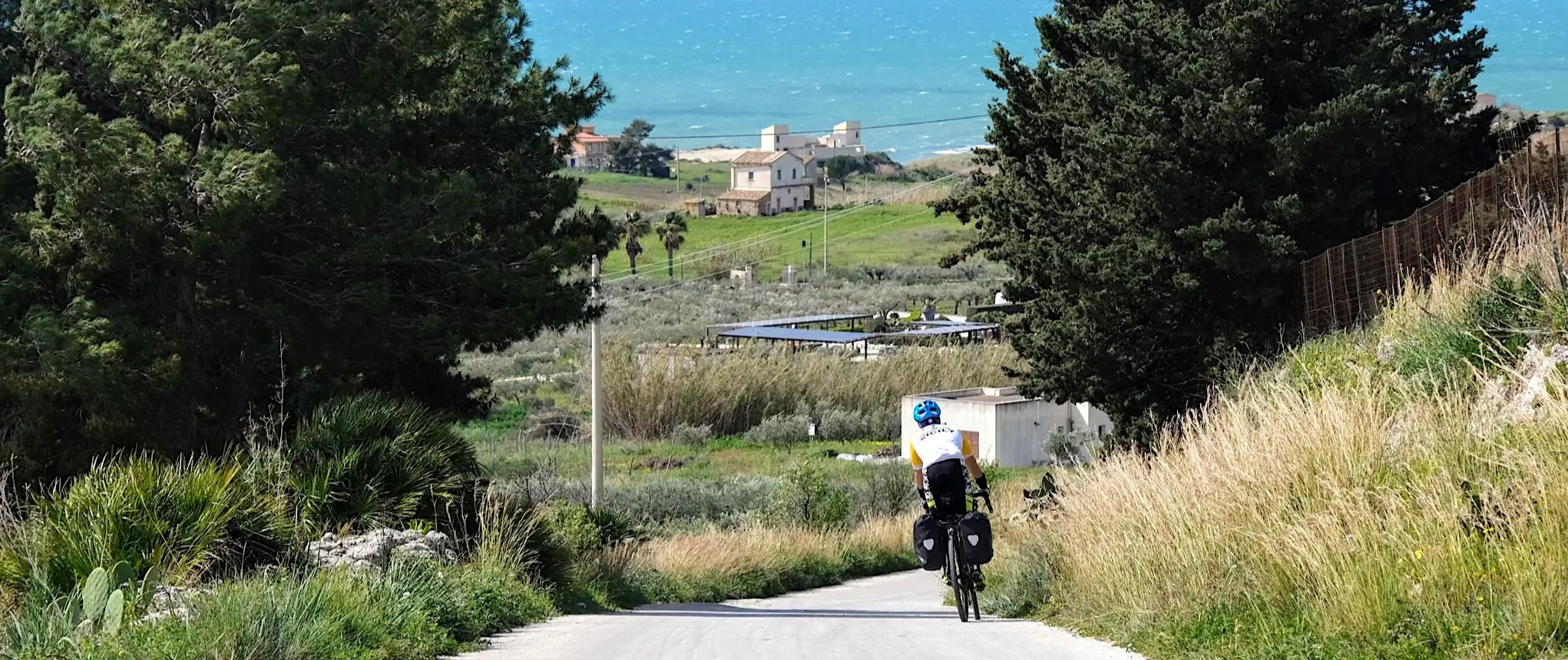
The complete tour of Sicily by road bike
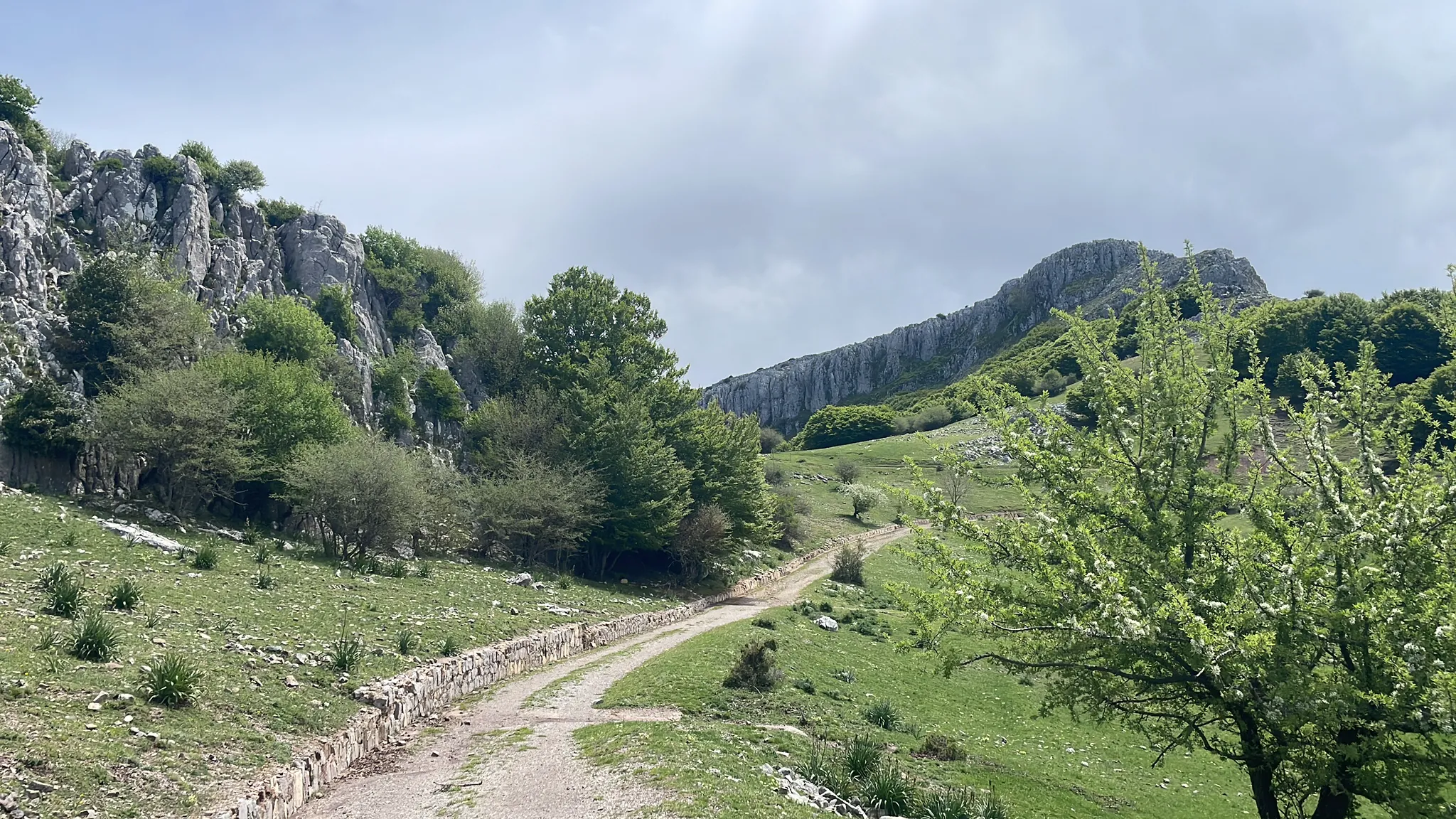
Etna and Madonie mountain bike parks – the Wild Heart of Sicily
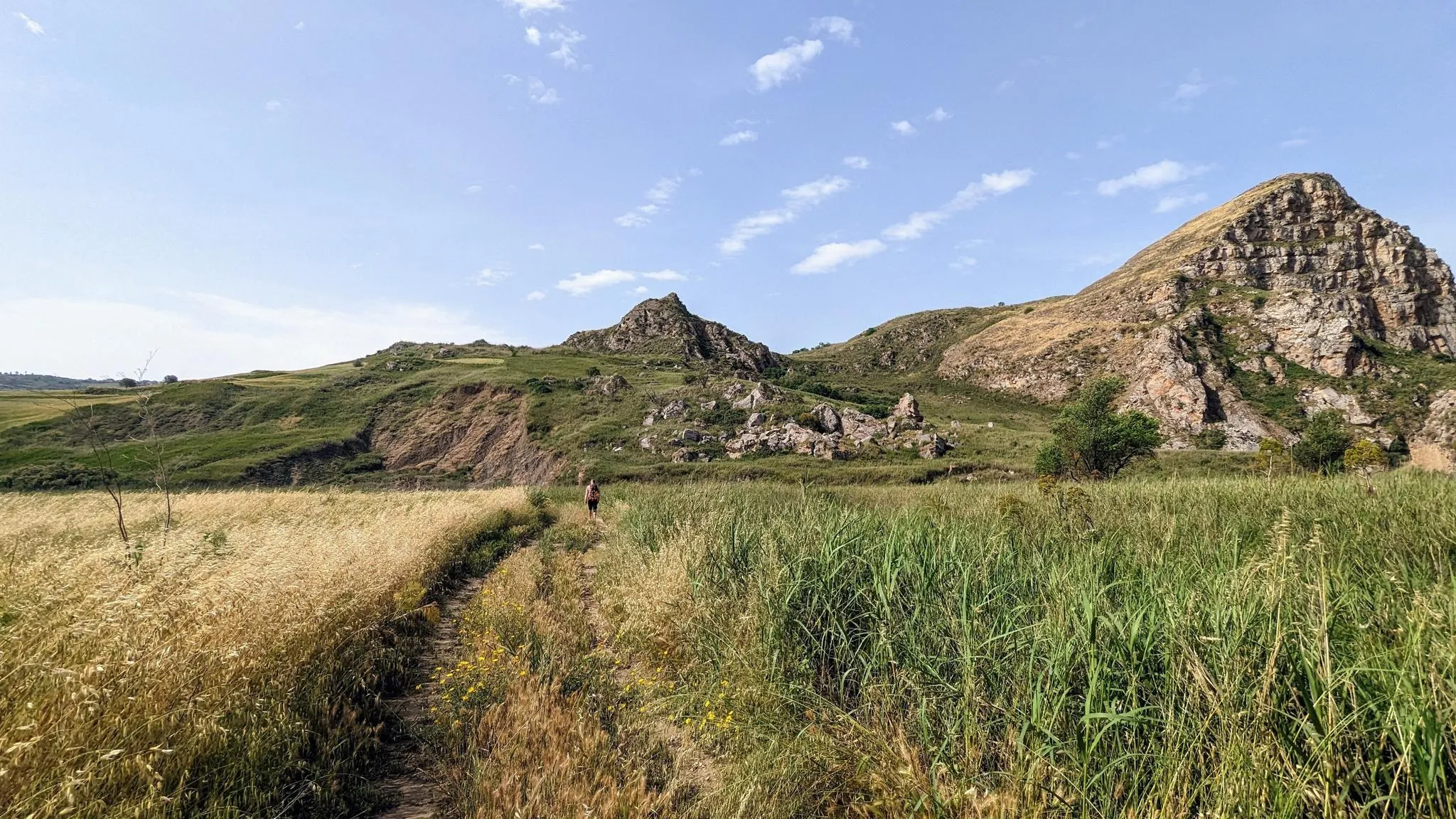
Magna Via Francigena – Palermo to Agrigento
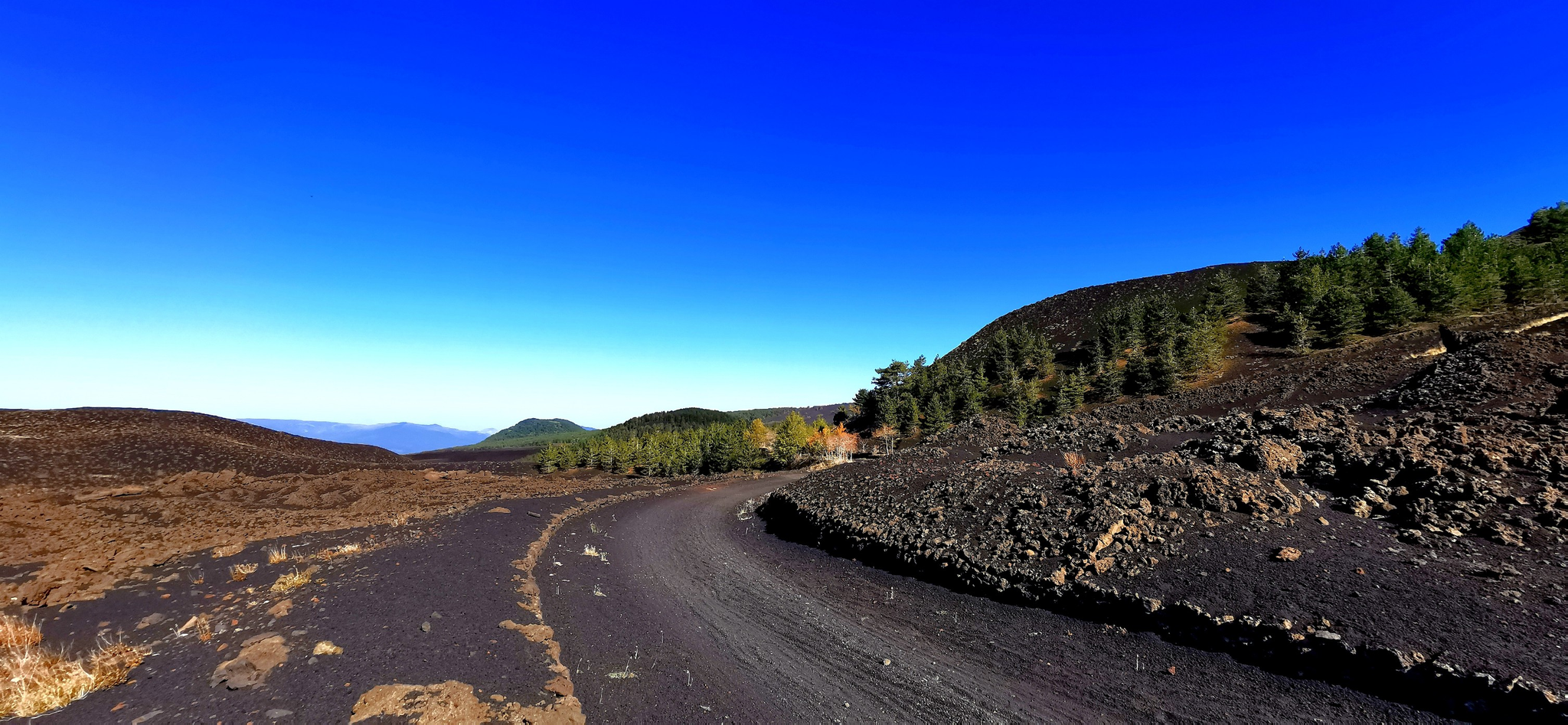
Volcanoes, forests and sea – Parchi della Sicilia cycling route by MTB
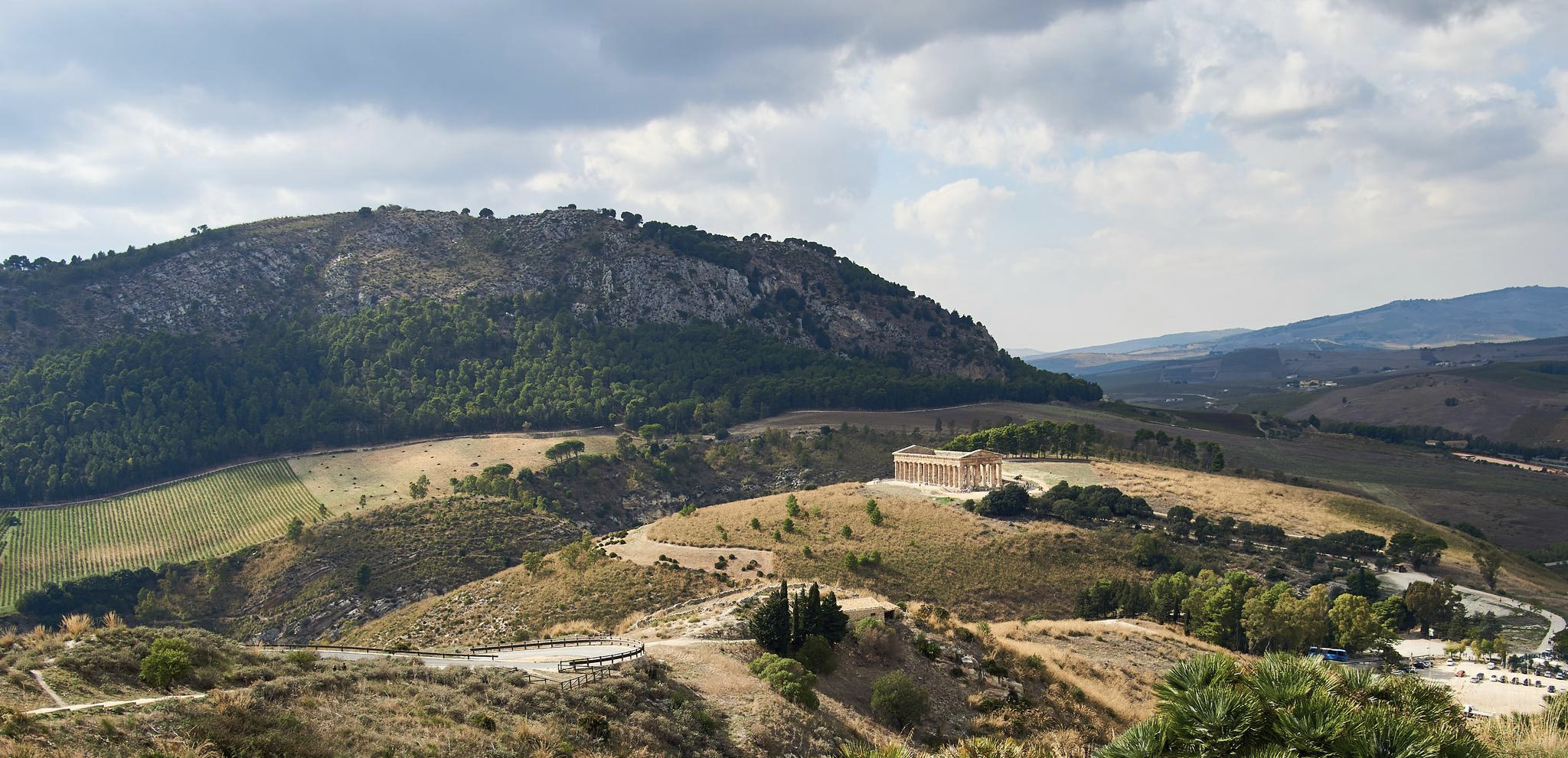
Western Sicily by bike – between flavours and traditions
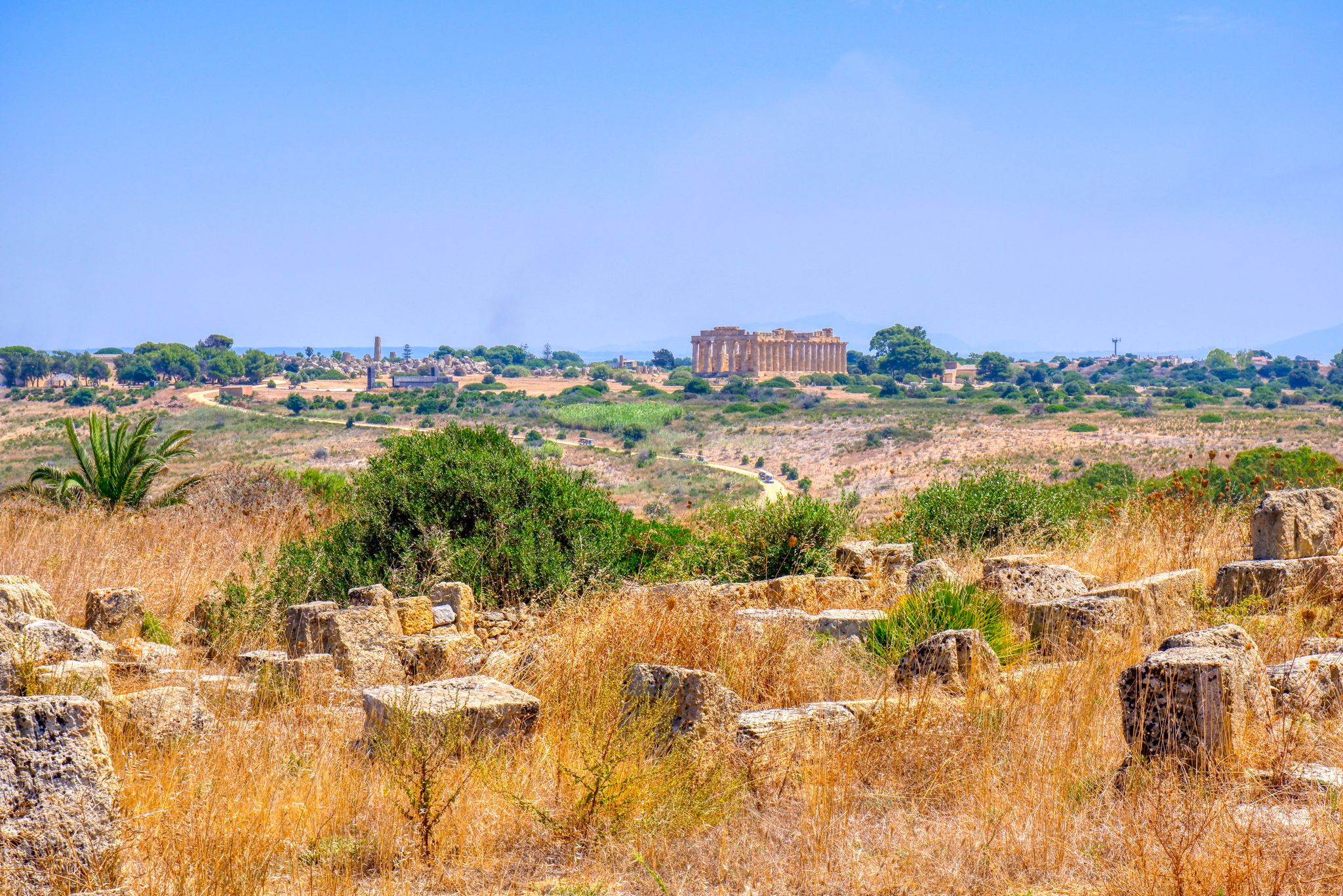
Between nature and history – Western Sicily by bike
From Cape Corsica to Syracuse — three Mediterranean islands
Hiking in Palermo
Other adventures in Palermo


Tips from the Community

The Teatro Politeama Garibaldi, commonly known as Politeama, is a theatre located in Piazza Ruggero Settimo, at the end of Viale della Libertà. Home to the Sicilian Symphony Orchestra, it is considered the "heart" of the city. Its construction was started in 1867 by Giuseppe Damiani Almeyda and inaugurated in 1874, although incomplete and without a roof. The building, as conceived, aimed to exalt its social function as a "Theatre of the people": the horseshoe-shaped hall in 1874 indeed had a capacity of 5,000 spectators, a double row of boxes, and a gallery divided into two tiers. The entrance to the structure is characterized by a neoclassical-inspired triumphal arch, topped by a quadriga with a bronze Apollo, a work by Mario Rutelli. The term "Politeama" indicates a generic theatre where various types of performances are given.
1
0
Located in the ancient district called Seralcadio, formed in the Muslim era to house the Slavonians, it extends along Carini and Beati Paoli streets, S. Agostino and Cappuccinelle. One of the main entrances is Porta Carini, so named for the existence of the eighteenth-century gate, near which is the Palace of Justice. This market has always been a special place for the sale of meat, given that nearby there was the civic slaughterhouse called “Bocceria Nuova”. By definition "the market of the people of Palermo", it has managed to maintain, with its intricate street labyrinth, the appearance of an oriental souk, where opulence and magnificence exude. Today, street vendors offer passers-by the typical specialties of Palermitan street food.
1
0


Impressive in its simplicity, in the Arabic-Norman style.
0
0

Wonderful view Good footwear required
1
0
Perfect for an early run, before the city gets too busy
0
0


What a fantastic view from up here! (360°). A wooden sign marks the summit (Sicily's second highest!). The path is steep on all sides but always easy to walk, never really exposed; only loose rocks could pose a problem. The area was apparently quite busy in the past (ski lifts, etc.), but nature is slowly reclaiming the infrastructure...great beech "groves"!
1
0
Frequently Asked Questions
What are some of Palermo's most historically significant architectural sites?
Palermo boasts a rich history reflected in its architecture. Key sites include the Palazzo dei Normanni, Europe's oldest royal residence, and its stunning Palatine Chapel with Byzantine mosaics. The Palermo Cathedral showcases a blend of Norman, Gothic, and Baroque styles. You can also visit Teatro Massimo, Italy's largest opera house, and the iconic San Cataldo Church with its distinctive red domes.
Where can I experience Palermo's vibrant local culture and street life?
To immerse yourself in Palermo's local culture, explore its historic street markets. Ballarò is known for its ancient Arabic market atmosphere, while Capo offers a lively morning experience with local specialties. Vucciria transforms into a vibrant nightlife district. These markets are perfect for sampling local street food like arancini and panelle.
Are there any natural attractions or viewpoints near Palermo?
Yes, Palermo offers beautiful natural escapes. Monte Pellegrino, described by Goethe as 'the most beautiful promontory in the world,' provides breathtaking views of the city and the Gulf of Mondello. You can also explore the Capo Gallo Nature Reserve for hiking trails and hidden coves, or relax at Mondello Beach, known for its fine sand and clear waters.
What are some family-friendly attractions in Palermo?
Many of Palermo's historical sites are suitable for families. The Palermo Cathedral and Vittorio Emanuele Massimo Theatre are popular choices. The Orto Botanico (Botanical Garden) offers a serene green space for leisurely strolls. Exploring the bustling street markets like Capo can also be an engaging experience for all ages.
What outdoor activities can I do near Palermo?
Palermo and its surroundings offer various outdoor activities. You can find numerous hiking trails, including routes around Monte Pellegrino, by checking the Hiking in Palermo guide. For cycling enthusiasts, there are options for gravel biking and road cycling, with routes extending to Monreale and the Madonie Park. Discover more in the Gravel biking in Palermo and Road Cycling Routes in Palermo guides.
Where can I find unique historical squares and fountains in Palermo?
Palermo is home to several unique squares. Quattro Canti (Four Corners) is an octagonal Baroque square marking the intersection of two main roads, featuring statues, columns, and fountains. Nearby, Piazza Pretoria, also known as the 'Fountain of Shame,' displays a grand 16th-century fountain with controversial Renaissance statues. Piazza Bellini is another notable square, showcasing three significant churches including La Martorana and San Cataldo.
What are some notable museums or art galleries in Palermo?
For art and history enthusiasts, Palermo offers several excellent museums. The Palazzo Abatellis, housed in a 15th-century palace, is home to the Regional Gallery of Sicily, featuring important art from the Middle Ages to the 18th century, including Antonello da Messina’s 'The Virgin Annunciate.' The Regional Archaeological Museum Antonio Salinas provides a journey through Sicily's ancient civilizations with Phoenician, Carthaginian, Greek, and Roman artifacts.
What is the best time to visit Palermo's attractions?
The best time to visit Palermo's attractions is typically during the spring (April to June) and autumn (September to October). During these months, the weather is pleasant for exploring historical sites and natural features, and the crowds are generally smaller than in the peak summer season. Summer can be very hot, while winter offers milder temperatures but some attractions might have reduced hours.
Are there any interesting sites just outside of Palermo worth visiting?
Absolutely. A short trip from Palermo will take you to Monreale Cathedral, famous for its extensive and stunning Byzantine mosaics, considered one of the world's largest collections. Further afield, the Zingaro Nature Reserve offers picturesque views, high cliffs, and crystal-clear coves, perfect for hiking and immersing yourself in pristine nature.
What are some lesser-known or unique attractions in Palermo?
For a unique and somewhat macabre experience, visit the Capuchin Catacombs, an extensive network housing thousands of mummified remains. The Chiesa del Gesù (Casa Professa) is a Jesuit masterpiece with an ornate Baroque interior, stunning frescoes, and elaborate decorations. The Kalsa District, a historic quarter, offers atmospheric ruins, cultural events, and charming side streets away from the main tourist paths.
Where can I find a good meal or local delicacies near Palermo's attractions?
Palermo's historic street markets like Ballarò and Capo are excellent places to sample local street food. For a more traditional dining experience, Antica Focacceria San Francesco, open since 1834, is a famous restaurant where you can enjoy local delicacies in a charming, historic setting. Many restaurants are also found around the city center, especially near Quattro Canti.
Most popular routes in Palermo
Most popular attractions in Palermo

Get inspired with the komoot mobile app


Didn’t find what you were looking for?
Are you keen on exploring more awesome places nearby? Browse our guides:
Explore more
Still not found the Highlight you’re looking for? See guides of the top attractions in other regions:
