Top 20 Natural Monuments around Scheibenberg
Best natural monuments around Scheibenberg are situated in the scenic Ore Mountains of Germany. The region is characterized by unique geological formations, including prominent basalt columns, and offers expansive panoramic views. Scheibenberg provides opportunities for exploring diverse natural features and historical sites. Visitors can experience a blend of natural beauty and the region's mining heritage.
Best natural monuments around Scheibenberg
- The most popular natural monuments is Greifensteine Observation Rock, a natural monument that rises to 731 meters. It offers…
Last updated: June 26, 2026
Greifensteine Observation Rock
Highlight • Natural Monument
Translated by Google •
Tip by

Cranzahl Dam
Highlight (Segment) • Lake
Translated by Google •
Tip by

Sign up now to discover places like this
Get recommendations on the best single tracks, peaks, & plenty of other exciting outdoor places.
Sign up for free
Stülpner Cave
Highlight • Cave
Translated by Google •
Tip by
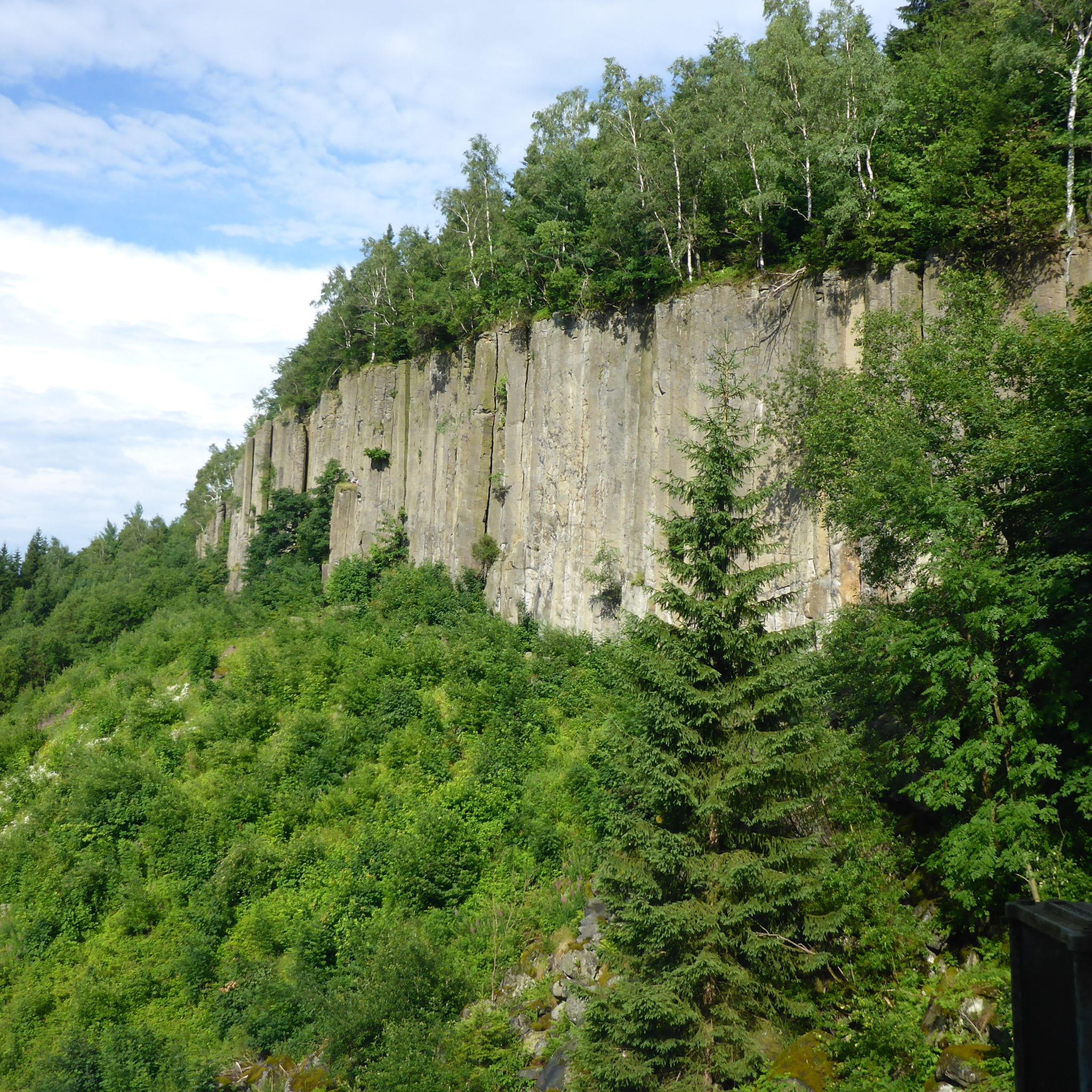
Orgelpfeifen Basalt Columns, Scheibenberg
Highlight • Natural Monument
Translated by Google •
Tip by

Ottomar Zahm Trail
Highlight (Segment) • Trail
Translated by Google •
Tip by

Sign up for free to discover even more natural monuments around Scheibenberg.
Sign up for free
Already have an account?
Start today with a free account
Your next adventure awaits.
Login or Signup
Popular around Scheibenberg

The Stoneman Trail in the Ore Mountains

Flying high on two wheels – bike holidays in the Ore Mountains

Stoneman Miriquidi MTB Gesamtstrecke (3 Tage - Bronze)
Hiking around Scheibenberg
Cycling around Scheibenberg
MTB Trails around Scheibenberg
Road Cycling Routes around Scheibenberg
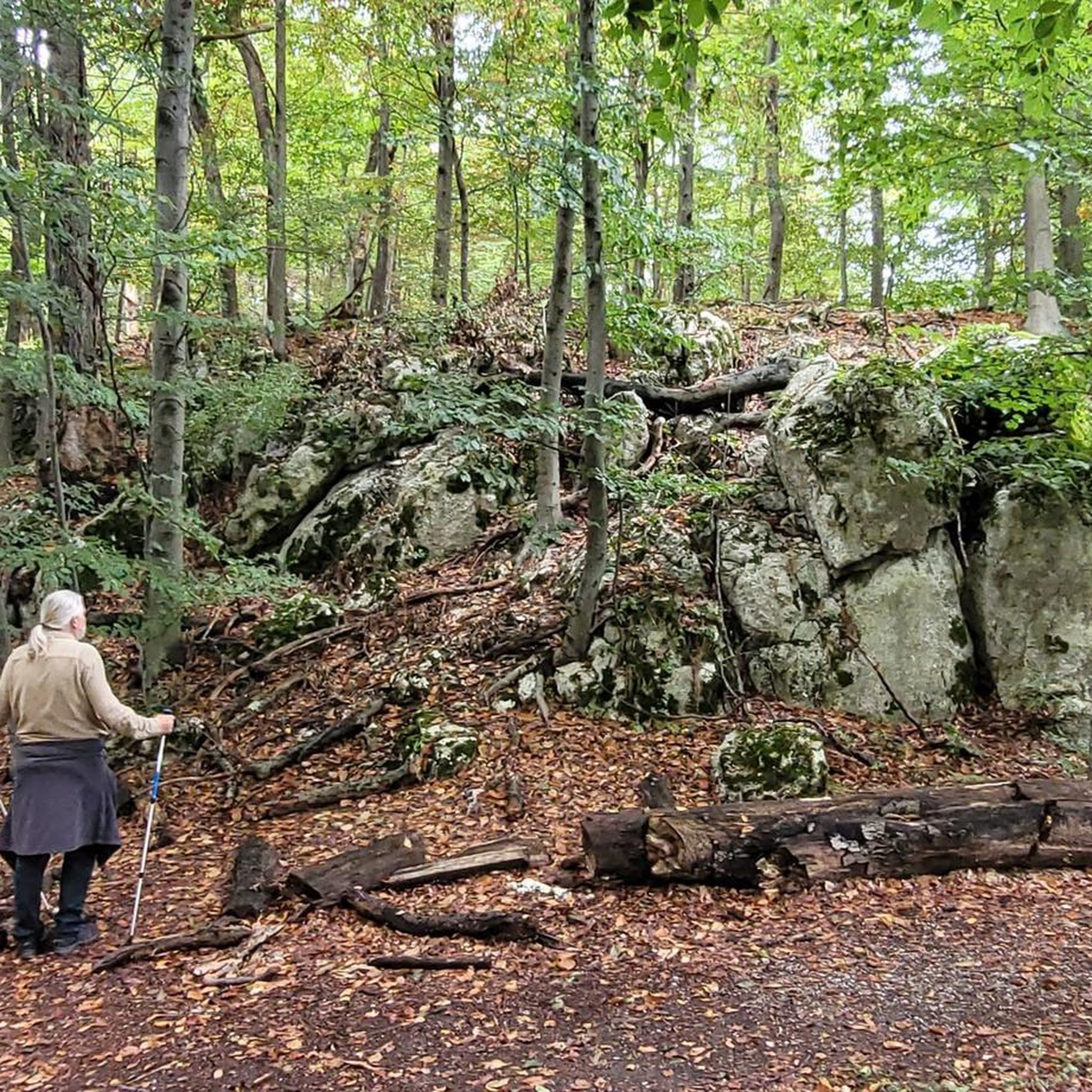
Gravel biking around Scheibenberg
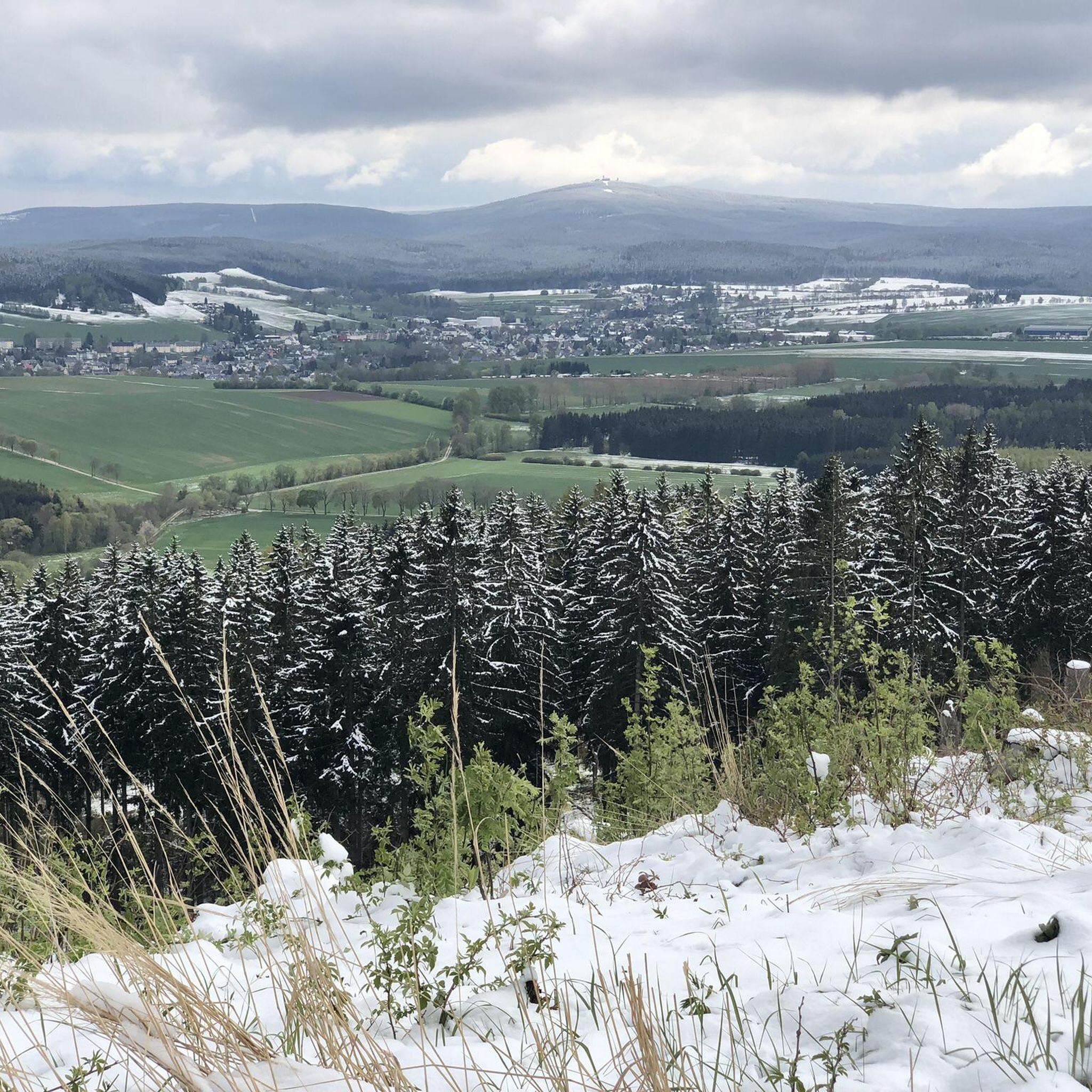
Running Trails around Scheibenberg
Other adventures around Scheibenberg


Tips from the Community

Very impressive basalt columns 🌋, arranged like organ pipes 😃. They are best seen from the large clearing by the ski jump 📷.
22
1

The basalt path along the organ pipes includes 15 educational panels that vividly illustrate the geological situation of the Scheibenberg, the flora and fauna of the surrounding area, and interesting facts about the history of the mountain and the towns of Schlettau and Scheibenberg.
21
0

Mining has been taking place on the Scheibenberg since 1522, initially in search of silver. Later, clay was mined and used to make pots and ovens. From 1914, the Krebs company and two municipal companies in the towns of Scheibenberg and Schlettau operated extensive quarries and sand pits. Long crowbars were used to drill holes up to three meters deep into the clay and sand beneath the basalt columns. Dynamite was then used to blast the bases of the "organ pipes" and cause them to collapse. The basalt blocks were further broken down by blasting them again and finally transported away by cable car.
20
0
At the foot of this path, which winds along the steep mountainside over uneven basalt steps, there is a memorial plaque commemorating the builder of this path and also showing him and his daughter in a photo.
11
1

Schlettau circular hiking trail »On the steps of Ottomar Zahm« The circular hiking trail leads from Schlettau to the nearby Scheibenberg. The ascent takes place via several steps made of basalt stones that Ottomahr Zahm created over 100 years ago. The hike leads centrally from Schlettau with good parking options towards Waltherdorf via the so-called Kirchsteig. From Walthersdorf it initially goes gradually uphill to the foot of the Scheibenberg. On the circular trail you can decide whether you want to tackle the summit or whether you want to take a leisurely hike around the Scheibenberg. The ascent via the so-called Ottomahr-Zahm-Steig is definitely recommended. A wonderful view and a shelter halfway invite you to do so. Once you have reached the top, you go back down the opposite side and over beautiful field paths and through the Schlettau city forest back to the starting point.
5
2


It's amazing when you know that someone secretly created this path with 300 steps and across the scree in order to have something useful to do.
5
1

Ottomar Zahm Steig, the climb to the Scheibenberg! Ottomar Zahm created the climb to the Scheibenberg named after him between 1931 and 1934. He painstakingly built over 300 steps through the impassable sea of basalt blocks. The climb climbs approx. 85 meters and is approx. 850 meters long. Approximately in the upper third of the climb is the Ottomar Zahm Hut, a rest stop with a fantastic view of the Ore Mountains. It says there "The tired hiker finds rest, Every guest is welcome, Seek shelter and come in, But remember, I want to be clean"
6
1
Frequently Asked Questions
What unique geological features can I explore around Scheibenberg?
The Scheibenberg region is renowned for its distinctive geological formations. A prime example is the Orgelpfeifen Basalt Columns, Scheibenberg, often called 'organ pipes' due to their regular, pipe-like structure, which are a result of ancient volcanic activity. You can also find basalt formations at the Bärenstein Summit, showcasing the region's volcanic past.
Which natural monuments offer the best panoramic views in the Scheibenberg area?
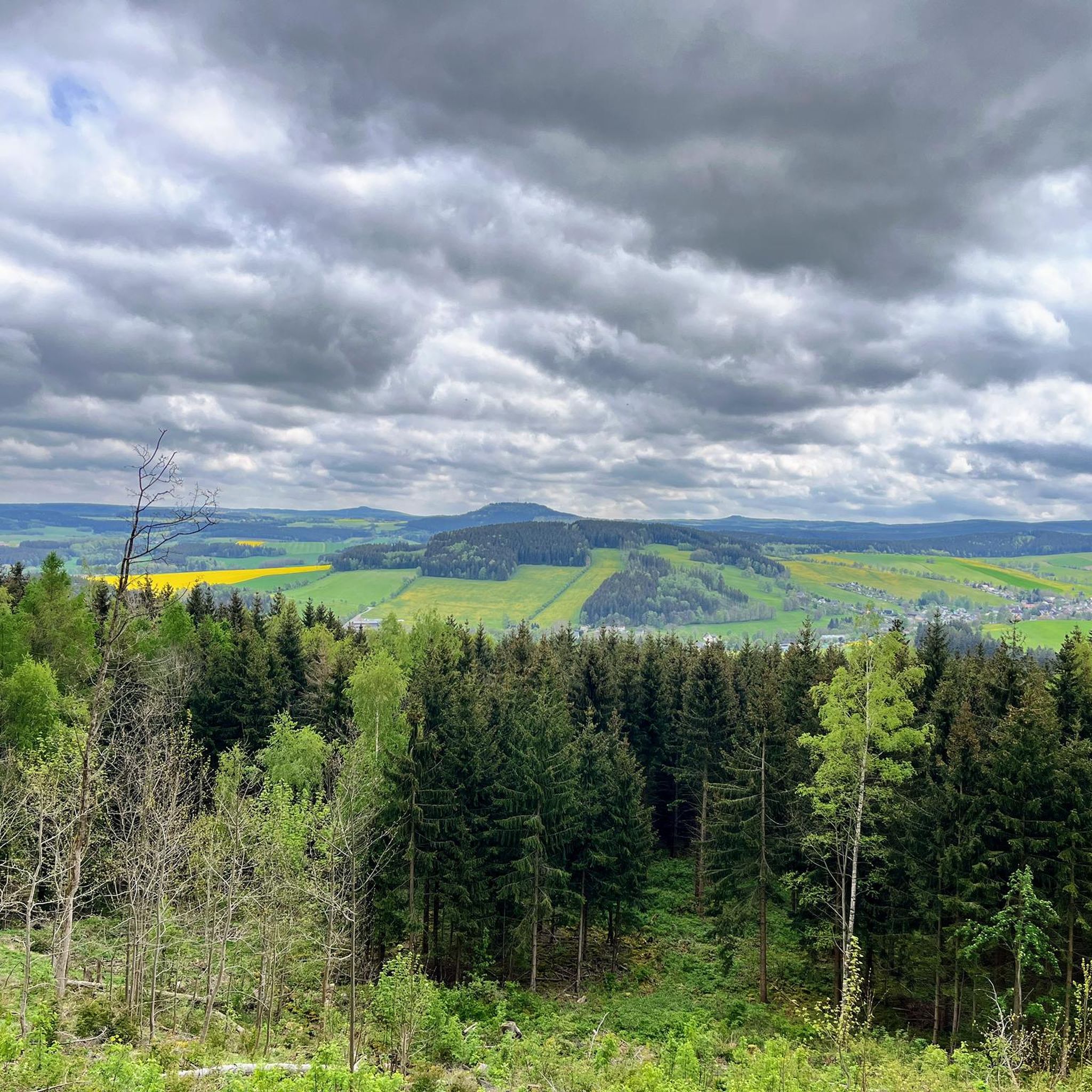
For breathtaking panoramic views, visit the Greifensteine Observation Rock, which rises to 731 meters and offers expansive vistas of the Ore Mountains, including peaks like Pöhlberg and Fichtelberg. The Bärenstein Summit also provides impressive views, especially down to the Cranzahl Dam, and its observation tower extends views to Fichtelberg and Klínovec.
Are there popular hiking trails around the natural monuments of Scheibenberg?
Yes, the region offers numerous hiking opportunities. The Ottomar Zahm Trail is a beautiful ascent to the Scheibenberg summit, featuring stone steps and views of 'mini-organ pipes' basalt columns. The circular route around the Cranzahl Dam is also popular for walks. For more options, explore the many Running Trails around Scheibenberg.
What outdoor activities are available near the natural monuments?
Beyond hiking, the area around Scheibenberg's natural monuments is great for various outdoor activities. You can find numerous routes for Cycling around Scheibenberg, including challenging tours with views of Fichtelberg. There are also options for Gravel biking around Scheibenberg, offering diverse terrain for mountain biking enthusiasts.
Are the natural monuments around Scheibenberg suitable for families with children?
Absolutely. The Cranzahl Dam offers a pleasant circular route suitable for family walks. The Röhrgrabenweg, a historic mining canal trail, is also particularly appealing for families, providing a wonderful place for children to play and even organize small boat races, blending natural beauty with historical interest.
Are there any historical sites integrated with the natural monuments?
Yes, the region beautifully combines natural beauty with historical significance. The Stülpner Cave is a former tin ore mining site and is associated with the Erzgebirge folk hero Karl Stülpner. The Röhrgrabenweg, while a natural monument, is also a historic mining canal trail that demonstrates historical water management within a natural setting.
What is the best time of year to visit the natural monuments around Scheibenberg?
The natural monuments around Scheibenberg offer unique experiences throughout the year. Spring and autumn provide pleasant temperatures for hiking and vibrant natural colors. Summer is ideal for longer outdoor activities, while winter transforms the landscape into a picturesque snowy scene, suitable for winter walks, though some paths might be more challenging.
Can I bring my dog to the natural monuments and trails?
Generally, dogs are welcome on most trails and in natural areas around Scheibenberg, provided they are kept on a leash and owners clean up after them. Specific rules may apply to certain protected areas or indoor attractions, so it's always good to check local signage. The circular route around the Cranzahl Dam is a popular choice for walks with dogs.
Where can I find parking near the natural monuments?
Parking facilities are typically available near the main natural monuments and trailheads. For instance, there are parking options close to the Greifensteine Observation Rock and the Scheibenberg summit. It's advisable to look for designated parking areas to ensure easy access and respect local regulations.
What do visitors particularly enjoy about the natural monuments in Scheibenberg?
Visitors frequently praise the stunning panoramic views, especially from the Greifensteine Observation Rock, noting the excellent vistas of the Ore Mountains. The unique geological formations, such as the Orgelpfeifen Basalt Columns, Scheibenberg, are also a major draw, offering fascinating insights into the region's natural history. Many appreciate the well-maintained trails and the blend of natural beauty with historical elements.
Are there easy or beginner-friendly hiking trails among the natural monuments?
Yes, there are options for less strenuous walks. The circular route around the Cranzahl Dam is relatively flat and suitable for an easy stroll. While the Ottomar Zahm Trail to Scheibenberg summit involves steps, it is generally well-maintained and manageable for those new to hiking, offering rewarding views along the way.
Is there public transport access to the natural attractions?
Public transport options exist to reach some of the natural attractions, particularly the larger towns and starting points for trails. However, direct access to all remote natural monuments might be limited. It's recommended to check local bus schedules or consider a combination of public transport and a short walk or taxi for more secluded spots.
Most popular routes around Scheibenberg
Most popular attractions around Scheibenberg

Get inspired with the komoot mobile app


Explore more
Extend your search for the best caves by checking out these guides of the top ones around Scheibenberg:
