The 9 Most Amazing Peaks in Zamora
Best mountain peaks in Zamora are found within a diverse landscape featuring impressive mountain ranges. The region offers a variety of natural attractions and outdoor activities, characterized by significant elevations and unique geological formations. Zamora's mountains include high peaks, extensive ranges, and areas with glacial lakes. This natural environment provides opportunities for exploring varied terrain and observing local flora and fauna.
Best mountain peaks in Zamora
- The most popular mountain peaks is Cruz da Portela, a summit that marks…
Last updated: July 1, 2026
Peña Trevinca Summit
Highlight • Summit
Translated by Google •
Tip by

Cruz da Portela
Highlight • Summit
Translated by Google •
Tip by
Sign up now to discover places like this
Get recommendations on the best single tracks, peaks, & plenty of other exciting outdoor places.
Sign up for free
Peña Mira Summit
Highlight • Summit
Translated by Google •
Tip by

Castro de las Labradas
Highlight • Historical Site
Translated by Google •
Tip by

Wind Turbines on Teso Santo
Highlight • Monument
Translated by Google •
Tip by
El Cueto
Highlight • Structure
Showing Translation
Tip by

Las Suertas
Highlight • Viewpoint
Translated by Google •
Tip by
Ridge of the Sierra de Carpurias
Highlight (Segment) • Summit
Translated by Google •
Tip by
Peña Beneita Petroglyphs
Highlight • Historical Site
Translated by Google •
Tip by
View of the Vega of the Eria and Órbigo Rivers from Las Suertas
Highlight • Viewpoint
Translated by Google •
Tip by
Start today with a free account
Your next adventure awaits.
Login or Signup
Popular around Zamora
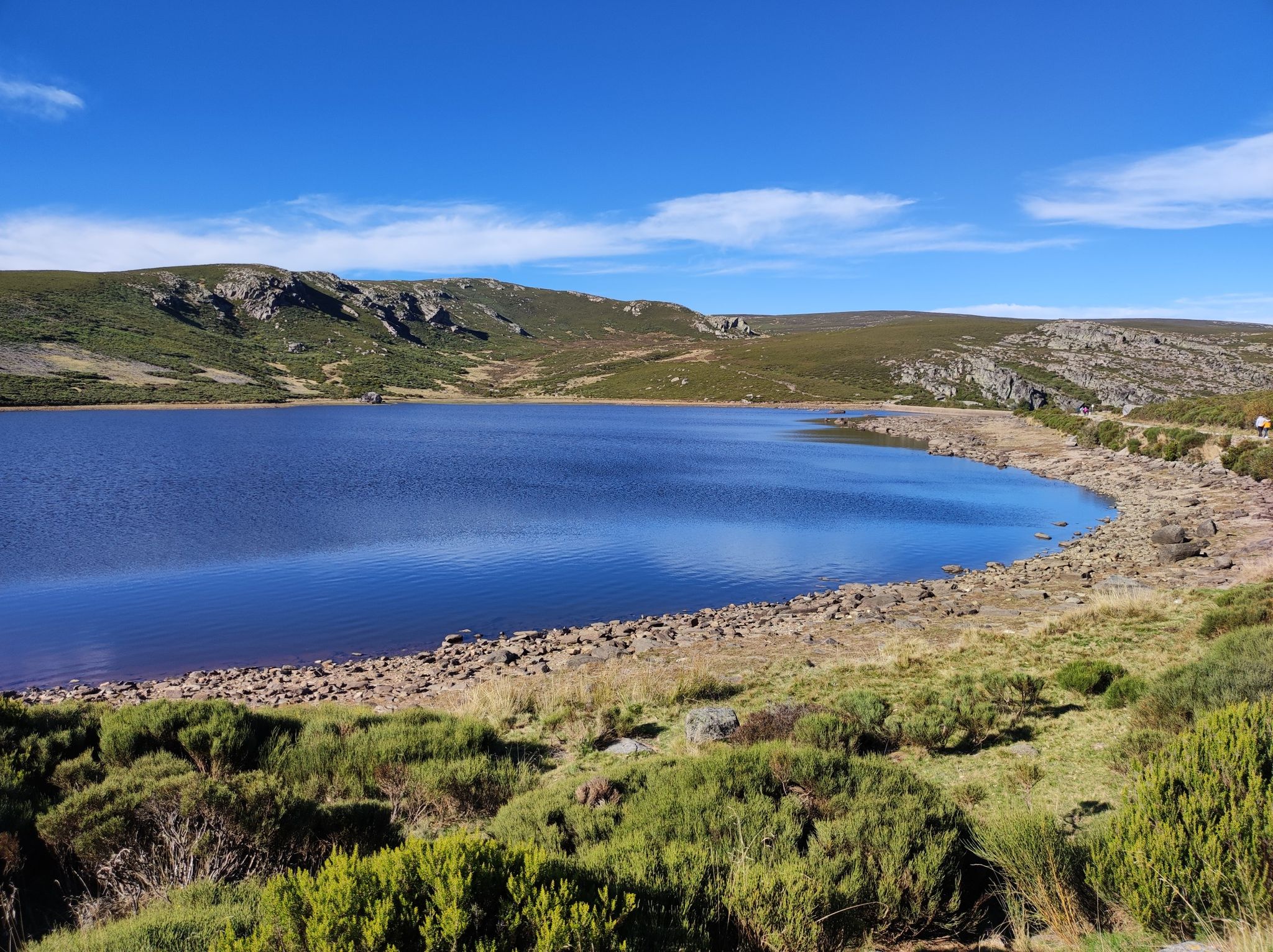
Glacial lagoons and eternal mountains – Montaña de Sanabria (GR 84)
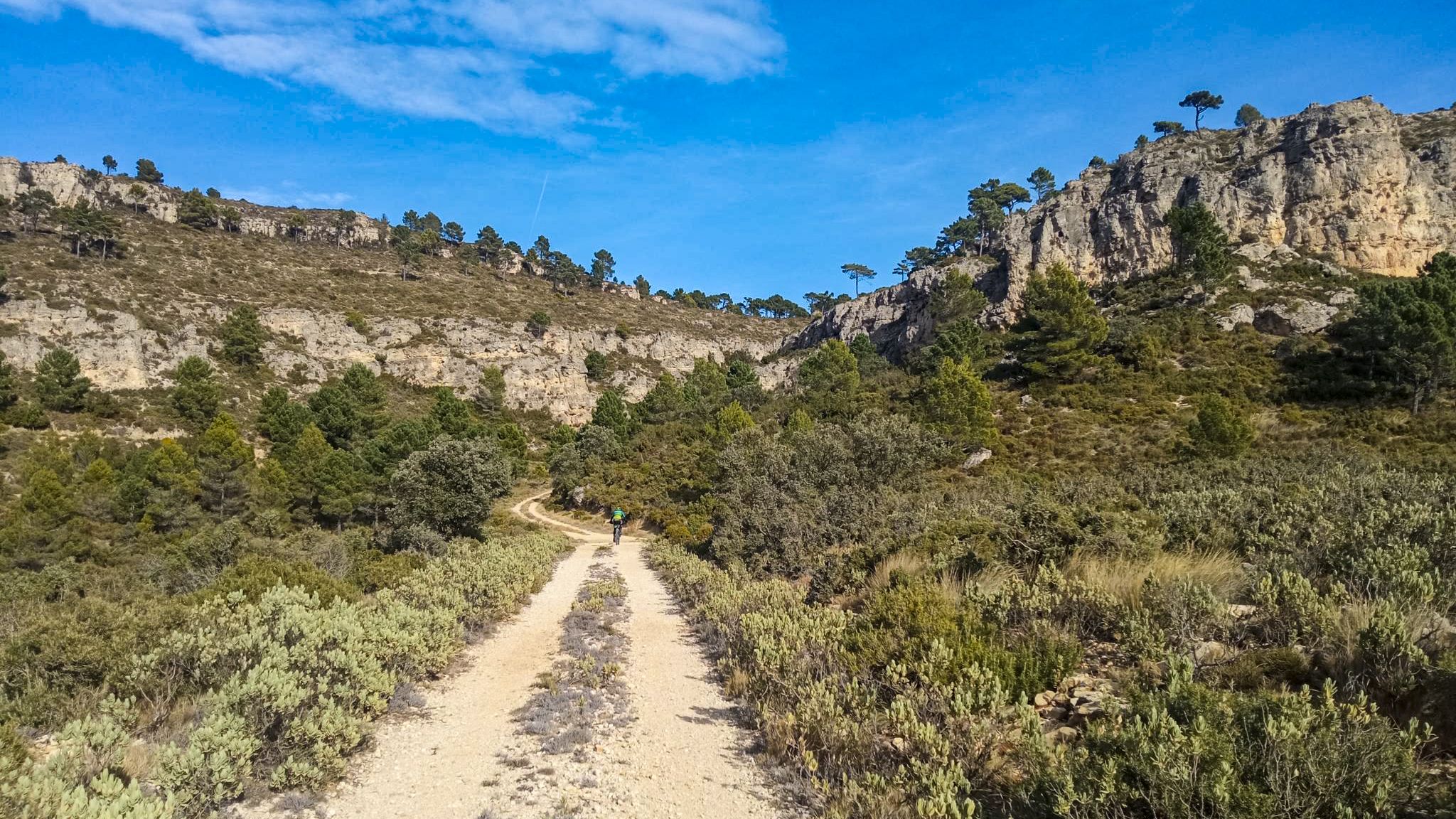
10 gravel routes to discover hidden gems in Spain
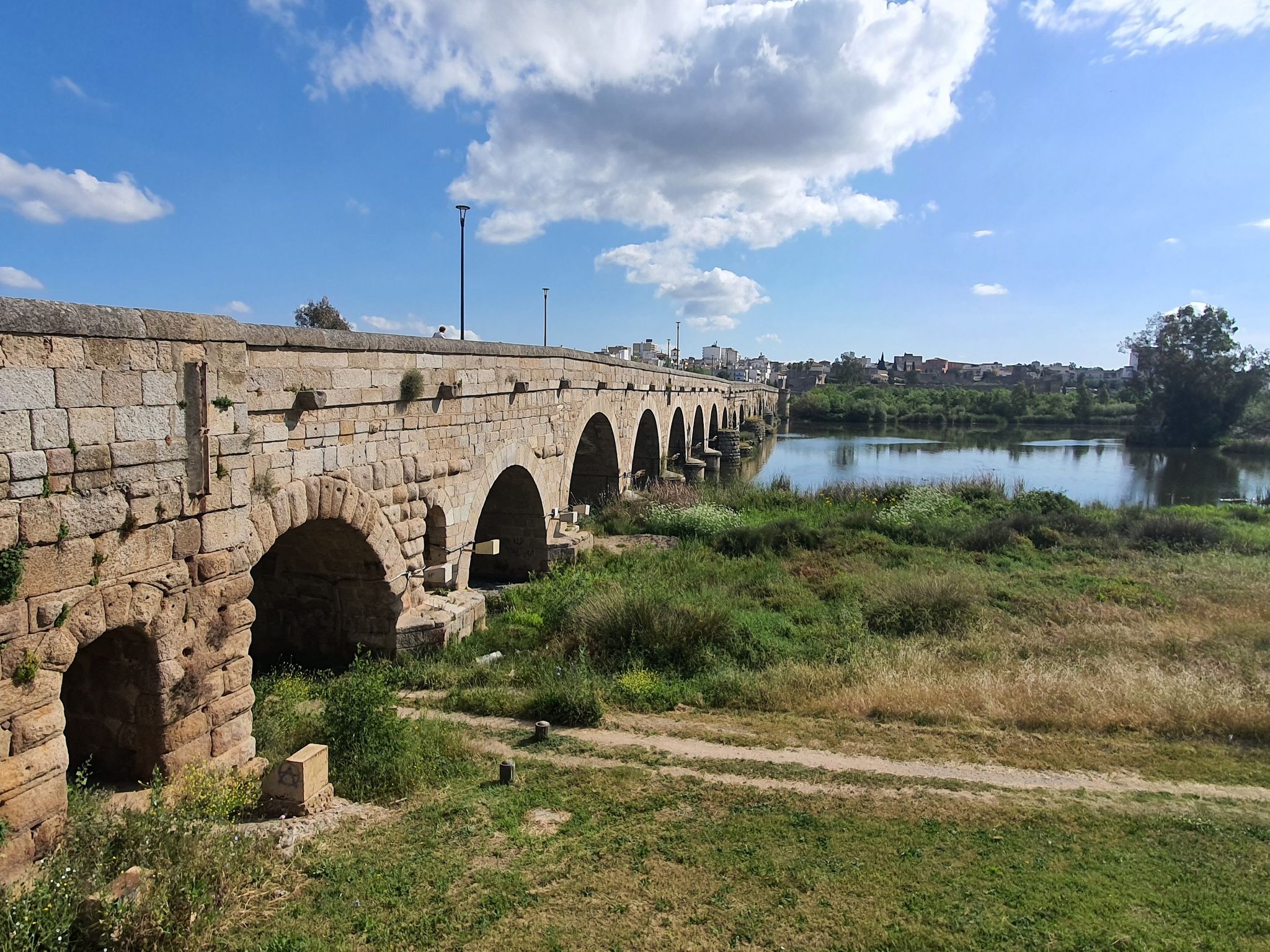
Gijón to Sevilla in Spain – Vía de la Plata (GR 100)
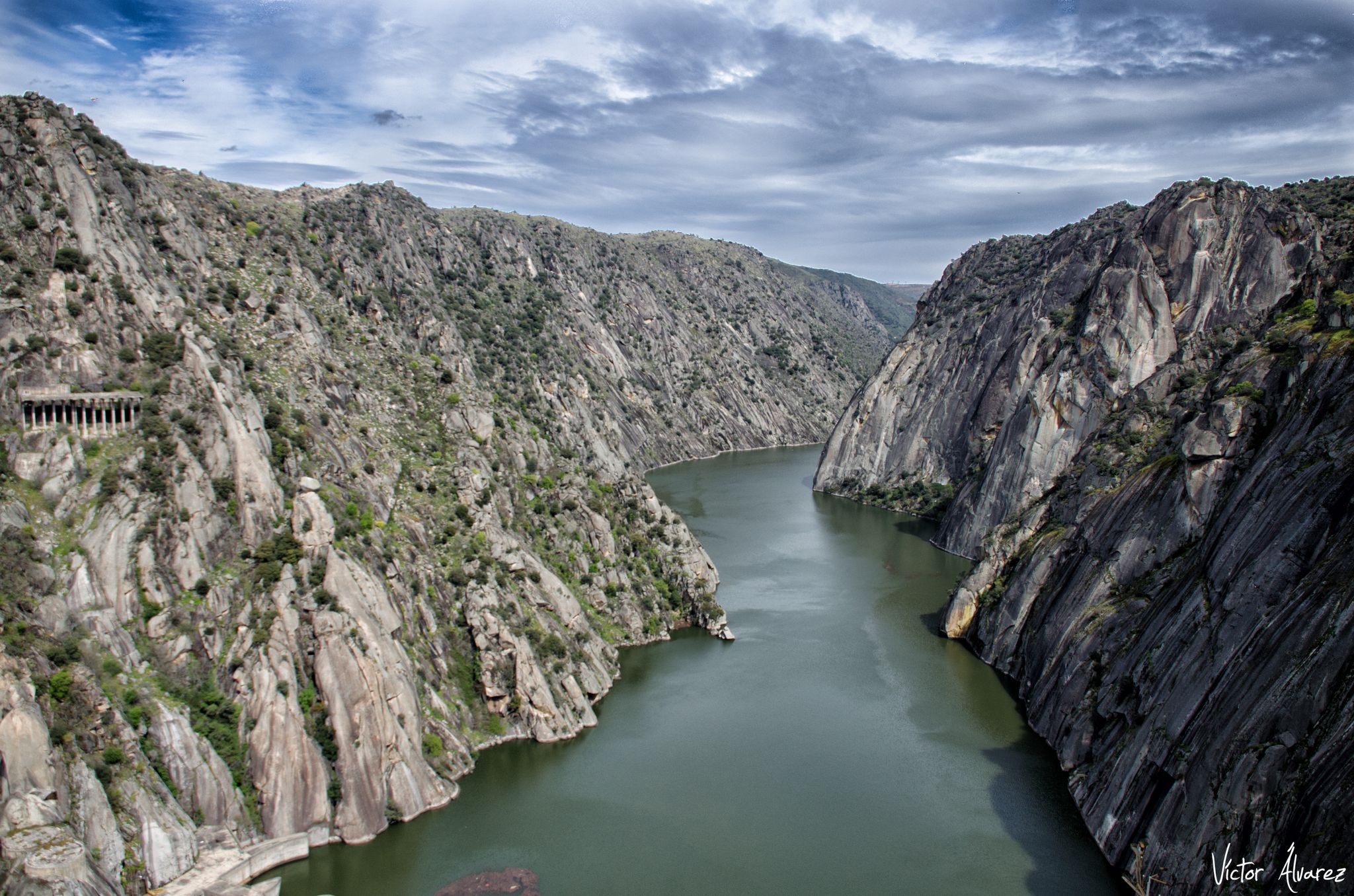
Downriver between Zamora and Salamanca – Western Duero Trail (GR 14)
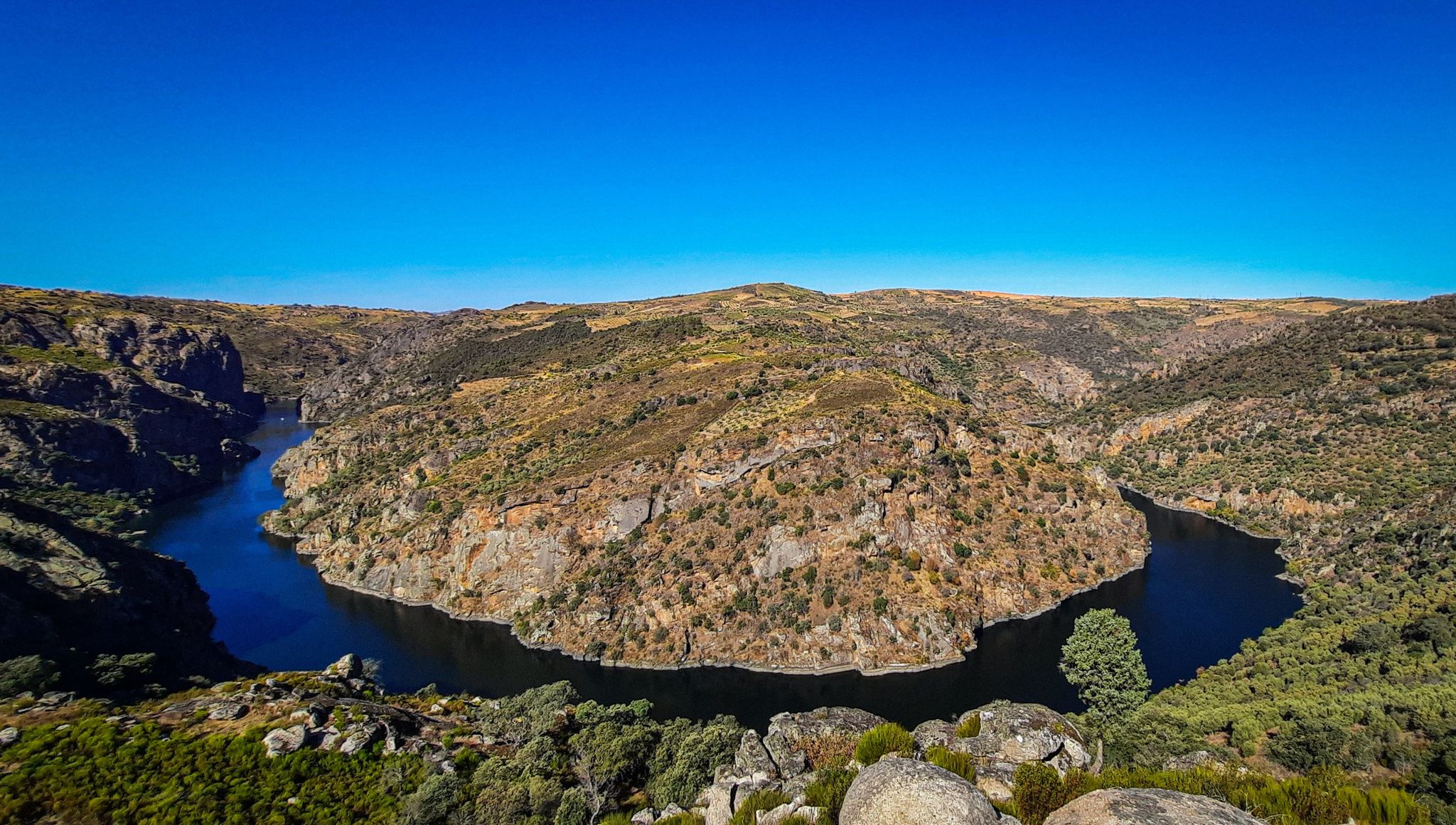
The Great Castilian River – Duero MTB Trail
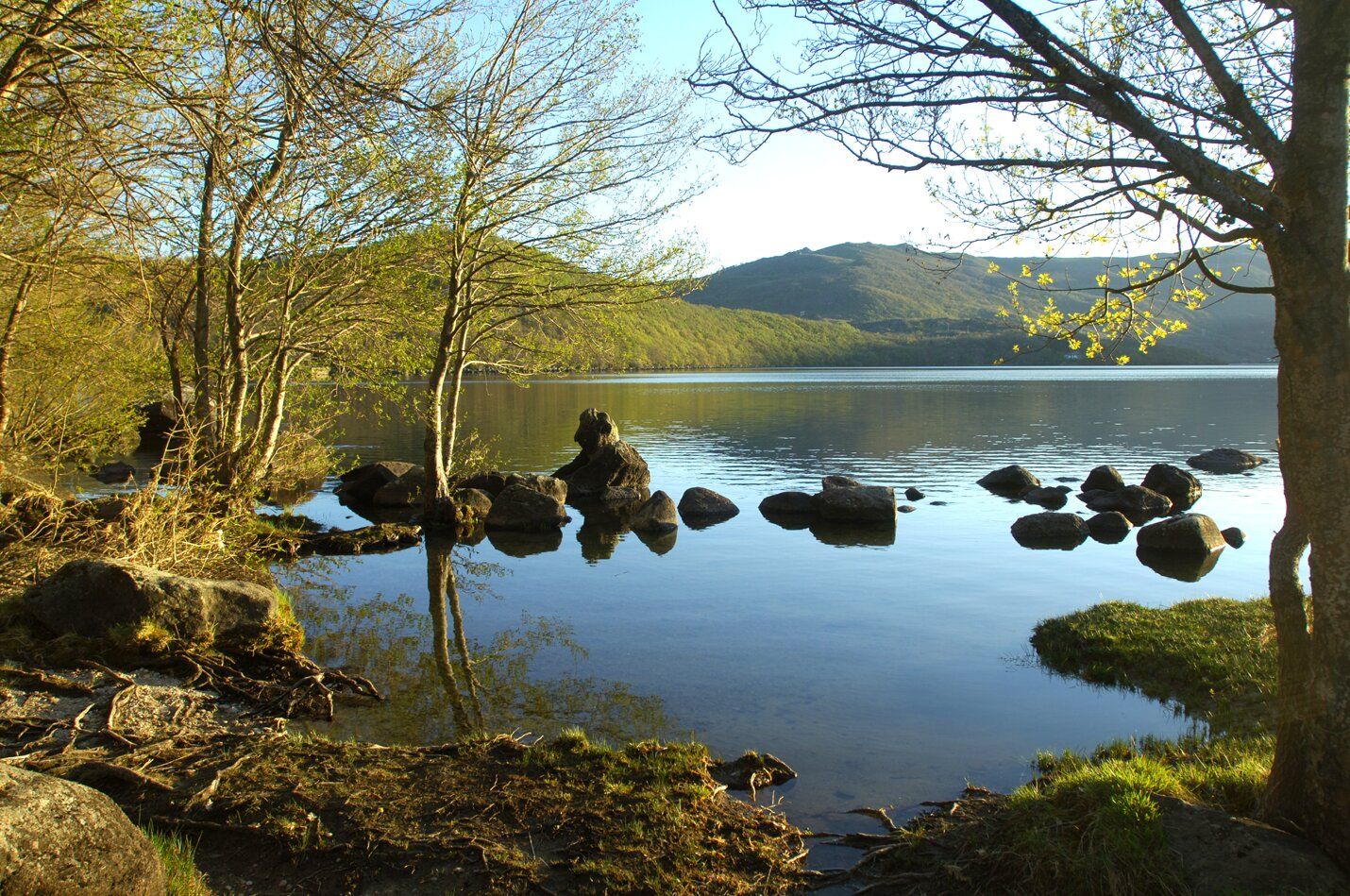
A landscape of glacial heritage – Queen of the Alta Sanabria by MTB
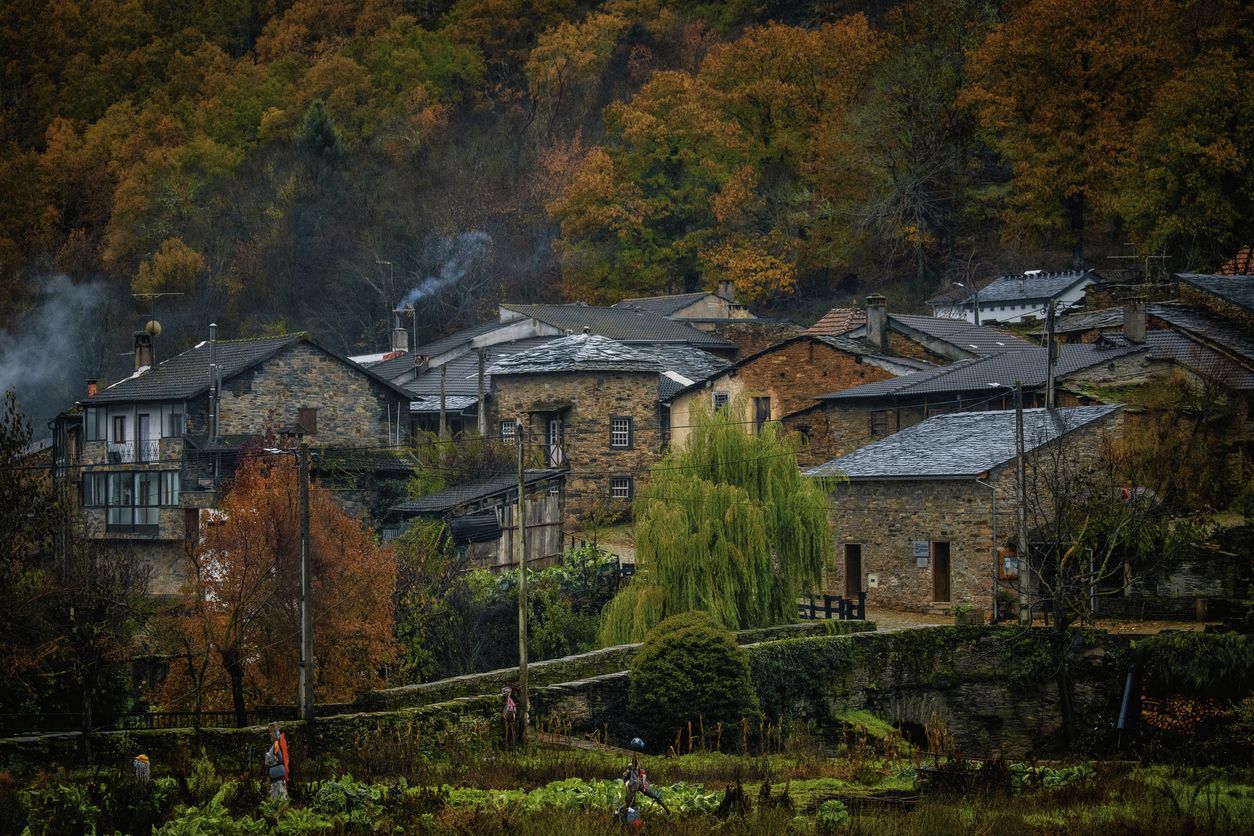
In the tracks of wolves – Sierra de la Culebra on MTB
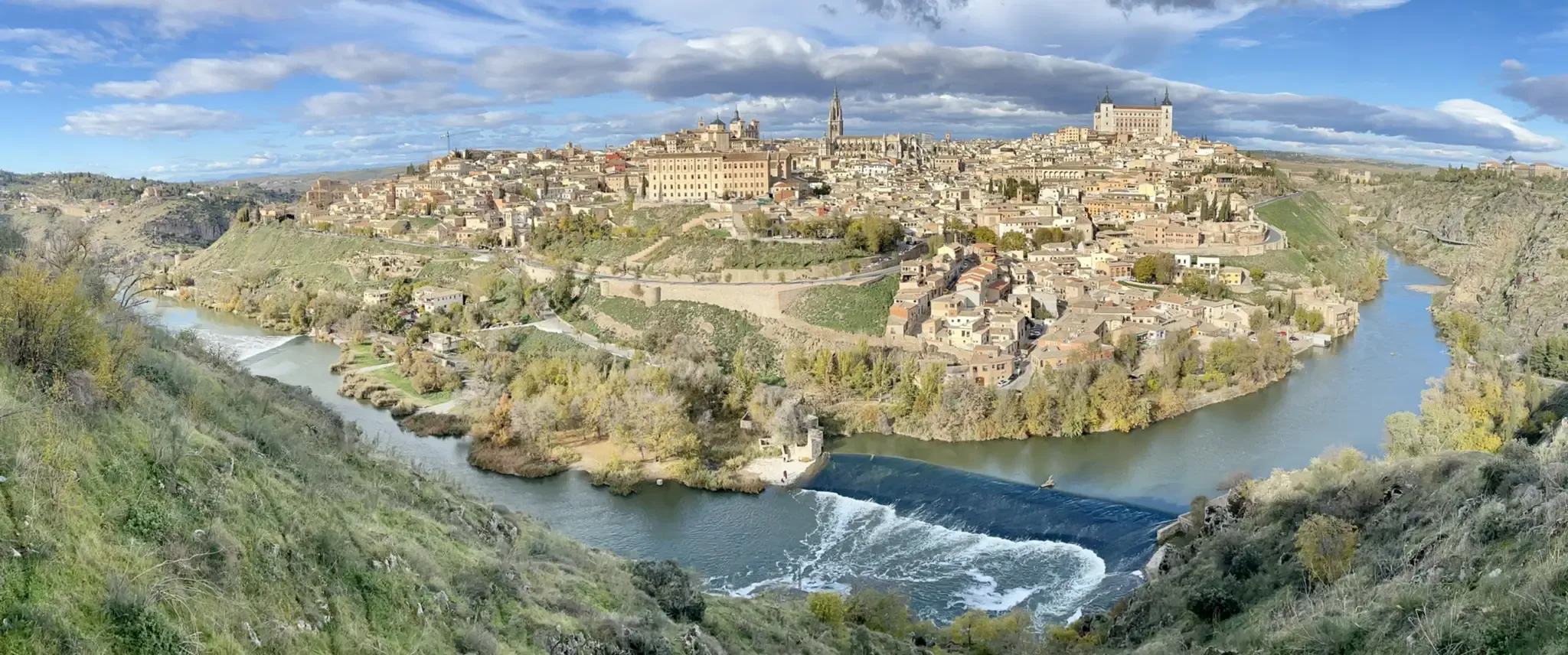
A journey to the interior of the Iberian Peninsula – Levante Way (GR 239)
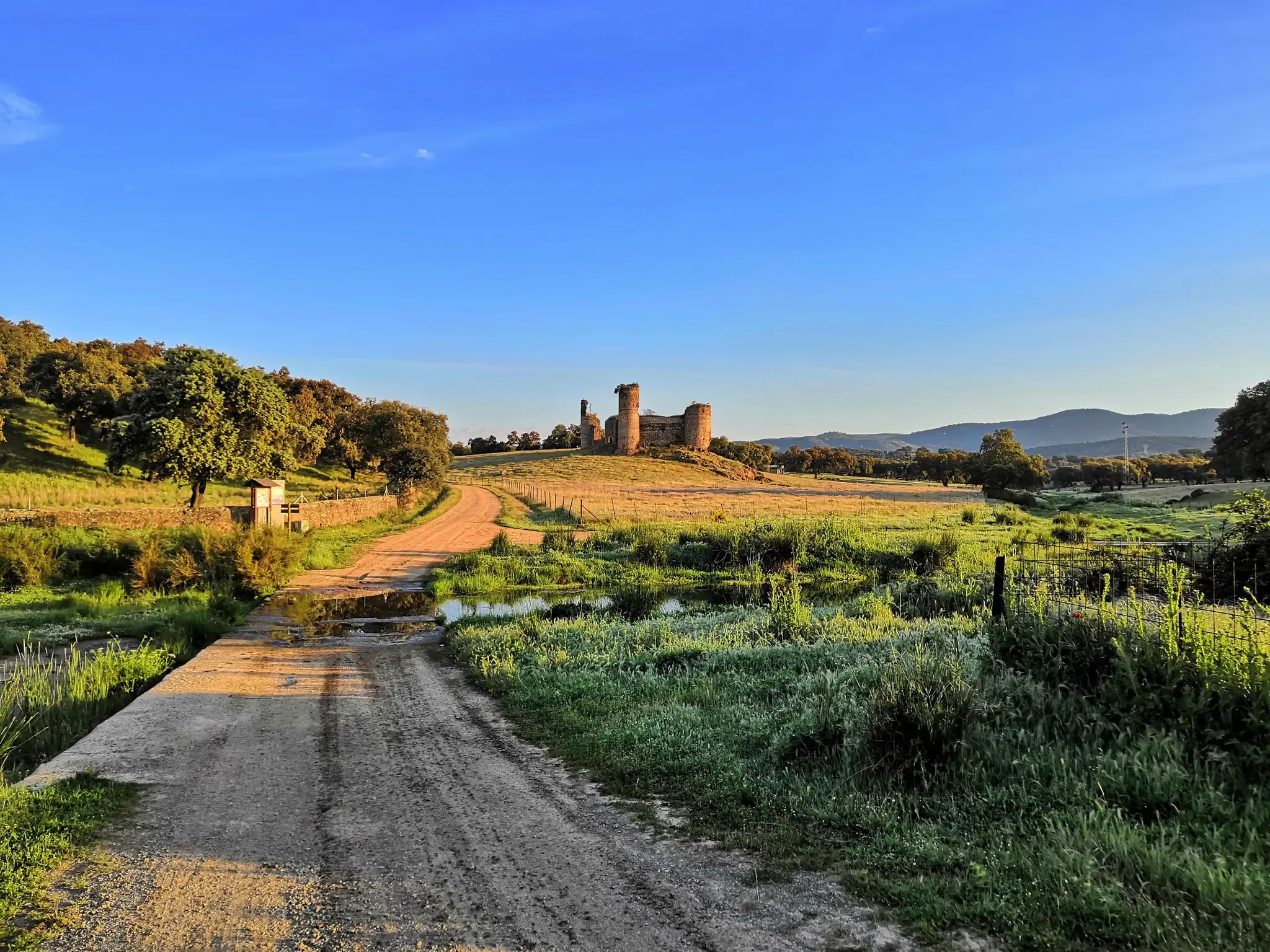
A romantic journey in the footsteps of the Romans – Via de la Plata
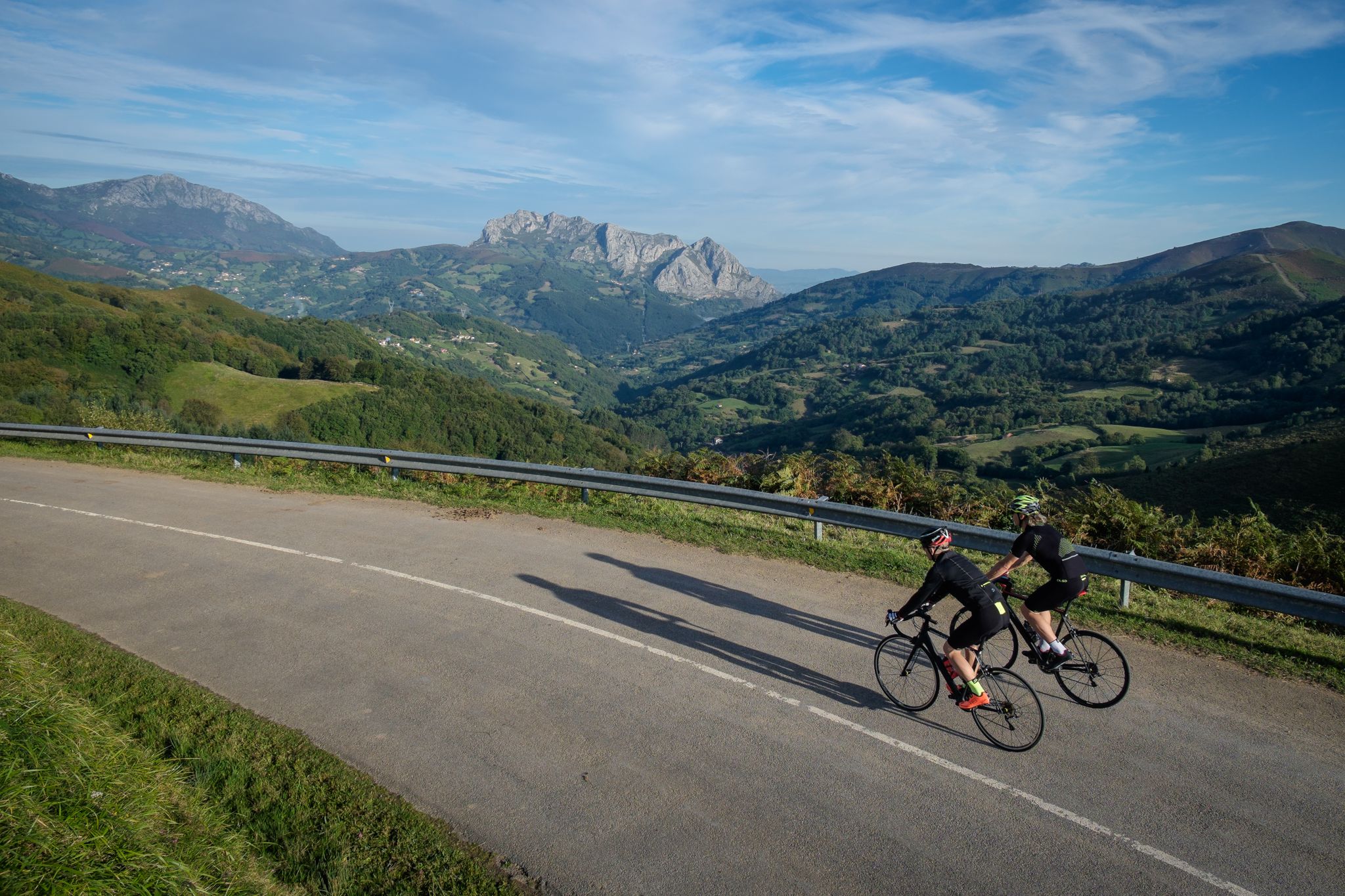
Explore Spain’s monuments and landscapes – cycle the Via de la Plata
Other adventures in Zamora


Tips from the Community

This hill is called El Cueto and is located in the municipality of Casaseca de Campeán. It is the highest point in the area and therefore houses several antennas.
0
0

The summit of Galicia, with very good 360º views
0
0

If you have the chance, explore these trails and discover the natural beauty and history that are intertwined in the Lubián region.
2
1

A beautiful hiking route along the crest of the Sierra de Carpurias. Panoramic views of the surrounding valleys. The road reaches a small wild rock settlement, called the robbers' fort, at an altitude of 1,000 meters above sea level.
2
0
Beautiful gravel path that skirts the ridge until reaching the highest point of the Teso Santo, where the communication antennas are located. The trail continues following the wind farms.
1
0
Spectacular view from the top. Reaching 1,240 meters above sea level, on a clear day you can have a panoramic view of the surrounding landscape.
1
0

It's a steep hill to get here so you may have to push your bike, but the views are nice. Furthermore, it is the site of the ruins of a fortified settlement from the time of the Celts.
0
0
Ruins of a fortified settlement from the time of the Celts who fought the Romans when they arrived in this area of the Iberian Peninsula. The Castro de las Labradas is located on a steep hill and you will have to bike uphill or push.
2
0
Frequently Asked Questions
What are some of the highest mountain peaks in Zamora?
Zamora is home to several impressive high peaks. The highest is Peña Trevinca Summit, reaching 2,127 meters, which is also the highest point in Galicia. Another significant peak is Vizcodillo, at 2,122 meters, known for its rounded ascent and picturesque glacial lakes.
Which mountain ranges in Zamora are best for wildlife watching?
The Sierra de la Culebra is renowned for its exceptional wildlife. It hosts the largest population of Iberian wolves in Spain, along with significant populations of Iberian deer, wild boars, and various birds of prey. The deer rutting season in mid-September is a particularly spectacular time to visit.
Are there any family-friendly mountain areas or trails in Zamora?
While many peaks offer challenging routes, areas like the Sanabria Lake Natural Park, which includes Laguna de los Peces, provide more accessible options. The View of the Vega of the Eria and Órbigo Rivers from Las Suertas is also noted as family-friendly, offering beautiful views over fertile plains.
What kind of natural features can I expect to see in Zamora's mountains?
Zamora's mountains boast diverse natural features. You'll find sub-alpine landscapes, glacial lakes like O Celo and Lagoa da Serpe near Peña Trevinca, and the extensive Laguna de los Peces. The region also features wooded slopes, slate and quartzite outcrops, and rich biodiversity including ancient forests of oak, birch, and chestnut.
What is the best time of year to hike in the mountains of Zamora?
The best time to hike depends on your preference. During winter, high peaks like Peña Trevinca are often snow-capped, offering opportunities for snowshoeing and winter sports. Autumn is ideal for vibrant foliage and mushroom foraging, especially in areas like the Sierra de la Culebra. Spring and summer provide pleasant conditions for hiking and exploring the glacial lakes.
Are there any historical or cultural sites located within Zamora's mountain regions?
Yes, the region offers glimpses into its history. For instance, the Peña Beneita Petroglyphs provide a connection to ancient times. Additionally, exploring trails around Cruz da Portela in the Lubián region reveals the natural beauty intertwined with local history.
What types of outdoor activities are available near Zamora's mountain peaks?
Beyond hiking, Zamora's mountain regions offer a variety of outdoor activities. You can find numerous routes for mountain biking and road cycling. For example, explore MTB Trails in Zamora or challenging Road Cycling Routes in Zamora that traverse diverse landscapes, including the Laguna de los Peces and Lake Sanabria Circuit.
Where can I find easy hiking trails in the Zamora mountains?
For easier hikes, consider exploring the trails listed in the Easy hikes in Zamora guide. These include routes like the Ribera de los Molinos Trail or the Mirador de las Escaleras Trail, which offer enjoyable experiences without extreme difficulty.
Which mountain peaks offer the best panoramic views in Zamora?
For breathtaking panoramic views, Peña Trevinca Summit provides 360-degree vistas. Peña Mira Summit also offers magnificent views of the surrounding landscape, including towns and the Sanabria Lake area on clear days.
Are there any unique geological formations or landmarks to see?
Yes, the region features interesting geological formations. The Sierra de la Culebra, for instance, is characterized by its soft, rolling relief resembling a snake, and is composed of slate and quartzite outcrops. The area around Wind Turbines on Teso Santo also presents a unique landscape with its ridge and communication antennas.
Can I go stargazing in Zamora's mountain areas?
Vizcodillo, as the second-highest peak in Zamora, is an excellent spot for stargazing. Its elevation and clear skies make it particularly ideal for observing celestial events like the Perseids meteor shower, offering a truly memorable experience.
What is the Ridge of the Sierra de Carpurias known for?
The Ridge of the Sierra de Carpurias offers a scenic trail and viewpoint, providing opportunities to experience the natural beauty of the region. It's a great spot for intermediate hikers looking for picturesque landscapes.
Most popular routes in Zamora
Most popular attractions in Zamora

Get inspired with the komoot mobile app


Didn’t find what you were looking for?
Discover Zamora’s best peaks and summits by region:
Explore more
See even more amazing summits in Zamora with these guides:
