The best road cycling routes in Zamora
4.5
(50)
3,201
riders
324
rides
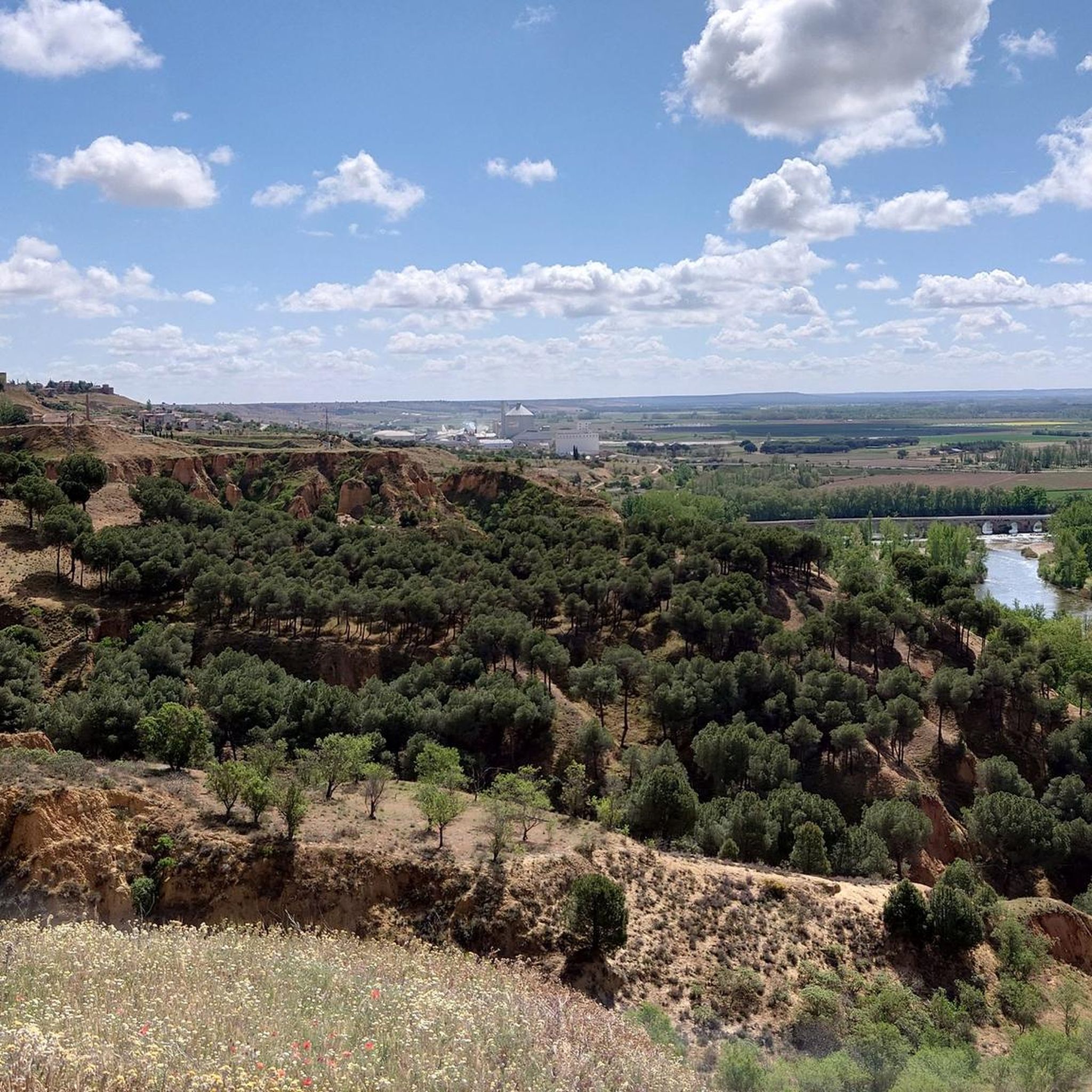
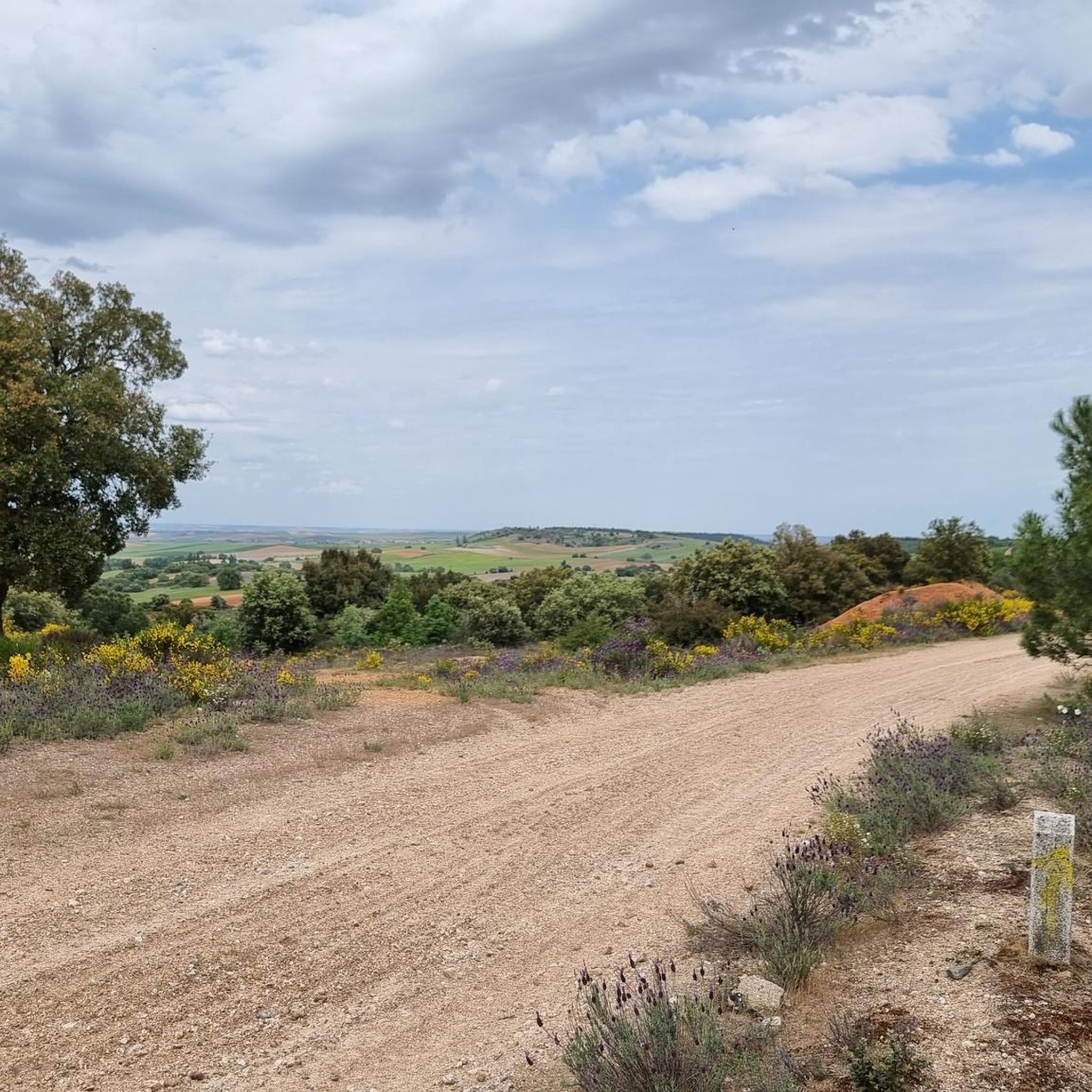
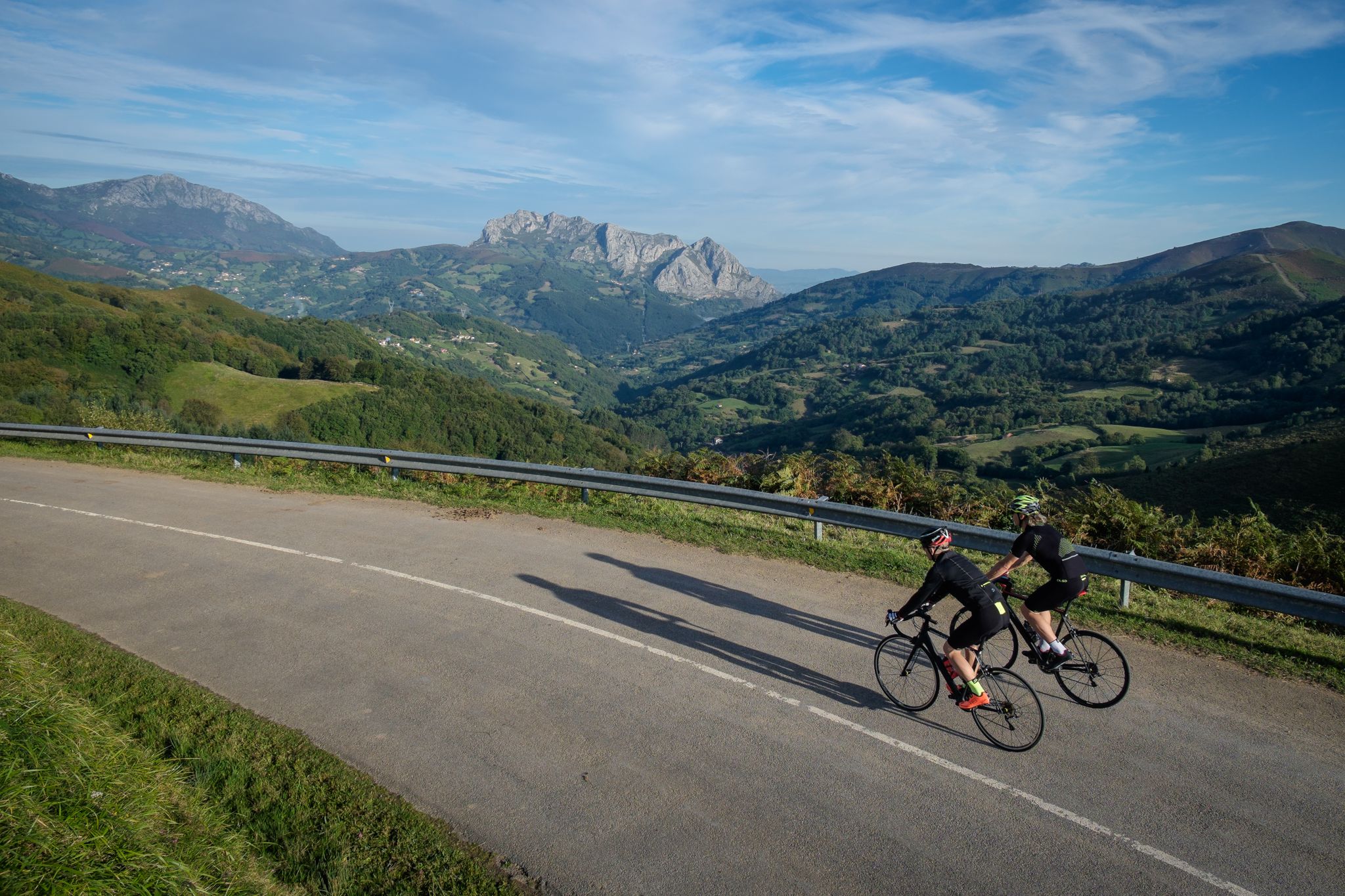
Road cycling in Zamora presents diverse landscapes, ranging from the glacial origins of Lake Sanabria to the deep canyons carved by the Duero River. The region features a mix of rolling hills, river valleys, and agricultural lands, providing varied terrain for cyclists. Zamora's topography includes significant elevation changes in its natural parks and more moderate routes along its river basins. This combination offers a range of challenges and scenic backdrops for road cyclists.
Best road cycling routes in Zamora
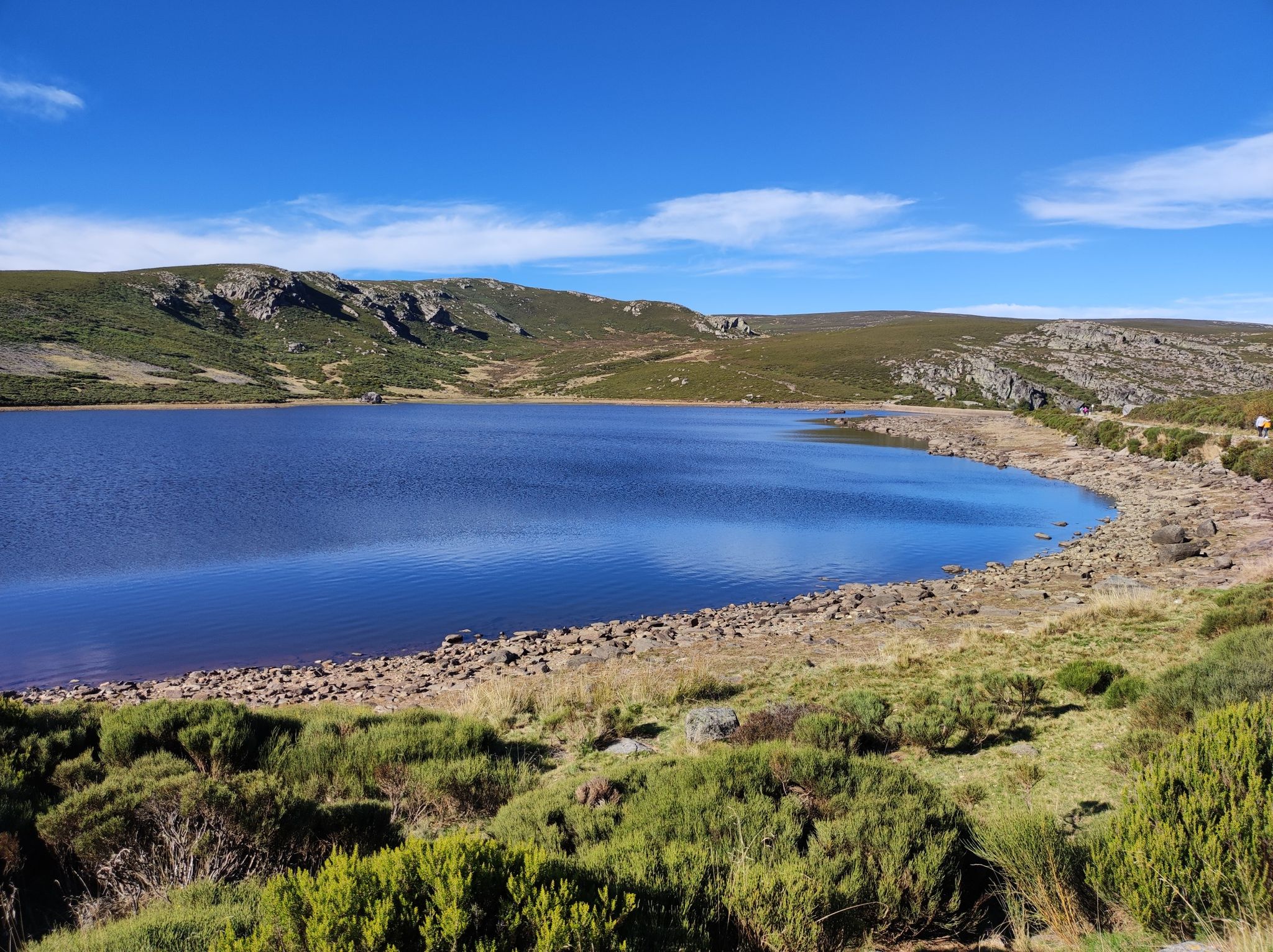
- The most popular road cycling route is Laguna de los Peces and Lake Sanabria Circuit, a 31.5 miles (50.7 km) trail that takes 2 hours 47 minutes to complete. This difficult route offers views of glacial landscapes and Lake Sanabria.
- Another top favourite among local road cyclists is Zamora and Ricobayo Dam Loop, a moderate 38.0 miles (61.2 km) path. This route provides a loop from Zamora with views of the Ricobayo Dam.
- Local road cyclists also love the Palacios de Sanabria – tour around Eriá river and Truchas – Alto Peñón, a 66.1 miles (106.4 km) trail leading through river valleys with significant elevation gain, often completed in about 5 hours 13 minutes.
- Road cycling in Zamora is defined by glacial lakes, deep river canyons, and rolling hills. The network offers options for various ability levels, from moderate river loops to difficult climbs in natural parks.
- The routes in Zamora are highly rated by the komoot community with an average score of 4.4 stars from more than 40 reviews. More than 2,600 road cyclists have used komoot to explore Zamora's varied terrain.
Last updated: May 26, 2026
116
riders
50.7km
02:47
990m
1,000m
Hard road ride. Very good fitness required. Mostly well-paved surfaces and easy to ride.
5.0
(1)
34
riders
61.2km
02:55
650m
650m
Moderate road ride. Good fitness required. Mostly well-paved surfaces and easy to ride.

Sign up for free
21
riders
106km
05:13
1,540m
1,540m
Hard road ride. Very good fitness required. Mostly well-paved surfaces and easy to ride.
18
riders
77.4km
03:12
510m
510m
Moderate road ride. Good fitness required. Mostly well-paved surfaces and easy to ride.
17
riders
70.1km
02:53
340m
340m
Moderate road ride. Good fitness required. Mostly well-paved surfaces and easy to ride.
16
riders
99.9km
04:16
660m
660m
Moderate road ride. Good fitness required. Mostly well-paved surfaces and easy to ride.
14
riders
72.9km
03:13
660m
660m
Moderate road ride. Good fitness required. Mostly well-paved surfaces and easy to ride.
5.0
(1)
14
riders
68.5km
02:51
350m
350m
Moderate road ride. Good fitness required. Mostly well-paved surfaces and easy to ride.
13
riders
58.9km
02:34
440m
440m
Moderate road ride. Good fitness required. Mostly well-paved surfaces and easy to ride.
9
riders
79.0km
03:55
1,220m
1,220m
Hard road ride. Very good fitness required. You may need to push your bike for some segments of this route.
Get access to more routes and recommendations from other explorers.
Sign up for free
Already have an account?
Our route recommendations are based on thousands of hikes, rides, and runs completed by other people on komoot.
Start today with a free account
Your next adventure awaits.
Login or Signup
Popular around Zamora
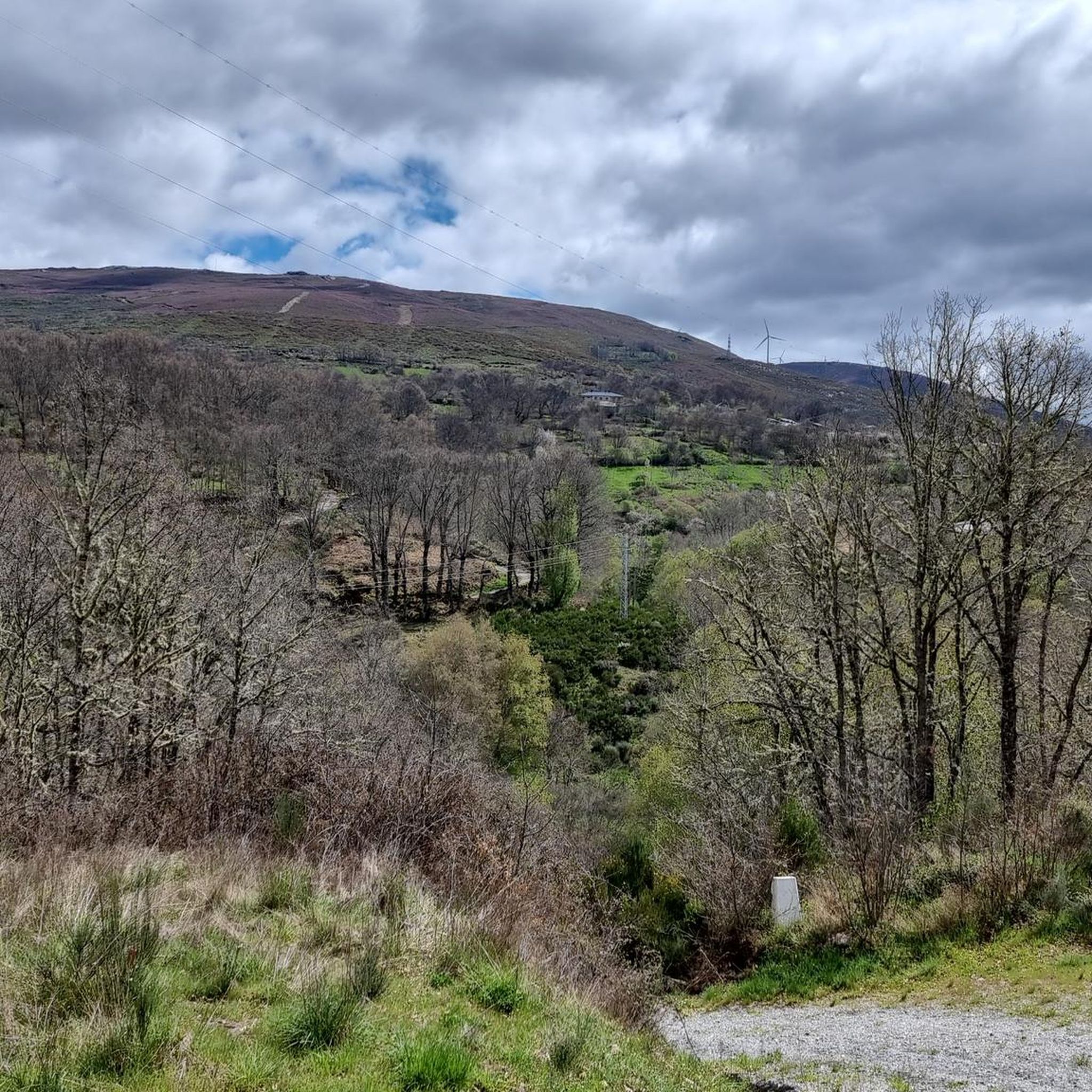
Road Cycling Routes around Sanabria
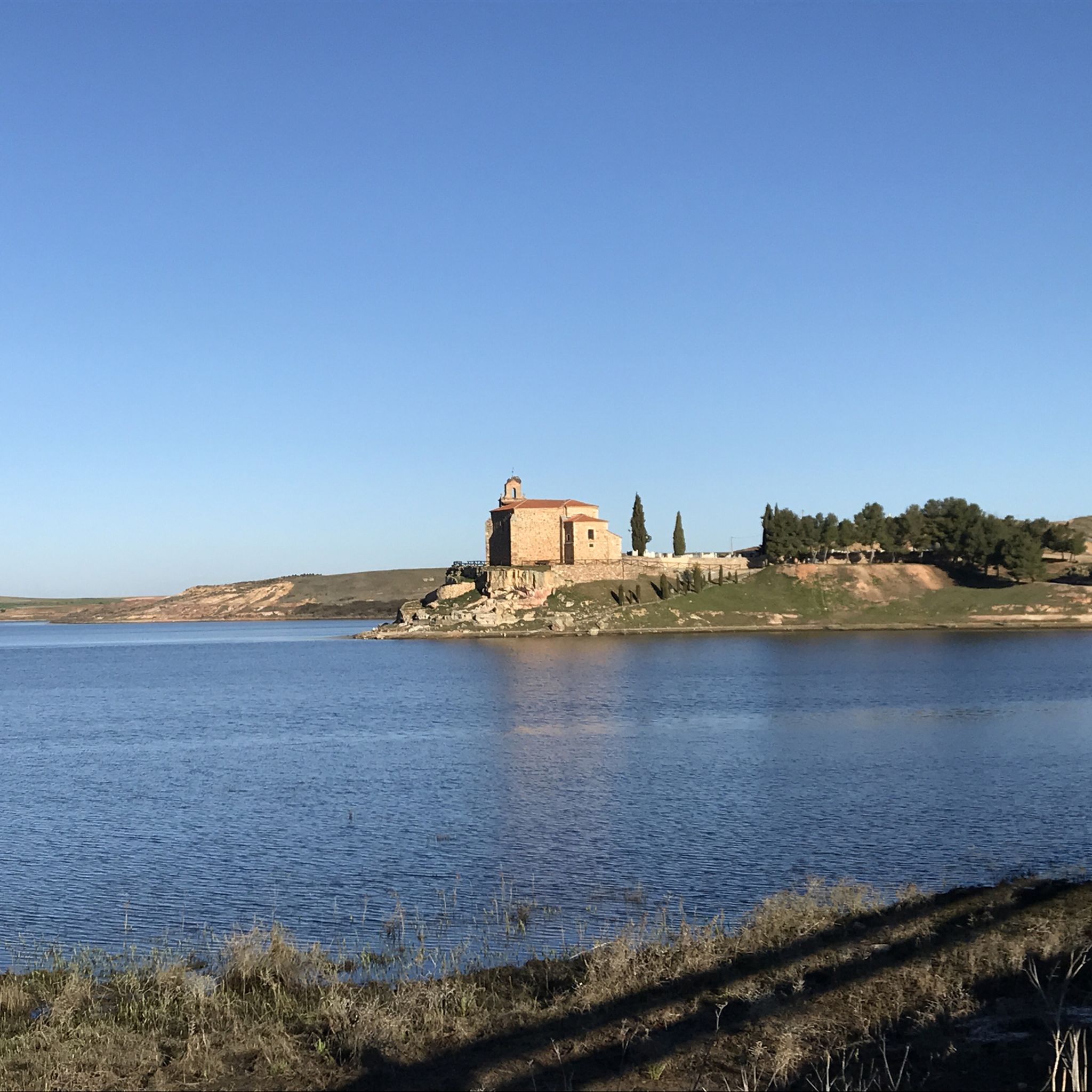
Road Cycling Routes around Campos-Pan
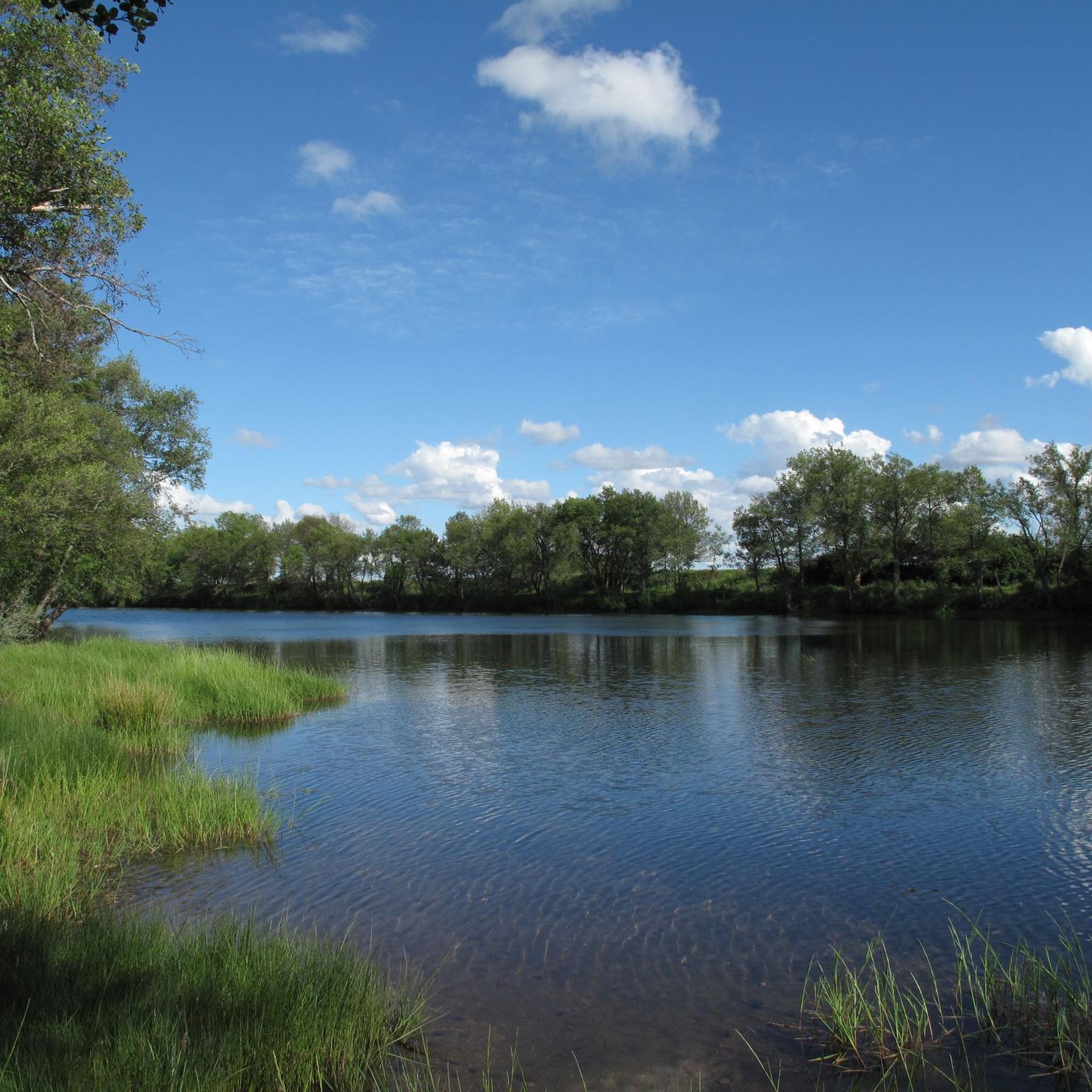
Road Cycling Routes around Benavente Y Los Valles
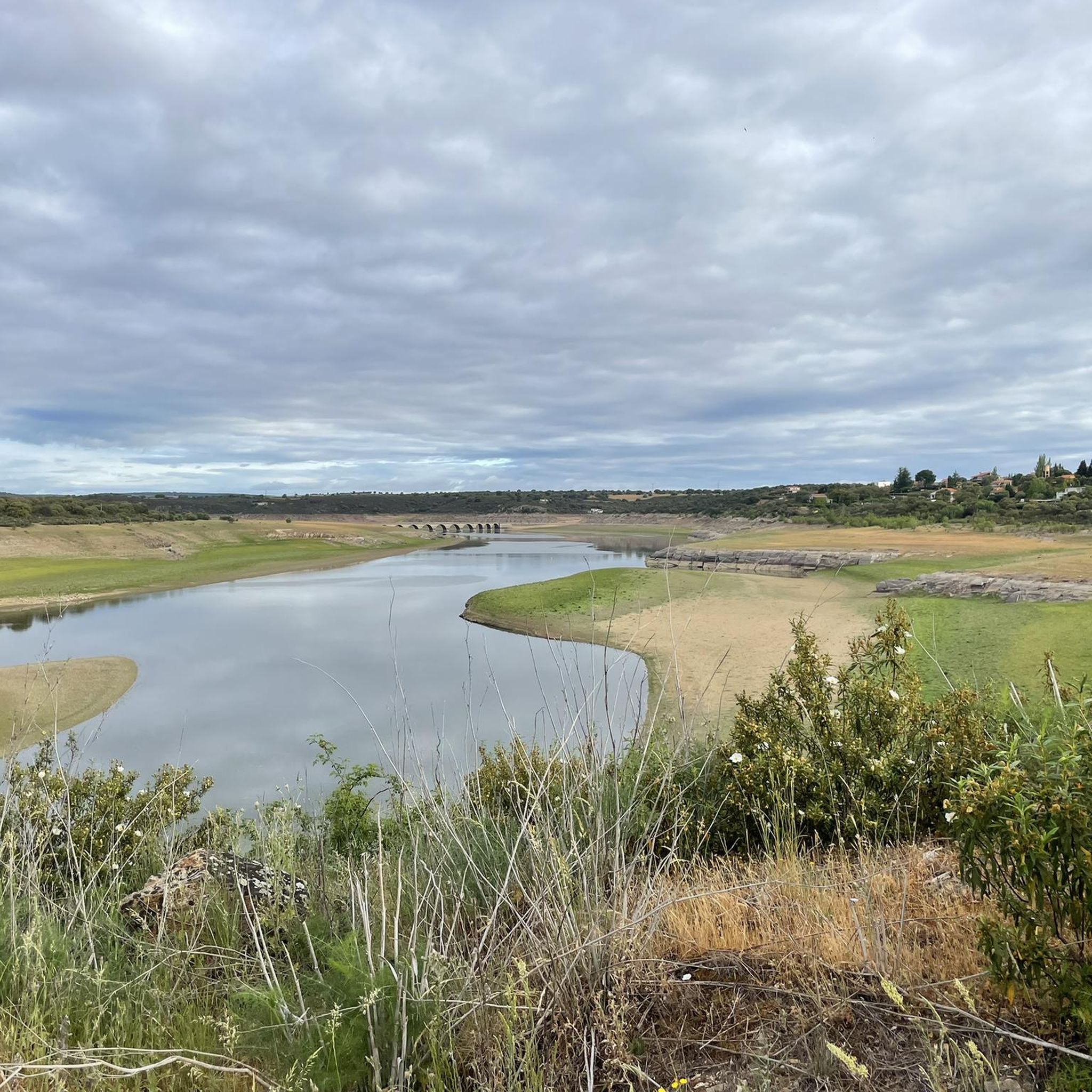
Road Cycling Routes around Aliste
Road Cycling Routes around Duero Bajo
Road Cycling Routes around Sayago
Explore Spain’s monuments and landscapes – cycle the Via de la Plata
Glacial lagoons and eternal mountains – Montaña de Sanabria (GR 84)
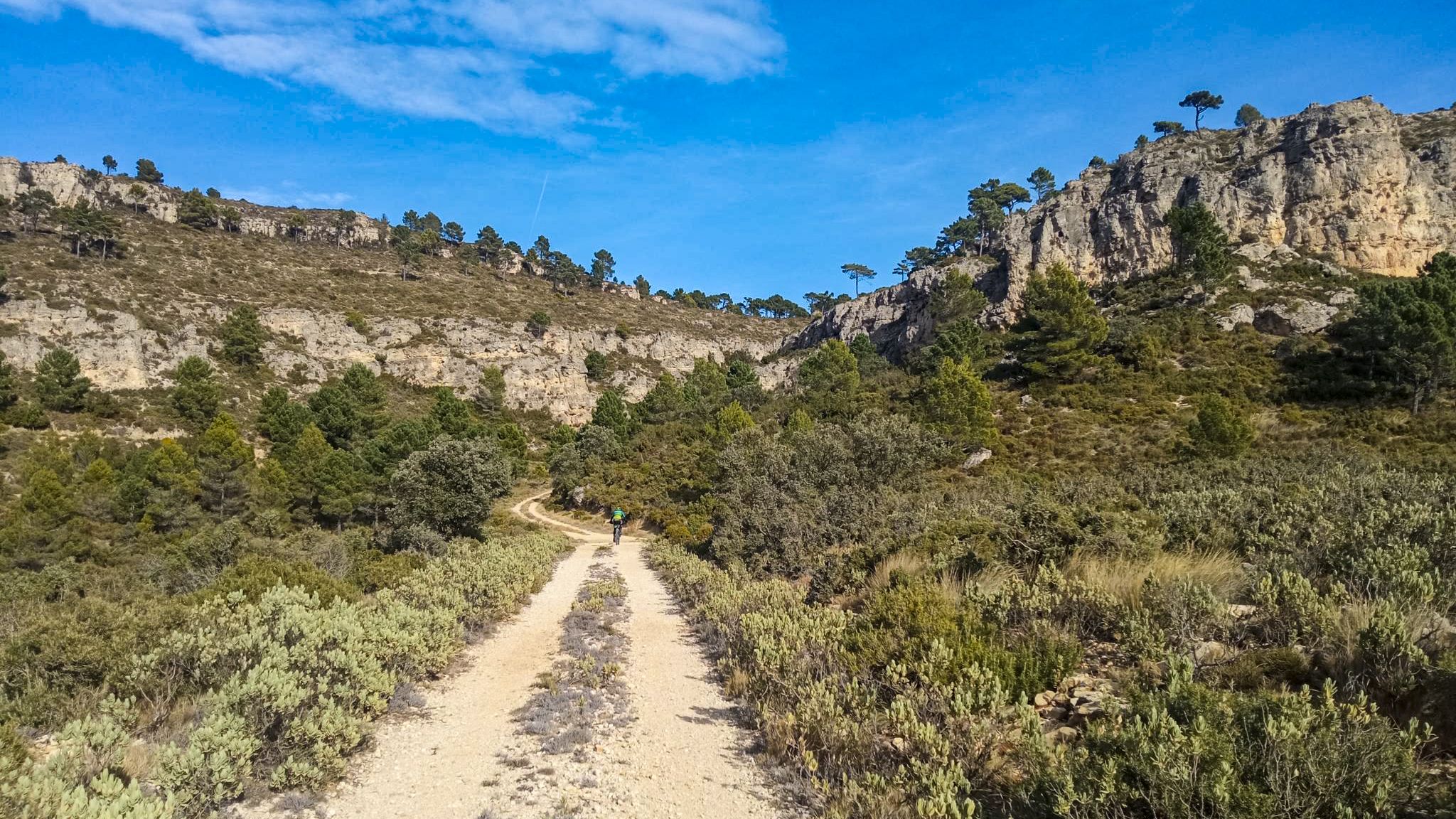
10 gravel routes to discover hidden gems in Spain
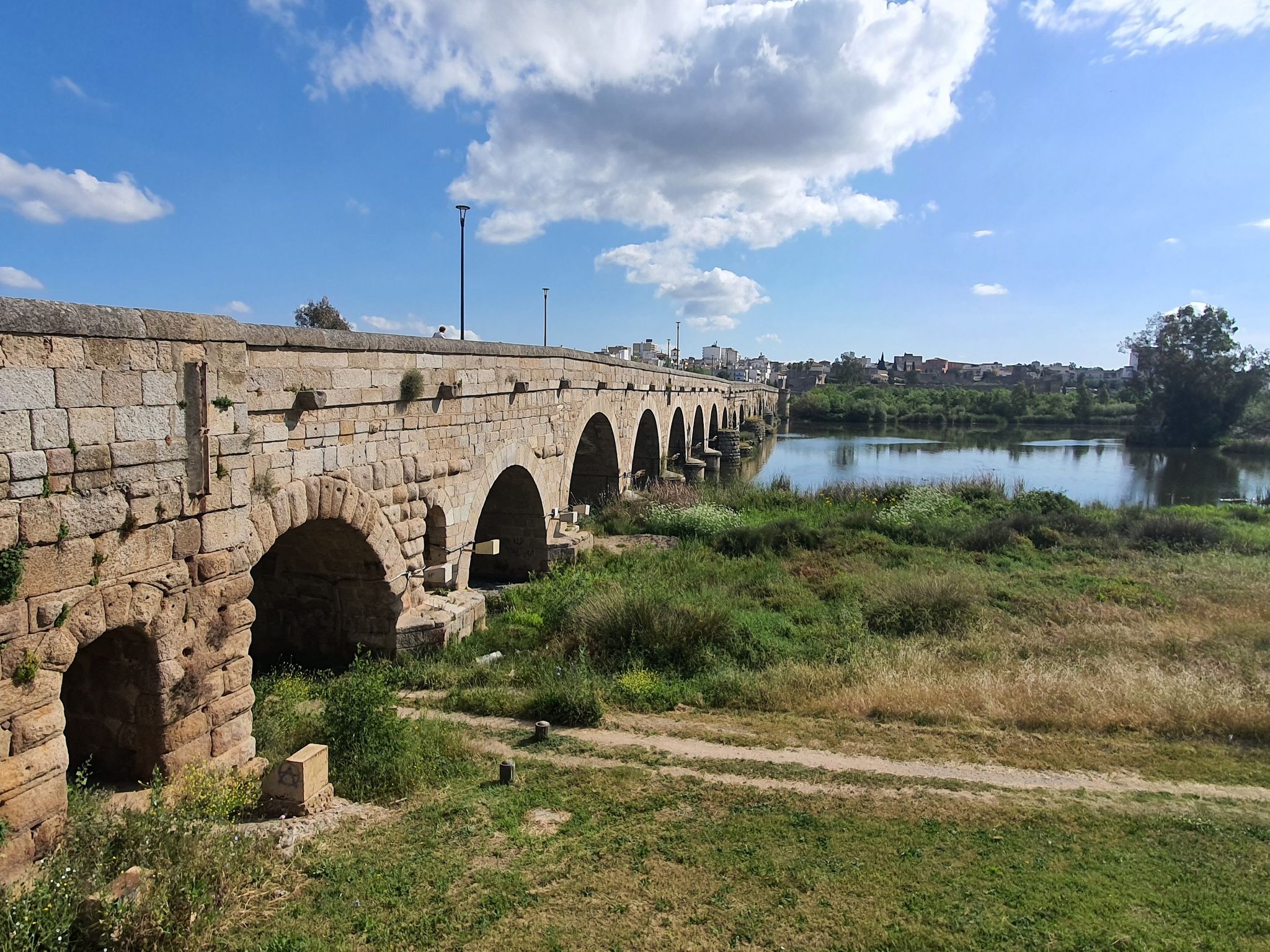
Gijón to Sevilla in Spain – Vía de la Plata (GR 100)
Other adventures in Zamora


Tips from the Community

What to see and do Viewpoints: There are scenic viewpoints along the road and in the surrounding area offering views of the dam and reservoir. Ricobayo Reservoir: Ideal for water sports, fishing, and hiking. Natural surroundings: Very close to the Arribes del Duero Natural Park, with its spectacular landscapes.
2
0
The Ricobayo Dam is located on the Esla River, in the province of Zamora (Castilla y León), and is part of the Iberdrola hydroelectric system. Completed in 1934, it was one of the major hydraulic engineering projects of the 20th century in Spain.
2
0
The Alcázar of Toro is a historic fortification located in the town of Toro (Zamora, Castile and León), with great heritage and scenic value. It was built in the 10th century during the Christian repopulation, as part of the defensive system against Muslim incursions. It was reinforced in subsequent centuries, especially in the Middle Ages, when Toro acquired strategic importance in the Kingdom of León and later in Castile. It played a prominent role in the War of the Castilian Succession (1475), in the famous Battle of Toro between supporters of Isabella I of Castile and Joanna la Beltraneja.
2
0
It spans the Duero River in Zamora (Castilla y León), connecting Avenida de Portugal (Pinilla neighborhood) with Calle de Salamanca in the city. The project began in 1882, with construction starting in 1892, under the direction of engineer Prudencio Guadalajara, to alleviate the overloading of the old Stone Bridge. Inaugurated in 1900, it represented a significant improvement in handling the growing traffic in the city. It was designed in steel, using a metal lattice structure of the St. Andrew's Cross type, typical of the late 19th century.
3
0

Rio de Onor is not just a beautiful village; it's a "living museum" of a way of life that has almost disappeared in Europe. It's worth visiting because it is possibly the village with the most fascinating social history in Portugal. Here are the 4 main reasons to go there: 1. It's a Community Village ("Communitarianism") This is Rio de Onor's great trademark. For centuries, the village lived under a system of total sharing among neighbors, something very rare: Sharing of Goods: The bread oven, the watermill, and even the village bull belonged to everyone. The "Rod of Justice": Decisions and fines for infractions in the village were marked on a wooden rod, managed by the "judge" elected by the people. You can see this history explained at the Casa do Touro (House of the Bull), a small, unmissable museum in the village. 2. One Village, Two Countries Rio de Onor is a village bisected by the international border. On this side is Rio de Onor (Portugal); on the other side is Rihonor de Castilla (Spain). For the inhabitants, the border never really existed: they share land, livestock, and even speak their own dialect (Rionorês), an ancient mixture of Portuguese and Castilian. It's very curious to cross from one country to the other on foot in the middle of the main street. 3. The Schist Landscape and Nature Located in the Montesinho Natural Park, the village is visually stunning. The houses are made of dark schist with wooden balconies, typical of Trás-os-Montes, and are very well preserved. The Onor River, which crosses the village, has clear waters and creates a very pleasant natural river beach in the summer, perfect for picnics. 4. The "Roman" Bridge The old stone bridge (which is actually from the 19th century, despite its popular name) is the village's postcard image. The reflection of the arches in the water with the schist houses in the background creates one of the most photogenic landscapes in Northern Portugal. Visiting Rio de Onor is like stepping back in time and understanding how communities survived in isolation in the mountains, supporting each other. It's a lesson in life and history in an incredible natural setting.
2
0

Rio de Onor is a sleepy little village right on the Portugal/Spain border. The drive through it is a challenging one and absolutely not recommended for larger campervans.
3
1
Zamora Castle is a historic fortification located in the city of Zamora, in Castile and León. Built in the 11th century, the castle has witnessed numerous historical events and has undergone several modifications over the centuries. It has a rhomboidal plan and is surrounded by a deep moat. Its thick walls and the keep, which is the highest and served as the last defensive redoubt, stand out. The castle is a fascinating place to explore history and enjoy panoramic views of the city.
1
0

Rio de Onor is one of the most emblematic villages in Bragança and the Montesinho Natural Park, and was elected the 7th Wonder of Portugal in 2017 – a village in a protected area. Crossing the border with Spain, on one side is Rio de Onor, and on the other, Rihonor de Castilla, which is why it is said to be “one village, two countries”!
5
0
Frequently Asked Questions
How many road cycling routes are available in Zamora?
Zamora offers a wide selection of road cycling routes, with over 290 tours available. These routes cater to various skill levels, from easy rides to challenging climbs.
Are there road cycling routes suitable for beginners in Zamora?
Yes, Zamora has approximately 44 easy road cycling routes perfect for beginners or those looking for a relaxed ride. These routes often feature gentler terrain, such as those found along the Duero River valleys.
What kind of landscapes can I expect to see while road cycling in Zamora?
Road cycling in Zamora offers incredibly diverse landscapes. You can experience the glacial beauty of the Lago de Sanabria Natural Park, dramatic canyons carved by the Duero River in the Arribes del Duero Natural Park, rolling hills, and picturesque agricultural lands, including vineyards around areas like Toro.
Are there road cycling routes that pass by historical sites or towns?
Absolutely. Many routes in Zamora integrate historical sites. For instance, the Zamora and Peñausende Castles Loop takes you past historic fortifications. You can also cycle through charming towns like Toro, known for its Romanesque collegiate church, or Puebla de Sanabria with its castle, often found on routes like the Zamora and Toro Loop.
Which routes offer views of the Duero River?
The Duero River is a central feature for many scenic routes. The Zamora - Toro Duero River Loop is an excellent choice, providing moderate terrain and historical views along its banks. The Arribes del Duero Natural Park also features dramatic views of the river's canyons.
Are there routes around Lake Sanabria Natural Park?
Yes, the Lago de Sanabria Natural Park is a prime destination for road cyclists. The Laguna de los Peces and Lake Sanabria Circuit is a popular, challenging route offering stunning views of the largest glacial lake on the Iberian Peninsula and its surrounding forests.
What are some notable viewpoints along road cycling routes in Zamora?
Zamora boasts several breathtaking viewpoints. In the Arribes del Duero Natural Park, you can find the Mirador de las Barrancas in Fariza and the Mirador de las Escaleras in Fermoselle, offering panoramic views of the Duero River canyons and vineyards. Routes around Lake Sanabria also provide spectacular vistas over the glacial lake.
What is the best time of year for road cycling in Zamora?
Spring and autumn are generally considered the best times for road cycling in Zamora. The weather is milder, and the landscapes are particularly vibrant, with blooming flora in spring and rich colors in autumn. Summer can be hot, especially in the central plains, while winter can bring colder temperatures and occasional snow in higher elevations like the Sierra de la Culebra.
Are there any long-distance road cycling routes in Zamora?
For those seeking longer rides, Zamora offers several options. The historic Vía de la Plata (Silver Route) passes through the province, providing extensive stretches for cycling. Additionally, routes like the Palacios de Sanabria – tour around Eriá river and Truchas – Alto Peñón extend over 100 km, offering significant distances and elevation gains.
What do other cyclists say about road cycling in Zamora?
The road cycling routes in Zamora are highly rated by the komoot community, with an average score of 4.4 stars from over 40 reviews. Cyclists frequently praise the region's diverse terrain, from challenging climbs in natural parks to scenic river loops, and the opportunity to combine natural beauty with historical exploration.
Are there road cycling routes that include reservoirs or dams?
Yes, several routes incorporate these impressive man-made features. The Zamora and Ricobayo Dam Loop offers views of the Ricobayo Dam. Another option is the Valparaíso and Cernadilla Reservoirs Loop, which provides scenic rides around these water bodies.
Can I find routes that explore the Arribes del Duero Natural Park?
The Arribes del Duero Natural Park, with its dramatic granite canyons carved by the Duero River, offers unique road cycling experiences. While specific named routes within the park are not detailed here, the region's roads provide access to stunning viewpoints like the Mirador de las Barrancas and the traditional village of Fermoselle, making for memorable rides.
Are there any waterfalls accessible from road cycling routes in Zamora?
Yes, Zamora's natural landscapes include beautiful waterfalls. While cycling, you might find routes that lead near or offer views of natural monuments like the Sotillo Waterfall or the Abelón Waterfall, especially in areas rich in natural features such as the Lago de Sanabria Natural Park.
Most popular routes in Zamora
Most popular attractions in Zamora

Get inspired with the komoot mobile app


Didn’t find what you were looking for?
Check out more Road cycling routes throughout Zamora below and find the perfect route in your destination.
Explore more
Browse the best Road cycling routes in other regions.
