Top 20 Natural Monuments in Northumberland
Best natural monuments in Northumberland offer diverse landscapes from dramatic coastlines to expansive hills and unique geological formations. The region features the Northumberland National Park, which encompasses many natural wonders, including the Cheviot Hills and sections of Hadrian's Wall. These sites provide opportunities for hiking, wildlife observation, and stargazing. Northumberland's natural environment combines natural beauty with historical significance.
Best natural monuments in Northumberland
- The most popular natural monument is Simonside Summit, a natural monument that is a 429m summit…
Last updated: August 6, 2026
Simonside Summit
Highlight • Natural Monument
Tip by

The Cheviot Summit
Highlight • Volcano
Tip by

Sign up now to discover places like this
Get recommendations on the best single tracks, peaks, & plenty of other exciting outdoor places.
Sign up for free
Cairn Hill
Highlight • Viewpoint
Tip by
Sycamore Gap (Robin Hood Tree)
Highlight • Natural Monument
Tip by

Steel Rigg and Hadrian's Wall
Highlight • Historical Site
Showing Translation
Tip by

Ros Castle Hill Fort
Highlight • Viewpoint
Tip by

Holy Island (Lindisfarne)
Highlight • Historical Site
Tip by

Simonside Crag
Highlight • Climb
Tip by

Hareshaw Linn Waterfall
Highlight • Waterfall
Tip by

Low Newton Beach
Highlight • Beach
Tip by
Sign up for free to discover even more natural monuments in Northumberland.
Sign up for free
Already have an account?
Start today with a free account
Your next adventure awaits.
Login or Signup
Popular around Northumberland
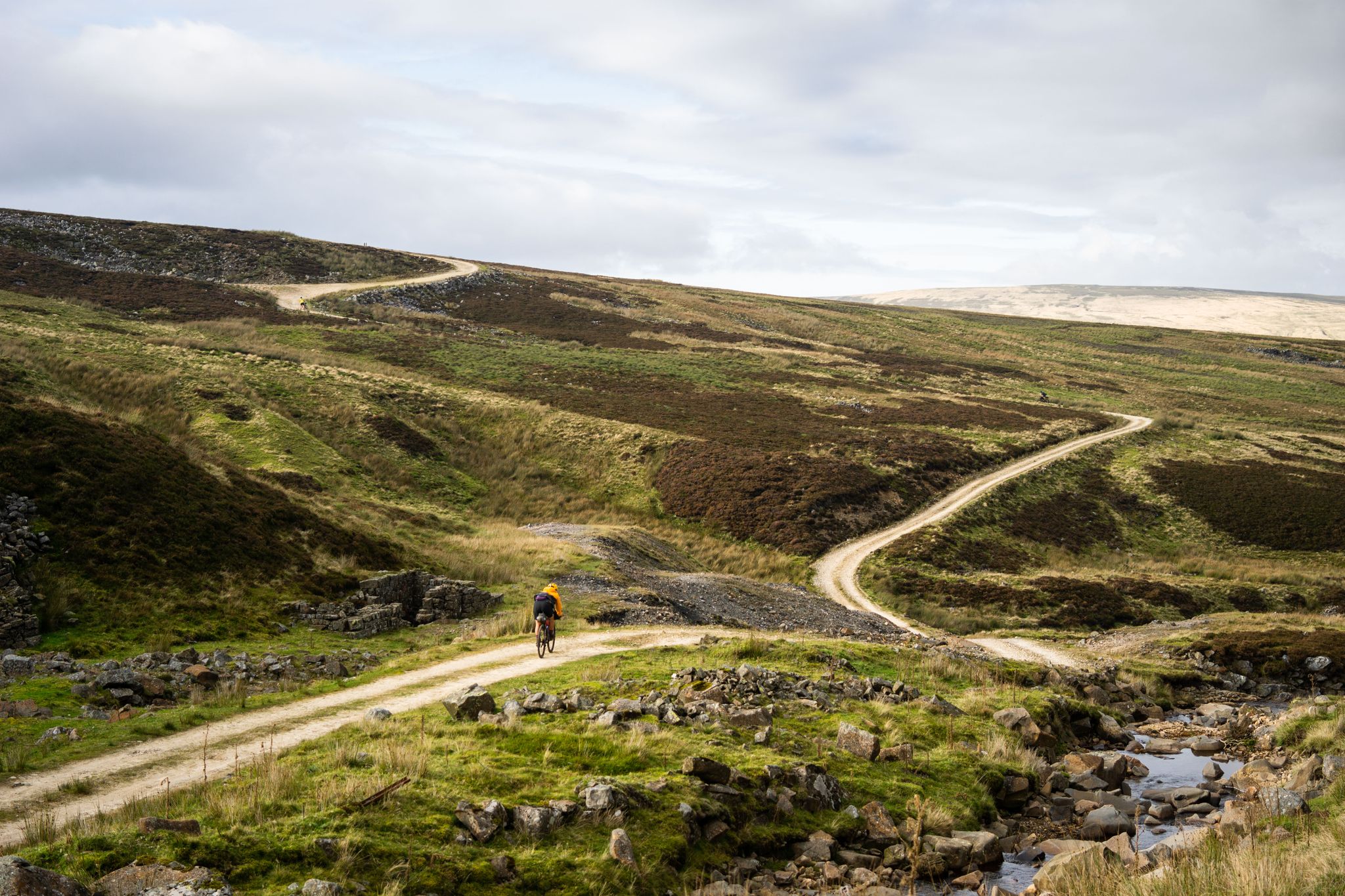
Second City Divide — Rough Stuff Of The North
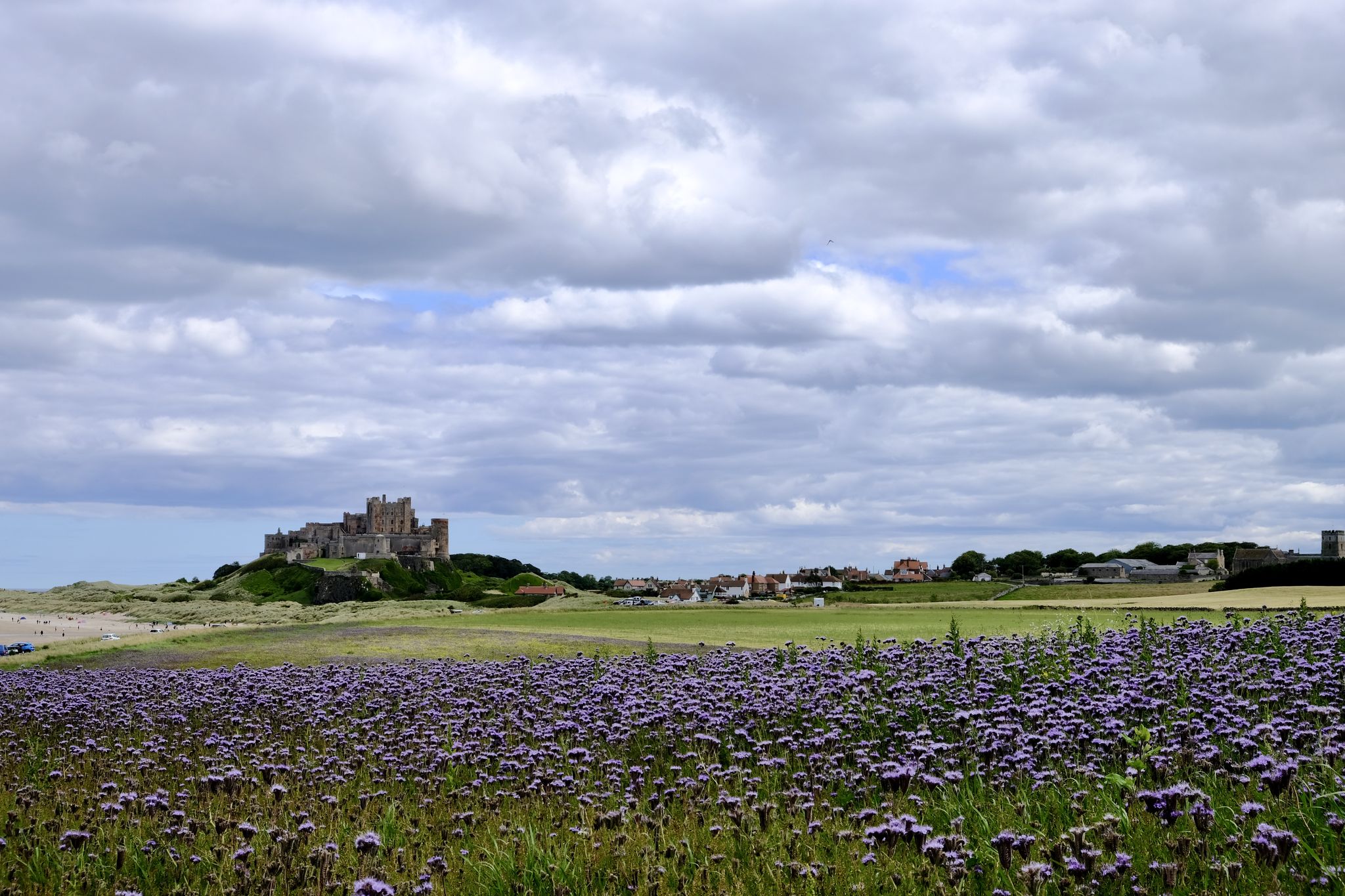
Hike the Northumberland Coast Path – Castles and coastlines

Northumberland National Park – A Walk in the Parks
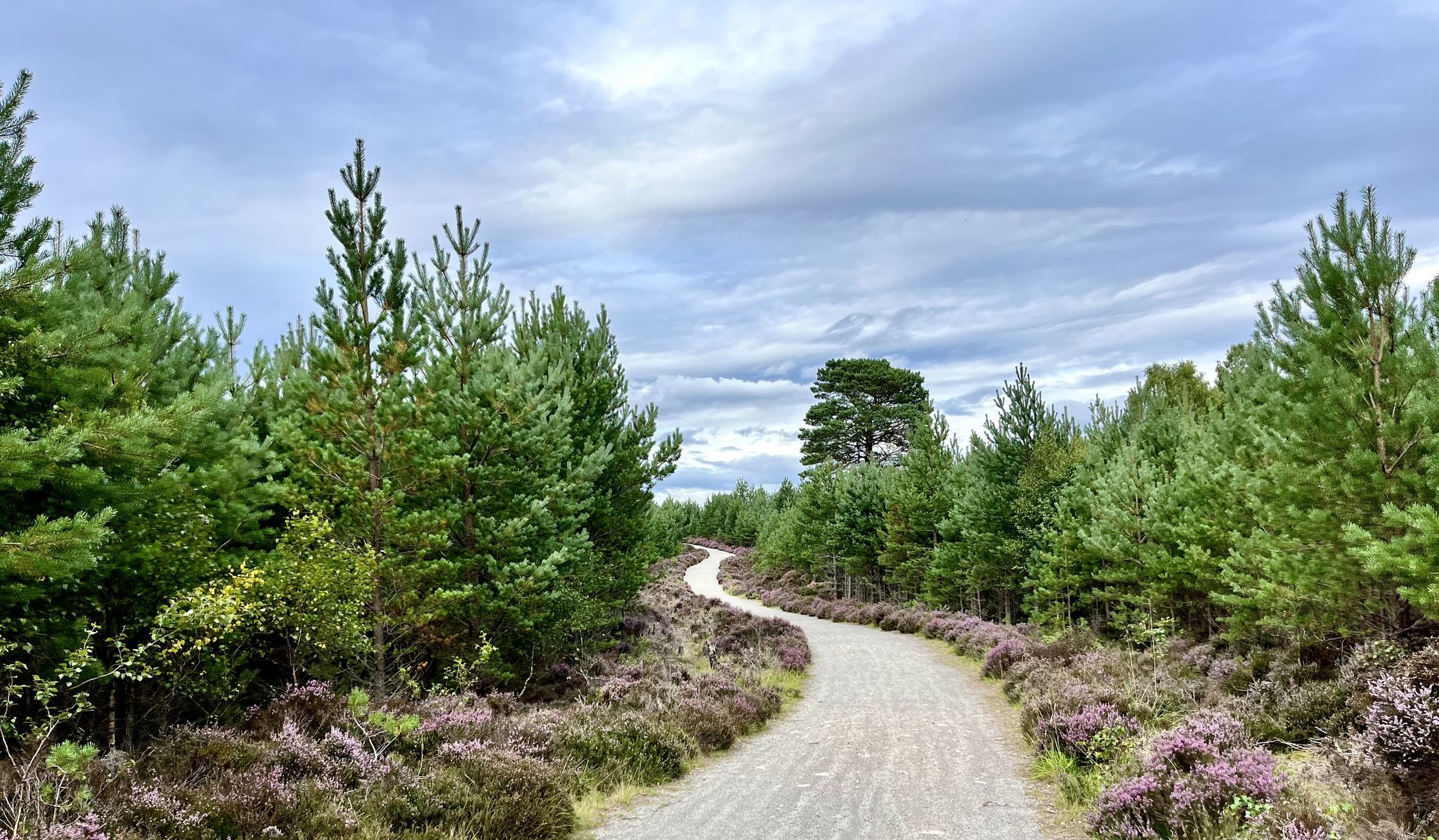
National Cycle Network Route 7 – Sunderland to Inverness
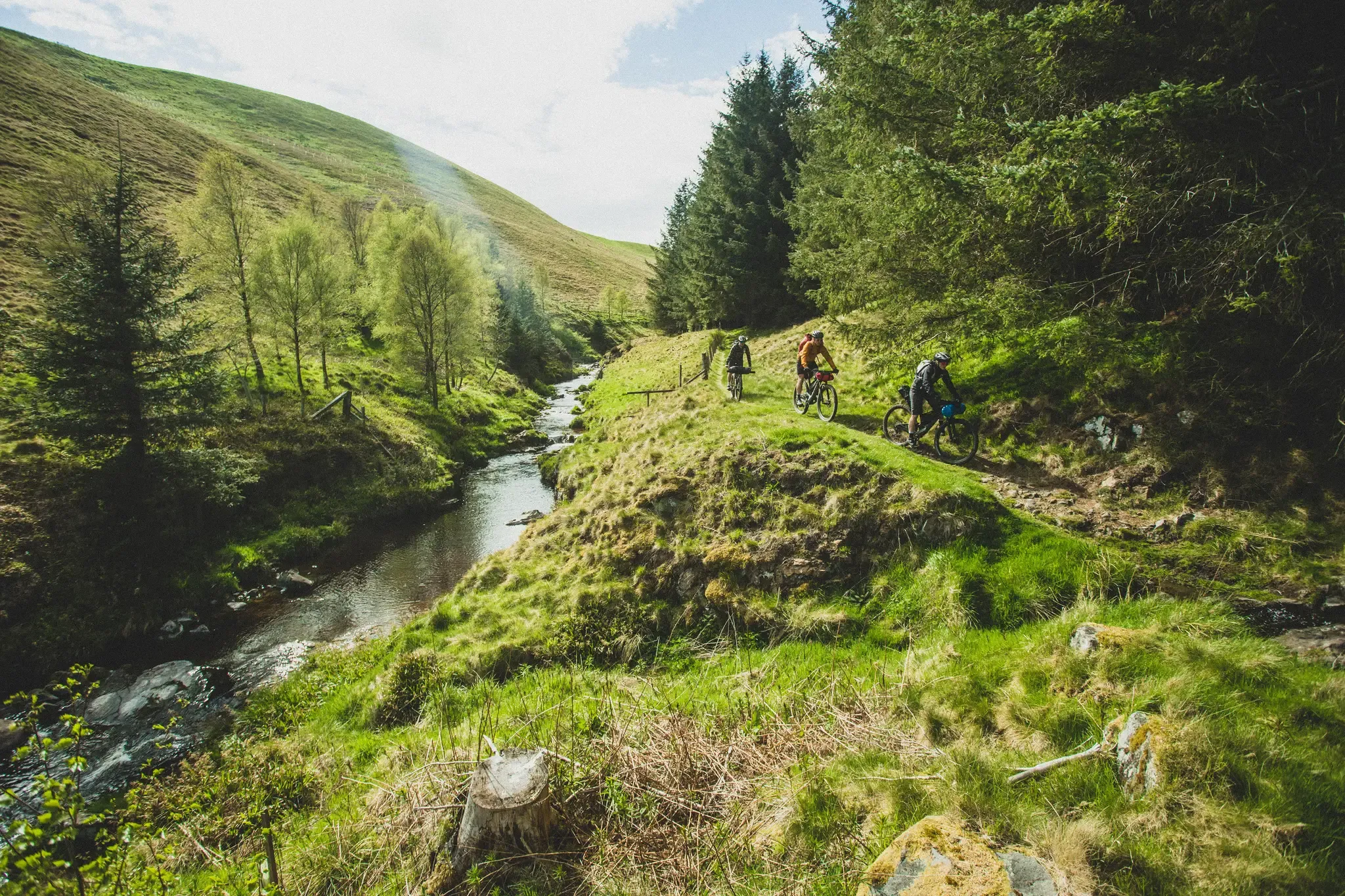
Slymefoot Slide — bikepacking the Breamish and Coquet rivers

The Pennine Rally — Bikepacking Edinburgh to Manchester
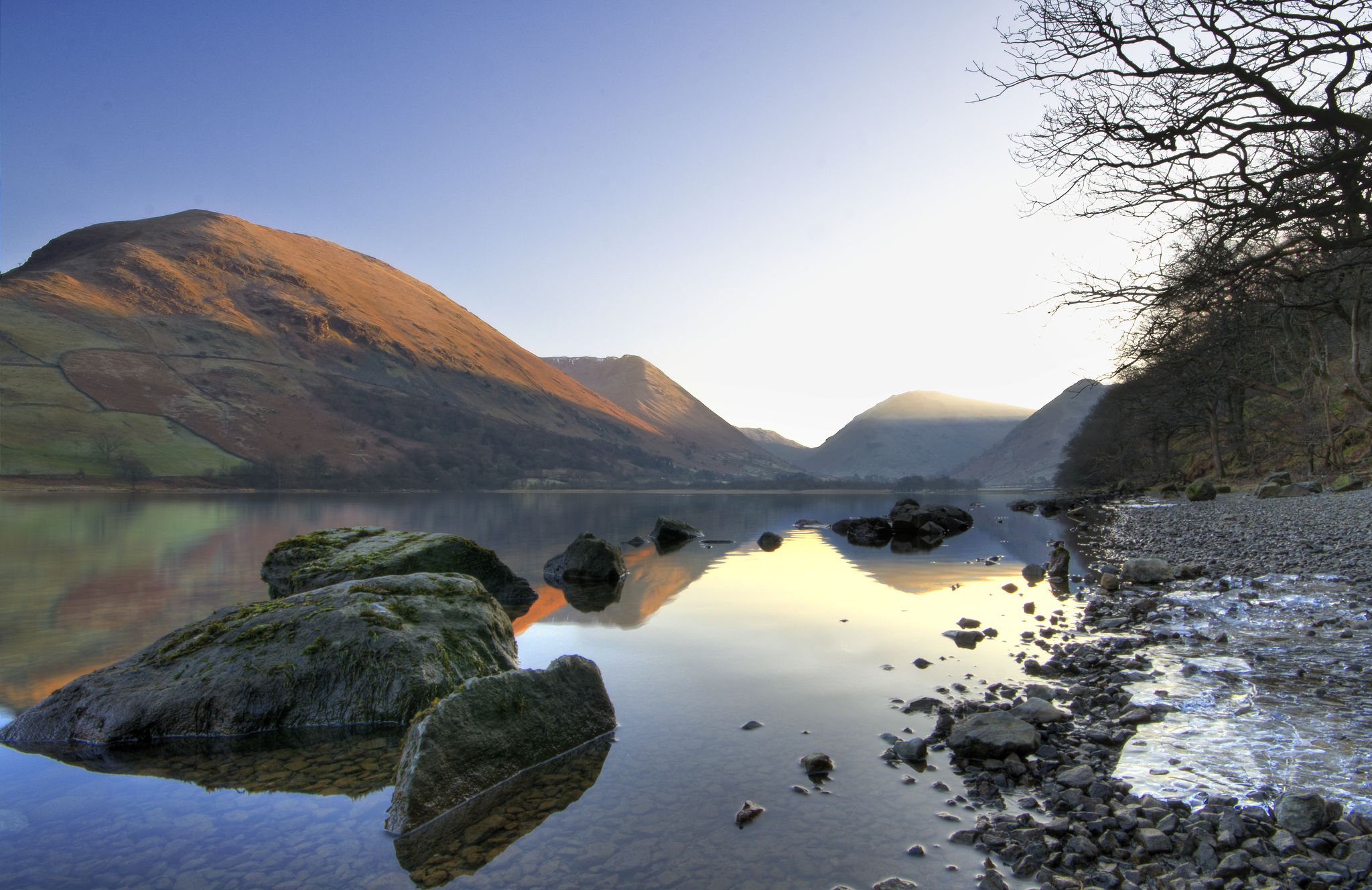
Lake to Lake Walk — Windermere to Kielder across the beautiful North
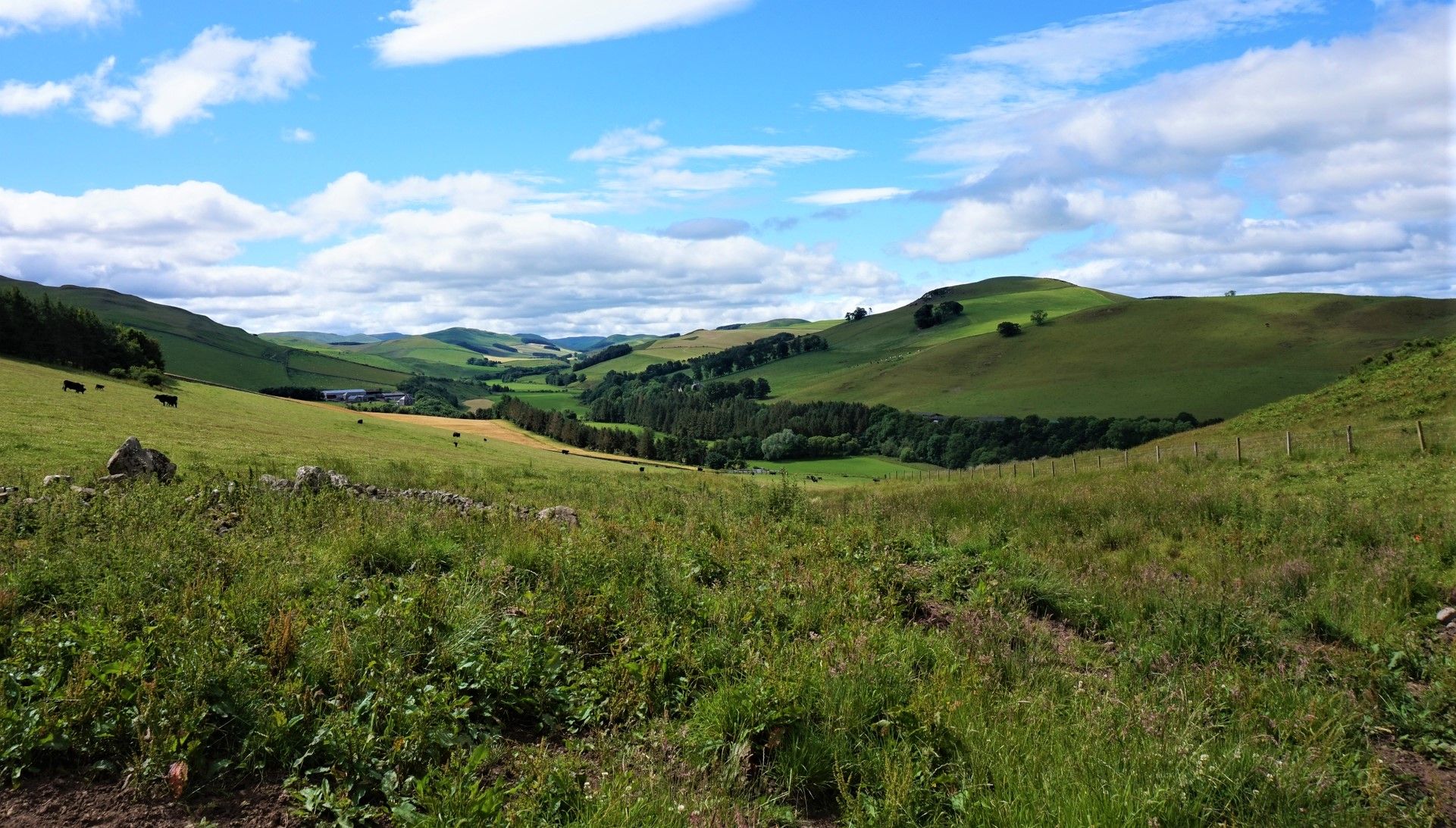
St Cuthbert's Way — Hike wild moors, historic hills and heavenly coast
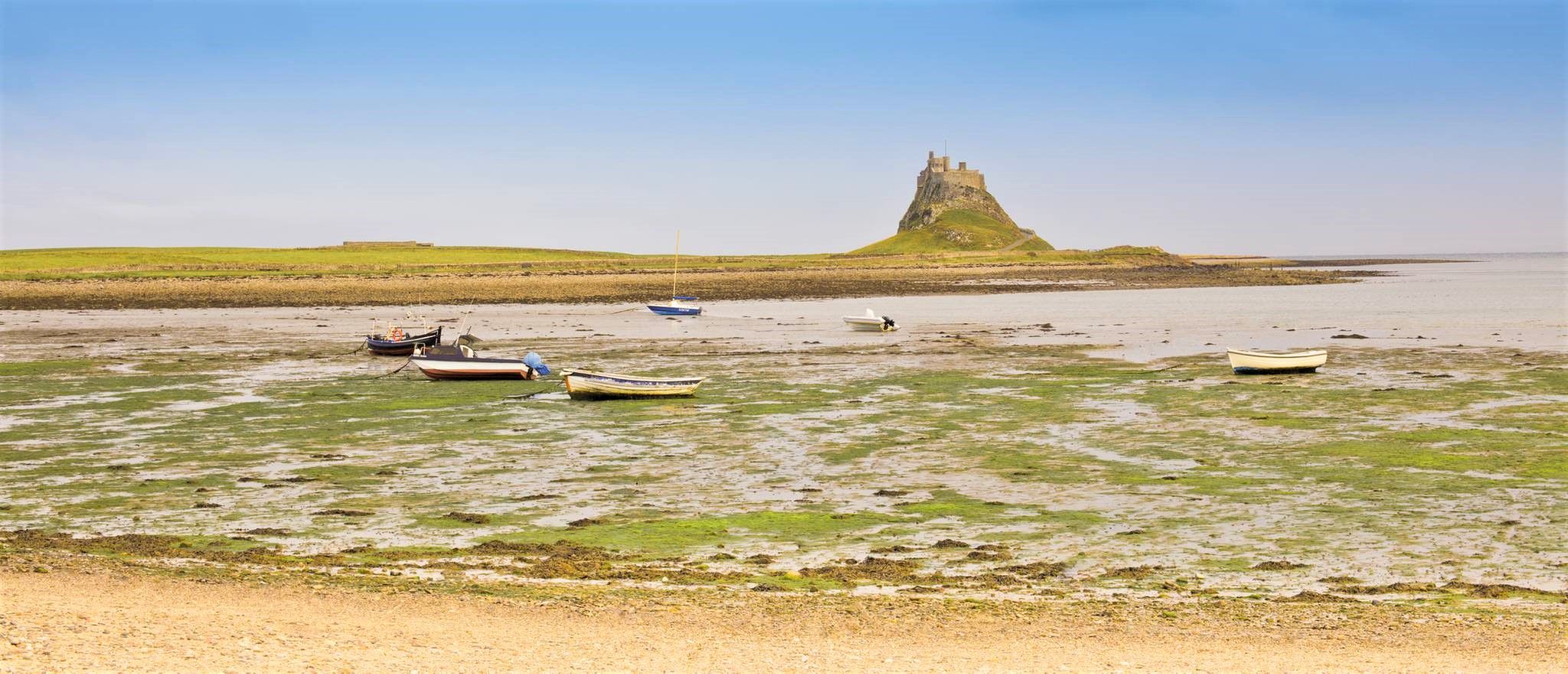
St Oswald's Way — Hike Northumberland's heavenly coast and wild heart
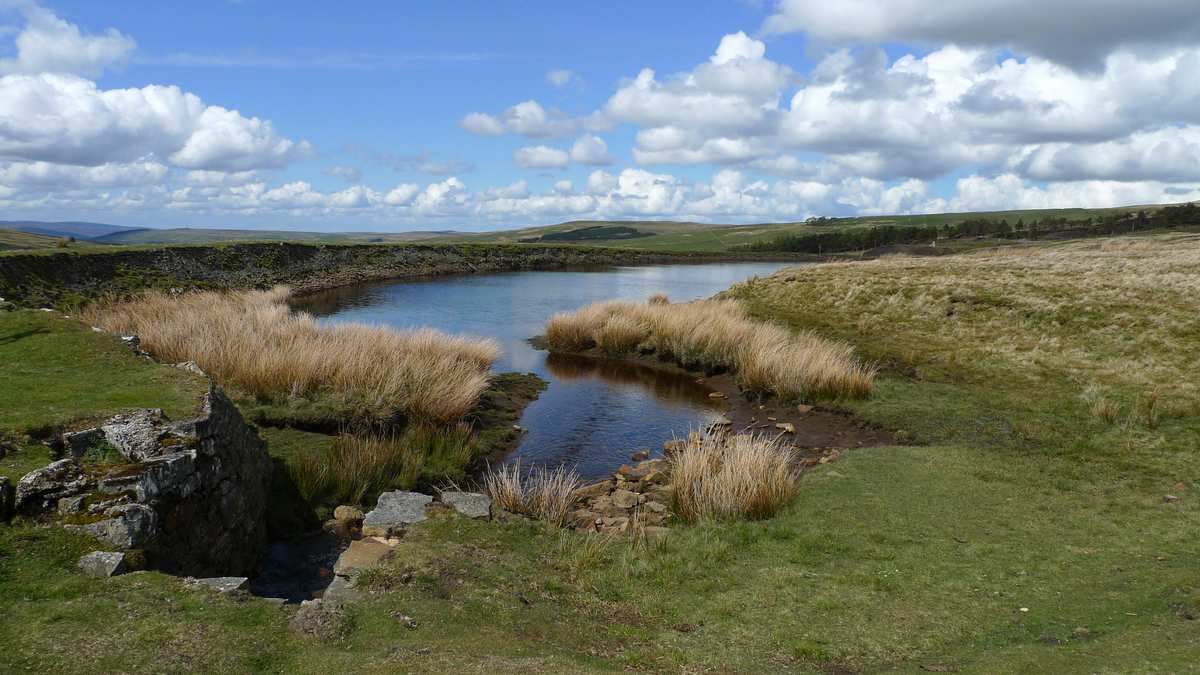
Isaac's Tea Trail — Walk the wild serenity of the North Pennines
Other adventures in Northumberland


Tips from the Community

Steel Rigg is one of the most beautiful viewpoints along the high, central part of Hadrian's Wall.
5
0

can be easy or difficult, depends which side you ascend from. so choose wisely
2
0

A rocky scramble at the end of this climb really does make you feel like you’re almost a mountain climber. Wear sturdy shoes and take care and you’ll be treated with unmissable views
0
0

Ros Castle (Ros Hill) 316m P221 (1037ft) (DoBIH Hill ID: 2317) [JNSA 12818] County of Northumberland Definitive List summit.
0
0

Highest mountain in Northumberland national park, a decent path runs through to the summit as its a complete bog fest and there's not really any views as its a large plateau, but the views on the way back down are beautiful.
1
0

In the mid-13th century, Newton-by-the-Sea was part of the barony of Vesci, initially held by John Viscount for one knight's fee. Ownership passed through notable figures including Simon de Montfort and Edmund of Lancaster. By 1725, it became part of the Barony of Embleton and saw ownership by the Forster family, who built Newton Hall in the late 18th century for Joseph Forster. Low Newton, or Newton Seahouses, emerged in the early 19th century as a community for fishermen. The National Trust now manages some of these cottages, as well as the Coastguard Station, built around 1828. In the 19th century, Newton-by-the-Sea had around 250 residents. By 1895, it was a township of 1,211 acres with a population of 220. Today, the parish has about 135 dwellings, home to a mix of residents, holiday homeowners, and visitors. Many residents commute to nearby towns or Newcastle. The National Trust owns much of the coastal land and part of The Square at Low Newton.
0
0
Frequently Asked Questions
What are some of the most scenic natural monuments in Northumberland?
Northumberland offers many scenic natural monuments. For breathtaking panoramic views, consider visiting Simonside Summit, which provides vistas of the Cheviot Hills and the Northumbrian coastline. Another excellent choice is The Cheviot Summit, the highest point in Northumberland National Park, offering extensive views that can reach as far as the Lake District on a clear day. The dramatic landscape around Steel Rigg and Hadrian's Wall also provides stunning scenery where ancient history meets natural beauty.
Are there natural monuments suitable for families with children?
Yes, several natural monuments in Northumberland are family-friendly. Holy Island (Lindisfarne) is a great option, offering historical sites like the castle and priory, along with coastal walks. Hareshaw Linn Waterfall provides an enchanting walk through a forest to a magnificent waterfall, known for its diverse plant life. Additionally, Low Newton Beach is ideal for a relaxed family outing by the sea, and Cawfields Quarry offers visitor facilities and a lake, making it accessible for various family activities.
Where can I experience the historical significance of Northumberland's natural landscape?
Northumberland's natural monuments are rich in history. Steel Rigg and Hadrian's Wall is an iconic location where the Romans ingeniously incorporated the natural cliff face into their defenses. Holy Island (Lindisfarne) is a tidal island with deep historical roots, home to Lindisfarne Castle and Priory. You can also explore Ros Castle Hill Fort, an ancient hill fort offering panoramic views and insights into the region's past. St. Cuthbert's Cave, a unique rock formation, holds spiritual and historical significance as a reputed shelter for St. Cuthbert's body during Danish raids.
What kind of wildlife can I observe at Northumberland's natural monuments?
Northumberland is a haven for wildlife enthusiasts. The Farne Islands, a cluster of islands off the coast, are renowned for their seabird colonies, hosting over 100,000 seabirds, including around 43,000 pairs of puffins, between April and July. Hareshaw Linn Waterfall is a Site of Special Scientific Interest, home to rare ferns, lichen, over 300 types of mosses, and wildlife such as red squirrels, great spotted woodpeckers, and badgers. The Simonside Hills area, near Simonside Summit, is a Special Area of Conservation teeming with curlews, red grouse, and wild goats.
Are there natural monuments that offer opportunities for stargazing?
Yes, Northumberland is an exceptional destination for stargazing. The Northumberland International Dark Sky Park boasts 572 square miles of Gold Tier Status Dark Skies, providing pristine conditions to observe up to 2,000 stars and even the Andromeda Galaxy. Simonside Summit is also recognized as a Dark Sky Discovery Site, making it an excellent spot to enjoy the night sky.
What natural monuments are good for hiking or walking?
Many natural monuments in Northumberland are perfect for hiking. The Cheviot Hills, including The Cheviot Summit and Cairn Hill, offer spectacular views and challenging routes within the Northumberland National Park. The area around Steel Rigg and Hadrian's Wall provides dramatic walks along the iconic Roman frontier. For a more moderate walk, the trail to Hareshaw Linn Waterfall is a popular choice.
Can I find natural monuments with unique geological features in Northumberland?
Absolutely. Northumberland's landscape is shaped by fascinating geological features. The dramatic cliffs at Steel Rigg and Hadrian's Wall are a prime example, showcasing how ancient meltwater channels sculpted the land. St. Cuthbert's Cave is a unique rock formation, an overhanging outcrop of sandstone supported by an isolated pillar. The Drake Stone is a massive sandstone boulder, a glacial erratic deposited during the last Ice Age, adding to the region's geological intrigue.
What natural monuments are located along the Northumberland coast?
The Northumberland Coast, designated as a National Landscape, features several stunning natural monuments. Holy Island (Lindisfarne) is a unique tidal island accessible via a causeway. Low Newton Beach offers beautiful sandy shores and coastal views. The Farne Islands, a short boat trip from Seahouses, are a significant natural monument known for their abundant wildlife. The entire coastline from Berwick-upon-Tweed to Amble is characterized by endless beaches, quiet bays, and drifting dunes.
What outdoor activities, besides hiking, can I do near Northumberland's natural monuments?
Beyond hiking, Northumberland offers a variety of outdoor activities near its natural monuments. You can find excellent running routes, such as the Kielder Lakeside Way or the Simonside and Dove Crag Circular Trail, which can be explored further in the Running Trails in Northumberland guide. For cyclists, there are routes like the Kielder Lakeside Way and Hadrian's Wall loop, detailed in the Cycling in Northumberland guide. Wildlife observation, particularly birdwatching, is popular at coastal sites and the Farne Islands.
What is the best time of year to visit Northumberland's natural monuments?
The best time to visit Northumberland's natural monuments depends on your interests. For seabird colonies, particularly puffins, the Farne Islands are best visited between April and July. Spring and autumn offer pleasant temperatures for hiking and walking, with vibrant landscapes. Summer provides longer daylight hours for exploration and coastal activities. For stargazing, the darker, clearer nights of autumn and winter are ideal, especially within the Northumberland International Dark Sky Park.
Are there facilities like parking or visitor centers at these natural monuments?
Many natural monuments in Northumberland have facilities to enhance your visit. For example, Cawfields Quarry offers visitor facilities and a lake. Popular sites like Holy Island (Lindisfarne) have car parks, though it's crucial to check tide times for access. For specific parking details or visitor information, it's advisable to consult local tourism resources like Visit Northumberland or the Northumberland National Park website.
What makes Holy Island (Lindisfarne) a unique natural monument to visit?
Holy Island (Lindisfarne) is unique due to its tidal nature; it's cut off from the mainland twice a day by the sea, making the journey across its causeway an experience in itself. Beyond its natural beauty as a coastal island, it holds immense historical and spiritual significance, being home to Lindisfarne Castle and Priory. It also serves as a starting point for the St Oswald's Way and St Cuthbert's Way, blending natural wonder with ancient pilgrimage routes.
Where can I find a dramatic waterfall in Northumberland?
For a dramatic waterfall experience, head to Hareshaw Linn Waterfall. Situated within a Site of Special Scientific Interest, this magnificent waterfall is surrounded by lush forest and is renowned for its rare ferns, lichen, and over 300 types of mosses and liverworts. It's a truly enchanting natural spectacle. You can find more waterfall hikes in the Waterfall hikes in Northumberland guide.
What is the significance of the Sycamore Gap, even after the tree's felling?
While the famous Sycamore Gap tree was tragically felled in 2023, the site itself remains a significant natural monument. Sycamore Gap is a dramatic dip in Hadrian's Wall, formed by erosion from ancient meltwater channels. This geological feature demonstrates the Romans' inventive engineering in integrating the natural landscape into their defenses. It was an iconic and beloved part of the Northumberland landscape for centuries and famously appeared in the film 'Robin Hood: Prince of Thieves'.
Most popular routes in Northumberland
Most popular attractions in Northumberland

Get inspired with the komoot mobile app


Didn’t find what you were looking for?
Find even more amazing natural monuments in Northumberland by checking out the top Highlights region by region:
Explore more
Extend your search for the best caves by checking out these guides of the top ones in Northumberland:
