Top 13 Caves in Northern France
Best caves in Northern France offer a diverse range of underground sites, from natural rock formations to historically significant man-made networks. The region's chalky landscapes and coastal areas feature various subterranean environments. These locations provide insights into geology, prehistoric life, and different periods of human history, including their use as wartime refuges.
Best caves in Northern France
- The most popular caves is Hermitage Rock Caves, a cave and natural monument featuring natural and artificial caves carved by erosion in limestone rock. Visitors can explore two main caves, measuring 21 m and 36 m in length.
- Another must-see spot is Carrières de Confrécourt, an historical site with underground quarries. These served as a refuge for French soldiers during the First World War, and visitors can observe sculptures and frescoes carved into the walls.
- Visitors also love Paissy Troglodyte Village, a settlement known for its cave dwellings. These homes, sometimes enclosed in "creutes," maintain a suitable temperature year-round.
- Northern France is known for natural rock formations, sea caves, and man-made subterranean networks. The region offers a variety of caves to explore, including historical refuges and unique troglodyte dwellings.
- The caves in Northern France are appreciated by the komoot community, with 13 highlights receiving 37 upvotes and 17 photos.
Last updated: May 20, 2026
Hermitage Rock Caves
Highlight • Cave
Translated by Google •
Tip by

Le fond Guesot
Highlight • Cave
Translated by Google •
Tip by
Sign up now to discover places like this
Get recommendations on the best single tracks, peaks, & plenty of other exciting outdoor places.
Sign up for free
Carrières de Confrécourt
Highlight • Cave
Translated by Google •
Tip by
Caverne du Dragon
Highlight • Historical Site
The name “Caverne du Dragon” (Drachenhöhle) refers to the mythical dragon from Germanic legends, inspired by the smoke that rose from the loopholes as if from the mouth of a monster.
Today, the cave is a museum and memorial site, where visitors can explore the underground passages and experience the traces of soldiers’ lives in the depths.
Translated by Google •
Tip by

Grotto and Waterfall of Jardin Vauban
Highlight • Cave
First called the Empress Eugenie Park, the Vauban Garden took its current name in 1870. It became a listed site in 1991.
By following the route opposite, take the garden's curving paths, cross its rolling lawns, and discover this romantic place inspired by English gardens.
For the creation of this public garden, the City of Lille commissioned the Chief Gardener of Paris. He created and landscaped numerous gardens for the capital, such as the Luxembourg Gardens and the Buttes-Chaumont Park. This highly renowned landscape gardener has worked
for other cities in France: Roubaix (Barbieux Park), Marseille, Cambrai, and abroad: Italy, Austria, and Egypt.
At the bottom of the garden lies a cave from which a waterfall flows, feeding the ponds. Like the river, this cave is not natural: it was built of reinforced concrete and stone rubble.
Over time, the accumulation of limestone dissolved in the water and trapped by plants (mosses) has revealed new rock, forming large blocks on the sides of the cave.
Translated by Google •
Tip by

Les Creutes de Pasly
Highlight (Segment) • Cave
Translated by Google •
Tip by
Paissy Troglodyte Village
Highlight (Segment) • Settlement
Translated by Google •
Tip by

Mimoyecques Fortress
Highlight • Historical Site
Translated by Google •
Tip by

Saint-Martin Church & Grotto, Morcamp
Highlight • Religious Site
Translated by Google •
Tip by
Cave
Highlight • Cave
Translated by Google •
Tip by

Sign up for free to discover even more caves in Northern France.
Sign up for free
Already have an account?
Start today with a free account
Your next adventure awaits.
Login or Signup
Popular around Northern France
The Ardennes Trail (GR 14) – From Paris to the Belgian border
EuroVelo 3 – A cycling pilgrimage from Norway to France
From Amsterdam to London - along the North Sea and across the water
At the pace of the Westhoek - Streek-GR Heuvelland
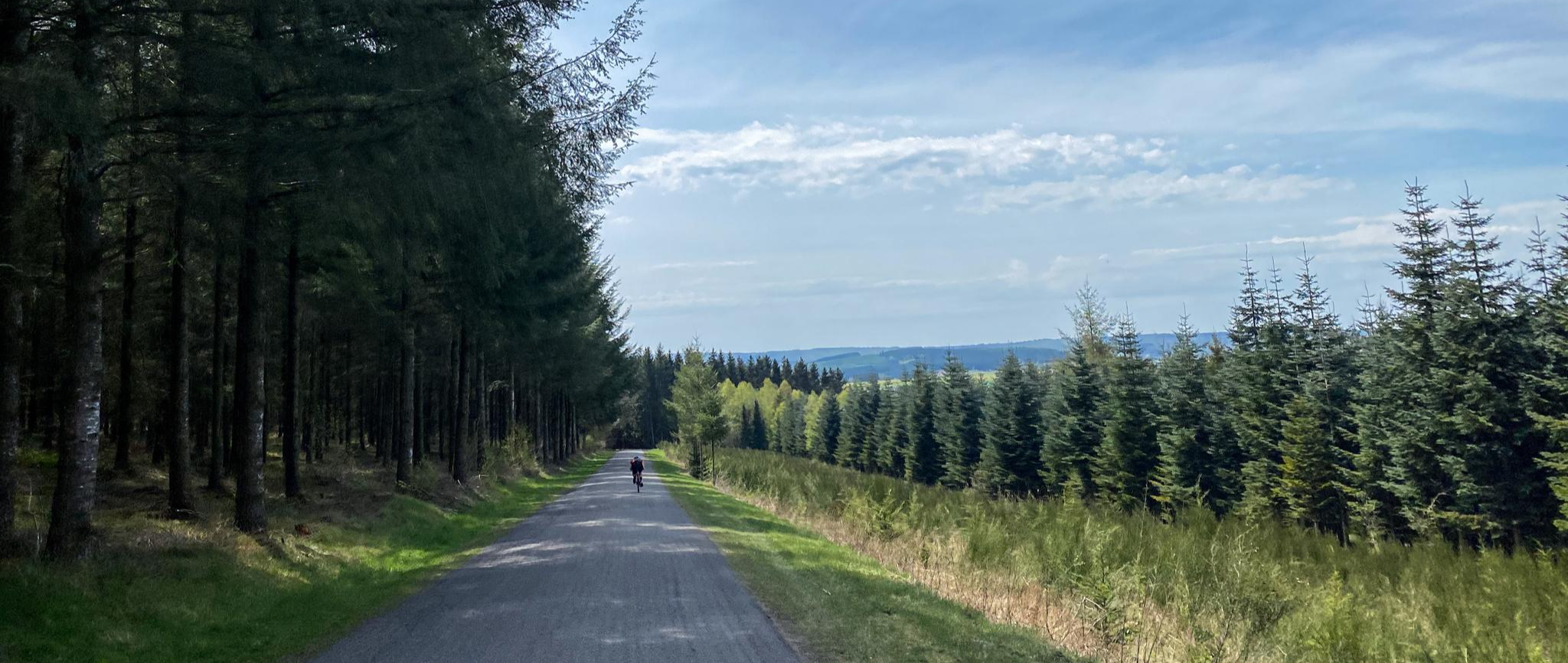
From Picardie to the Ardennes — Crossing Wallonia by Bike
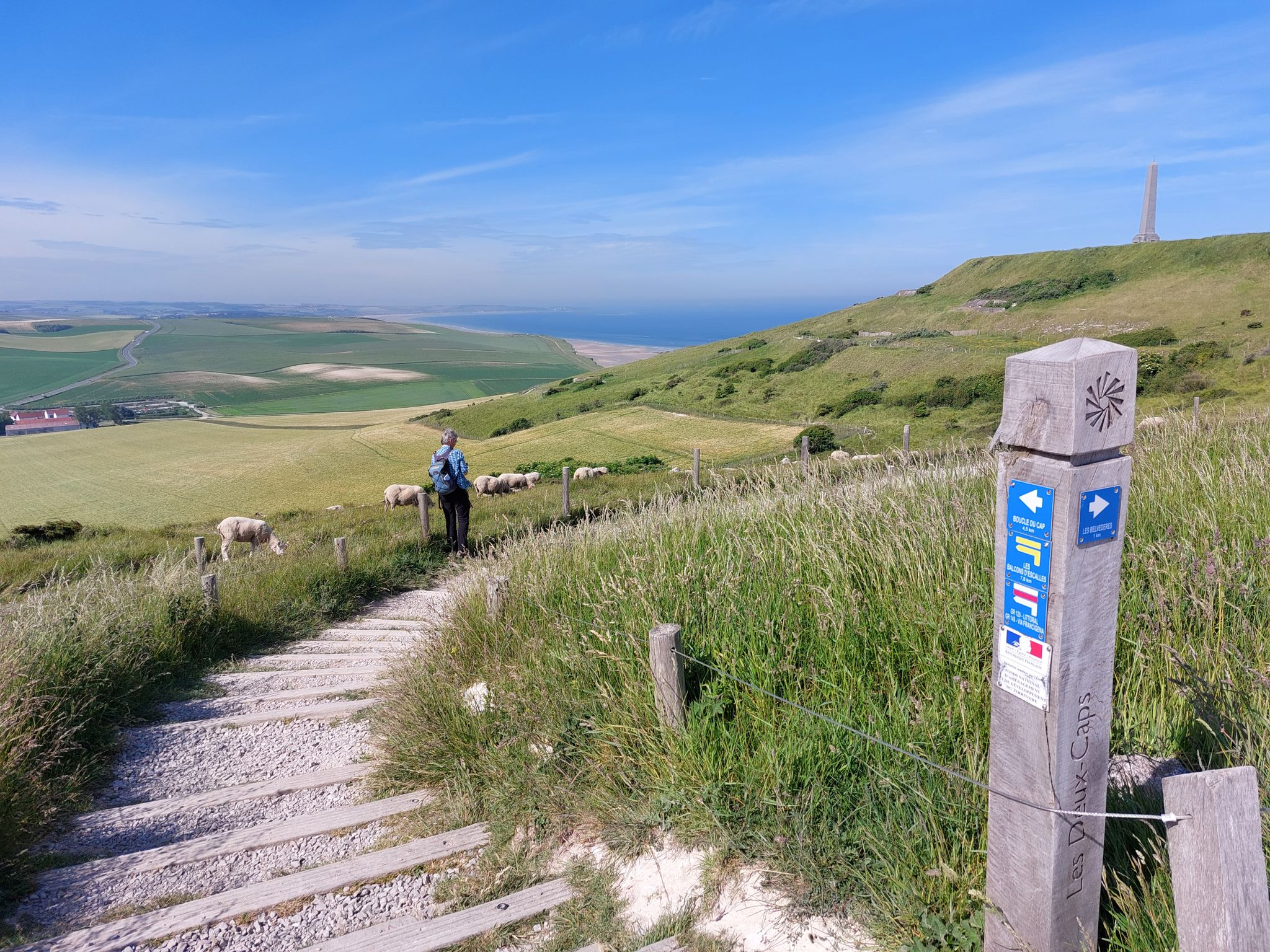
Via Francigena in the Pas-de-Calais – GR 145
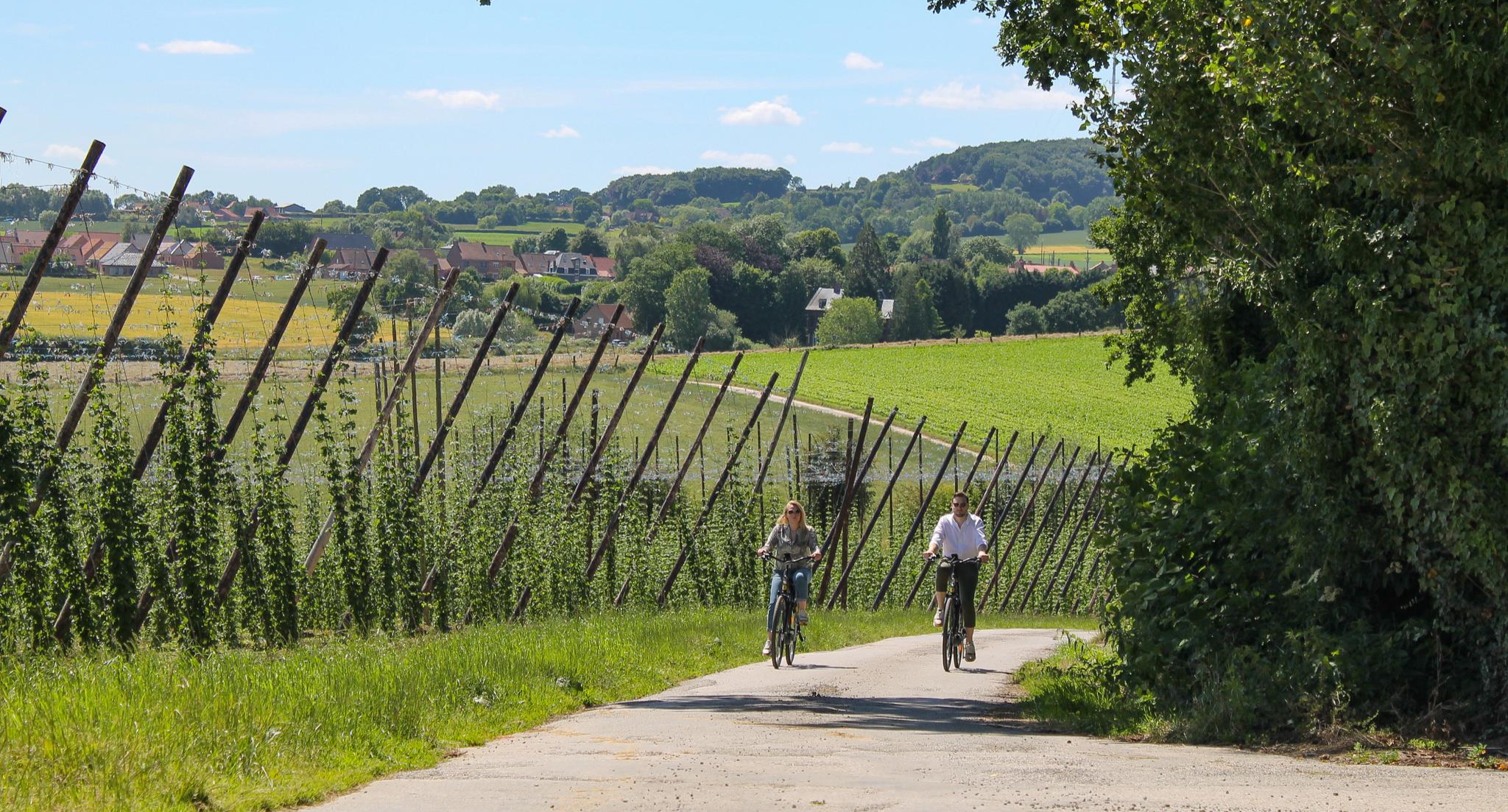
Flanders, Land of Cycling – Hills, Cobblestones and Estaminets
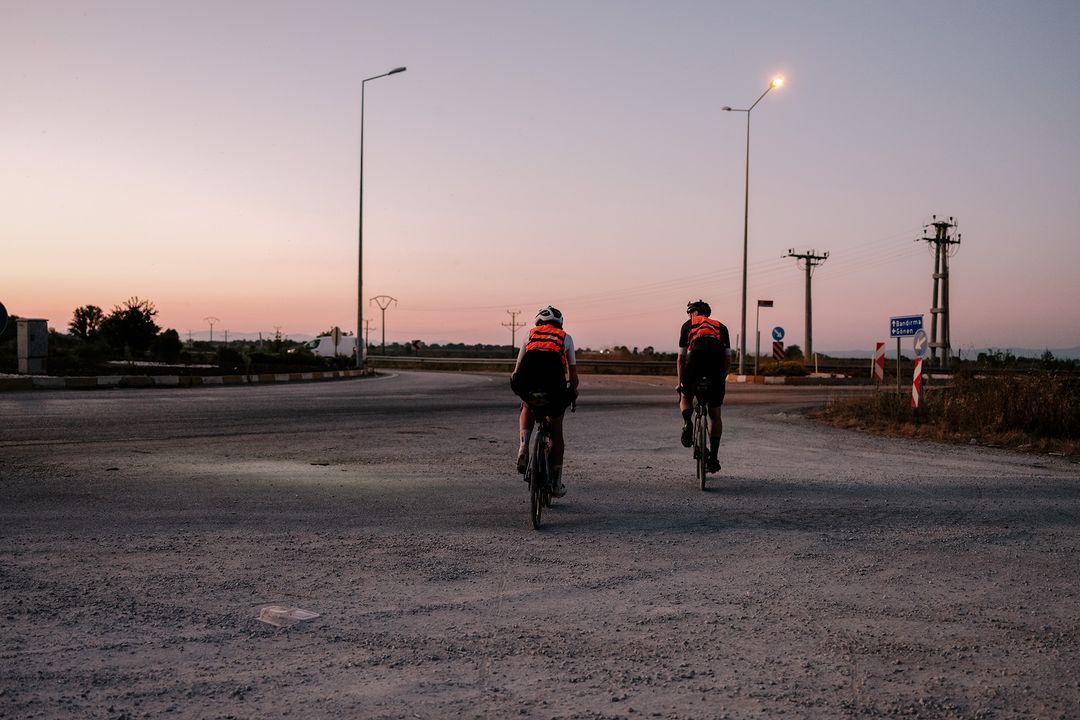
Transcontinental Race No10: crossing Europe from France to Turkey
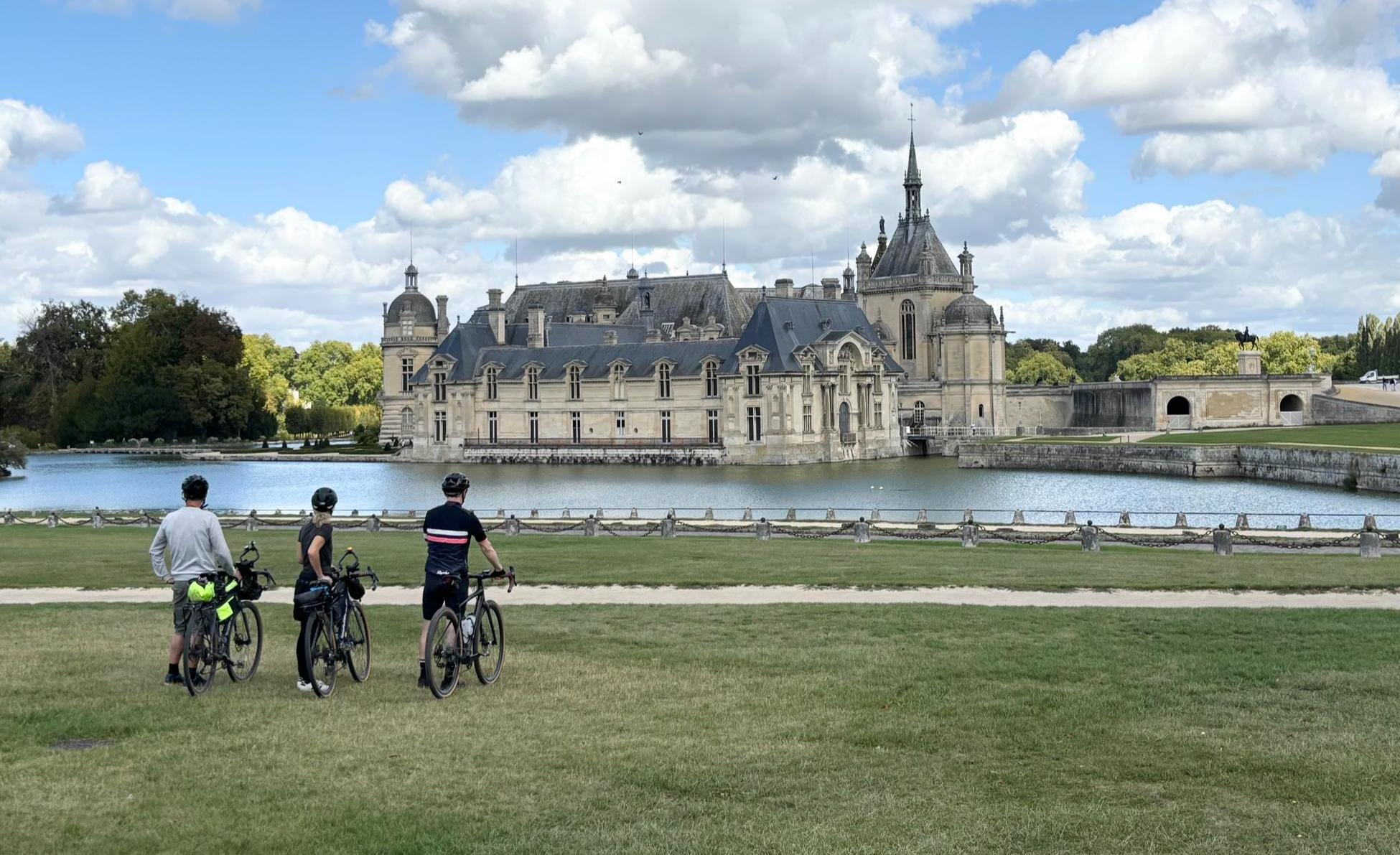
Tour de l'Oise gravel – station to station adventures within an hour of Paris
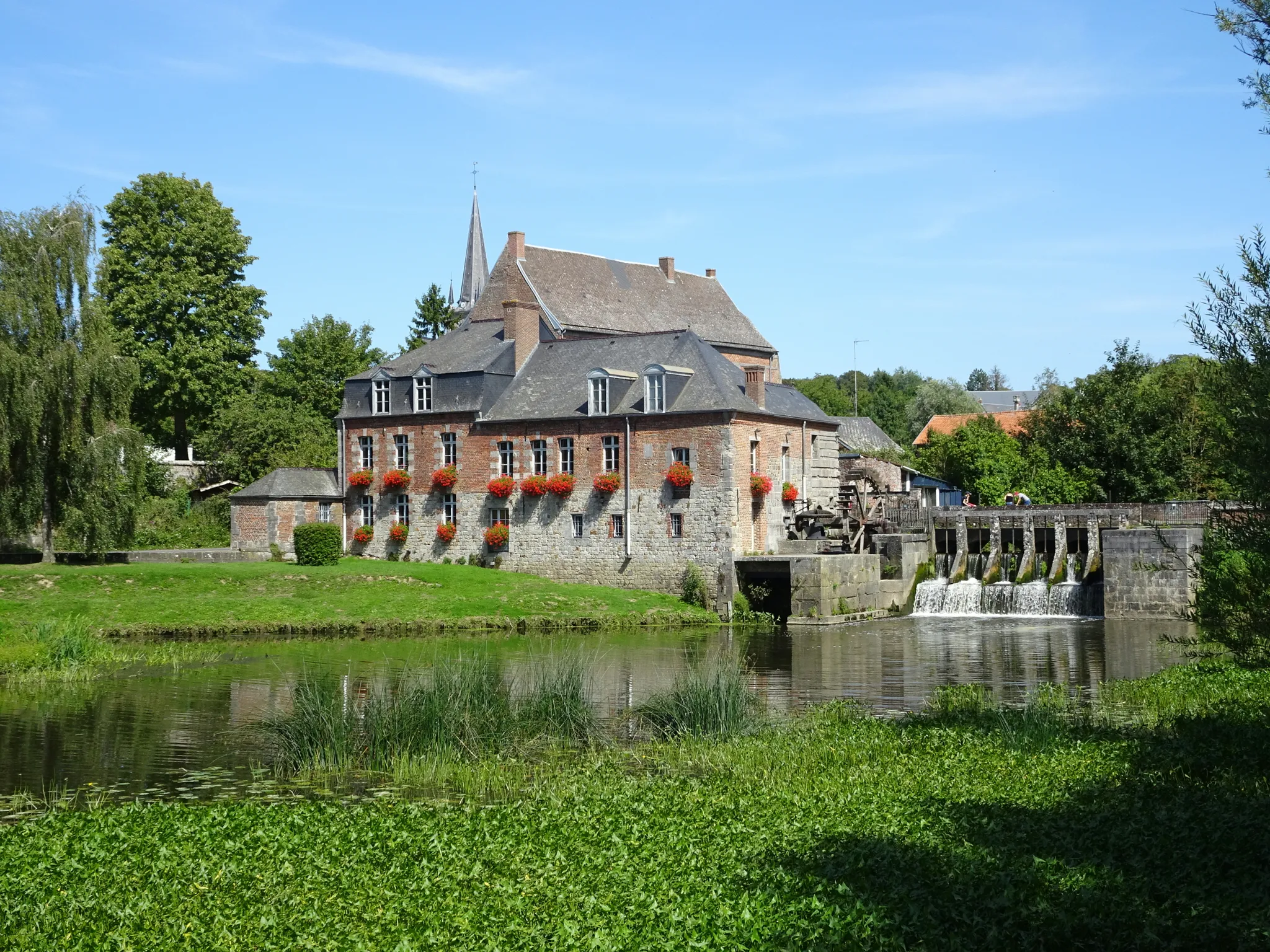
Countryside, cuisine and heritage – 4 bike Tours in the Avesnois
Other adventures in Northern France


Tips from the Community


There is a trench right next to it
0
0
Great place to discover in the forest
0
0
Possibility to sit on the steps for a meal or a break. Lamp recommended
0
0

The Vauban Garden was created in the mid-19th century, in 1865. At that time, the city of Lille was expanding, and this was an opportunity for the city to create new green spaces, places for walking where the people of Lille could enjoy nature. In this garden, the bourgeoisie liked to show off, and the workers, from the industrial districts, enjoyed breathing the fresh air, far from the factories. First called the Empress Eugenie Park, the Vauban Garden took its current name in 1870. It became a listed site in 1991. By following the route opposite, take the garden's curving paths, cross its rolling lawns, and discover this romantic place inspired by English gardens. For the creation of this public garden, the City of Lille commissioned the Chief Gardener of Paris. He created and landscaped numerous gardens for the capital, such as the Luxembourg Gardens and the Buttes-Chaumont Park. This highly renowned landscape gardener has worked for other cities in France: Roubaix (Barbieux Park), Marseille, Cambrai, and abroad: Italy, Austria, and Egypt. At the bottom of the garden lies a cave from which a waterfall flows, feeding the ponds. Like the river, this cave is not natural: it was built of reinforced concrete and stone rubble. Over time, the accumulation of limestone dissolved in the water and trapped by plants (mosses) has revealed new rock, forming large blocks on the sides of the cave.
1
0

Deep beneath the Chemin des Dames plateau lies the Caverne du Dragon, a former limestone quarry that was transformed into a strategic underground fortress during the First World War. From 1915, German troops took over the cave and built dormitories, a chapel, an aid station and even an electricity network. Later, the cave was partially retaken by the French, and both armies temporarily lived side by side, separated by walls in the darkness. The name “Caverne du Dragon” (Drachenhöhle) refers to the mythical dragon from Germanic legends, inspired by the smoke that rose from the loopholes as if from the mouth of a monster. Today, the cave is a museum and memorial site, where visitors can explore the underground passages and experience the traces of soldiers’ lives in the depths.
6
0


The Dragon's Cave is a place for goosebumps. It's unbelievable how you dig in during war. An absolute highlight on the Chemin des Dames!
2
0
Frequently Asked Questions
What are some of the most historically significant caves in Northern France?
Northern France features several caves with rich historical importance. The Carrières de Confrécourt served as a refuge for French soldiers during World War I, where they left sculptures and frescoes. Similarly, Les Creutes de Pasly also sheltered soldiers, with traces of their daily life carved into the stone. The Cité Souterraine de Naours is an extraordinary underground city dating back to the 3rd century, used as a refuge during invasions and later by soldiers in both World Wars, featuring extensive WWI graffiti.
Are there any family-friendly caves to visit in Northern France?
Yes, several caves in Northern France are suitable for families. The Caverne du Dragon is a historical site that welcomes families. The Grotto and Waterfall of Jardin Vauban offers a pleasant experience with its man-made grotto and waterfall. The Nichet Cave in the Ardennes is also suitable for children, offering a guided tour through its galleries, though it does involve 114 steps to exit.
What unique natural features can be found in Northern France's caves?
Northern France offers a variety of natural cave features. The Hermitage Rock Caves are a mix of natural and artificial caves carved by erosion in limestone. The Le fond Guesot caves are known for housing rare bats that hibernate there in winter and contain prehistoric carvings. Normandy's Porte d'Aval Arch at Étretat features dramatic white chalk cliffs and natural sea caves formed by erosion. Fosse Arthour in Normandy also boasts a gorge with legendary caves and a scenic waterfall.
Are there any troglodyte sites or cave dwellings in Northern France?
Yes, Northern France has notable troglodyte sites. The Paissy Troglodyte Village is known for its unique cave dwellings, some enclosed in 'creutes' that maintain a suitable temperature year-round. In Normandy, the Orival Troglodyte Caves were historically inhabited by textile workers in the 17th century, with traces of their lives still visible.
What is the best time of year to visit caves in Northern France?
Many caves, especially underground sites like the Cité Souterraine de Naours, maintain a constant cool temperature (around 9.5 degrees Celsius in Naours) year-round, making them suitable for visits in any season. However, for caves with outdoor components or those requiring guided tours, checking seasonal operating hours is advisable. For example, guided tours for Carrières de Confrécourt are available on the first Sunday of each month from April to September.
Can I explore caves that are not open to the general public?
Some caves are not publicly accessible due to their ecological sensitivity or for safety reasons. For instance, the Le fond Guesot caves are home to rare bats and require special permission from the Conservatoire des Sites Naturels de Picardie to visit. Always respect local regulations and conservation efforts.
Are there any caves in Northern France with connections to World War history?
Northern France has several caves deeply intertwined with World War history. The Cité Souterraine de Naours served as a refuge during WWI for British forces and later as a German headquarters in WWII, with thousands of soldiers leaving graffiti. The Carrières de Confrécourt and Les Creutes de Pasly were both underground quarries used as shelters by French soldiers during WWI. The Boves of Arras, an extensive network of underground galleries, also provided shelter during the Battle of Arras in WWI. The Mimoyecques Fortress is another significant historical site with underground structures.
What kind of outdoor activities can I do near the caves in Northern France?
Northern France offers a variety of outdoor activities near its caves. You can find numerous hiking trails, such as those in the parc naturel régional des Caps et marais d'Opale, including the 'Dunes de la Slack' and 'Balconies of Escalles Trail'. For cycling enthusiasts, there are options like the 'North Sea Cycle Route' and routes through the Compiègne Forest. Gravel biking is also popular, with routes like 'Crépy-en-Valois to the Ourcq Canal' and 'The Retz Forest and the Automne Valley'. You can explore more options on the Hiking in Northern France, Gravel biking in Northern France, and Cycling in Northern France guide pages.
Are there any caves in Northern France that are dog-friendly?
Yes, some natural cave areas in Northern France are dog-friendly. For example, the highlight simply named Cave is listed as dog-friendly and is situated within a forest, offering a natural setting for exploration with your pet. Always check specific site regulations before visiting with a dog, especially for guided tours or protected areas.
What archaeological finds have been made in Northern France's caves?
The Nichet Cave, located near the Belgian border, is significant for its archaeological discoveries. Excavations there have uncovered animal bones from species like cave bears, mammoths, and reindeer, as well as human remains, including Homo sapiens and Merovingian artifacts. These finds provide valuable insights into prehistoric life and early human presence in the region.
Are there any caves in Northern France that were used for religious purposes?
Yes, some caves in Northern France have religious connections. The Saint-Martin Church & Grotto, Morcamp is an example of a site combining a religious building with a grotto. Additionally, the Cité Souterraine de Naours includes a chapel with three naves within its underground city, reflecting its historical use by communities.
What should I wear when visiting caves in Northern France?
Given that many underground sites, like the Cité Souterraine de Naours, maintain a constant cool temperature (around 9.5 degrees Celsius), it is highly recommended to bring warm clothing, even during summer months. Comfortable walking shoes are also advisable, as you may be exploring uneven terrain or climbing steps.
Most popular routes in Northern France
Most popular attractions in Northern France

Get inspired with the komoot mobile app


Explore more
Extend your search for the best caves by checking out these guides of the top ones in Northern France:
