The best traffic-free bike rides in Northern France
4.4
(4171)
108,090
riders
6,734
rides
No traffic road cycling routes in Northern France traverse a landscape characterized by diverse terrain, from the dramatic chalk cliffs and sandy beaches of the Opal Coast to the serene rolling countryside and extensive forests inland. The region features numerous river valleys and canal networks, providing flat and scenic paths ideal for cycling. These physical features offer varied environments for road cyclists seeking routes without vehicle traffic.
Best no traffic road cycling routes in Northern France
- The most popular no…
Last updated: July 11, 2026
4.7
(3)
74
riders
109km
05:21
1,310m
1,310m
Hard road ride. Very good fitness required. Mostly well-paved surfaces and easy to ride.
3.3
(3)
53
riders
37.6km
01:54
60m
60m
Moderate road ride. Great for any fitness level. Some segments of this route may be unpaved and difficult to ride.

Sign up for free
4.4
(7)
52
riders
29.5km
01:27
300m
300m
Moderate road ride. Good fitness required. Mostly well-paved surfaces and easy to ride.
4.5
(2)
23
riders
103km
04:51
1,050m
1,050m
Hard road ride. Very good fitness required. Mostly well-paved surfaces and easy to ride.
5.0
(3)
13
riders
42.9km
01:48
280m
280m
Easy road ride. Great for any fitness level. Mostly well-paved surfaces and easy to ride.
Get access to more routes and recommendations from other explorers.
Sign up for free
Already have an account?
Our route recommendations are based on thousands of hikes, rides, and runs completed by other people on komoot.
Start today with a free account
Your next adventure awaits.
Login or Signup
Popular around Northern France

Traffic-free bike rides in Nord

Traffic-free bike rides around Dunkirk
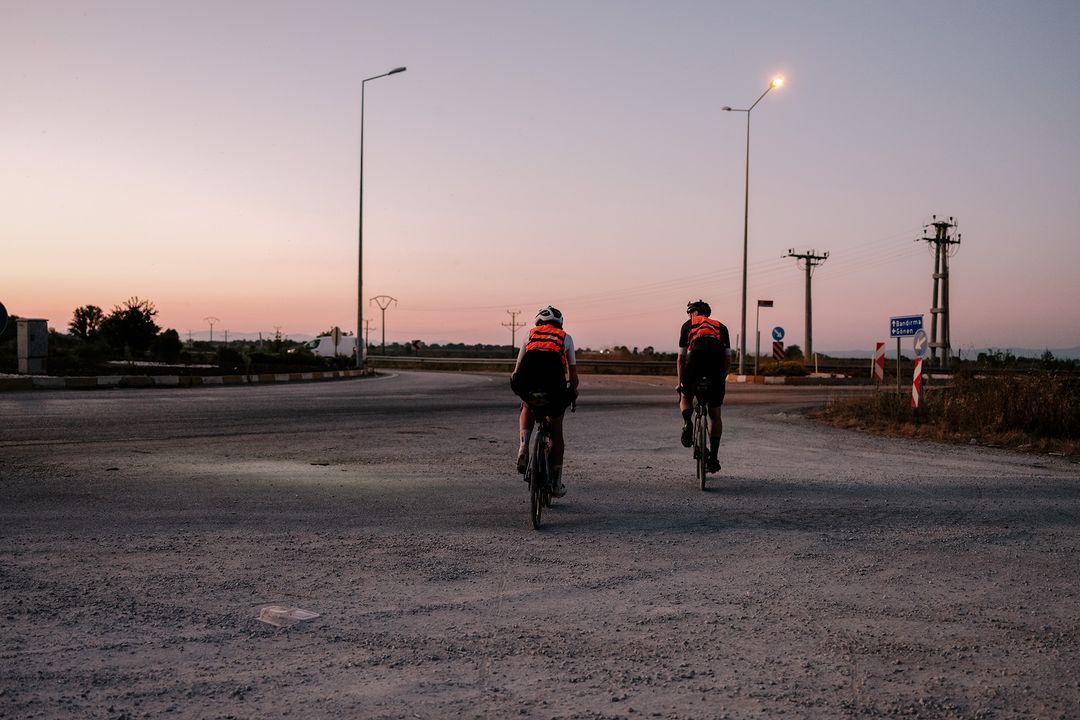
Transcontinental Race No10: crossing Europe from France to Turkey
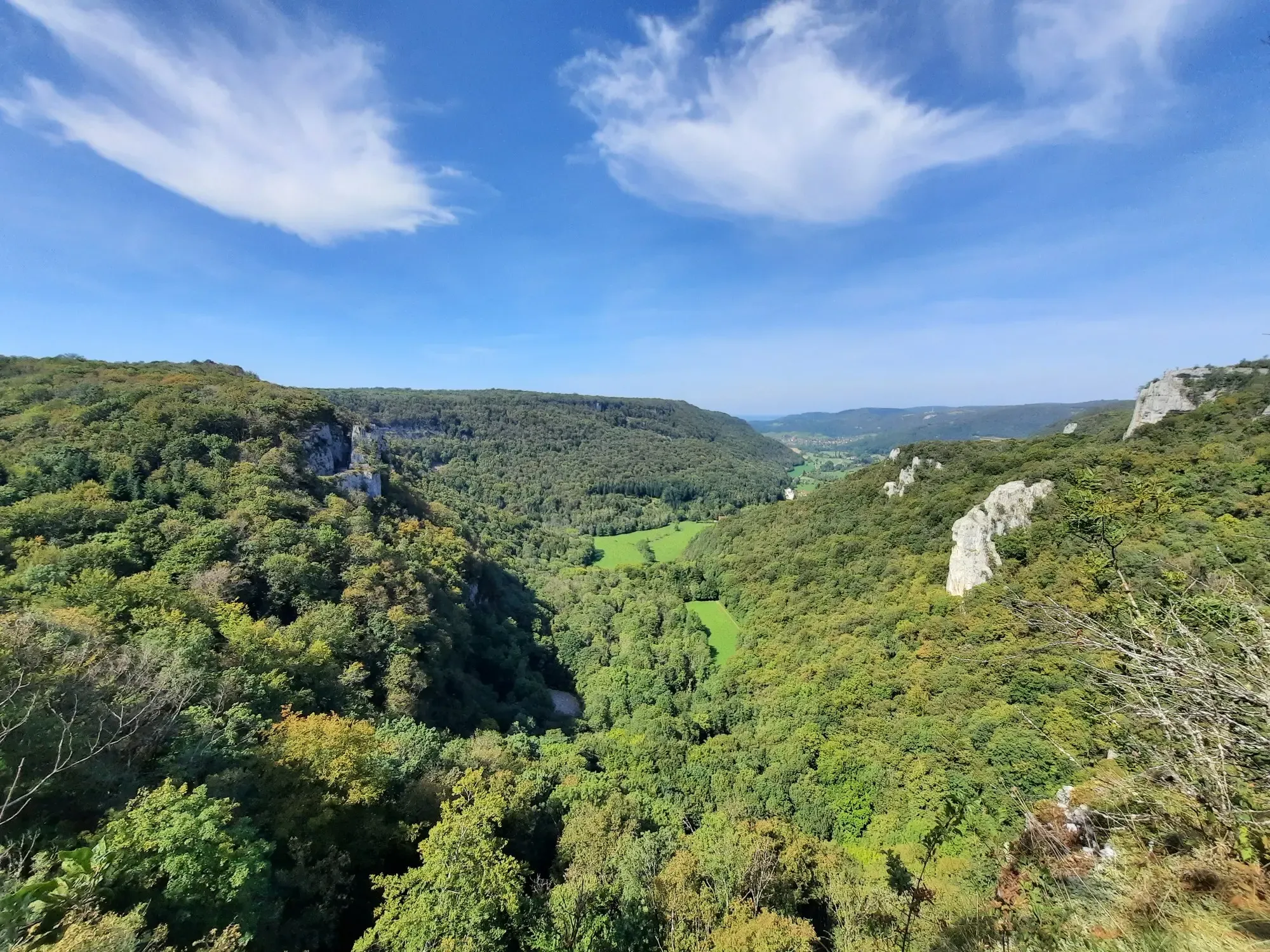
The Ardennes Trail (GR 14) – From Paris to the Belgian border
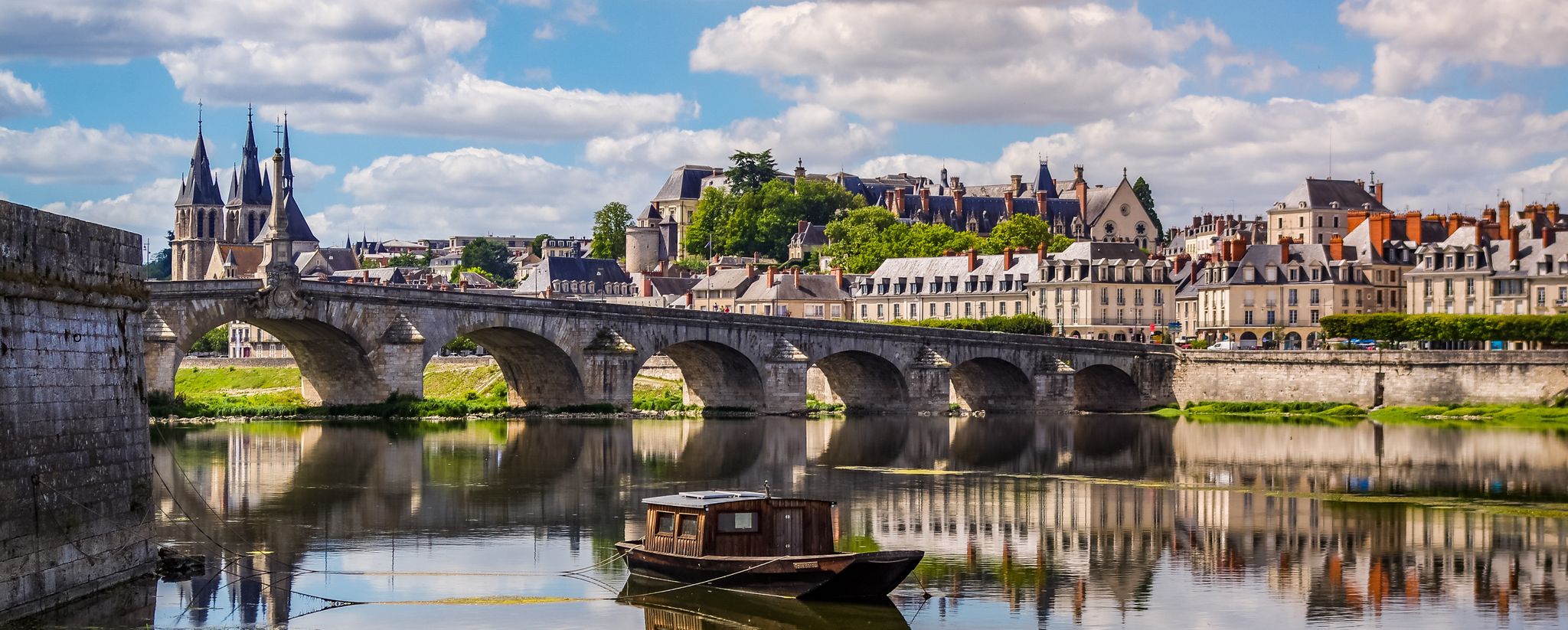
EuroVelo 3 – A cycling pilgrimage from Norway to France
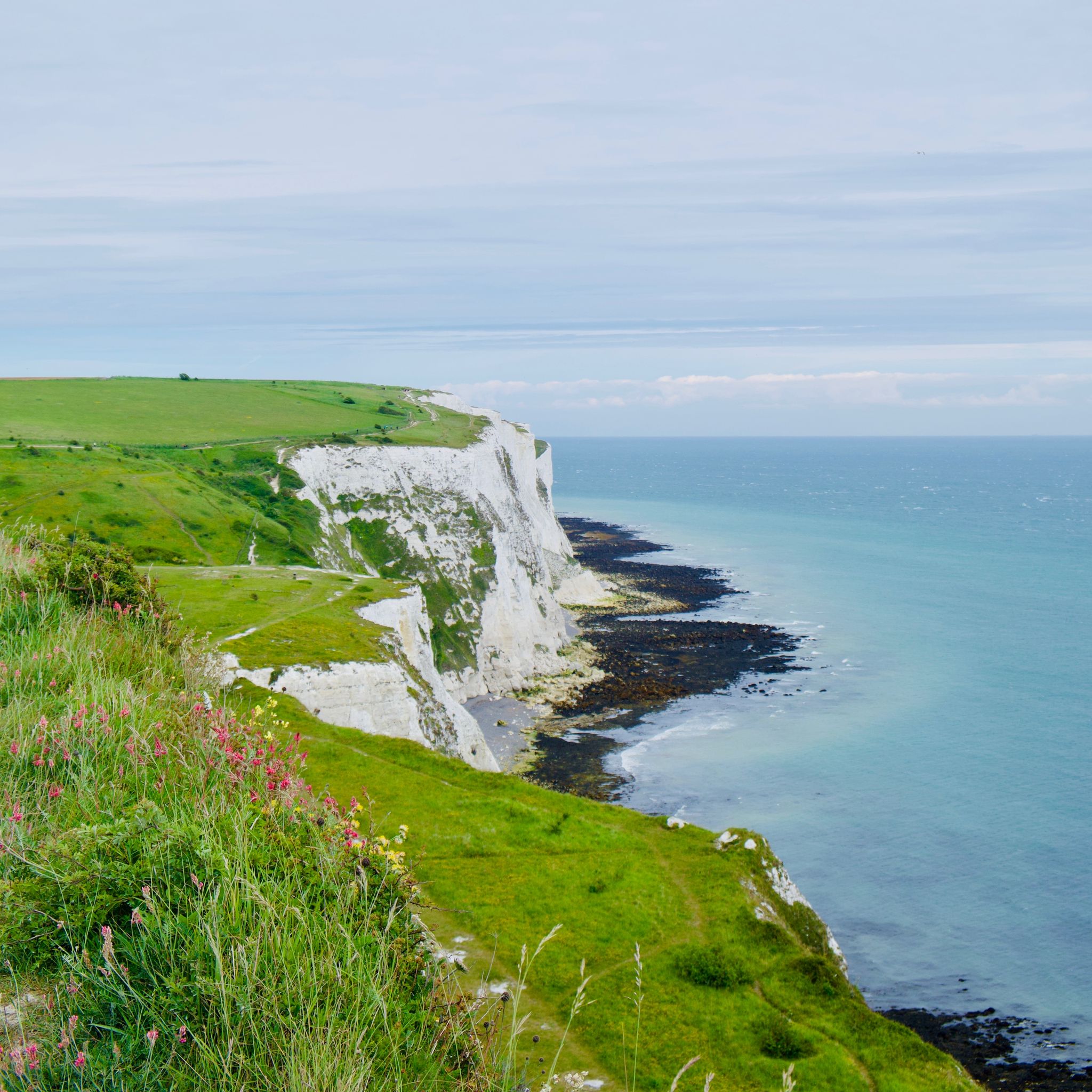
From Amsterdam to London - along the North Sea and across the water
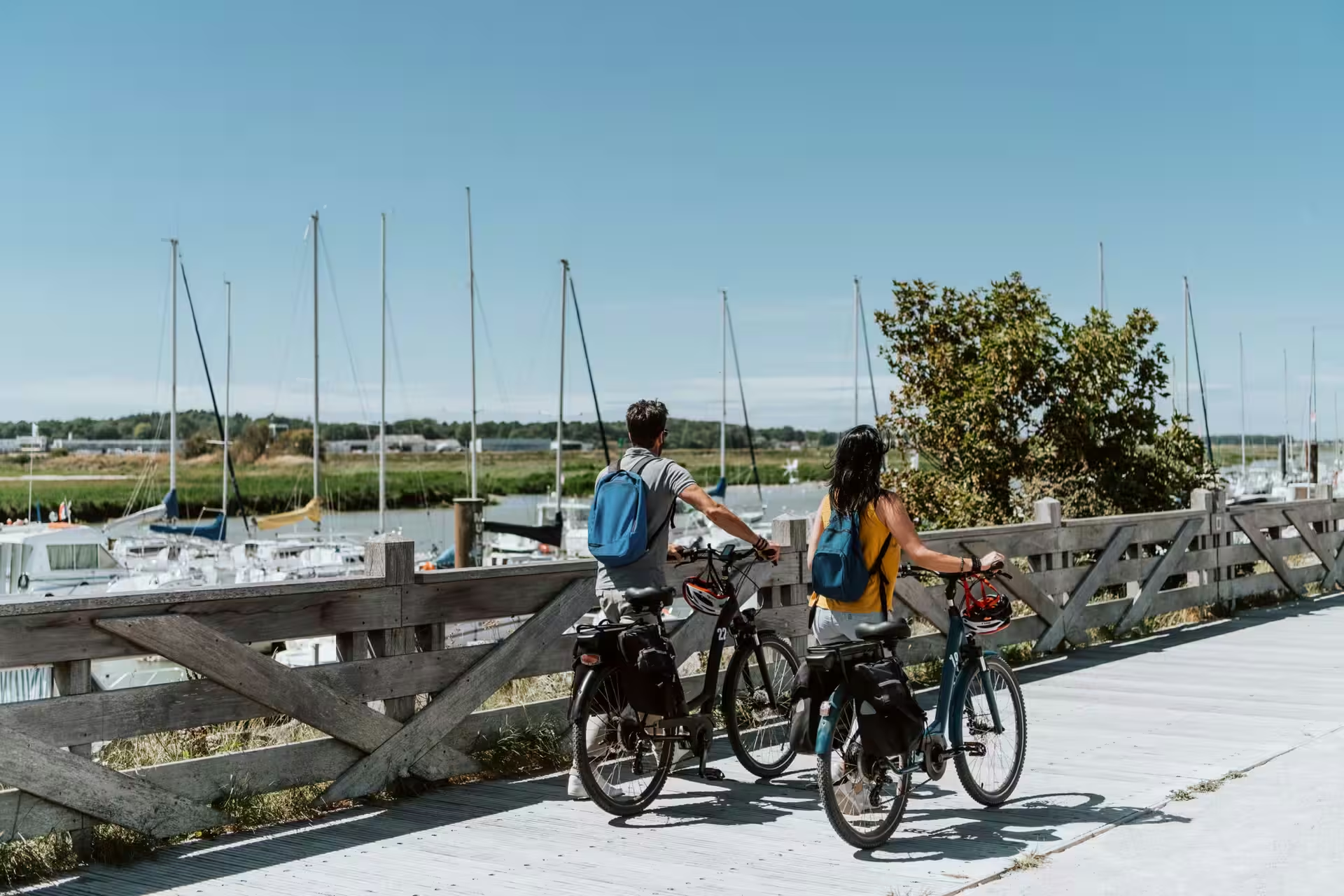
Routes in Hauts-de-France for cycling enthusiasts
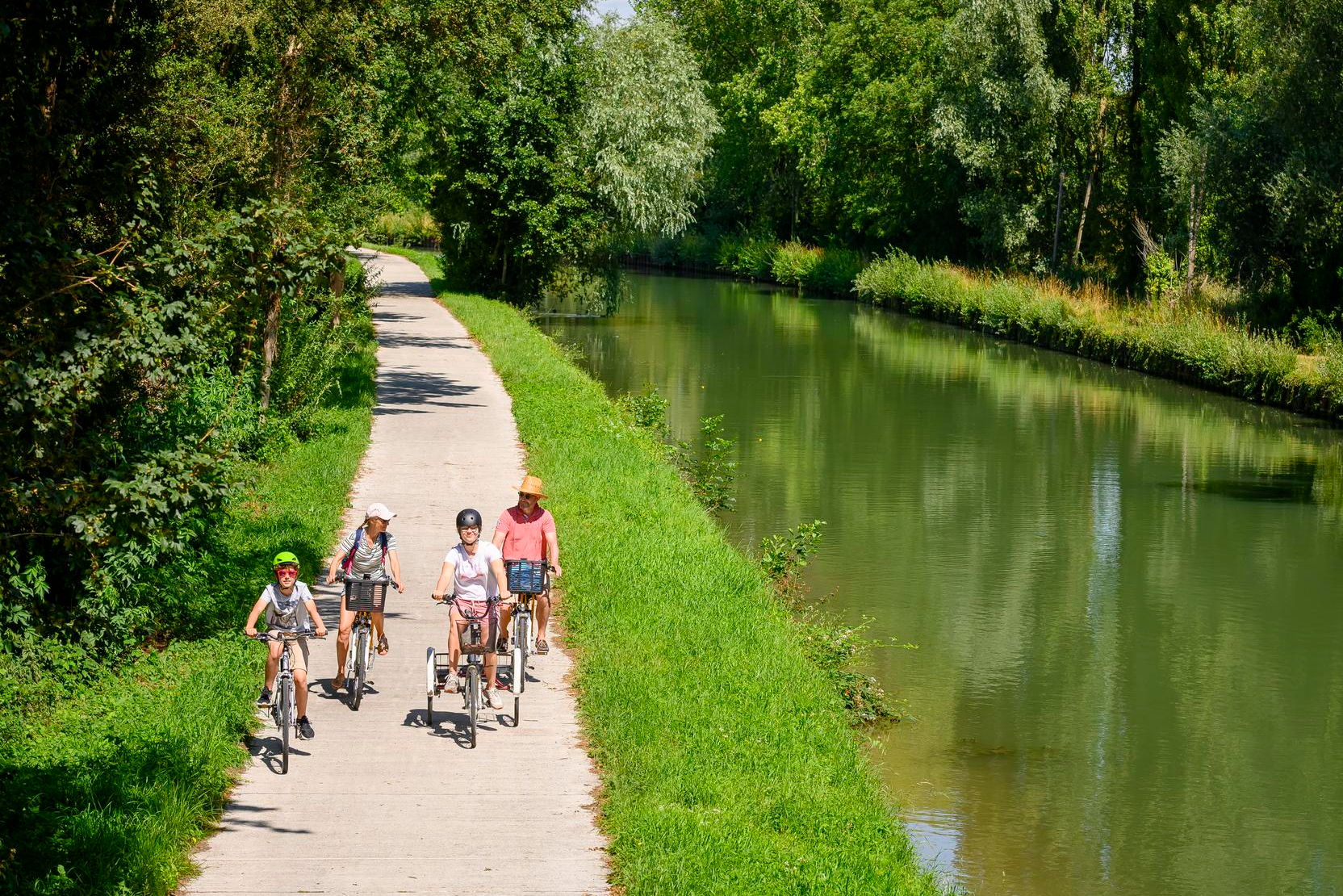
Cycling routes in Hauts-de-France for beginners and families
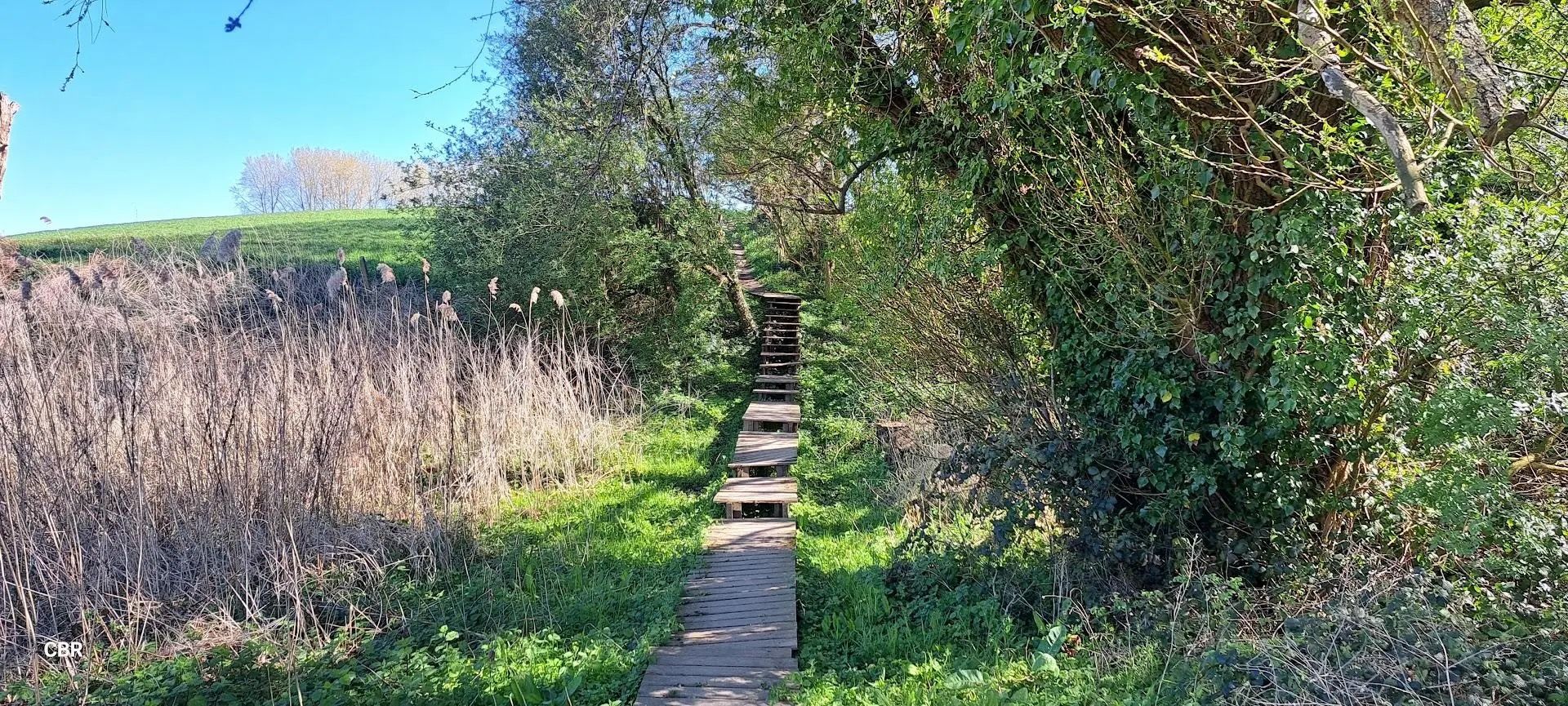
At the pace of the Westhoek - Streek-GR Heuvelland
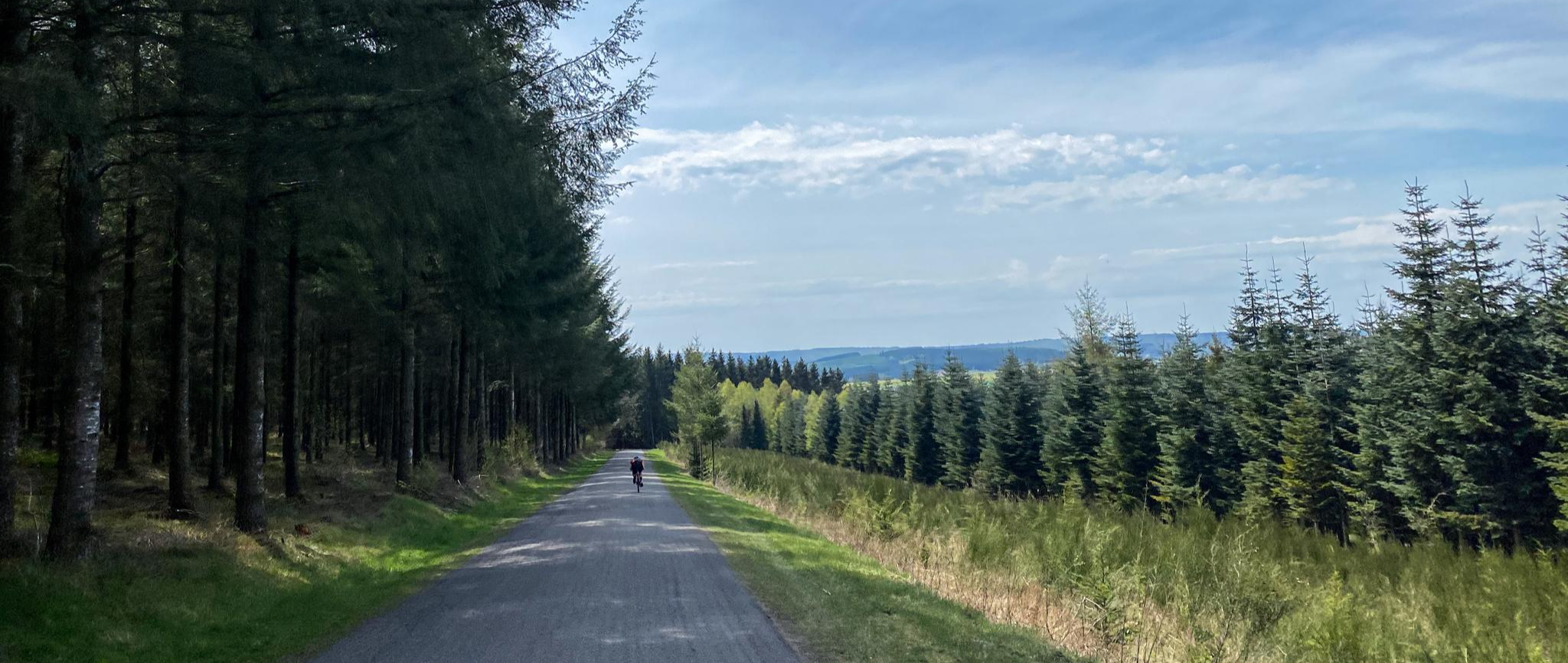
From Picardie to the Ardennes — Crossing Wallonia by Bike
Other adventures in Northern France


Tips from the Community

Due to a breach in the wall near Ellestraat (approximately halfway along the canal), the canal completely emptied in 1959. The damage was later linked to the digging work of muskrats. (Wikipedia)
6
0


Between 1857 and 1860, the old Bossuit-Kortrijk canal was dug using spades and wheelbarrows, as well as horse and cart. After the construction of the new canal in the early 1970s, this old section of the canal remained in place. As a result, an ideal spawning ground was created here. Fish find few suitable opportunities to spawn and lay their eggs. They do this on aquatic and riparian plants, which are present in limited numbers in the canal. Species such as rudd and pike require plants to complete their reproduction. The creation of fish spawning grounds gives the fish population a "natural" boost. However, it is not only fish that benefit from this nature development zone. Dragonflies, amphibians, waterfowl, and breeding birds also find an ideal habitat there. Source: information board on site
4
0
The Kortrijk-Bossuit Canal was built between 1858 and 1860 to connect the Leie and Scheldt rivers, primarily to transport coal from the Borinage to Flanders.
4
0


beautiful place steeped in history. superb view at the top of the column
0
0

A beautiful climb! Route used by the Tour de France in 2022.
0
0
Frequently Asked Questions
How many no-traffic road cycling routes are available in Northern France?
Northern France offers a vast network of car-free road cycling routes. You can discover over 6,500 routes, with a good mix of difficulties: more than 1,600 easy routes, over 4,500 moderate options, and around 300 challenging rides for experienced cyclists.
Are there any easy, family-friendly no-traffic road cycling routes in Northern France?
Yes, Northern France is well-suited for family-friendly cycling. Many routes utilize former railway lines or tranquil canal towpaths, offering flat and safe environments. For example, the Blue Square Route is an easy option with minimal elevation, perfect for a relaxed ride. The Lys Valley & Monts de Flandre Network also provides 830km of flexible routes, many of which are suitable for various abilities.
What kind of landscapes can I expect on these car-free road cycling routes?
The no-traffic routes in Northern France traverse diverse and beautiful landscapes. You'll find stunning coastal paths along the Opal Coast and Bay of Somme, offering views of dramatic chalk cliffs like Cap Blanc-Nez. Inland, routes wind through rolling countryside, extensive forests such as the Phalempin state forest, and tranquil river valleys and canal networks. The region also features natural reserves and marshlands, providing serene cycling environments.
Can I find circular no-traffic road cycling routes in Northern France?
Absolutely. Many of the no-traffic road cycling routes in Northern France are designed as loops, allowing you to start and finish in the same location. For instance, the challenging Two Caps and Opal Marshes Loop offers a scenic circular ride, as does the loop from Boulogne sur Mer in the Parc naturel régional des caps et marais d'Opale.
What are some notable attractions or landmarks I can see along these routes?
Many no-traffic routes pass by significant natural and historical sites. Along the coast, you can visit the impressive Cape Blanc-Nez and Cran d'Escalles. Inland, routes like the Circuit des Hauts-Lieux de la Grande Guerre en Artois offer a historical perspective. You might also encounter unique natural features like the Dunes of the Slack or the Ault Chalk Cliffs.
When is the best time of year to cycle car-free routes in Northern France?
The best time to cycle in Northern France is generally from spring through early autumn (April to October). During these months, the weather is typically milder and more stable, making for pleasant riding conditions. Coastal areas can be breezy, and inland regions offer lush greenery in spring and vibrant colors in autumn. While winter cycling is possible, be prepared for colder temperatures and potentially wet conditions.
Are there any advanced or challenging no-traffic road cycling routes?
Yes, for experienced cyclists seeking a challenge, Northern France offers routes with significant elevation gains and longer distances, even on car-free paths. The Two Caps and Opal Marshes Loop, for example, is rated difficult with over 1,300 meters of elevation gain over 108 km. The region's rolling hills, particularly in areas like the French Flanders, provide ample opportunity for more demanding rides.
What do other cyclists say about the no-traffic road cycling routes in Northern France?
The komoot community highly rates the cycling experience in Northern France, with an average score of 4.3 out of 5 stars from over 3,300 ratings. Reviewers often praise the region's well-maintained, quiet roads, the stunning coastal scenery, and the opportunities to explore historical sites and charming villages without the disturbance of heavy traffic.
Are there opportunities for wildlife spotting on these quiet routes?
Yes, particularly in areas like the Baie de Somme and the Parc naturel régional des caps et marais d'Opale. The Baie de Somme is a significant estuary known for birdwatching and even seal spotting. Routes through marshlands and natural reserves, such as those near the Dune Dewulf Nature Reserve, offer excellent chances to observe local wildlife in their natural habitats.
Where can I find parking for these no-traffic road cycling routes?
Parking availability varies by route and starting point. Many towns and villages that serve as access points for these routes, especially those along popular cycle paths like La Vélomaritime or the Canal de la Somme, offer designated parking areas. It's advisable to check the specific route details on komoot for information on recommended starting points and parking facilities near your chosen route.
Are there any specific types of car-free paths, like 'Voies Vertes' or converted railway lines?
Yes, Northern France features a good number of 'Voies Vertes' (greenways) and converted railway lines, which are ideal for no-traffic road cycling. These paths often provide smooth, dedicated surfaces away from vehicular traffic, making them very popular. The Canal de la Somme, for instance, offers tranquil cycling along its towpaths, and former railway lines have been transformed into scenic routes, such as the one linking Le Bec-Hellouin to Evreux.
Most popular routes in Northern France
Most popular attractions in Northern France

Get inspired with the komoot mobile app


Didn’t find what you were looking for?
Check out more Road cycling routes throughout Northern France below and find the perfect route in your destination.
Explore more
Browse the best Road cycling routes in other regions.
