Easy hikes and walks around Isselburg
4.4
(3854)
21,482
hikers
153
hikes
Easy hiking trails around Isselburg traverse a landscape characterized by tranquil rivers like the Issel and Bocholter Aa, extensive forests such as the Achterhoek and Isselburger Stadtwald, and open fields and meadows. The region, situated at the western edge of Münsterland and bordering the Netherlands, offers predominantly flat terrain suitable for accessible walks. Natural features include the "Hetter-Millinger Bruch" nature reserve, known for its diverse flora and fauna.
Best easy hiking trails around Isselburg
- The most popular easy hiking route…
Last updated: June 30, 2026
4.8
(73)
528
hikers
6.02km
01:31
10m
10m
Easy hike. Great for any fitness level. Easily-accessible paths. Suitable for all skill levels.
4.6
(26)
134
hikers
Easy hike. Great for any fitness level. Easily-accessible paths. Suitable for all skill levels.

Sign up for free
4.6
(21)
68
hikers
Easy hike. Great for any fitness level. Easily-accessible paths. Suitable for all skill levels.
4.7
(12)
45
hikers
Easy hike. Great for any fitness level. Easily-accessible paths. Suitable for all skill levels.
4.5
(11)
56
hikers
6.07km
01:32
10m
10m
Easy hike. Great for any fitness level. Easily-accessible paths. Suitable for all skill levels.
Get access to more routes and recommendations from other explorers.
Sign up for free
Already have an account?
Our route recommendations are based on thousands of hikes, rides, and runs completed by other people on komoot.
Start today with a free account
Your next adventure awaits.
Login or Signup



Tips from the Community

I really liked the Wolf in this great environment.
1
0


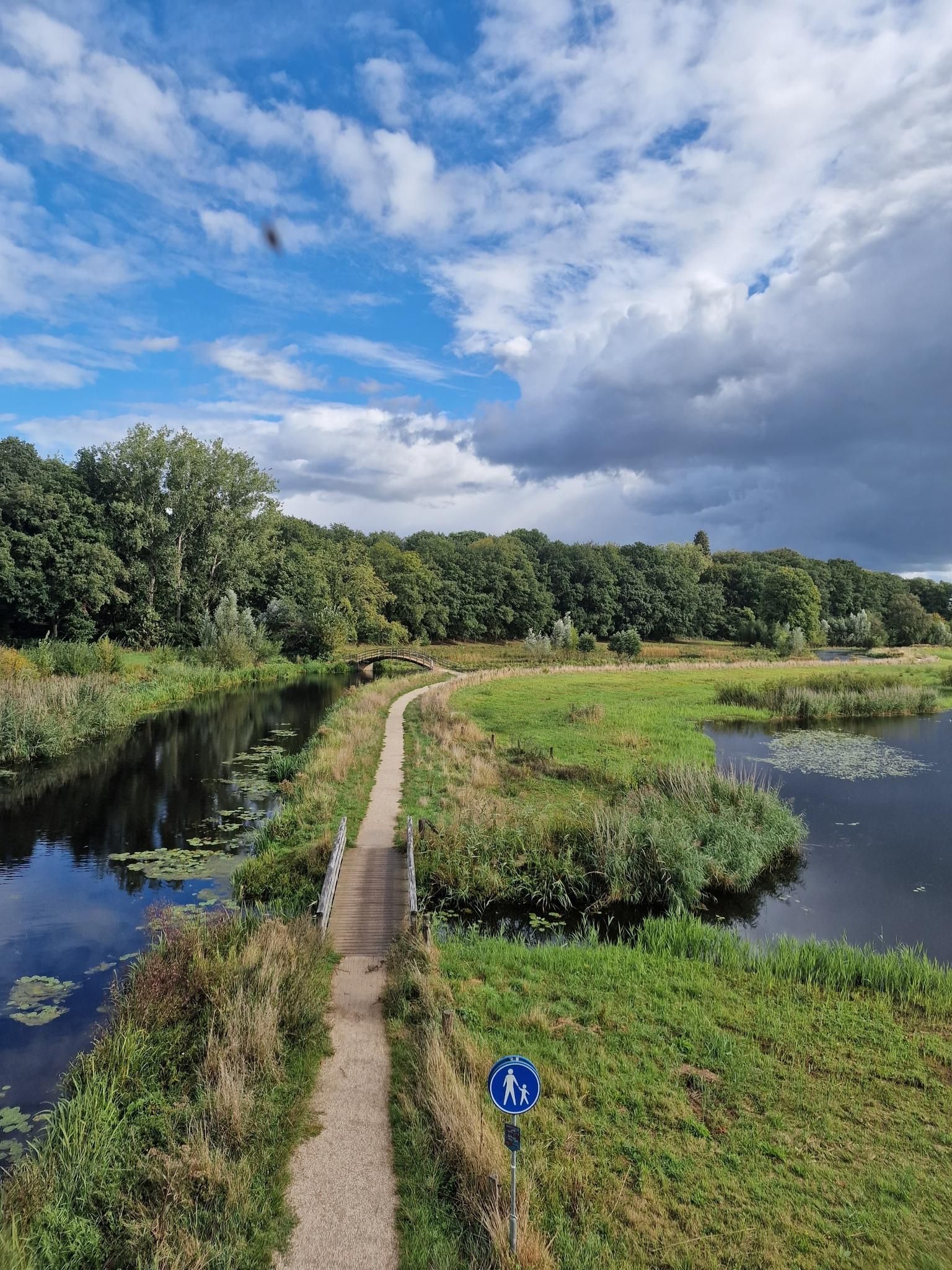
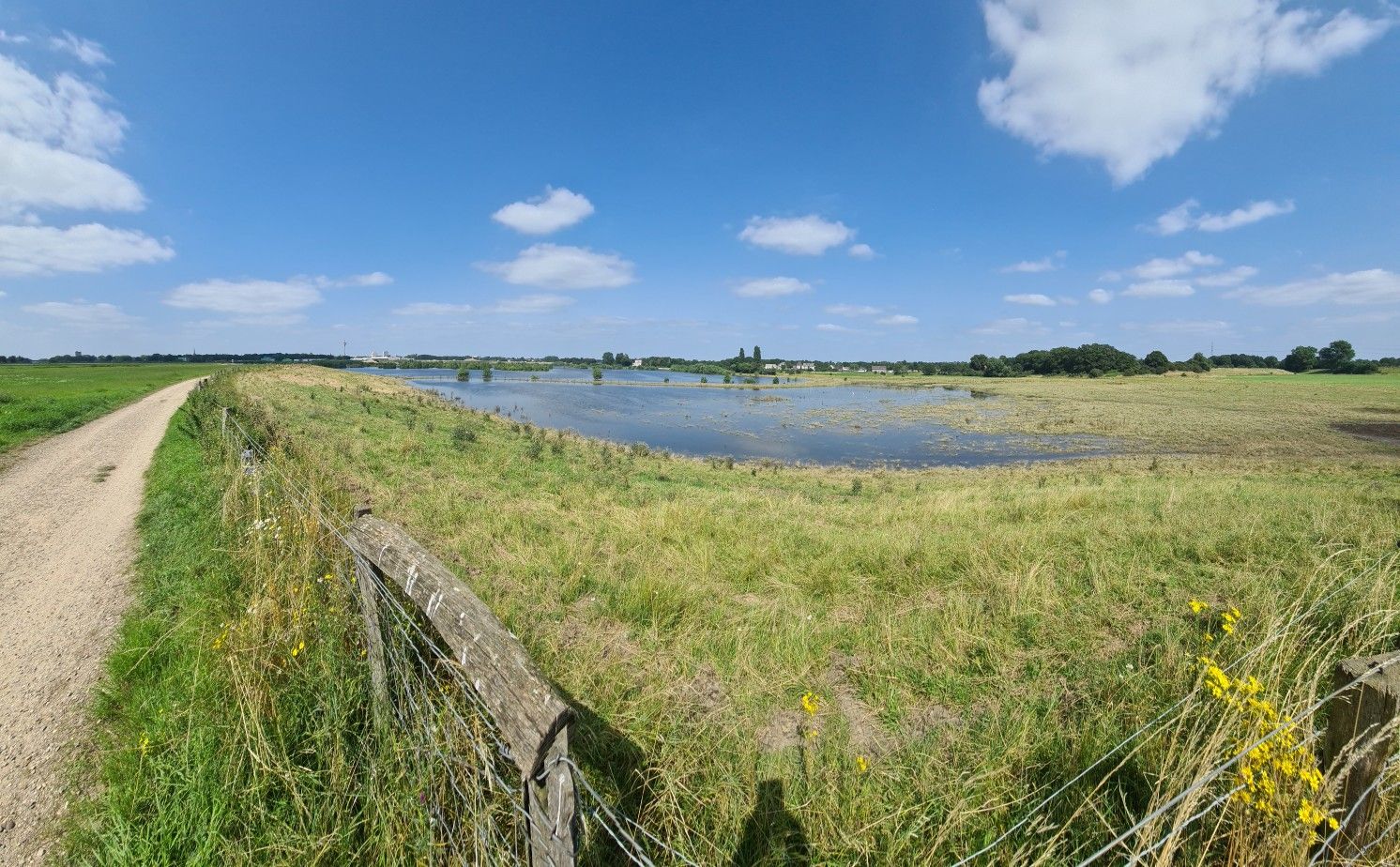
Engbergen is a beautiful recreation area. Here you can hike on well-maintained paths or stroll along narrow trails between fields and meadows. It's a wooded and heathland area with wetlands and artificially created biotopes. For example, Recreatie 't Lohr, located at Lohrpad 2 in Voorst, offers accommodation directly adjacent to the recreation area. It's designed for group outings for team building or for school groups.
3
0
A beautiful route, also suitable for hiking. Since there is only one resident on this street, it's a pleasant place for cycling or walking. The street is a dead end for cars and leads into the Landfortseweg, which loops around Haus Landfort.
4
0
The Oriental dovecote was designed and built between 1825 and 1827 by Johann Theodor Übbung (1786-1864), the architect of the Prince of Anholt. The Oriental architectural style, with elements such as arched doorways, draperies with tassels, and a crescent moon, was popular at the end of the 18th and beginning of the 19th centuries. According to the descriptions accompanying the design, the dovecote was intended to house, among other things, 164 pairs of doves, as well as chickens, capons, turkeys, swans, and ducks. They were kept for their meat, eggs, and droppings, which were used as fertilizer for plants. The dovecote was severely damaged at the end of World War II. Around the year 2000, it was restored to its original condition. (Source: Information panel on the grounds)
4
0
The name Landfort refers to a ford (a place fordable) in the Oude IJssel river. Landfort Manor was first mentioned in 1434. Since then, the size of the estate and the exterior of the buildings have changed regularly. When the Amsterdam ophthalmologist and botanist Johann Albert Luyken (1785-1867) acquired Landfort Manor in 1823, he had ambitious renovation plans. In 1825, he commissioned the renowned landscape architect Jan David Zocher Jr. (1791-1870) to design a landscaped park. The manor house itself was also redesigned, according to a plan by the Anholt court architect Johann Theodor Übbing (1786-1864), which included curved wings. J.T. Übbing also designed the oriental-style dovecote. Landfort Manor was severely damaged in 1945. In 1970, "Stichting Geldersch Landschap & Kasteelen" acquired the external site. In 2017, "Stichting Erfgoed Landfort" took over the island and the surrounding land on a long-term leasehold basis.
4
0
The island with its small country estate is called "Het Kleine Erf" (Little Erf). When the Amsterdam ophthalmologist and botanist Johann Albert Luyken (1785-1867) acquired Landfort House in 1823, he had ambitious renovation plans. In 1825, he commissioned the renowned landscape architect Jan David Zocher Jr. (1791-1870) to design a landscape park. Jan David Zocher designed the island of "Het Kleine Erf" and the entire park. Today, several old and remarkable trees from that era still stand on the island. There are winding paths, embankments, flowerbeds, flowering shrubs, and numerous surprising vistas. Het Kleine Erf is accessible via two distinctive bridges. One is the cast-iron bridge from 1873. This bridge was built at the Isselburg Ironworks in Germany and was restored in 2019 by order of the "Stichting Erfgoed Landfort" (Landfort Heritage Foundation). The monumental bridge at the head of Het Kleine Erf dates from the early 20th century and was designed by a member of the Luyken family.
5
0
Country estates, such as Huis Landfort, traditionally had their own vegetable and fruit gardens. In the 17th and 18th centuries, the vegetable garden was a visible part of the garden, but later it was believed that these areas, with their manure heaps and work areas, should be hidden from view. Located some distance from the main house, garden walls and high hedges prevented residents and their guests from seeing them. This was also the case at Huis Landfort. The vegetable garden was not located on "Het Kleine Erf" (House Island), but outside the fence behind the coach house. A vegetable garden was always present and invaluable, as it supplied the kitchen with vegetables, fruit, herbs, and flowers throughout the year. The current vegetable garden at Huis Landfort has a modern design but was inspired by the historic vegetable garden depicted on a map from 1825, including the elongated, central carp or fishpond. After World War II, the vegetable garden was converted into a production orchard. When Haus Landfort came into the possession of the "Stichting Erfgoed Landfort" in 2017, plans were made to recreate the old vegetable garden, and it was completed in 2021. Today, it provides fresh flowers, herbs, and vegetables, just as it always has. (Source: Information panel at the coach house)
3
0
Frequently Asked Questions
How many easy hiking trails are available in Isselburg?
Isselburg offers a wide selection of easy hiking trails, with over 90 routes specifically categorized as easy. In total, the region features more than 150 hiking tours suitable for various preferences.
What kind of landscapes can I expect on easy hikes around Isselburg?
Easy hikes in Isselburg traverse diverse, predominantly flat landscapes. You'll encounter tranquil rivers like the Issel and Bocholter Aa, extensive forests such as the Achterhoek and Isselburger Stadtwald, and open fields and meadows. The region's location at the western edge of Münsterland, bordering the Netherlands, also offers unique cross-border scenery.
Are there family-friendly easy hiking options in Isselburg?
Yes, Isselburg is well-suited for family outings. The generally flat terrain and well-signposted paths, especially within the Isselburger Stadtwald, provide excellent opportunities for families and children to enjoy nature and play. Many routes are designed to be accessible for all ages.
Can I bring my dog on the easy hiking trails?
Many of the easy hiking trails in Isselburg are suitable for dogs. The region's natural areas, including forests and open fields, offer plenty of space for walks with your canine companion. Always ensure your dog is on a leash where required, especially in nature reserves or near wildlife.
Are there circular easy hiking routes available?
Yes, Isselburg features several circular routes perfect for easy hikes. For example, the Lowland Landscape Biotope loop from Anholt is a popular 3.7-mile (6.0 km) option. Another favorite is the Old Windmill in Anholt – Emmerdennen Recreation Area loop from Anholt, which is 4.7 miles (7.6 km) long.
What attractions can I see along the easy hiking trails?
Many easy trails lead past notable attractions. You can explore impressive historical sites like Anholt Castle, a picturesque moated castle with extensive parks. The Landfort Estate – Huis Landfort loop from Anholt will take you past the historic Landfort Estate and Huis Landfort. Other routes might offer views of historic windmills or lead through the Bocholter Aa Riverside Trail.
What is the best time of year for easy hikes in Isselburg?
Spring and autumn are particularly recommended seasons for easy hikes in Isselburg. During these times, the landscape is vibrant with blooming flora or rich autumn colors, and temperatures are generally pleasant for outdoor activities. The flat terrain makes it enjoyable even in milder weather conditions.
Are there any nature reserves or wildlife parks accessible on easy hikes?
Yes, the region is home to the "Hetter-Millinger Bruch" nature reserve, known for its unique flora and fauna, offering opportunities to observe rare bird species. Additionally, the Biotopwildpark Anholter Schweiz, near Anholt Castle, provides a chance to see around 50 animal species in natural enclosures, making it a great destination to combine with an easy walk.
What do other hikers say about the easy trails in Isselburg?
The easy hiking trails in Isselburg are highly rated by the komoot community, with an average score of 4.4 stars from over 500 reviews. Hikers often praise the quiet woodlands, diverse scenery along river dikes and meadows, and the well-maintained paths that make for a relaxing outdoor experience.
Are there any easy routes that cross into the Netherlands?
Yes, Isselburg's location near the Dutch border allows for unique cross-border explorations. Some circular routes, such as those starting from Anholt Castle, extend into the Netherlands, offering a blend of German and Dutch landscapes, sometimes even along historical smuggler paths.
Are there any easy trails with interesting historical landmarks?
Absolutely. The Old Windmill in Anholt – Emmerdennen Recreation Area loop from Anholt offers views of an old windmill. You can also find routes that pass historic town halls in areas like Werth and Anholt, or even a 15th-century defensive tower in Isselburg's old town center. The Star-Shaped Tree Stump – Corn Art on the Farm loop from Isselburg - Werth also highlights local points of interest.
Are there options for parking near the trailheads for easy hikes?
While specific parking details vary by trailhead, Isselburg is generally well-equipped for visitors arriving by car. Many popular starting points for easy hikes, especially near attractions like Anholt Castle or within the Isselburger Stadtwald, typically offer designated parking areas to facilitate access to the trails.
Most popular routes around Isselburg
Most popular attractions around Isselburg

Get inspired with the komoot mobile app


Explore more
Browse the best Hikes in other regions.
