The best walks and hikes around Isselburg
4.4
(3941)
22,002
hikers
150
hikes
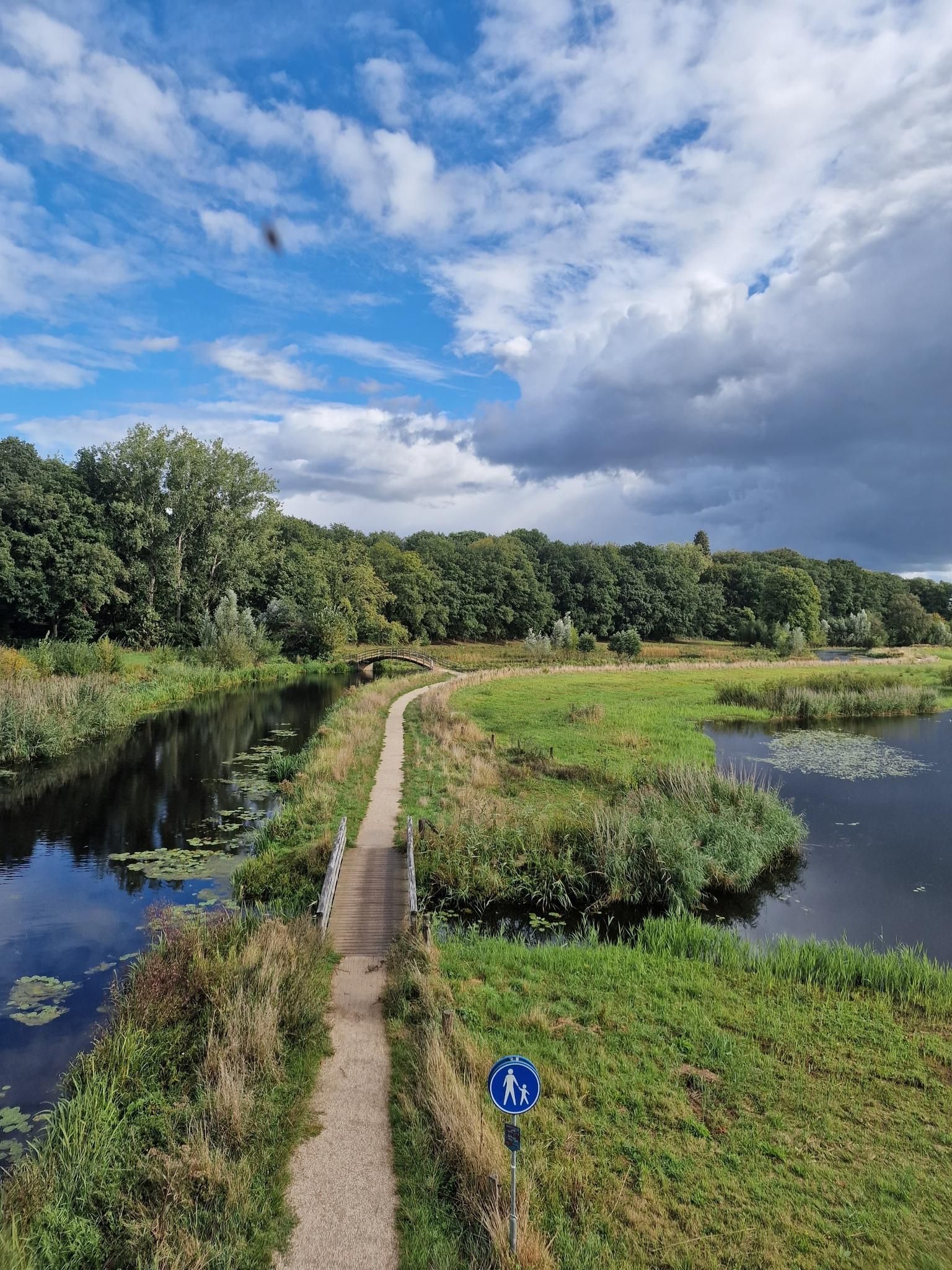
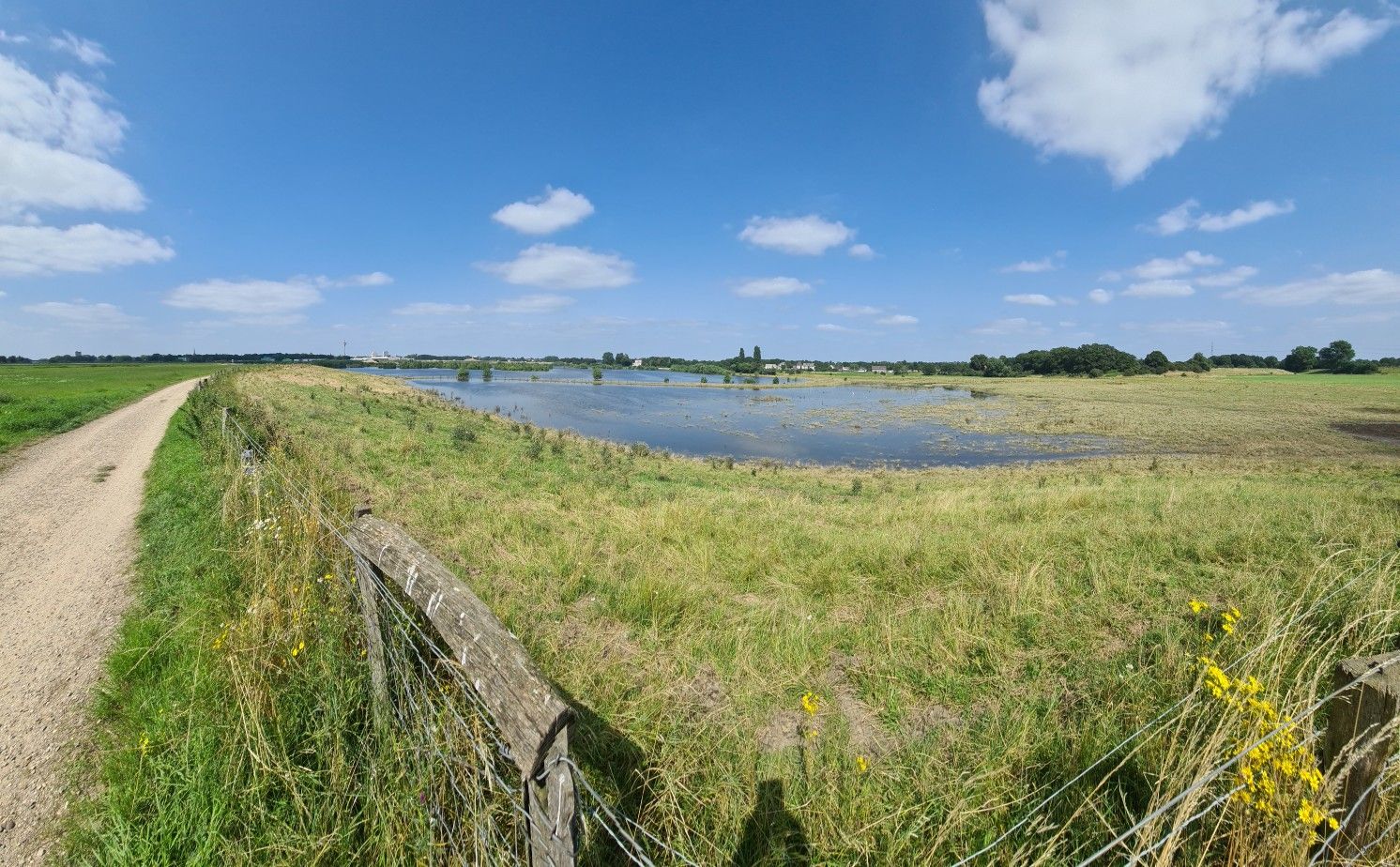
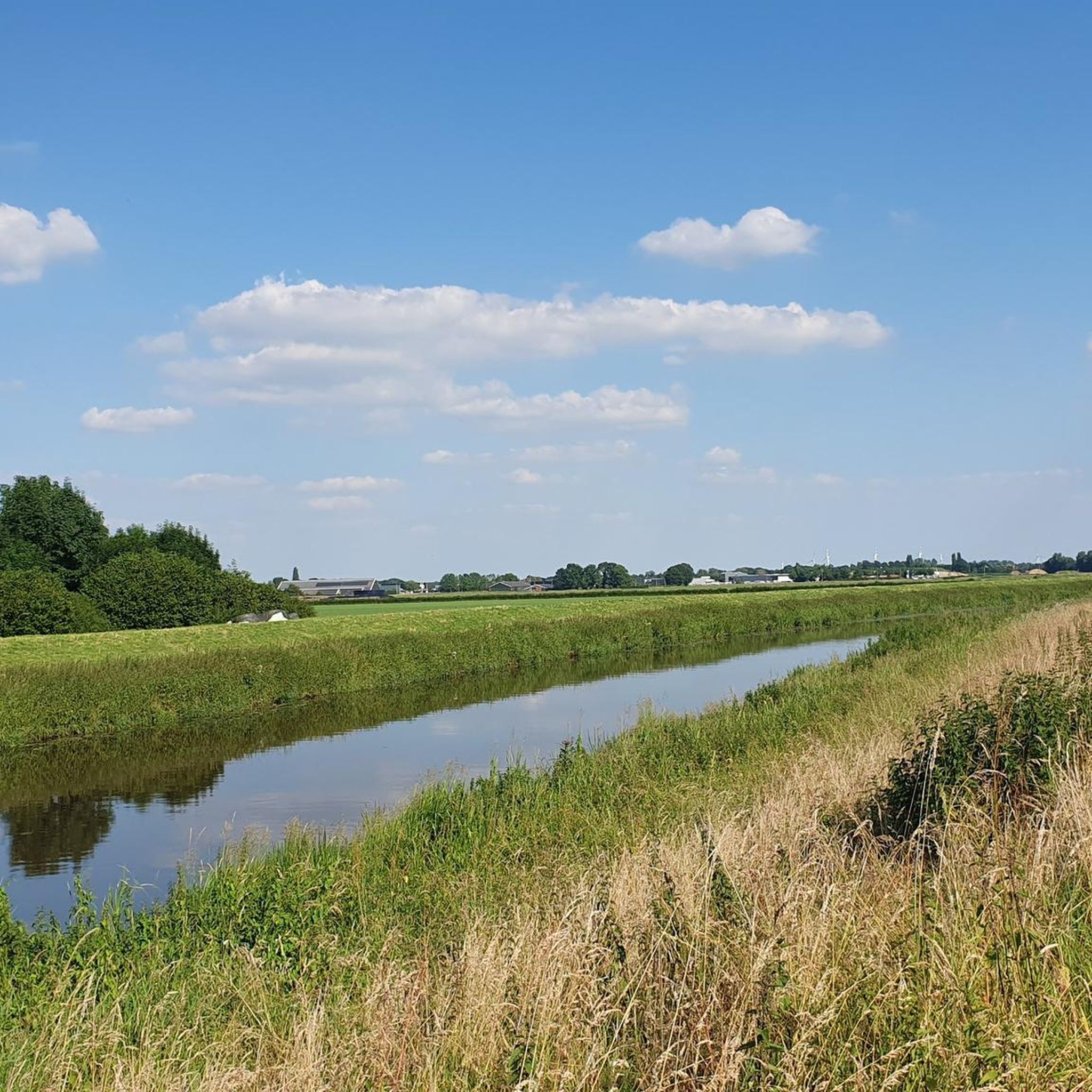
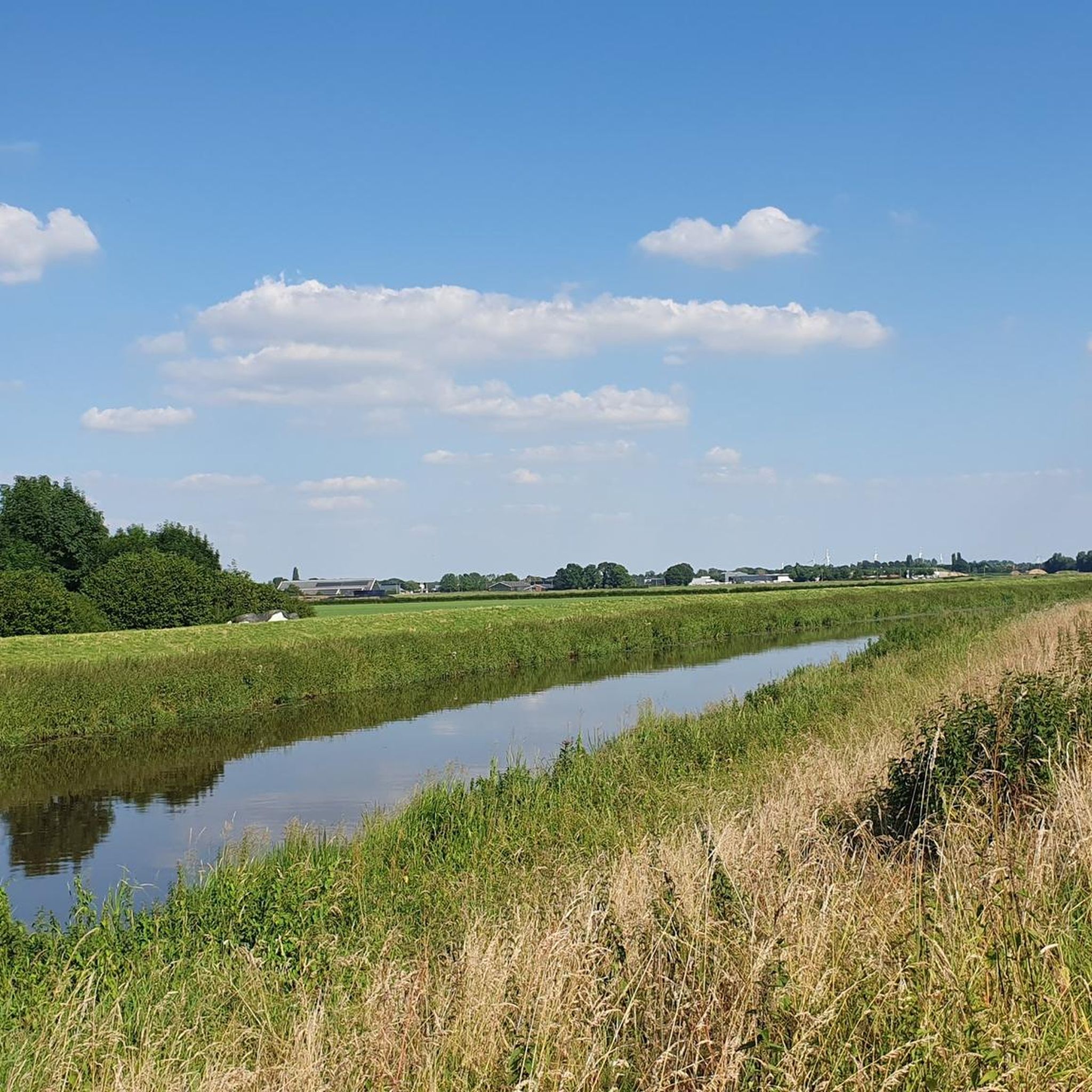
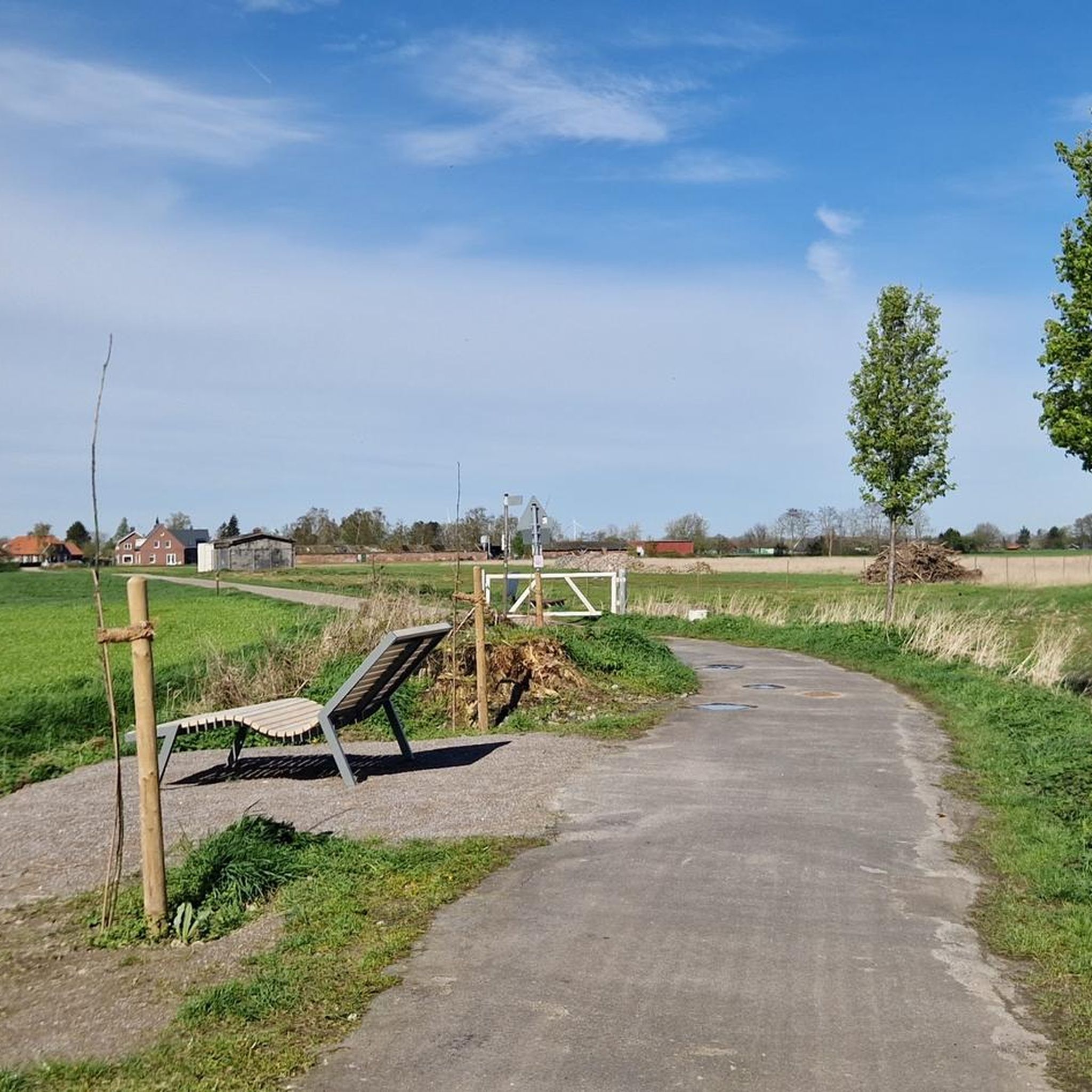
Hiking around Isselburg offers routes through a lowland landscape characterized by the meandering Issel river, agricultural fields, and small forested areas. The terrain is generally flat, with minimal elevation changes, making it suitable for relaxed walks. The region features natural biotopes and historical elements like old windmills, providing varied scenery for outdoor activities.
Best hiking trails around Isselburg
- The most popular hiking route is Lowland Landscape Biotope loop from Anholt, an easy 3.7 miles (6.0 km) trail that takes…
Last updated: June 24, 2026
4.8
(73)
528
hikers
6.02km
01:31
10m
10m
Easy hike. Great for any fitness level. Easily-accessible paths. Suitable for all skill levels.
4.4
(43)
197
hikers
8.88km
02:14
10m
10m
Moderate hike. Good fitness required. Easily-accessible paths. Suitable for all skill levels.

Sign up for free
4.7
(40)
282
hikers
8.63km
02:11
20m
20m
Moderate hike. Good fitness required. Easily-accessible paths. Suitable for all skill levels.
4.6
(26)
134
hikers
Easy hike. Great for any fitness level. Easily-accessible paths. Suitable for all skill levels.
4.4
(11)
65
hikers
9.30km
02:21
10m
10m
Moderate hike. Good fitness required. Easily-accessible paths. Suitable for all skill levels.
Get access to more routes and recommendations from other explorers.
Sign up for free
Already have an account?
Our route recommendations are based on thousands of hikes, rides, and runs completed by other people on komoot.
Start today with a free account
Your next adventure awaits.
Login or Signup
Popular around Isselburg




Tips from the Community

I really liked the Wolf in this great environment.
1
0
Like being transplanted to Switzerland. A place to feel good.
1
0

Engbergen is a beautiful recreation area. Here you can hike on well-maintained paths or stroll along narrow trails between fields and meadows. It's a wooded and heathland area with wetlands and artificially created biotopes. For example, Recreatie 't Lohr, located at Lohrpad 2 in Voorst, offers accommodation directly adjacent to the recreation area. It's designed for group outings for team building or for school groups.
3
0
A beautiful route, also suitable for hiking. Since there is only one resident on this street, it's a pleasant place for cycling or walking. The street is a dead end for cars and leads into the Landfortseweg, which loops around Haus Landfort.
4
0
The name Landfort refers to a ford (a place fordable) in the Oude IJssel river. Landfort Manor was first mentioned in 1434. Since then, the size of the estate and the exterior of the buildings have changed regularly. When the Amsterdam ophthalmologist and botanist Johann Albert Luyken (1785-1867) acquired Landfort Manor in 1823, he had ambitious renovation plans. In 1825, he commissioned the renowned landscape architect Jan David Zocher Jr. (1791-1870) to design a landscaped park. The manor house itself was also redesigned, according to a plan by the Anholt court architect Johann Theodor Übbing (1786-1864), which included curved wings. J.T. Übbing also designed the oriental-style dovecote. Landfort Manor was severely damaged in 1945. In 1970, "Stichting Geldersch Landschap & Kasteelen" acquired the external site. In 2017, "Stichting Erfgoed Landfort" took over the island and the surrounding land on a long-term leasehold basis.
4
0
The island with its small country estate is called "Het Kleine Erf" (Little Erf). When the Amsterdam ophthalmologist and botanist Johann Albert Luyken (1785-1867) acquired Landfort House in 1823, he had ambitious renovation plans. In 1825, he commissioned the renowned landscape architect Jan David Zocher Jr. (1791-1870) to design a landscape park. Jan David Zocher designed the island of "Het Kleine Erf" and the entire park. Today, several old and remarkable trees from that era still stand on the island. There are winding paths, embankments, flowerbeds, flowering shrubs, and numerous surprising vistas. Het Kleine Erf is accessible via two distinctive bridges. One is the cast-iron bridge from 1873. This bridge was built at the Isselburg Ironworks in Germany and was restored in 2019 by order of the "Stichting Erfgoed Landfort" (Landfort Heritage Foundation). The monumental bridge at the head of Het Kleine Erf dates from the early 20th century and was designed by a member of the Luyken family.
5
0

The ice cellar is the foundation of a former defensive tower of the city fortifications dating back to the 16th century. The defensive tower was demolished in the 19th century, and only then was the new entrance, as we know it today, built and intended to serve as an ice cellar. It is not known that it ever stored ice. TOWN FORTIFICATION: In 1349, Dietrich II of Zuylen (Zuilen/Sulen) and of Anholt granted the inhabitants town charter. This also included the right, or rather the obligation, to surround the settlement with a wall, rampart, and ditch. For this purpose, approximately 5,000 m³ of earthwork was carried out. Around the middle of the 15th century, the old fortifications were reinforced and expanded. The rampart was raised and widened, the ditch was deepened and expanded into a moat, and the city wall was provided with turrets and loopholes. At the same time, the city gates toward Isselburg at the market (called the Kerkpoort) and Vehlingen (called the Clev'se Poort) were reinforced. A keep was built at the weakest point of the fortifications (in the north), directly next to the parish church. Below it is the "ice cellar," which served as the foundation. Some rumors claim there was a secret passage from the castle to the ice cellar/defensive tower. However, there is no evidence for this.
2
0
Frequently Asked Questions
How many hiking trails are available around Isselburg?
Isselburg offers a wide selection of hiking opportunities, with over 150 routes to explore. These range from easy strolls through the lowlands to more moderate paths connecting historical sites.
What kind of landscape can I expect on hikes around Isselburg?
The landscape around Isselburg is characterized by its gentle lowland terrain, featuring the meandering Issel river, expansive agricultural fields, and small, tranquil forested areas. You'll find minimal elevation changes, making it ideal for relaxed walks through natural biotopes and past historical elements like old windmills.
Are there easy hiking trails suitable for beginners or families?
Yes, Isselburg is particularly well-suited for easy hikes, with 95 routes classified as easy. Many of these are perfect for beginners or families looking for a relaxed outdoor experience. For example, the Old Windmill in Anholt – Emmerdennen Recreation Area loop from Anholt is an easy 4.7-mile (7.6 km) trail that takes about 1 hour 55 minutes.
Are there circular hiking routes in Isselburg?
Many of the hiking routes around Isselburg are designed as loops, allowing you to start and end at the same point. An example is the Issel loop from Anholt, a moderate 8.6 km route that follows the river.
What historical landmarks or attractions can I see while hiking?
Isselburg's trails often lead past interesting historical sites. You can explore impressive structures like Anholt Castle or the historic Huis Landfort. Many routes also feature old windmills, such as the one highlighted in the St. Pankratius Church, Anholt – Old Windmill in Anholt loop from Anholt.
Can I bring my dog on the hiking trails in Isselburg?
Generally, dogs are welcome on hiking trails in Isselburg. However, it's always advisable to keep your dog on a leash, especially in nature reserves, agricultural areas, or near livestock, and to be mindful of local regulations. Always carry bags to clean up after your pet.
Where can I park when hiking in Isselburg?
Parking is typically available near the starting points of many trails, especially in and around the larger towns like Anholt. Look for designated parking areas or public car parks. Specific parking information can often be found on individual route descriptions on komoot.
What is the best season for hiking in Isselburg?
The lowland landscape of Isselburg is pleasant for hiking throughout much of the year. Spring brings blooming nature, while autumn offers beautiful colors. Summer is great for longer days, and even mild winter days can be enjoyable for a crisp walk. Always check local weather conditions before heading out.
Are there any longer or more challenging hikes available?
While Isselburg is known for its generally flat terrain, there are a few routes that offer a bit more distance or are rated as moderate. Out of the 151 tours, 53 are moderate and 3 are difficult. The Klev´sche Landwehr loop from Anholt is a moderate 9.3 km route, offering a slightly longer experience.
What do other hikers enjoy most about the trails in Isselburg?
The hiking routes in Isselburg are highly rated by the komoot community, with an average score of 4.4 stars from over 400 reviews. Hikers often praise the peaceful lowland landscapes, the well-maintained paths along the Issel river, and the charming historical elements like the old windmills.
Are there trails that follow the Issel river?
Yes, the Issel river is a prominent feature of the region, and many trails incorporate its banks. You can find pleasant riverine paths that offer scenic views of the water and surrounding nature. The Issel loop from Anholt is a great example of a route that closely follows the river.
How long do hikes near Isselburg typically take?
Hikes near Isselburg vary in length and duration. Many easy routes, like the 3.7-mile (6.0 km) Lowland Landscape Biotope loop from Anholt, can be completed in about 1 hour 30 minutes. Moderate trails, such as the 5.3-mile (8.5 km) St. Pankratius Church, Anholt – Old Windmill in Anholt loop from Anholt, might take around 2 hours 15 minutes.
Most popular routes around Isselburg
Most popular attractions around Isselburg

Get inspired with the komoot mobile app


Explore more
Browse the best Hikes in other regions.
