Top 20 Natural Monuments in California
Best natural monuments in California encompass a diverse range of geological formations, ancient forests, and coastal features. The state's varied topography includes towering mountains, extensive deserts, and a long Pacific coastline. These natural landmarks offer opportunities to observe unique ecosystems and significant geological processes. California's natural monuments preserve iconic landscapes and provide insight into the region's natural history.
Best natural monuments in California
- The most popular natural monuments is General Sherman Tree, a natural monument that is the largest living tree globally by volume. It is a significant feature within Sequoia National Park.
- Another must-see spot is Nevada Fall, a waterfall located in Yosemite National Park. This 181-meter high waterfall is recognized by its bent shape and the significant mist it generates.
- Visitors also love Mariposa Grove, a forest area with a high concentration of imposing giant sequoias. This grove protects some of the largest organisms in the world, known for their longevity and fire-resistant bark.
- California is known for its ancient forests, unique geological formations, and coastal wonders. Visitors can explore a variety of natural monuments, from towering trees to volcanic features and dramatic coastlines.
- The natural monuments in California are appreciated by the komoot community, with more than 15 upvotes and 27 photos shared across various highlights.
Last updated: September 29, 2026
Half Dome Summit
Highlight • Summit
Tip by

Vernal Fall
Highlight • Waterfall
Tip by

Sign up now to discover places like this
Get recommendations on the best single tracks, peaks, & plenty of other exciting outdoor places.
Nevada Fall
Highlight • Waterfall
Nevada Fall is a 594-foot (181 m) high waterfall on the Merced River in Yosemite National Park, California. It is located below the granite dome, Liberty Cap, at the west end of Little Yosemite Valley. The waterfall is widely recognized by its "bent" shape, in which the water free-falls for roughly the first third of its length to a steep slick-rock slope. This mid-fall impact of the water on the cliff face creates a turbulent, whitewater appearance in the fall and produces a great deal of mist which covers a wide radius, which led to its current name (Nevada is a Spanish word meaning "snowy"). Wikipedia.
Tip by

General Sherman Tree
Highlight • Natural Monument
Showing Translation
Tip by

Back of the Hollywood Sign on Mount Lee
Highlight • Viewpoint
Tip by

Mist Trail: Vernal & Nevada Falls, Yosemite
Highlight (Segment) • Waterfall
Tip by

Mariposa Grove
Highlight • Forest
Tip by

Muir Woods National Monument Entrance
Highlight • Natural Monument
Tip by
Four Mile Trail, Yosemite National Park
Highlight (Segment) • Trail
The Four Mile Trail ends at Glacier Point, where restrooms, parking, and a snack stand (summer only) are available. You can choose to hike back to Yosemite Valley by reversing your route or by continuing on the Panorama Trail, which brings you to the Happy Isles Trailhead in another 8.5 miles (13.7 km).
Tip by

Grizzly Giant
Highlight • Natural Monument
Translated by Google •
Tip by

Sign up for free to discover even more natural monuments in California.
Already have an account?
Start today with a free account
Your next adventure awaits.
Popular around California

Triathlon 360 – my journey around the world
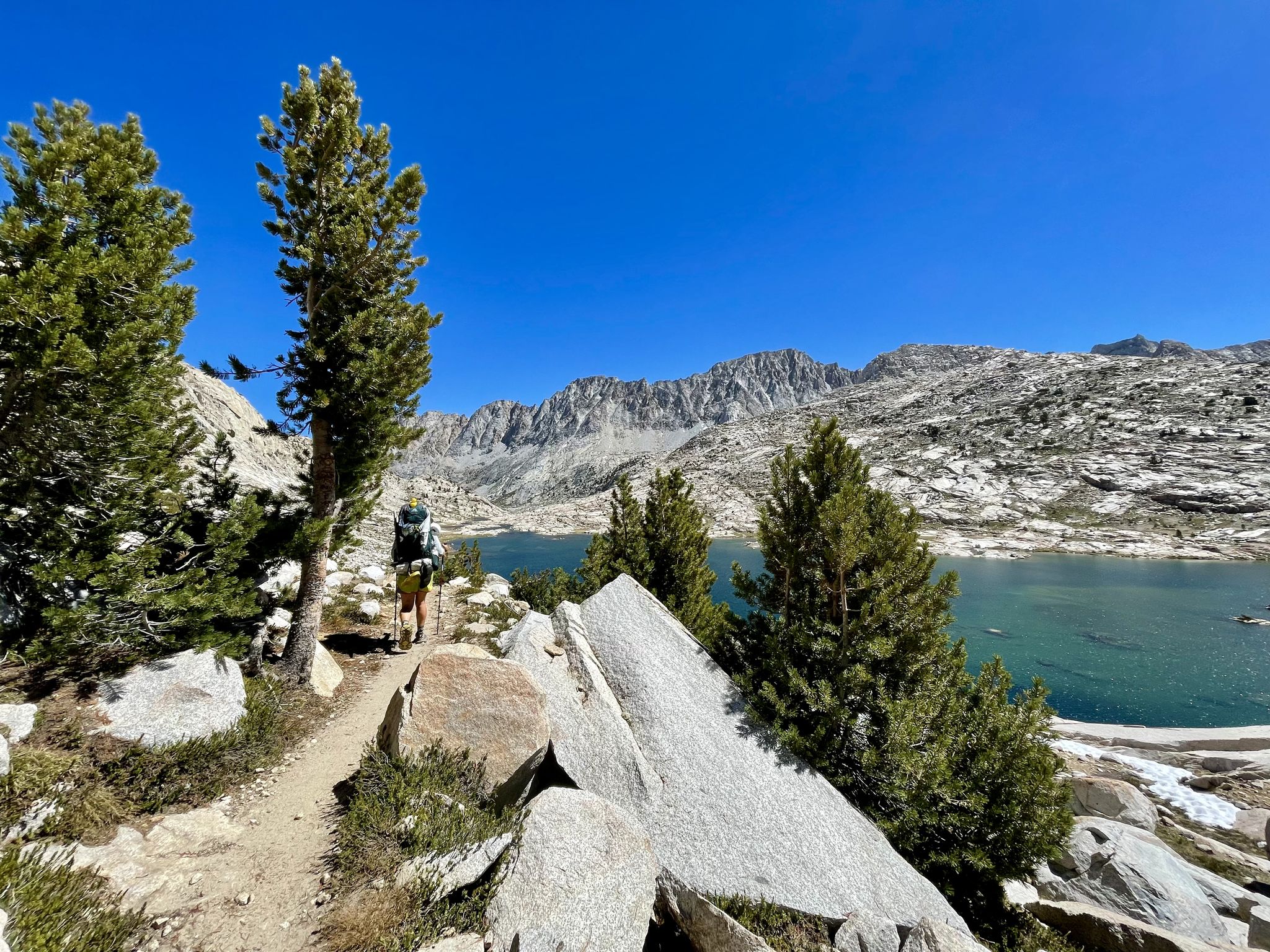
John Muir Trail – Along the legendary trail through the magical Sierra Nevada

American Discovery Trail — Walking from sea to shining sea
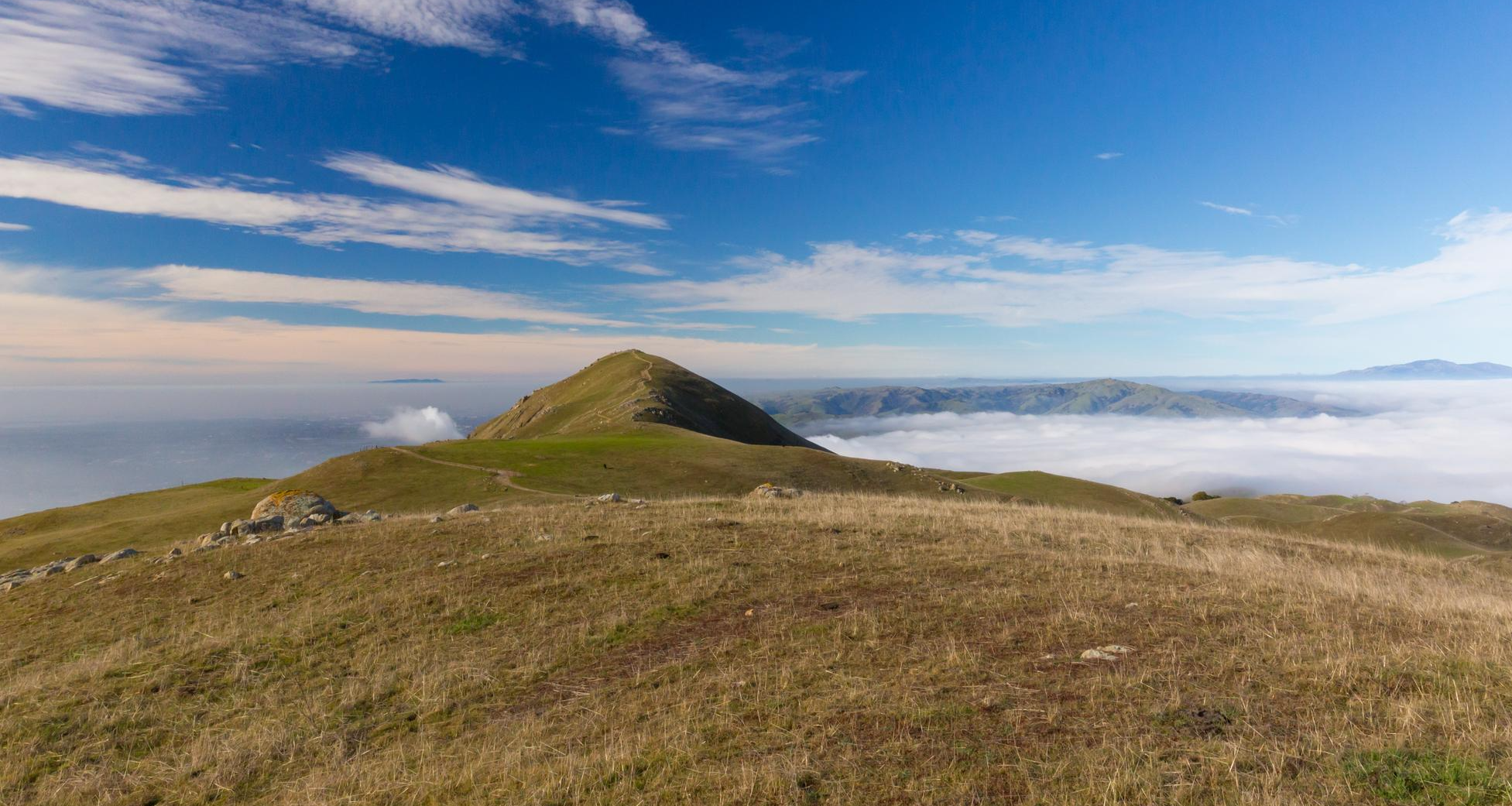
Bay Area Ridge Trail — Circumnavigating the San Francisco Bay
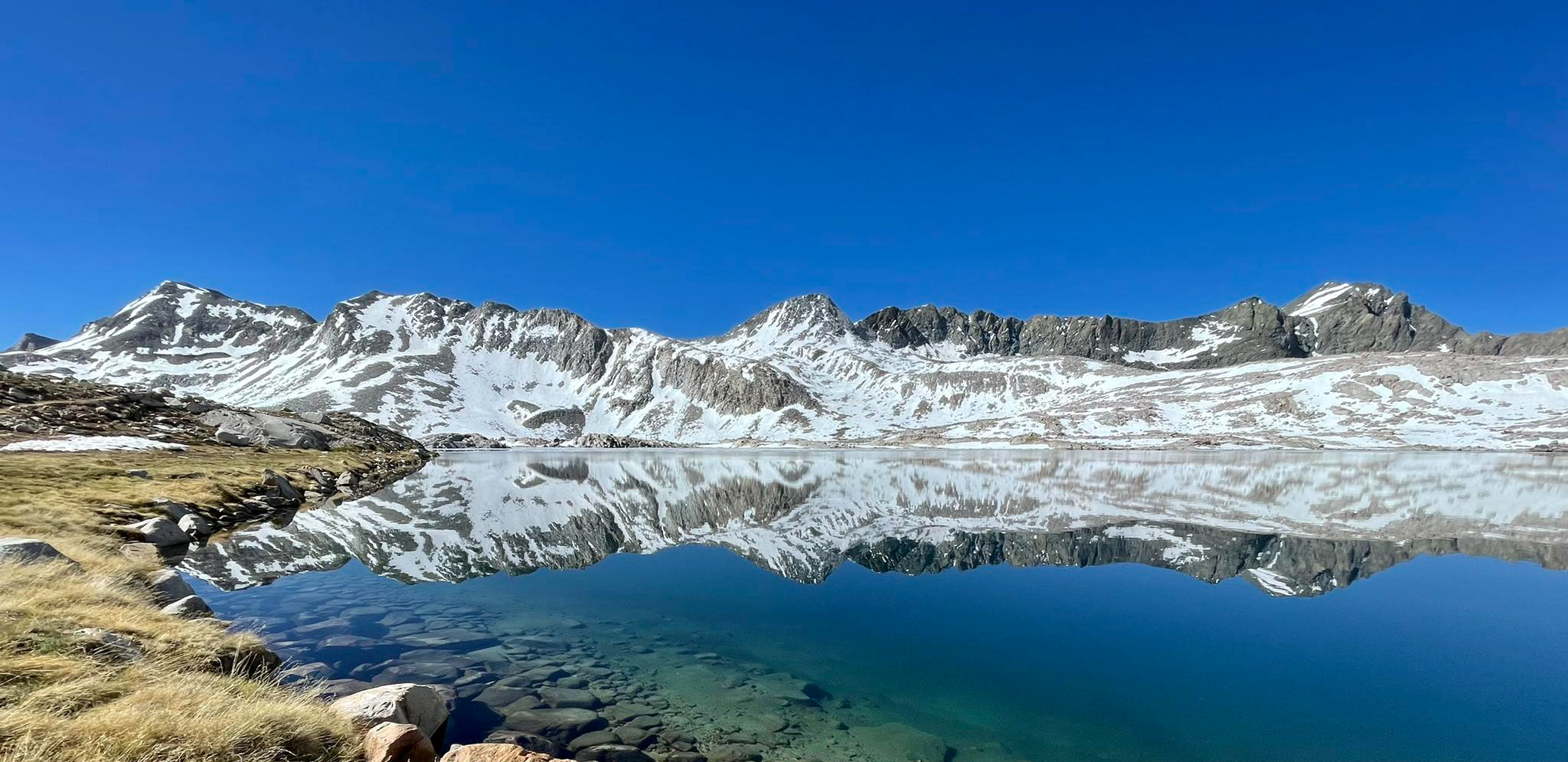
The Sierra High Route — Solitude in California's alpine country
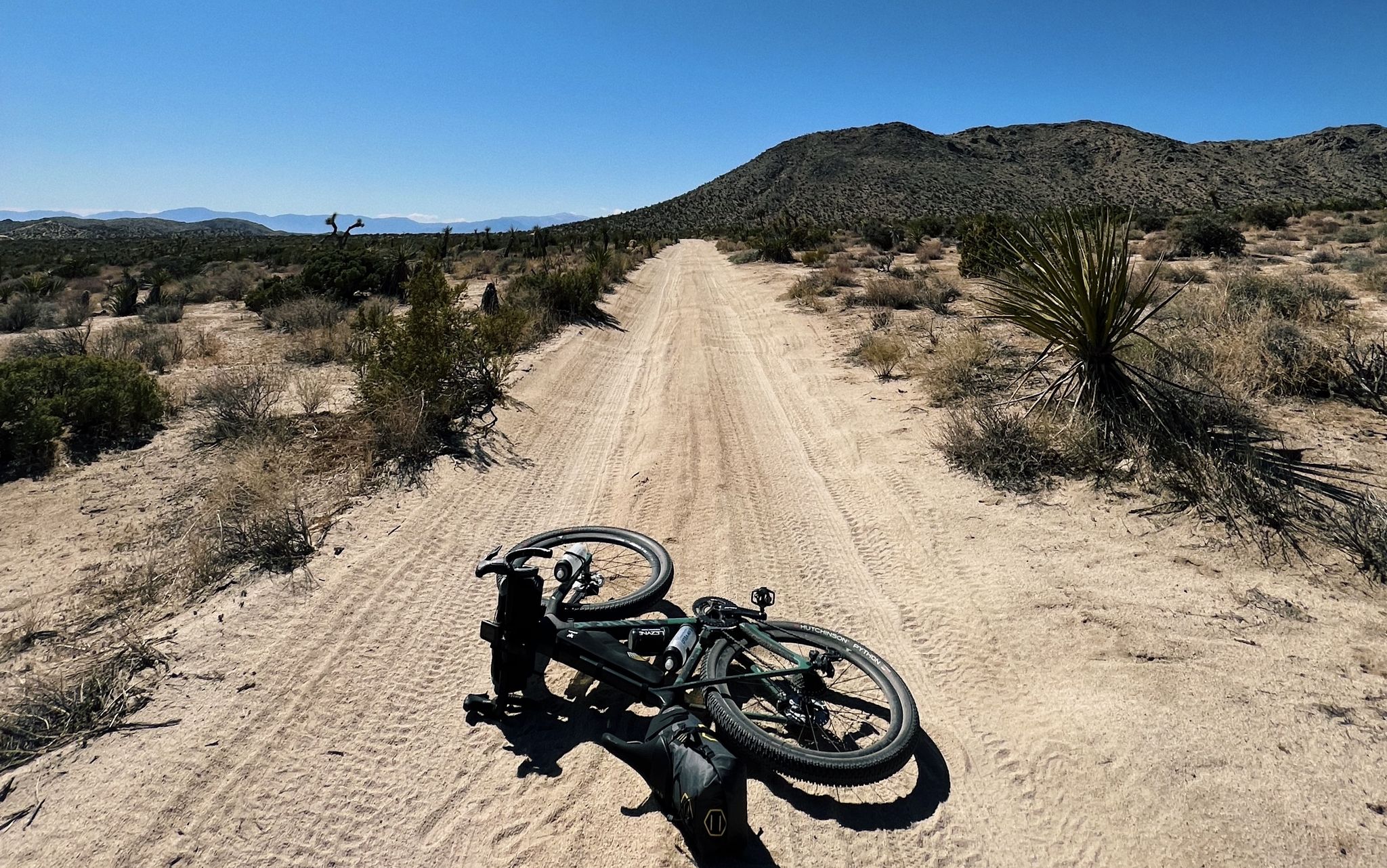
Bikepacking California — Into The Desert
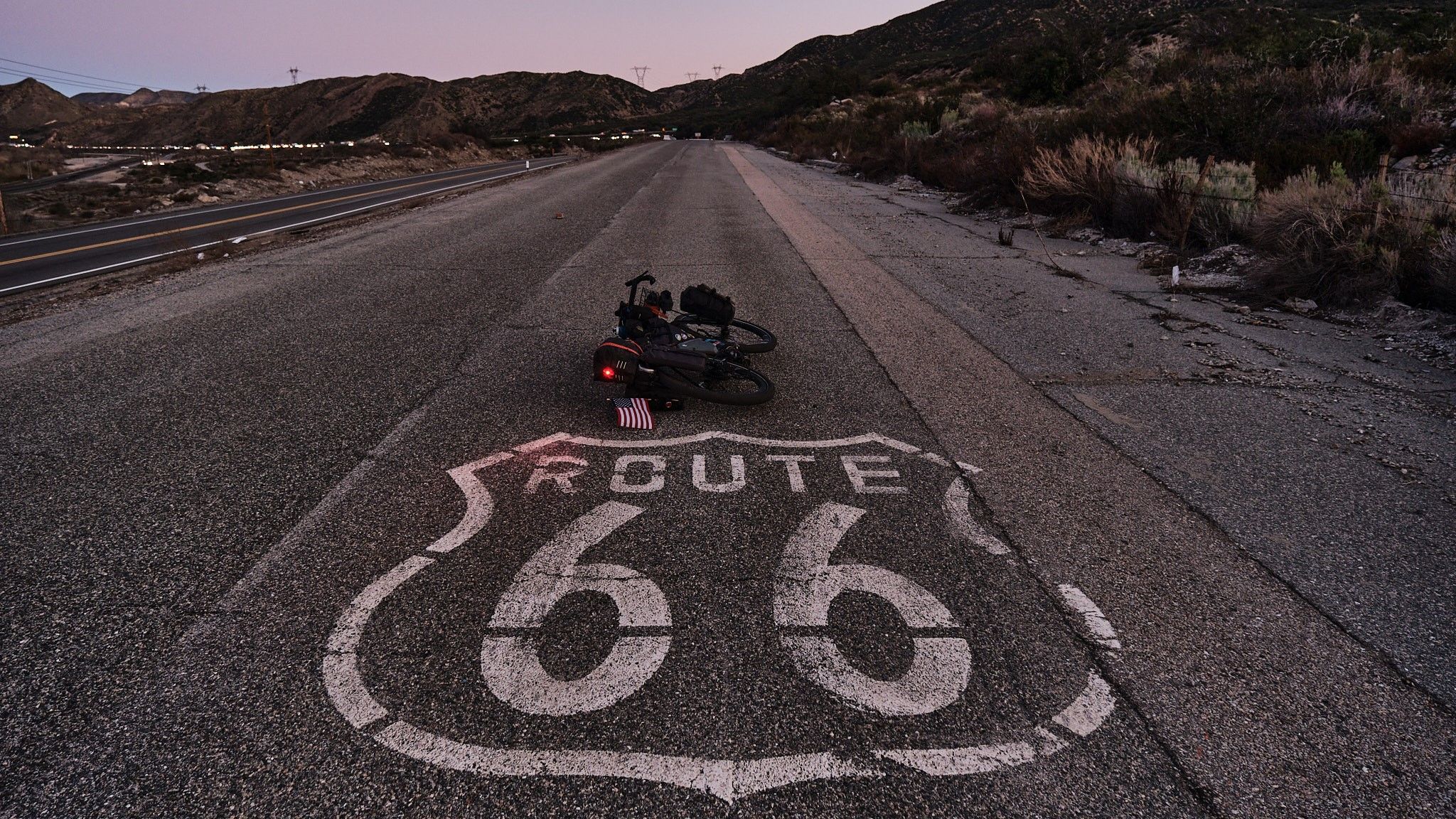
Adventure Cycling Association's Bicycle Route 66 — LA to Chicago
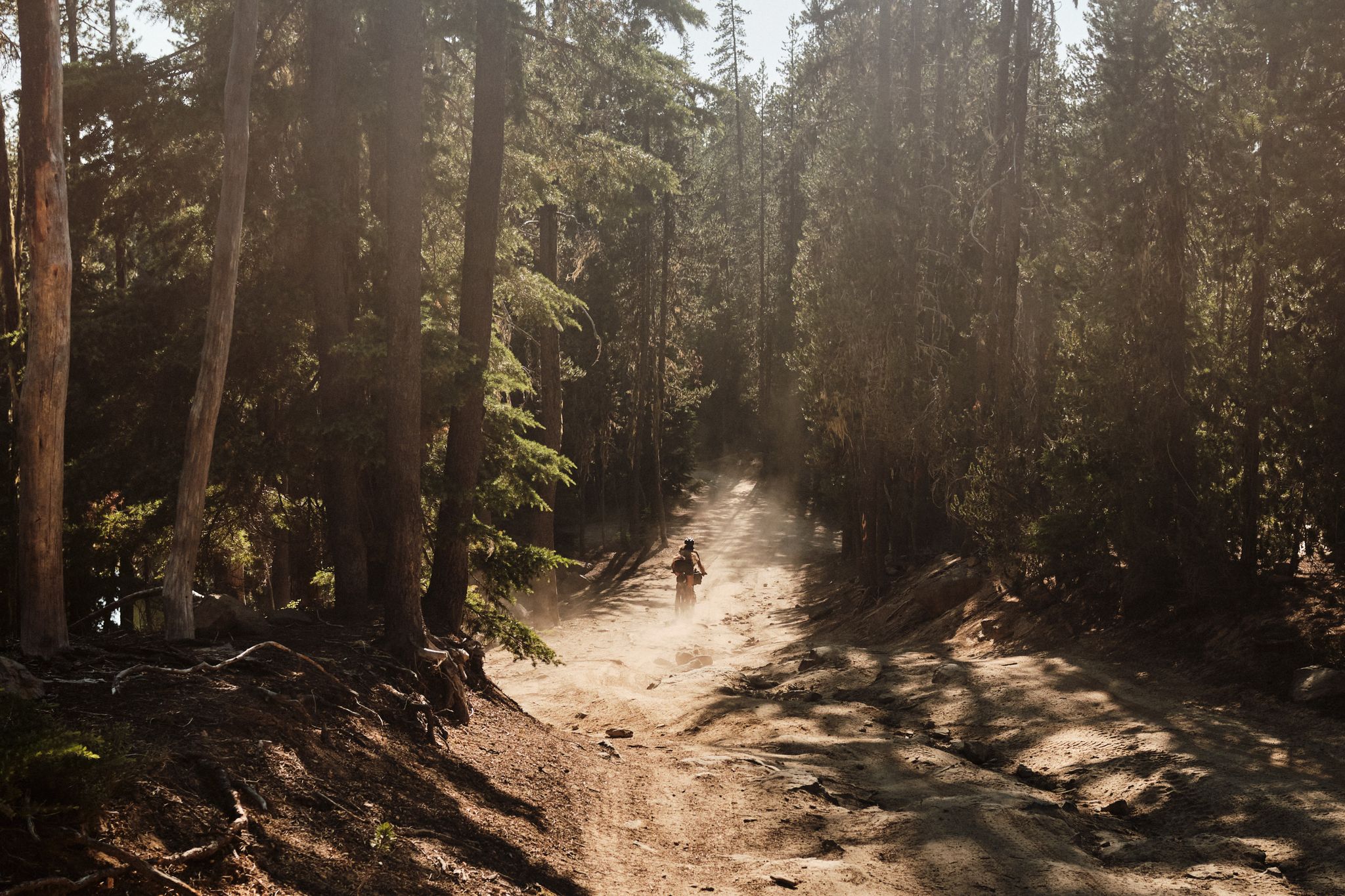
Oregon Timber Trail — High heat

Pacific Crest Trail from Mexico to Canada – 4,200 kilometres of wilderness
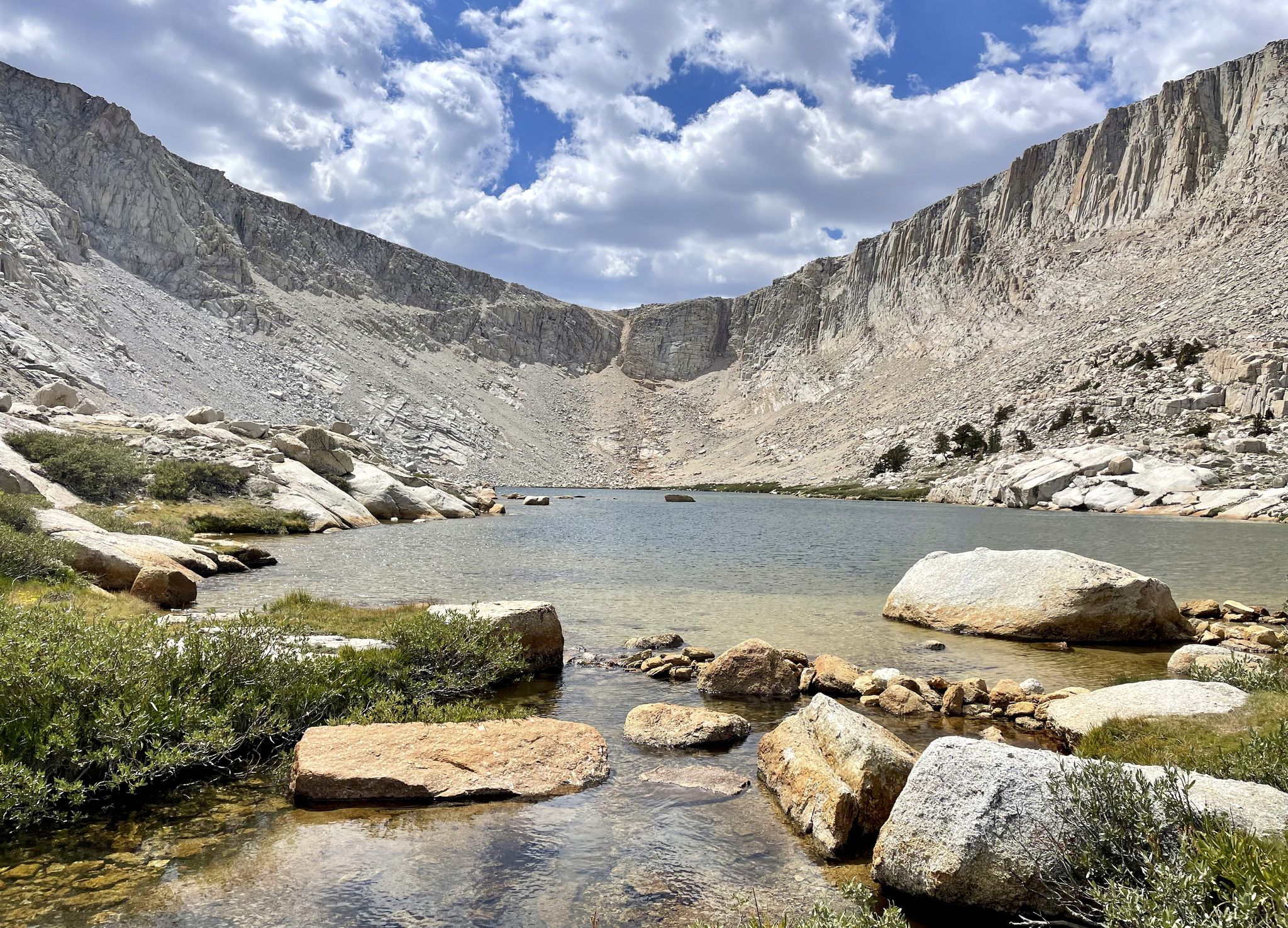
Cottonwood Lakes Loop — Exploring the Golden Trout Wilderness
Other adventures in California


Tips from the Community

Unmissable, yes this sign is legendary! We did the excursion from the Griffith Observatory and the trail is not particularly well indicated. The walk is nice (a little sporty) but at times the path is very narrow, lost in the vegetation and I admit that with the risk of fires you have to be vigilant. Don't forget to bring enough water. Excursion made at the beginning of September 2024, it was a heatwave.
0
0


The Mist Trail is much easier to hike uphill in early summer (snowmelt) than downhill because it becomes very slippery. Instead of returning the same way, it's recommended to head a little further upstream, turning right, onto the John Muir Trail—not only because of the slippery descent, but also because this leads to the best vantage point for Vernal Falls (marked on the map). Especially when the Merced River is full, the view is spectacular. The descent on the John Muir Trail is then much easier. Warning for photographers: During snowmelt, only take photos in the "splash zone" with a truly waterproof (submersible!) camera—and pack any other camera in a completely waterproof bag beforehand and only unpack it again at the top. Several careless camera owners have destroyed their equipment on this trail. I once heard a man at the top complaining about a broken Hasselblad – it was in his backpack, but obviously not completely waterproof. The fine mist penetrates everywhere, and even with a rain jacket, you end up wet like you've just taken a shower. On warm summer days, the trail is extremely crowded, with several thousand visitors on just a few kilometers of trail.
0
1

Awesome spot for a 360 view! Just note, there's no shade up there. Take your breaks in shade on the road up and then stay for the views and wind.
0
0

You get really wet when you go up the steps at Verna Fall
0
0

A very beautiful path that leads upwards continuously and in numerous bends. There are numerous viewpoints. We recommend walking the path in the morning as it is still in the shade. The descent is on the same route or the Panorama Trail.
0
0

We are very impressed by these huge trees. I couldn't capture the full size with my camera, so I'm adding a few cell phone photos as well. The largest specimen in Mui Woods is 78 m high, about the same height as a 23-story building.
2
0

For me, one of the most beautiful hikes I have ever done. These gigantic trees are so graceful and beautiful, it smells wonderful - simply fantastic.
0
0
Frequently Asked Questions
What are some of the most iconic natural monuments to visit in California?
California is home to many iconic natural monuments. You can marvel at the sheer size of the General Sherman Tree, the largest living tree globally by volume, located in Sequoia National Park. Yosemite National Park features impressive waterfalls like Nevada Fall and Vernal Fall, as well as the challenging granite monolith, Half Dome Summit. Another must-see is Mariposa Grove, which protects a high concentration of imposing giant sequoias.
Are there natural monuments in California that are suitable for families?
Yes, several natural monuments in California are great for families. The area around the General Sherman Tree in Sequoia National Park and Mariposa Grove in Yosemite offer accessible trails to experience giant sequoias. Muir Woods National Monument, near San Francisco, is also very family-friendly with well-maintained paths through old-growth redwoods, and it offers wheelchair-accessible sections.
What unique geological formations can be explored in California?
California boasts a variety of unique geological formations. You can visit Devils Postpile National Monument to see unusual columnar basalt formations, or explore the striking limestone spires (tufas) rising from the water at Mono Lake. The Trona Pinnacles offer an otherworldly landscape of towering spires, while Amboy Crater showcases a 6,000-year-old volcanic cinder cone. Vasquez Rocks features dramatic, sharply angled rock formations uplifted by seismic activity.
Where can I find ancient forests and gigantic trees in California?
California is renowned for its ancient forests. Redwood National and State Parks in Northern California are home to the tallest trees on Earth, the coast redwoods. Sequoia National Park protects the largest trees by volume, including the famous General Sherman Tree. Muir Woods National Monument preserves old-growth coast redwoods near San Francisco, and the White Mountains are home to the Methuselah Tree, one of the oldest living trees on Earth.
What kind of coastal natural monuments can I visit in California?
Along California's coast, you can find stunning natural monuments. McWay Falls in Big Sur is a picturesque waterfall plunging directly onto the beach. Morro Rock, an enormous volcanic plug, stands prominently near the beach in Morro Bay. Pfeiffer Beach, also in Big Sur, is famous for its purple sand and a keyhole arch rock formation. Bowling Ball Beach at Schooner Gulch State Beach features unique spherical stones visible at low tide.
Are there opportunities for hiking near California's natural monuments?
Absolutely! Many natural monuments offer excellent hiking opportunities. For instance, Yosemite National Park has numerous trails, including the challenging ascent to Half Dome Summit and the popular Mist Trail leading to Vernal Fall and Nevada Fall. You can find more detailed hiking routes and guides in the Mountain Hikes in California guide.
What outdoor activities can I do near these natural monuments?
Beyond hiking, California's natural monuments are often surrounded by diverse landscapes perfect for various outdoor activities. You can explore mountain biking trails, such as those detailed in the MTB Trails in California guide, or enjoy running on scenic paths, with options available in the Running Trails in California guide. Many areas also offer opportunities for photography, wildlife viewing, and stargazing, especially in desert regions like Joshua Tree National Park.
What desert natural monuments are worth visiting in California?
California's deserts offer unique natural monuments. Joshua Tree National Park, where the Mojave and Colorado deserts meet, is famous for its distinctive Joshua trees, rock formations, and dark skies perfect for stargazing. Anza-Borrego Desert State Park, the largest state park in California, features vast badlands, palm oases, and spectacular spring wildflower blooms. The Carrizo Plain National Monument preserves extensive native grasslands that also burst into color with wildflowers in spring.
When is the best time to visit California's natural monuments?
The best time to visit California's natural monuments largely depends on the specific location and your preferred activities. Spring (March to May) is ideal for seeing wildflowers in desert areas like Anza-Borrego and Carrizo Plain, and for enjoying milder temperatures before the summer heat. Summer (June to August) is popular for mountain and forest areas like Yosemite and Sequoia, though crowds can be significant. Fall (September to November) offers pleasant weather and fewer crowds in many regions. Winter (December to February) can be beautiful for snow-covered landscapes in the Sierra Nevada, but some roads and trails may be closed.
Are there any natural monuments in Southern California that are particularly notable?
Southern California offers several notable natural monuments. Joshua Tree National Park is a prime example, known for its unique trees and desert landscapes. Anza-Borrego Desert State Park provides vast desert scenery and spring wildflower displays. The Trona Pinnacles offer an 'otherworldly' experience with their towering spires. For a coastal wonder, Morro Rock in Morro Bay is a prominent volcanic plug, and Vasquez Rocks presents dramatic, sharply angled rock formations.
What kind of wildlife can I expect to see at California's natural monuments?
California's diverse natural monuments support a wide array of wildlife. In forest areas like Sequoia and Yosemite, you might spot black bears, deer, various bird species, and smaller mammals. Desert regions such as Joshua Tree and Anza-Borrego are home to unique species like desert tortoises, bighorn sheep, coyotes, and numerous reptiles and birds. Along the coast, you could see marine birds, seals, and sea otters. Always observe wildlife from a respectful distance and never feed animals.
Most popular routes in California
Most popular attractions in California

Get inspired with the komoot mobile app


Didn’t find what you were looking for?
Find even more amazing natural monuments in California by checking out the top Highlights region by region:
Explore more
Extend your search for the best caves by checking out these guides of the top ones in California:
