Top 20 Waterfalls in California
Best waterfalls in California are found across diverse landscapes, from the towering cascades of the Sierra Nevada mountains to unique coastal plunges. The state's varied geography provides a wide range of natural wonders for exploration. These natural features are popular destinations for hikers and nature enthusiasts seeking to experience California's outdoor environment. The region offers numerous opportunities to discover impressive waterfalls within its national parks and state parks.
Best waterfalls in California
- The most popular waterfalls is Nevada Fall, a waterfall that is 594 feet high on the Merced River. It is widely recognized by its "bent" shape, where water free-falls before hitting a steep slick-rock slope. The mid-fall impact creates a turbulent, whitewater appearance and produces a great deal of mist.
- Another must-see spot is Vernal Fall, a waterfall. This 317-foot waterfall is accessible via a trail with steep, rocky stairs. Visitors can experience the thunderous roar and mist of the falls up close, especially during spring snowmelt.
- Visitors also love Tokopah Falls, a waterfall located in a beautiful canyon among pines and cliffs. The hike to this cascade is considered pleasant and offers a wonderful destination, particularly in spring when snowmelt increases water flow.
- California is known for its diverse waterfalls, including towering cascades, coastal falls, and those fed by year-round springs. The state offers a variety of waterfalls to see and explore, from easily accessible viewpoints to those requiring challenging hikes.
- The waterfalls in California are appreciated by the komoot community, with more than 290 upvotes and over 160 photos shared by visitors.
Last updated: October 9, 2026
Vernal Fall
Highlight • Waterfall
Tip by

Nevada Fall
Highlight • Waterfall
Nevada Fall is a 594-foot (181 m) high waterfall on the Merced River in Yosemite National Park, California. It is located below the granite dome, Liberty Cap, at the west end of Little Yosemite Valley. The waterfall is widely recognized by its "bent" shape, in which the water free-falls for roughly the first third of its length to a steep slick-rock slope. This mid-fall impact of the water on the cliff face creates a turbulent, whitewater appearance in the fall and produces a great deal of mist which covers a wide radius, which led to its current name (Nevada is a Spanish word meaning "snowy"). Wikipedia.
Tip by

Sign up now to discover places like this
Get recommendations on the best single tracks, peaks, & plenty of other exciting outdoor places.
Mist Trail: Vernal & Nevada Falls, Yosemite
Highlight (Segment) • Waterfall
Tip by

Yosemite Falls Trail
Highlight (Segment) • Trail
Tip by
Rainbow Falls
Highlight • Waterfall
It is located in Devils Postpile National Monument near Mammoth Mountain. The national monument protects Devil's Postpile, an unusual rock formation of columnar basalt. Devils Postpile National Monument encompasses 798 acres. In addition, the John Muir Trail and Pacific Crest Trail merge into one trail as they pass through the monument. Excluding a small developed area containing the monument headquarters, visitor center and a campground; the National Monument lies within the borders of the Ansel Adams Wilderness.
About 75,000 years ago, lava erupted from a vent just east of the present-day Falls. The eruption occurred in two stages. The first pulse of lava flowed about 1 kilometre (0.62 mi) westward and pooled in the Middle Fork of the San Joaquin drainage. The second pulse of lava insulated the first, allowing it to cool slowly and to fracture vertically. The layer above cooled under different conditions and fractured horizontally. Geologists describe these rocks as platy rhyodacite and are visible in the cliffs that surround Rainbow Falls.
As water rushes over the cliff, it erodes the vertically fractured rhyodacite more easily. A small cavern begins to form at the base of the Falls, and the overlying rock loses its support and collapses. This process, known as undercutting, causes the waterfall to recede slowly upstream. To date Rainbow Falls has retreated about 500 feet (150 m) due to undercutting.
en.wikipedia.org/wiki/Rainbow_Falls_%28California%29
en.wikipedia.org/wiki/Devils_Postpile_National_Monument
nps.gov/depo/planyourvisit/nearbyattractions.htm
Tip by
Cascade Falls Trailhead
Highlight • Waterfall
Tip by

Alamere Falls
Highlight • Waterfall
Alamere's main falls tumble 40 ft (12 m) over fragile shale cliffs at Alamere Creek Beach. Upstream there are the upper Alamere Falls that consist of 3 separate cascades between 20 and 30 feet in height. en.wikipedia.org/wiki/Alamere_Falls
To get here along the scenic Coastal Trail follow komoot.com/tour/7633130
Tip by
Panorama Trail (Yosemite National Park)
Highlight (Segment) • Trail
Translated by Google •
Tip by

Paradise Falls
Highlight • Waterfall
Tip by

Tokopah Falls
Highlight • Waterfall
Showing Translation
Tip by

Sign up for free to discover even more waterfalls in California.
Already have an account?
Start today with a free account
Your next adventure awaits.
Popular around California

Triathlon 360 – my journey around the world
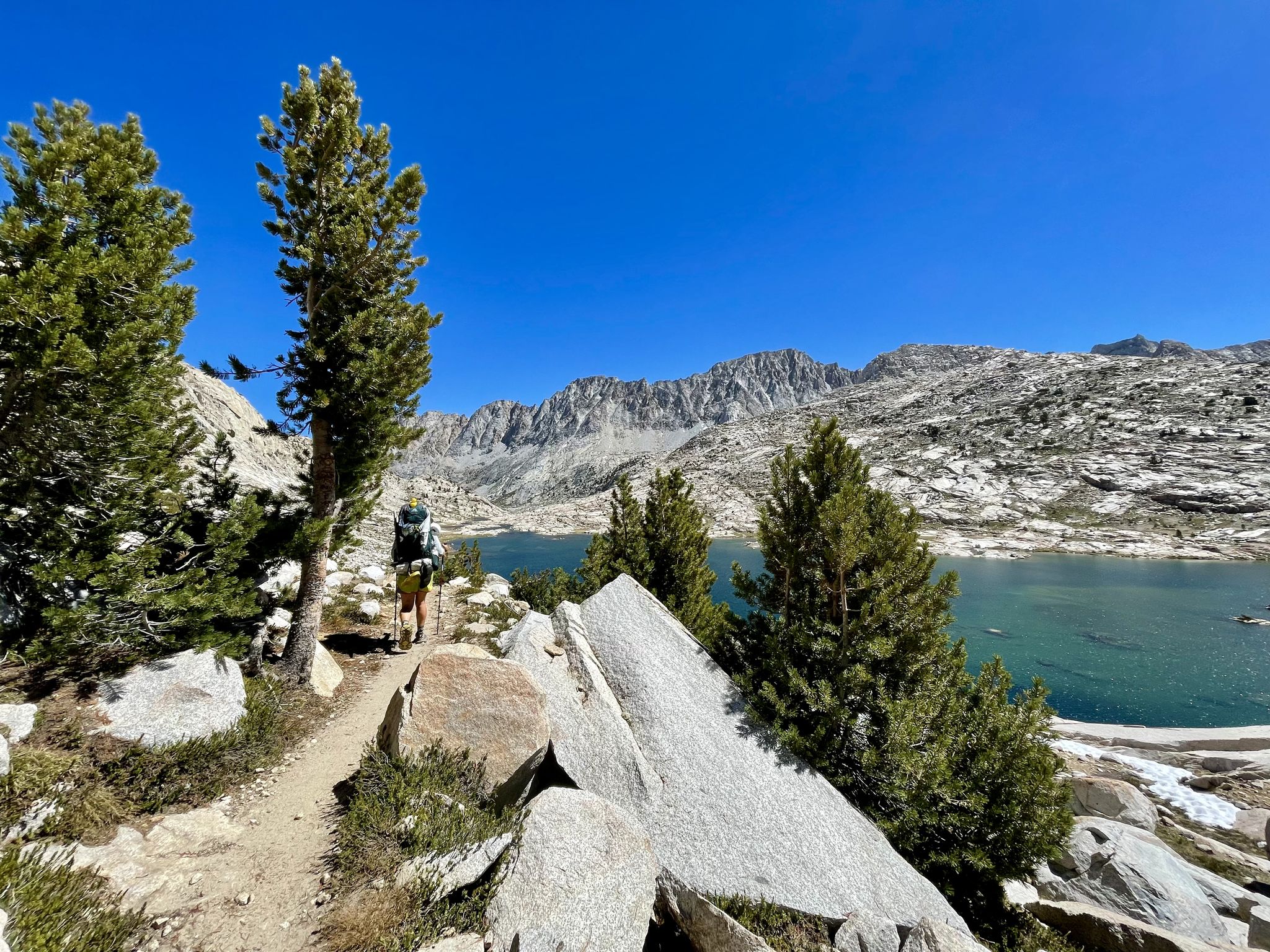
John Muir Trail – Along the legendary trail through the magical Sierra Nevada

American Discovery Trail — Walking from sea to shining sea
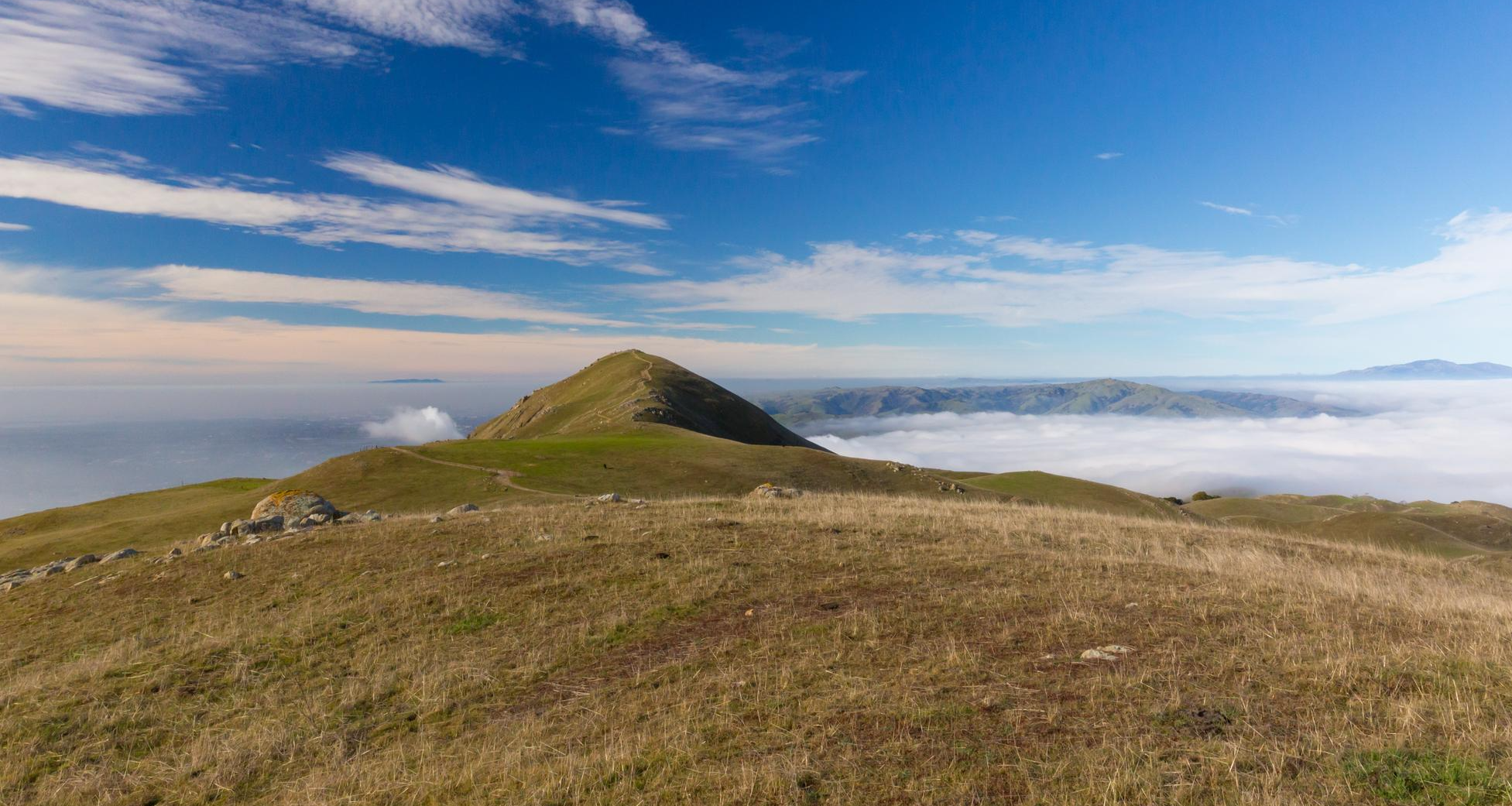
Bay Area Ridge Trail — Circumnavigating the San Francisco Bay
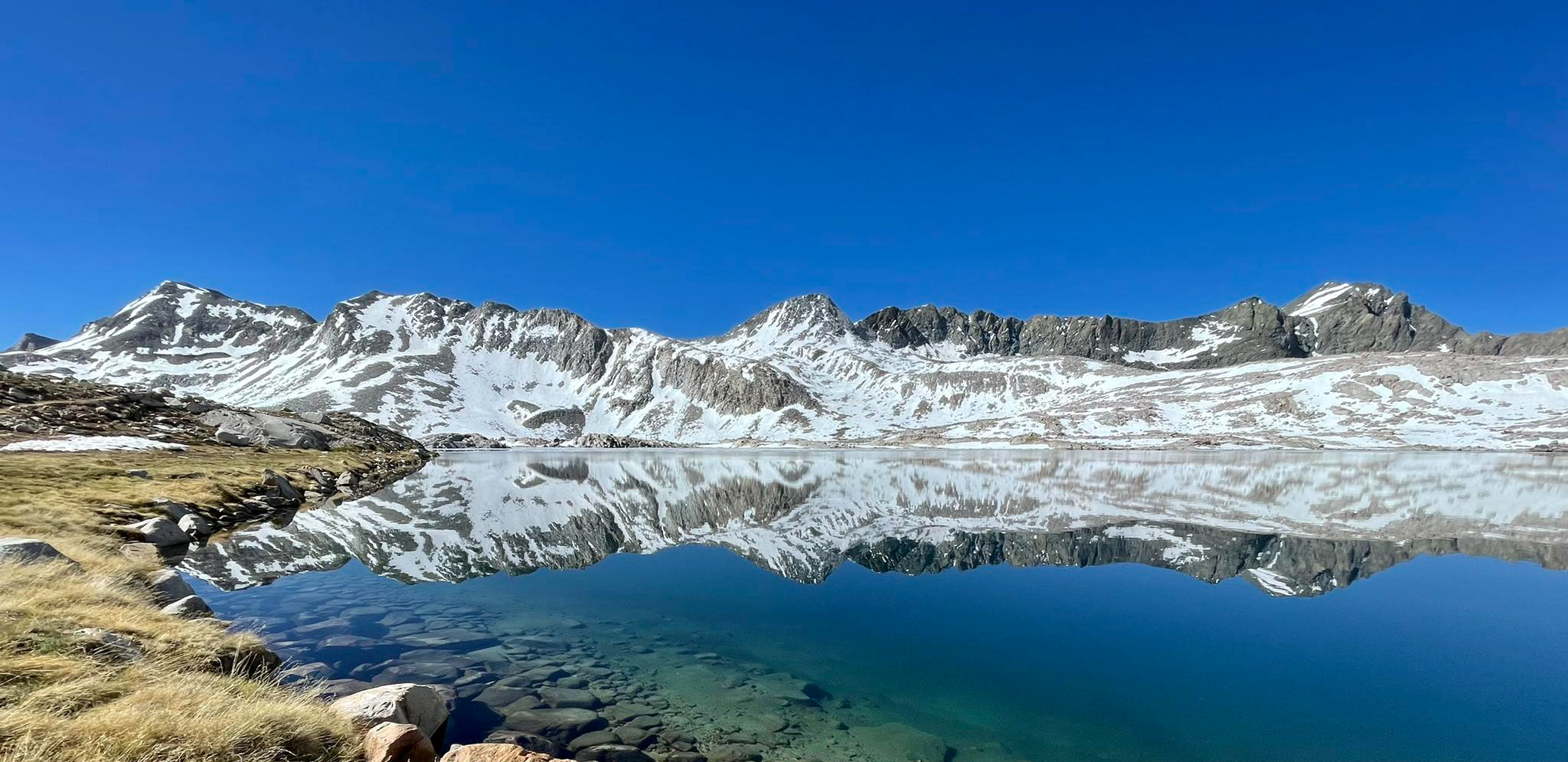
The Sierra High Route — Solitude in California's alpine country
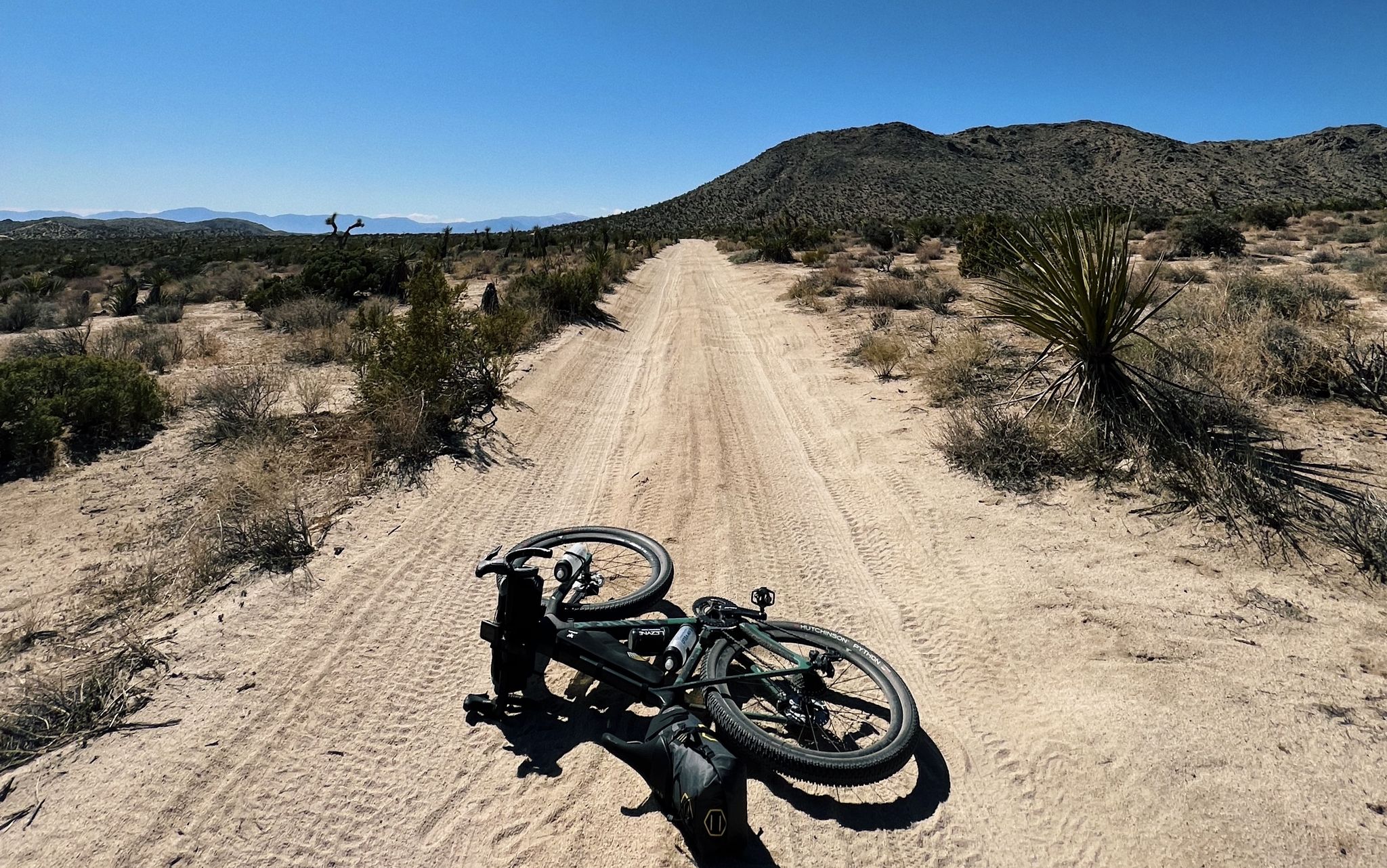
Bikepacking California — Into The Desert
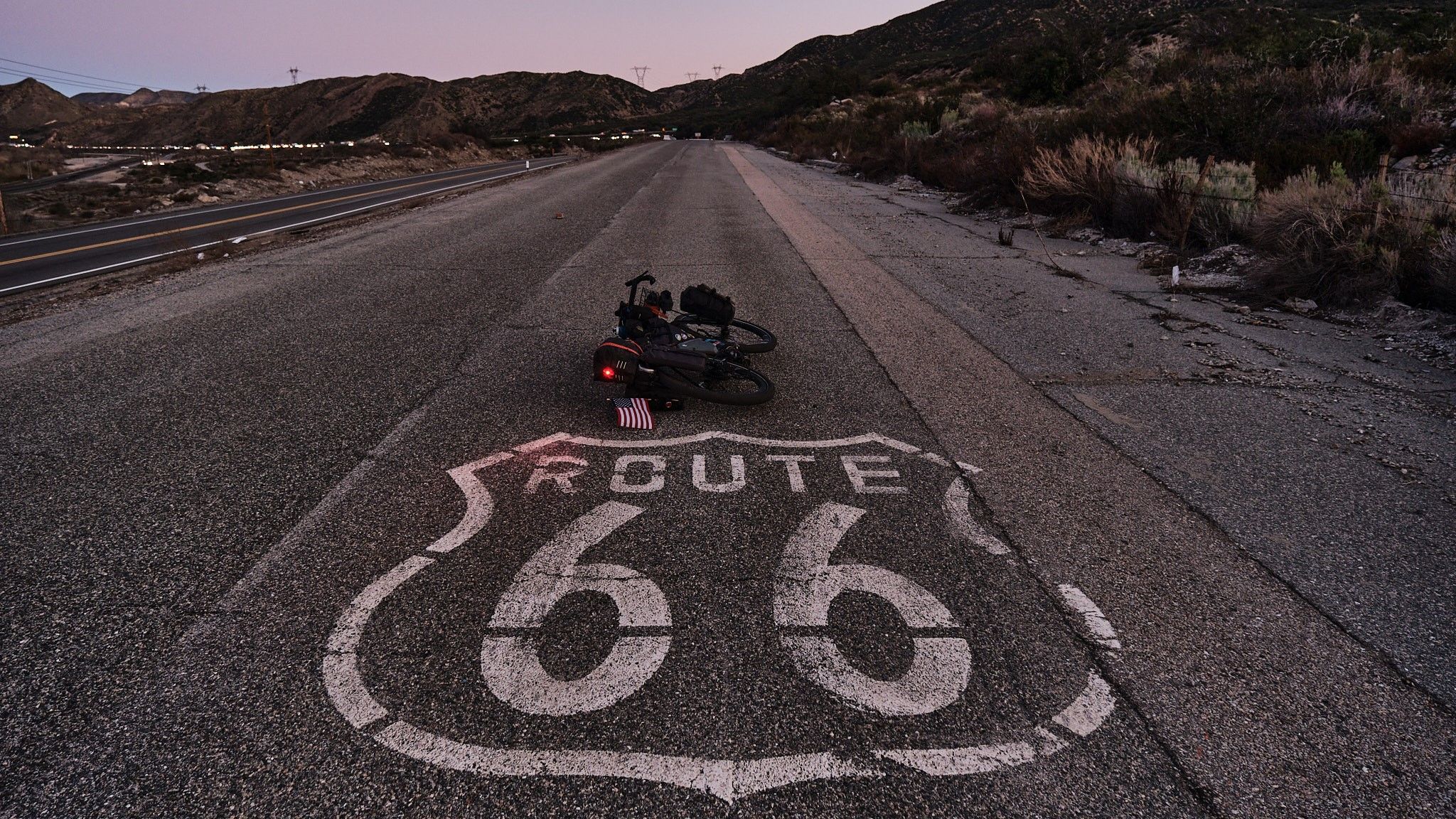
Adventure Cycling Association's Bicycle Route 66 — LA to Chicago
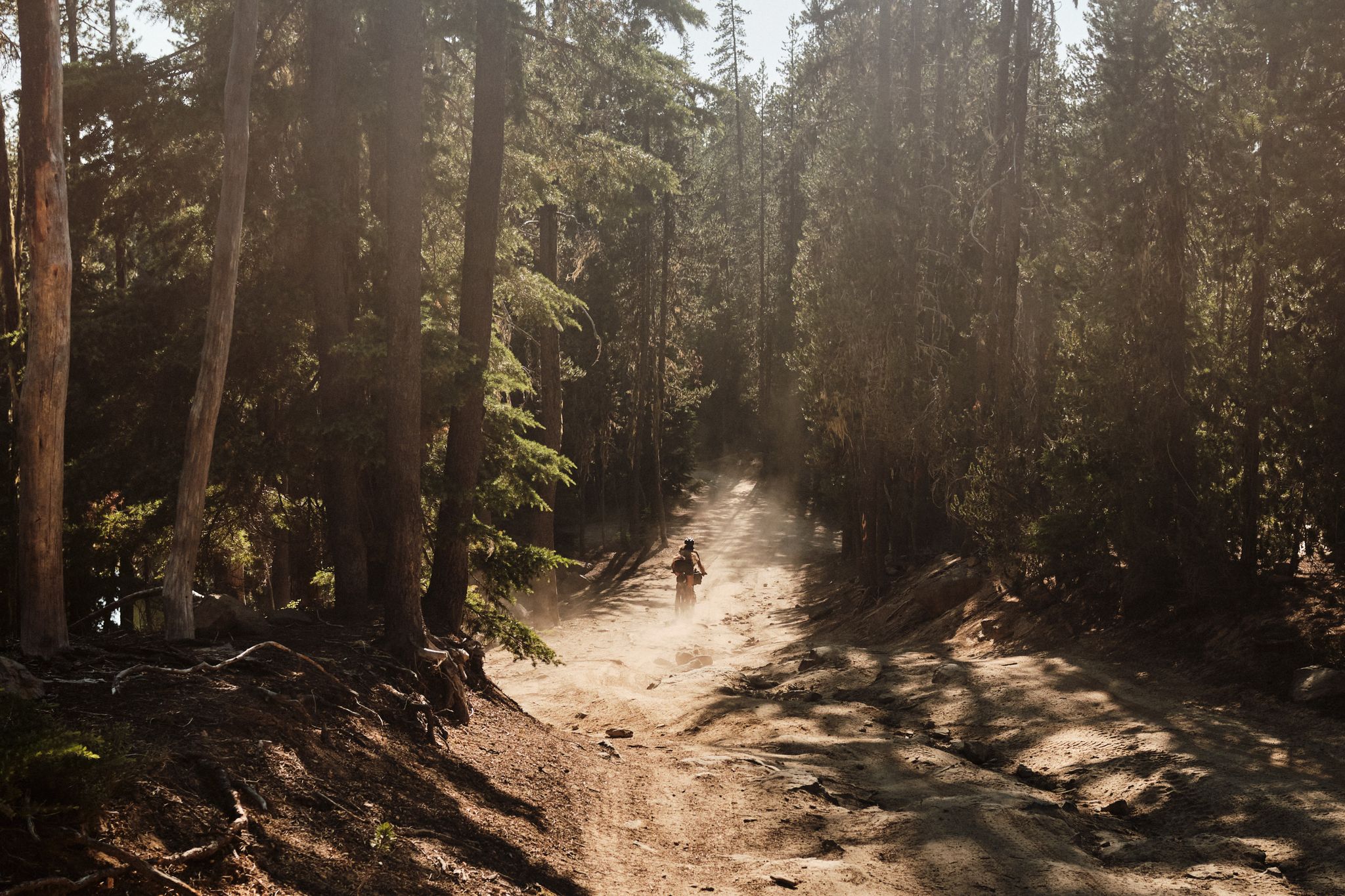
Oregon Timber Trail — High heat

Pacific Crest Trail from Mexico to Canada – 4,200 kilometres of wilderness
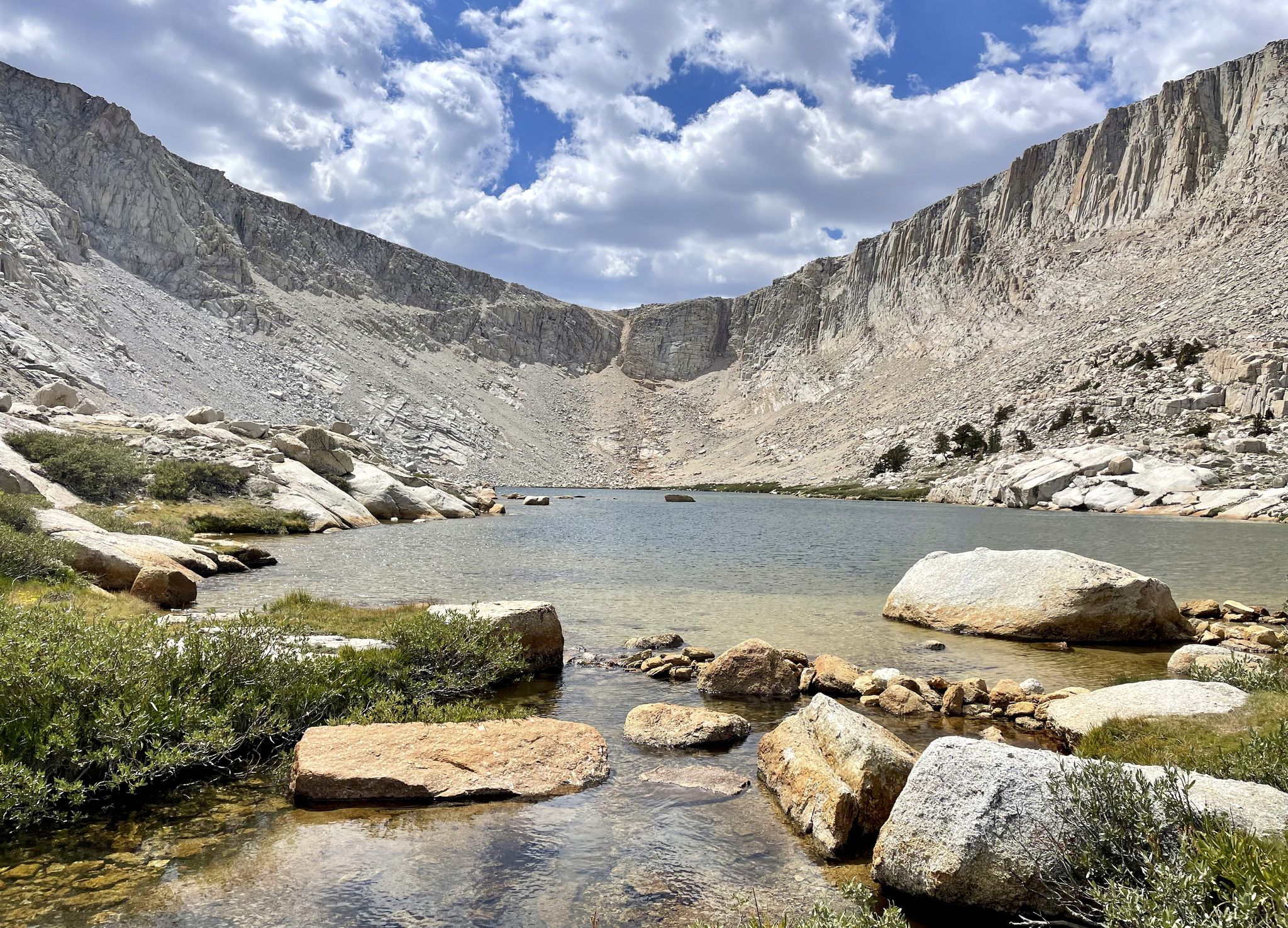
Cottonwood Lakes Loop — Exploring the Golden Trout Wilderness
Other adventures in California


Tips from the Community

The Mist Trail is much easier to hike uphill in early summer (snowmelt) than downhill because it becomes very slippery. Instead of returning the same way, it's recommended to head a little further upstream, turning right, onto the John Muir Trail—not only because of the slippery descent, but also because this leads to the best vantage point for Vernal Falls (marked on the map). Especially when the Merced River is full, the view is spectacular. The descent on the John Muir Trail is then much easier. Warning for photographers: During snowmelt, only take photos in the "splash zone" with a truly waterproof (submersible!) camera—and pack any other camera in a completely waterproof bag beforehand and only unpack it again at the top. Several careless camera owners have destroyed their equipment on this trail. I once heard a man at the top complaining about a broken Hasselblad – it was in his backpack, but obviously not completely waterproof. The fine mist penetrates everywhere, and even with a rain jacket, you end up wet like you've just taken a shower. On warm summer days, the trail is extremely crowded, with several thousand visitors on just a few kilometers of trail.
0
1

You get really wet when you go up the steps at Verna Fall
0
0

Absolutely worthwhile trail with great views. Exposed to full sun in many places in the afternoon. Please be prepared with enough water.
0
0

The Panorama Trail in Yosemite National Park is a popular, stunning 8.5-mile hike, showcasing some of the park's most spectacular scenery. Most start at Glacier Point, which offers iconic views of Half Dome and the Clark Range, and descend to the Valley Floor. The trail passes through diverse landscapes, including Ilillouette Creek with its waterfalls and birdlife, and the Panorama Cliffs. Along the way, you'll see Yosemite Falls, North America's tallest waterfall, and the dramatic Nevada Fall. The hike ends on the famous Mist Trail, descending past Vernal Fall along the Merced River. Allow 4-6 hours for the hike, and consider taking the Glacier Point Tour bus for a one-way journey. This is a truly amazing hike that is almost like a tour-de-Yosemite!
0
2
If there is a lot of water in the Merced River (early summer), then it is definitely worth taking the path from Vernal Falls up to the John Muir Trail, as marked on my route: The photo of the waterfall from there is, in my opinion, one of the most beautiful photos in the entire park. This return route is also recommended for another reason, especially at this time of year: The Mist Trail leads steeply down slippery, wet steps up to half a meter high - and is not pleasant to walk downhill, especially not at this time of year with a lot of water on it. If you really want to do the fog/rain hike, it is better to go uphill. In terms of photo opportunities, early summer is the best time of year in the entire park. Important: Always pack a rain jacket if you are going on a long tour: The weather can change (even contrary to the weather forecast) faster than you can walk back. I have seen people walk the entire route from Half Dome to the valley (around 4 hours) in shorts and a t-shirt in pouring rain, you should avoid that. PS: I did this hike in 2004, back then there was no (affordable) GPS - so the tracking data is fake, the photos and the paths are not. Just in case someone stumbles across the GPS coordinates that correspond exactly to the Komoot map.
0
0


Paradise Falls is a 45-foot waterfall in Wildwood Park. There are some steps leading to the main viewing area. Be prepared to leave your bike behind for a moment unless you are fine with a distant view of the falls.
0
0

Rainbow Falls is a 101-foot waterfall, which is the largest falls on the San Joaquin River. The falls are located a short distance off the Pacific Crest Trail.
0
0
Frequently Asked Questions
What are some of the most popular waterfalls in California?
California is home to many stunning waterfalls. Among the most popular are Nevada Fall, known for its unique bent shape and powerful mist, and Vernal Fall, where visitors can experience its thunderous roar up close on the Mist Trail. Tokopah Falls is also highly regarded for its beautiful canyon setting.
When is the best time to visit California's waterfalls?
The best time to visit most waterfalls in California is during spring (April to June) when snowmelt from the mountains leads to peak water flow, creating the most impressive displays. Waterfalls like Yosemite Falls and Vernal Fall are particularly powerful during this period. Some waterfalls, like Burney Falls, flow year-round due to natural springs.
Are there family-friendly waterfalls in California?
Yes, several waterfalls in California are suitable for families. Tokopah Falls, for example, offers a pleasant hike through a beautiful canyon that is generally considered family-friendly. Lower Yosemite Fall in Yosemite National Park also has a short, paved trail making it easily accessible for all ages.
What unique natural features can I expect to see at California's waterfalls?
California's waterfalls offer a variety of unique natural features. You can see towering cascades like Yosemite Falls, coastal waterfalls plunging directly into the ocean such as McWay Falls, and falls fed by numerous springs within the rock face, like Burney Falls. Rainbow Falls is famous for the multiple rainbows that appear in its mist on sunny days.
What kind of hiking trails can I find near California's waterfalls?
You'll find a wide range of hiking trails near California's waterfalls, from easy, paved paths to challenging, strenuous climbs. For instance, the Yosemite Falls Trail is a challenging route leading to the top of North America's tallest waterfall, offering breathtaking views. The Mist Trail to Vernal Fall involves steep, rocky stairs, while the path to Tokopah Falls is a more moderate and pleasant walk.
Are there any waterfalls in Southern California worth visiting?
While often more seasonal, Southern California does offer notable waterfalls. Big Falls in San Bernardino County is considered the largest when flowing well. Three Sisters Falls in Cleveland National Forest provides an intense hike to impressive drops, and San Antonio Falls near Mt. Baldy is accessible, especially during snowmelt. Sturtevant Falls in Arcadia is also known for its unique algae-colored walls.
What outdoor activities can I do near California's waterfalls?
Beyond waterfall viewing and hiking, California offers a variety of outdoor activities. You can explore easy hikes like the General Sherman Tree Trail, or enjoy road cycling routes such as the Alpine Dam Loop from San Francisco. For runners, there are numerous trails like the Venice Beach Boardwalk. Find more options in our guides for easy hikes, road cycling routes, and running trails in California.
Are there any waterfalls that are less crowded alternatives to popular spots?
While many popular waterfalls can draw crowds, exploring areas like McCloud Falls in Shasta-Trinity National Forest can offer a more serene experience. It features three distinct tiers (Upper, Middle, and Lower Falls) and is surrounded by lush forests, providing ample space for hiking and picnicking away from the busiest sites.
What should I wear for waterfall hiking in California, especially in spring?
In spring, when water flow is strongest, you can expect mist and spray near many waterfalls. It's advisable to wear waterproof or quick-drying layers. Sturdy, waterproof hiking boots with good grip are essential, especially on trails like the Mist Trail to Vernal Fall, which can be wet and slippery. Bringing a rain jacket and a change of clothes is also a good idea.
Are there any waterfalls that are easily accessible for those with limited mobility?
Yes, some waterfalls offer easier access. Lower Yosemite Fall in Yosemite National Park has a short, paved, and relatively flat trail that is wheelchair-accessible, leading to a close-up view of the falls. Burney Falls also provides an easily accessible overlook just steps from the parking area and a paved path to its base.
Can I find wild swimming spots at California waterfalls?
While some areas near waterfalls might be suitable for wading or cooling off, designated wild swimming spots directly at the base of powerful waterfalls are rare due to safety concerns like strong currents, slippery rocks, and cold water. Always check local regulations and safety guidelines before attempting to swim near any waterfall. Many parks have specific rules against swimming in certain areas.
What do visitors enjoy most about California's waterfalls?
Visitors frequently praise the sheer power and beauty of the waterfalls, especially during peak flow. The refreshing mist, the thunderous roar, and the opportunity to capture stunning photographs are often highlighted. Many also appreciate the diverse hiking experiences, from challenging climbs with panoramic views to pleasant walks through scenic canyons, as seen at Tokopah Falls.
Most popular routes in California
Most popular attractions in California

Get inspired with the komoot mobile app


Didn’t find what you were looking for?
Looking for more great places nearby? See even more amazing waterfalls in California with these guides per region:
Explore more
Happy to travel a little further afield? Then browse these guides for the best waterfalls in California:
