Top 5 Caves in Nevada
Caves in Nevada offer a diverse subterranean world beyond the state's desert landscapes. This region features unique geological formations, significant archaeological sites, and historical experiences. Visitors can explore a range of underground environments, from ancient shelters to geothermal pools. The caves provide insights into both natural history and human activity over millennia.
Best caves in Nevada
- The most popular caves is Windstone Arch aka Fire Cave, a cave that features stunning flame-red rock formations. This site offers an easy…
Last updated: October 4, 2026
Windstone Arch aka Fire Cave
Highlight • Cave
Tip by

Hidden Cave & Overlook Trail
Highlight • Cave
Tip by
Sign up now to discover places like this
Get recommendations on the best single tracks, peaks, & plenty of other exciting outdoor places.
Lovelock Cave Archaeological Site
Highlight • Cave
Tip by
Devil's Hole
Highlight • Cave
Tip by

Hole In The Wall
Highlight • Structure
Tip by

Start today with a free account
Your next adventure awaits.
Popular around Nevada
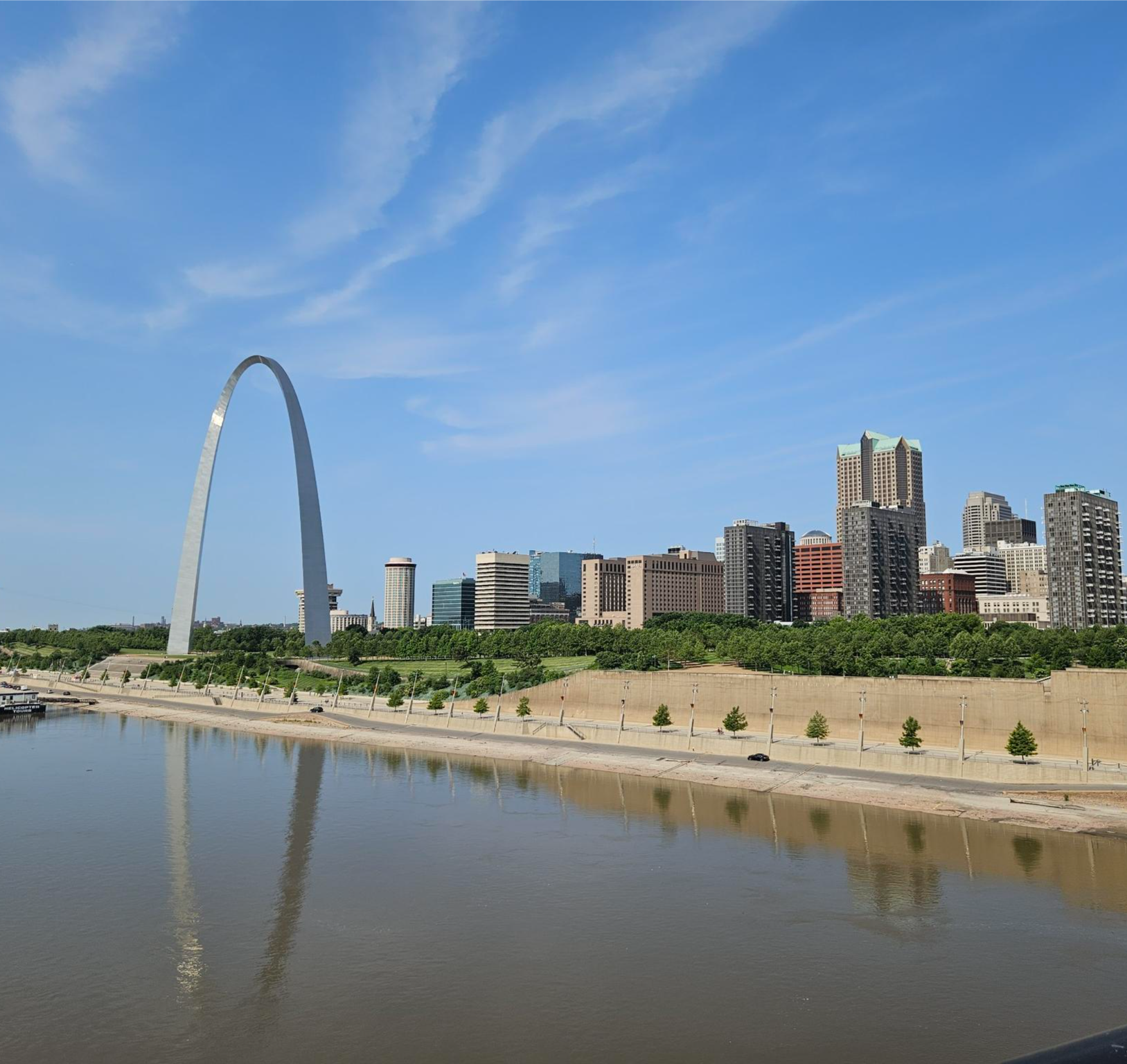
American Discovery Trail — Walking from sea to shining sea
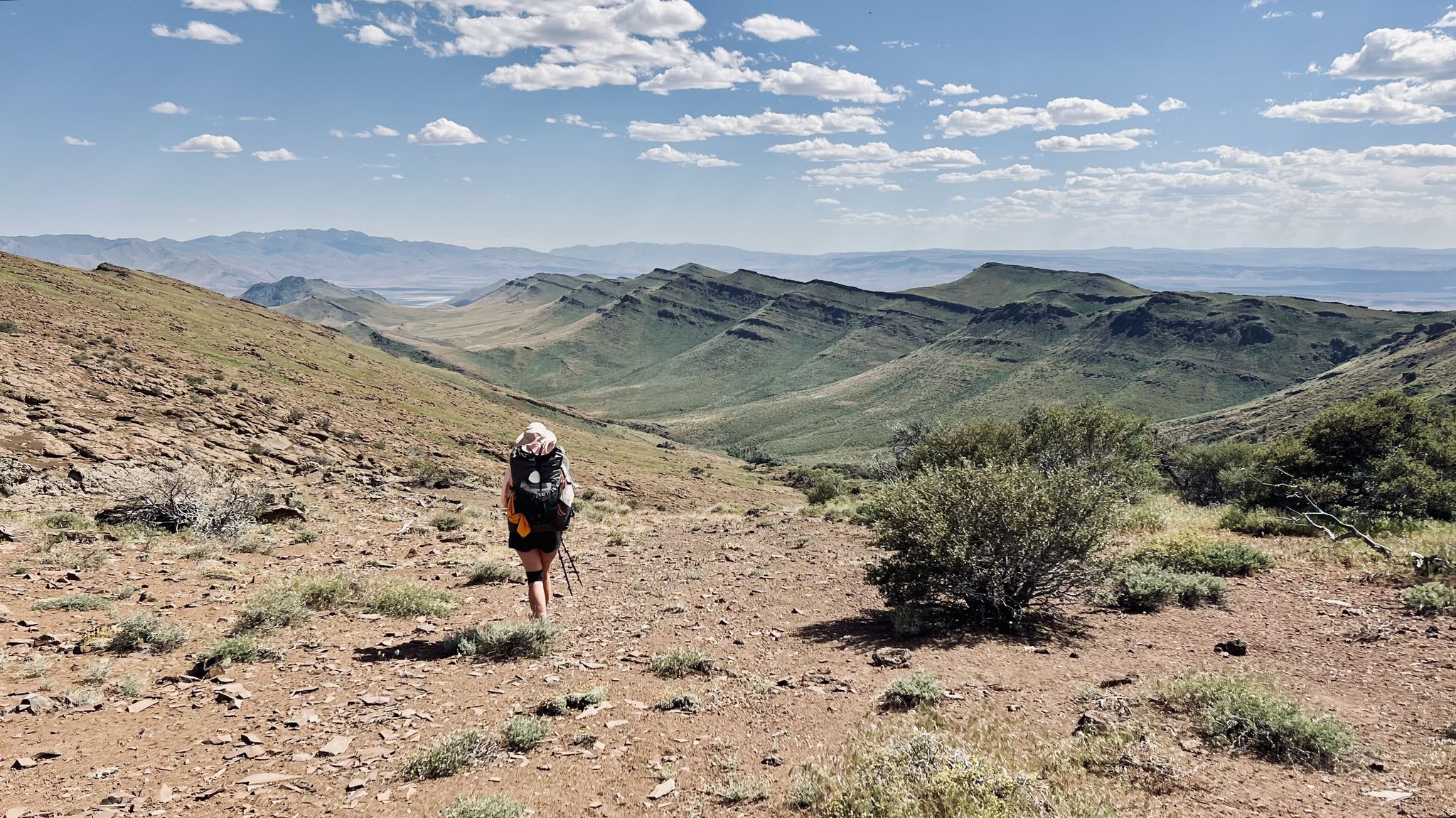
Oregon Desert Trail – Roughly the Right Direction
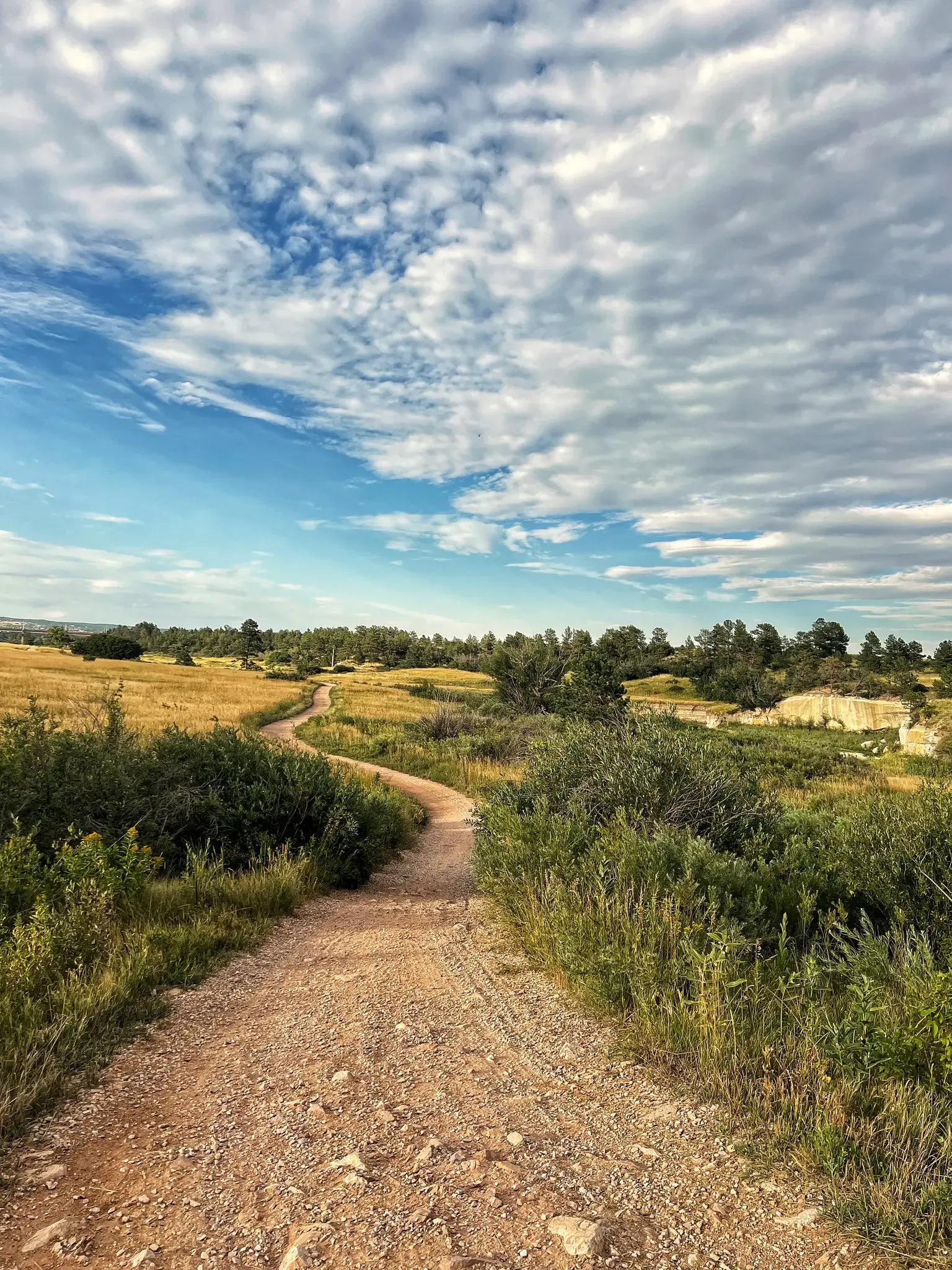
American Discovery Trail — Riding coast to coast
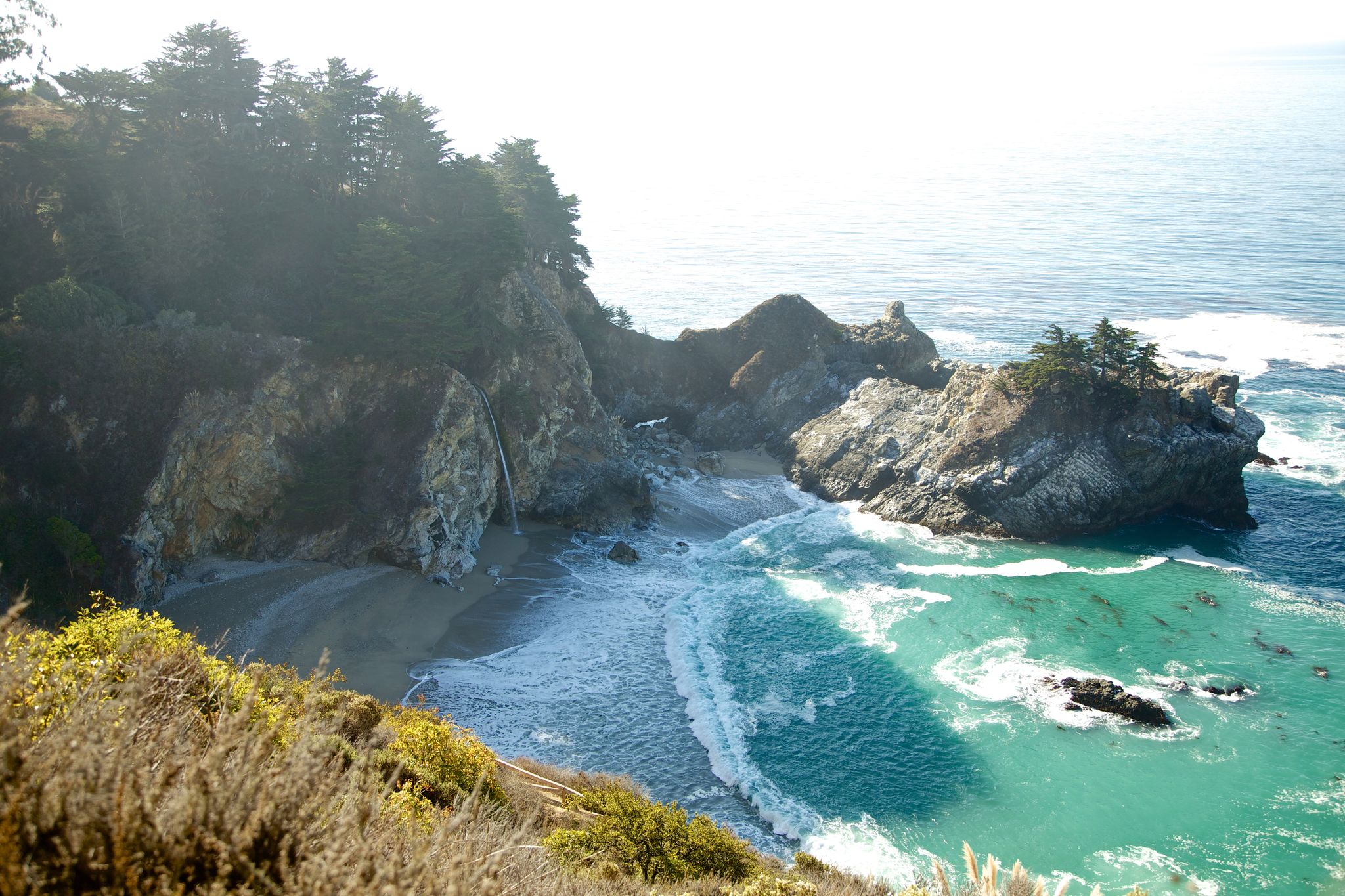
The tour of your life – music trails on the Pacific coast
Historic Route 66 – curiosities, selfie spots and diners

Beyond the bright lights – mountain biking Las Vegas
Canyons, Plateaus and Hoodoos – discover Southwest USA
Basecamp Nevada – hiking Tours in the Silver State
Rocky trails and magical views – MTB Tours in Nevada
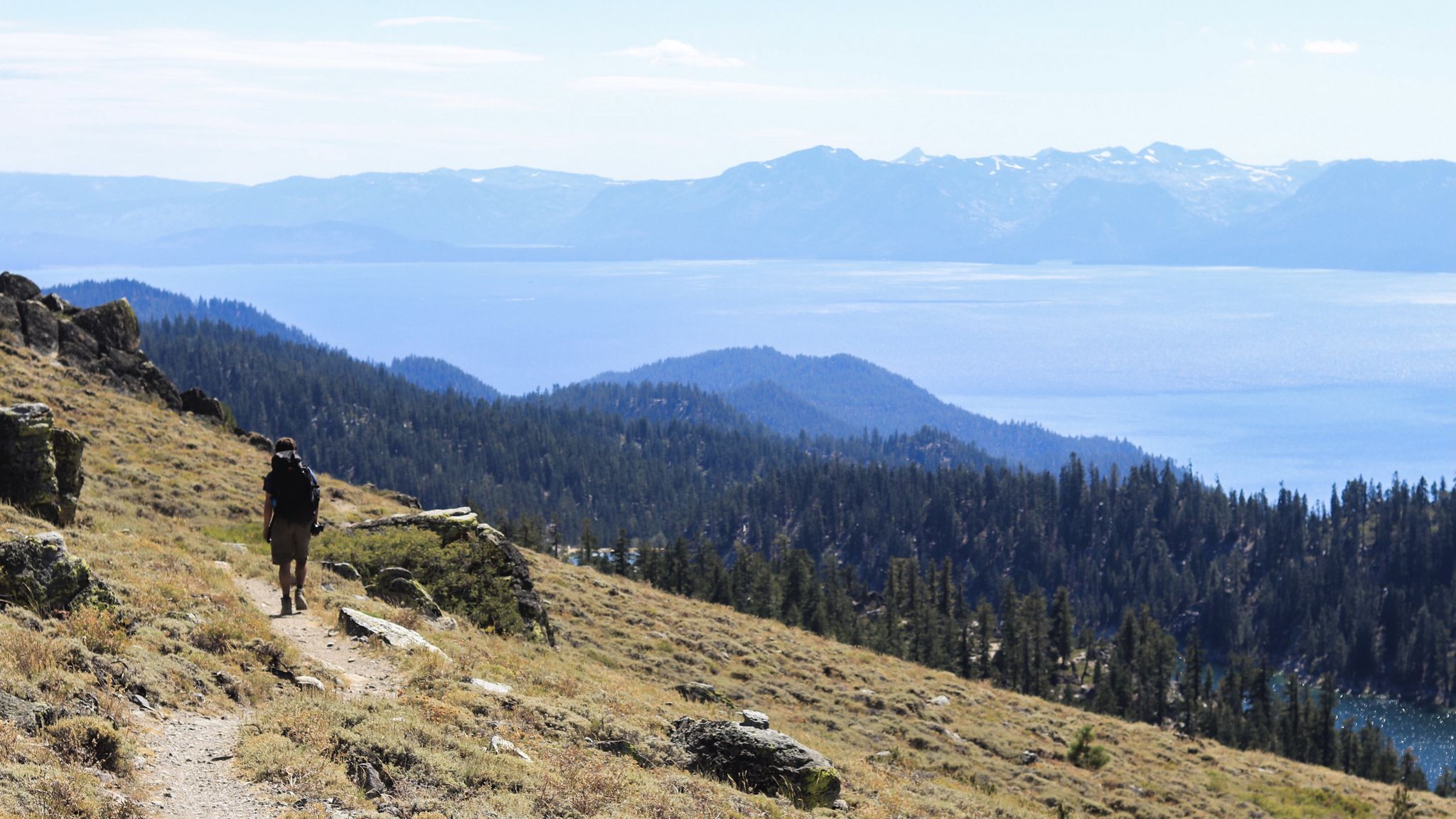
Circumnavigating Lake Tahoe in the Sierra Nevada – Tahoe Rim Trail
Other adventures in Nevada


Tips from the Community

The Lovelock Cave was discovered in 1911 by guano miners and archaeologically investigated in 1912. Thousands of artifacts were found and recovered. The most significant and meanwhile legendary is the Tule Duck Decoy which was made from bundled tule growing close to the dave and feature feathers and painted details. The decoys – a total of eight were found – are considered to have been made between 400 B. C. and 100 A. D. none like these were ever found again.
2
0
Start your hike at the Grimes Point and Hidden Cave Archaeological Site with the Overlook Trail that leads over .6 miles to Hidden Cave. The cave was formed around 21,000 years ago by the waves of rising Pleistocene Lake Lahontan. The artifacts found led to the conclusion that the cave was used as a cache around 3,500 to 3,800 years ago. Nowadays, it is not open for public access, but you can participate in a free guided tour. Tours are available through the Churchill County Museum or BLM Carson City District Office at (775) 885-6000.
1
0

A geothermal pool within a limestone cavern, the water is a constant temperature of 33 °C (91 °F). It is believed that the caverns can go as deep as 130 meters (ca. 427 feet), although the bottom has never been mapped out.
1
0

Great destination for a hike or bike along the Steamboat Ditch Trail. Nearby trees provide shade in the summer but the area can be icy/snowy in winter.
1
0

The Fire Cave, better known as the Windstone Arch, used to be one of the highlights of the Valley of Fire. It is not far from the gravel road, but is still difficult to find, as nothing from the outside suggests its beauty. (See picture 3) When I last visited in 2012, it was still intact and a real beauty. https://www.flickr.com/photos/pharoahsax/52315060853 Unfortunately, the vertical pillar in the foreground of the picture was destroyed intentionally or accidentally. The public announcement of the coordinates is unfortunately often the reason why such highlights are destroyed or damaged. I keep thinking about whether I should continue to publish the coordinates in order to bring such natural wonders closer to REAL nature lovers. If you still want to visit the Windstone Arch, the morning is recommended, as in the afternoon the sun shines through the openings and good photos become impossible. (See picture 4) Pictures 6 and 7 are from 2012 (before the destruction).
0
0
Stunning flame-red rock formation, easy walking, very short hike. You can extend your hike to Arch Rock or even the Pinnacle Loop Trail.
4
2
Frequently Asked Questions
What unique geological features can be found in Nevada's caves?
Nevada's caves showcase diverse geological wonders. Lehman Caves, for instance, is famous for its rare cave shields, draperies, stalactites, and stalagmites. The Windstone Arch aka Fire Cave in Valley of Fire State Park is known for its stunning flame-red rock formations. Devil's Hole features a unique geothermal pool within a limestone cavern, home to an endangered species. Goshute Cave also offers interesting formations like stalagmites, stalactites, and popcorn.
Are there any caves in Nevada with significant historical or archaeological importance?
Yes, Nevada is rich in archaeological caves. Lovelock Cave Archaeological Site served as a storage area for the Northern Paiute people and yielded thousands of artifacts, including ancient Tule Duck Decoys. Hidden Cave & Overlook Trail, formed by ancient Lake Lahontan, was used as a cache thousands of years ago. Toquima Cave is another significant site, featuring remarkable pictographs from the Western Shoshone.
Which caves in Nevada are suitable for families or offer easy access?
For families and those seeking easy access, the Windstone Arch aka Fire Cave offers an easy walking experience with a very short hike. Lovelock Cave Archaeological Site is easily accessible via a short trail and viewing deck. While Hidden Cave & Overlook Trail is not open for general public access, free guided tours are available through the Churchill County Museum or the BLM Carson City District Office, which can be a unique family experience.
What are the options for guided tours or self-guided exploration in Nevada's caves?
Access varies by cave. Lehman Caves are exclusively accessible via ranger-guided tours when open (currently closed until summer 2026). Hidden Cave & Overlook Trail offers free guided tours through local offices. For self-guided exploration, Goshute Cave is one of the few in the US that does not require a fee or guided tour, though it involves a steep hike. Crystal Caves also offer a less-known, self-explorable experience.
Are there any specific considerations for visiting Lehman Caves?
Yes, Lehman Caves are currently closed for electrical system upgrades and are expected to reopen in summer 2026. When open, access is exclusively via ranger-guided tours. It's advisable to check the National Park Service website for the most current information on tours and availability before planning your visit.
What kind of wildlife or unique ecosystems can be found in Nevada's caves?
Nevada's caves host unique ecosystems. Lehman Caves, for example, is home to several species found nowhere else on Earth, including the Great Basin cave pseudoscorpion. Devil's Hole is critical habitat for the critically endangered Devil's Hole pupfish. Crystal Caves are also known to be home to bats.
What outdoor activities or trails are available near Nevada's caves?
Many caves are located near areas with diverse outdoor activities. For instance, near the Windstone Arch aka Fire Cave, you can extend your hike to nearby attractions like Arch Rock or the Pinnacle Loop Trail. The region around Nevada's caves also offers various routes for road cycling, such as the Lake Tahoe loop or the River Mountains Loop Trail, and easy hikes like the Fire Wave, White Domes and Seven Wonders Loop. You can find more details on these activities in the Road Cycling Routes in Nevada and Easy hikes in Nevada guides.
Are there any caves in Nevada that are considered 'hidden gems' or less-known for exploration?
Goshute Cave, located near Ely, is a popular spot for local cave explorers and is considered a hidden gem. It boasts over 4,000 feet of passages and numerous chambers, offering a more adventurous, self-guided experience. The Crystal Caves, north of Nevada's deserts, also provide a less-known underground experience for those seeking adventure.
What is the best time to visit caves in Nevada?
The best time to visit Nevada's caves can depend on the specific cave and your preferences. For caves like Windstone Arch aka Fire Cave, early morning is recommended for the best photographic opportunities due to lighting. For others, like Lehman Caves, it's crucial to check their operational status, as they are currently closed until summer 2026. Generally, spring and fall offer milder temperatures for exploring outdoor areas surrounding the caves.
What should I know about visiting Toquima Cave?
Toquima Cave is an important archaeological site known for its ancient pictographs, dating back 1,500 to 3,000 years. It holds significant cultural importance for the Western Shoshone. While the site is powerful for understanding ancient Native American artistry, access to the cave itself is limited, and the entrance is blocked by fencing to protect the delicate artwork.
What is the significance of Devil's Hole?
Devil's Hole is a unique geothermal pool within a limestone cavern, maintaining a constant water temperature of 33°C (91°F). Its primary significance lies in being the sole natural habitat for the critically endangered Devil's Hole pupfish, making it a crucial site for biodiversity and conservation efforts.
Most popular routes in Nevada
Most popular attractions in Nevada

Get inspired with the komoot mobile app


Explore more
Extend your search for the best caves by checking out these guides of the top ones in Nevada:
