Top 20 Natural Monuments in Alb-Donau-Kreis
Natural monuments in Alb-Donau-Kreis showcase millions of years of geological history within the Swabian Alb. This region is part of the UNESCO Global Geopark Swabian Alb and a UNESCO Biosphere Reserve, highlighting its natural heritage. Visitors can explore a diverse landscape featuring karst springs, ancient caves, and dramatic rock formations. The area offers insights into subterranean geological formations and significant archaeological sites.
Best natural monuments in Alb-Donau-Kreis
- The most popular natural monuments is Küssende Sau Rock Formation, a natural…
Last updated: August 19, 2026
Blautopf
Highlight • Lake
Translated by Google •
Tip by

Küssende Sau Rock Formation
Highlight • Natural Monument
Translated by Google •
Tip by

Sign up now to discover places like this
Get recommendations on the best single tracks, peaks, & plenty of other exciting outdoor places.
Sign up for free
Günzelburg Ruins
Highlight • Castle
Translated by Google •
Tip by

View of Blaubeuren from the Rock Outcrop
Highlight • Viewpoint
A little hidden behind …
Translated by Google •
Tip by

View over Blaubeuren from Blaufels
Highlight • Viewpoint
Translated by Google •
Tip by

Rock Archway Entrance to Lautertal
Highlight • Natural Monument
Translated by Google •
Tip by

Fohlenhaus Caves
Highlight • Cave
Translated by Google •
Tip by
Sontheim Cave
Highlight • Cave
Translated by Google •
Tip by

Rock gate in the Felsenlabyrinth Blaubeurer Felsensteig
Highlight • Natural Monument
Translated by Google •
Tip by

Knoblauchfelsen Viewpoint
Highlight • Viewpoint
Translated by Google •
Tip by

Sign up for free to discover even more natural monuments in Alb-Donau-Kreis.
Sign up for free
Already have an account?
Start today with a free account
Your next adventure awaits.
Login or Signup
Popular around Alb-Donau-Kreis
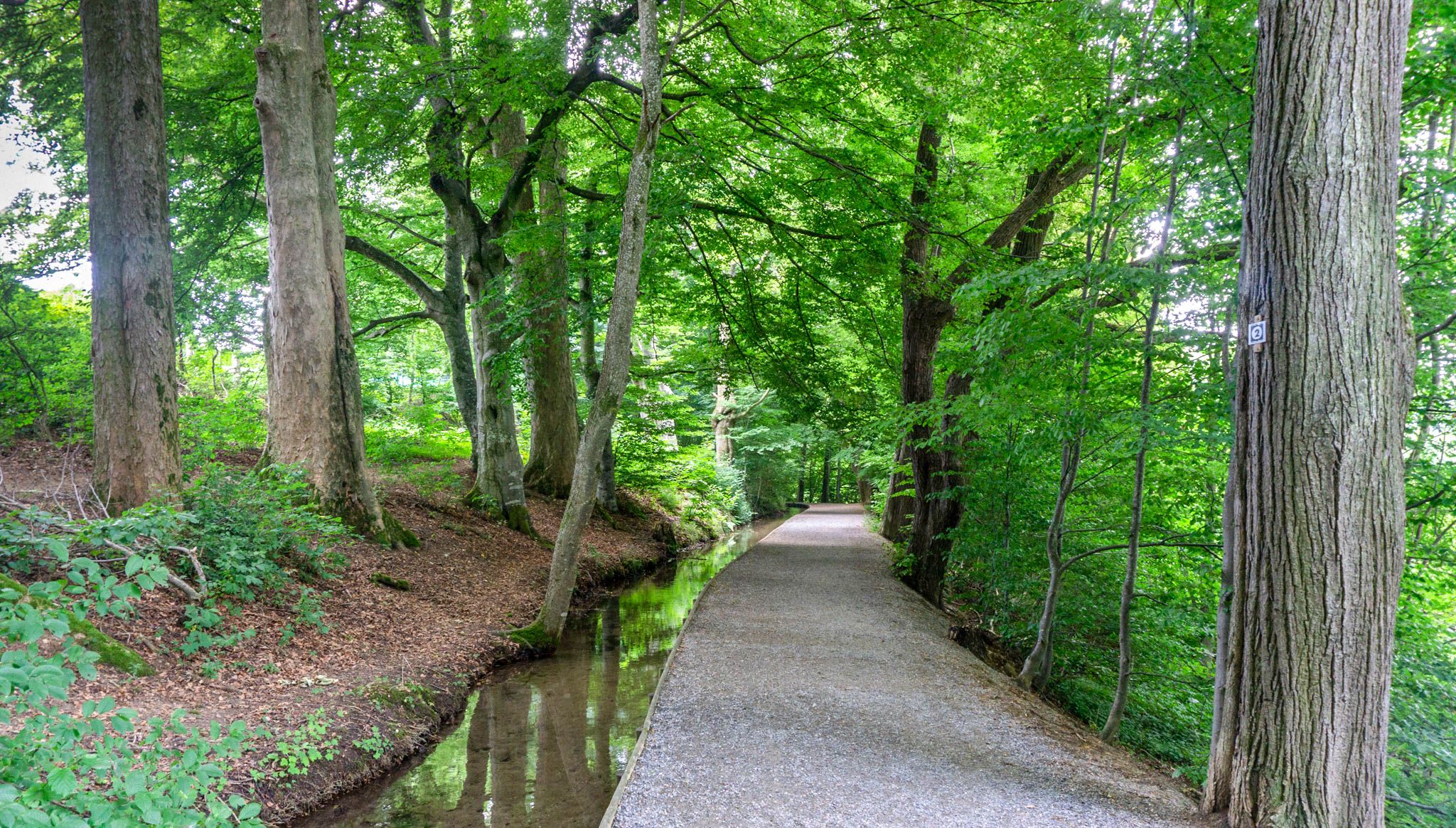
Main-Danube-Lake Constance Trail – Along iconic waters
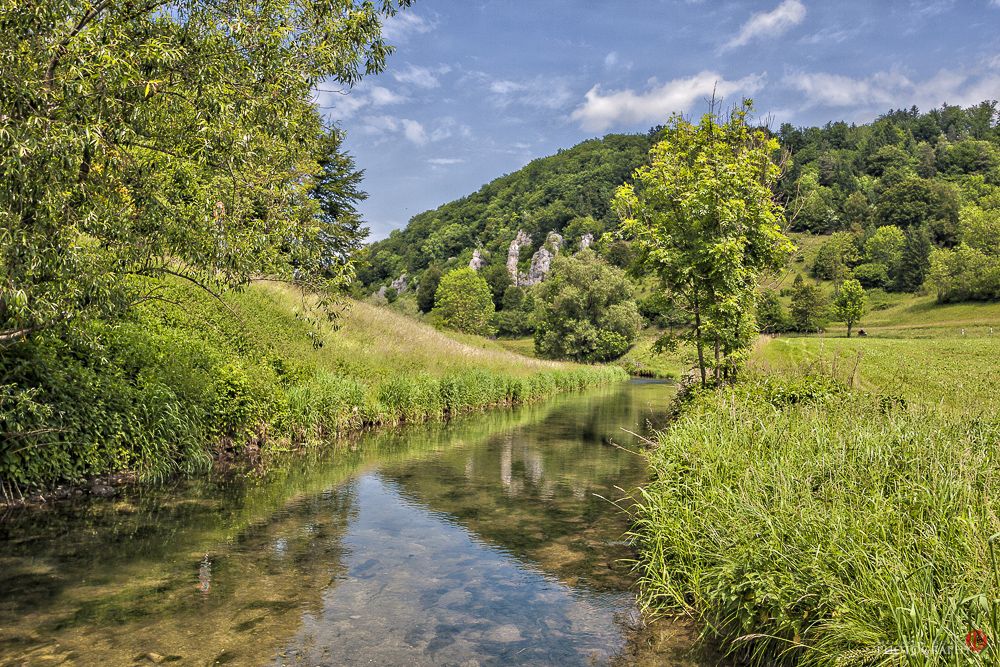
The Trail of Consciousness – hiking for body and soul in the Swabian Alb
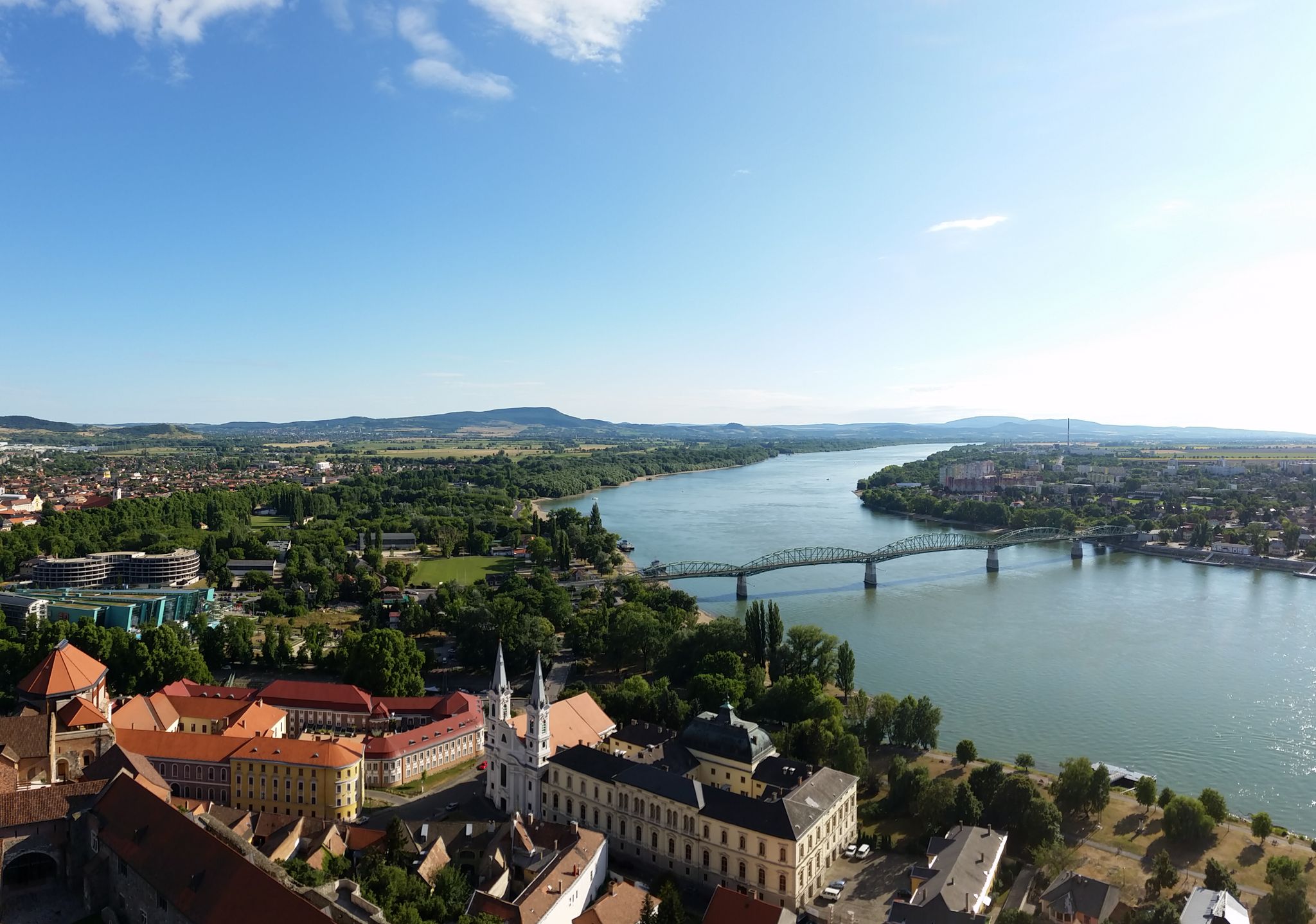
The Danube Cycle Path – From Donaueschingen to Budapest
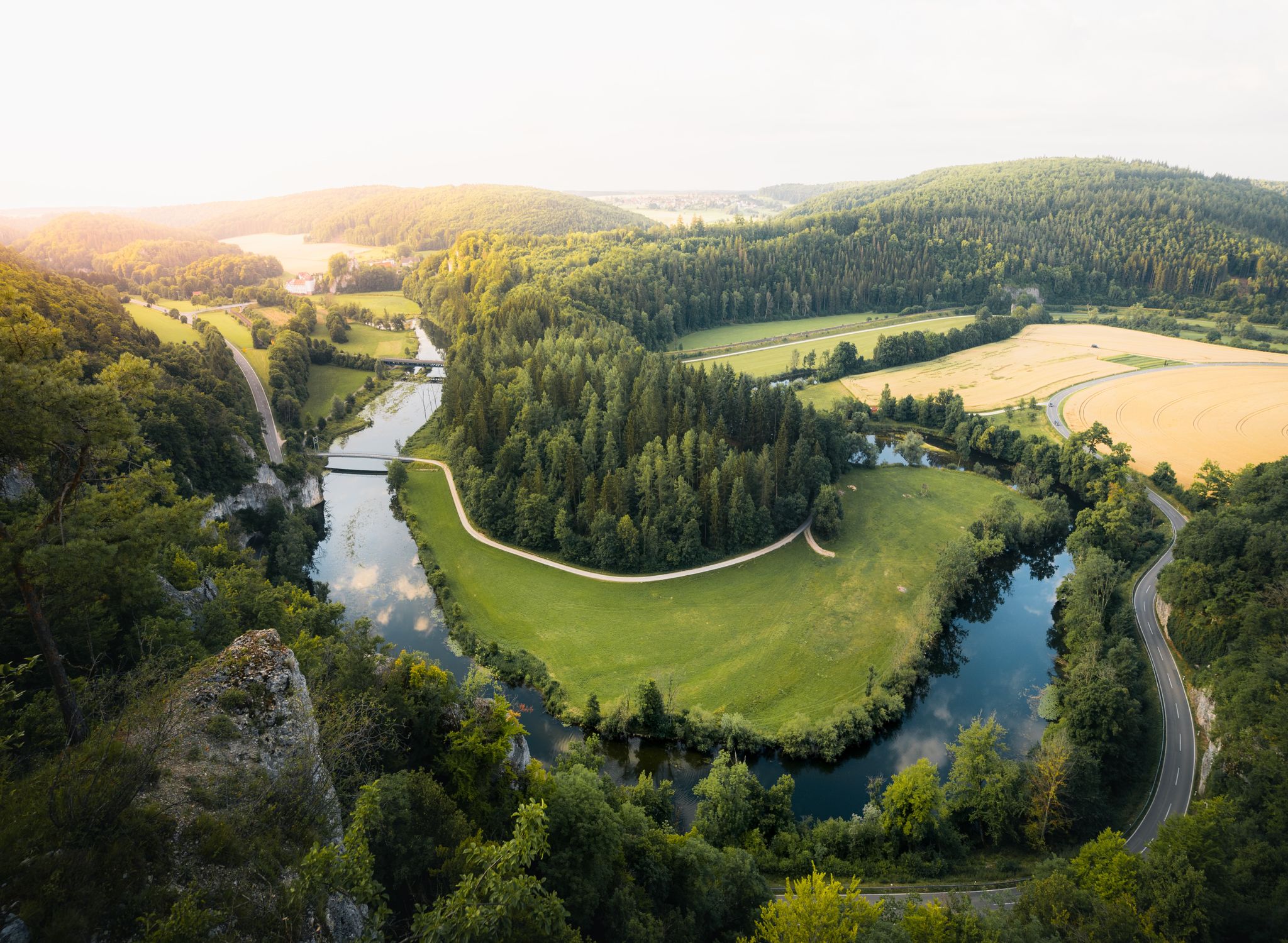
Where valleys tell stories – hiking the rivers of the Swabian Jura
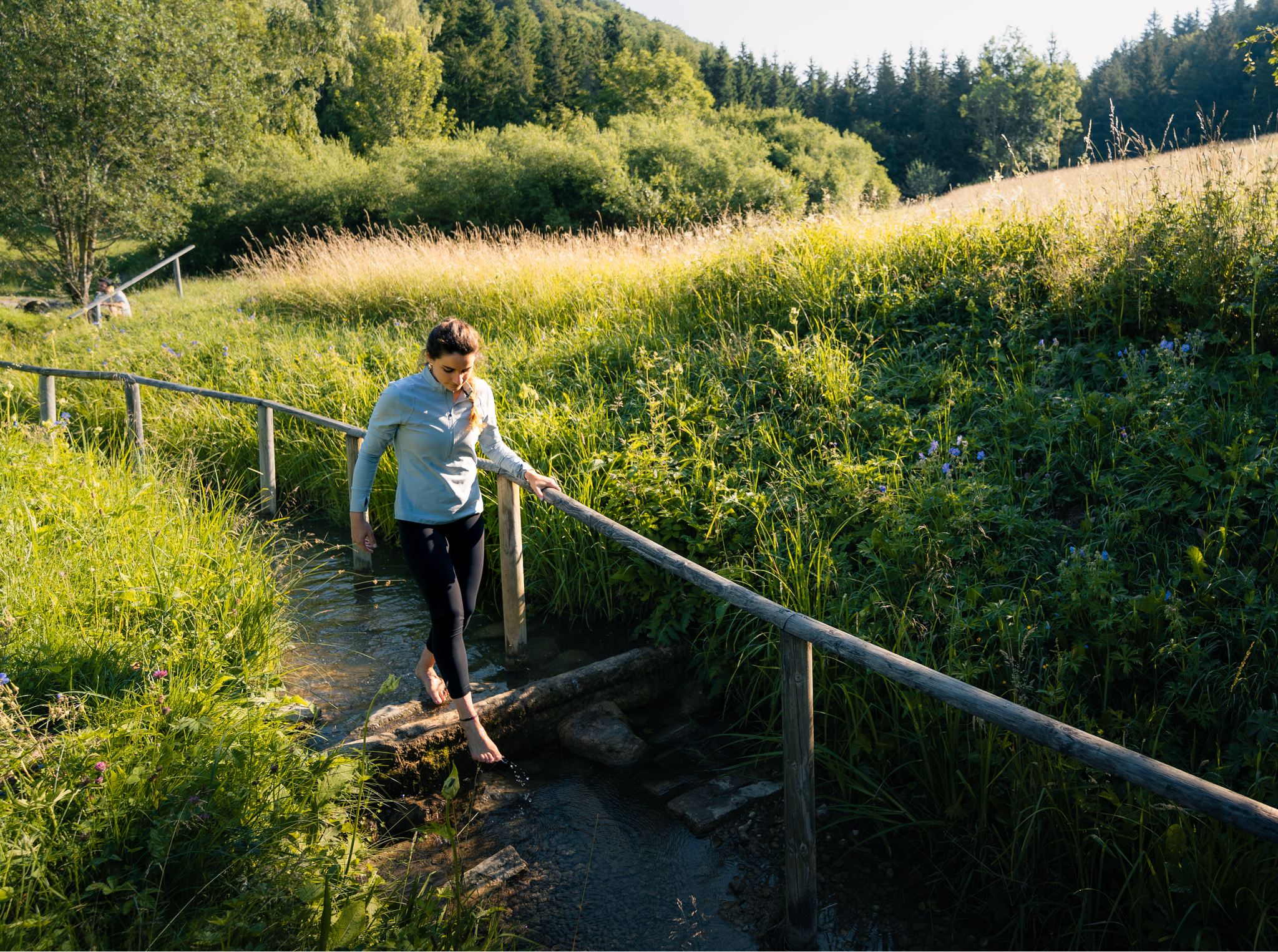
Hiking on the Swabian Alb with all your senses
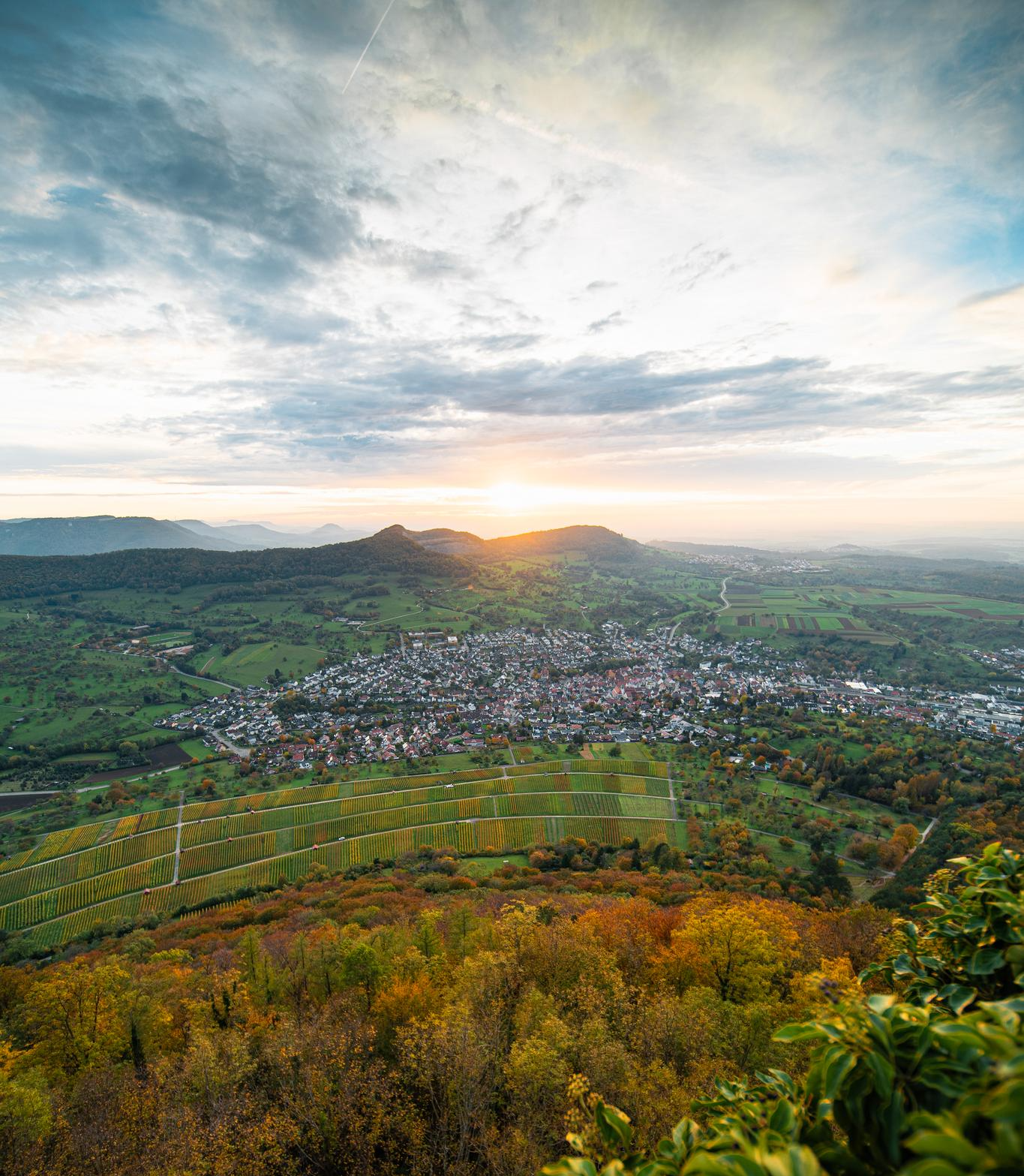
E-bike pleasure rides in the Swabian Alb
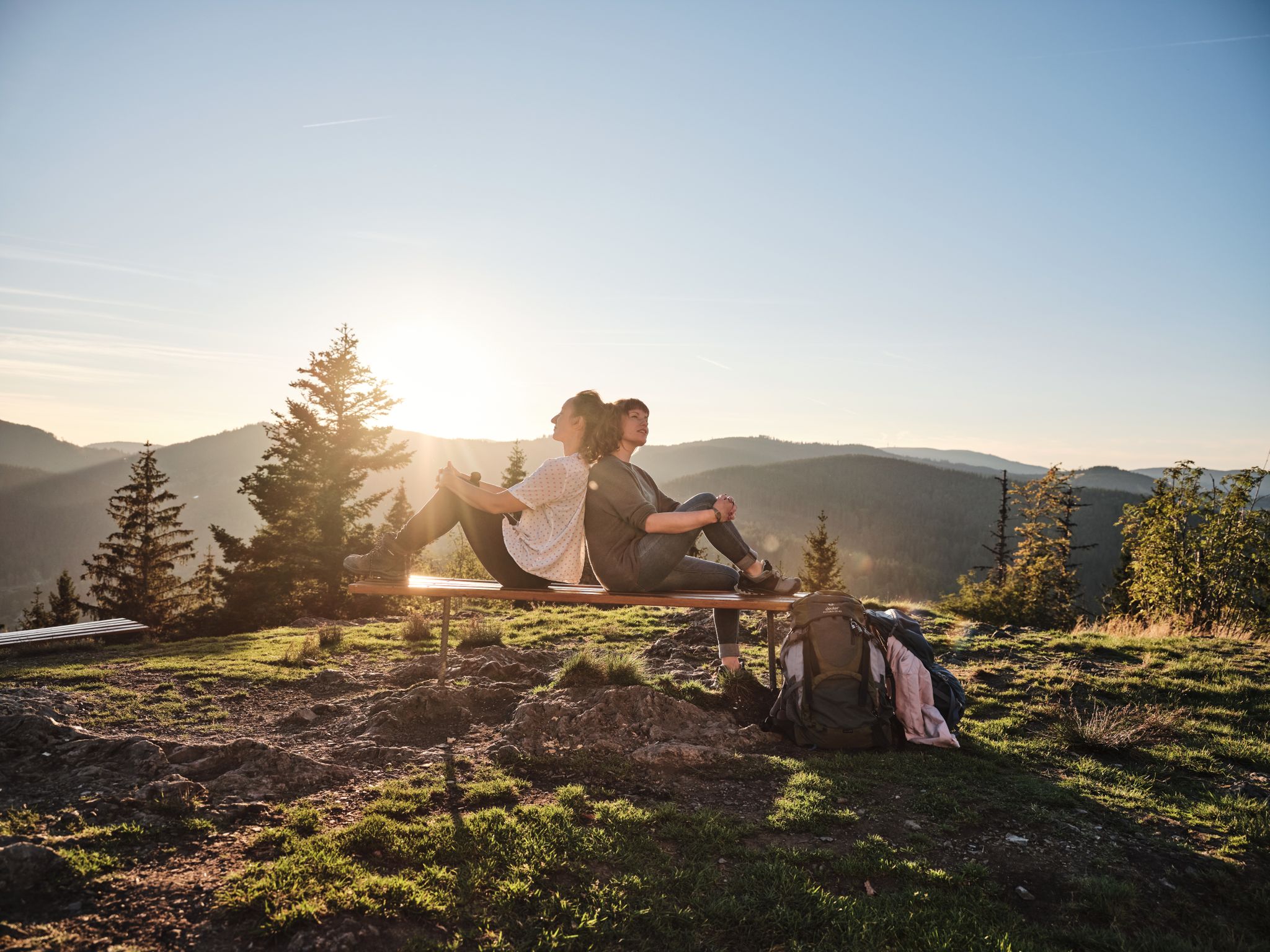
Hiking the Süden – between Black Forest, Lake Constance and Swabian Alb
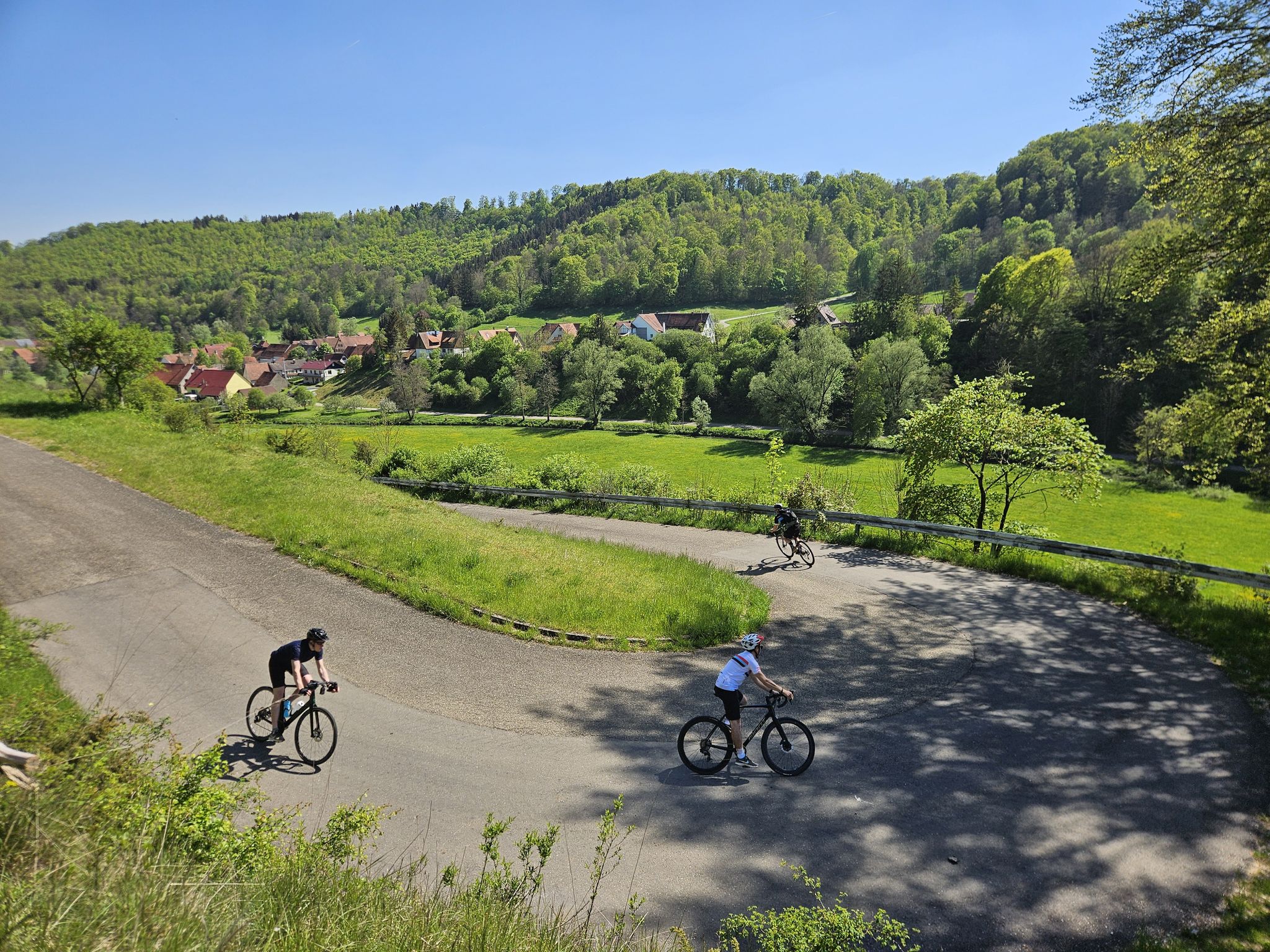
From mountain sprints to winding roads – the Tour de Alb road cycling adventure
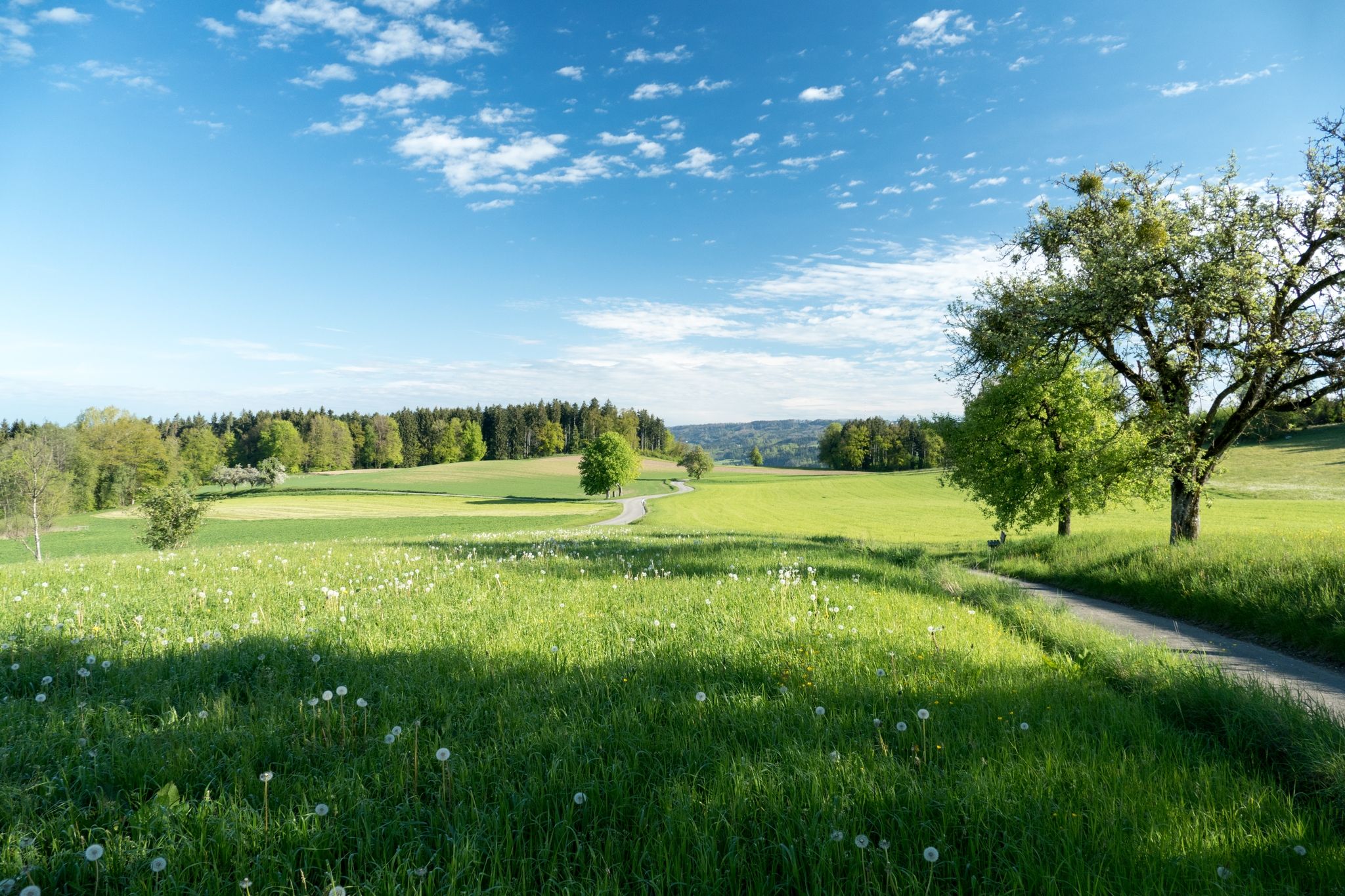
Hills, RAISED BOGS and HIGH BAROQUE - the Oberschwaben-Allgäu-Radweg
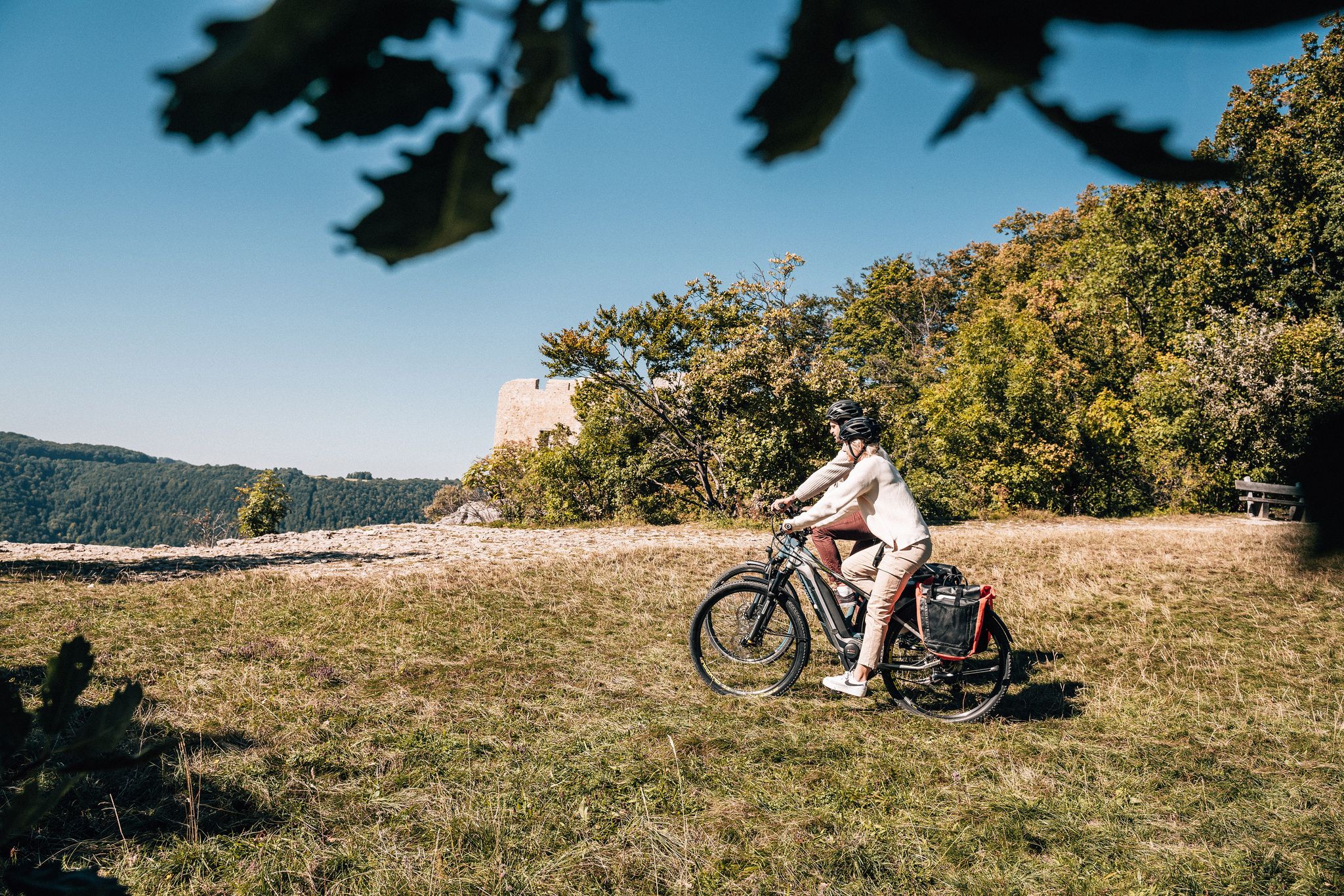
Breathe in the mountain air – long-distance cycle paths in the Swabian Alb
Other adventures in Alb-Donau-Kreis


Tips from the Community

The remains of Günzelburg Castle are located on a wooded ridge not far from the Lone Valley. Today, only a few fragments of the walls remain of the former castle, which was presumably built in the early Middle Ages. Its location suggests a former defensive function. The site is accessible via a footpath and offers beautiful views of the surrounding area. Information panels on site provide insights into the history of the complex and previous archaeological investigations.
2
2

The Fohlenhaus Stone Age Cave in the Lone Valley is a fascinating destination for nature and history enthusiasts. This impressive karst cave once served as a shelter for Stone Age people and today offers a glimpse into times long past. With its distinctive shape and special charm, it exudes a sense of mysticism.
10
0


The Günzelburg ruins, also called Greifenburg, Gryffenburg and Denzelburg, are the ruins of a rock castle on a 685 m above sea level rock tower above the village of Weiler near Seißen, a district of the town of Blaubeuren. The castle was built in the late 13th century by the Grif von Berkach, probably as a successor to a castle on the nearby Wachtfels. The Lords of Berkach were ministerials of the Counts of Berg. The subsequent owners are named as the Lords of Weiler and the Lords of Westernach at the end of the 14th century, Ulrich von Westerstetten in 1460 and after 1460 the Blaubeuren monastery. The name of the castle Denzelburg, probably Tünzelburg, mentioned in 1464, probably goes back to a later owner of the castle. By 1477 the complex was in a state of disrepair, it is said: "The ruins of the walls of Gintzelburg Castle, which protrude over the house (= the Franciscan monastery) on the top of the rock, also caused damage to this house..." Remains of the walls of the former castle complex, which had a hook-shaped shield wall, are still preserved. The core castle had a floor area of about 20 by 21 meters.
6
0

An imposing rock massif with natural tunnels. Very impressive.
3
0

even a long journey is worthwhile
2
0

The entire surrounding area also offers brilliantly picturesque rock formations.
2
0
Frequently Asked Questions
What are some unique natural monuments to explore in Alb-Donau-Kreis?
Beyond the well-known Blautopf and Küssende Sau Rock Formation, you can discover the impressive Rock Archway Entrance to Lautertal, a natural tunnel into the valley. The region also features the dramatic Felsgruppe Böllisburren and the whimsical Stone Maidens in Eselsburger Valley.
Are there family-friendly natural monuments in Alb-Donau-Kreis?
Yes, several natural monuments are suitable for families. The Blautopf is a popular spot for all ages, offering a serene atmosphere and easy walks. The Sontheim Cave and Fohlenhaus Caves are also listed as family-friendly, providing an exciting underground experience.
What are the most notable caves to visit in Alb-Donau-Kreis?
The Alb-Donau-Kreis is rich in caves. Highlights include the Tiefenhöhle Laichingen, Germany's deepest accessible show cave, and the Sontheim Cave, which is Germany's oldest show cave. The Schertelshöhle in Westerheim is known for its intricate stalactite formations, and the Hohle Fels in Schelklingen is a significant archaeological site.
Where can I find the best panoramic views of the region?
For stunning panoramic views, head to Blaufels, which offers a wonderful perspective of Blaubeuren and its valley. The Felsgruppe Böllisburren also provides impressive views of the surrounding Schmiechtal.
What kind of outdoor activities can I do near these natural monuments?
The region offers diverse outdoor activities. You can enjoy various hikes, including easy walks and more challenging mountain hikes. For example, there are routes like the 'Blautopf Spring – Blautopf loop from Blaubeuren' or 'Source of the Fils – View of Neidlingen Valley loop from Wiesensteig'. You can find more details on easy hikes, mountain hikes, and waterfall hikes in Alb-Donau-Kreis.
When is the best time of year to visit the natural monuments in Alb-Donau-Kreis?
The natural monuments in Alb-Donau-Kreis can be enjoyed year-round. Spring and autumn offer pleasant temperatures for hiking and exploring caves. Summer is ideal for witnessing the vibrant blue of the Blautopf on sunny days. Some caves might have specific opening seasons, so it's always good to check in advance.
Do these natural monuments have historical or archaeological significance?
Absolutely. Many caves in the region, such as the Hohle Fels, are part of the UNESCO World Heritage 'Caves and Ice Age Art of the Swabian Alb' due to outstanding Ice Age finds. The Fohlenhaus Caves also served as shelters for Stone Age people, offering a glimpse into ancient human history.
What makes the Blautopf so special?
The Blautopf is renowned for its intensely blue karst spring, one of Germany's largest and most beautiful. Its striking color comes from the scattering of light on tiny lime particles in the clear, mineral-rich water. It's the source of the Blau River and a 'Geopoint' of the Geopark Swabian Alb, making it a truly mesmerizing natural spectacle.
What do visitors particularly enjoy about the natural monuments in Alb-Donau-Kreis?
Visitors frequently praise the breathtaking beauty and unique geological features. The Blautopf is often described as 'stunning' and 'invigorating.' The Küssende Sau Rock Formation is noted for its unique appearance, and the views from Blaufels are consistently highlighted as 'wonderful.'
Are there any lesser-known natural monuments worth discovering?
While not as widely known as the Blautopf, the Confluence of the Iller and Danube offers a fascinating natural phenomenon where the clear waters of two major rivers merge. It's a subtle yet powerful display of natural forces shaping the landscape.
Can I see unique rock formations in the Alb-Donau-Kreis?
Yes, the region is home to several distinctive rock formations. Besides the famous Küssende Sau Rock Formation, you can explore the Felsgruppe Böllisburren, an officially protected natural monument, and the picturesque Stone Maidens in the scenic Eselsburger Valley.
Are the natural monuments in Alb-Donau-Kreis dog-friendly?
Many outdoor natural monuments and trails in the Alb-Donau-Kreis are generally dog-friendly, especially for hiking. However, specific rules may apply to protected areas or inside show caves. It's always advisable to keep dogs on a leash and check local regulations for each specific site you plan to visit.
How can I reach the natural monuments, and is parking available?
Access to natural monuments varies. Many popular sites like the Blautopf and various caves have designated parking areas nearby. Public transport options, such as buses, also serve some towns and attractions in the Alb-Donau-Kreis. For specific locations, it's best to check local transport schedules and parking information.
Most popular routes in Alb-Donau-Kreis
Most popular attractions in Alb-Donau-Kreis

Get inspired with the komoot mobile app


Didn’t find what you were looking for?
Find even more amazing natural monuments in Alb-Donau-Kreis by checking out the top Highlights region by region:
Explore more
Extend your search for the best caves by checking out these guides of the top ones in Alb-Donau-Kreis:
