Top 20 Castles in Mainz-Bingen
Best castles in Mainz-Bingen are found within a region characterized by the Middle Rhine Valley, offering a blend of historical significance and natural landscapes. This area features numerous castles, many of which are situated along the Rhine River or nestled in surrounding forests and vineyards. The district provides insights into medieval history and Prussian Rhine Romanticism. Visitors can explore a variety of fortified structures, from well-preserved castles to evocative ruins.
Best castles in Mainz-Bingen
- The most popular castles include Rheinstein Castle, a castle that was meticulously rebuilt in the Neo-Gothic style, preserving its medieval fabric. It houses a museum and a restaurant, and offers views down to the Rhine Valley.
- Another must-see spot is View of Burg Stahleck, a viewpoint offering fascinating views of Bacharach, its defensive towers, city fortifications, and the Rhine Valley. Stahleck Castle now serves as a youth hostel, making it popular for various travelers.
- Visitors also love View of Reichenstein Castle, a viewpoint overlooking a castle that was rebuilt in the Neo-Gothic style and now houses a museum, restaurant, and hotel. The living quarters in the castle have been preserved as they were over a hundred years ago.
- Mainz-Bingen is known for its reconstructed castles, medieval ruins, and castles serving modern purposes like youth hostels or administrative seats. The region offers a variety of historical sites to explore, from customs castles to former hunting lodges.
- The castles in Mainz-Bingen are appreciated by the komoot community, with more than 2500 upvotes and over 340 photos shared by visitors.
Last updated: October 9, 2026
View of Burg Reichenstein
Highlight • Castle
Translated by Google •
Tip by

Pfalzgrafenstein Castle
Highlight • Castle
Translated by Google •
Tip by
Sign up now to discover places like this
Get recommendations on the best single tracks, peaks, & plenty of other exciting outdoor places.
Rheinstein Castle
Highlight • Castle
This form is preserved to this day and can be visited. The castle now houses a museum and an adjoining restaurant. In addition, the view from the wall and from the towers down to the Rhine Valley is simply picturesque. If you can not get enough of the castle, then you should also look at the accommodation offers.
You can find all information about opening times and entrance fees at burg-rheinstein.de.
Translated by Google •
Tip by

View of Rheinstein Castle and the Rhine from the Kleine Bastei
Highlight • Viewpoint
Translated by Google •
Tip by

View of Burg Stahleck
Highlight • Viewpoint
Translated by Google •
Tip by
Bacharach Old Town
Highlight • Historical Site
Translated by Google •
Tip by

Landskron Castle Ruins
Highlight • Castle
Showing Translation
Tip by

Rhine-Nahe-Eck
Highlight • Viewpoint
Binger Loch, Mouse Tower, Ehrenfels Castle, Niederwald Monument,... and much more can be seen here 👌😎
Translated by Google •
Tip by

View of the Rhine, Nahe confluence, and Binger Mäuseturm
Highlight • Viewpoint
Translated by Google •
Tip by

Ruins of the Eleven-Thousand Maidens Tower
Highlight • Historical Site
It was built in the 14th century and served as a customs station in the Middle Ages on the road from Mainz to Kreuznach. Every traveler had to cross the Selz there. The tower is the remnant of a fortified gatehouse with two round corner towers.
Saint Ursula is said to have used the road with her 11,000 virgins on her way to Cologne – hence the name Elftausend-Mägde-Turm.
Showing Translation
Tip by

Sign up for free to discover even more castles in Mainz-Bingen.
Already have an account?
Start today with a free account
Your next adventure awaits.
Popular around Mainz-Bingen
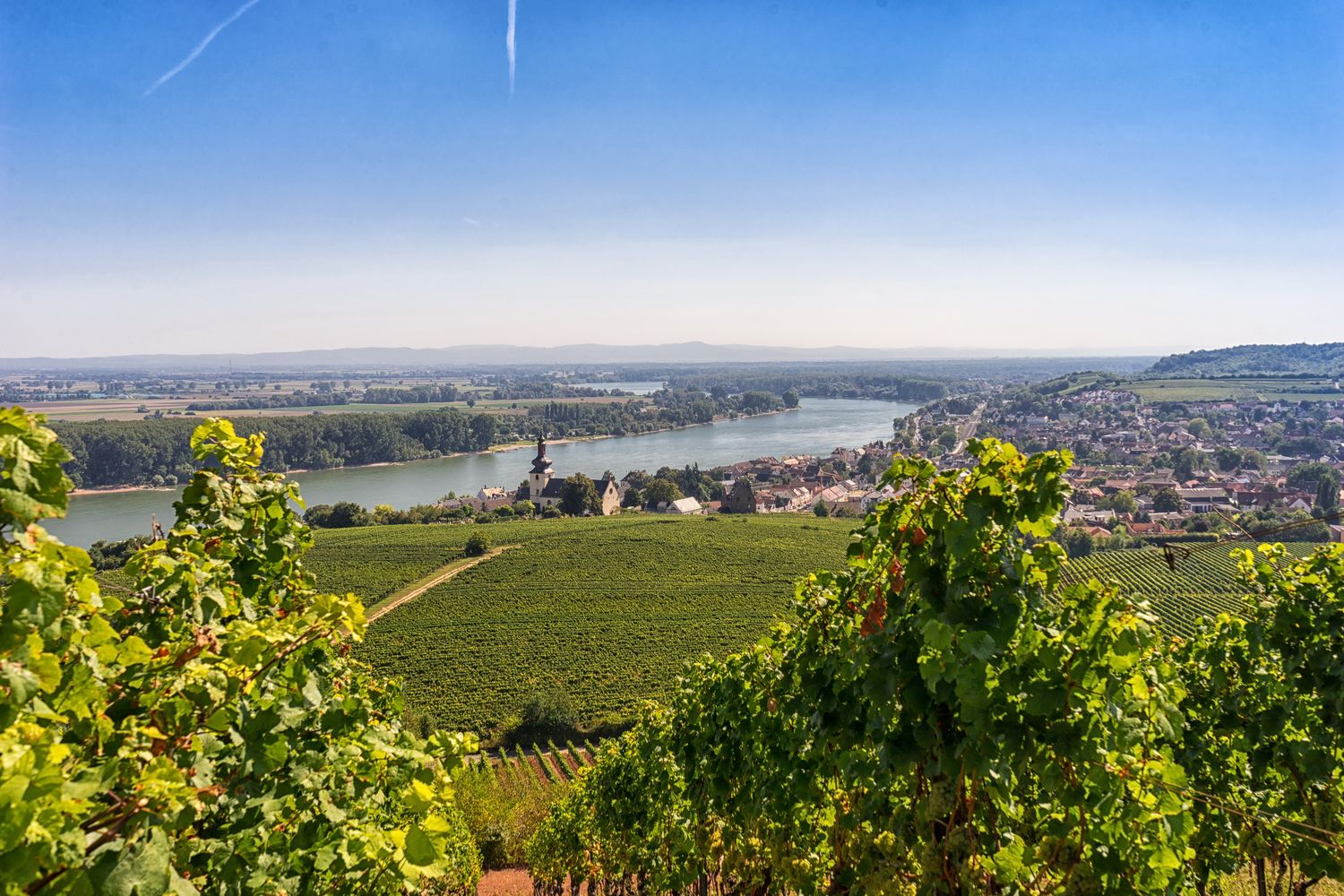
RheinTerrassenWeg – Hike through vineyards along Germany's River Rhine
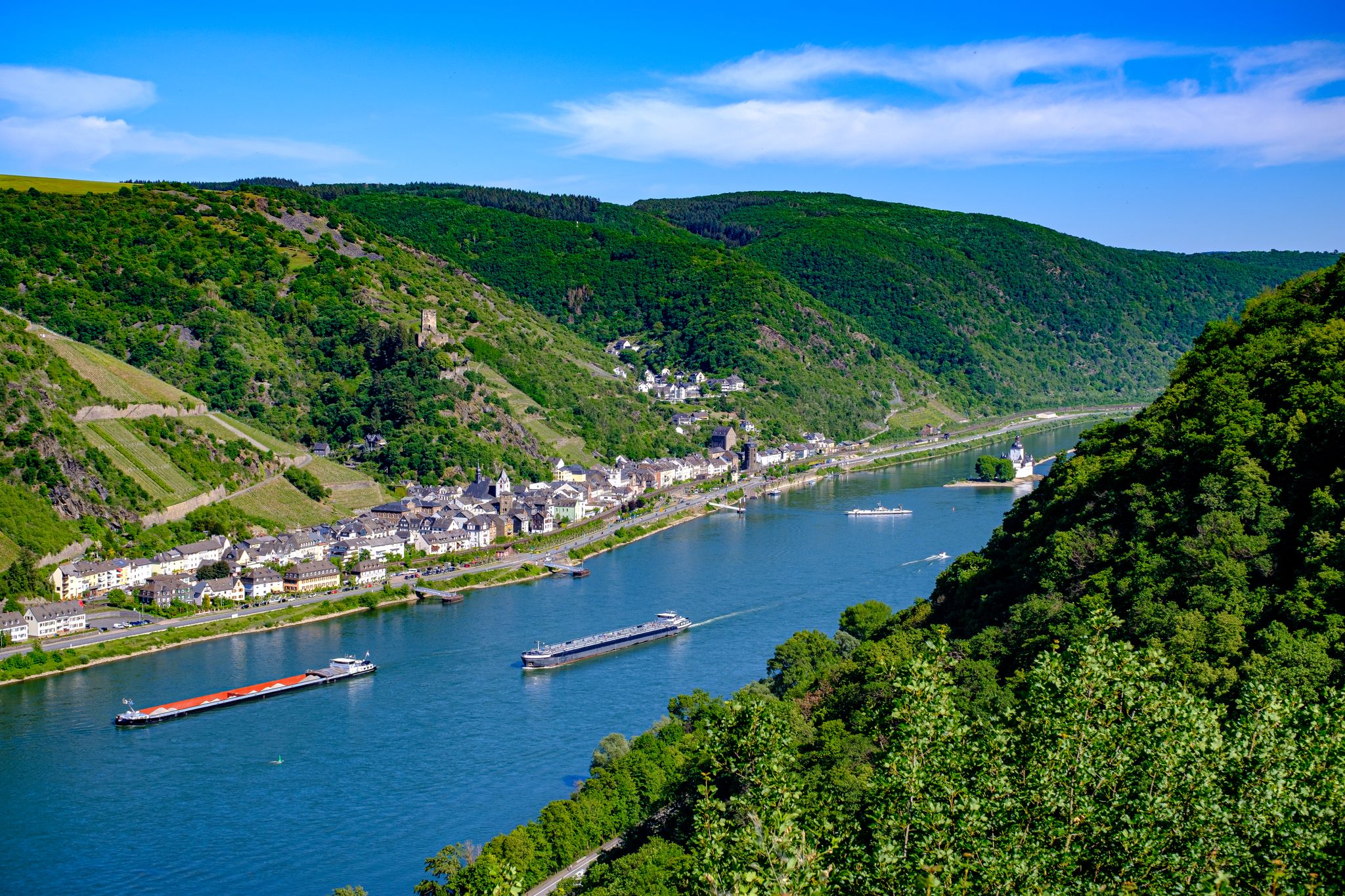
The Rhine Castle Trail – 13 stages of pure Rhine romanticism

The Rhine Cycle Path — From the source to the North Sea
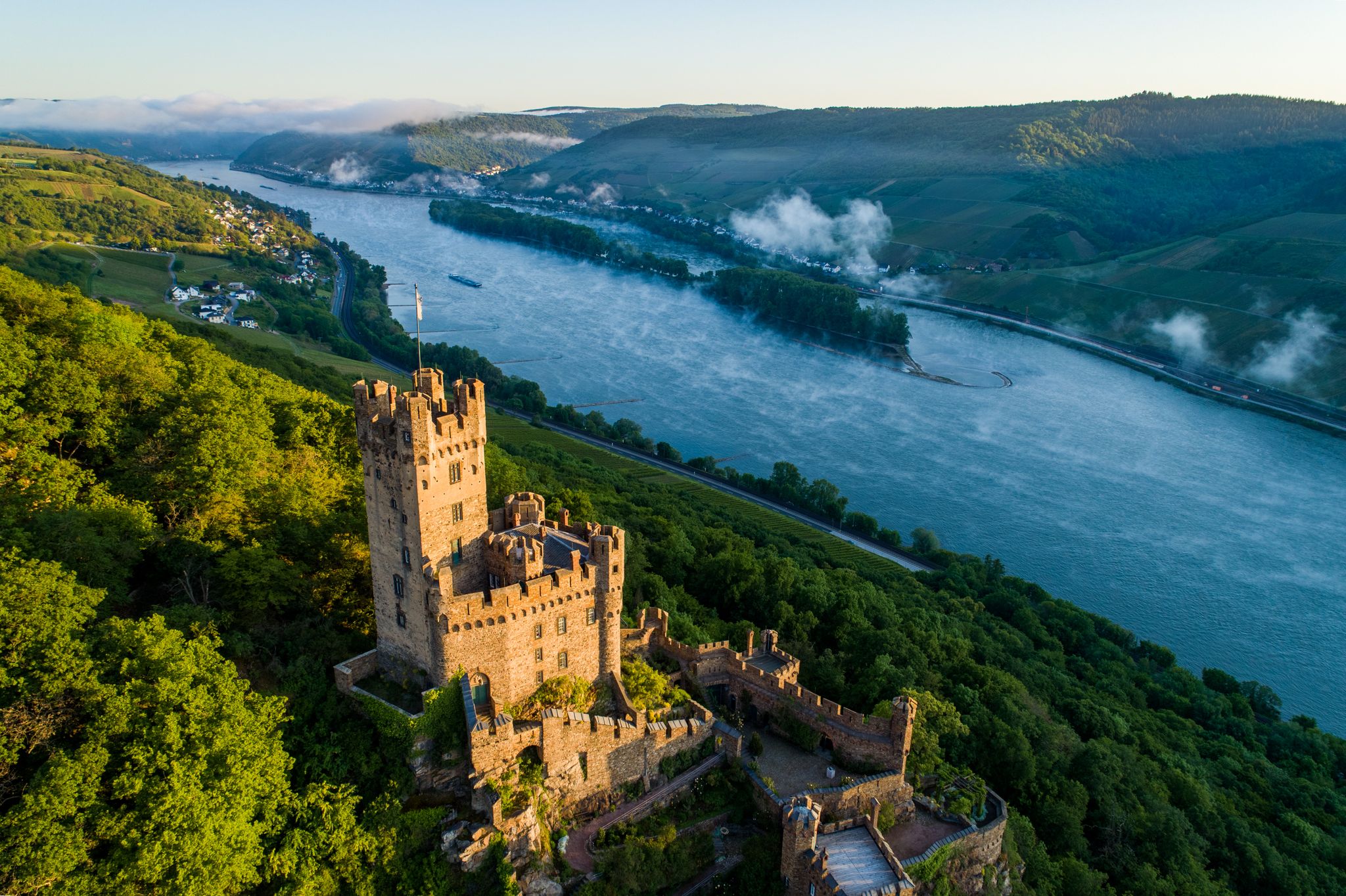
Stunningly beautiful – hiking on the RheinBurgenWeg
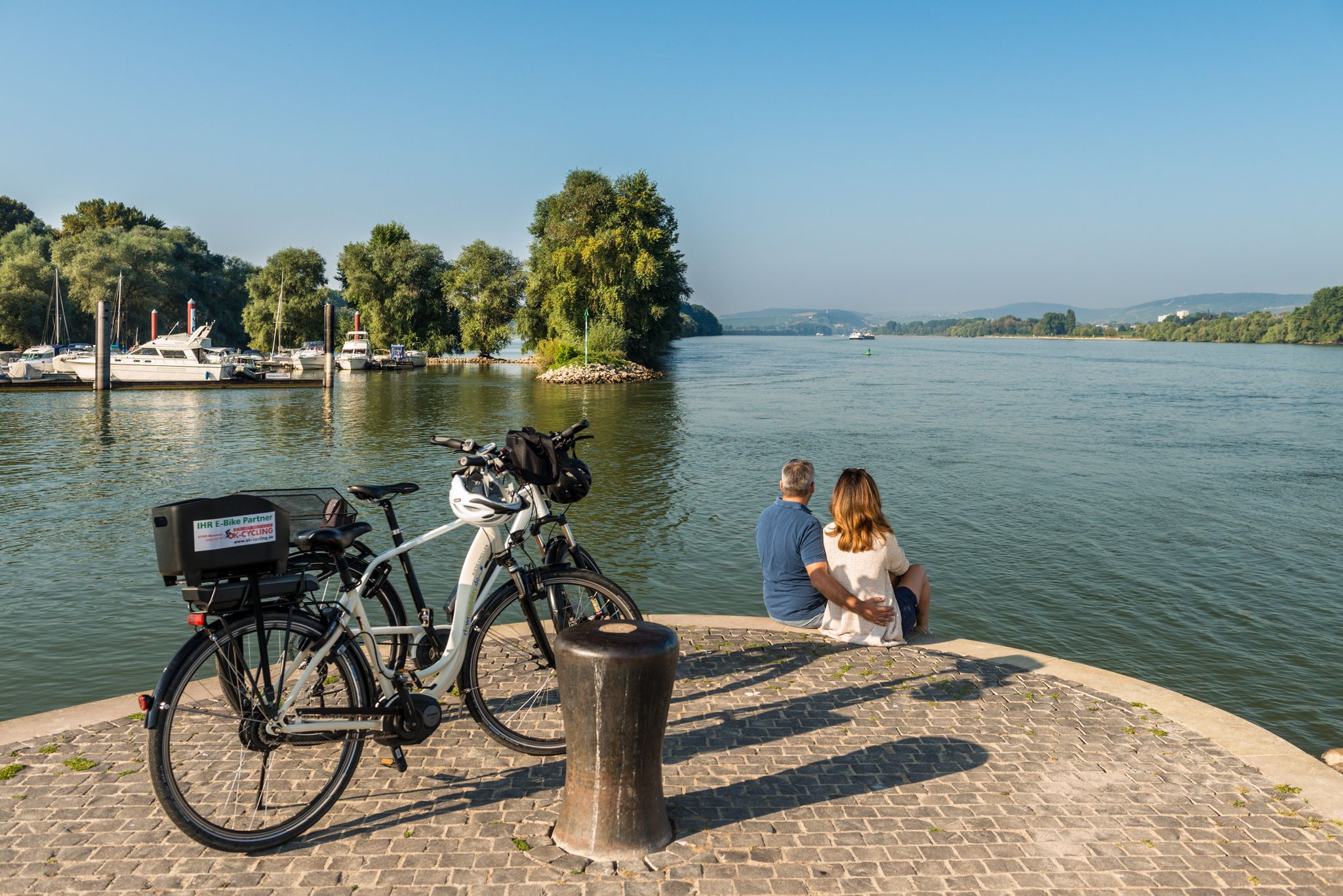
Cycling in Rheinhessen between Rhine and wine
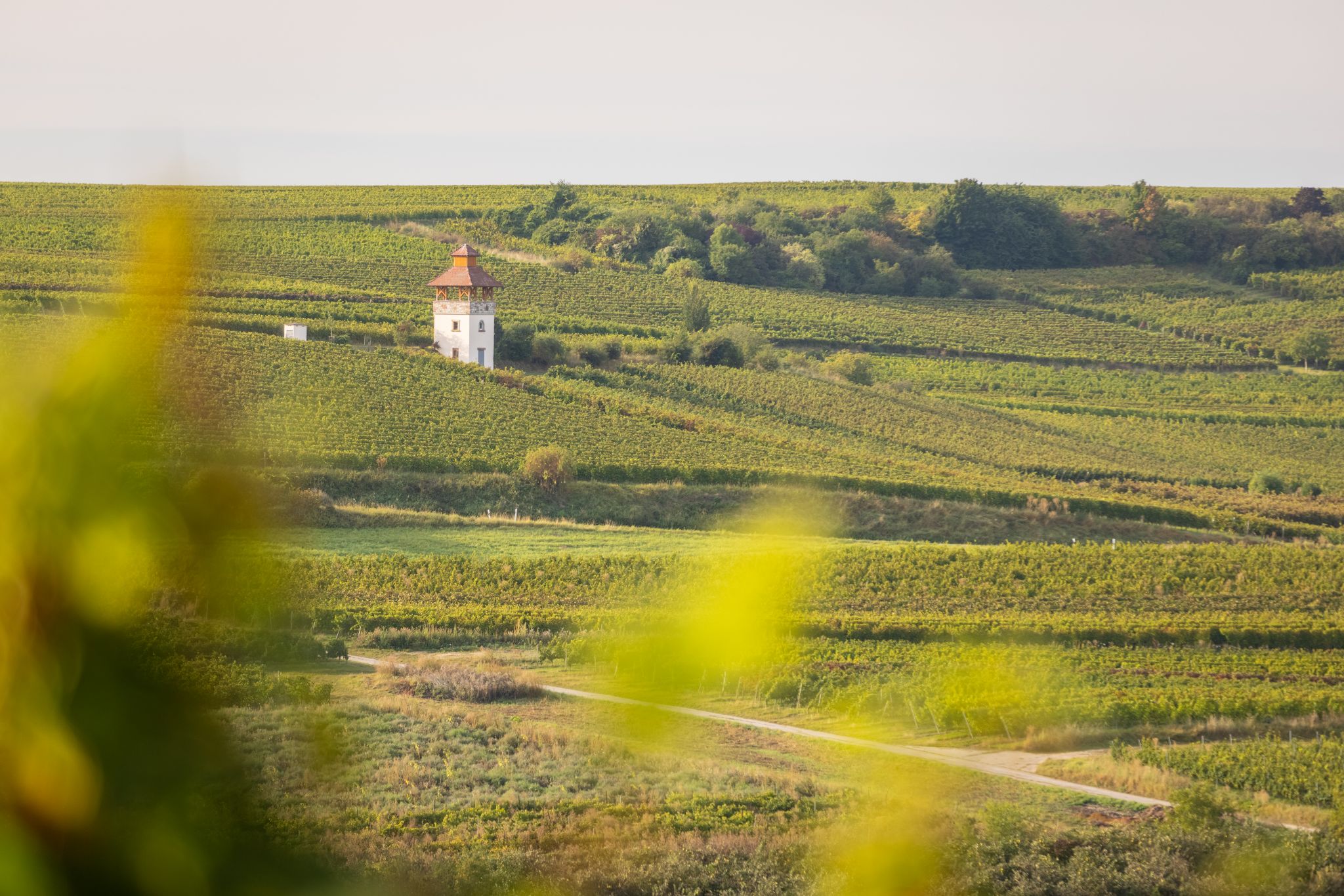
Vineyards and half-timbered houses – hiking magic in Rheinhessen
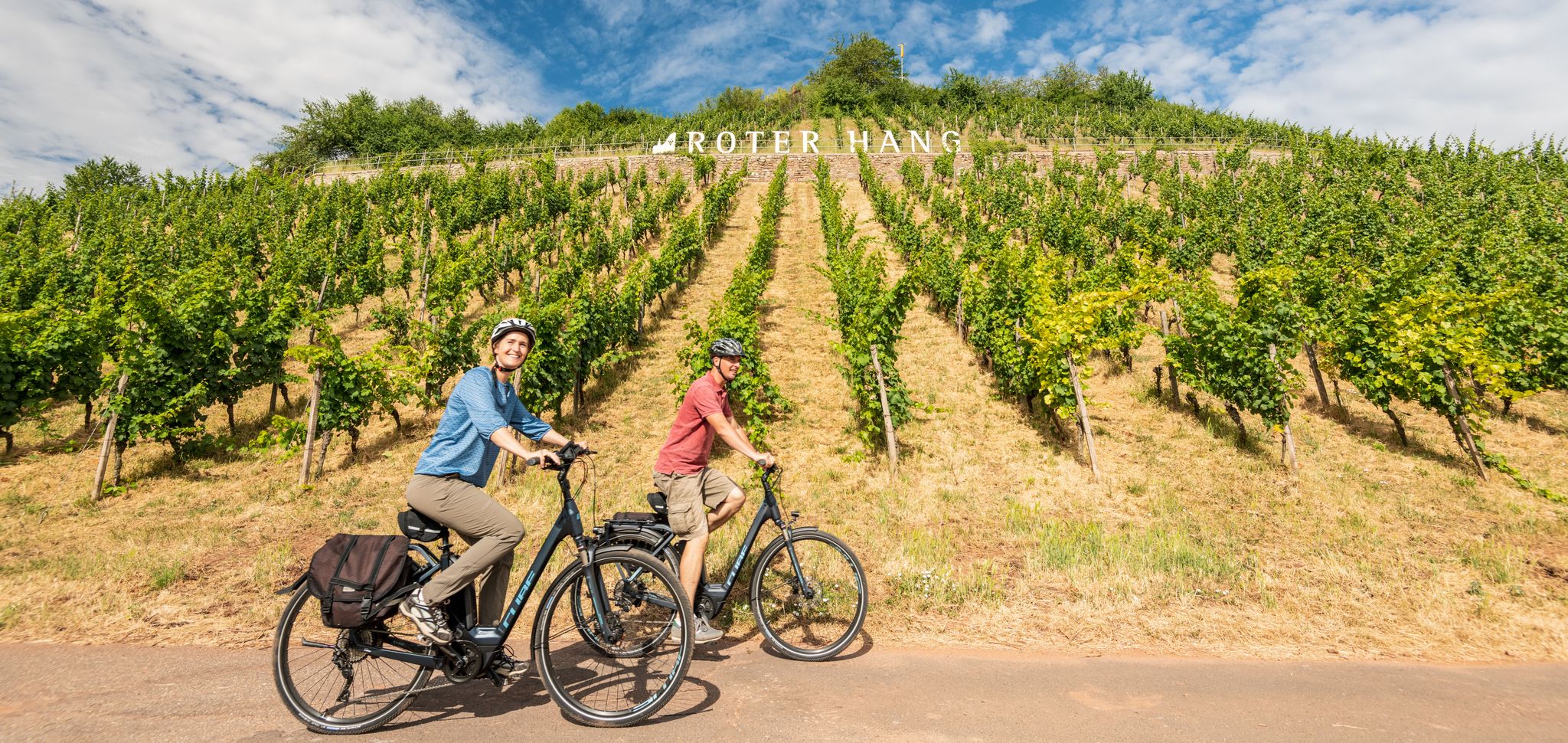
From the city to a sea of vines – cycling Tours in Rheinhessen

Out into spring – glorious hikes with the RMV
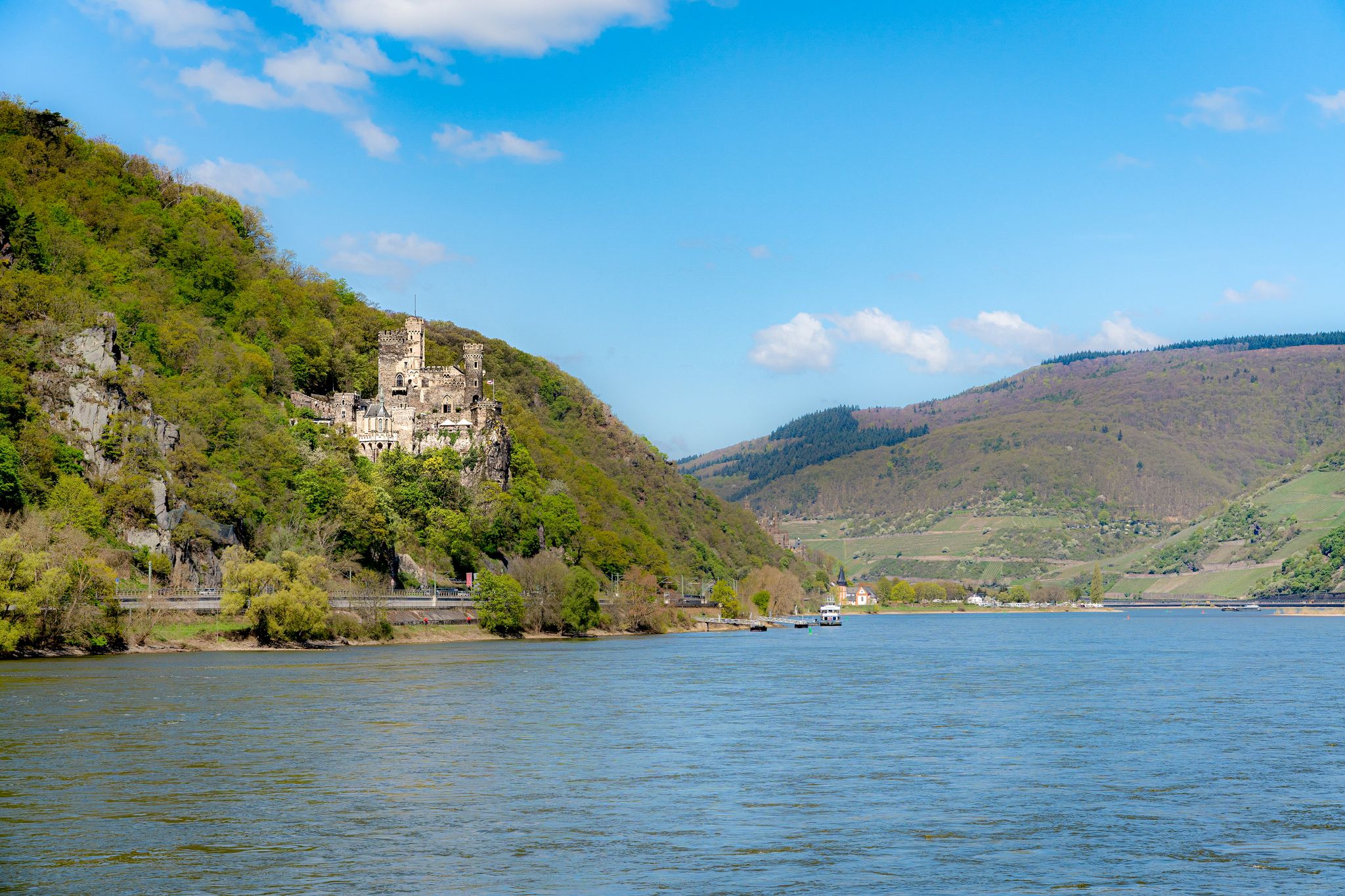
D-Route 8: Rhine Route
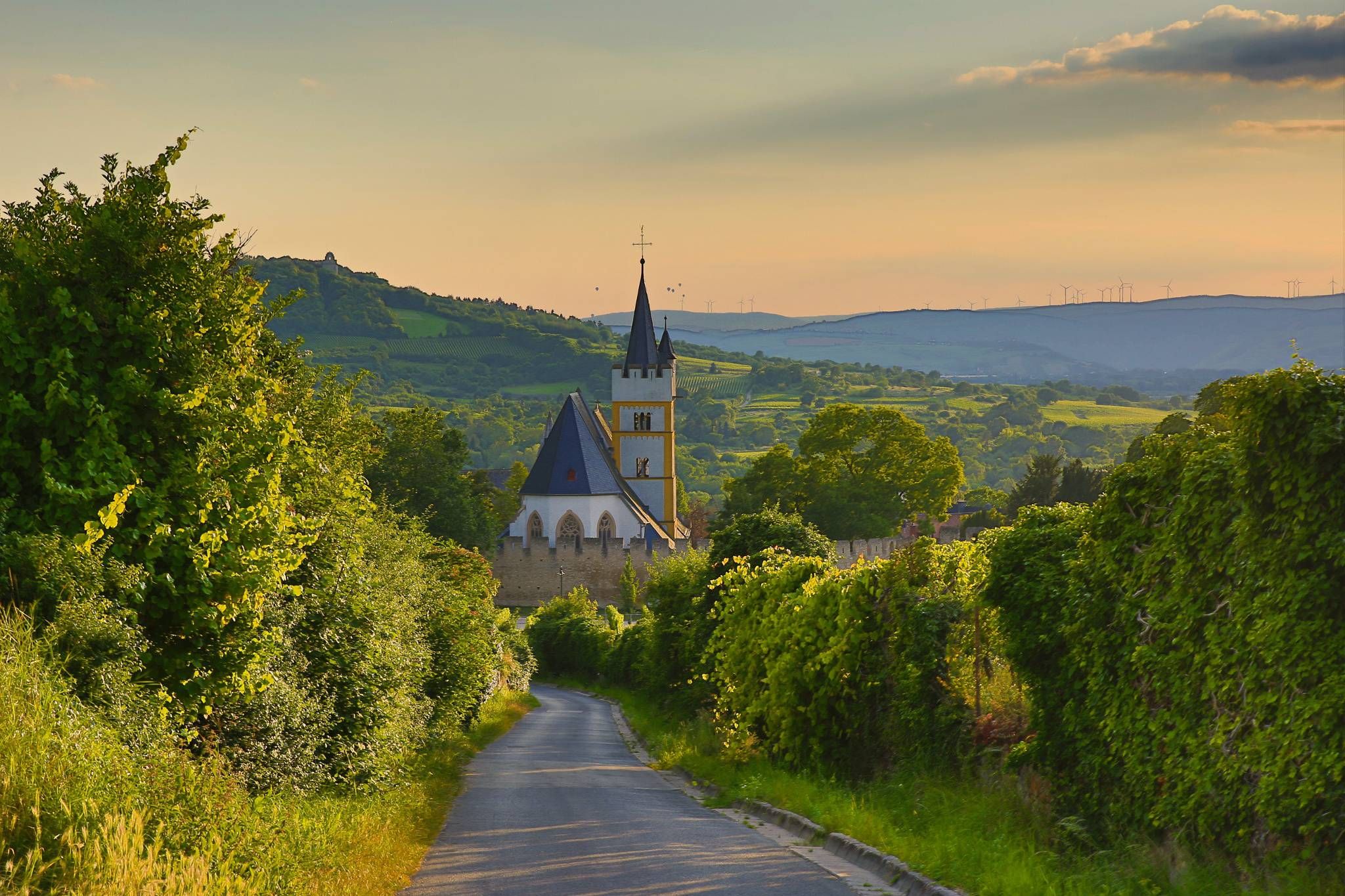
Hiking, wine, vistas – walks around Ingelheim am Rhein
Other adventures in Mainz-Bingen


Tips from the Community

The first documented mention of the hilltop castle dates back to 1213, when the Imperial Abbey of Kornelimünster near Aachen appointed Philipp III von Bolanden as "castellanus" and governor. Experts partly doubt or reject the first conquest in 1253. What is certain is the siege, conquest and destruction by King Rudolph of Habsburg in 1282. The castle was banned from being rebuilt. From 1290 onwards, the ruins were owned by the Counts Palatine, who gave them up in favour of the Electorate of Mainz in 1344. A new building was then quickly constructed. A double ring wall enclosed a rectangular residential tower and an inner courtyard of the main castle. A forecourt was located to the north. In 1397, after the Pope had appointed John II of Nassau Archbishop of Mainz, ignoring the election of the Mainz Cathedral Chapter the previous year, Archbishop Gottfried von Leiningen, elected in 1396, barricaded himself in the castle. Only after tough negotiations did he give up the bishop's seat and was instead given the office of provost of Mainz Cathedral. His concession prevented another attack on the castle and possible further destruction. The castle had been left to decay since the 16th century. The remains were blown up in 1689 during the War of the Palatinate Succession. In 1834 Franz Wilhelm von Barfus bought the ruins and converted a tower into his residence. His heirs sold the castle to Baron von Rehfuß in 1877 and he sold it to Consul Chosodowsky in 1889. The castle was given its current appearance by Baron Nikolaus von Kirsch-Puricelli, a wealthy industrialist and owner of the Rheinböllerhütte. From 1899 to 1902, Kirsch-Puricelli had the castle rebuilt into a neo-Gothic residential castle in the Tudor style according to plans by the Regensburg architect Strebel. Additional residential buildings and an observation tower were built on the site of the outer castle. Reichenstein was the last castle in the Upper Middle Rhine Valley to be rebuilt in the spirit of Rhine Romanticism. After the castle was sold by the family in the 1990s, media entrepreneur Lambert Lensing-Wolff, a descendant of the Kirsch-Puricelli family, acquired Reichenstein Castle in 2014 as a weekend residence and also runs a museum and a hotel with a restaurant here.
5
0

Beautiful view from the bike path up to the castle
7
1

Great view of the castle which is still well preserved.
4
0

The castle has its origins in the early 14th century. With its towers and battlements, it really looks like you would imagine a medieval castle to be - a fairytale view directly over the Rhine.
10
0

The city center is well worth seeing with its old half-timbered houses and the many city gates.
7
0

It's about maintaining an original feeling
6
5

Always nice to stand here and look at the beginning of the Middle Rhine Valley.
2
0

Well-deserved sight after 124 km Naheradweg. (From the source in Selbach, Saarland)👍
2
1
Frequently Asked Questions
What makes the castles in Mainz-Bingen unique?
The castles in Mainz-Bingen, particularly those along the Middle Rhine Valley, are notable for their blend of historical significance and picturesque settings. Many were meticulously rebuilt in Neo-Gothic style, preserving medieval elements, while others stand as evocative ruins. They offer insights into Prussian Rhine Romanticism, served various purposes from customs castles to hunting lodges, and provide breathtaking panoramic views of the UNESCO World Heritage Upper Middle Rhine Valley.
Which castles in the Mainz-Bingen region offer accommodation?
Several castles in the region provide unique accommodation options. Rheinstein Castle offers accommodation for those seeking a deeper experience. Reichenstein Castle also features a hotel. Uniquely, Stahleck Castle now serves as one of Germany's most attractive youth hostels, popular for school trips, family vacations, and single travelers.
Are there family-friendly castles to visit in Mainz-Bingen?
Yes, several castles and related viewpoints are considered family-friendly. For example, the View of Burg Stahleck is listed as family-friendly, and Stahleck Castle itself operates as a youth hostel, making it suitable for families. Rheinstein Castle, with its museum and restaurant, also offers an engaging experience for families.
What kind of views can I expect from the castles in Mainz-Bingen?
The castles in Mainz-Bingen offer stunning panoramic views, especially of the Rhine Valley. From Rheinstein Castle, you can enjoy picturesque views down to the Rhine Valley. The View of Burg Stahleck provides fascinating vistas of Bacharach, its defensive towers, city fortifications, and the Rhine Valley. Klopp Castle in Bingen also offers excellent views of the castle from the river and its inner courtyard and tower are accessible for public viewing.
Are there hiking trails near the castles in Mainz-Bingen?
Yes, the region offers numerous hiking opportunities that often include castle views. For instance, the Soonwaldsteig provides a beautiful view of Reichenstein Castle. You can find various hiking routes, including mountain hikes, in the area. Explore options like the 'Heiligkreuz Forest Inn – Rheinstein Castle loop' or the 'Prinzenkopf – Damianskopf loop' by visiting the Hiking in Mainz-Bingen guide.
What cycling routes are available near the castles?
Mainz-Bingen is well-suited for cycling, with routes that pass by or offer views of the castles. You can find routes like the 'CrossRhine cycle Tour – culture and wine on the Rhine' or the 'Amiche (round trip)' which explore the scenic landscapes. For more detailed information on cycling routes in the area, refer to the Cycling in Mainz-Bingen guide.
Which castles have museums or restaurants?
Rheinstein Castle houses a museum and an adjoining restaurant. Reichenstein Castle also features a castle museum with historical collections, a restaurant, and a hotel. These provide opportunities to delve deeper into the region's history and enjoy local cuisine.
Are there any castle ruins to explore in the region?
Yes, the region features evocative castle ruins that offer a glimpse into its medieval past. The ruins of Fürstenberg Castle, located above the village of Rheindiebach amidst picturesque vineyards, are a notable example. Additionally, Landskron Castle Ruins are also available for exploration.
What is the history behind Rheinstein Castle?
Rheinstein Castle dates back to the early 14th century, originally serving as a customs castle. It was meticulously rebuilt in the Neo-Gothic style in the 19th century by Prince Frederick of Prussia, preserving its medieval fabric. This reconstruction transformed it into a romanticized residential castle, which can be visited today as a museum.
What do visitors particularly enjoy about the castles in Mainz-Bingen?
Visitors frequently praise the picturesque locations and the stunning views of the Rhine Valley from the castles. The historical ambiance, the well-preserved or reconstructed architecture, and the opportunity to explore medieval structures are highly appreciated. Many also enjoy the unique experiences offered, such as staying overnight in a castle or visiting the museums and restaurants within them.
Can I visit castles in Mainz-Bingen during winter?
While many outdoor attractions and castle grounds are accessible year-round, specific opening hours for castle interiors, museums, and restaurants may vary seasonally. For example, Klopp Castle's inner courtyard and tower are accessible between April and October. It's advisable to check the official websites of individual castles, such as Rheinstein Castle, for their specific winter operating hours before planning a visit.
Which castles are known for their historical significance or unique architecture?
Rheinstein Castle is a prime example of Prussian Rhine Romanticism and Neo-Gothic reconstruction. Reichenstein Castle is another significant example of a reconstructed castle in the Neo-Gothic style, known for its completely furnished palace rooms. Sooneck Castle is famously associated with 'robber knights' and later served as a hunting lodge for Prussian princes. Waldthausen Castle, though a castle-like villa from 1910, showcases the historicizing architectural style of the German Empire.
Most popular routes in Mainz-Bingen
Most popular attractions in Mainz-Bingen

Get inspired with the komoot mobile app


Didn’t find what you were looking for?
Explore Mainz-Bingen’s best castles region by region:
Explore more
Looking for the best castles somewhere else? Discover other guides in Mainz-Bingen:
