Attractions and Places To See around Forêt du Cranou - Top 4
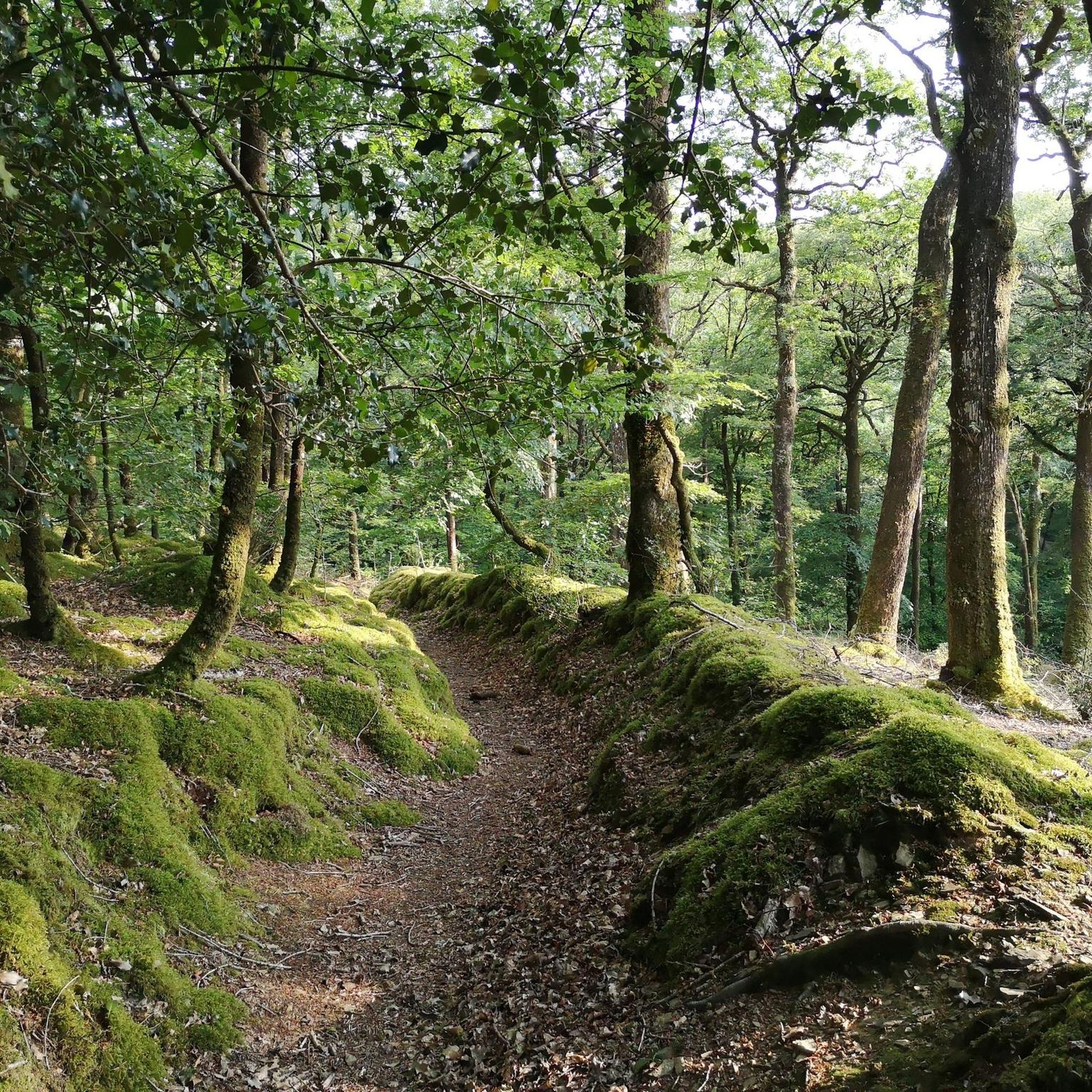
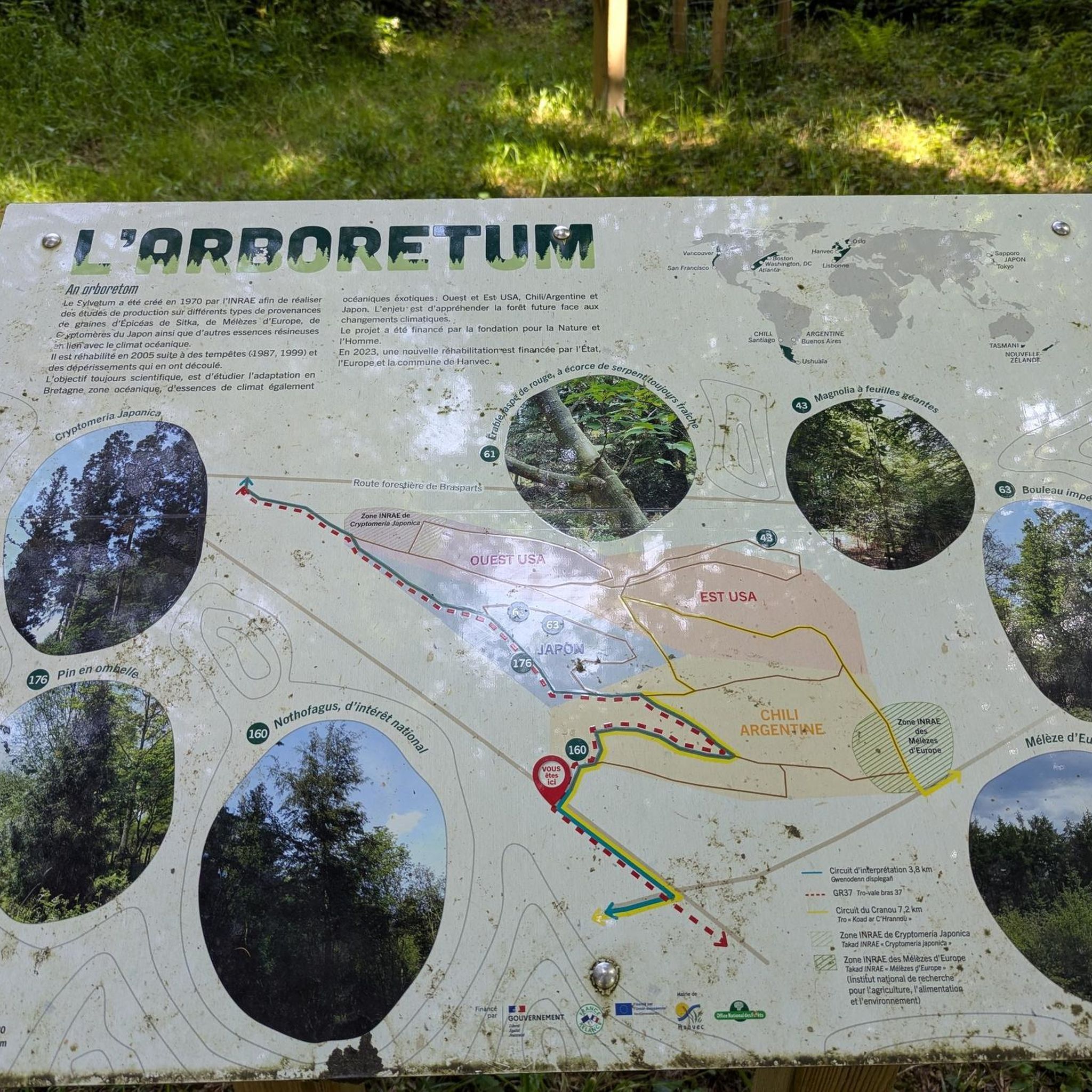
Best attractions and places to see around Forêt du Cranou include a variety of natural and cultural sites within Finistère, France. This forest, covering 625 hectares, is primarily composed of oak and beech trees and is classified as Natura 2000. It features winding roads, numerous trails, and an 11-hectare arboretum. Historically, the Forêt du Cranou was significant for shipbuilding, supplying wood for the Royal Navy.
Best attractions and places to see around Forêt du Cranou
- The most popular attractions is…
Last updated: July 2, 2026
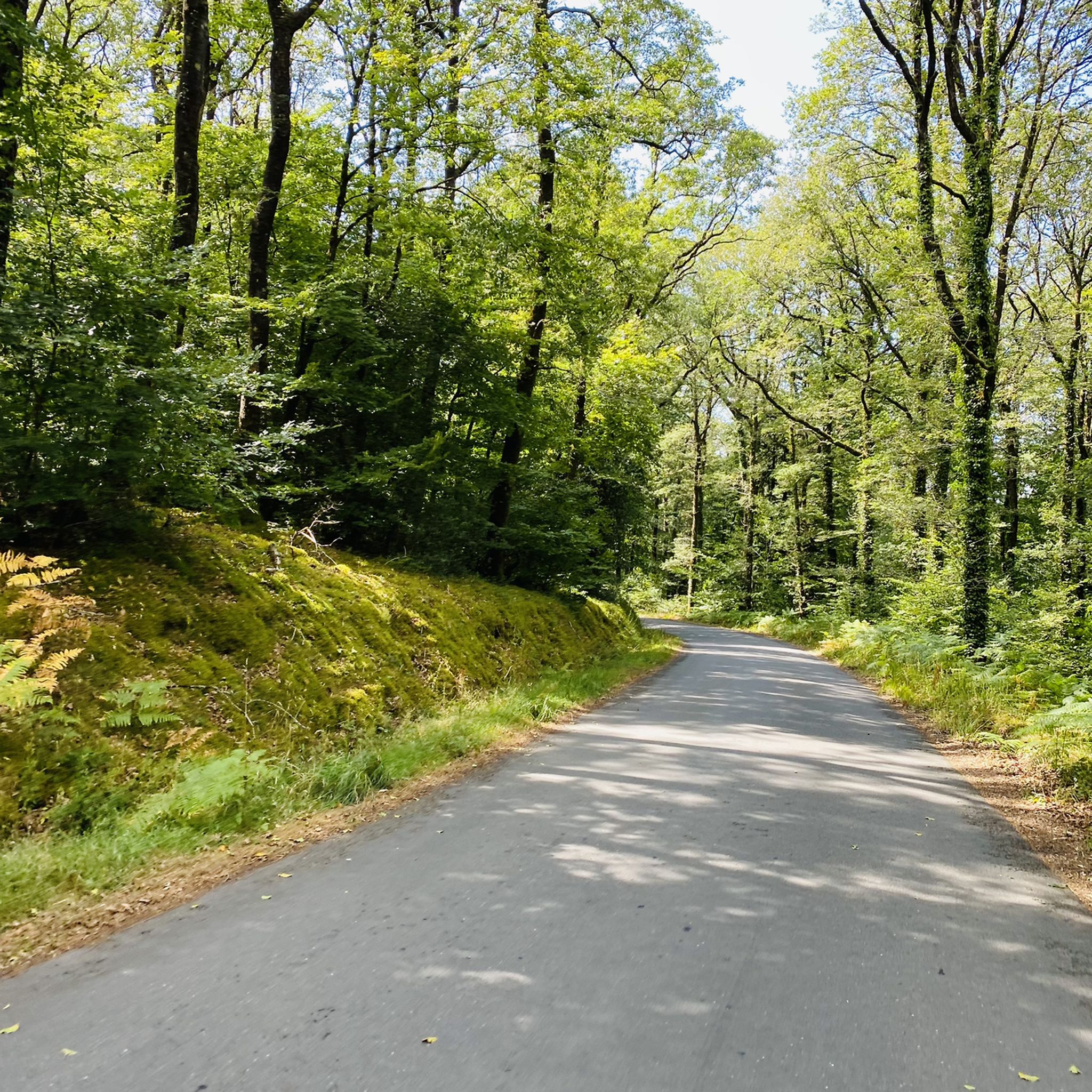
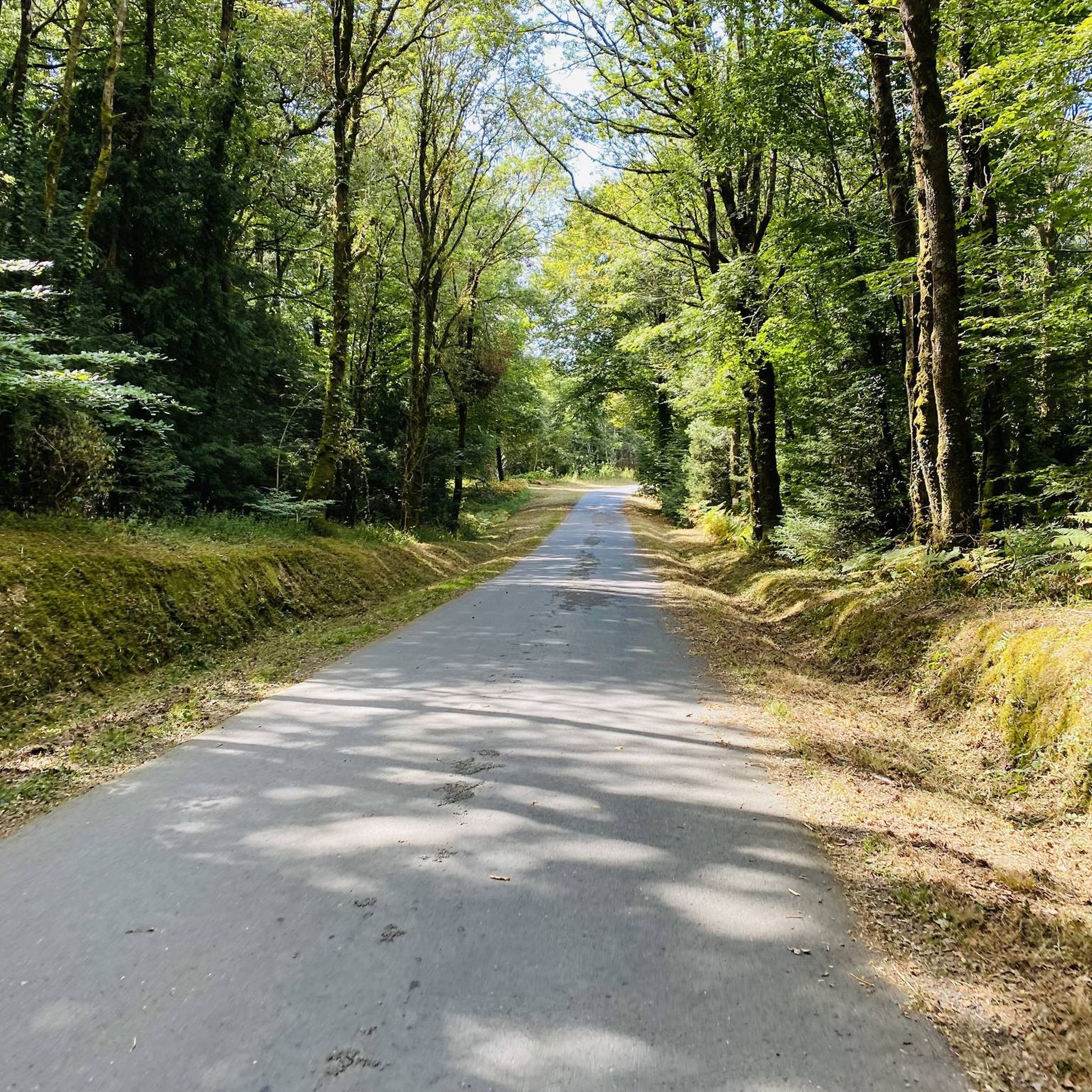
Winding Road in Forêt du Cranou
Highlight • Trail
Or on the winding road for a few kilometers through shady forest, pure idyll.
Translated by Google •
Tip by

Red bridge
Highlight • Other
Translated by Google •
Tip by

Sign up now to discover places like this
Get recommendations on the best single tracks, peaks, & plenty of other exciting outdoor places.
Sign up for free
Saint-Conval Fountain
Highlight • Natural Monument
Translated by Google •
Tip by

Cranou Forest
Highlight • Other
Here it rolls for a few km through shady forest, winding and wavy, pure idyll.
Translated by Google •
Tip by
Start today with a free account
Your next adventure awaits.
Login or Signup

Tips from the Community

The fountain was built in the first half of the 17th century and is intended to commemorate the hermit Saint Coval, who is said to have lived here around 600.
0
0

The fountain decorated with a statue of Saint-Gonval and the Calvary are the only remains of a 15th century chapel destroyed during the Second World War. The Crannou forest was, under the reign of Louis XIV, exploited for wood intended for naval construction. A house and its outbuildings were assigned to the Intendant directing the operation and the chapel was then served.
1
0

A stream crosses the bridge and later becomes the river Faou. The place is shady and the children often come to play in the summer to cool down. It is possible to park there in front.
0
0

beautiful forest (Forêt du Cranou) with crossing of Le Faou. There are good trails to the left and right of the road in the 🌳. Or on the winding road for a few kilometers through shady forest, pure idyll.
0
0
beautiful forest (Forêt du Cranou) with crossing of Le Faou. Here it rolls for a few km through shady forest, winding and wavy, pure idyll.
0
0
Frequently Asked Questions
What natural features can I explore in Forêt du Cranou?
The Forêt du Cranou, covering 625 hectares, is primarily composed of ancient oak and beech trees. You can explore its picturesque winding roads and numerous trails. A notable natural spot is the Red bridge, where a stream flows, eventually becoming the Faou River. The forest also features an 11-hectare arboretum, established to study climate change impacts.
Are there specific trails recommended for hiking in Forêt du Cranou?
Yes, the forest offers over 52 km of marked trails, including sections of the GR37 and the Camino de Santiago. A popular choice is the Winding Road in Forêt du Cranou, which provides several kilometers through shady forest with good trails available on either side. For more detailed hiking routes, you can explore options like the 'Red bridge – Cranou Forest loop from Rumengol' or the 'Cranou Forest – Viewpoint loop from Pont Rouge' on the Hiking around Forêt du Cranou guide.
What historical or cultural sites are located within Forêt du Cranou?
The forest holds historical significance, having supplied wood for the Royal Navy in Brest. Within the forest, you can find the Saint-Conval Fountain and a calvary. These are the remaining structures of a 15th-century chapel destroyed during World War II, with the fountain adorned with a statue of Saint-Gonval.
Is Forêt du Cranou suitable for families with children?
Absolutely. The Winding Road in Forêt du Cranou is categorized as family-friendly. The shaded area around the Red bridge is also known as a spot where children often play in the summer to cool down. The numerous trails offer gentle walks suitable for families.
Where can I park when visiting Forêt du Cranou?
Parking is available near popular spots such as the Red bridge. Specific hiking routes, like those starting from the Pont Rouge parking lot in Hanvec, also indicate convenient access points for visitors.
What kind of wildlife and plant species can be found in Forêt du Cranou?
The Forêt du Cranou is a Natura 2000 site, home to 25 rare plant and animal species. You might encounter various orchids, the rare Tunbridge's water-lily, a protected fern, and the Great Rhinolophus (a bat species). The Quimper snail, one of France's largest and rarest snails, also inhabits the forest.
Are there opportunities for cycling or gravel biking in the area?
Yes, the winding roads and trails of Forêt du Cranou are popular for cycling and gravel biking. You can find several routes, such as 'Trees of the world – Cranou Forest loop from Hanvec' or 'Le Faou – Châteaulin, L'Aulne loop from La Motte', detailed in the Gravel biking around Forêt du Cranou guide.
What is the Arboretum in Forêt du Cranou, and can I visit it?
The arboretum is an 11-hectare area within the forest, established in 2008. It features a diverse collection of deciduous and coniferous species and is used to study the impact of climate change. It is open to the public for exploration.
Can I find running trails around Forêt du Cranou?
Yes, Forêt du Cranou offers several running trails. Options include the 'Forêt du Cranou loop from Forêt du Cranou' or 'Running loop from Le Cosquer'. More routes can be found in the Running Trails around Forêt du Cranou guide.
What is the best time of year to visit Forêt du Cranou?
The Forêt du Cranou offers beauty throughout the year. Spring brings lush greenery and blooming plants, while autumn showcases vibrant foliage. Summer provides shaded trails, perfect for cooling down, especially around spots like the Red bridge.
What is the Menez Meur Domain, and is it near Forêt du Cranou?
The Menez Meur Domain is located at the edge of the Cranou Forest. It is the largest natural area in Finistère and serves as a microcosm of the landscapes found in the Arrée Mountains, offering additional natural exploration opportunities.
Is Forêt du Cranou important for conservation?
Yes, the Forêt du Cranou is classified as a Natura 2000 site, highlighting its significant ecological importance. This designation protects its diverse flora and fauna, including rare plant and animal species.
Most popular routes around Forêt du Cranou

Get inspired with the komoot mobile app


Explore more
Still not found the Highlight you’re looking for? See guides of the top attractions in other regions:
