Top 15 Mountain Passes around Lantsch/Lenz
Mountain passes around Lantsch/Lenz, a municipality in the Albula Region of the Grisons canton in Switzerland, offers access to several notable mountain passes. Situated at an elevation of 1,328 meters, Lantsch/Lenz serves as a gateway to scenic routes in Graubünden. The area is part of Parc Ela, Switzerland's largest nature park, and is near historical trade routes that traverse significant Alpine passes. This location provides diverse experiences for outdoor enthusiasts.
Best mountain passes around Lantsch/Lenz
- The most popular mountain pass…
Last updated: May 13, 2026
Albula Pass
Highlight (Segment) • Mountain Pass
Translated by Google •
Tip by

Churer Joch
Highlight • Viewpoint
Translated by Google •
Tip by

Sign up now to discover places like this
Get recommendations on the best single tracks, peaks, & plenty of other exciting outdoor places.
Sign up for free
Gredigs Fürggli
Highlight • Mountain Pass
Translated by Google •
Tip by
Älplisee Trail
Highlight (Segment) • Trail
Technically demanding enduro tour to Arosa, Chur and back. The highlight is the fantastic single trail from Gredigs Fürggli to Arosa and the descent through the Urdental to …
Translated by Google •
Tip by

Julier Pass Ascent from Tiefencastel
Highlight (Segment) • Mountain Pass
Translated by Google •
Tip by

Sign up for free to discover even more mountain passes around Lantsch/Lenz.
Sign up for free
Already have an account?
Start today with a free account
Your next adventure awaits.
Login or Signup
Popular around Lantsch/Lenz
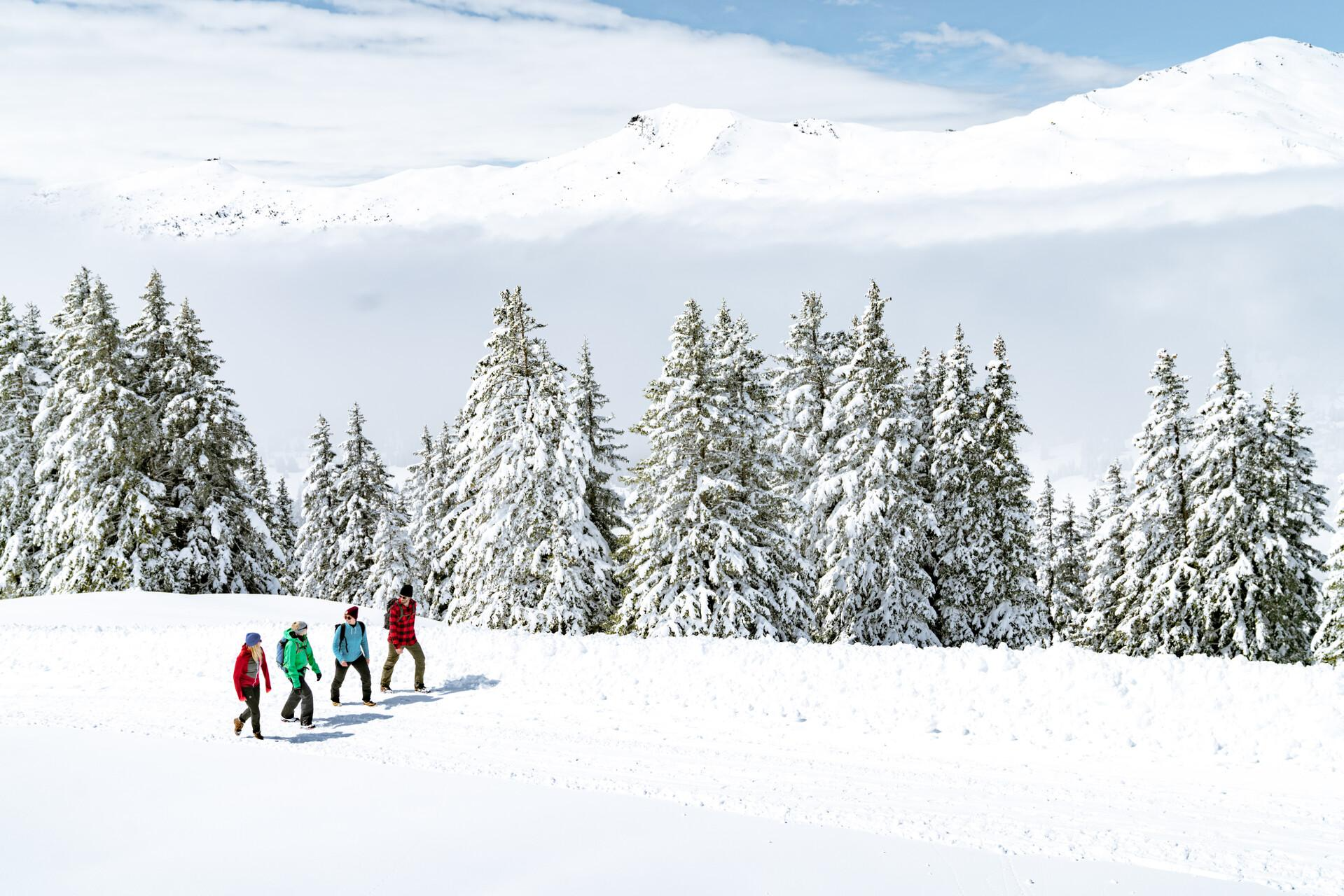
Immerse yourself in Lenzerheide's winter wonderland
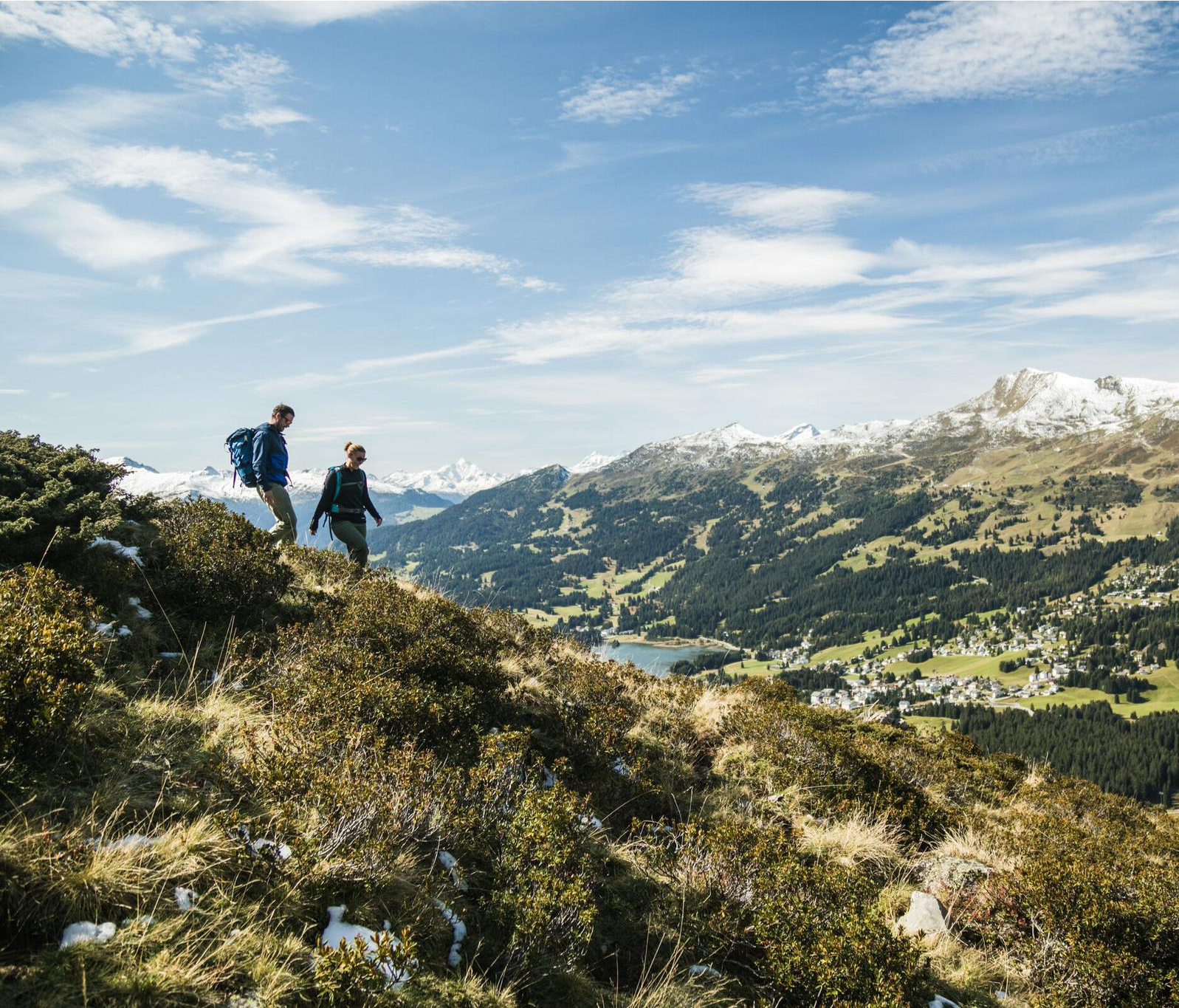
Diverse natural beauty – autumn hiking in Lenzerheide
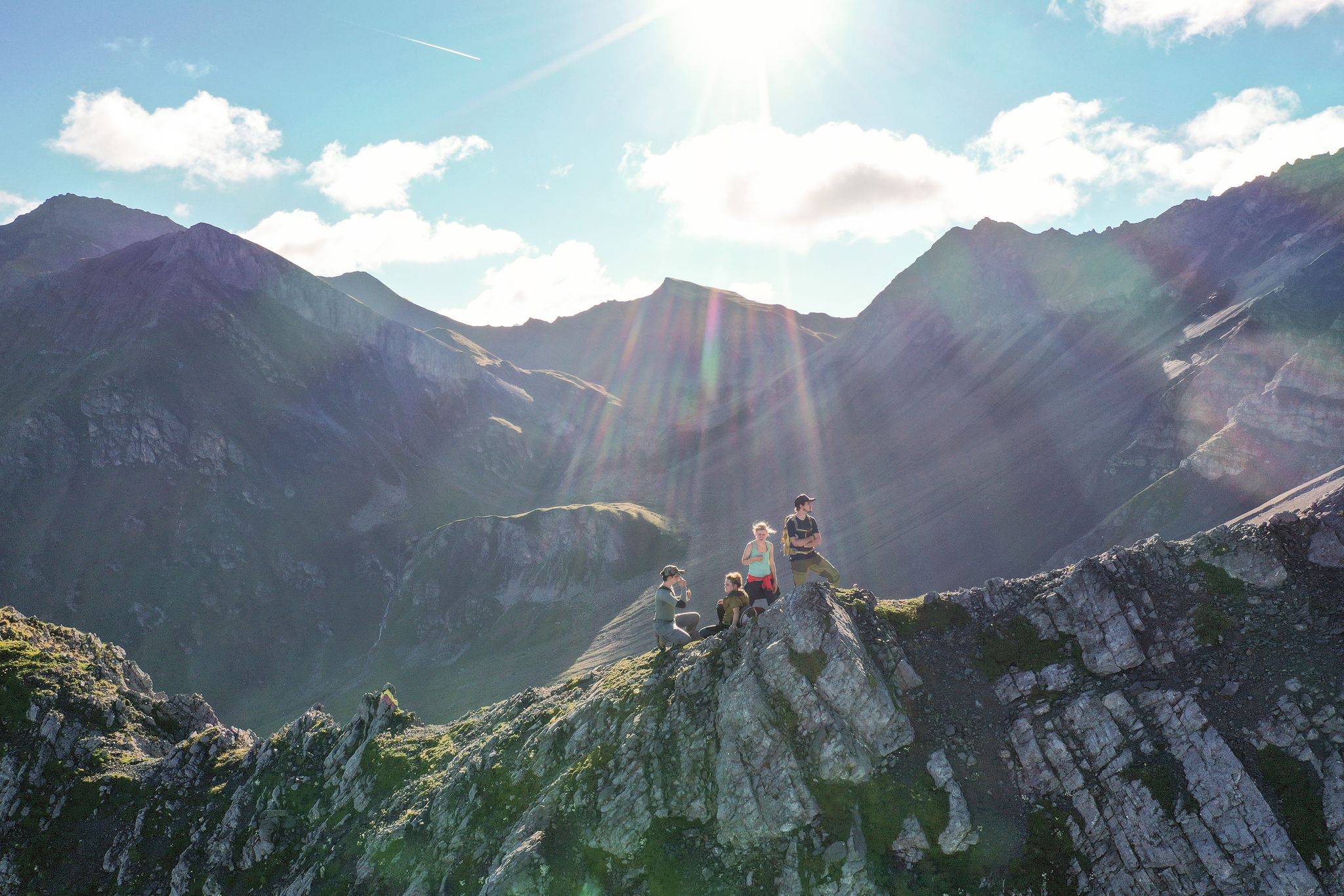
Satisfy your wanderlust in the Lenzerheide region
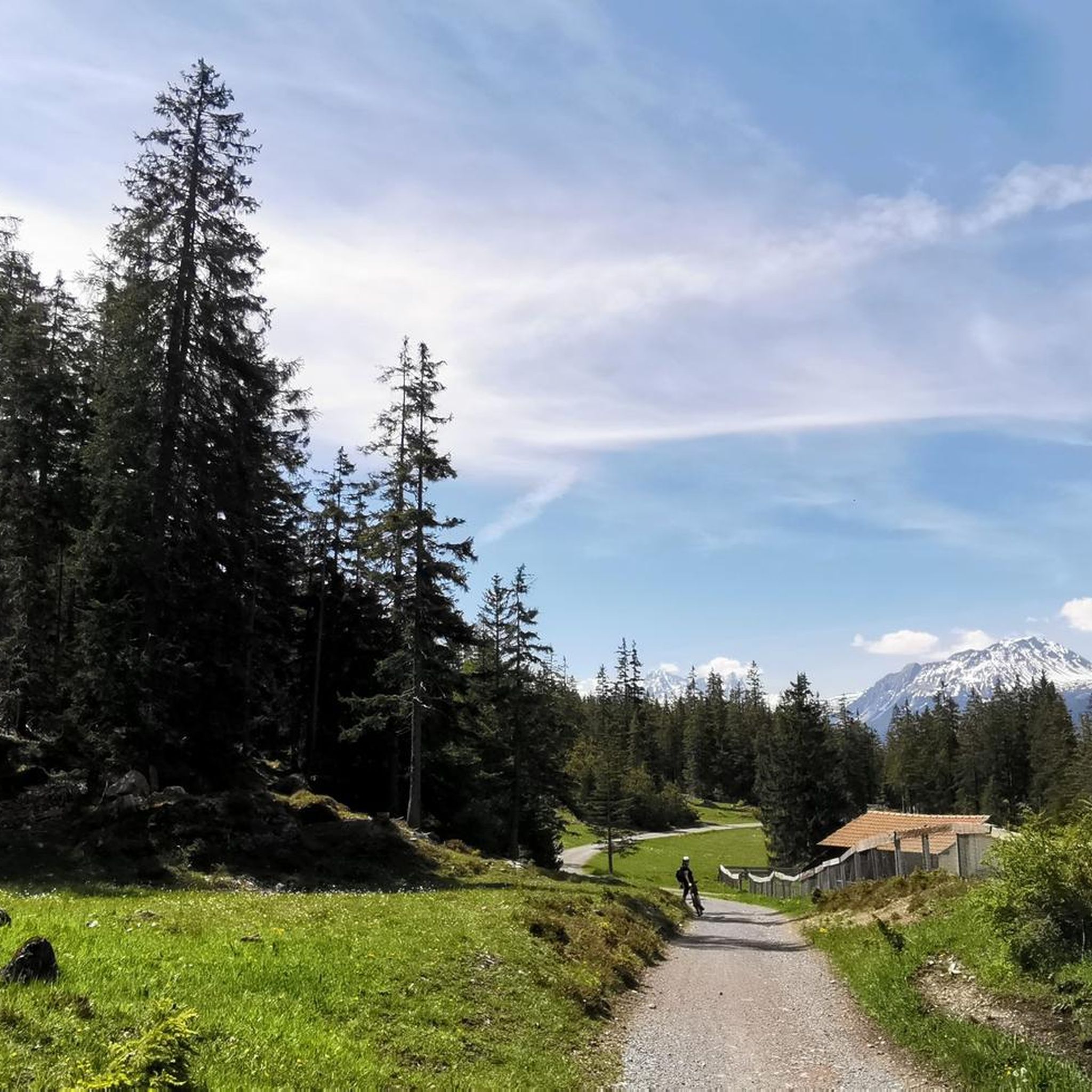
Hiking around Lantsch/Lenz
Road Cycling Routes around Lantsch/Lenz
MTB Trails around Lantsch/Lenz
Cycling around Lantsch/Lenz
Running Trails around Lantsch/Lenz

Gravel biking around Lantsch/Lenz

Tips from the Community

nice connection from Dark side of the Moon to Alplisee
0
0

Scenically, this is a true gem of a mountain in the Swiss Alps. However, the Julier Pass is very busy. Therefore, it's advisable to take the alternative route from Tiefencastel via Mon and Salouf to Cunter for the first section. This road has very little traffic, is excellently paved (standard paved), offers excellent climbing with magnificent views, and, most importantly, avoids the rather unpleasant Crap Sers Tunnel on the main route when approaching. There's also an additional 150 meters of elevation gain, which is rewarded with a refreshing downhill section before Cunter.
2
0

At the Churer Joch, at an altitude of around 2,000 meters, you can enjoy a magnificent view of the valley all the way to Chur and, of course, the peaks behind you. There's also a mountain restaurant, the Jochalp. It will be open Tuesday to Sunday in summer 2025, starting July 9. It's the last place to stop for refreshments on the way toward the Parpaner Schwarzhorn or Rothorn, so if it's open, sit down, enjoy the view, and take a break.
2
0
Gredigs Fürggli is the name of this wide and scenic mountain pass between Arosa and Lenzerheide. The easiest way to reach it by mountain bike is via the Stivetta cable car. The Älplisee Trail down to Arosa begins at Gredigs Fürggli.
1
0
Gredigs Fürggli is a 2,617-meter-high alpine pass between Lenzerheide and Arosa, just below the Weisshorn. Its name derives from a mountain farming family in Arosa who cultivated alpine meadows nearby. Don't be surprised if you encounter mountain bikers here; thanks to the ski slopes, the pass can also be reached on two wheels.
0
0

A great excursion destination high above the Alpine town of Chur. As if made for varied hikes or (e-)bike tours directly from the city.
0
0

Churer Joch The Churer Joch is a beautiful vantage point located between the Alpine town of Chur and the Lenzerheide region. Accessible on foot or, very popularly, by mountain bike, it offers sweeping views of the Calanda massif above Chur, Lenzerheide, and the Arosa mountain range. Text / Source: Tschiertschen-Praden Community Center https://www.tschiertschen.ch/de/churer-joch-2042m
9
0

Frequently Asked Questions
What are some of the significant mountain passes accessible from Lantsch/Lenz?
Beyond the local highlights, Lantsch/Lenz provides access to several iconic passes in Graubünden. These include the historically significant Julier Pass, known for its Roman past and scenic drives; the beautiful Albula Pass, famous for its winding roads and proximity to the UNESCO World Heritage Rhaetian Railway; the rugged Flüela Pass, popular with cyclists and motorcyclists; the nature-rich Ofen Pass, which traverses the Swiss National Park; and the diverse Maloja Pass, connecting contrasting landscapes from glaciers to palm trees.
What outdoor activities can I do near the mountain passes around Lantsch/Lenz?
The region offers a wide range of outdoor activities. You can find numerous running trails, including easy forest loops and more challenging routes like the 'Zorten Trail – Lenzer Wash and Bakehouses' loop. For cyclists, there are challenging road cycling routes such as the 'Bergün – Julier Pass' loop, and various mountain biking trails, from moderate forest paths to difficult singletracks like the 'Tretscha Rock – Val Meltger suspension bridge' loop. Explore more options on the Running Trails around Lantsch/Lenz, Road Cycling Routes around Lantsch/Lenz, and MTB Trails around Lantsch/Lenz guide pages.
Are there challenging cycling routes over the mountain passes in the region?
Yes, the region is a paradise for experienced cyclists. The Albula Pass, for instance, is highly popular among experienced cyclists due to its sporty 2,315-meter elevation and stunning panorama, especially the ascent from Tiefencastel. The Julier Pass Ascent from Tiefencastel also offers an exciting climb through various vegetation zones of the Alpine region.
What historical or cultural significance do the mountain passes near Lantsch/Lenz hold?
Many passes in the region have rich historical and cultural backgrounds. The Julier Pass was a crucial Roman road, with remnants of a Roman sanctuary still visible. The Albula Pass is traversed by the Albula-Bernina Line of the Rhaetian Railway, a UNESCO World Heritage Site. The Flüela Pass has historical significance dating back to the Bronze Age, indicated by spear tips found there. The Ofen Pass's name refers to historical ironworking activities, and the Maloja Pass has attracted famous artists like Giovanni Segantini, whose former residence is now a museum.
When is the best time to visit the mountain passes around Lantsch/Lenz?
The best time to visit largely depends on your preferred activities. Summer (June to September) is ideal for hiking, cycling, and scenic drives when the pass roads are generally open and the alpine meadows are in full bloom. Spring offers excellent ski touring opportunities on passes like the Julier. In winter, some pass roads close and transform into unique attractions, such as the Preda-Bergün toboggan run on the Albula Pass, or offer cross-country skiing and snowtubing near Maloja.
Can I access the mountain passes around Lantsch/Lenz using public transport?
Yes, several mountain passes in the region are well-served by public transport, particularly the PostBus network. PostBuses operate on routes over the Julier Pass, offering journeys from Chur via Lenzerheide to St. Moritz. The Albula Pass is also part of scenic PostBus routes. The Engadin–Meran PostBus route crosses the Ofen Pass, and a PostBus journey over the Maloja Pass connects diverse landscapes. This allows visitors to enjoy the views without driving.
What natural features and viewpoints can I expect to see on these passes?
The passes offer diverse and stunning natural features. The Churer Joch provides magnificent views of the valley towards Chur and surrounding peaks. The Julier Pass boasts sweeping alpine vistas, wildflower meadows, and crystal-clear lakes like Leg Grevasalvas. The Albula Pass is known for its dramatic landscapes and the beautiful Lai da Palpuogna. The Flüela Pass features untouched alpine landscapes with glistening lakes and rugged peaks. The Ofen Pass traverses the Swiss National Park, offering extensive mountain pine forests and wildlife habitats. The Maloja Pass presents a journey of contrasts, from glaciers to palm trees, with views of Lake Sils and majestic granite rocks.
Are there specific hiking trails associated with these mountain passes?
Yes, many passes are excellent starting points for hiking. The area around the Julier Pass offers numerous hiking routes, including tours starting from Julierhospiz. The Albula Pass has a well-developed network of hiking trails. The Ofen Pass is renowned for trails like the Nationalpark-Panoramaweg and the Margunet Nature Trail, which provides educational signage. Additionally, the challenging Älplisee Trail, considered one of the most beautiful in the Rothorn massif, starts near Gredigs Fürggli, a wide and scenic mountain pass between Arosa and Lenzerheide.
What makes the Albula Pass particularly special for visitors?
The Albula Pass is often considered one of Graubünden's most beautiful passes, offering stunning alpine scenery, winding roads, and historic villages. It's unique for its harmonious integration with the Albula-Bernina Line of the Rhaetian Railway, a UNESCO World Heritage Site. In summer, it's perfect for hiking and cycling, with a recommended stop at Lai da Palpuogna, often cited as one of Switzerland's most beautiful lakes. In winter, when the road closes, it transforms into the famous Preda-Bergün toboggan run, offering a unique winter experience.
What are the characteristics of the Flüela Pass for travelers?
The Flüela Pass, connecting Davos with the Lower Engadin valley, is known for its wide, sweeping views of untouched alpine landscapes, glistening lakes, and rugged peaks. It offers a more relaxed, scenic drive compared to some other passes, making it ideal for enjoying the beauty of the Swiss Alps. Its winding curves are popular among driving and cycling enthusiasts, and its tranquil valley setting allows for deep immersion in nature, transitioning from coniferous forests to barren, highly scenic areas near the summit.
What can I expect when visiting the Ofen Pass?
The Ofen Pass offers a distinctive experience focused on nature and wildlife, as it traverses the heart of the Swiss National Park. It's the only vehicular route permitted through these protected areas, allowing visitors to experience extensive mountain pine forests and observe wildlife like marmots. Beyond scenic drives, it's an excellent area for hiking, with trails like the Nationalpark-Panoramaweg, and offers insights into historical ironworking activities that gave the pass its name.
What makes the Maloja Pass a unique destination?
The Maloja Pass is significant for forming a geographical, political, and linguistic border, connecting the gently rising Engadin plateau with the steeply sloping Bergell. It offers a journey full of contrasts, showcasing diverse landscapes from glaciers to palm trees. The region has a rich artistic and cultural heritage, having attracted famous artists like Giovanni Segantini. It provides year-round activities, from walks along Lake Sils and boat trips in summer to cross-country skiing and snowtubing in winter.
Most popular routes around Lantsch/Lenz
Most popular attractions around Lantsch/Lenz

Get inspired with the komoot mobile app


Explore more
See even more epic mountain passes by checking out these guides around Lantsch/Lenz:
