The best gravel rides around Mas-Des-Cours
3.9
(28)
201
riders
15
rides
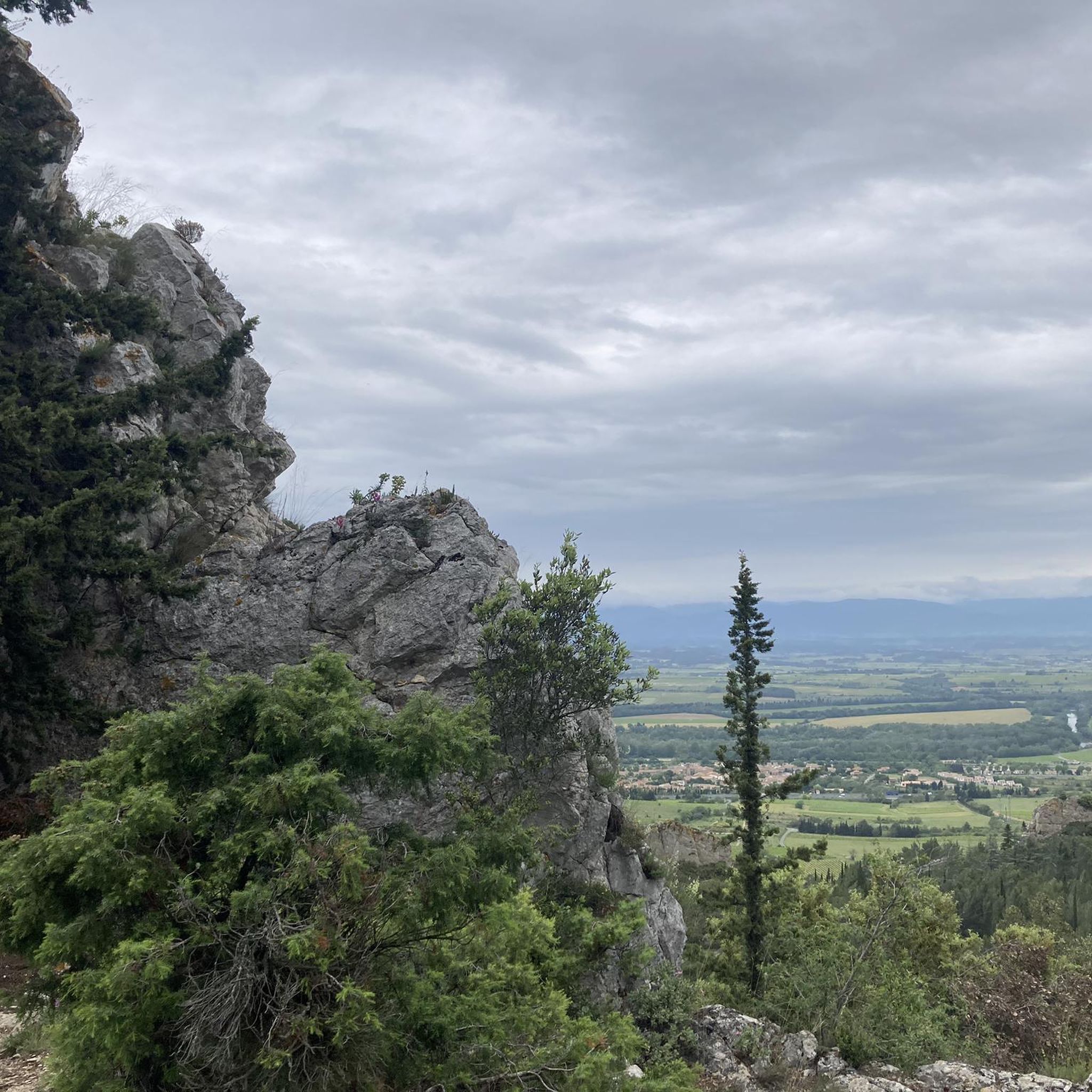
Gravel biking around Mas-Des-Cours offers diverse terrain within the Aude department of France's Occitanie region. The area is characterized by rolling hills, vineyards, and the varied geological features of the Corbières massif, transitioning between the Massif Central and the Pyrenees. This landscape provides a mix of ascents, descents, and scenic routes suitable for gravel cyclists, including gorges, forests, and plateaus. The region's natural environment, including a Natura 2000 site, ensures pristine areas for exploration.
Best gravel bike trails around Mas-Des-Cours
…Last updated: November 4, 2026
4.3
(10)
64
riders
47.4km
03:12
130m
130m
Moderate gravel ride. Good fitness required. Mostly paved surfaces.
4.5
(12)
44
riders
43.2km
02:23
130m
130m
Moderate gravel ride. Good fitness required. Mostly paved surfaces.

4.6
(5)
51
riders
29.1km
01:37
110m
110m
Easy gravel ride. Mostly paved surfaces.
4
riders
23.4km
01:53
440m
440m
Hard gravel ride. Good fitness required. You may need to push your bike for some segments of this route.
2.0
(1)
5
riders
Easy gravel ride. Mostly paved surfaces.
Get access to more routes and recommendations from other explorers.
Already have an account?
Our route recommendations are based on thousands of hikes, rides, and runs completed by other people on komoot.
Start today with a free account
Your next adventure awaits.
Tips from the Community

A classic overflow weir is a "drain plug" or a weir that serves to drain excess water from the canal (during heavy rains or thunderstorms) to prevent the water from submerging the dikes.
0
0
The Trèbes locks are a flight of locks composed of three basins. Built around 1674, it is located downstream from the port of Trèbes at the exit of the town in the direction of the village of Marseillette. Taking advantage of the significant drop in the flight of locks, intense milling activity was established on the left bank of the lock. A first upper mill was built at the end of the 17th century. It is crossed by a diversion of the Canal du Midi which ensures its operation; it is described as having four millstones with a stable and a shed. A transformation of this first mill was carried out in 1867 to make it a mill with 6 millstones. This new building, later enlarged in the 1930s, consists of a basement and 4 floors at its highest point. It has today been converted into a restaurant.
0
0
The Trèbes locks are a flight of locks consisting of three basins. Built around 1674, it is located downstream from the port of Trèbes at the exit of the town in the direction of the village of Marseillette. Taking advantage of the steep drop of the flight, intense milling activity was established on the left bank of the lock. A first upper mill was built at the end of the 17th century. It is crossed by a diversion of the Canal du Midi which ensures its operation, and is described as having four millstones with a stable and a shed. A transformation of this first mill was carried out in 1867 to make it a milling facility comprising 6 millstones. This new building, later enlarged in the 1930s, consists of a base and 4 floors at its highest point. It has today been converted into a restaurant.
0
0
The Trèbes locks are a flight of locks composed of three basins. Built around 1674, it is located downstream from the port of Trèbes at the exit of the town in the direction of the village of Marseillette. Taking advantage of the strong difference in level of the flight, an intense milling activity was established on the left bank of the lock. A first upper mill was built at the end of the 17th century. It is crossed by a diversion of the Canal du Midi which ensures its operation; it is described as having four millstones with a stable and a shed. A transformation of this first mill was carried out in 1867 to make it a flour mill comprising 6 millstones. This new building, later enlarged in the 1930s, consists of a base and 4 floors at its highest point. Today it has been converted into a restaurant.
0
0
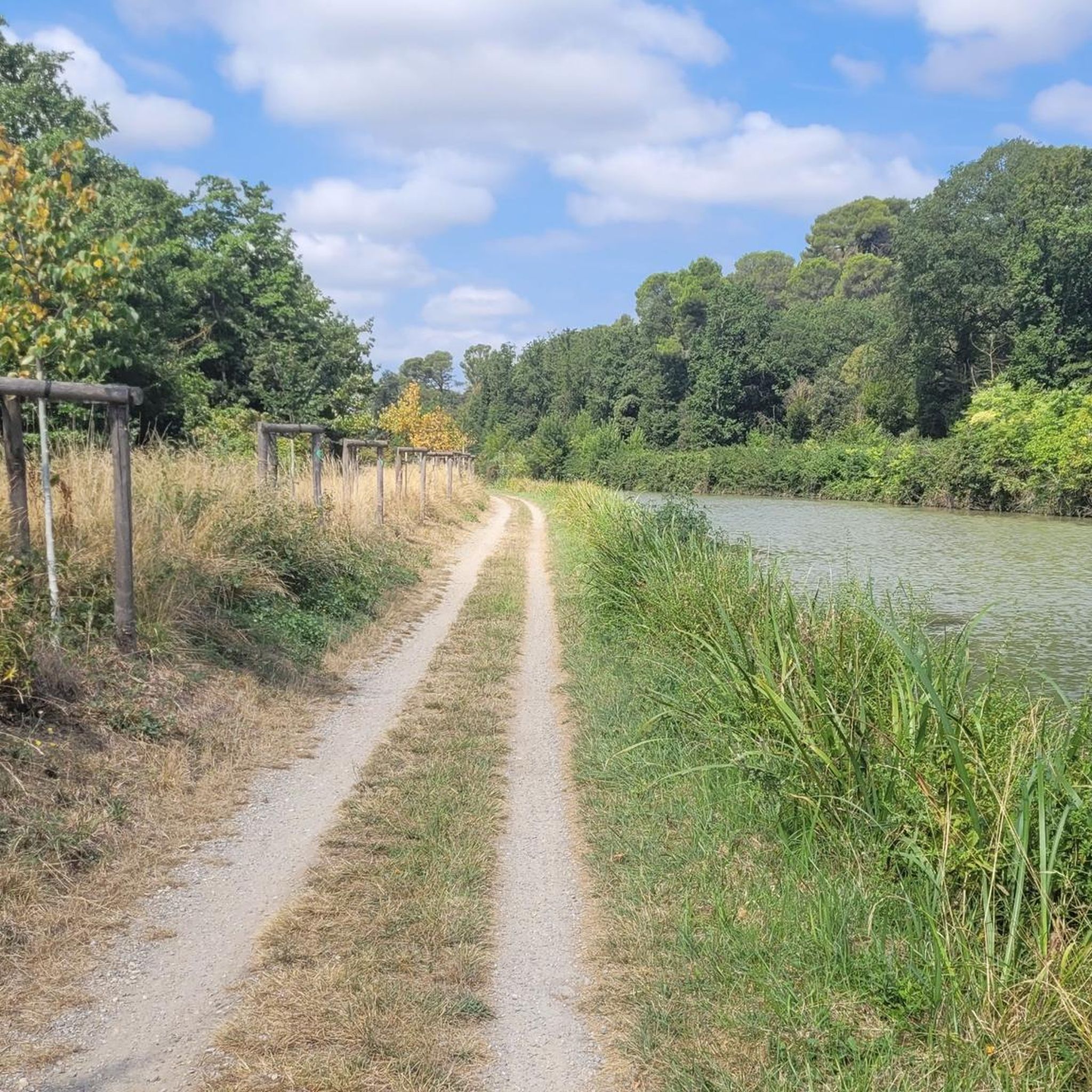
Le Canal du Midi, formerly Canal Royal, is a 17th-century technical feat designed by Pierre-Paul Riquet to connect the Atlantic to the Mediterranean. Today, it is above all a place for relaxation and discovery, where heritage, nature, and conviviality blend.
0
0
The Canal du Midi, formerly the Royal Canal, is a 17th-century technical feat designed by Pierre-Paul Riquet to connect the Atlantic to the Mediterranean. Today, it is above all a place for relaxation and discovery, where heritage, nature, and conviviality blend together.
0
0
The l'Aiguille lock is a double lock on the Canal du Midi located in the commune of Puichéric.
0
0
L'Epanchoir de l'Argent Double, classified as a historic monument: started in 1677 and completed in 1694 according to Vauban's plans, it allows the canal to discharge its excess water.
0
0
Frequently Asked Questions
How many gravel bike trails are available around Mas-Des-Cours?
There are 9 gravel bike trails documented around Mas-Des-Cours on komoot. These routes offer a variety of experiences, from moderate canal-side rides to challenging loops through the Corbières massif.
What kind of terrain can I expect on gravel bike trails near Mas-Des-Cours?
The terrain around Mas-Des-Cours is diverse, featuring rolling hills, extensive vineyards, and the varied geological features of the Corbières massif. You'll encounter a mix of ascents, descents, gorges, forests, and plateaus. Routes along the Canal du Midi offer flatter, picturesque towpaths, while areas like the foothills of the Pyrenees and Montagne Noire provide more challenging sections with significant elevation changes.
Are there any easy gravel bike routes suitable for beginners around Mas-Des-Cours?
While there are no routes explicitly rated as 'easy' in the immediate vicinity, several moderate routes offer a good starting point. The Trèbes Triple Locks – Canal du Midi Bridge loop from Trèbes is a moderate 35.7-mile path that combines canal-side riding with open country, making it less technically demanding than some of the more difficult options.
What are some notable landmarks or attractions I can see along the gravel bike trails?
Many routes offer opportunities to explore historical and natural attractions. You can cycle near the medieval fortified city of Carcassonne Citadel, a UNESCO World Heritage site. The Canal du Midi between Trèbes and Carcassonne is a highlight in itself, with its historic locks and tranquil paths. Other points of interest include the Old Bridge of Carcassonne and various Cathar castles in the wider Aude region.
What is the best time of year for gravel biking in Mas-Des-Cours?
The Aude department generally offers pleasant conditions for gravel biking during spring (April-June) and autumn (September-October). During these seasons, the weather is typically mild, and the landscapes are particularly beautiful, with blooming flora in spring and vibrant colors in autumn. Summer can be hot, especially in July and August, so early morning or late afternoon rides are recommended then.
Are there any long-distance gravel cycling routes available?
Yes, for those seeking longer rides, the region offers several options. The Col du Poteau – Post collar loop from Palaja is a challenging 38.2-mile (61.5 km) route with significant elevation gain, providing a substantial day out for experienced riders. The Canal du Midi towpaths also allow for extended, relatively flat rides.
What do other gravel bikers enjoy most about the routes in Mas-Des-Cours?
The gravel biking routes around Mas-Des-Cours are highly rated by the komoot community, with an average score of 4.7 stars from over 10 reviews. Riders often praise the diverse terrain, which combines physical effort with bucolic landscapes, and the opportunity to explore historic sites like Carcassonne. The mix of vineyards, gorges, and plateaus provides a varied and engaging experience.
Are there any circular gravel bike loops in the area?
Many of the routes around Mas-Des-Cours are designed as loops, allowing you to start and end at the same point. For example, the Carcassonne City Center – Fresquel Lock loop from Trèbes is a moderate 27.1-mile (43.7 km) circular route that takes you through varied scenery, including parts of the Canal du Midi.
Can I find routes that offer scenic viewpoints?
Absolutely. The region's varied terrain, especially in the foothills of the Pyrenees and the Montagne Noire, provides numerous opportunities for panoramic views. Routes that climb into the Corbières massif will often reward you with expansive vistas over vineyards, scrubland, and distant mountains. The approach to Carcassonne also offers iconic views of the medieval city.
Are there any gravel trails that pass through vineyards?
Yes, the area surrounding Mas-Des-Cours is characterized by extensive vineyards, and many gravel tracks and secondary roads wind through these landscapes. You'll find numerous routes that allow you to immerse yourself in the local wine-producing areas, offering a unique sensory experience with the fragrant flora and picturesque rows of vines.
What is the most challenging gravel bike route near Mas-Des-Cours?
For experienced riders seeking a challenge, the Col du Poteau – Post collar loop from Palaja is considered one of the most difficult routes. This 38.2-mile (61.5 km) trail features over 1000 meters of elevation gain through varied and demanding terrain, making it a rewarding option for those looking for a significant physical effort.
Most popular routes around Mas-Des-Cours
Most popular attractions around Mas-Des-Cours

Get inspired with the komoot mobile app


Explore more
Browse the best Gravel rides in other regions.
