Top 20 Castles in Oberbergischer Kreis
Best castles in Oberbergischer Kreis are situated within a region characterized by its historic architecture and natural landscapes. This area features a collection of historic castles, ranging from well-preserved complexes housing museums to picturesque ruins amidst natural settings. The region's diverse terrain, including the wooded Bergisches Land, provides a backdrop for these historical sites. Visitors can explore these landmarks, which offer insights into the area's cultural heritage.
Best castles in Oberbergischer Kreis
- The most popular castles is Eibach Castle Ruins…
Last updated: September 26, 2026
Eibach Castle Ruins
Highlight • Castle
Translated by Google •
Tip by

Ehreshoven Castle
Highlight • Castle
Translated by Google •
Tip by

Sign up now to discover places like this
Get recommendations on the best single tracks, peaks, & plenty of other exciting outdoor places.
Gimborn Castle
Highlight • Castle
Translated by Google •
Tip by

Homburg Castle
Highlight • Castle
Further information at schloss-homburg.de/cms200mfsh/home.
Translated by Google •
Tip by

Burg Neuenberg Ruins
Highlight • Castle
Translated by Google •
Tip by

Dwarves' Cave
Highlight • Cave
Translated by Google •
Tip by
Hückeswagen Old Town
Highlight • Settlement
Translated by Google •
Tip by

Georghausen Castle
Highlight • Castle
Translated by Google •
Tip by
Rudi Hoffmann Trail and Eibach Castle Ruins
Highlight (Segment) • Trail
Translated by Google •
Tip by

Big Stones
Highlight • Natural Monument
Translated by Google •
Tip by

Sign up for free to discover even more castles in Oberbergischer Kreis.
Already have an account?
Start today with a free account
Your next adventure awaits.
Popular around Oberbergischer Kreis
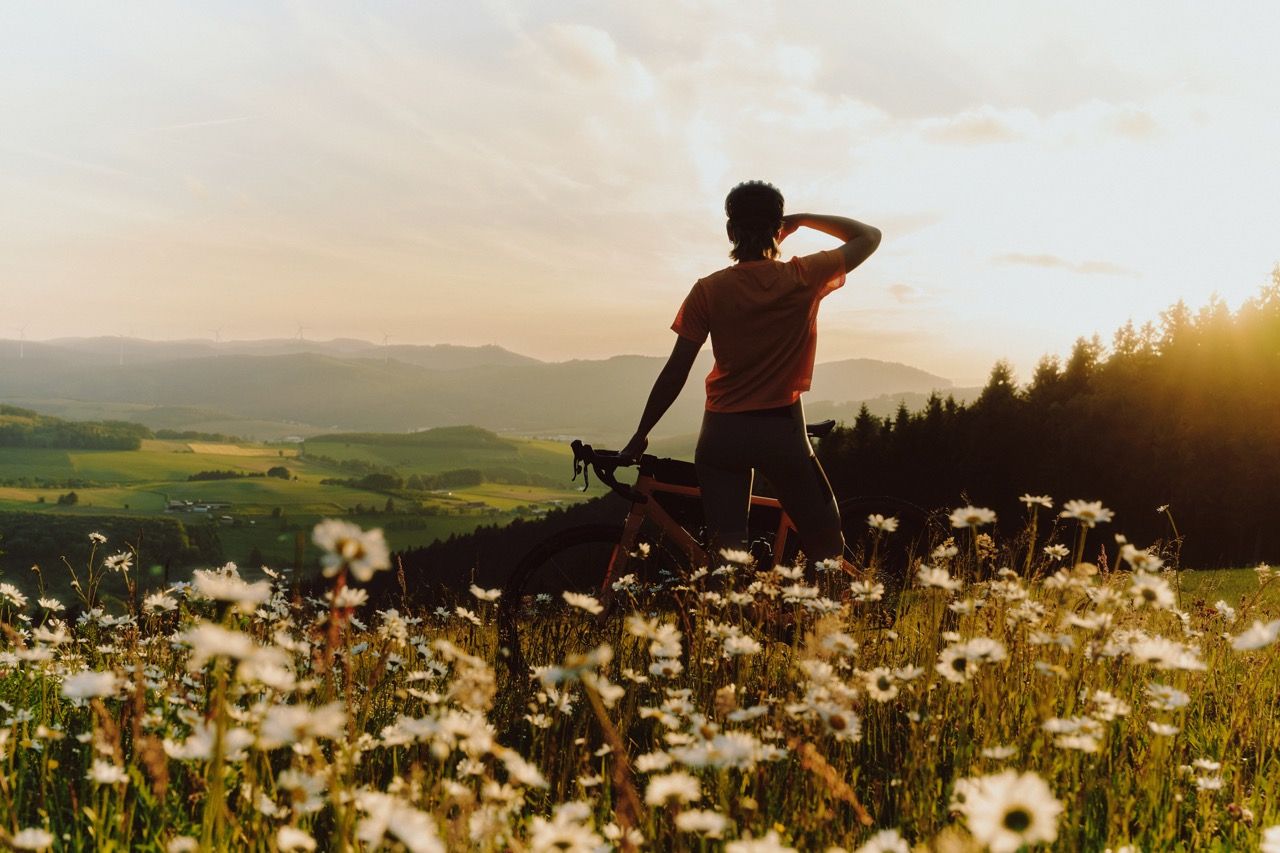
Discover NRW on a gravel bike
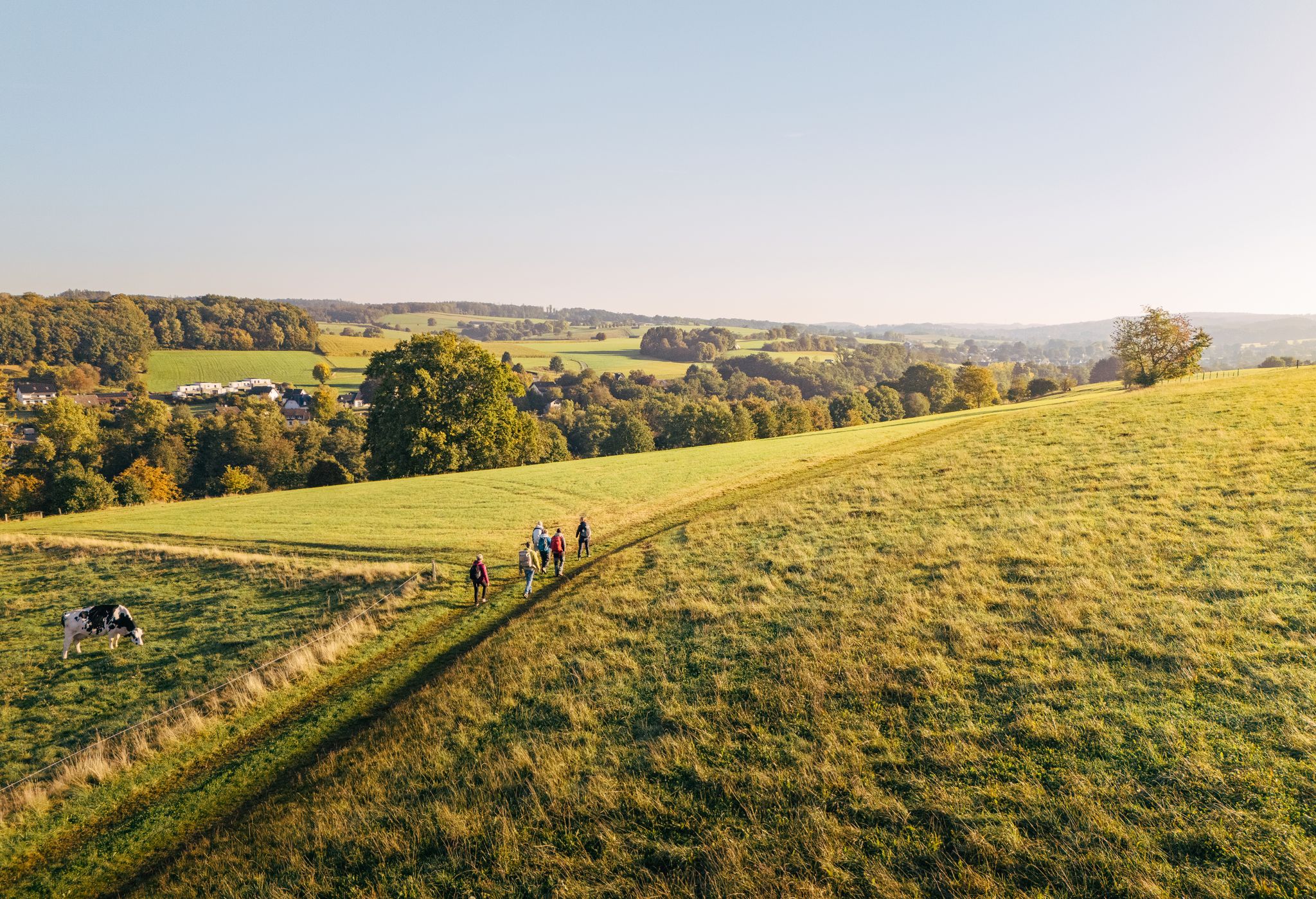
"Wunderschön" through the Bergisches Land – on the trail of the WDR show
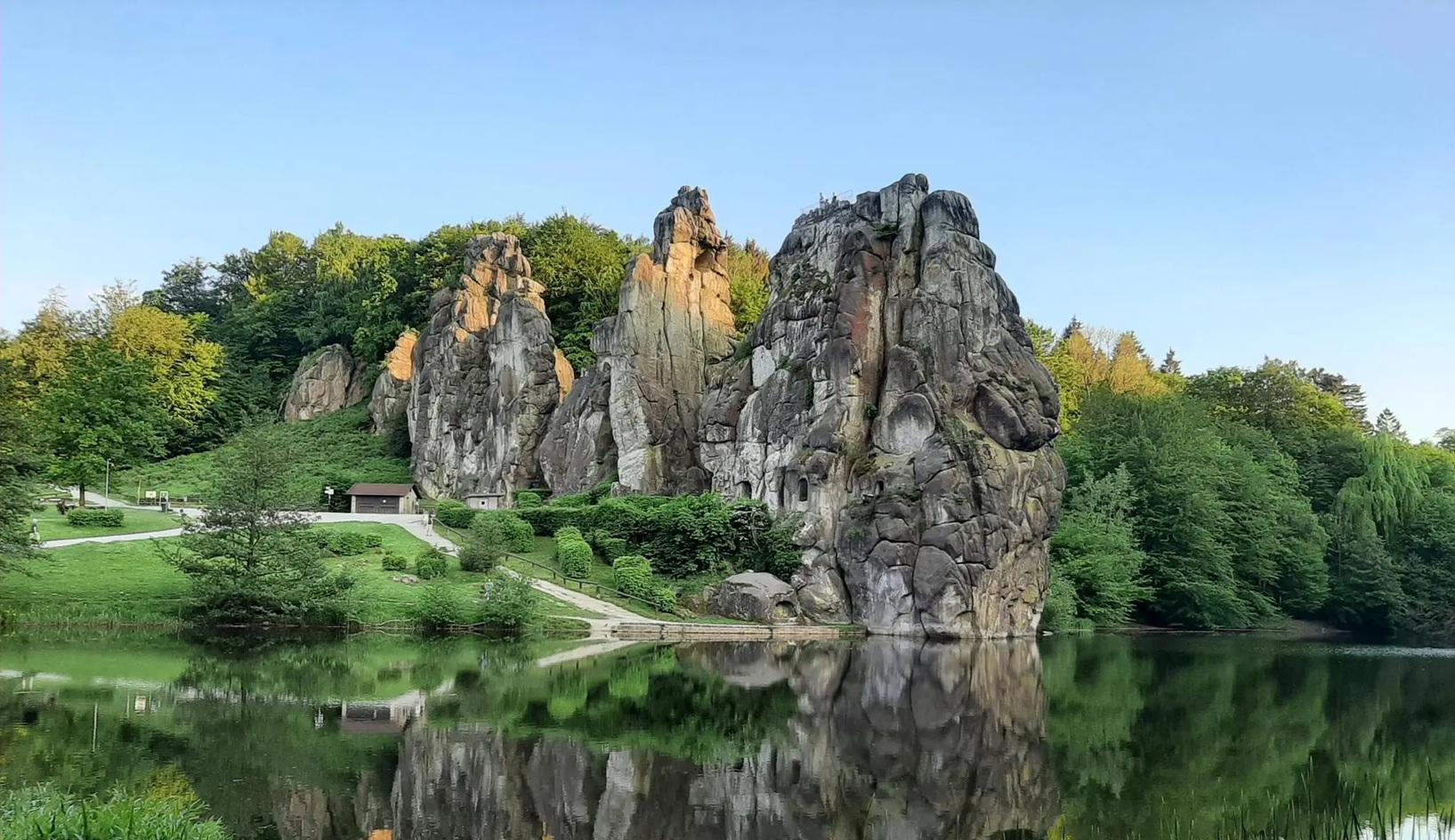
The National Natural Landscapes in Nordrhein-Westfalen
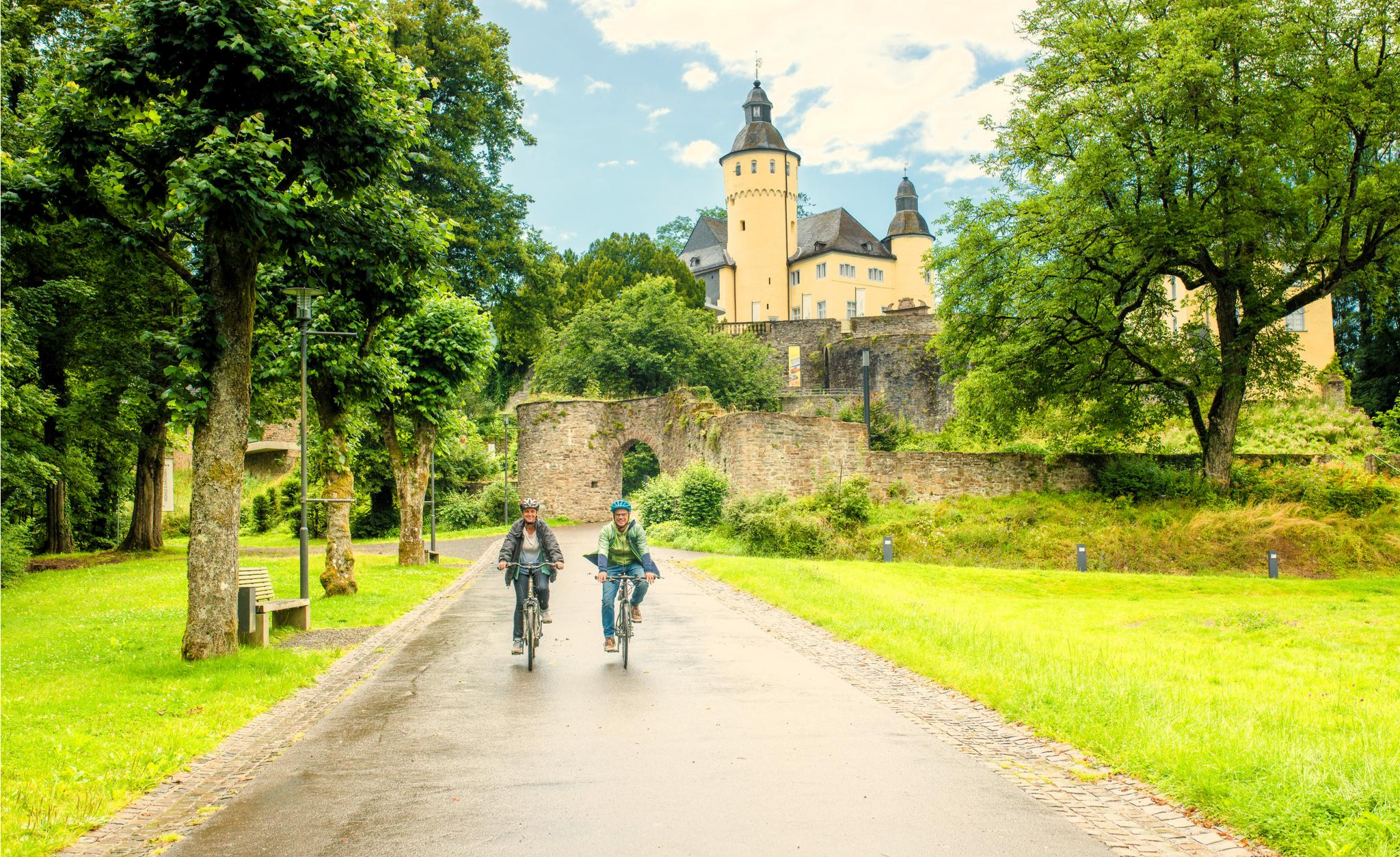
To palaces and castles - rides in the Rheinland cycling region
The big D: forest paths and water views in southern Sauerland
Marvellous views and varied scenery – cycling in the Rhineland
A long-distance hike with spectacular views – Bergischer Panoramasteig
A short trip by bike – Cologne to Osnabrück
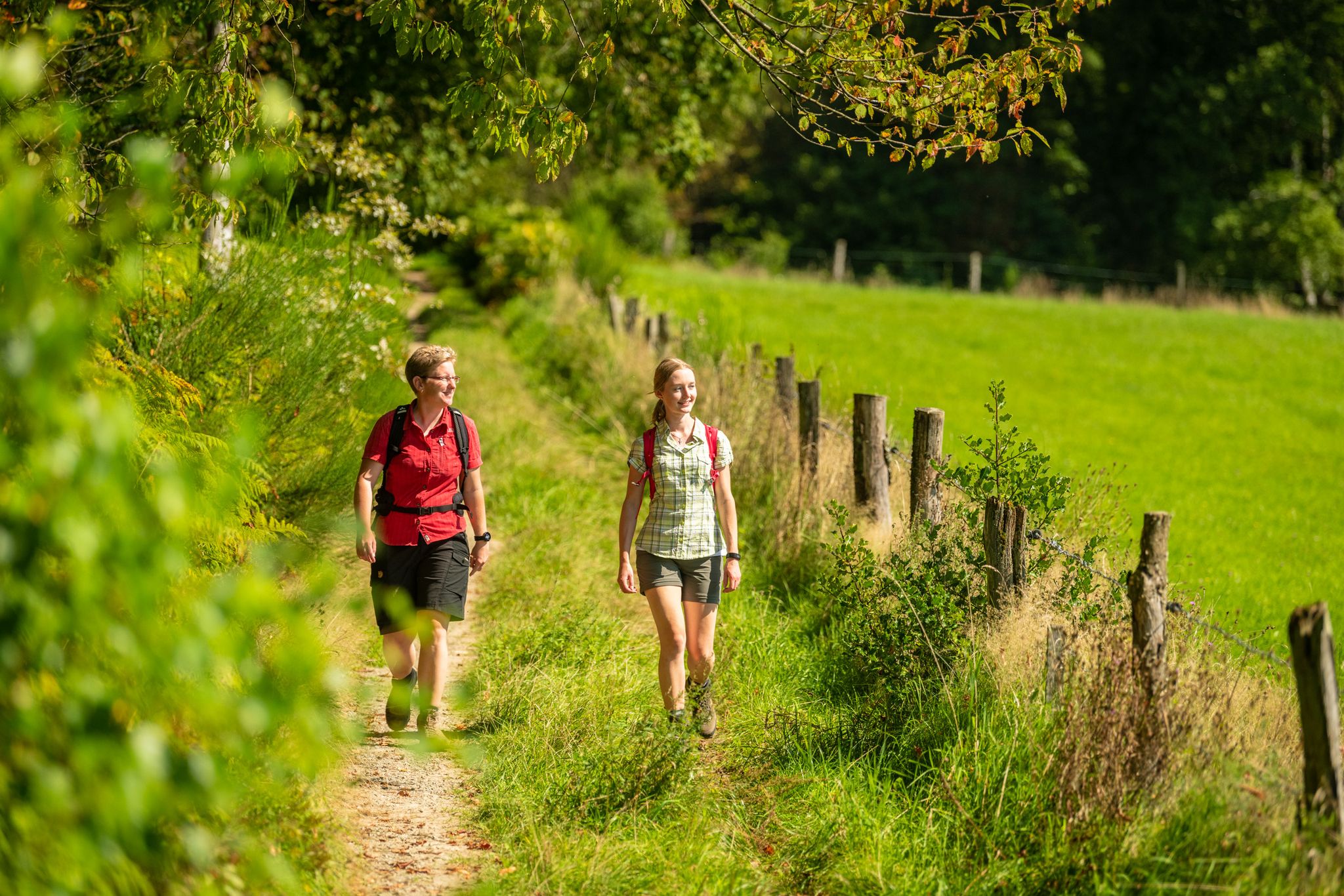
Bergische Rambles – themed and adventure trails in the Bergisches Land region
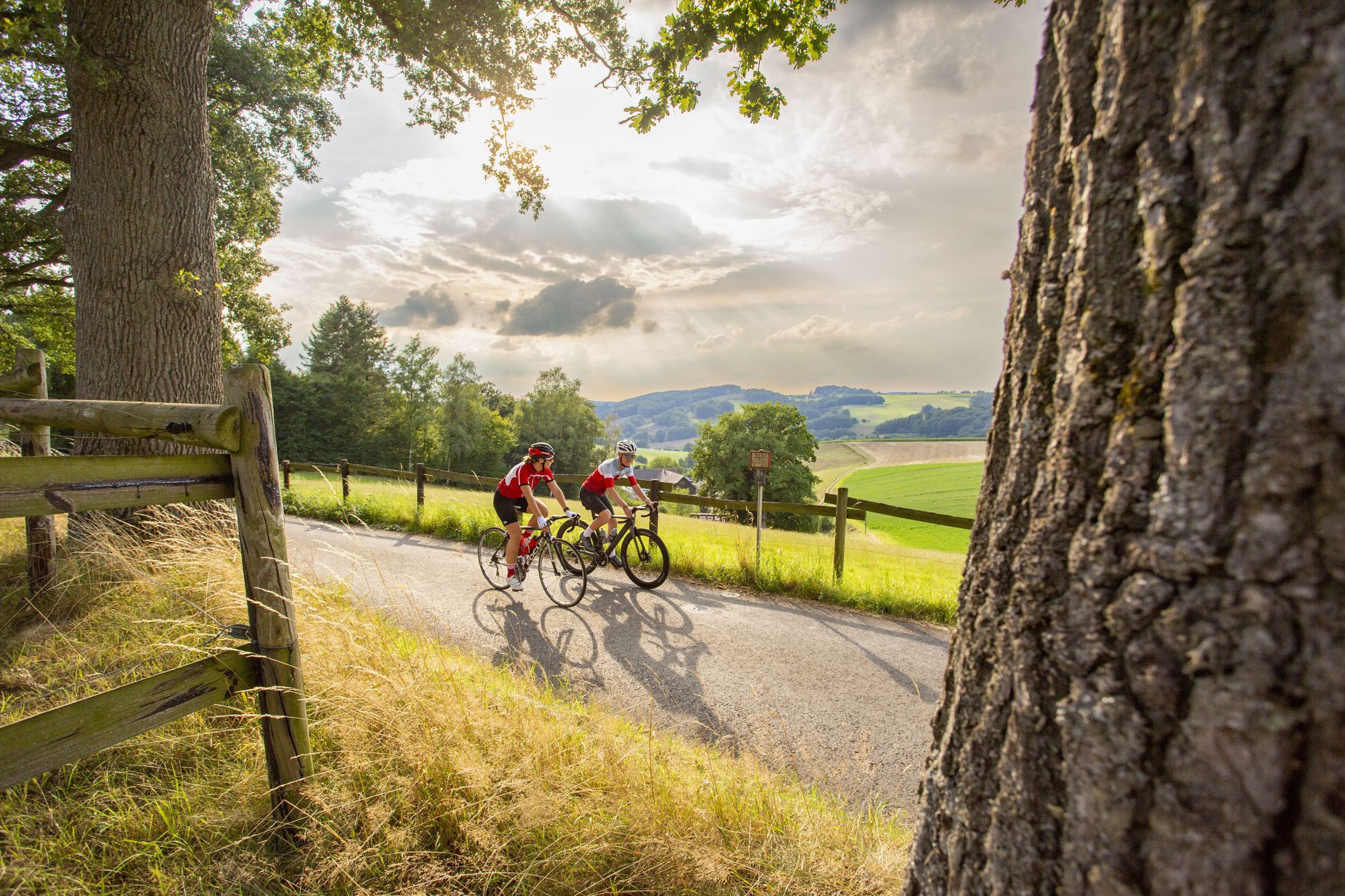
Road bike Tours in the Bergisches Land – endless hills and forests
Other adventures in Oberbergischer Kreis


Tips from the Community

<< Quartzite stone formation “Dicke Steine” near Homburg Castle >> "The “Dicke Steine” gave rise to a great deal of speculation in the past about their formation and origin. Like the Wiehl stalactite cave, they are one of the geological attractions of the Homburg region. They were formed in the Tertiary period, i.e. 65 to 2 million years ago. At that time, the Bergisches Land had a warm tropical climate. The soil was characterized by the soft sandstone that still predominates today. This was deposited on the sea floor in the Paleozoic period (Devonian). In the places where the Dicken Steine are today, warm, silicic water must have flowed through the sandstone. This caused quartz particles to dissolve in the sandstone, which were then “precipitated” out of the water solution, i.e. they settled again. This formed a fine-grained, closely interlocked quartz. However, this was still surrounded by sandstone - it was only through strong leaching processes that the surrounding softer sandstone layers. The quartzite stones, however, resisted this erosion and remained as "thick stones". The fossils that are often present in the sandstone fell victim to the erosion process almost completely, but can sometimes still be seen in outline in the quartzite." (Oberberg Biological Station, 2013, created as part of the project "Hedge, Hollow Way, Homeland - Cultural Landscape Communication Analogue and Digital". A project within the framework of the LVR Environmental Network) https://www.kuladig.de/Objektansicht/O-57899-20121207-3
1
0

A beautiful path over and along the Eibachsiefen
1
0

As you cycle through the historic old town of Hückeswagen, the character of the route changes noticeably. Narrow streets, half-timbered houses, and the castle perched high above the town define the landscape. This section adds an urban flair to the tour and reveals a different side of the Bergisches Land region – compact, historic, and vibrant, seamlessly integrated into the route.
2
0

The "Thick Stones", around 350 million years old, were also said to have been called Holsteins in the past. This is probably where the name of the nearby Holstein's Mill comes from.
0
0

The castle is privately owned by the people of Fürstenberg. It is used by the International Police Association as a seminar center for national and international seminars.
9
0

The castle has a full calendar of events and the museum will be open again from June 8, 2023. But even so, the castle is a worthwhile destination. Further information at http://www.schloss-homburg.de/cms200mfsh/home/.
2
0
The roots of the complex go back to the 14th century and are owned by the v. Landsberg, as well as Gut Cleverhof. The baroque moated castle now houses a restaurant in the former dining room. It is also accessible to non-members of the golf club. The offered apple pie was very tasty.
1
0

Schloss Georghausen, sometimes also spelled Schloss Georgshausen, is a baroque moated castle in the town of Georghausen, which belongs to the North Rhine-Westphalian municipality of Lindlar in the Oberbergisches Land. The roots of the complex can be found in the 14th century. It developed from an estate and was first mentioned in a document in 1449. In the same century, the Jülich-Bergian chancellor Dietrich Lüninck expanded it into a well-fortified moated castle. In the 16th century, the property fell to the von Neuhof family called Ley and in the 17th century it came to the von Boulich family. At the beginning of the 18th century, Wolfgang Wilhelm von Wittmann inherited the property and had the old castle replaced by today's palace. After numerous other owners, including Cistercians, who used the building as a monastery, the von Fürstenberg family acquired the property in 1820. At the beginning of the 20th century, it came to the von Landsberg family via an heiress, who are still the lords of the castle today. The outer bailey and manor house of the complex are under monument protection. Source and link: https://de.wikipedia.org/wiki/Schloss_Georghausen More links: Golf Club and Restaurant: https://www.golfclub-schloss-georghausen.de/ German Foundation for Monument Protection: https://www.denkmalschutz.de/denkmal/Schloss-Georghausen.html
5
0
Frequently Asked Questions
What historical insights do the castles in Oberbergischer Kreis offer?
The castles in Oberbergischer Kreis provide a deep dive into the region's history. For example, Homburg Castle, dating back to the 11th century, now houses the Museum of Oberbergischer Kreis with extensive cultural and natural history exhibitions. Gimborn Castle, first pledged in 1273, was once the residence of the county of Gimborn-Neustadt, offering a glimpse into aristocratic life.
Are there family-friendly castles in Oberbergischer Kreis?
Yes, several castles offer family-friendly experiences. Homburg Castle is particularly suitable, with its museum, an open-air museum featuring a historic sawmill and bakery, and regular events like medieval markets. The castle grounds and park are also great for leisurely family strolls. The Eibach Castle Ruins are located on the 'Lindlarer Sagenweg', which can be an adventurous walk for families.
Are there hiking opportunities around the castles in Oberbergischer Kreis?
Absolutely. Many castles are nestled within scenic landscapes, offering excellent hiking opportunities. A nature trail starts directly at Homburg Castle, leading through the surrounding natural environment. The area around Gimborn Castle is also well-suited for hiking and walking. For more extensive routes, you can explore various mountain hikes or MTB trails in the Oberbergischer Kreis region.
What natural features can be found near the castles?
The castles are often surrounded by beautiful natural features. Gimborn Castle is set in a remote valley within the wooded Bergisches Land. The Eibach Castle Ruins are situated within a natural setting along the 'Lindlarer Sagenweg'. The region is characterized by diverse terrain, including forests and valleys, providing a picturesque backdrop for these historical sites.
Can I visit the castles with my dog?
While specific rules for each castle's interior may vary, the outdoor grounds and surrounding hiking trails are generally dog-friendly. For instance, the extensive castle park at Homburg Castle and the paths around Ehreshoven Castle are suitable for walks with leashed dogs. Always check local signage for any restrictions.
What is the best time of year to visit the castles in Oberbergischer Kreis?
The castles can be visited year-round, each season offering a different charm. Spring and summer are ideal for enjoying the castle parks and surrounding nature, with longer opening hours for some attractions. Autumn brings beautiful foliage, while winter can offer a serene, less crowded experience, especially for ruins like Burg Neuenberg Ruins, which are less obscured by vegetation then.
Are there any lesser-known castles or ruins worth exploring in the region?
Beyond the prominent castles, the region also features intriguing ruins. The Eibach Castle Ruins are a historical point of interest along the 'Lindlarer Sagenweg'. Another notable ruin is Burgruine Bernsau in Overath, the oldest preserved secular building in the area, offering a glimpse into 14th-century moated castle architecture, with efforts underway to make it more accessible.
How much time should I plan for a visit to the castles?
The time needed varies by castle. For a comprehensive visit to Homburg Castle, including the museum, open-air museum, and park, you might want to allocate 2-4 hours. For exterior viewing of castles like Ehreshoven Castle or Gimborn Castle, 1-2 hours might suffice, allowing for appreciation of the architecture and surrounding grounds. Ruins like Eibach Castle Ruins can be explored in less than an hour, often as part of a longer hike.
Are there cafes or restaurants near the castles?
Yes, some castles have amenities nearby. Homburg Castle features a 19th-century bakery on its grounds where bread and cakes are made and sold. The village of Gimborn, home to Gimborn Castle, also offers local establishments. For other locations, you may find cafes and restaurants in the nearby towns and villages.
What is the difference between the castles and ruins in the Oberbergischer Kreis?
The region features both well-preserved castles and picturesque ruins. Well-preserved castles like Homburg Castle and Ehreshoven Castle offer intact structures, often housing museums, event venues, or private residences. Ruins, such as Eibach Castle Ruins and Burg Neuenberg Ruins, are remnants of former fortifications, providing historical interest within natural settings, often with only parts of their original structures remaining.
Are any of the castles in Oberbergischer Kreis wheelchair accessible?
Accessibility varies significantly. While the exterior grounds of some castles, like the park at Homburg Castle, may offer some accessible paths, interior access to historic buildings can be challenging due to their age and architectural design. Modern additions, such as the 2014 extension at Homburg Castle, may offer better accessibility. It's advisable to check the specific castle's website for detailed accessibility information before your visit.
Most popular routes in Oberbergischer Kreis
Most popular attractions in Oberbergischer Kreis

Get inspired with the komoot mobile app


Didn’t find what you were looking for?
Explore Oberbergischer Kreis’s best castles region by region:
Explore more
Looking for the best castles somewhere else? Discover other guides in Oberbergischer Kreis:
