Top 20 Lakes in Surselva
Best lakes in Surselva are found in the heart of the Swiss Alps, a region characterized by its diverse natural landscape. This area offers a variety of lakes, from high-altitude alpine bodies of water to reservoirs with historical significance. The lakes provide opportunities for hiking and exploration, set against a backdrop of mountain scenery. Surselva is home to the source of the Rhine River, adding a notable geographic feature to its natural attractions.
Best lakes in Surselva
- The most popular…
Last updated: October 2, 2026
Source of the Rhine – Lai da Tuma
Highlight • Lake
Translated by Google •
Tip by

Oberalp Pass
Highlight • Mountain Pass
Translated by Google •
Tip by

Sign up now to discover places like this
Get recommendations on the best single tracks, peaks, & plenty of other exciting outdoor places.
Lake Oberalp
Highlight • Lake
Translated by Google •
Tip by

Lukmanier Pass
Highlight • Mountain Pass
Translated by Google •
Tip by

Lai da Pigniu
Highlight • Monument
Translated by Google •
Tip by

Lukmanier Pass summit
Highlight • Mountain Pass
When the Disentis monastery was founded around 720, the Lukmanier Pass, which could be crossed without great difficulty and was also considerably lower than the other passes in …
Translated by Google •
Tip by

Lake Bischol
Highlight • Lake
Translated by Google •
Tip by

Lag Serein
Highlight • Lake
Translated by Google •
Tip by

Zervreila Restaurant and Dam
Highlight • Restaurant
In 1960, the Zervreila restaurant was built from old wooden houses from the former village of Zervreila. Today the village has sunk into the reservoir. The …
Translated by Google •
Tip by
Lake Brigels
Highlight • Lake
Translated by Google •
Tip by

Sign up for free to discover even more lakes in Surselva.
Already have an account?
Start today with a free account
Your next adventure awaits.
Popular around Surselva
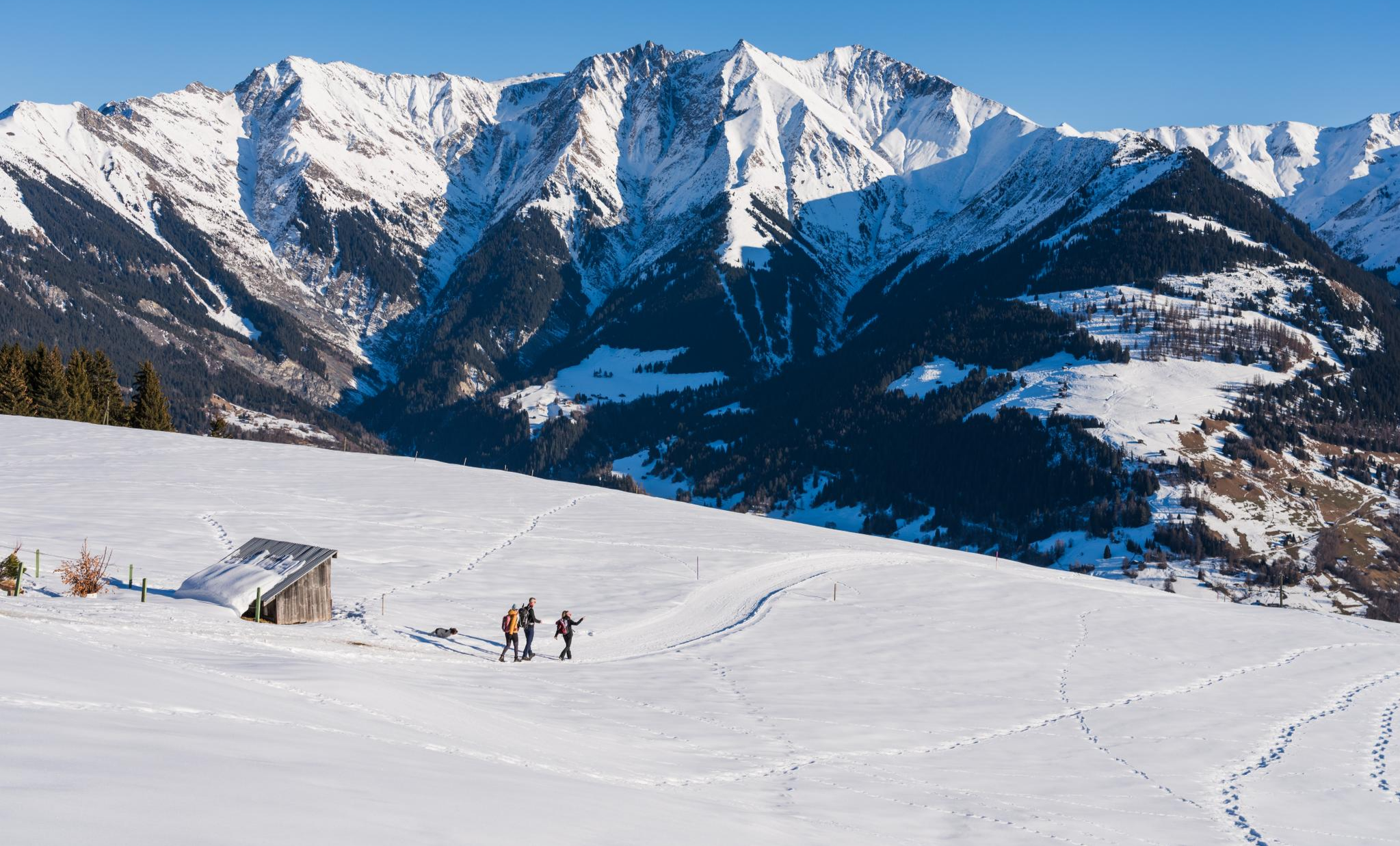
Winter Magic in the Surselva – peace, space and pure nature
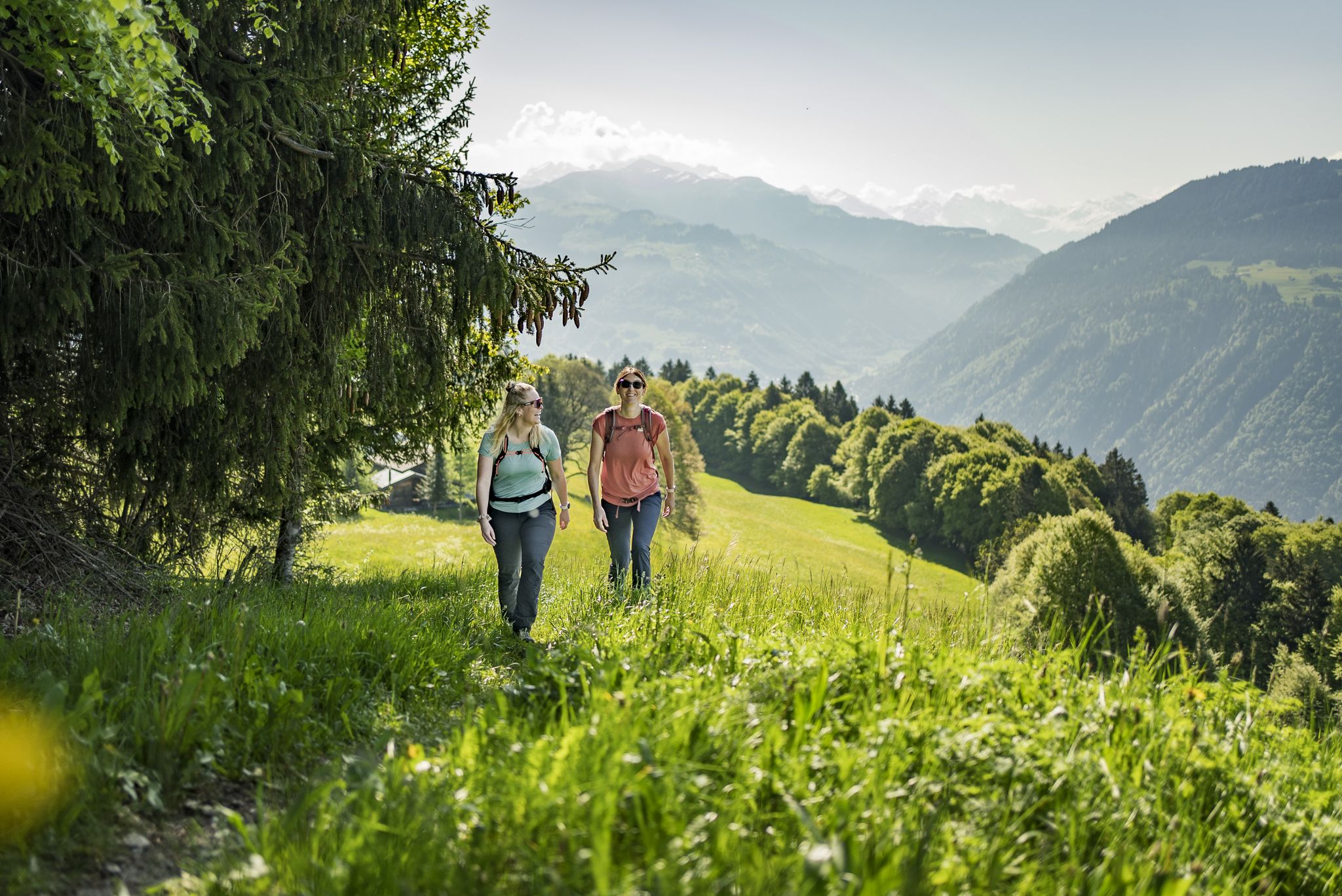
Step into the hiking season – spring routes in Graubünden
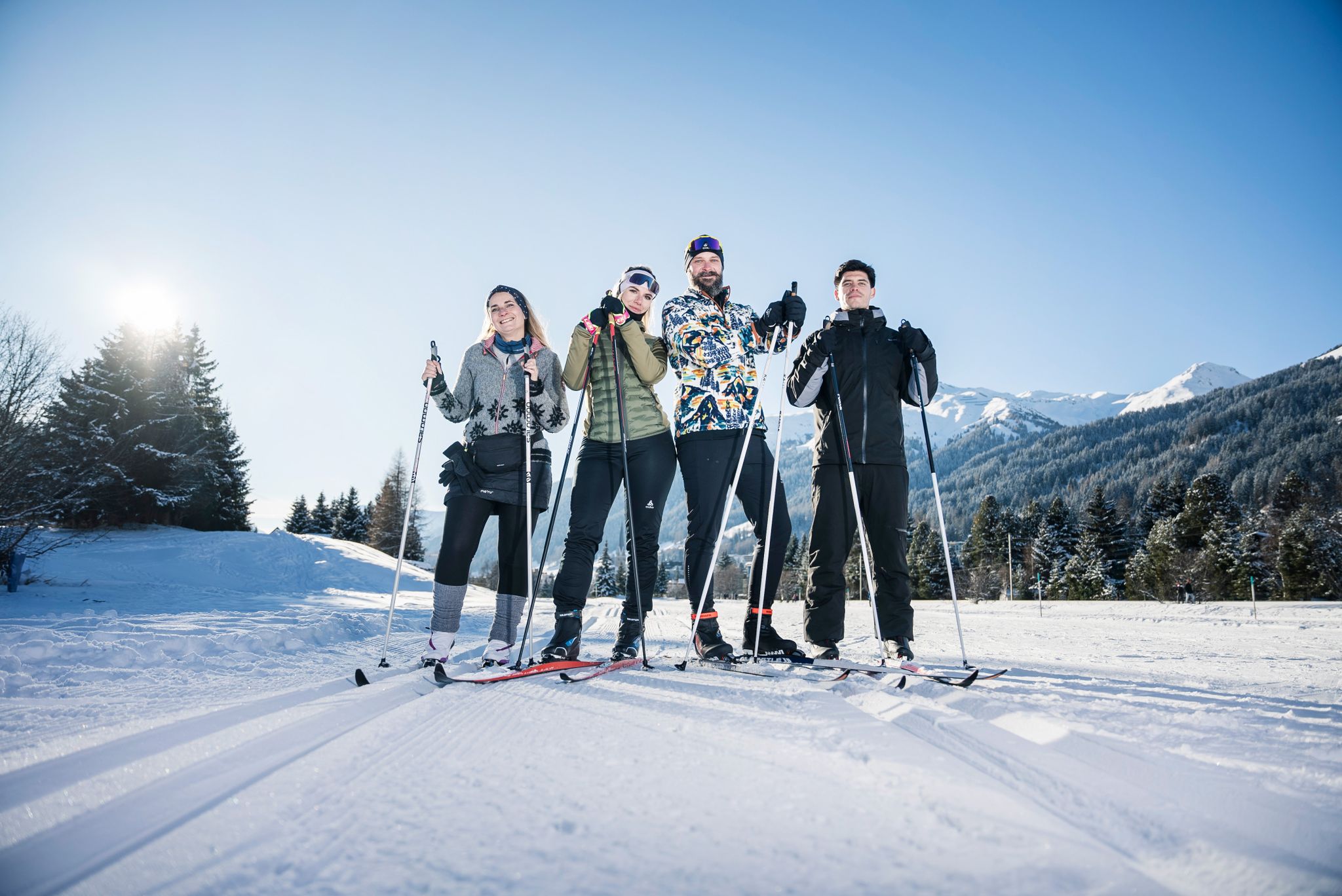
«Everyone runs long»: Cross-country ski trail tips from Graubünden
Indulgence to the power of two – culinary delights and winter hiking in Flims Laax
Cross-country skiing in Flims Laax – a Swiss Winter paradise
Alpine Passes Trail – hiking 700km across Switzerland
Four Springs Trail — Find flow in Switzerland's Gotthard Massif
Alpine Passes Trail in Switzerland – 34 stages of pure mountain fun
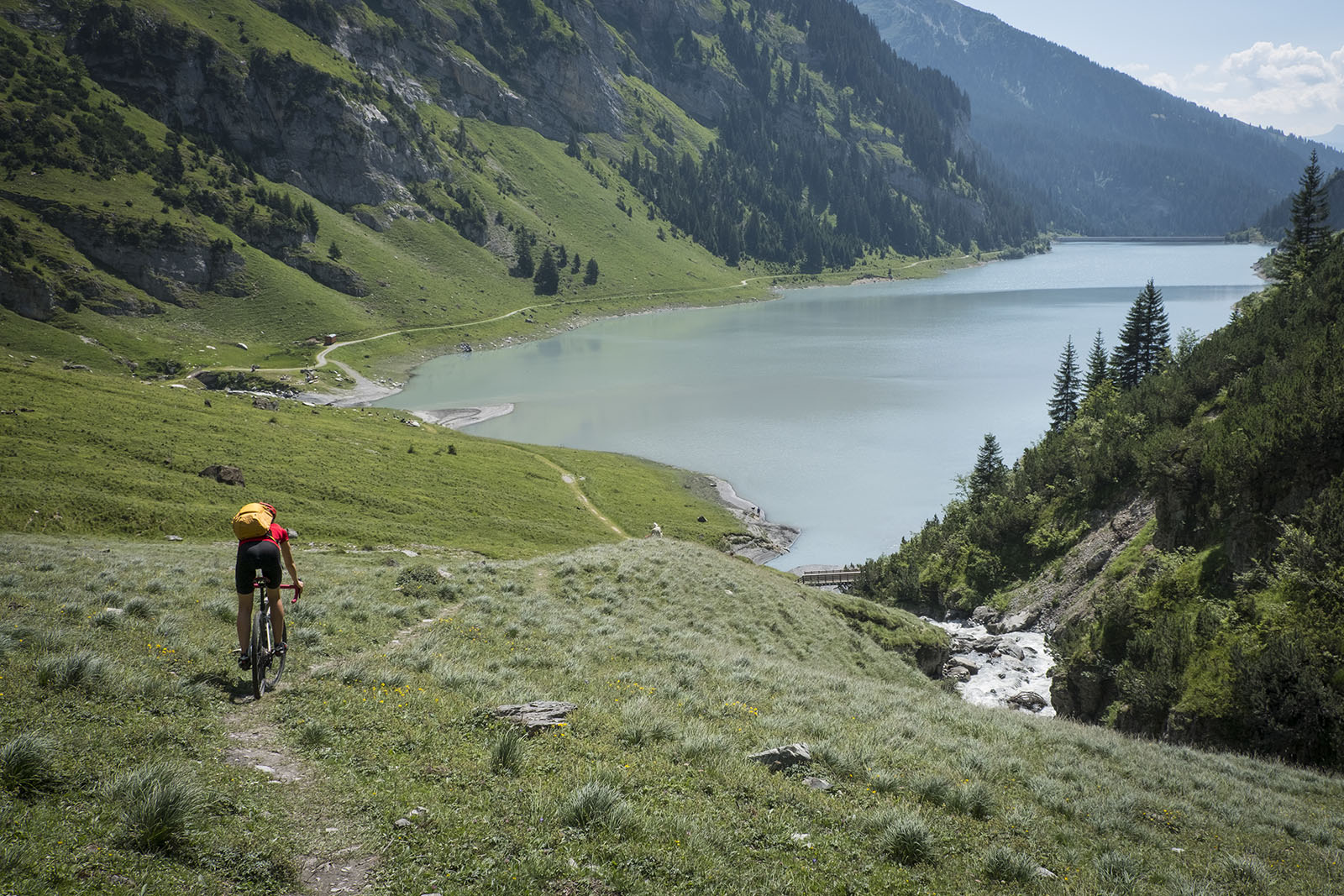
Through gravel and asphalt in Surselva — Loop through the Upper Grisons
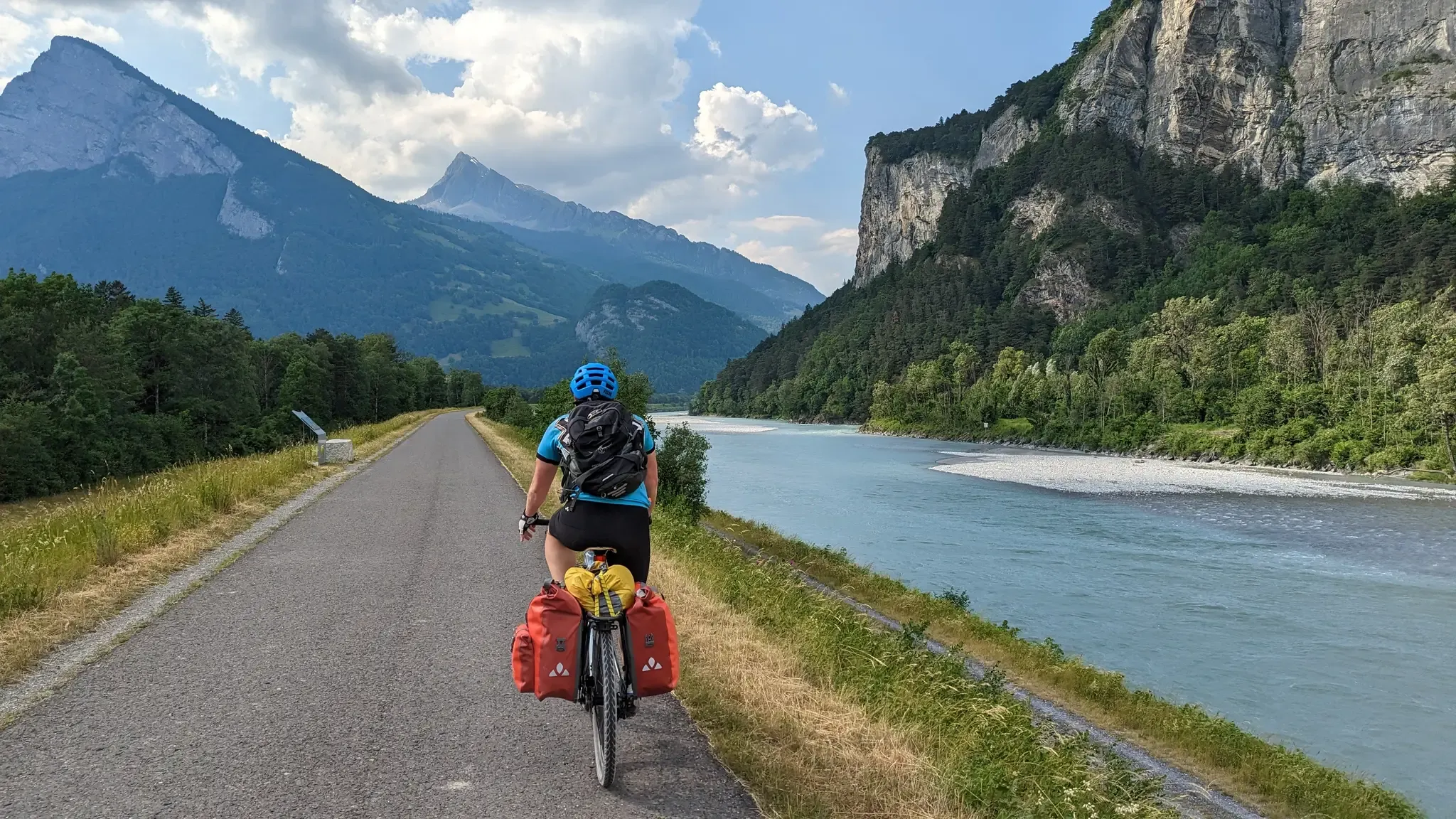
The Rhine Cycle Path — From the source to the North Sea
Other adventures in Surselva


Tips from the Community

The Lag da Breil, in German Brigelsersee, lies at around 1,255 m above sea level, directly above Brigels. The lake, approximately 500 meters long and up to 140 meters wide, was created as a reservoir in 1946 and is used for energy production. The lake is fed and drained by the Flem. Despite its function as a reservoir, the Lag da Breil appears very idyllic and blends beautifully into the landscape around Brigels. A pleasant walking path leads all the way around the lake. Important: Swimming is not permitted in the reservoir.
0
0
The Lag da Pigniu, also known as Panixersee, is beautifully nestled in an impressive alpine mountain landscape. The turquoise reservoir, the steep rock faces, and the imposing waterfalls at the rear of the lake make this place a special hiking destination. At the waterfalls, there is a nice barbecue and picnic area with tables and benches – ideal for a cozy break in the middle of nature. Important: One side of the path around the lake is currently closed. Therefore, a complete circuit is not possible at the moment. The closure must be strictly observed. Despite the restriction, the trip to Panixersee is worthwhile. Especially the waterfalls and the quiet, impressive mountain backdrop make the visit rewarding.
0
0

We were here today 6/8/2026, at 12 o'clock, completely alone. Didn't meet anyone along the way. Magically beautiful. Delicious food and drinks at the Stalla mountain hut. Cash only.
1
0

Imposing rock faces around the lake and its peculiar color: The Lag da Pigniu is certainly worth an excursion! It is very easily accessible by bike.
0
0
A really beautiful pass! And also for hiking from the pass summit: many possibilities.
0
0

The Oberalpsee is located at an altitude of 2,028 meters directly on the Oberalp Pass between Uri and Graubünden. The clear mountain lake is the source of the Vorderrhein and a popular destination for hikers. Surrounded by alpine landscape, it invites you to linger, take photos, and enjoy the impressive mountain scenery.
7
0

Scenic pass that is opened all year round (closes at 6pm in winter). There is hardly any traffic which makes cycling very nice and plenty of opportunities to take pictures. We crossed the pass in early May when there was still plenty of snow up there. The change in scenery where it was all green at Disentis and slowly turning white as we climbed higher... and very quickly turned to green as we rolled down on the south side to Biasca was breathtaking.
1
1

The Lucomagno is one of the most famous Alpine passes in Switzerland. It is located between the cantons of Ticino and Grisons, at an altitude of 1,926 meters. The name seems to derive from the Latin "locus magnus", meaning "large, open place". It is often tackled in the professional race of the Tour of Switzerland.
3
0
Frequently Asked Questions
What makes the lakes in Surselva unique?
The lakes in Surselva are unique due to their diverse characteristics, ranging from high-altitude alpine bodies of water to reservoirs with historical significance. Notably, the region is home to Lai da Tuma, famously considered the source of the Rhine River, and Lake Oberalp, which features the world's highest lighthouse.
Are there any historically significant lakes in Surselva?
Yes, Lai da Tuma holds historical significance as the source of the Rhine River. Additionally, Lag da Pigniu Dam is notable for a faded painting on its wall depicting the 1799 crossing of the Panixer Pass by the Russian army, blending natural beauty with local history.
Which lakes in Surselva are suitable for families?
Several lakes in Surselva are family-friendly. Lake Oberalp offers opportunities for fishing and relaxing on a terrace. Dachlisee is well-equipped with a wood fire pit, tables, benches, and a toilet, accessible via a pram-friendly path. Lag da Pigniu Dam also has a barbecue area at the end of the lake.
Can I swim in the lakes of Surselva?
While many alpine lakes in Surselva are quite cold, swimming is generally possible in some areas. For instance, while swimming is not permitted in Lake Brigels itself, a dedicated Brigels Swimming Lake is available nearby for water activities. Always check local regulations and water temperatures before entering.
Are there hiking trails near the lakes in Surselva?
Yes, Surselva offers numerous hiking trails around its lakes. For example, you can hike to Lai da Tuma from the Oberalp Pass, a route that offers spectacular views. You can find detailed hiking routes, including options like the '676 Pazolastock – source of the Rhine' or 'To the source of the Rhine – Oberalp Pass to Tomasee', on the Hiking in Surselva guide.
Which lakes offer the best panoramic views in Surselva?
For breathtaking panoramic views, Lake Oberalp is known for its serene waters reflecting the surrounding mountain ranges. Lake Brigels also provides a picturesque mountain panorama, ideal for leisurely strolls. Lai da Tuma, situated at 2,344 meters, offers rugged alpine vistas.
Are there any secluded or hidden lakes for tranquility?
Yes, Lag da Laus is described as one of the most beautiful and hidden little lakes in the region. Its secluded nature makes it perfect for visitors seeking tranquility and an unspoiled natural experience away from crowds.
What outdoor activities can I do near the lakes in Surselva?
Beyond hiking, you can enjoy various outdoor activities. Fishing is popular at Lake Oberalp. The region also offers cycling routes, such as those found in the Cycling in Surselva guide, and even waterfall hikes, which you can explore in the Waterfall hikes in Surselva guide.
Are there facilities like barbecue areas or toilets near the lakes?
Yes, some lakes are equipped with facilities. Dachlisee, for instance, has a wood fire pit, tables, benches, and a simple toilet. At the end of Lag da Pigniu Dam, you can find a barbecue area.
What is the best time to visit the lakes in Surselva?
The best time to visit the lakes in Surselva is generally during the warmer months, from late spring to early autumn (June to September), when hiking trails are clear of snow and the weather is most pleasant for outdoor activities. High-altitude lakes like Lai da Tuma are typically accessible during this period.
Can I access the lakes by public transport or find parking nearby?
Access varies by lake. Many popular spots, like the area around Lake Oberalp, have parking available. For specific public transport options to individual lakes, it's advisable to check local transport schedules, especially for higher alpine destinations.
What kind of natural features can I expect to see around the lakes?
Around the lakes in Surselva, you can expect to see diverse natural features. These include rugged alpine landscapes, high moor areas with streams and meadows near Lai da Tuma, and impressive mountain reflections in the serene waters of Lake Oberalp. Waterfalls are also present in the vicinity of Lag da Pigniu Dam.
Most popular routes in Surselva
Most popular attractions in Surselva

Get inspired with the komoot mobile app


Didn’t find what you were looking for?
Find the best lakes in Surselva per region:
Explore more
Still not found your perfect lake in Surselva? Check out the guides of these regions to see even more beautiful places.
