Top 20 Natural Monuments around Tubbergen
Best natural monuments around Tubbergen offer a blend of natural beauty, geological interest, and historical significance in the eastern Netherlands. This region features undulating hills, erosion valleys, and abundant springs, characteristic of a stuwwal landscape formed during the ice age. The area is recognized for its diverse ecosystems, including forests, heathlands, and streams, providing varied natural experiences. These sites serve as important ecological areas and historical landmarks, reflecting centuries of local heritage.
Best natural monuments around Tubbergen
- The most popular…
Last updated: May 14, 2026
Springs and Boardwalk Trail, Springendal & Mosbeek Valley
Highlight • Trail
Translated by Google •
Tip by

The Springs, Springendal
Highlight • Lake
The adjacent café serves typical Dutch snacks and cakes.
Translated by Google •
Tip by

Sign up now to discover places like this
Get recommendations on the best single tracks, peaks, & plenty of other exciting outdoor places.
Sign up for free
Tankenberg Dome and Viewpoint
Highlight • Viewpoint
Translated by Google •
Tip by

Solitary Tree on the Esch
Highlight • Natural Monument
Translated by Google •
Tip by

Dinkel Weir
Highlight • Bridge
Translated by Google •
Tip by

Sign up for free to discover even more natural monuments around Tubbergen.
Sign up for free
Already have an account?
Start today with a free account
Your next adventure awaits.
Login or Signup
Popular around Tubbergen
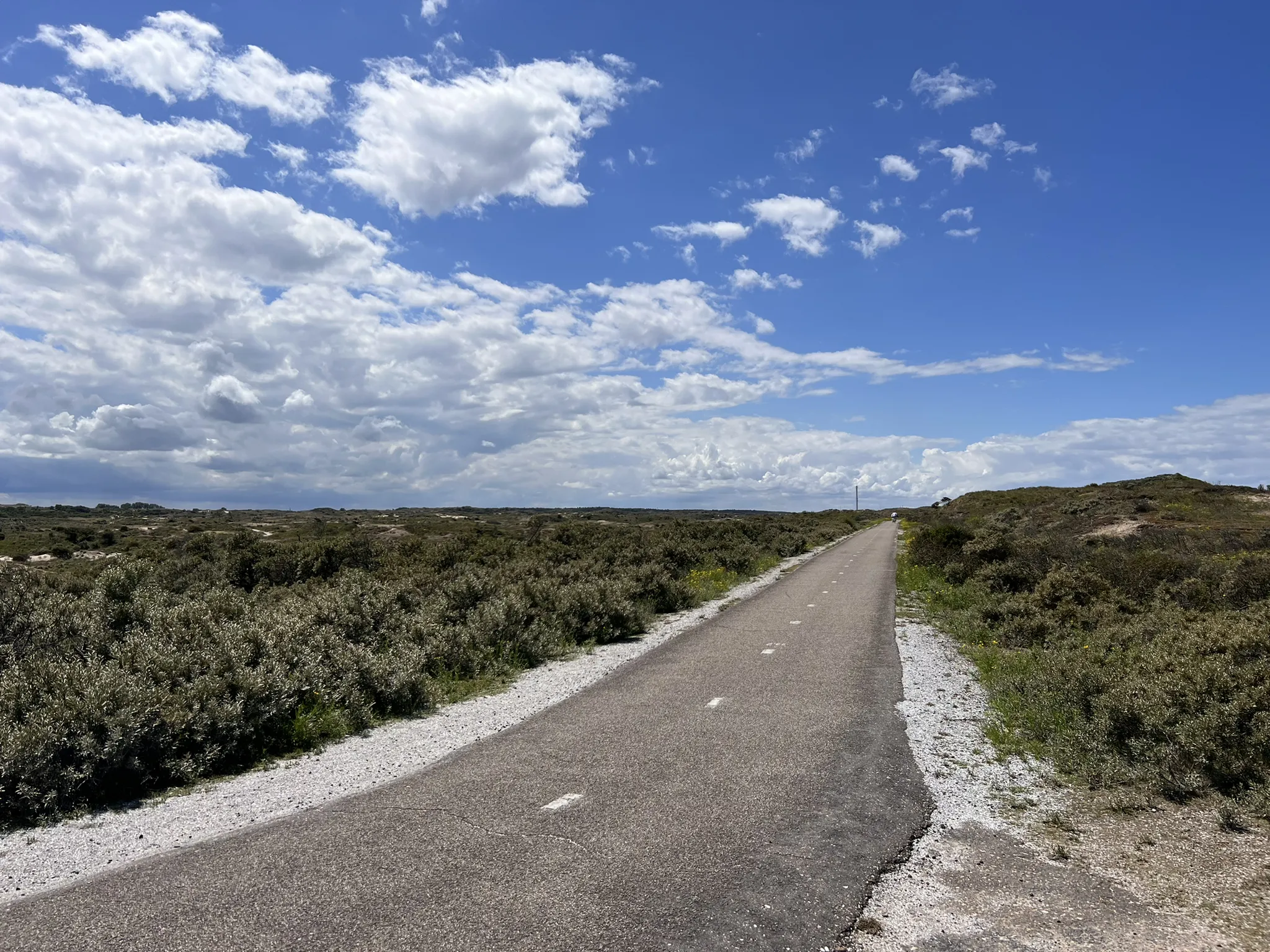
The Tour of the Netherlands – The ultimate cycling route in 21 stages
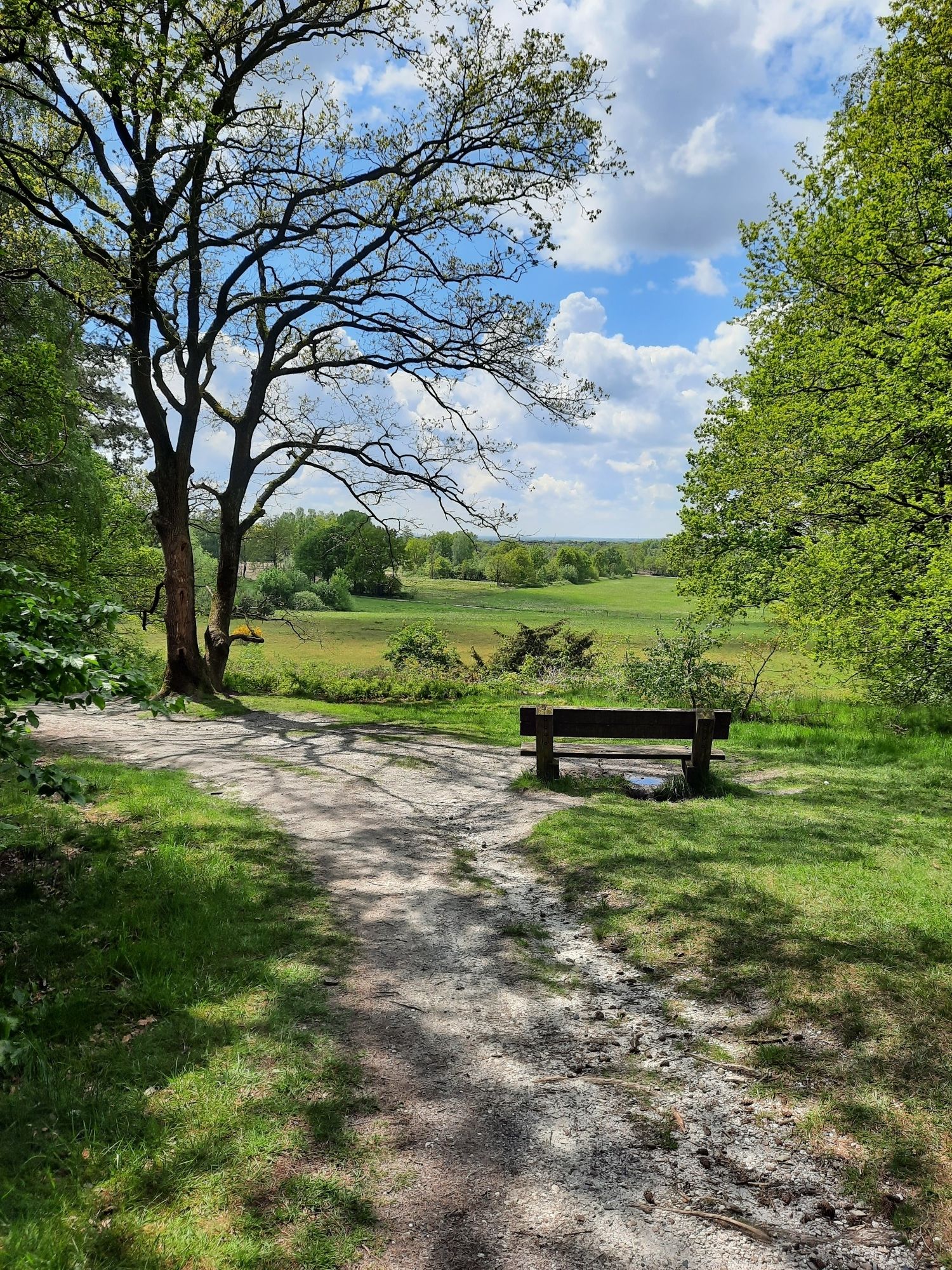
A surprising hike in the east – The Twentepad
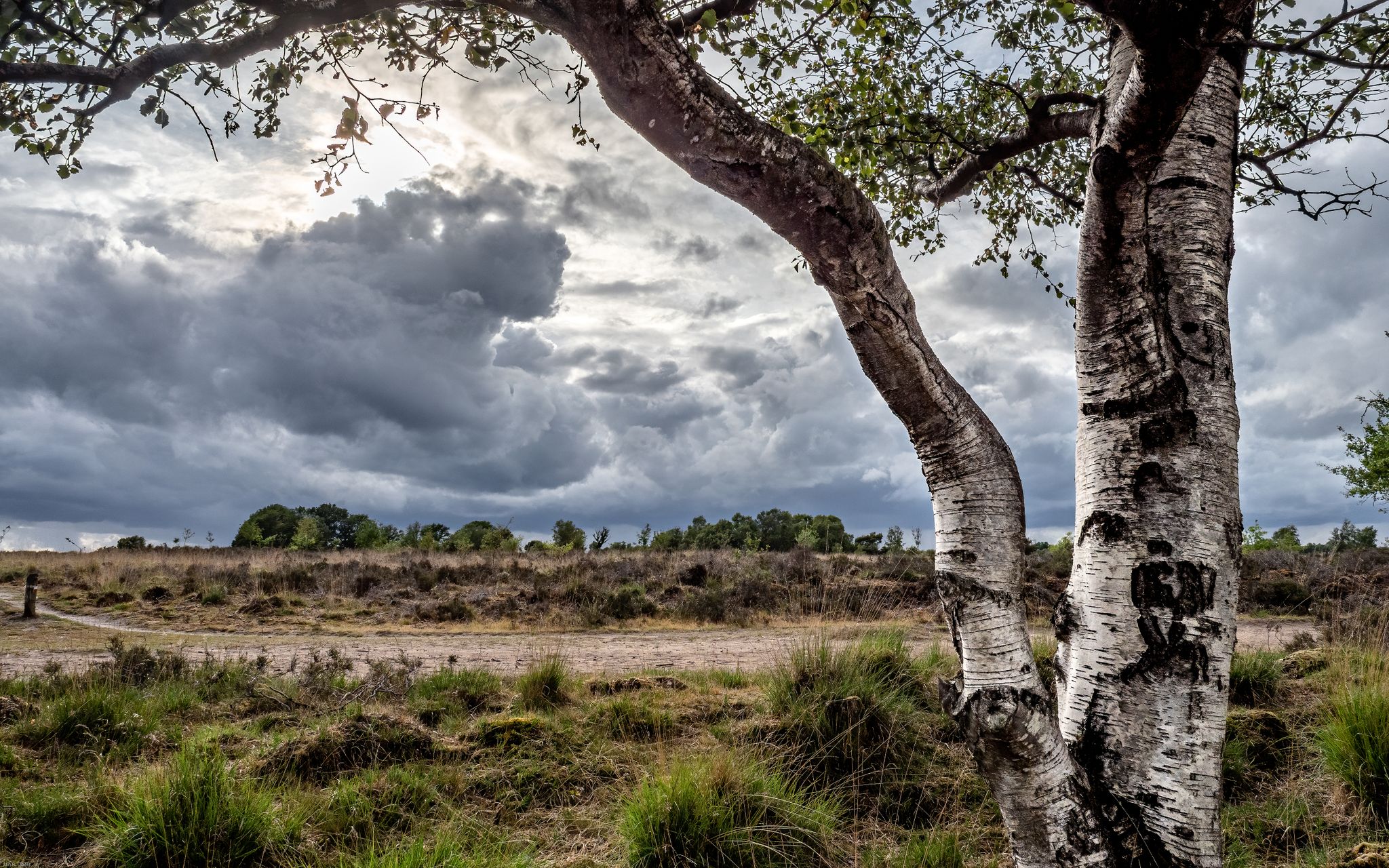
History lessons from your bicycle - LF14 Saxony Route in Holland
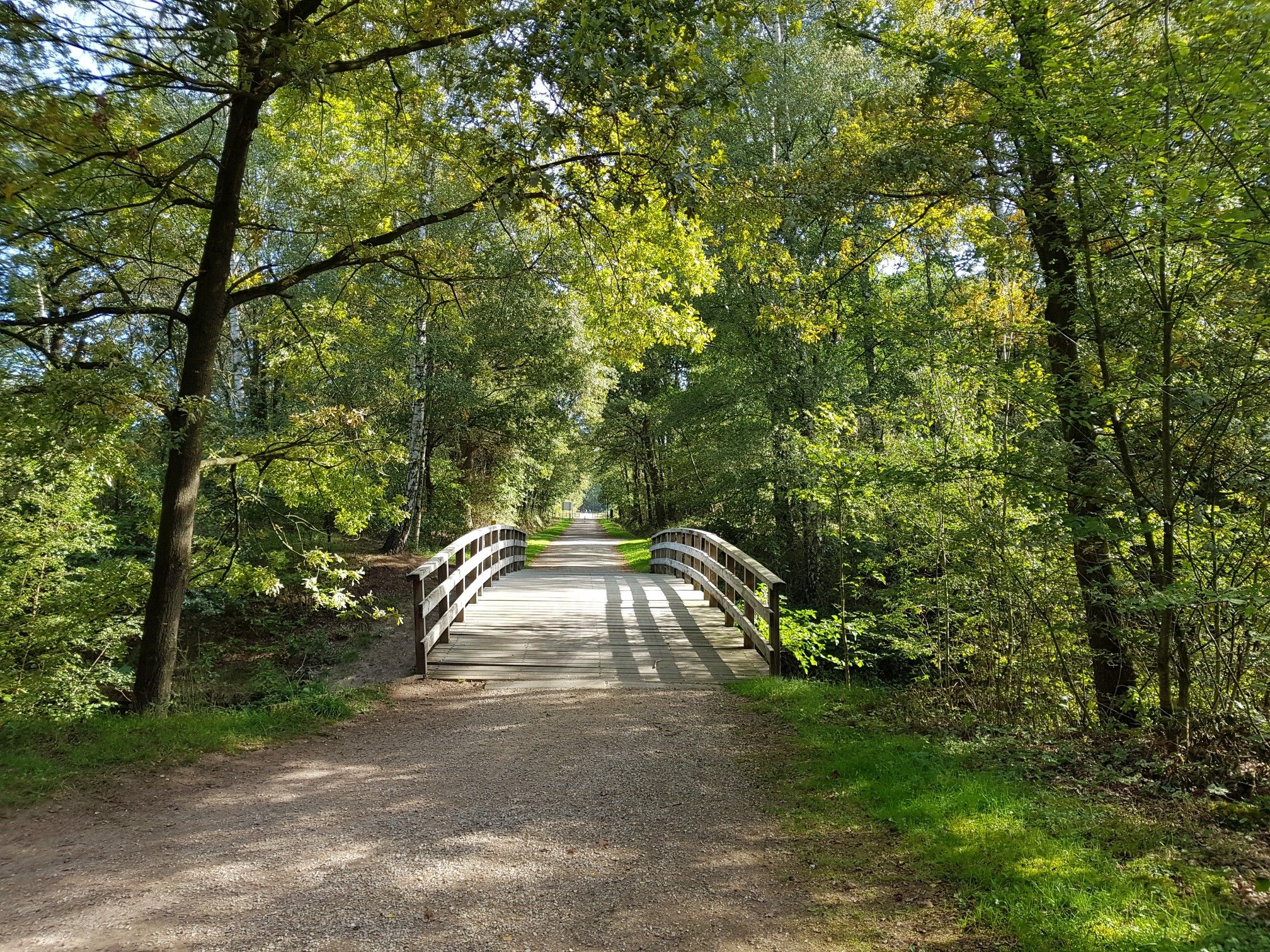
Travel back in time through beautiful nature – a new circular in Twente
Hiking around Tubbergen
Cycling around Tubbergen
MTB Trails around Tubbergen
Road Cycling Routes around Tubbergen
Running Trails around Tubbergen

Gravel biking around Tubbergen
Other adventures around Tubbergen


Tips from the Community

In May 2026 I walked the Landgoed Twickel circular path. The „Esch” is one of the many highlights on this really beautiful circular route.
0
0

Unfortunately, this beautiful oak tree is no more. Blown over during a winter storm 😪
0
0

Beautiful route, highly recommended!
0
0

Unfortunately, this tree is no longer there.
0
0

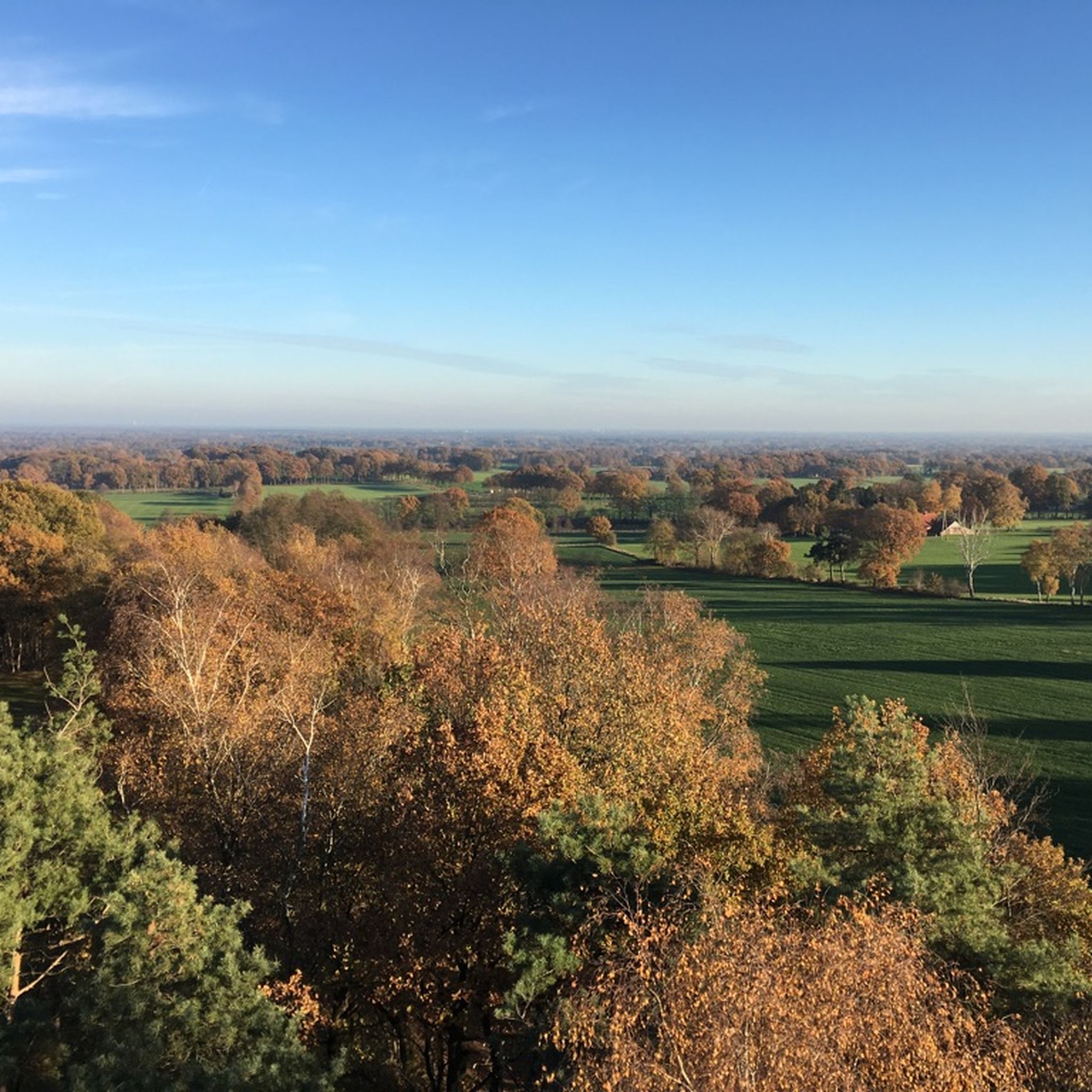
At the top of Tankenberg is a small chapel. From there, you can enjoy a sublime view of the valley, which is rather unusual for the Netherlands.
2
0

Since March 2025, a new shoot has grown in the remains of the trunk. (see photo)
2
0

PLEASE NOTE: The Vlonderpad has been removed!
3
1

This tree was broken by the storm unfortunately. Too bad, we promised they will plant a new one
1
0
Frequently Asked Questions
What unique natural features can I explore in the Tubbergen area?
The Tubbergen area is characterized by its unique stuwwal landscape, formed during the ice age, featuring undulating hills and erosion valleys. You can discover numerous springs that feed streams like the Mosbeek and Springendalsebeek, creating fertile environments. Notable features include the ancient Kroezeboom van Fleringen, a 400-500 year old oak tree, and the diverse ecosystems of the Springendal and Dal van de Mosbeek nature reserves, which boast forests, heathlands, and streams.
Are there any historical or cultural sites among the natural monuments?
Yes, several natural monuments in the region also hold significant historical and cultural value. The Kroezeboom van Fleringen served as a secret meeting place for Catholics during the Reformation and has a chapel nearby. The Tankenberg Dome and Viewpoint, the highest point in Overijssel, features a dome built in 1840 and is steeped in local legends. Additionally, a 7th-century sacrificial site was discovered in Springendal, offering a glimpse into ancient pre-Christian practices.
What kind of wildlife can I expect to see in the natural monuments around Tubbergen?
The Springendal and Dal van de Mosbeek nature reserves are particularly rich in biodiversity. You might spot protected species such as the great crested newt, brook lamprey, and the stag beetle, which is the largest Dutch beetle. The Mosbeek is also a known breeding ground for the grey wagtail. Along The Dinkel river, the magnificently colored kingfisher is a well-known resident.
Are there family-friendly natural monuments or trails suitable for children?
Many natural monuments in the Tubbergen area are family-friendly. The Springs, Springendal, a beautiful lake within the nature reserve, is ideal for relaxation and features a boardwalk. The Springs and Boardwalk Trail, Springendal & Mosbeek Valley offers varied landscapes suitable for family walks. The Dinkel river and Dinkel Weir also provide accessible natural settings for families to enjoy.
What are the best places for hiking and walking near Tubbergen's natural monuments?
The Springendal and Dal van de Mosbeek nature reserves offer over 15 kilometers of winding paths, boardwalks, and beech avenues, making them excellent for hiking. You can find various routes, including easy and moderate options like the 'Silent Springendal' walk or loops around The Springs, Springendal. For more hiking options, explore the Hiking around Tubbergen guide.
Can I go cycling near the natural monuments?
Absolutely. The region around Tubbergen is well-suited for cycling. The Springendal and Dal van de Mosbeek reserves provide attractive cycling routes through diverse landscapes. For dedicated cycling tours, you can find various options, including road cycling routes like the 'Kroezeboom of Fleringen – Kuiperberg loop from Tubbergen'. Discover more routes in the Road Cycling Routes around Tubbergen guide.
What is the best time of year to visit the natural monuments in Tubbergen?
The natural monuments around Tubbergen are beautiful year-round, but spring and summer offer lush greenery and vibrant flora, making them ideal for exploring the diverse ecosystems and enjoying outdoor activities. Autumn brings colorful foliage, especially in the forested areas of Springendal. Even in winter, some trails are suitable for peaceful hikes, offering a different perspective of the landscape.
Are there any viewpoints offering panoramic views of the area?
Yes, the Tankenberg Dome and Viewpoint is a prominent spot. As the highest point in Overijssel, its dome, built in 1840, provides expansive views of the surrounding landscape. On clear days, you can even see into Germany from this vantage point.
Where can I find information about parking or public transport to these natural monuments?
While specific parking details for each monument vary, many natural areas like Springendal have designated parking lots, often near visitor centers or starting points for trails. For example, Hoeve Springendal serves as a starting point for various activities. Public transport options to more remote natural monuments might be limited, so checking local bus schedules or planning for car access is advisable.
What is the significance of the Springendal and Dal van de Mosbeek being a Natura 2000 area?
The Springendal and Dal van de Mosbeek are designated as a Natura 2000 area due to their significant ecological importance. This status protects their diverse ecosystems, which include wet grasslands, spring forests, juniper thickets, and rare plant species like true cuckoo flower and bog asphodel. It ensures the conservation of habitats and species that are rare or threatened within Europe.
Are there any cafes or places to eat near the natural monuments?
Yes, for instance, Hoeve Springendal, located within the Springendal nature reserve, offers hospitality services and serves as a convenient starting point for excursions. There are also cafes and restaurants in nearby towns like Ootmarsum, which is close to The Springs, Springendal, providing options for refreshments after your exploration.
What makes the Dinkel river unique in the Netherlands?
The Dinkel is unique because it largely follows its original, meandering course, which is rare for rivers in the Netherlands. It flows through rugged forest land, particularly in the Lutterzand area, with sometimes steep banks of sand and boulder clay. Its banks support a rich diversity of flora and fauna, including the kingfisher, making it a significant natural waterway in the region.
Most popular routes around Tubbergen
Most popular attractions around Tubbergen

Get inspired with the komoot mobile app


Explore more
Extend your search for the best caves by checking out these guides of the top ones around Tubbergen:
