The best gravel rides around Gualdo Tadino
4.3
(3)
59
riders
14
rides
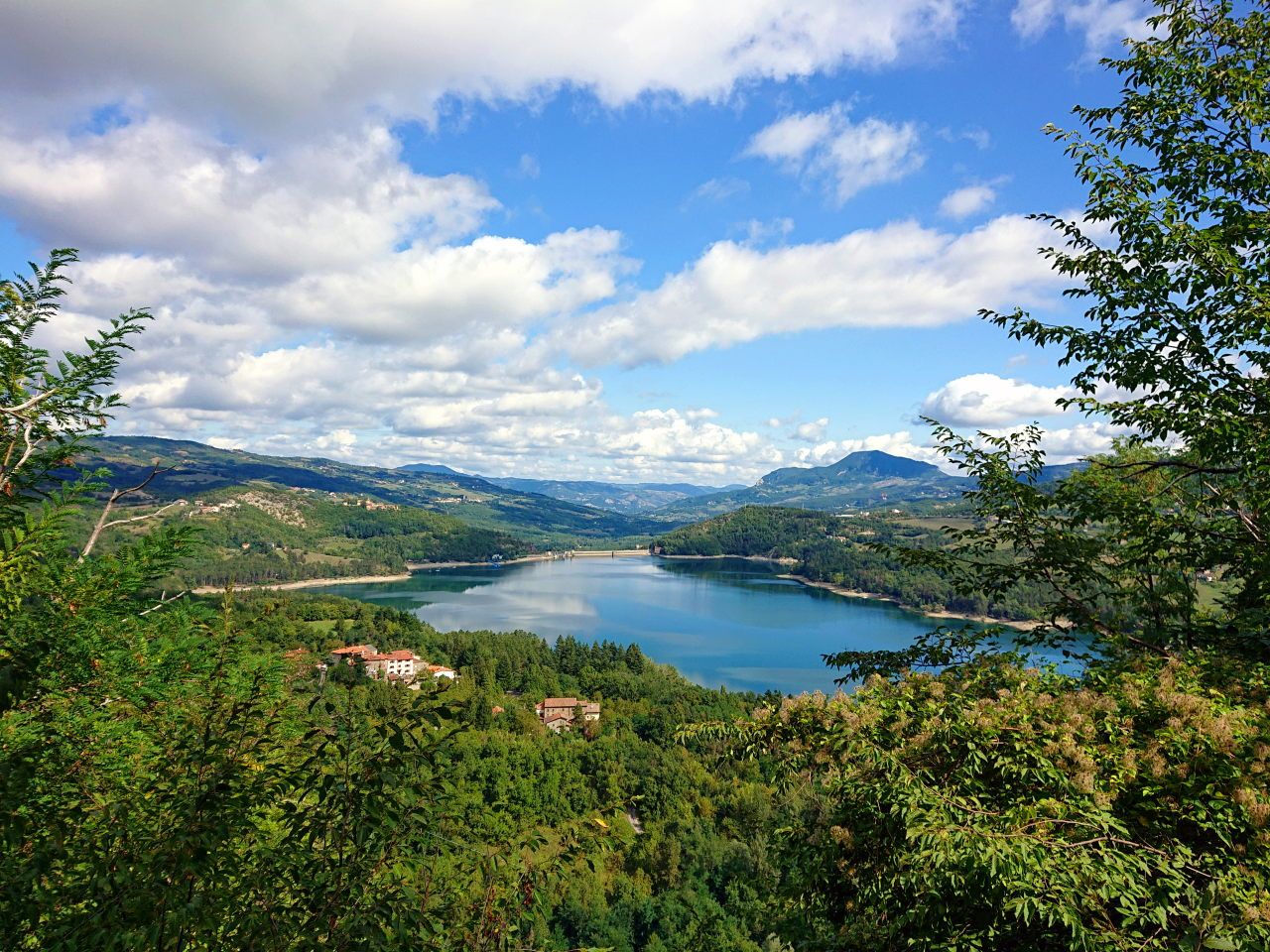
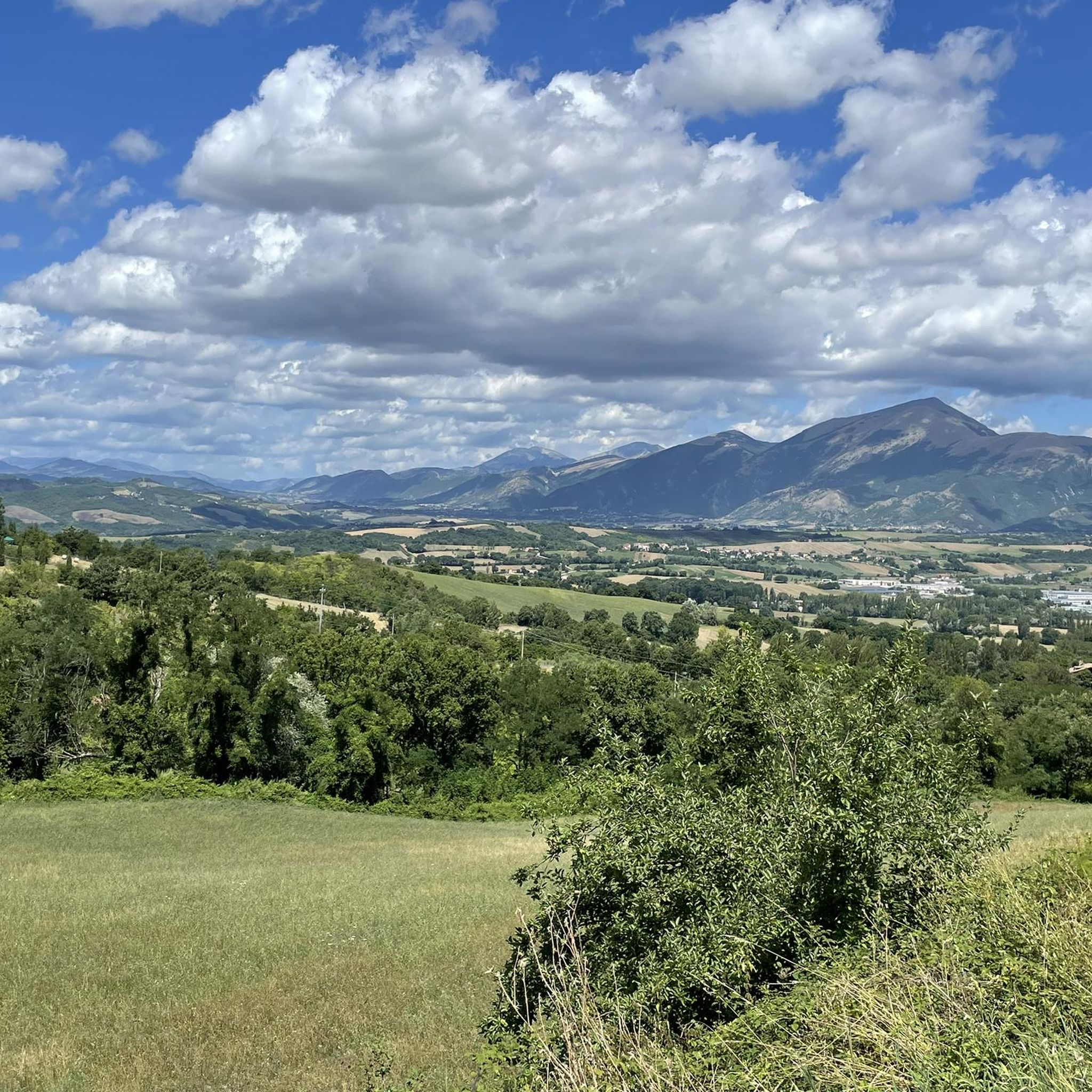
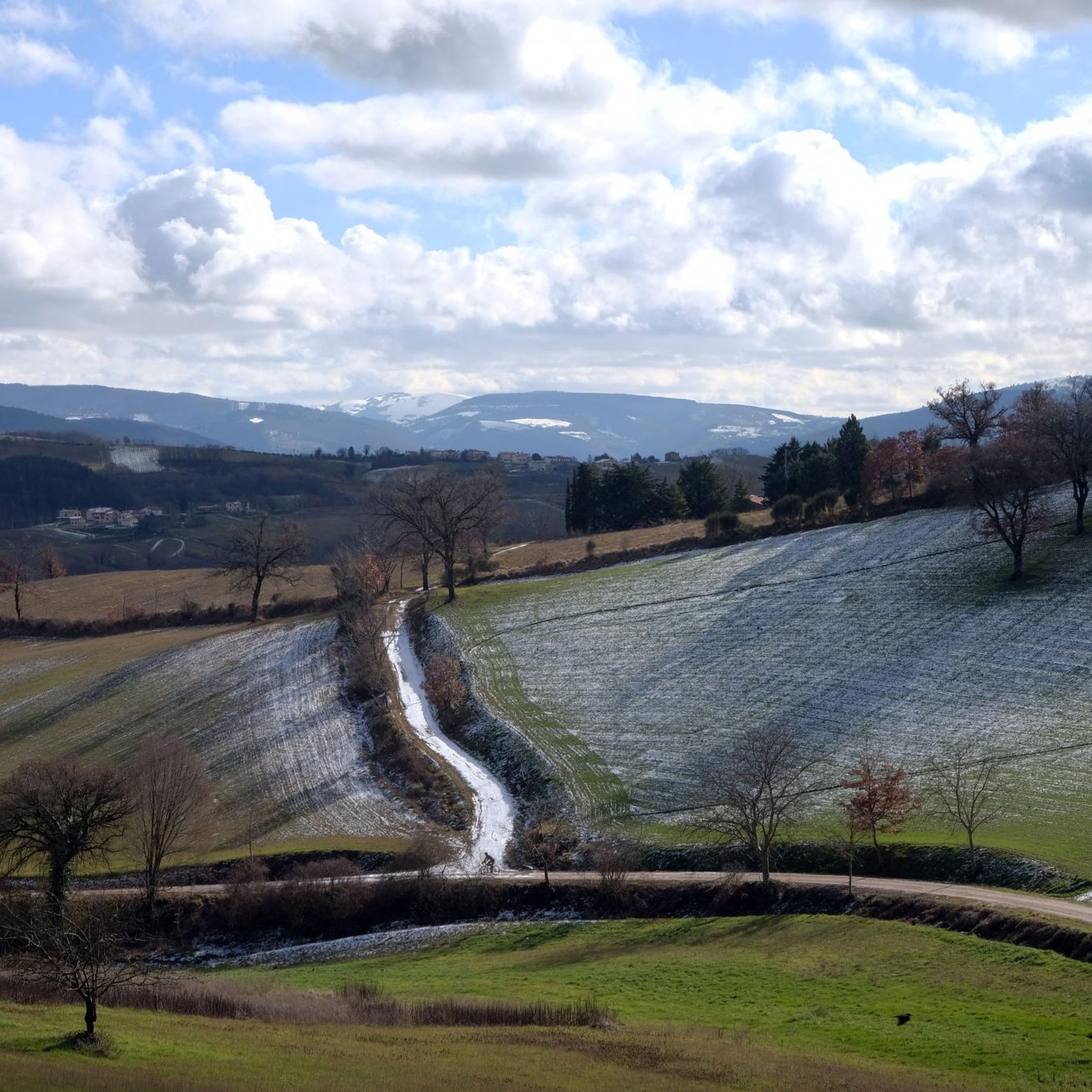
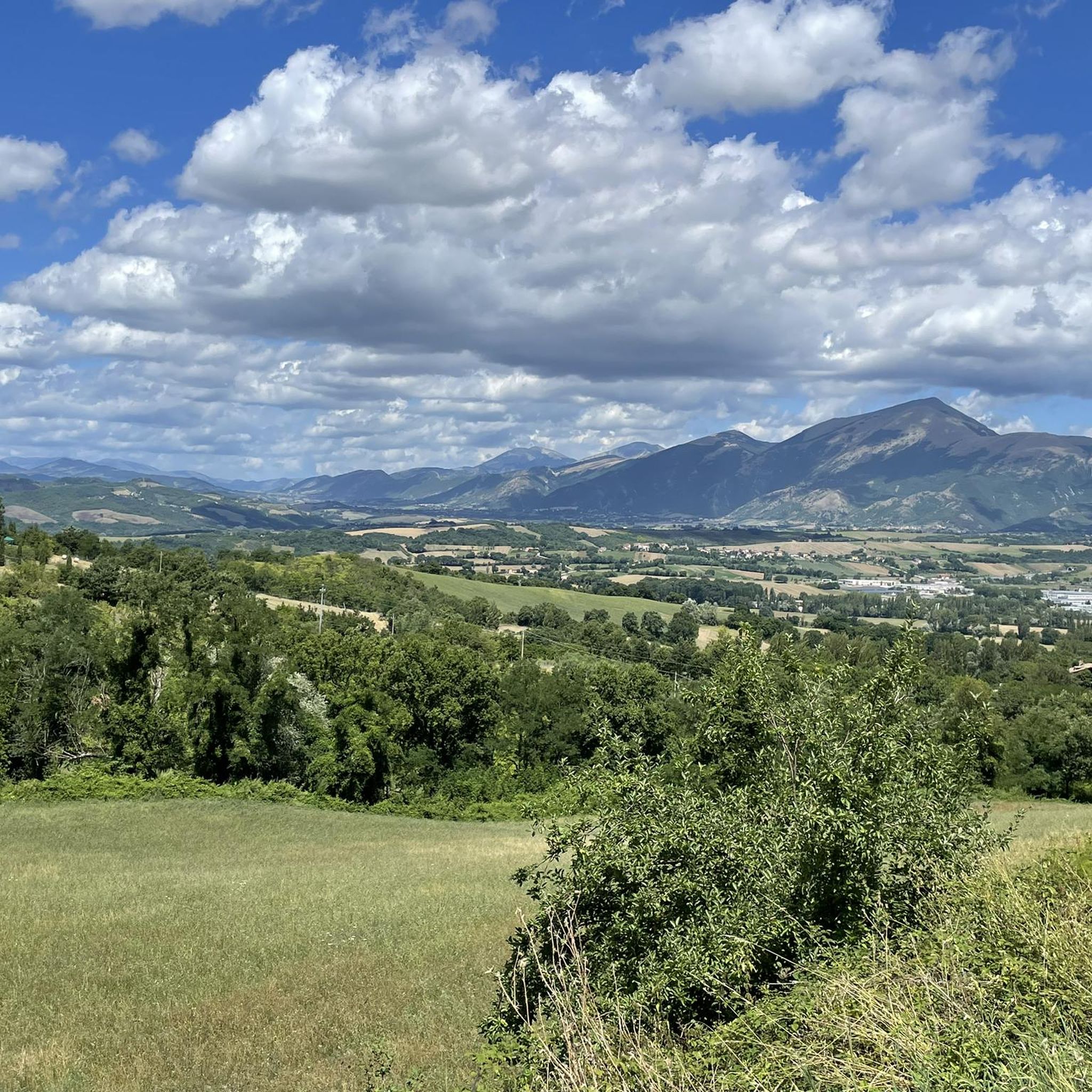
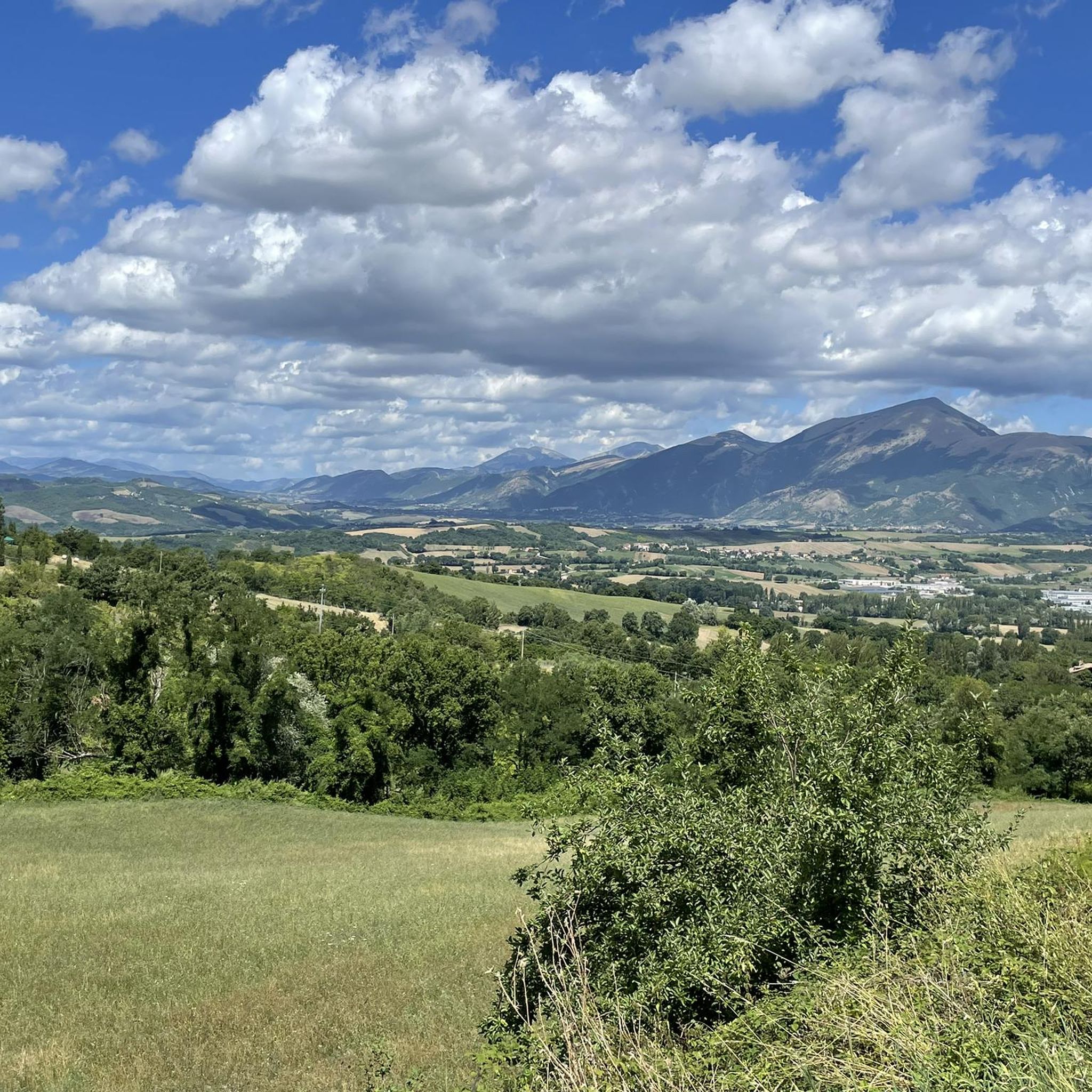
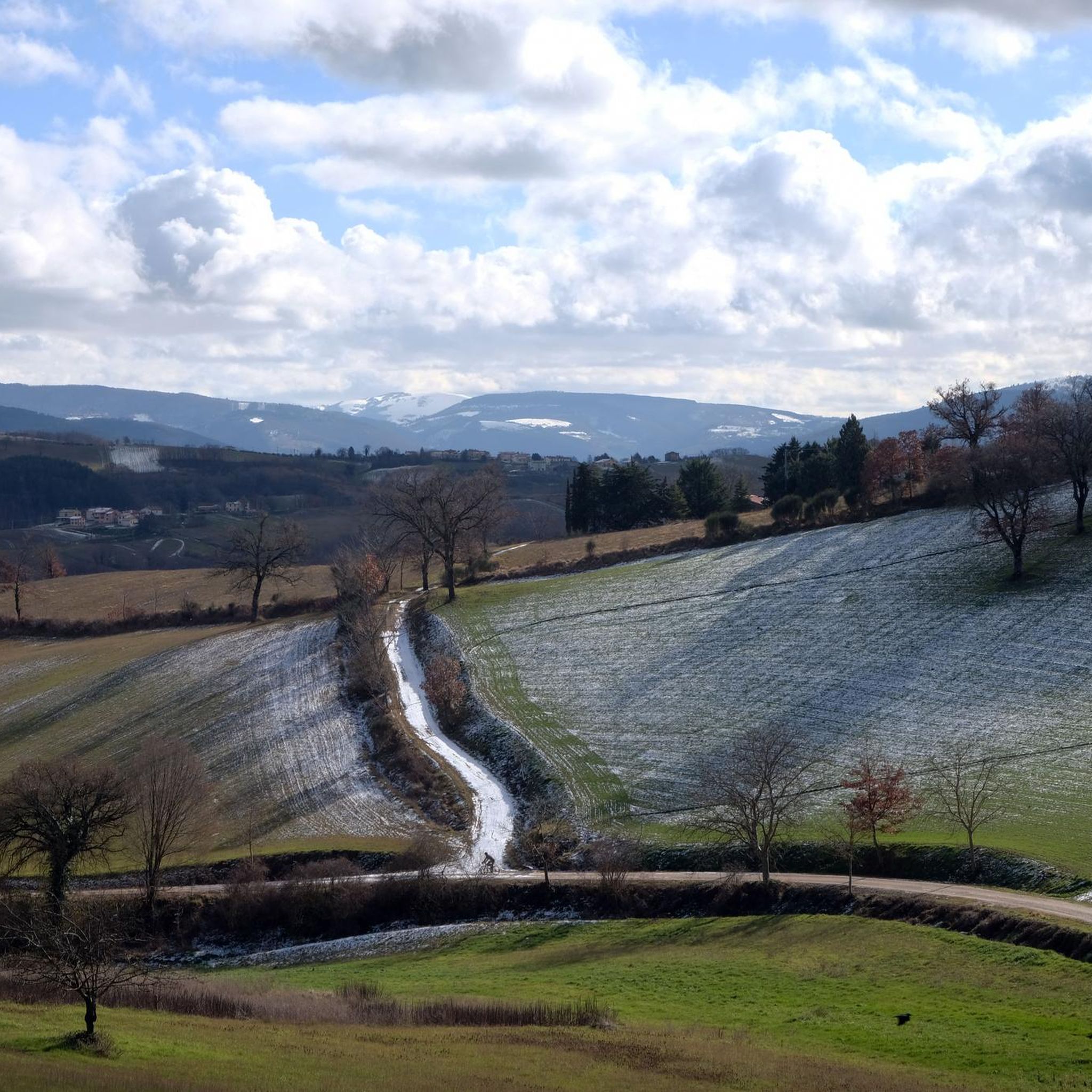
Gravel biking around Gualdo Tadino offers diverse terrain within the Umbrian Apennines, characterized by rolling hills, expansive forests, and olive groves. The region features a network of trails that traverse varied landscapes, including meadows and mountainous areas like Mount Penna and Mount Maggio. Numerous natural springs provide refreshment points along routes, adding to the area's natural features. This environment provides a suitable setting for gravel cyclists seeking both scenic exploration and physical challenge.
Best gravel bike trails around Gualdo Tadino
…Last updated: August 28, 2026
4.0
(1)
16
riders
79.9km
06:04
2,050m
2,050m
Hard gravel ride. Very good fitness required. Mostly paved surfaces. Suitable for all skill levels.
7
riders
105km
07:33
2,360m
2,360m
Hard gravel ride. Very good fitness required. Mostly paved surfaces. Suitable for all skill levels.

Sign up for free
3
riders
41.5km
02:47
740m
740m
Hard gravel ride. Very good fitness required. Mostly paved surfaces. Suitable for all skill levels.
5.0
(1)
3
riders
28.1km
02:16
880m
880m
Hard gravel ride. Very good fitness required. Mostly paved surfaces. Suitable for all skill levels.
2
riders
108km
07:47
2,580m
2,580m
Hard gravel ride. Very good fitness required. Mostly paved surfaces. Suitable for all skill levels.
Get access to more routes and recommendations from other explorers.
Sign up for free
Already have an account?
Our route recommendations are based on thousands of hikes, rides, and runs completed by other people on komoot.
Start today with a free account
Your next adventure awaits.
Login or Signup
Other adventures around Gualdo Tadino

Tips from the Community

The primitive building, dwelling of the remains of the Holy martyr, according to tradition dates back to the 8th century; in 1029 Bishop Ugone decided to enlarge the construction, conferring upon it the title of cathedral
2
0

The Oratory of San Francesco Piccolino is a small, intimate place of worship located in the historic center of Assisi, a short distance from the Chiesa Nuova. Tradition identifies this space as the birthplace of Saint Francis, within the paternal home of the Bernardone family. The oratory retains a simple and sober atmosphere, reminiscent of the domestic setting of medieval Assisi, and is enriched by devotional frescoes painted in later periods. Despite its small size, the Oratory of San Francesco Piccolino has a strong symbolic value, as it represents the most intimate and original point in the saint's human and spiritual journey.
0
0
The New Church of Assisi stands on the site traditionally identified as the birthplace of Saint Francis, which belonged to the family of Pietro di Bernardone. The current building was constructed in 1615, by order of the Franciscan community and with the support of King Philip III of Spain, incorporating the medieval structures of the original residence. Inside the church, beneath the high altar, the domestic space considered to be the birthplace of Saint Francis is preserved, transformed into an oratory and place of devotion. The New Church therefore represents a site of great historical and spiritual value, as it directly links the figure of the saint to his family origins and to the daily life of medieval Assisi.
0
0

Sigillo is a small Umbrian village at the foot of Mount Cucco. In June, you can witness the characteristic Infiortata, an event in which local artists (and others) create magnificent paintings with flower petals along the village streets.
0
0

of the ancient Roman temple only the six-column façade remains. The church is the seat of the TOR, Third Regular Order of Saint Francis
2
0

From the Fabriano factory to the village there is a leg-breaking but fun climb
0
0

The baroque basilica is located on the town hall square.
2
0

Towering over Assisi is the mighty "Rocca Maggiore", the "great castle", once a symbol of imperial power over the (quite self-confident) city (and correspondingly unpopular with the citizens).
0
0
Frequently Asked Questions
How many gravel bike trails are available around Gualdo Tadino?
There are 5 dedicated gravel bike trails documented around Gualdo Tadino, all offering challenging terrain within the Umbrian Apennines. These routes are designed to provide a significant physical challenge while showcasing the region's natural beauty.
What kind of terrain can I expect on gravel bike trails in Gualdo Tadino?
Gravel biking in Gualdo Tadino features diverse terrain, from rolling hills and expansive forests to mountainous areas like Mount Penna and Mount Maggio. You'll encounter a mix of dirt tracks and 'strade bianche' (white roads) winding through olive groves and vineyards, characteristic of the Umbrian landscape. The Gualdo Tadino Trans Bike (GTTB) is a notable ring route that utilizes mule tracks and low-traffic secondary roads, specifically designed for gravel and mountain bikes.
Are there any challenging gravel bike routes for experienced riders?
Yes, all the documented gravel routes in Gualdo Tadino are rated as difficult, catering to experienced riders seeking a significant challenge. For instance, the Valle Toiano – Path to Daini loop from Casacastalda is a demanding 106 km route with over 2500 meters of elevation gain, offering extensive climbs and descents through varied landscapes.
What are some scenic viewpoints or natural attractions along the gravel trails?
The region is rich in natural beauty. Routes often pass through green woods, pine forests, and meadows that bloom with wild orchids. Prominent mountains like Mount Penna, Mount Nero, Mount Maggio, and Mount Serrasanta offer breathtaking panoramic views, sometimes extending to the Adriatic Sea. The Valsorda area on Mount Serra Santa is particularly noted for its suggestive panorama and two small karst lakes. You might also encounter cool, crystal-clear springs such as Rocchetta, Santo Marzio, and Capodacqua, which make for refreshing stops.
Are there any circular gravel bike routes available?
Yes, many of the gravel bike trails around Gualdo Tadino are designed as loops. An example is the Val di Ranco – Silvestrini Memorial loop from Val di Ranco, which covers approximately 48 km through Apennine foothills and forests. Another option is the Pian delle Macinare – Costacciaro loop from Rio Verde, a 28 km route with significant elevation.
What cultural or historical sites can I explore while gravel biking?
Gravel biking routes in this region often integrate cultural and historical elements. The Gualdo Tadino Trans Bike (GTTB) connects numerous medieval villages and towns like Nocera Umbra, Assisi, Fossato di Vico, and Sigillo. You can also find historical landmarks such as the Rocca Flea, a medieval fortress, and ancient hermitages along various trails. Consider exploring highlights like Biscina Castle or the charming settlement of Nocera Umbra.
What is the best season for gravel biking in Gualdo Tadino?
Spring and early summer are particularly beautiful, with meadows bursting with wild orchids, lilies, and daffodils. The region's diverse landscapes are enjoyable throughout much of the year, but checking local weather conditions is always advisable, especially for higher elevations in the Apennines.
Are there any routes that pass by natural springs for water refills?
Yes, the region is abundant with cool, crystal-clear springs. Well-known springs like Rocchetta, Santo Marzio, Capodacqua, Vaccara, and Palazzo Mancinelli are often found along routes, providing natural refreshment points for cyclists. The Acqua Fredda Spring is one such highlight you might encounter.
What do other gravel bikers enjoy most about gravel biking in Gualdo Tadino?
The area is highly rated by the komoot community, with an average score of 5.0 stars. Reviewers often praise the diverse terrain, the challenging climbs, and the stunning panoramic views across the Apennine ridge. The integration of natural springs and historical sites also adds to the unique experience.
Can I find routes that offer views of significant mountain peaks?
Absolutely. The Umbrian Apennines provide a dramatic backdrop for many rides. Routes often offer views of prominent mountains such as Mount Penna, Mount Nero, Mount Maggio, and Mount Serrasanta. You can also find highlights like Monte Giuoco del Pallone (1,228 m) and Mount Cafaggio Summit, providing excellent vantage points.
Is there a route that explores the area around Serrasanta?
Yes, the Serrasanta Hermitage – Nocera Umbra loop from Nocera Umbra is a challenging 58 km route that takes you through the area, including the Serrasanta Hermitage. This route offers significant elevation gain and showcases the mountainous terrain and cultural points of interest in that part of the region.
Most popular routes around Gualdo Tadino
Most popular attractions around Gualdo Tadino

Get inspired with the komoot mobile app


Explore more
Browse the best Gravel rides in other regions.
