The best gravel rides in Fosso Di Camposolo
4.4
(19)
232
riders
11
rides
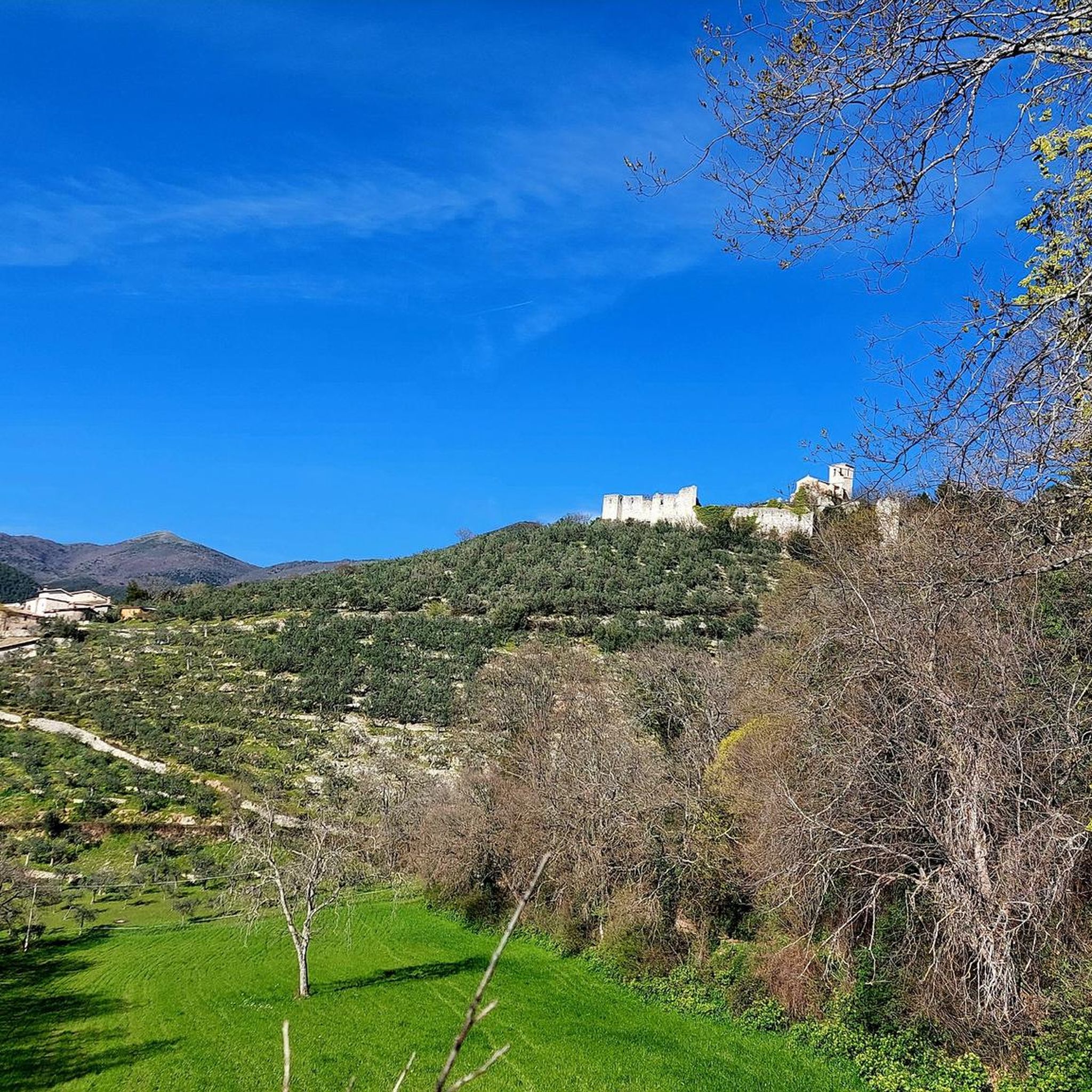
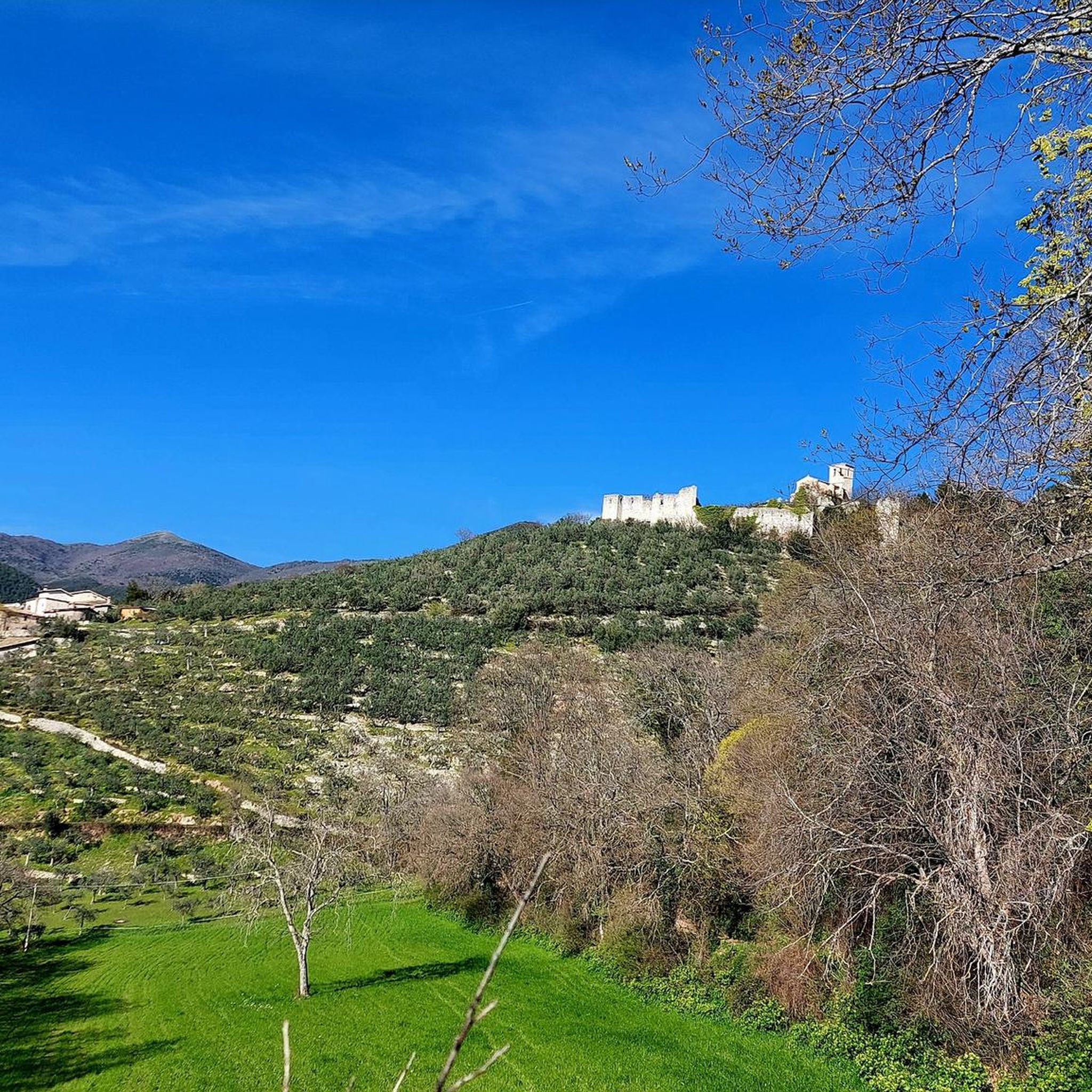
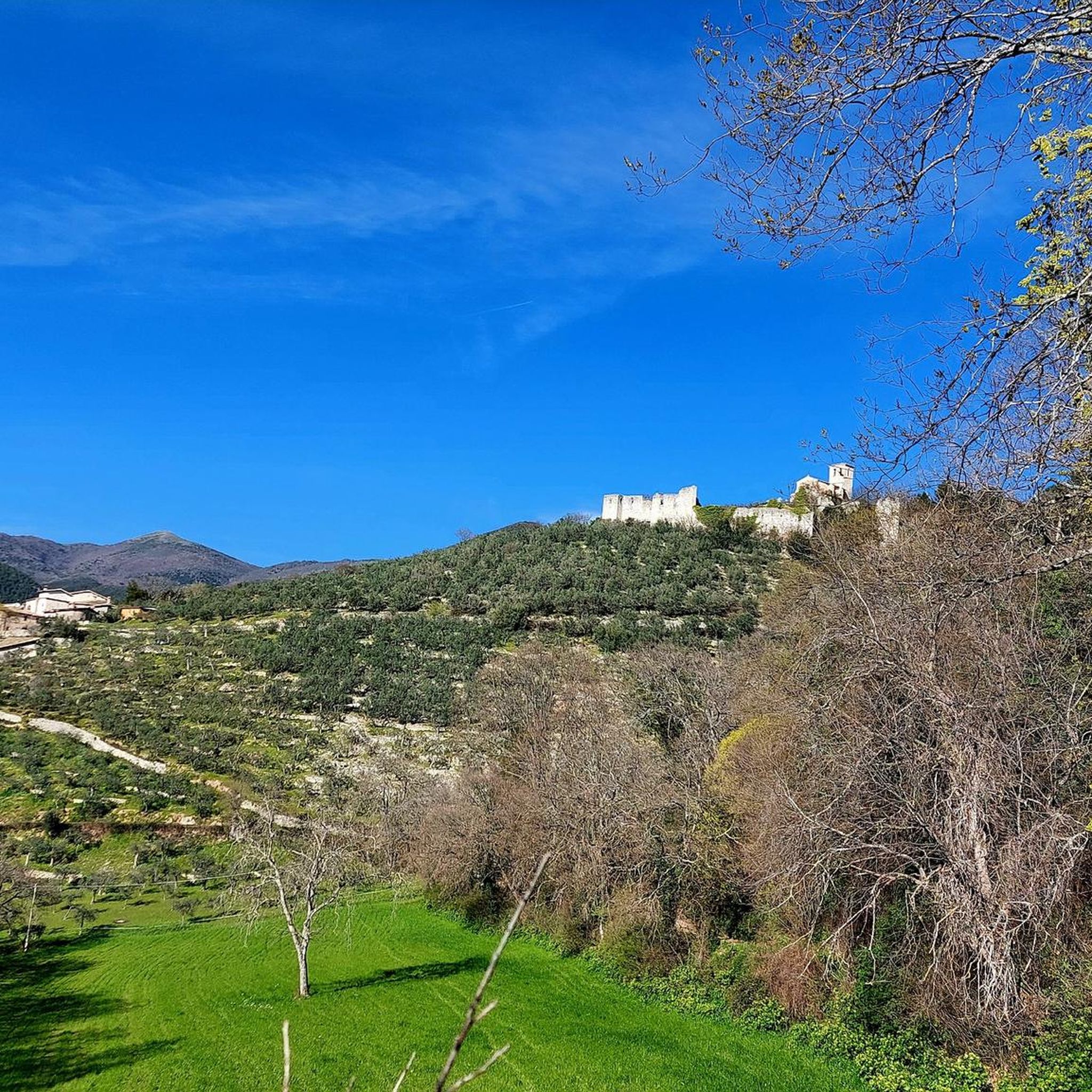
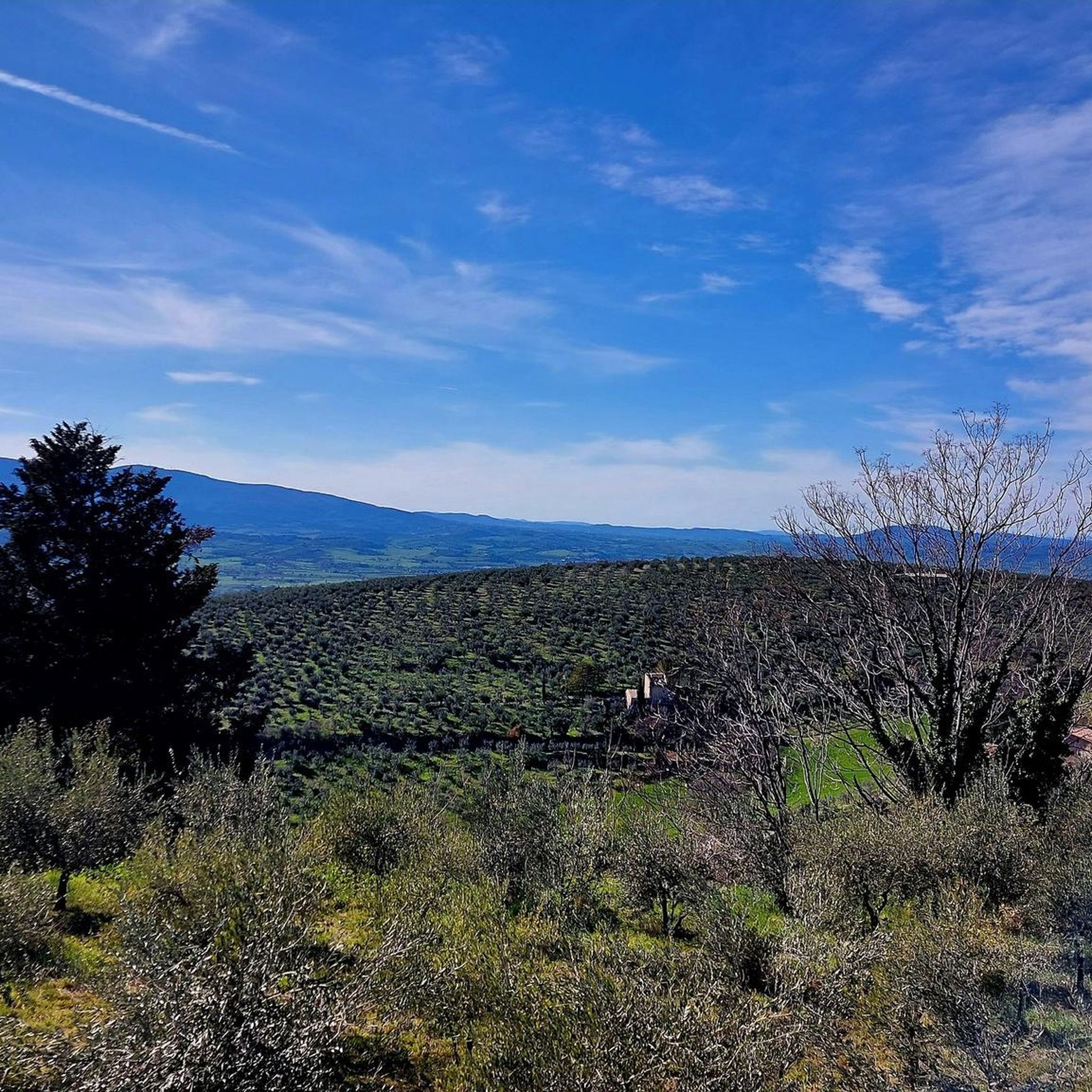
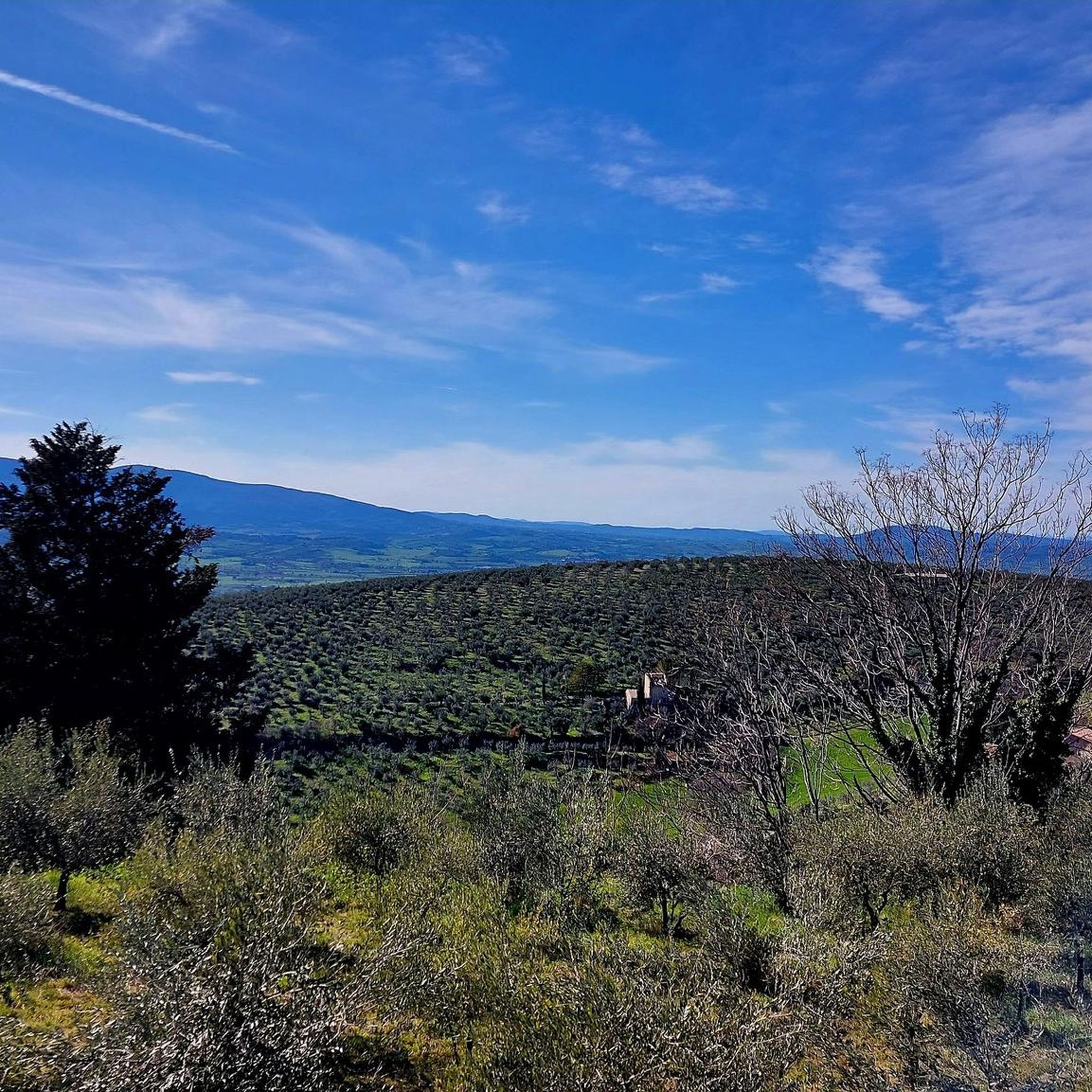
Gravel biking in Fosso Di Camposolo, located in the Province of Perugia, Italy, offers diverse landscapes and natural features. The region is characterized by a mix of paved and unpaved surfaces, including dirt roads and secondary routes that traverse green hills and river valleys. Cyclists can expect varied terrain with significant elevation changes, providing both challenging climbs and serene sections along waterways. This area is recognized for its ecological importance and preserved natural environment, making it suitable for exploring on…
Last updated: July 4, 2026
4.8
(13)
138
riders
Hard gravel ride. Very good fitness required. Mostly paved surfaces. Suitable for all skill levels.
5.0
(1)
46
riders
80.0km
05:39
1,720m
1,720m
Hard gravel ride. Very good fitness required. Mostly paved surfaces. Suitable for all skill levels.

Sign up for free
2
riders
135km
08:51
1,960m
1,960m
Hard gravel ride. Very good fitness required. You may need to push your bike for some segments of this route.
4.0
(2)
15
riders
Moderate gravel ride. Good fitness required. Mostly paved surfaces. Suitable for all skill levels.
5.0
(3)
12
riders
28.9km
01:50
480m
480m
Hard gravel ride. Very good fitness required. Mostly paved surfaces. Suitable for all skill levels.
Get access to more routes and recommendations from other explorers.
Sign up for free
Already have an account?
Our route recommendations are based on thousands of hikes, rides, and runs completed by other people on komoot.
Start today with a free account
Your next adventure awaits.
Login or Signup
Tips from the Community

The historic center of Bevagna is unmissable for the historic buildings it contains. But what makes the difference is the medieval atmosphere that you can breathe.
0
0

The former tunnel is very long and completely dark. Bring a flashlight and a sweatshirt. Some bats sleep inside.
1
0


Bevagna / Region – Umbria / Province – Perugia (PG) The town, surrounded by a city wall with towers and gates, has an intact medieval structure (12th-13th centuries). In the upper part of the town, numerous Roman remains can still be seen: the ruins of a temple, the theater, and a thermal bath complex, of which a frigidarium with a magnificent black and white floor mosaic depicting marine figures from the 2nd century AD survives. The medieval town structure, with its squares and noble houses, developed over the Romanesque foundations: The magnificent Piazza Silvestri is home to the Palazzo dei Consoli (1270), which houses the Torti Theater, the Romanesque churches of San Silvestro and San Michele Arcangelo, both from the late 12th century, and the church of San Domenico e Giacomo (1291). Worth seeing is the Palazzo Comunale (late 18th century), which houses the historical archives, the library, and the art gallery. The Baroque churches of the Monastery of Santa Margherita and San Filippo are also very interesting. At the highest point in the town stands the Church of San Francesco (late 13th century). Next to the altar, one can see the stone on which St. Francis knelt when he preached to the flock of birds at Pian d'Arca. The 18th-century Palazzo Lepri houses the Museum of Bevagna, with works that tell the story of the town from pre-Roman times to the 18th century: archaeological finds from the ancient city of Mevania, medieval documents, and paintings by Dono Doni, Fantino, and Corrado Giaquinto. In the surrounding area, the Sanctuary of Madonna delle Grazie (late 16th century), the Sanctuary of Madonna della Valle, and the Monastery of Annunziata (11th century), formerly a defensive castle, rise up against the hillsides. Text / Source: Umbria Tourism.it contatti@umbriatourism.it https://www.umbriatourism.it/de/bevagna
14
1

Beautiful ride, between viaducts with breathtaking views and truly suggestive tunnels... to do at least once... also suitable for small bikers
0
0


Gallery "closed" for works, but not physically closed. Complete lack of light inside
0
0

This station served the municipalities of Sant'Anatolia di Narco and Scheggino along the famous narrow-gauge railway that connected Spoleto to Norcia. Today the tracks have been replaced by a cycle path perfect for those who want to go off-road, which has made these places very bike-friendly.
0
0
Frequently Asked Questions
What kind of terrain can I expect on gravel bike trails in Fosso Di Camposolo?
Fosso Di Camposolo offers a diverse mix of terrain, ideal for gravel biking. You'll encounter both paved and unpaved surfaces, including dirt roads and secondary routes that wind through green hills and river valleys. Expect varied conditions with significant elevation changes, providing both challenging climbs and serene sections along waterways.
Are there gravel routes suitable for beginners in Fosso Di Camposolo?
While many routes in Fosso Di Camposolo are rated as difficult due to significant elevation, there is at least one moderate option available. The Passo Stretto Tunnel – Spoleto-Norcia Cycle Path loop from Vallo di Nera is a moderate 23.6 km trail that follows a section of the historic Spoleto-Norcia Railway Trail, offering a less strenuous experience.
What are some of the longer, more challenging gravel bike routes in the area?
For experienced gravel bikers seeking a challenge, the Scheggino – Caprareccia Railway Bridge loop from Sant'Anatolia di Narco is a difficult 80.1 km trail with over 1700 meters of elevation gain, typically taking around 5 hours 41 minutes to complete. Another demanding option is the Castel San Felice loop from Sant'Anatolia di Narco, which covers 49.3 km with over 1400 meters of climbing.
Are there any circular gravel bike routes in Fosso Di Camposolo?
Yes, several gravel bike routes in Fosso Di Camposolo are designed as loops, allowing you to start and finish in the same location. Examples include the Passo Stretto Tunnel – Spoleto-Norcia Cycle Path loop from Vallo di Nera, the Caprareccia Railway Bridge – Caprareccia Station loop from Sant'Anatolia di Narco, and the Scheggino – Caprareccia Railway Bridge loop from Sant'Anatolia di Narco.
What historical or natural attractions can I see along the gravel routes?
The region around Fosso Di Camposolo is rich in historical and natural points of interest. You can explore cultural landmarks such as the Eremo di Sant'Antonio, the Vallo di Nera Historic Village, and the Abbey of Saints Felix and Maurus. Some routes, like the Caprareccia Railway Bridge – Caprareccia Station loop from Sant'Anatolia di Narco, feature notable structures like the Caprareccia Railway Bridge. The area also offers panoramic views, such as those from Monti Serano - Brunette Summit, and unique geological formations like the Fosso Cupo chasm.
What do other gravel bikers say about the trails in Fosso Di Camposolo?
The gravel biking routes in Fosso Di Camposolo are highly regarded by the komoot community, holding an average rating of 4.3 stars from over 20 reviews. Over 200 gravel bikers have used komoot to explore the varied terrain, often praising the diverse landscapes, from river valleys to hilly sections, and the mix of paved and unpaved surfaces that make for an engaging ride.
Is Fosso Di Camposolo suitable for family-friendly gravel biking?
Given the prevalence of difficult routes with significant elevation changes, many of the gravel trails in Fosso Di Camposolo are better suited for experienced riders. However, the Passo Stretto Tunnel – Spoleto-Norcia Cycle Path loop from Vallo di Nera, a moderate 23.6 km route, might be an option for families with older, more experienced children who are comfortable with some climbing.
What is the best time of year for gravel biking in Fosso Di Camposolo?
While specific seasonal data isn't available, regions with diverse terrain like Fosso Di Camposolo generally offer pleasant gravel biking conditions during spring and autumn. These seasons typically provide milder temperatures and vibrant natural scenery. Summer can be warm, and winter might bring colder temperatures or challenging conditions on unpaved sections.
Are there any routes that feature railway bridges or tunnels?
Yes, the region's history is reflected in some of its gravel routes. The Passo Stretto Tunnel – Spoleto-Norcia Cycle Path loop from Vallo di Nera utilizes a section of the historic Spoleto-Norcia Railway Trail. Additionally, the Caprareccia Railway Bridge – Caprareccia Station loop from Sant'Anatolia di Narco prominently features the notable Caprareccia Railway Bridge.
How many gravel bike trails are available in Fosso Di Camposolo?
There are several gravel bike trails available in Fosso Di Camposolo, with a total of 8 routes documented on komoot. These range from moderate to difficult, offering options for various skill levels.
What kind of natural environment can I expect while gravel biking here?
Fosso Di Camposolo is recognized for its ecological importance and preserved natural environment. You can expect to ride through green hills, along river valleys, and experience a mix of wooded areas and open landscapes. The region's diverse terrain contributes to a rich natural experience.
Most popular routes in Fosso Di Camposolo

Get inspired with the komoot mobile app


Explore more
Browse the best Gravel rides in other regions.
