Nsg Hetter-Millinger Bruch
Nsg Hetter-Millinger Bruch
The best gravel rides in Nsg Hetter-Millinger Bruch
4.8
(27)
395
riders
22
rides
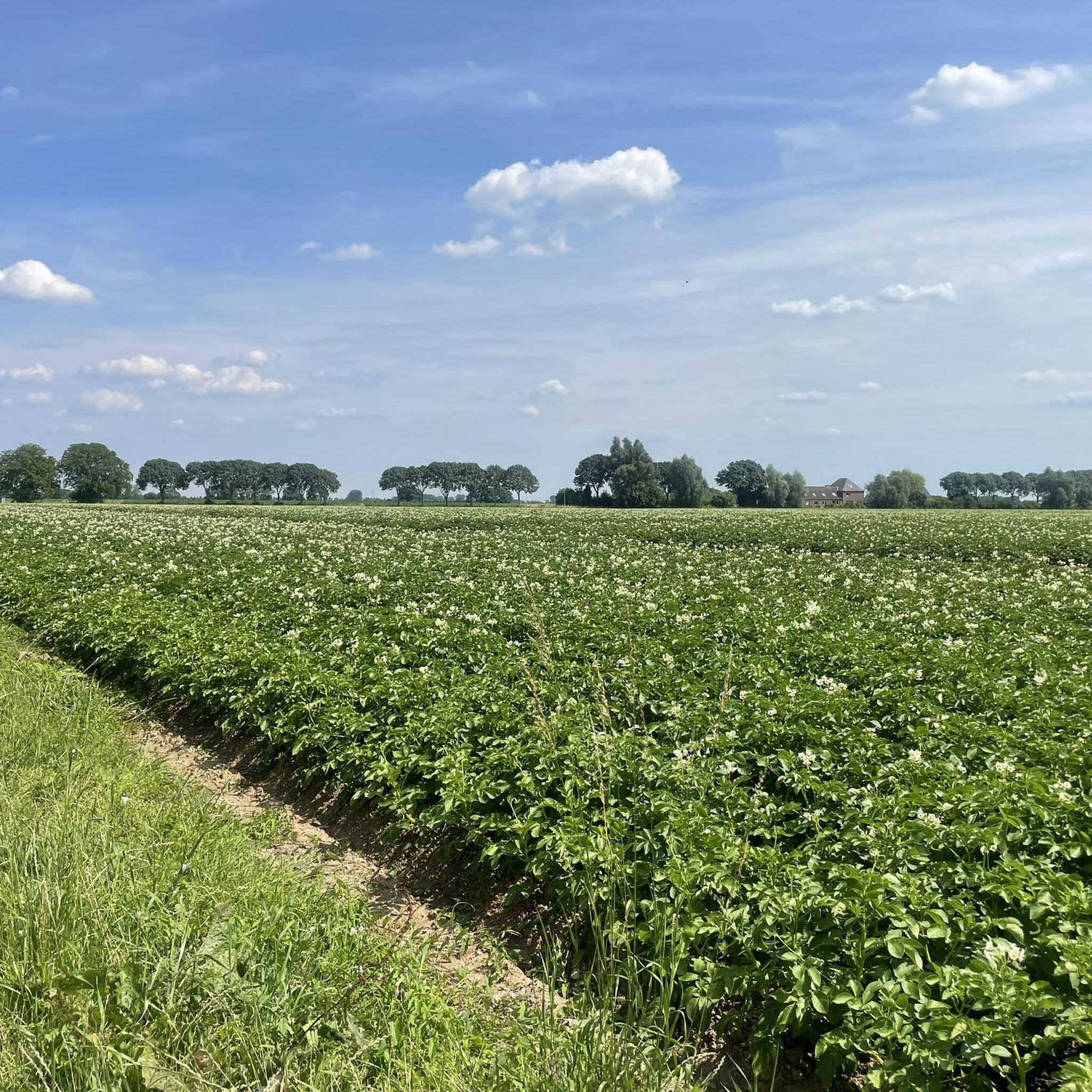
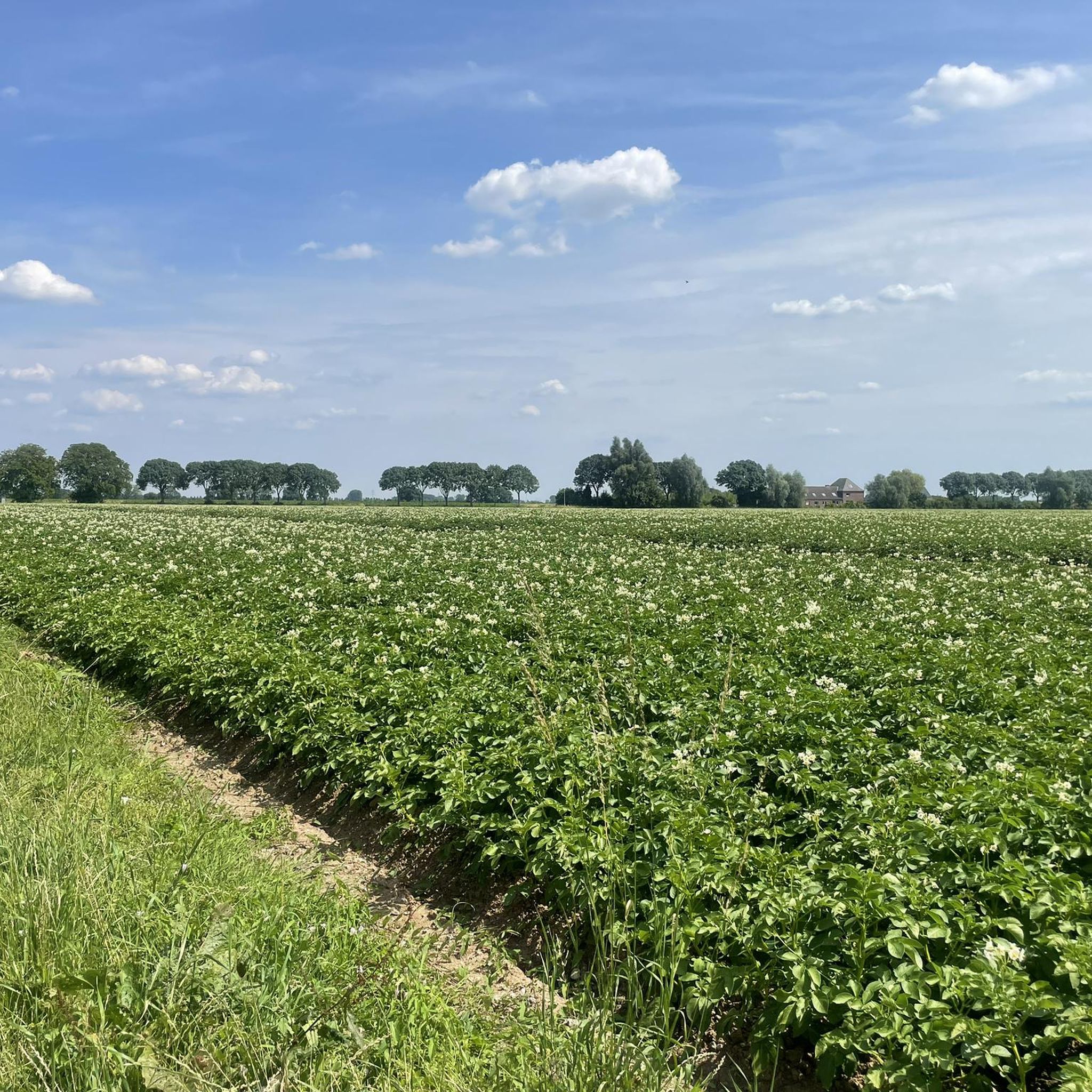
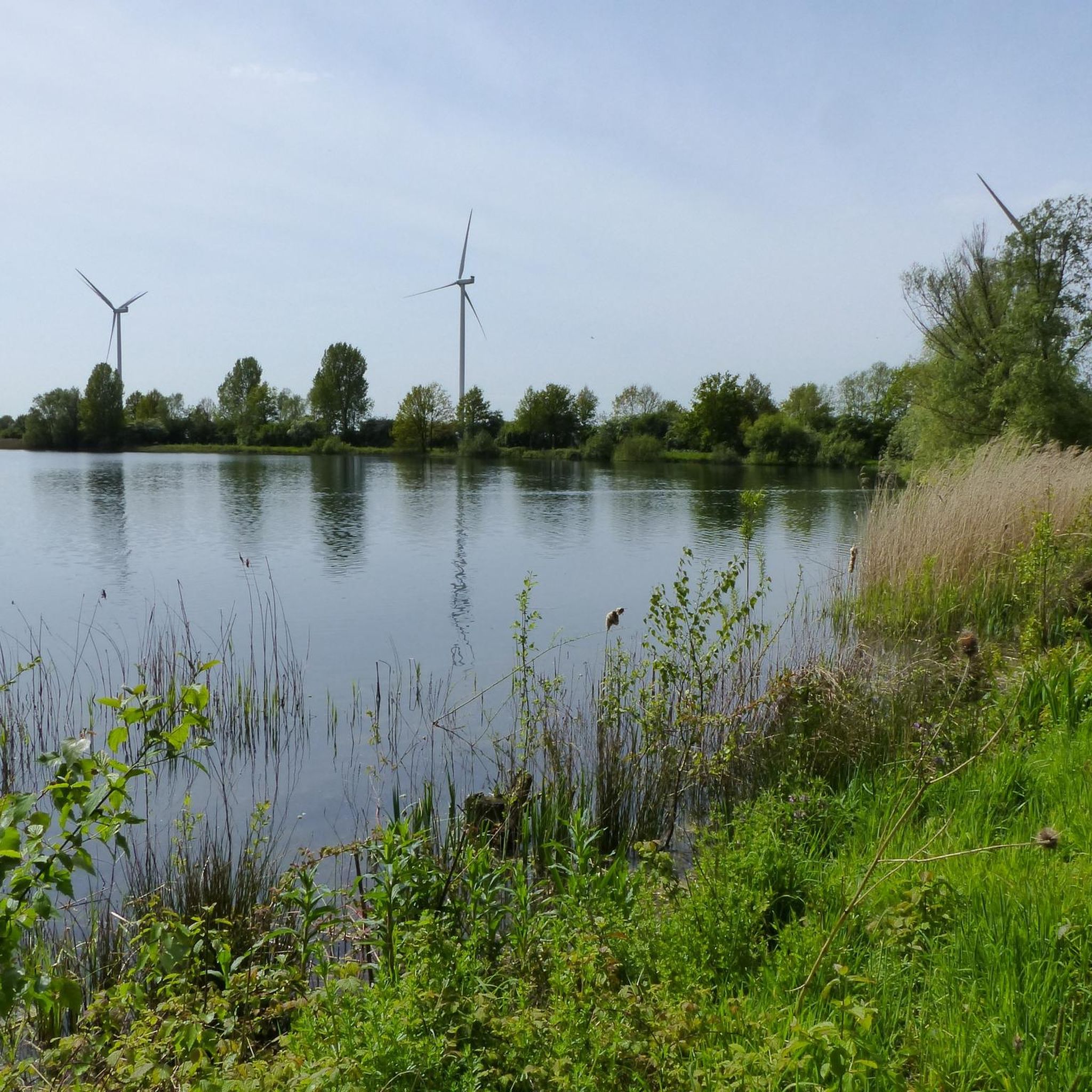
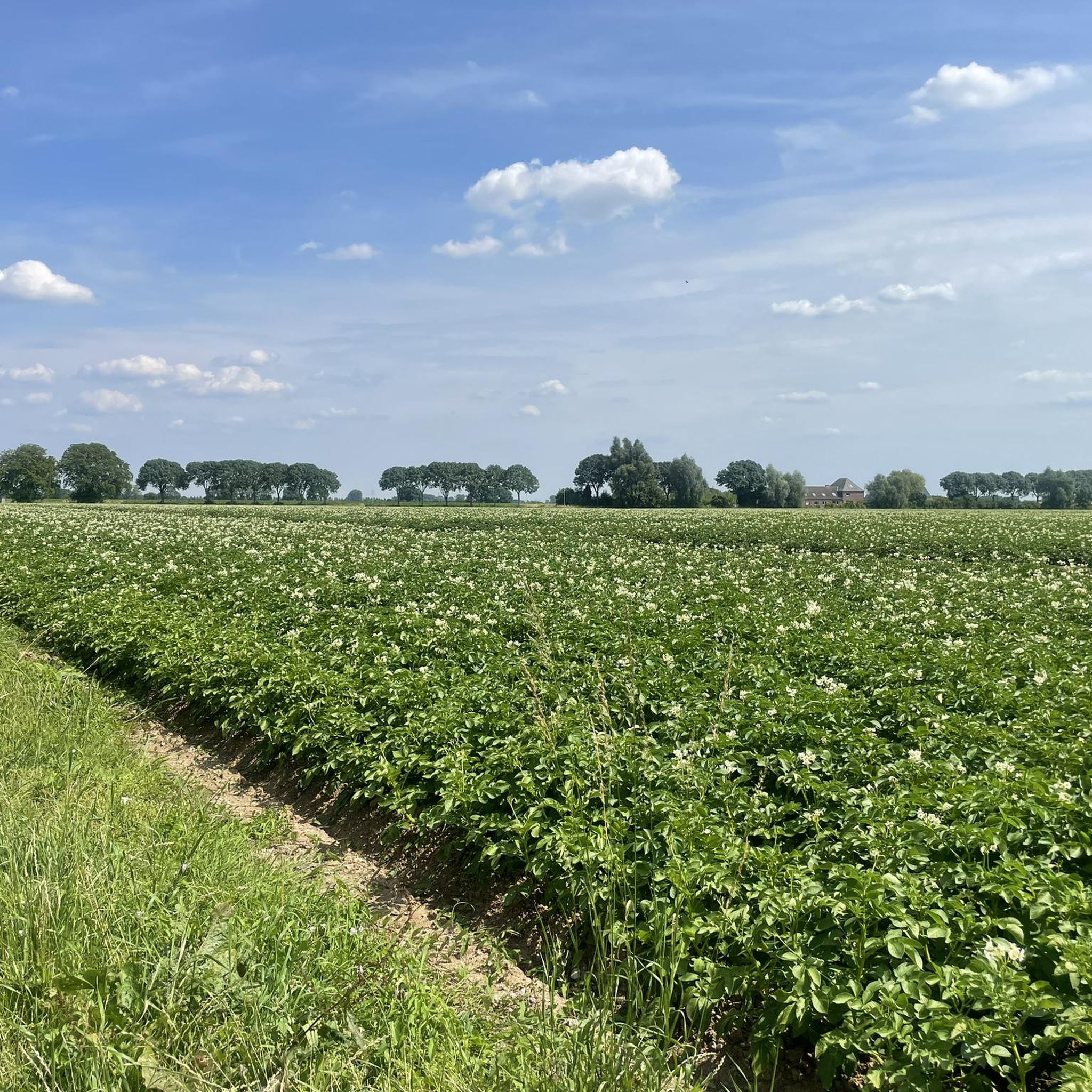
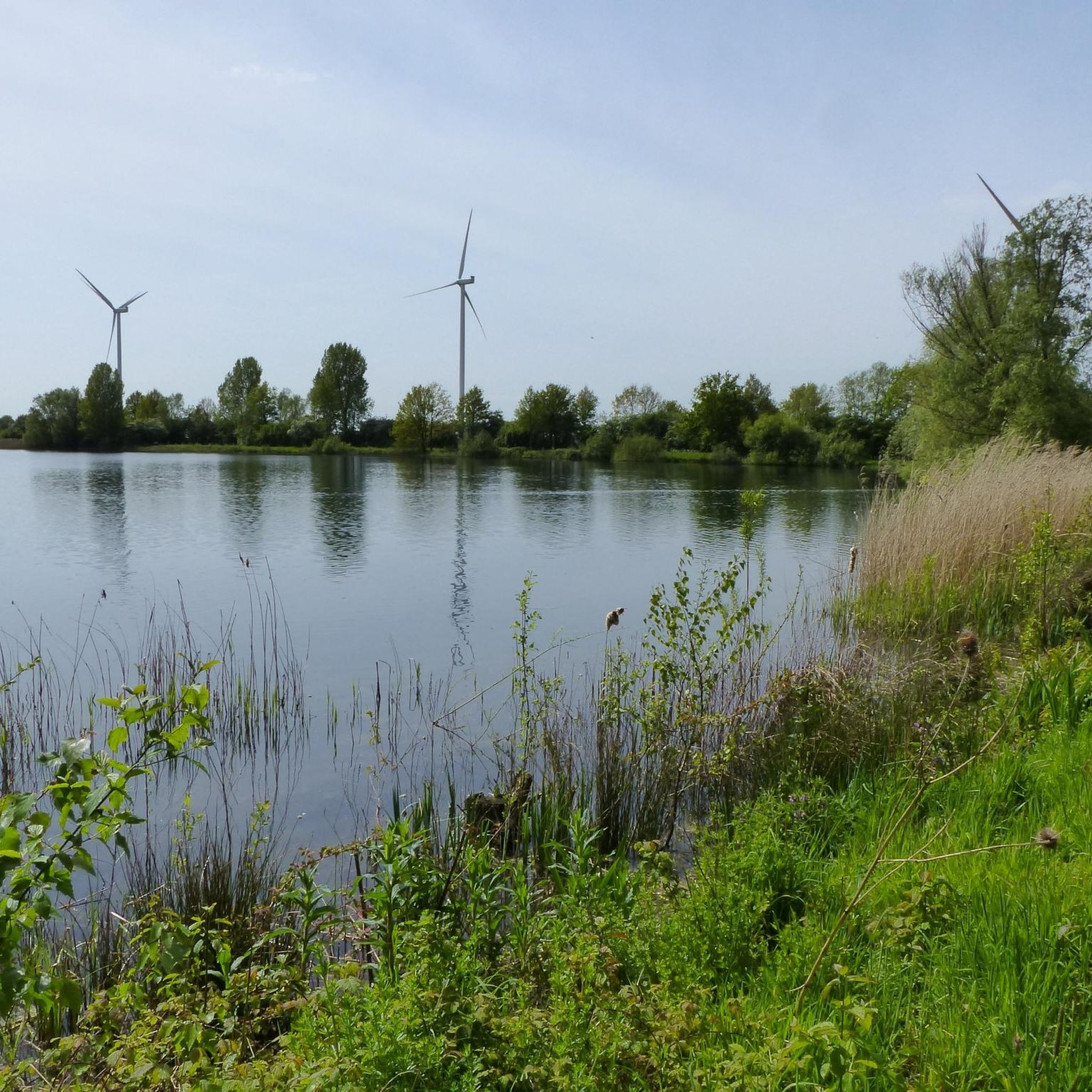
Gravel biking in Nsg Hetter-Millinger Bruch offers diverse routes across varied terrain. The region is characterized by an expansive meadow landscape with wet meadows and depressions, alongside a rich hedgerow landscape featuring numerous pollarded willows. Its relatively secluded position ensures a peaceful natural experience, with extensive unpaved paths and dirt roads ideal for gravel riding. The area also encompasses historical "Landwehren" and former river marshlands, adding a cultural dimension to the routes.
Best gravel bike trails in Nsg Hetter-Millinger Bruch
…Last updated: May 22, 2026
5.0
(2)
14
riders
42.6km
02:22
40m
40m
Moderate gravel ride. Good fitness required. Mostly paved surfaces. Suitable for all skill levels.
5.0
(1)
15
riders
30.1km
01:30
30m
30m
Hard gravel ride. Great for any fitness level. You may need to push your bike for some segments of this route.

Sign up for free
5.0
(1)
23
riders
67.1km
03:55
220m
220m
Moderate gravel ride. Good fitness required. Mostly paved surfaces. Suitable for all skill levels.
10
riders
53.5km
03:18
150m
150m
Hard gravel ride. Good fitness required. You may need to push your bike for some segments of this route.
10
riders
Moderate gravel ride. Good fitness required. Mostly paved surfaces. Suitable for all skill levels.
Get access to more routes and recommendations from other explorers.
Sign up for free
Already have an account?
Our route recommendations are based on thousands of hikes, rides, and runs completed by other people on komoot.
Start today with a free account
Your next adventure awaits.
Login or Signup
Tips from the Community

It is likely that Saint Martin or one of his successors had a church built in this area. The present late Gothic church building dates from the period 1300 to 1350. Oud-Zevenaar was once a place of pilgrimage. Many miracles are said to have occurred at the statue of Our Lady of Sorrows, which was placed in the church in 1440 and stolen in 1975. A replica is now in the church. The stained-glass windows, depicting the Seven Sorrows of Mary, were created in 1931 by the stained-glass artist Joep Nicolas. Next to the main entrance is a stone indicating a height of 15.25 cm above sea level (NAP).
0
0

VOORST GRAIN MILL In 1866, Willem Stapelbroek had a grain mill built near his farm, "Klein Immink." His son, Bernard, was the first miller. In 1899, Johannes Hermanus (Jannus) van Hal took over the mill and married Stapelbroek's heiress that same year. The mill was severely damaged in the war in 1945 and subsequently shut down. Milling continued in the adjacent barn using electrically powered millstones. After the now dilapidated mill was further damaged by a lightning strike in the 1950s, the cap and sails were removed for safety reasons. Following the establishment of the "Grain Mill Voorst" Foundation in 1999, the first steps toward restoring the mill were taken. On November 27, 2010, the restored mill was officially reopened by Trees van Hal-Knaven and Bertus van Hal, the great-grandson of Willem Stapelbroek. (Source: Information sign at the mill; www.korenmolenvoorst.nl) RESTAURANT VAN HAL The Van Hal Restaurant in Voorst (Achterhoek) was founded in 1905 as a café by Jannes van Hal next to the grain mill built in 1866. The brand became famous for its "half chickens," introduced in the early 1950s by Riek and Frans van Hal, of which more than 1 million have now been sold. A large bronze rooster sculpture stands as a symbol next to the entrance.
4
0

Long, steady climb through the forest
0
0

The name Slangenburg has nothing to do with snakes, but with the Slingebeek stream that meanders through the landscape here. It was once called the "Slingeburcht," but over time, this was corrupted to Slangenburg. Thus, the estate bears the name of the stream that has been winding its way through here for centuries.
8
0


The church's origins date back to the 10th century. It was built as a simple wooden structure at the beginning of the 10th century northeast of the then existing castle complex. In 967, the castle was converted into a free-noble women's convent. The Elten women's convent developed into an imperial foundation and thus also became a secular dominion, or rather, an independent small state with a secular bailiff. The wooden church was replaced by a three-aisled basilica. In 970, it was consecrated to St. Salvator and St. Vitus, but three years later, only the latter was listed as the patron saint. North of the church, convent buildings with a cloister were built. The chronology is based on pottery, which is discussed in detail by Janssen. Some burials northeast of the church date from as early as the 10th/11th centuries.
11
0
A truly beautiful vantage point with a view toward Emmerich. There's a small hiking trail (around the church) leading here, but if there aren't many visitors, you can also ride or push your bike.
10
1

Love climbing and descending? You'll find this highlight in "Climbing in the Netherlands," our book with 14 road bike routes, covering over 11,000 meters of elevation gain: Limburg, Nijmegen, Twente, Veluwe, and many more. All routes have multiple distances/shortcuts. Get Komoot Premium for €5 a month + a 50% discount on Climbfinder Premium for €15 as a gift. Download the ebook for €14: https://bit.ly/klimmen-in-nederland
0
0
Frequently Asked Questions
How many gravel bike trails are available in Nsg Hetter-Millinger Bruch?
Nsg Hetter-Millinger Bruch offers over 30 gravel bike trails, catering to various skill levels. You'll find a good mix of easy, moderate, and challenging routes to explore.
What kind of terrain will I encounter on the gravel trails?
You'll experience a diverse mix of surfaces, including fine gravel paths, paved sections, and natural, sometimes root-covered trails. This varied terrain is what makes the area ideal for gravel biking, offering a blend of rugged beauty and scenic paths.
Are there gravel routes suitable for beginners or less experienced riders?
Yes, there are several options for beginners. The region offers 7 easy routes, perfect for those new to gravel biking or looking for a more relaxed ride. These trails allow you to enjoy the scenic landscape without overly challenging terrain.
What are some of the more challenging gravel routes in the area?
For experienced riders seeking a challenge, Nsg Hetter-Millinger Bruch features 11 difficult routes. One notable challenging route is the Bridge over the Oude IJssel – Beautiful cycle path loop from Millingen (bei Rees), which covers 47.5 miles (76.5 km) and includes significant elevation changes.
What landmarks or points of interest can I see along the gravel bike trails?
Many routes offer opportunities to see interesting landmarks. You might pass by historical sites like Slangenburg Castle, which is featured on the Small waterway along the Loordijk – Slangenburg Castle loop from Gendringen. Other routes may lead you past the scenic Emmerich Rhine Promenade or the historic Van Hal Windmill.
Are there circular gravel routes available?
Yes, many of the gravel trails in Nsg Hetter-Millinger Bruch are designed as loops, allowing you to start and end at the same point. For example, the Grafelijke Korenmolen Zeddam – Blick auf Oud Zeevenar loop from Emmerich is a popular circular route covering 40.8 miles (65.6 km).
What do other gravel bikers say about the trails in Nsg Hetter-Millinger Bruch?
The gravel biking experience in Nsg Hetter-Millinger Bruch is highly rated by the komoot community, with an average score of 4.7 stars from over 90 reviews. Riders often praise the diverse terrain, the rugged beauty of the landscape, and the well-maintained paths that offer a mix of fine gravel and paved sections.
Is Nsg Hetter-Millinger Bruch suitable for family gravel biking?
While the guide doesn't specifically list 'family-friendly' routes, the presence of 7 easy trails suggests there are options suitable for families or those looking for less strenuous rides. These routes typically feature gentler terrain and shorter distances.
Can I bring my dog on the gravel trails?
The nature reserve generally allows dogs, but it's crucial to keep them on a leash to protect wildlife and ensure the safety of other trail users. Always check local regulations for specific areas within the reserve before you go.
What is the best time of year for gravel biking in Nsg Hetter-Millinger Bruch?
The region is enjoyable for gravel biking throughout much of the year. Spring and autumn offer pleasant temperatures and beautiful scenery. Summer can also be great, especially along the Emmerich Rhine Promenade with its lively atmosphere. Always check local weather conditions before heading out.
Where can I find parking for gravel biking in Nsg Hetter-Millinger Bruch?
While specific parking locations aren't detailed in the guide, areas popular for outdoor activities like Emmerich am Rhein or Millingen (bei Rees), which serve as starting points for many routes, typically offer public parking facilities. Look for designated parking areas near trailheads or town centers.
Are there cafes or pubs near the gravel trails?
Yes, especially in nearby towns and villages. The Emmerich Rhine Promenade, for instance, is known for its restaurants and cafes, particularly on warm days. You can also find cafes and pubs in places like Millingen (bei Rees) or Emmerich, which are common starting points for tours.
How can I reach Nsg Hetter-Millinger Bruch using public transport with my bike?
Public transport options to the region may include regional trains or buses that allow bike transport. It's advisable to check the specific public transport provider's website (e.g., local train or bus companies) for their bike carriage policies, schedules, and any potential restrictions before planning your trip.
Most popular routes in Nsg Hetter-Millinger Bruch

Get inspired with the komoot mobile app


Explore more
Browse the best Gravel rides in other regions.
