The best gravel rides in Årtoft Plantage
26
riders
2
rides
Gravel biking in Årtoft Plantage offers routes through a 210-hectare forested area in Southern Denmark. The landscape features dense woodlands, much of which was reforested after 1999, providing a green and immersive natural setting. The terrain is relatively gentle, with an approximate elevation of 56 meters above sea level, making it accessible for various skill levels. Established trail systems within the plantage are suitable for gravel bikes, thriving on unpaved roads and forest tracks.
Best gravel bike trails in Årtoft…
Last updated: July 3, 2026
8
riders
81.2km
04:55
430m
430m
Hard gravel ride. Good fitness required. You may need to push your bike for some segments of this route.
3
riders
42.1km
02:15
150m
150m
Moderate gravel ride. Good fitness required. Mostly paved surfaces. Suitable for all skill levels.

Sign up for free
9
riders
34.8km
02:26
350m
350m
Moderate gravel ride. Good fitness required. Mostly paved surfaces. Suitable for all skill levels.
1
riders
35.8km
02:18
290m
290m
Moderate gravel ride. Good fitness required. Mostly paved surfaces. Suitable for all skill levels.
2
riders
35.0km
02:12
260m
260m
Moderate gravel ride. Good fitness required. Mostly paved surfaces. Suitable for all skill levels.
Our route recommendations are based on thousands of hikes, rides, and runs completed by other people on komoot.
Start today with a free account
Your next adventure awaits.
Login or Signup
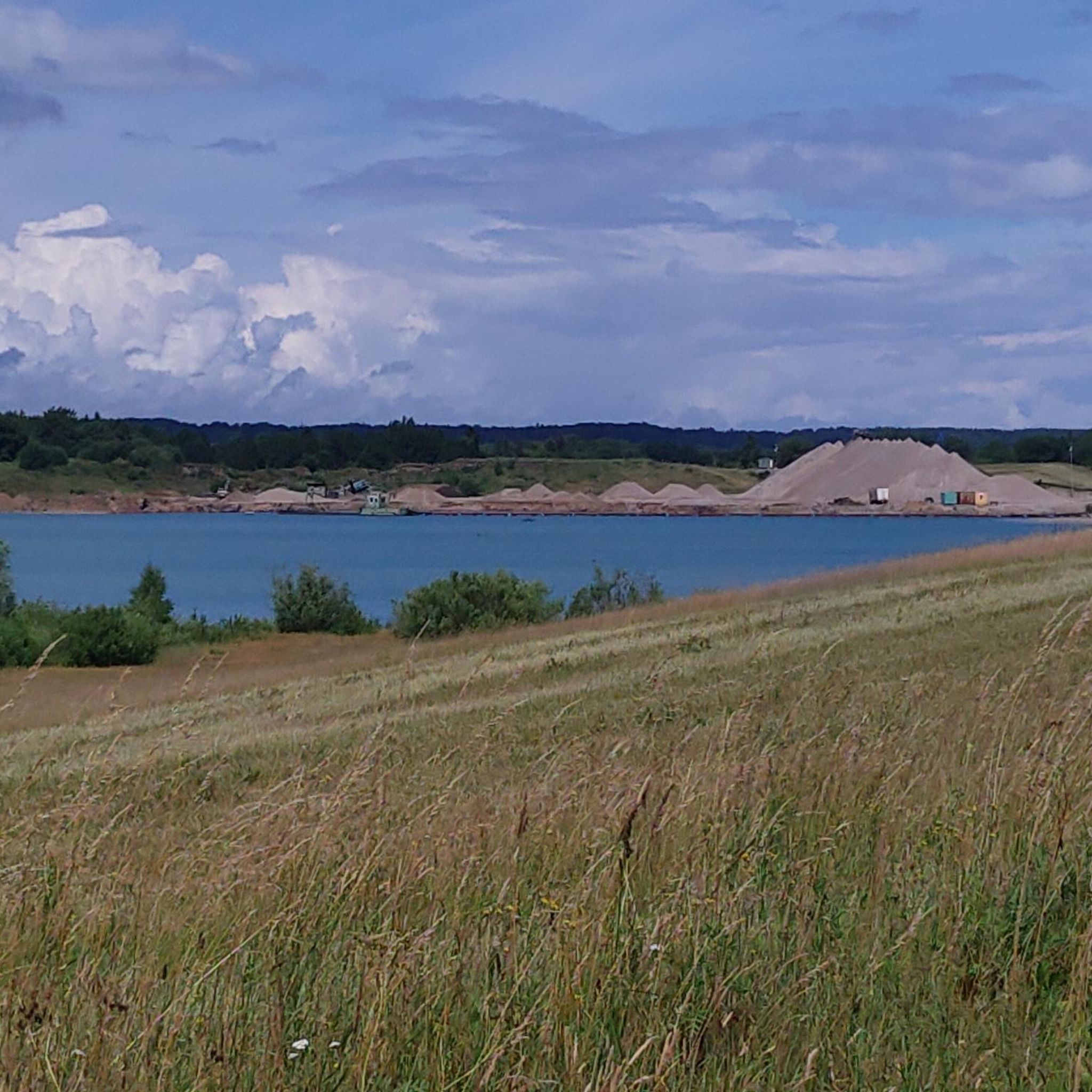
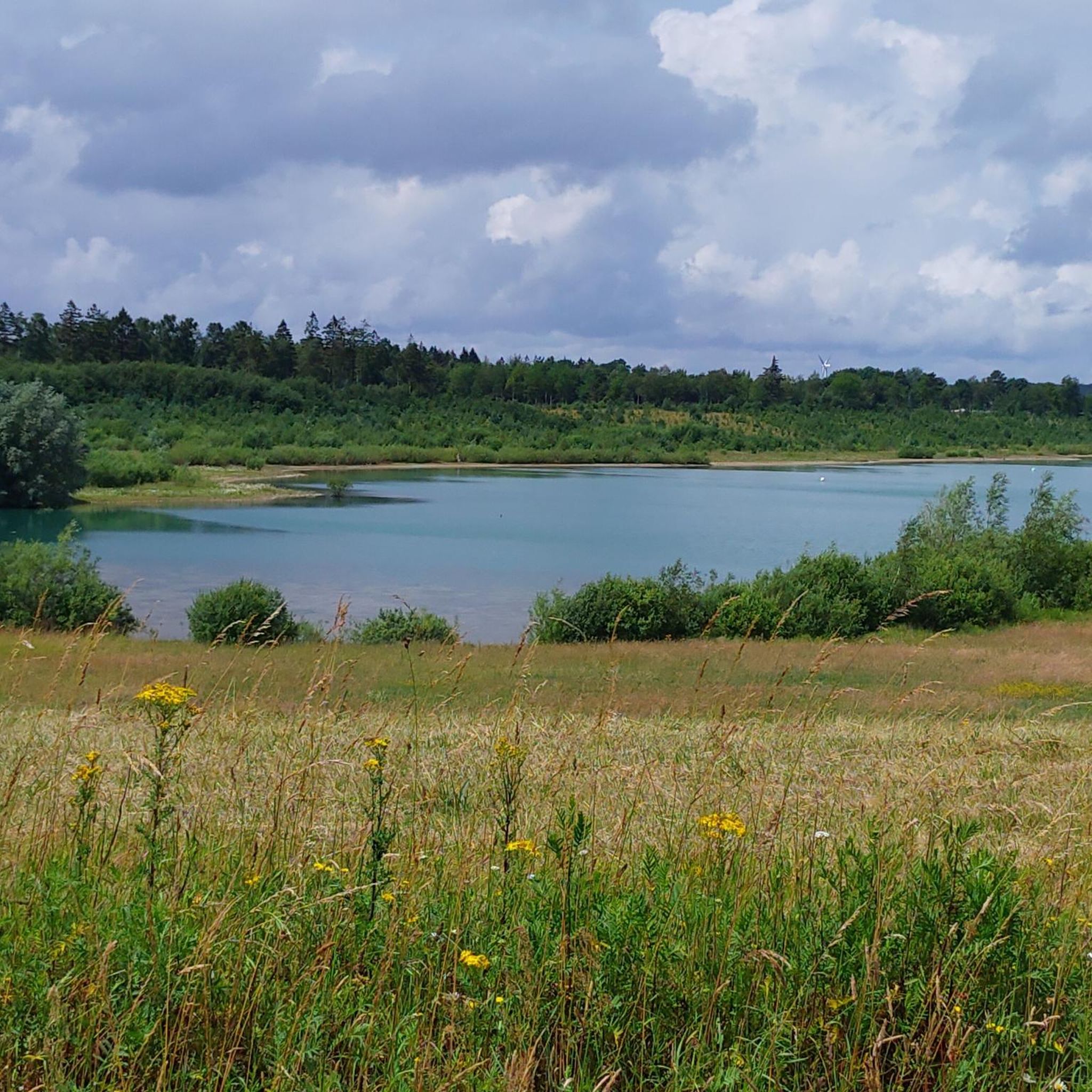
Tips from the Community

The views over the Förde are simply wonderful and shape the character of the Gendamsti. Unfortunately, not all photos here show what the name of the highlight promises.
0
0

With a full load, this "cycle path" is absolutely no fun. No nerves for the view.
0
0

Really good gravel road to ride. It's a lot of fun to speed along here. Last ridden during Matschfuss Flensburg 2026.
1
0

The view from up here is truly stunning; it's definitely worth stopping by.
0
0

The beach is very beautiful. There are lots of other things to do here.
1
0


Aabenraa Fjord is a protected natural area on Denmark’s southeast coast. It’s known for its rich birdlife, including species like white-tailed eagles and herons, making it a good spot for birdwatchers. The fjord also has a long maritime history, with the town of Aabenraa serving as an important trading and shipbuilding centre since the Middle Ages.
0
0
The Knapstien is a scenic cycle and hiking trail through forest between Aabenraa and Stollig. The climb up is steep and narrow with loose gravel, so take care. Once at the top, you’ll enjoy a beautiful but narrow forest path with wonderful views ahead.
1
0
Frequently Asked Questions
What kind of terrain can I expect on gravel bike trails in Årtoft Plantage?
Årtoft Plantage features dense woodlands and established trail systems that are ideal for gravel biking. The terrain is relatively gentle, with an approximate elevation of 56 meters above sea level, making it accessible for various skill levels. You'll primarily encounter unpaved roads and forest tracks.
Are there any family-friendly gravel biking options in Årtoft Plantage?
Yes, the relatively gentle terrain and established forest tracks in Årtoft Plantage make it suitable for family outings. Many of the moderate routes, such as the Hærvejen (Ochsenweg) – Povls Bro Stone Bridge loop from Kliplev, offer a pleasant experience through the woodlands without overly challenging climbs.
Can I bring my dog on the gravel bike trails in Årtoft Plantage?
Årtoft Plantage is generally dog-friendly, offering a natural environment for walks and rides. However, it's always recommended to keep dogs on a leash, especially in forested areas, to protect wildlife and ensure a safe experience for all visitors. Check local signage for specific regulations.
Are there any historical landmarks to see while gravel biking in Årtoft Plantage?
Yes, Årtoft Plantage has several historical elements. You can find a long barrow (langdysse) located south of where Gablinie meets Plantagevej, and a stone-set sheepfold (stensat fårefold) near Kirkevej. Additionally, old division stones from the German era are scattered throughout the plantation, adding a historical dimension to your ride.
What is the best time of year to go gravel biking in Årtoft Plantage?
The dense woodlands of Årtoft Plantage offer a pleasant environment for gravel biking throughout much of the year. Spring and autumn provide comfortable temperatures and beautiful scenery with changing foliage. Summer is also enjoyable, with the trees offering shade. Winter rides are possible, but conditions may vary with snow or ice.
Are there any circular gravel routes available in Årtoft Plantage?
Yes, several routes in the area are designed as loops, allowing you to start and end at the same point. For example, the Hærvejen (Ochsenweg) – Povls Bro Stone Bridge loop from Aabenraa is a popular circular option that takes you through forested areas and along historical paths.
Where can I park my car when visiting Årtoft Plantage for gravel biking?
While specific parking areas are not detailed, Årtoft Plantage is a well-known outdoor recreation area. Look for designated parking spots near common entry points or trailheads, particularly around Kliplev or Aabenraa, which serve as starting points for many routes in the region.
How many gravel bike trails are available in Årtoft Plantage?
There are several gravel bike trails available in and around Årtoft Plantage. Our guide features five highly-rated routes, ranging from moderate to difficult, offering diverse experiences through the region's woodlands and varied terrain.
Are there any challenging gravel bike routes in the Årtoft Plantage area?
Yes, for those seeking a more challenging ride, the area offers routes with greater distances and elevation changes. The View of Flensburg Fjord – View of the Ochseninseln loop from Aabenraa is a difficult 81.1 km path that provides expansive views and varied terrain, typically taking nearly five hours to complete.
What kind of natural features can I expect to see along the gravel trails?
Årtoft Plantage is characterized by its dense woodlands, much of which has been reforested since 1999. You'll experience an immersive natural setting with a variety of trees and forest flora. The connection to Torp Plantage to the north creates a larger continuous natural space for exploration.
Can I combine gravel biking with other activities in Årtoft Plantage?
Absolutely. Årtoft Plantage is also popular for hiking and walking, with a network of trails suitable for various fitness levels. The presence of historical elements like ancient monuments and the option for free primitive camping ('fri teltning') means you can easily combine your gravel biking trip with cultural exploration or an overnight stay in nature.
Is public transport an option to reach Årtoft Plantage for gravel biking?
While specific public transport routes directly into the plantage are not detailed, Årtoft Plantage is located north of Kliplev in Southern Denmark. Major towns like Aabenraa, which serve as starting points for some routes, may have public transport connections that could get you close to the area, requiring a short ride to the trails.
Most popular routes in Årtoft Plantage

Get inspired with the komoot mobile app


Explore more
Browse the best Gravel rides in other regions.
