The best gravel rides around Roquefort-Des-Corbières
4.3
(27)
240
riders
23
rides
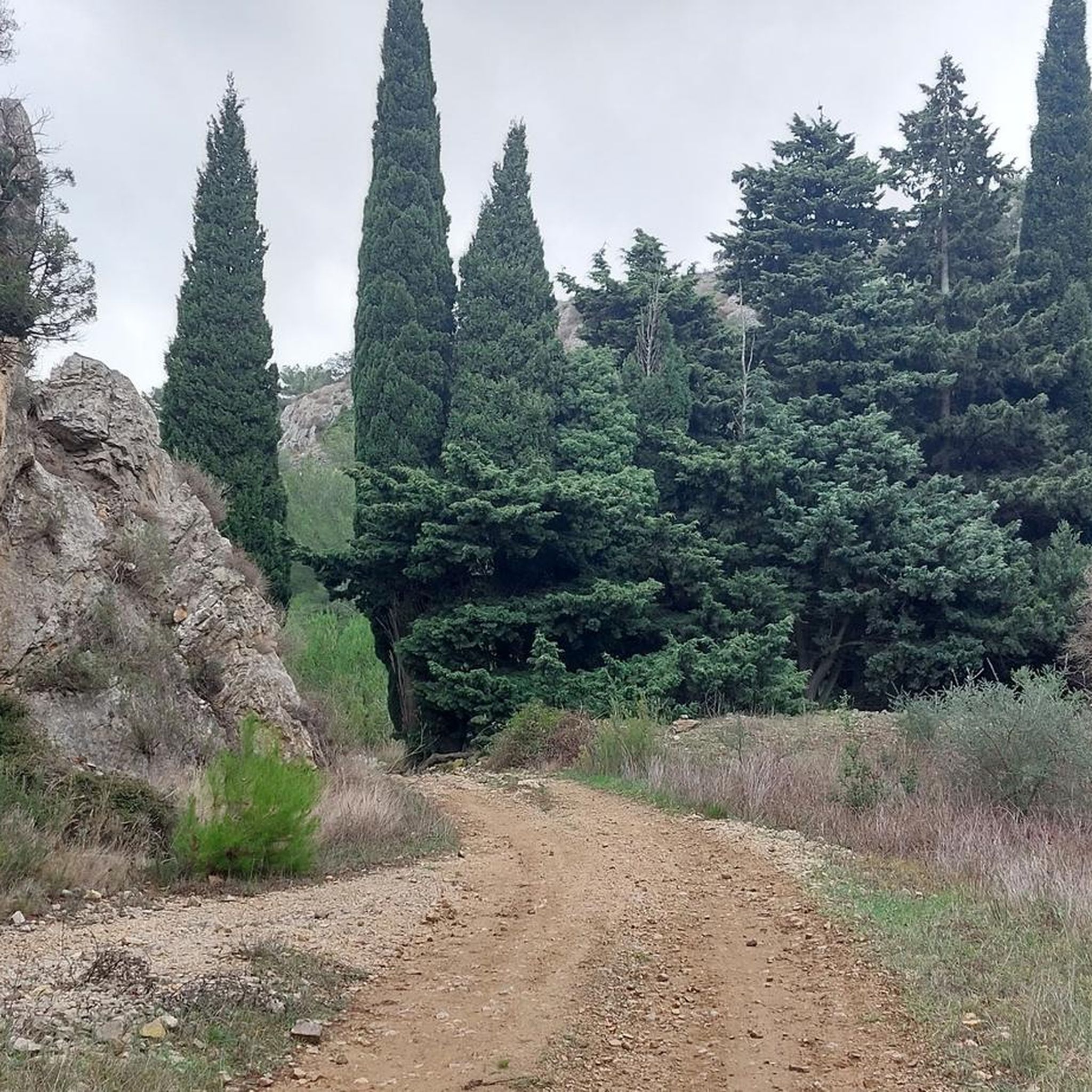
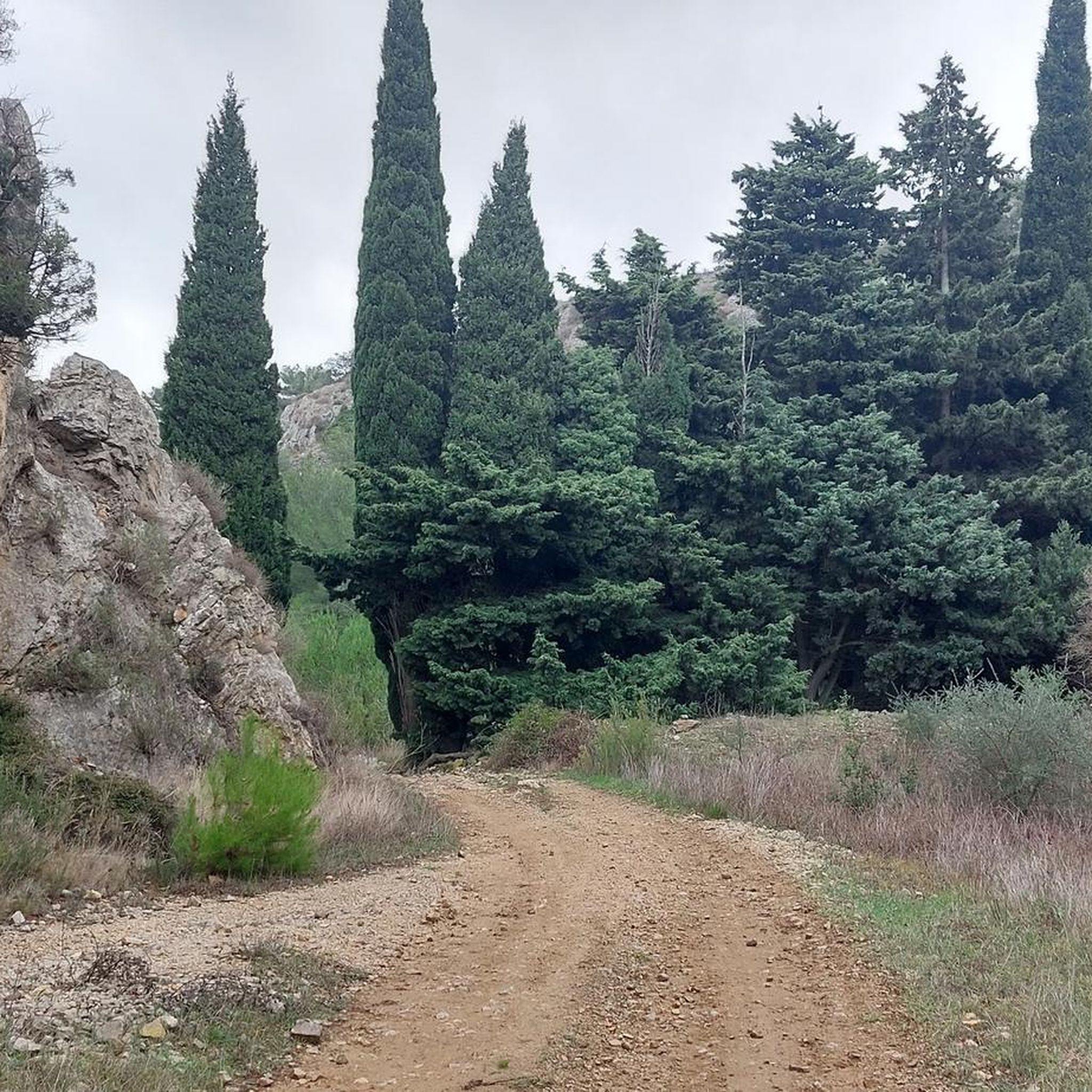
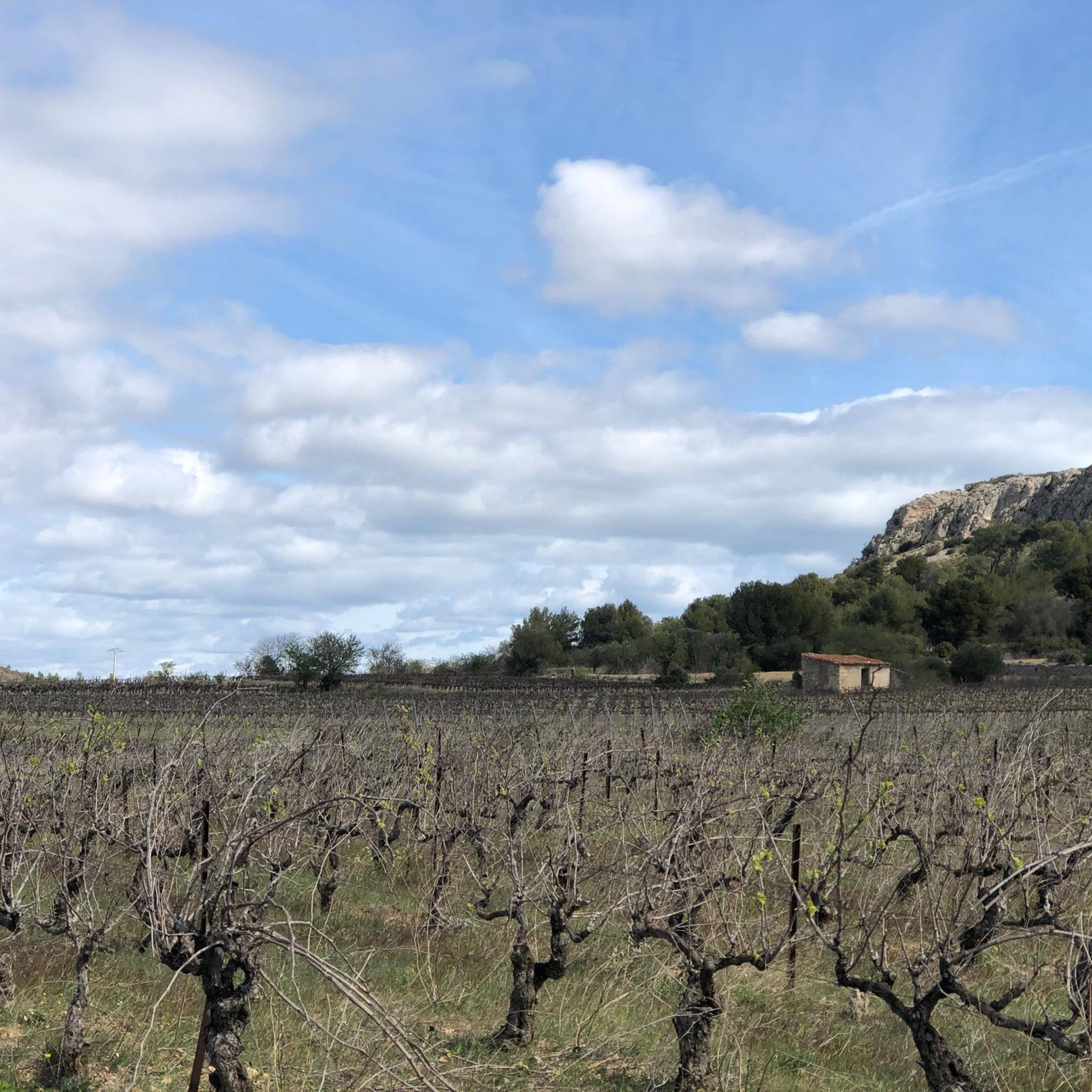
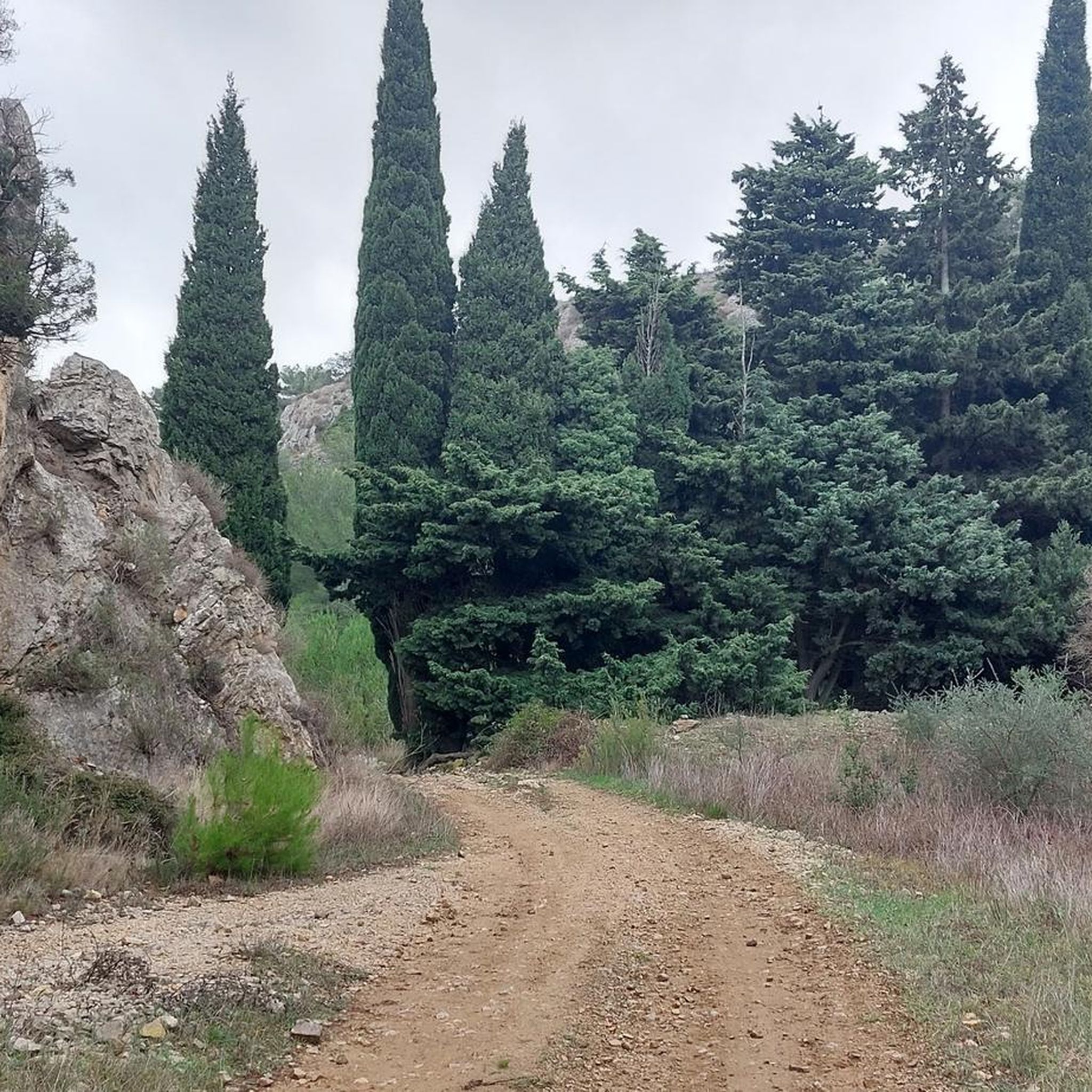
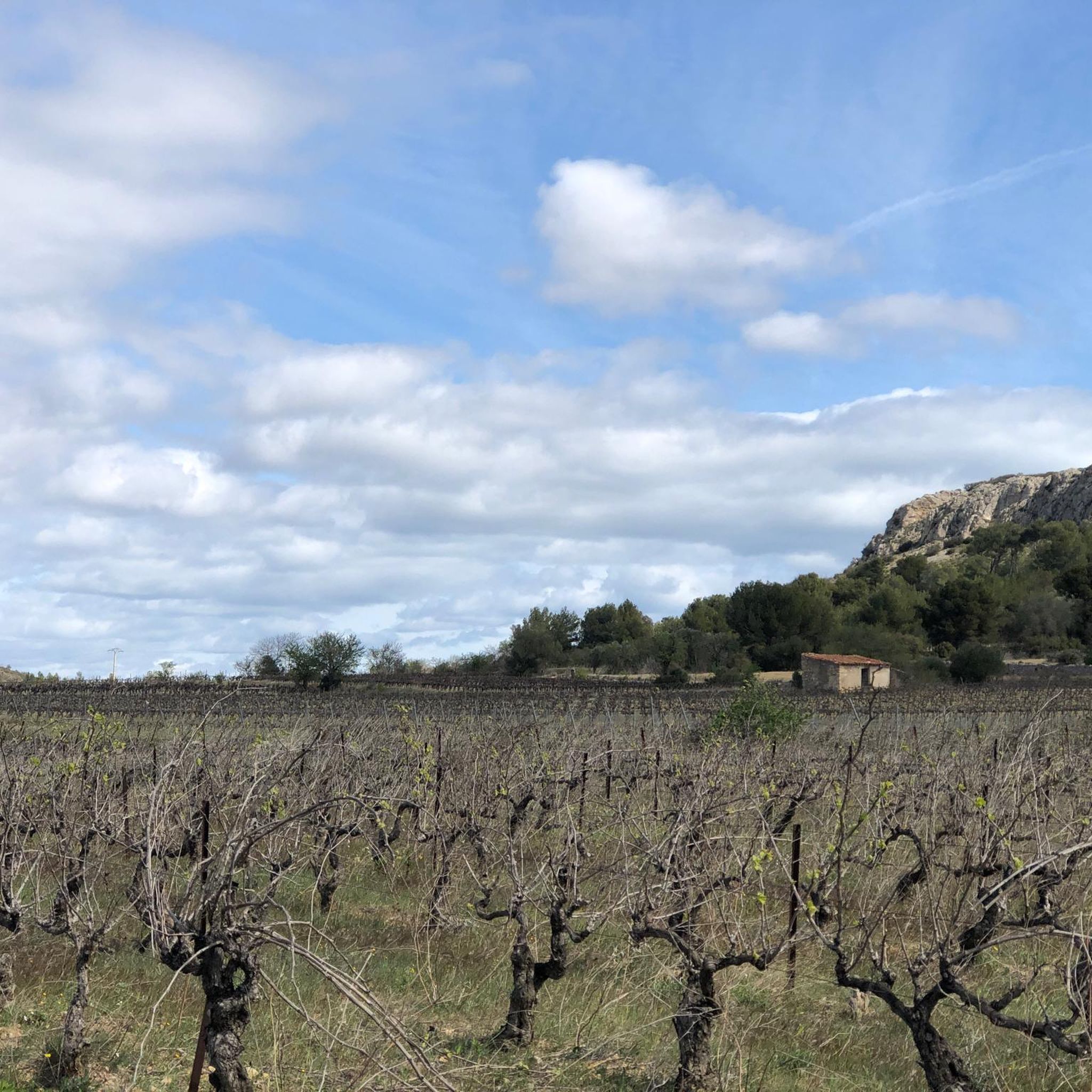
Gravel biking around Roquefort-Des-Corbières offers diverse terrain within the Corbières massif, characterized by wild nature, scrubland, and vineyards. The region features a mix of paved and unpaved surfaces, including "caillasse" (stony ground), providing an authentic gravel experience. Proximity to the Mediterranean coast allows for routes with salty air and views of lagoons, while inland areas include gorges and hills. This varied landscape provides engaging rides for different skill levels.
Best gravel bike trails around Roquefort-Des-Corbières
- The most popular gravel bike…
Last updated: November 3, 2026
4.7
(7)
56
riders
35.1km
01:57
30m
30m
Easy gravel ride. Mostly paved surfaces.
4.4
(8)
94
riders
59.2km
03:34
350m
350m
Moderate gravel ride. Good fitness required. Mostly paved surfaces.

5.0
(2)
12
riders
41.2km
02:45
340m
330m
Moderate gravel ride. Good fitness required. Mostly paved surfaces.
16
riders
25.7km
01:41
200m
200m
Moderate gravel ride. Good fitness required. Mostly paved surfaces.
4.3
(4)
10
riders
19.2km
01:01
40m
40m
Easy gravel ride. Mostly paved surfaces.
Get access to more routes and recommendations from other explorers.
Already have an account?
Our route recommendations are based on thousands of hikes, rides, and runs completed by other people on komoot.
Start today with a free account
Your next adventure awaits.
Tips from the Community

Beautiful and pleasant gravel trail between the canal, the pond and the sea.
0
0

Impressive fortress from the end of the 15th century, when all of Catalonia still belonged to Spain. Here, 1500 people could withstand sieges lasting weeks; everything needed to survive longer sieges was within the fortress.
0
0

A very scenic route between the waters, which is better avoided in rain or on wet ground.
0
0

Here, we reach the spot where the Canal Sainte-Marie flows into the Gruissan pond. The waters of the canal then mix with those of the lagoon, which have a higher salinity due to the exchange with the sea. On the other side of the pond, the Barberousse Tower reveals itself on its limestone promontory. Built between 1245 and 1247 by the Archbishop of Narbonne, Guillaume de Broa, this tower is the main remnant of the medieval castle that guarded the maritime access to the Narbonne area.
3
0
From this narrow strip of land, the lagoon landscape of Gruissan reads almost like a succession of parallel bands: the wetlands and secondary ponds to the south, the path, the Sainte-Marie canal, then the Gruissan pond to the north. The Sainte-Marie canal bears witness to the former hydraulic development of the coastal plain. Integrated into a network of canals intended to manage its waters, it notably participated in the draining of the former salt pond. Today, it contributes to the freshwater supply of the Gruissan pond and thus participates in the salinity variations of the lagoon. Beyond the pond, the reliefs of Gruissan and the Barberousse Tower stand out on the horizon.
3
0

The ashlar stone mill in square Désiré Pech is called Le Moulin à eau de la « Peïsseiro » in Occitan, or « Pacheiro ». Anchored since the Roman era on its coffer dams, the « La Pacheiro » water mill was still operating in the 13th century.
0
0

View of the steep coast from which we just came.
0
0
Incredibly beautiful and quiet section. We were very enthusiastic.
0
0
Frequently Asked Questions
How many gravel bike trails are available around Roquefort-Des-Corbières?
There are over 30 gravel bike trails around Roquefort-Des-Corbières, offering a wide range of experiences for all skill levels. These routes are highly rated by the komoot community, with an average score of 4.3 stars from over 30 reviews.
What kind of terrain can I expect on gravel bike trails in this region?
The Corbières massif offers wild and varied terrain, including a mix of paved and unpaved surfaces. You'll encounter 'caillasse' (stony ground), scrubland, vineyards, and even coastal paths with views of lagoons and wild beaches. The landscape ranges from easy, flat sections to challenging climbs, particularly around Mont Tauch.
Are there any family-friendly gravel bike routes in Roquefort-Des-Corbières?
Yes, there are several easy routes suitable for families. For instance, the Steppe, prairie and pampas – hier gibt es Flamingos loop from Leucate-La Franqui is a relatively flat 15.3-mile (24.6 km) trail through coastal lagoons, where you might even spot flamingos. Another option is the Natural salt – La Littorale Coastal Route loop from Peyriac-de-Mer, which is 15.5 miles (25 km) and explores unique salt marsh environments.
What are some notable natural features or landmarks I can see while gravel biking?
The region is rich in natural beauty. You can ride along the coast with views of the Mediterranean, explore the unique ecosystems of the Étang de Leucate and other lagoons, or venture inland through vineyards and scrubland. Prominent features include the Leucate Lighthouse and the challenging ascent of Mont Tauch, which offers panoramic views. You can also discover highlights like Leucate Lagoon or the area between the Étang de l'Ayrolle and the Étang de Sigean.
Are there any historical sites or castles accessible by gravel bike?
While many Cathar castles are further inland, some historical points are accessible. For example, the Leucate Lighthouse – Salses Fortress loop from Leucate-La Franqui connects coastal features with the historical Salses Fortress. You can also find highlights like the La Franqui Redoubt near the coast.
What is the best time of year to go gravel biking in Roquefort-Des-Corbières?
The region benefits from a Mediterranean climate. Spring and autumn generally offer the most pleasant conditions with milder temperatures and less intense sun, ideal for longer rides. Summers can be hot, especially in July and August, so early morning or late afternoon rides are recommended during these months. Winters are typically mild but can be wet.
Are there any long-distance gravel routes for experienced riders?
Yes, for those seeking a longer challenge, the Gruissan Lagoon – Gruissan Lagoon loop from Sigean is a difficult 48-mile (77.4 km) route with significant elevation gain, offering an extensive exploration of the coastal lagoons and surrounding areas.
Can I find loop trails for gravel biking in the area?
Many of the gravel bike trails around Roquefort-Des-Corbières are designed as loops, allowing you to start and finish at the same point. Examples include the Leucate Lighthouse – Leucate Lighthouse loop from Roquefort-des-Corbières, which provides scenic coastal views, and the Leucate Lighthouse – Salses Fortress loop from Leucate-La Franqui.
Where can I park my car when accessing gravel bike trails?
Parking is generally available in the villages and towns that serve as starting points for many routes, such as Roquefort-des-Corbières, Leucate-La Franqui, or Peyriac-de-Mer. Look for designated public parking areas, especially near tourist information centers or village squares.
Are there any regional nature parks nearby that offer gravel biking opportunities?
Absolutely. Roquefort-Des-Corbières is close to the Narbonnaise en Méditerranée Regional Nature Park, which features diverse landscapes including beaches, lagoons, and the Clape mountain range. The Corbières-Fenouillèdes Regional Nature Park is also nearby, known for its outstanding geology, gorges, and vineyards, all offering extensive trail networks suitable for gravel biking.
What kind of amenities can I expect near the gravel trails?
The villages and towns in the region, such as Roquefort-des-Corbières, Leucate, and Peyriac-de-Mer, offer basic amenities including cafes, restaurants, and sometimes small shops for supplies. It's advisable to carry sufficient water and snacks, especially on longer or more remote sections of the trails, as services can be sparse between settlements.
What makes gravel biking in Roquefort-Des-Corbières unique?
The unique appeal lies in the blend of wild Corbières landscapes with coastal proximity. You can experience the 'salty air' of the Mediterranean combined with the rugged 'caillasse' terrain, vineyards, and scrubland. The diverse topography, from lagoons with flamingos to challenging mountain climbs, provides a truly varied and authentic gravel experience.
Most popular routes around Roquefort-Des-Corbières
Most popular attractions around Roquefort-Des-Corbières

Get inspired with the komoot mobile app


Explore more
Browse the best Gravel rides in other regions.
