The best gravel rides around Villaralto
5.0
(5)
88
riders
6
rides
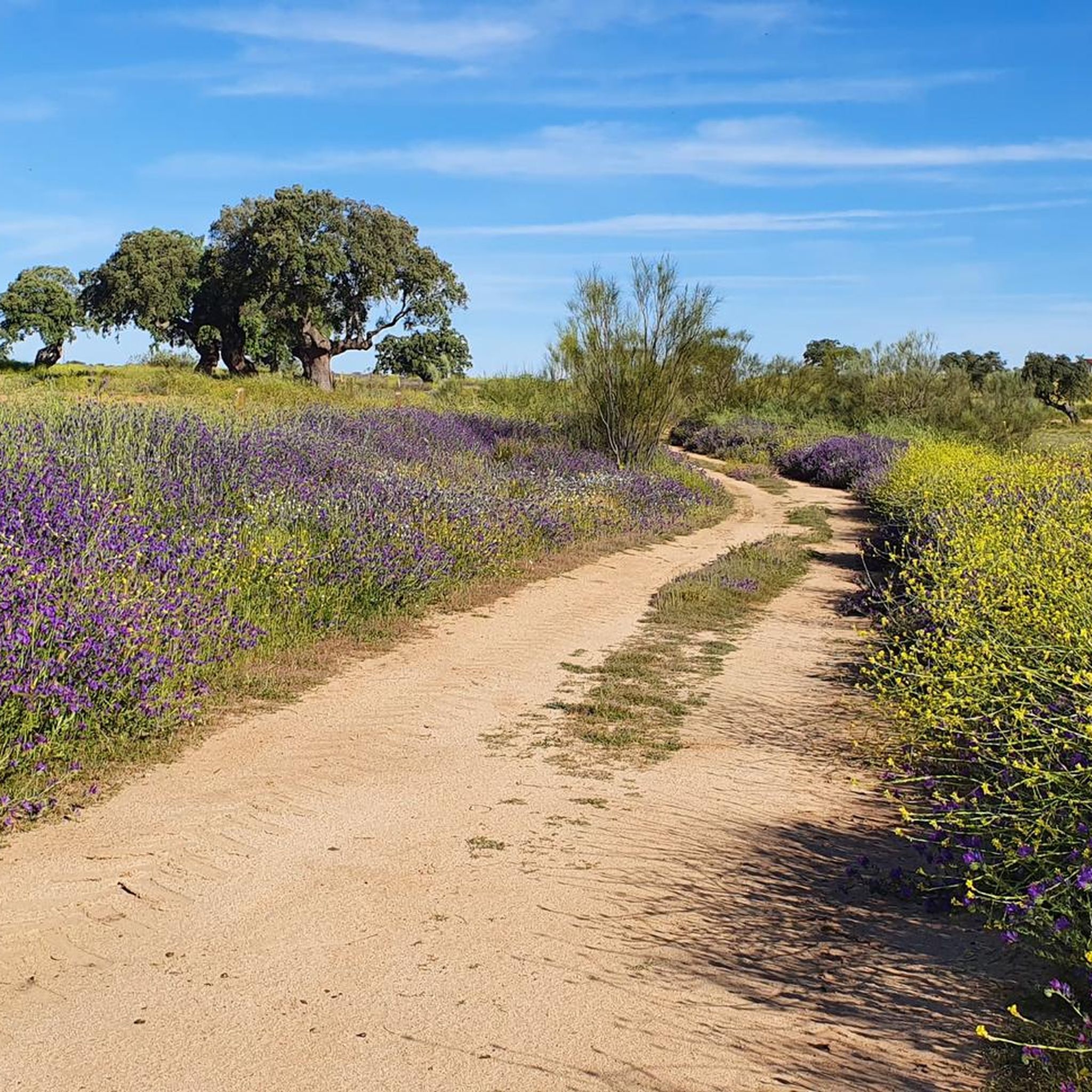
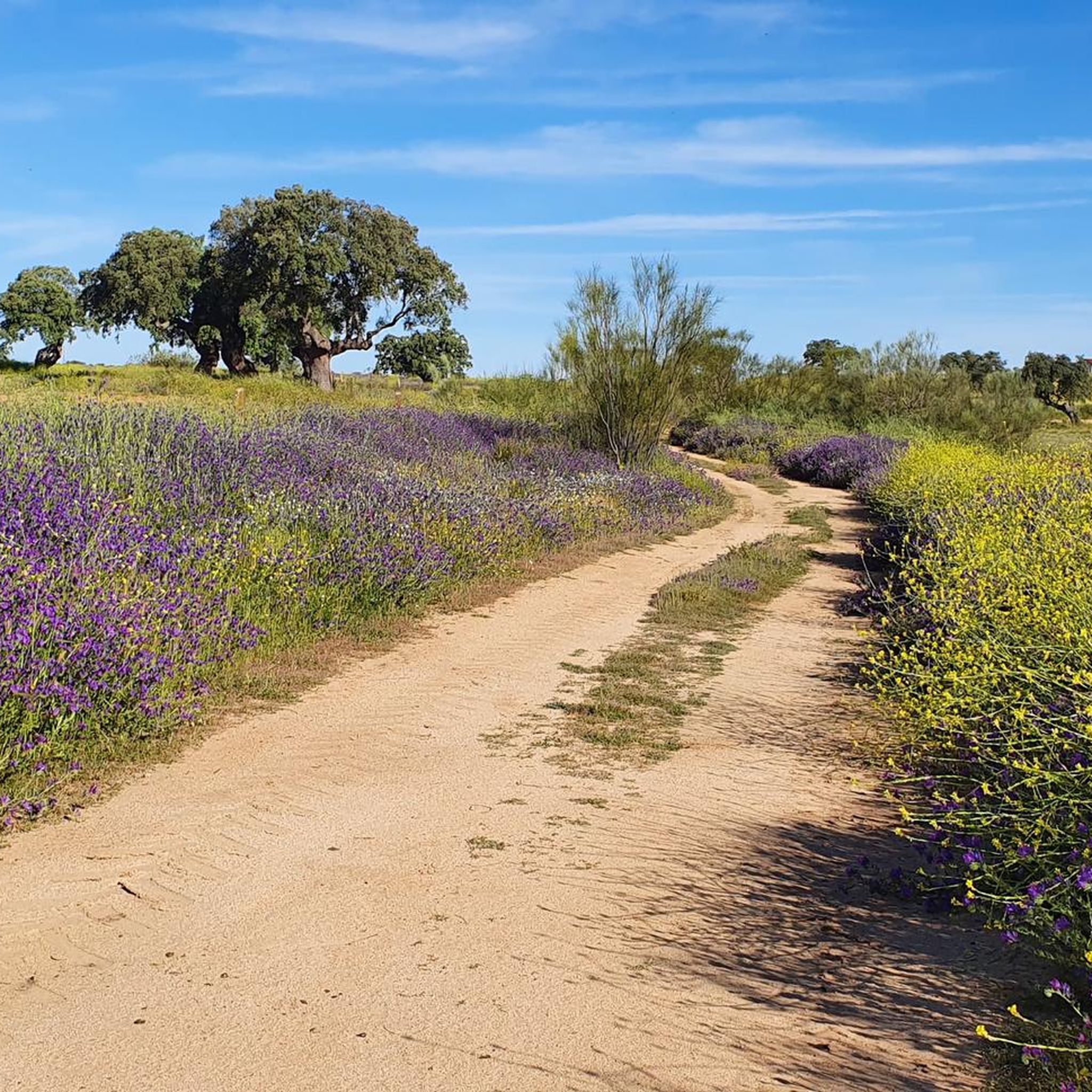
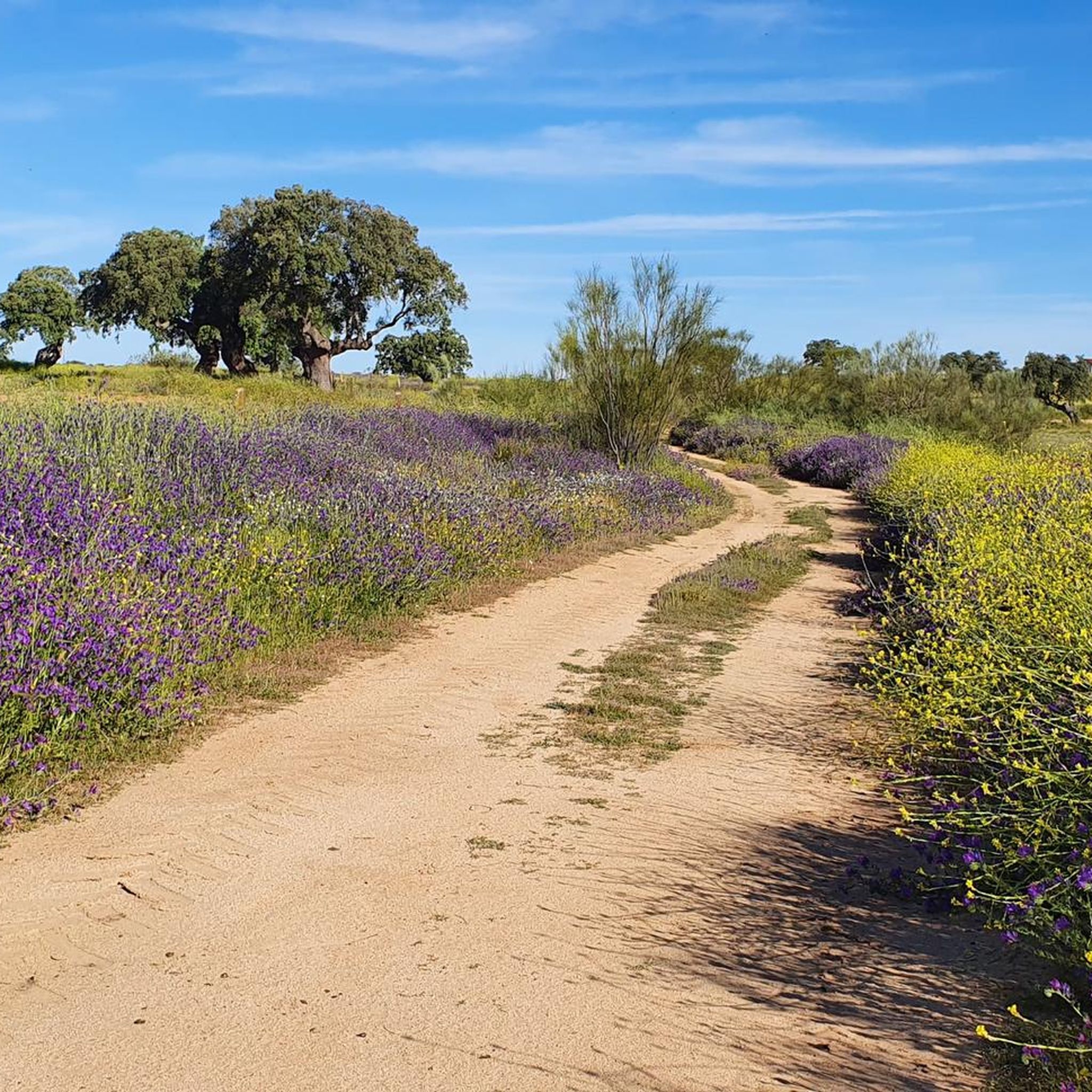
Gravel biking around Villaralto offers routes through the unique dehesa landscape, characterized by extensive holm oak pastureland and an agro-livestock environment. The region features thousands of kilometers of public paths and quiet provincial roads, providing varied terrain ideal for gravel cyclists. These routes traverse rolling unpaved tracks and solitary roads, connecting traditional villages built with granite and whitewashed walls. The area's natural and cultural heritage provides a continuously engaging backdrop for rides.
Best gravel bike trails around Villaralto
- The most…
Last updated: July 2, 2026
5.0
(1)
27
riders
117km
07:58
1,160m
1,160m
Hard gravel ride. Very good fitness required. Mostly paved surfaces. Suitable for all skill levels.
5.0
(2)
34
riders
110km
06:53
920m
920m
Hard gravel ride. Very good fitness required. Mostly paved surfaces. Suitable for all skill levels.

Sign up for free
6
riders
55.6km
04:20
460m
460m
Hard gravel ride. Very good fitness required. Mostly paved surfaces. Suitable for all skill levels.
5.0
(2)
8
riders
47.0km
03:02
310m
310m
Moderate gravel ride. Good fitness required. Mostly paved surfaces. Suitable for all skill levels.
7
riders
134km
08:07
1,320m
1,320m
Hard gravel ride. Very good fitness required. You may need to push your bike for some segments of this route.
Our route recommendations are based on thousands of hikes, rides, and runs completed by other people on komoot.
Start today with a free account
Your next adventure awaits.
Login or Signup

Tips from the Community

The Cañada Real de la Mesta is an ancient drove road used for centuries for transhumance.
0
0
La Puerta de la Villa de Santa Eufemia is one of the most notable remains of the municipality's old walled enclosure. This stone arch, of medieval origin, gave access to the interior of the villa and today is integrated into the urban area, preserving its historical and heritage value.
0
0

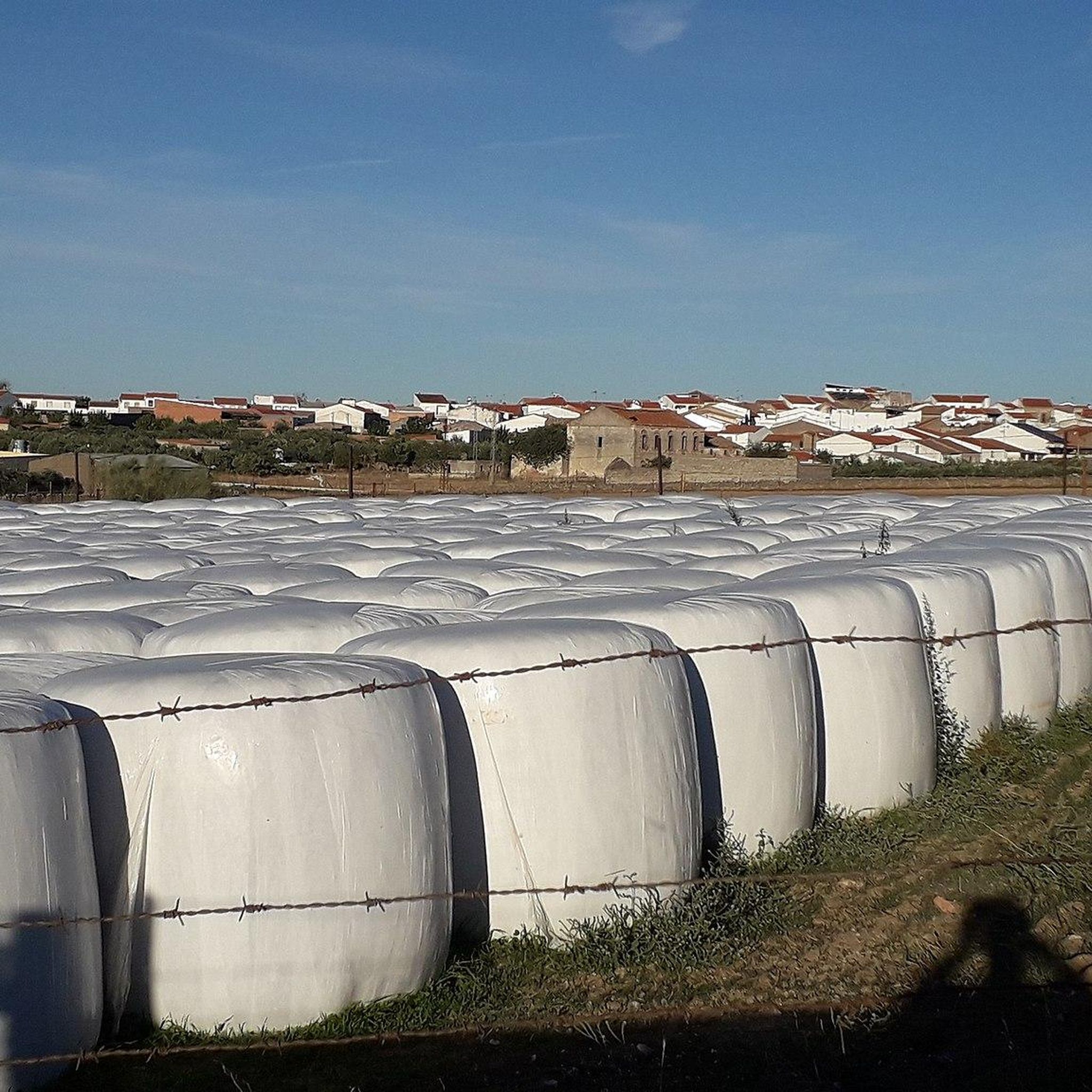
Dos Torres is one of the most charming villages in Los Pedroches. It stands out for: Its traditional architecture of lime, granite, and wrought iron, very well preserved in the historic center. A tranquil, authentic, and rural atmosphere, ideal for getting away from it all. A historical heritage that combines Roman remains, medieval legacy, churches of great artistic value, and unique natural spaces. Its location amidst spectacular meadows makes it perfect for nature lovers. Overall, it is a small village but surprisingly rich in history, tranquility, and architectural beauty.
1
0
Although sometimes referred to as a "medieval bridge," the known and documented historical bridge of Dos Torres is the Santa Ana Bridge, located near the Hermitage of Our Lady of Loreto. It dates from the 16th century, making it a Renaissance-late medieval bridge, but not strictly medieval in the strict sense (classical Middle Ages).
2
0
Although the exact date of its construction is unknown, tradition indicates that it was built in the mid-15th century, possibly thanks to a woman from Los Pedroches who promoted the construction of the first hermitage. According to legend, the image of the Virgin was found by a shepherd from Pedroche in a holm oak near the sanctuary at the beginning of the 15th century.
2
0
The Sanctuary of Our Lady of Luna is one of the most emblematic sites in the Los Pedroches Valley, deeply linked to the religious and cultural traditions of Pozoblanco and Villanueva de Córdoba. The sanctuary is located in the Dehesa de la Jara, in the municipality of Navarredonda, a natural holm oak grove characteristic of Los Pedroches. It is situated 15 km from Pozoblanco and 10 km from Villanueva de Córdoba.
2
0
Although the exact date of its construction is unknown, tradition indicates that it was built in the mid-15th century, possibly thanks to a woman from Los Pedroches who promoted the construction of the first hermitage. According to legend, the image of the Virgin was found by a shepherd from Pedroche in a holm oak near the sanctuary at the beginning of the 15th century.
2
0
The Sanctuary of Our Lady of Luna is one of the most emblematic sites in the Los Pedroches Valley, deeply linked to the religious and cultural traditions of Pozoblanco and Villanueva de Córdoba. The sanctuary is located in the Dehesa de la Jara, in the municipality of Navarredonda, a natural holm oak grove characteristic of Los Pedroches. It is situated 15 km from Pozoblanco and 10 km from Villanueva de Córdoba.
2
0
Frequently Asked Questions
How many gravel bike trails are available around Villaralto?
There are 5 gravel bike routes around Villaralto, offering a range of experiences through the region's unique dehesa landscape.
What kind of terrain can I expect on gravel bike trails near Villaralto?
The gravel bike trails around Villaralto primarily traverse the 'dehesa,' Europe's largest continuous holm oak pastureland. You'll encounter a mix of rolling unpaved tracks and quiet provincial roads, providing varied and scenic terrain through this unique agro-livestock ecosystem.
Are there options for different skill levels on the Villaralto gravel trails?
Yes, the routes around Villaralto cater to various skill levels. You'll find 2 moderate trails and 3 difficult trails, ensuring options for both experienced gravel bikers and those looking for a significant challenge.
What are some of the longer gravel biking routes in the area?
For longer rides, consider the challenging Alcaracejos Town Center – Pozoviejo Square loop from Alcaracejos, which spans 116.7 km (72.5 miles) with significant elevation gain. Another extensive option is the Hermitage of the Virgen de Luna – Conquista loop from Dos Torres, covering 129.4 km (80.4 miles).
Are there any circular gravel bike routes around Villaralto?
Yes, all the gravel bike routes listed for Villaralto are circular loops. For example, you can explore the Villanueva del Duque – El Soldado Mines loop from Fuente la Lancha, a 57.9 km (35.9 miles) difficult path, or the moderate Santa Ana Bridge – Dos Torres loop from Villanueva del Duque, which is 34.8 km (21.6 miles).
What natural features or landmarks can I see while gravel biking near Villaralto?
The primary natural feature you'll experience is the vast dehesa, characterized by its iconic holm oaks. While riding, you might also pass through traditional villages with granite and whitewashed walls. Notable nearby attractions include the Alcaracejos Town Center and the La Colada Reservoir Dam.
What do other gravel bikers enjoy most about the trails in Villaralto?
The komoot community highly rates the gravel biking experience around Villaralto, with an average score of 5.0 stars. Riders often praise the tranquil, remote feel of the dehesa, the extensive network of quiet unpaved tracks, and the immersive experience through the region's natural and cultural heritage.
Are there any historical sites or cultural points of interest along the routes?
Yes, the region is rich in cultural heritage. You can visit the Plaza Mayor De la Villa de Dos Torres or the Casa de las Tiras of Añora. The routes often connect traditional villages, offering glimpses into the local life and architecture.
What is the best season for gravel biking in Villaralto?
While specific seasonal recommendations are not provided, the region's climate, typical of southern Spain, suggests that spring and autumn would offer the most pleasant temperatures for gravel biking. Summers can be very hot, and winters are generally mild.
Are there any moderate gravel bike trails suitable for a less strenuous ride?
Yes, there are moderate options available. The Santa Ana Bridge – Pozoviejo Square loop from El Viso is a moderate 47.3 km (29.4 miles) trail that leads through traditional rural landscapes, often completed in about 3 hours.
Can I find places to eat or stay near the gravel biking routes?
Villaralto and the surrounding villages in the Los Pedroches region offer amenities such as cafes, pubs, and accommodation. These traditional villages, often built with granite and whitewashed walls, provide opportunities for stops and overnight stays, allowing you to experience the local culture.
Most popular routes around Villaralto
Most popular attractions around Villaralto

Get inspired with the komoot mobile app


Explore more
Browse the best Gravel rides in other regions.
