The best gravel rides around Canillas De Río Tuerto
4.3
(5)
41
riders
6
rides
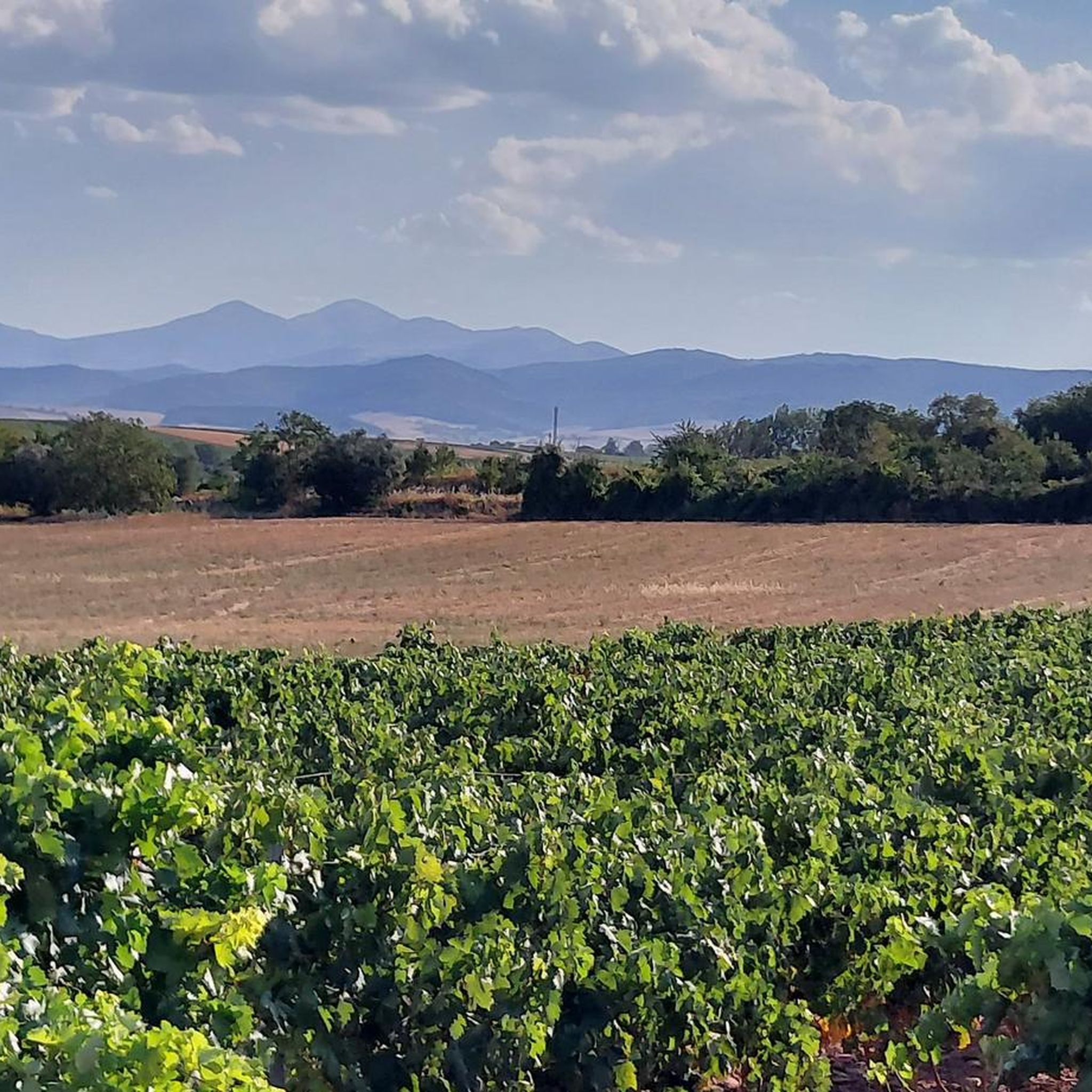
Gravel biking around Canillas De Río Tuerto offers access to the varied landscapes of the La Rioja region in Spain. The municipality is situated in the valley of the Río Tuerto, providing a natural setting for routes. Cyclists can explore a network of country lanes that traverse vineyards and follow rivers, including the Ebro. The terrain includes flatter riverside trails and more challenging climbs in mountainous areas like the Sierra de la Demanda.
Best gravel bike trails around Canillas De…
Last updated: July 3, 2026
3.0
(1)
7
riders
Hard gravel ride. Very good fitness required. Mostly paved surfaces. Suitable for all skill levels.
5.0
(2)
6
riders
80.1km
05:19
1,620m
1,620m
Hard gravel ride. Very good fitness required. Mostly paved surfaces. Suitable for all skill levels.

Sign up for free
2
riders
35.9km
02:20
370m
370m
Moderate gravel ride. Good fitness required. Mostly paved surfaces. Suitable for all skill levels.
5.0
(2)
8
riders
48.0km
02:56
530m
530m
Hard gravel ride. Very good fitness required. Mostly paved surfaces. Suitable for all skill levels.
2
riders
56.2km
04:44
1,210m
1,210m
Hard gravel ride. Very good fitness required. Mostly paved surfaces. Suitable for all skill levels.
Our route recommendations are based on thousands of hikes, rides, and runs completed by other people on komoot.
Start today with a free account
Your next adventure awaits.
Login or Signup
Tips from the Community


The Monastery of San Millán de la Cogolla is a place of great importance in the La Rioja region of Spain. Founded in the 6th century AD by Saint Millán, this monastery has a rich history and a special connection with the Castilian language.
3
0

The pilgrimage route repeatedly involves crossing valleys and rivers like the Rio Oja – as here at Santo Domingo de la Calzada. The bridges are sometimes relatively modern, sometimes medieval, and sometimes even older.
1
0

Imposing oak tree over 500 years old
0
0
It crosses the Oja River, connecting different parts of the city. Built in the 12th century by Saint Dominic de la Calzada to facilitate the passage of pilgrims on the Camino de Santiago. The stone bridge features several arches, a fine example of medieval engineering.
2
0
The Cathedral of Santo Domingo de la Calzada, also known as the Cathedral of El Salvador, is an impressive monument located in the town of Santo Domingo de la Calzada. The cathedral was built between the 12th and 13th centuries, combining Romanesque and Gothic styles. A unique feature is its free-standing tower, separated from the main body of the cathedral.
8
0

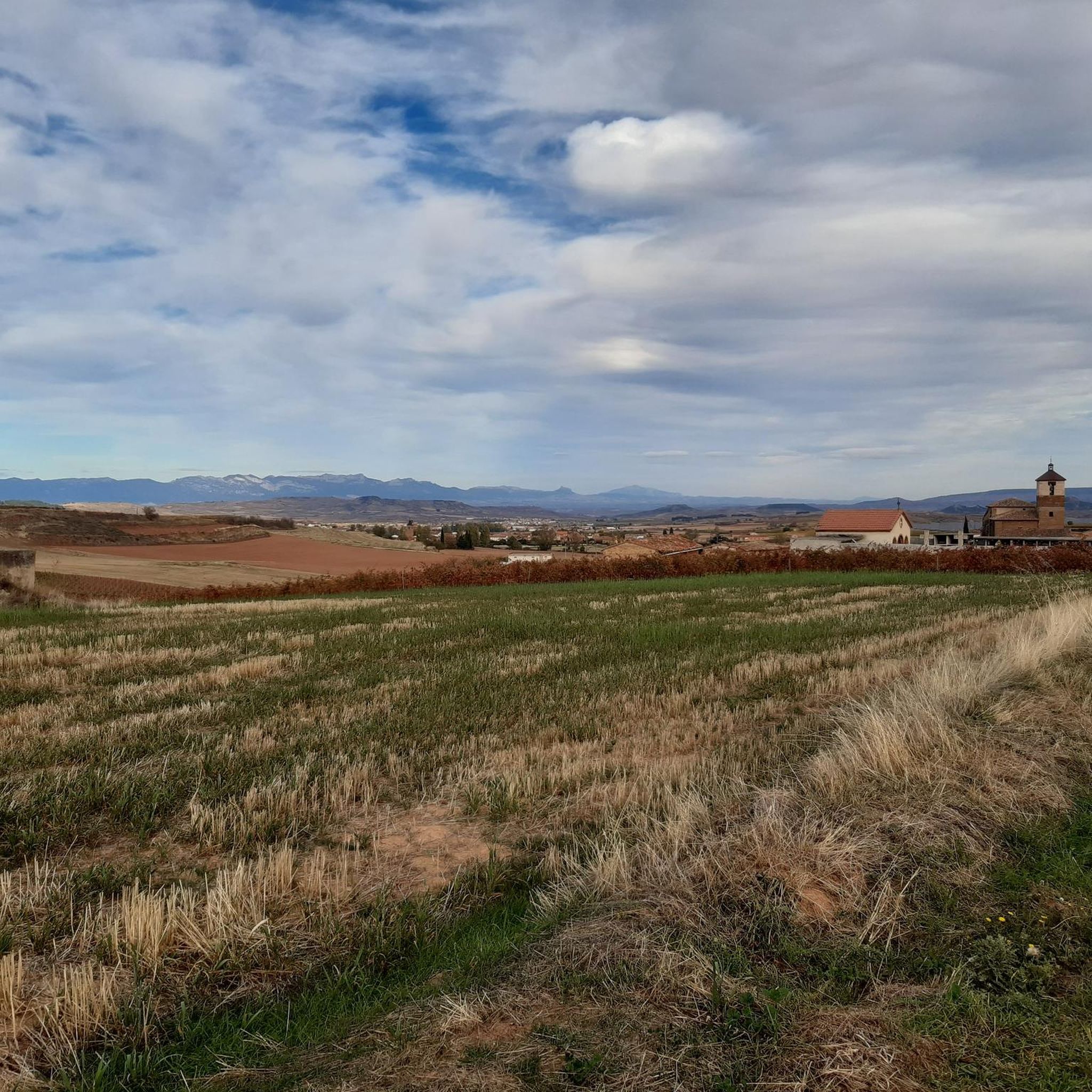
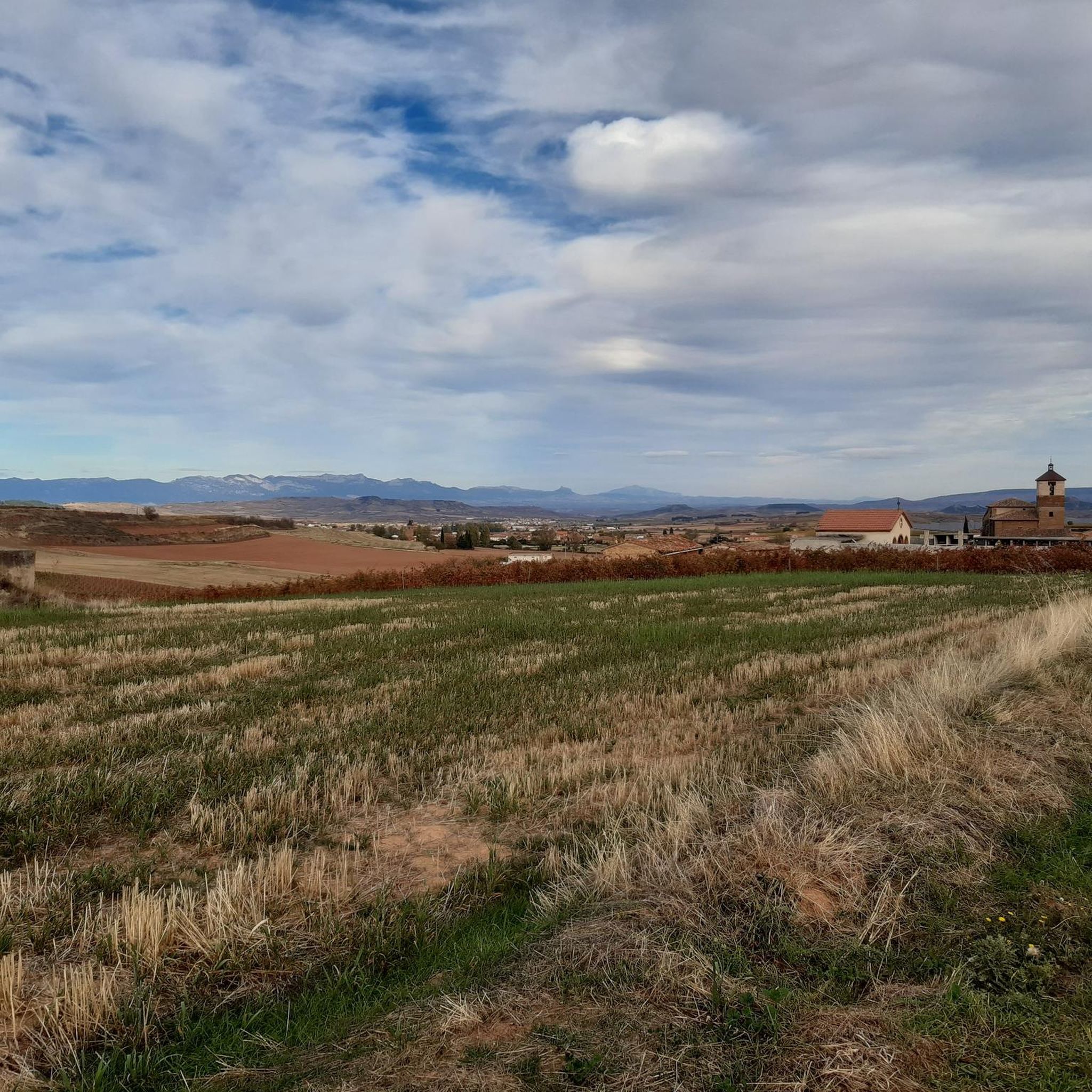
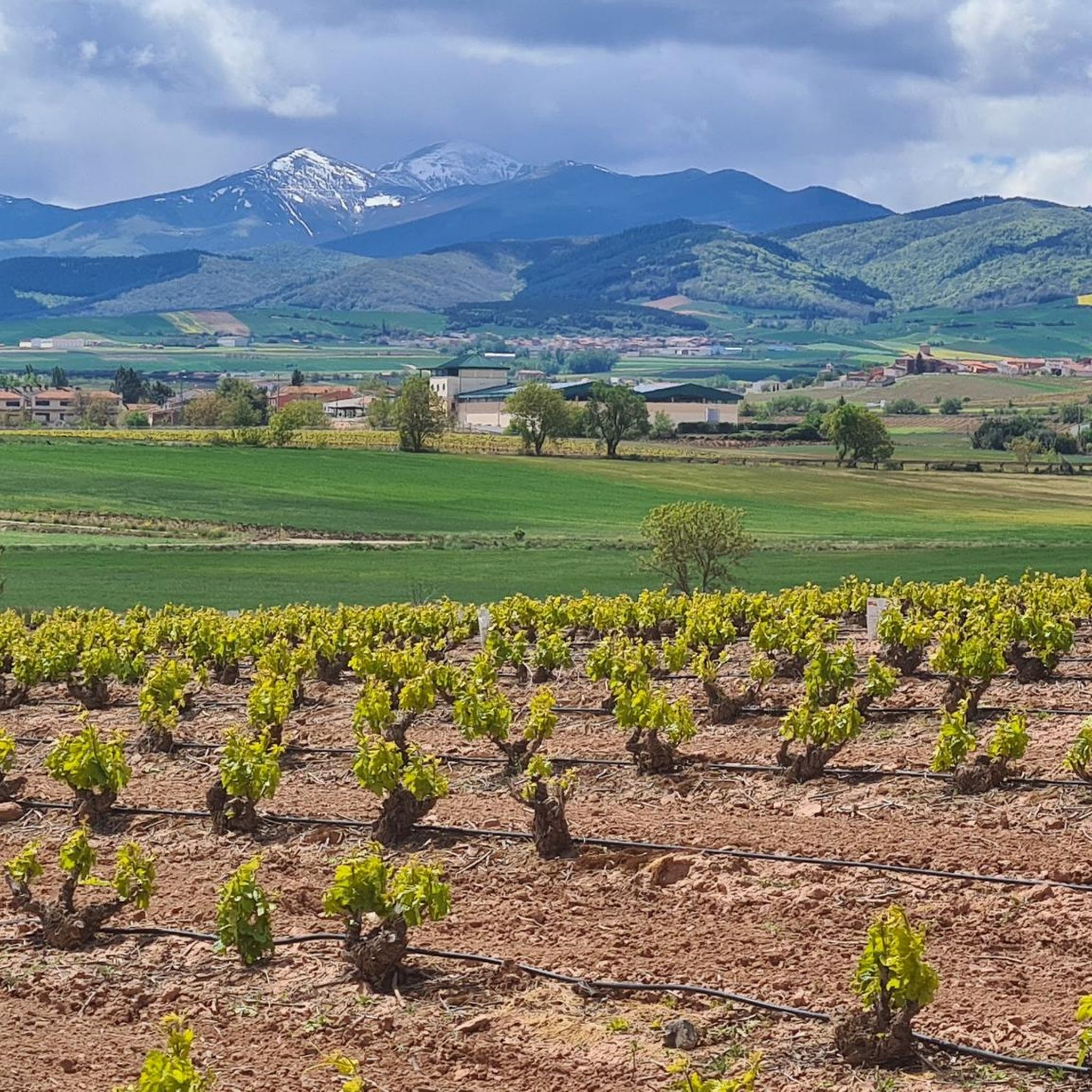
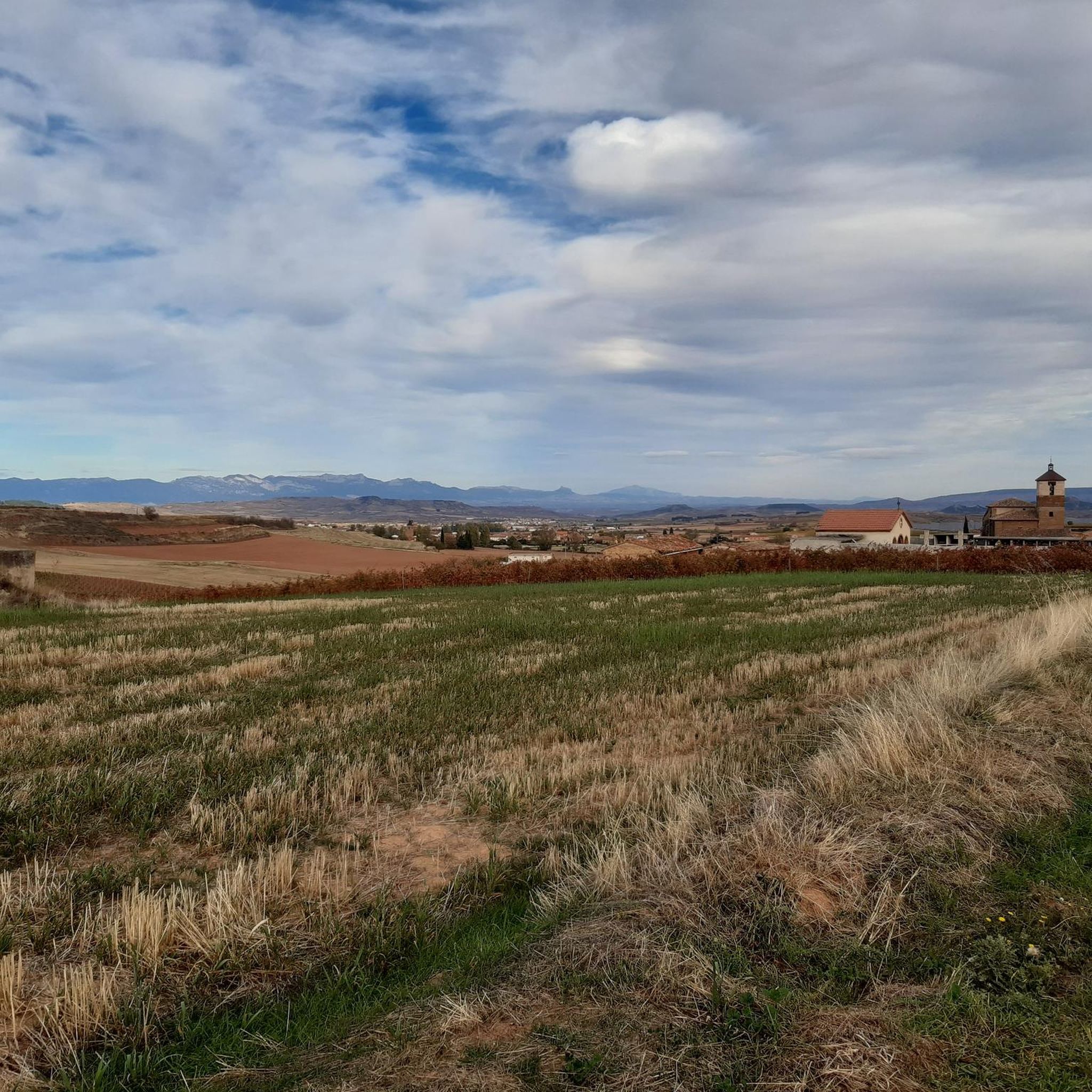
A great view of this impressive landscape.
1
0
The landscape here is indescribably beautiful.
1
0
Frequently Asked Questions
How many gravel bike trails are available around Canillas De Río Tuerto?
There are 6 gravel bike routes available in the Canillas De Río Tuerto area. These routes offer a diverse range of experiences, from moderate riverside paths to more challenging climbs through vineyards and mountainous terrain.
What is the general difficulty level of gravel biking in this region?
The gravel biking routes around Canillas De Río Tuerto offer a varied terrain suitable for different skill levels. You'll find a mix of moderate and difficult trails. For instance, routes like the Riverside Park of Nájera – San Antón Hill loop from Nájera are rated moderate, while others such as the Plaza Mayor de Belorado – Belorado loop from Santo Domingo de la Calzada present a more difficult challenge with significant elevation changes.
Are there any family-friendly gravel routes near Canillas De Río Tuerto?
While specific routes aren't explicitly labeled 'family-friendly,' the region's network of quiet country lanes and flatter riverside trails, particularly those along the Río Tuerto and Ebro River, can be suitable for families. These paths offer a gentler experience compared to the more challenging climbs in mountainous areas like the Sierra de la Demanda. Always check the route's distance and elevation profile to ensure it matches your family's capabilities.
What kind of natural features can I expect to see along the gravel bike trails?
The gravel trails in this area wind through a rich tapestry of natural features. You'll frequently encounter picturesque vineyards, which are a defining characteristic of the La Rioja wine region. Many routes follow river valleys, such as the Río Tuerto, offering lush riparian vegetation and opportunities to observe indigenous birdlife. The terrain also includes agricultural landscapes and, in some areas, more mountainous backdrops.
What cultural or historical landmarks can I explore while gravel biking?
The region around Canillas De Río Tuerto is rich in history and culture. You might encounter attractions related to the Camino de Santiago, such as the Santo Domingo de la Calzada Cathedral or the Bicigrino Statue. Other notable sites include the San Millán de la Cogolla Monastery and the Santo Domingo de la Calzada Bridge, offering glimpses into the area's heritage.
Is it possible to find circular gravel routes in the area?
Yes, many of the gravel routes around Canillas De Río Tuerto are designed as loops, allowing you to start and end in the same location. For example, the Oja Greenway – Ezcaray Greenway loop from Santo Domingo de la Calzada is a popular circular option that utilizes greenways for a scenic ride.
What do other gravel bikers enjoy most about the trails in Canillas De Río Tuerto?
The gravel biking experience in Canillas De Río Tuerto is highly rated by the komoot community, with an average score of 4.3 stars. Reviewers often praise the varied terrain that combines vineyards, river valleys, and quiet country lanes, offering a true taste of La Rioja's diverse landscapes. The network provides options for different ability levels, from moderate riverside paths to more challenging climbs.
Are there any long-distance gravel biking options available?
Yes, the region offers several longer gravel routes for those seeking an extended adventure. For instance, the San Vicente de la Sonsierra – Park on the riverbank (Nájera) loop from Santo Domingo de la Calzada is a significant 86.6 km (53.8 miles) trail that explores a large portion of the regional landscape, typically taking over 7 hours to complete.
What is the best time of year for gravel biking in Canillas De Río Tuerto?
Given the Mediterranean climate influenced by surrounding mountains, spring and autumn are generally ideal for gravel biking in Canillas De Río Tuerto. The weather is typically mild, and the landscapes are vibrant. Summers can be hot, especially in the middle of the day, while winters are cooler but still offer possibilities for riding, though some higher elevation trails might be affected by weather conditions.
Is parking available near the gravel trailheads?
Yes, parking is generally available in and around the towns that serve as starting points for many of these routes, such as Santo Domingo de la Calzada or Nájera. It's advisable to check specific parking options for your chosen trailhead before you set out, especially during peak seasons.
Can I reach the gravel biking areas using public transport with my bike?
Public transport options to Canillas De Río Tuerto and surrounding areas may be limited, especially for carrying bikes. While some regional buses might allow bikes, it's best to verify with the specific transport provider beforehand. Many cyclists prefer to drive to a starting point and park, or arrange for local bike-friendly transport services if available.
Are there any specific permits required for gravel biking in La Rioja?
Generally, no specific permits are required for gravel biking on public roads, tracks, and designated trails in the La Rioja region. However, always respect private property and any local signage indicating restrictions or protected areas. When riding through natural parks or reserves, ensure you adhere to their specific regulations.
Are there any routes that offer particularly good viewpoints?
Many routes in the region offer excellent viewpoints, especially those that ascend into the higher terrain or traverse hills. The varied landscape of vineyards, river valleys, and distant mountains provides numerous scenic vistas. For example, routes that include ascents like the 'San Antón Hill' offer panoramic views of the surrounding area.
Most popular routes around Canillas De Río Tuerto
Most popular attractions around Canillas De Río Tuerto

Get inspired with the komoot mobile app


Explore more
Browse the best Gravel rides in other regions.
