The best road cycling routes around Canillas De Río Tuerto
4.6
(58)
1,467
riders
33
rides
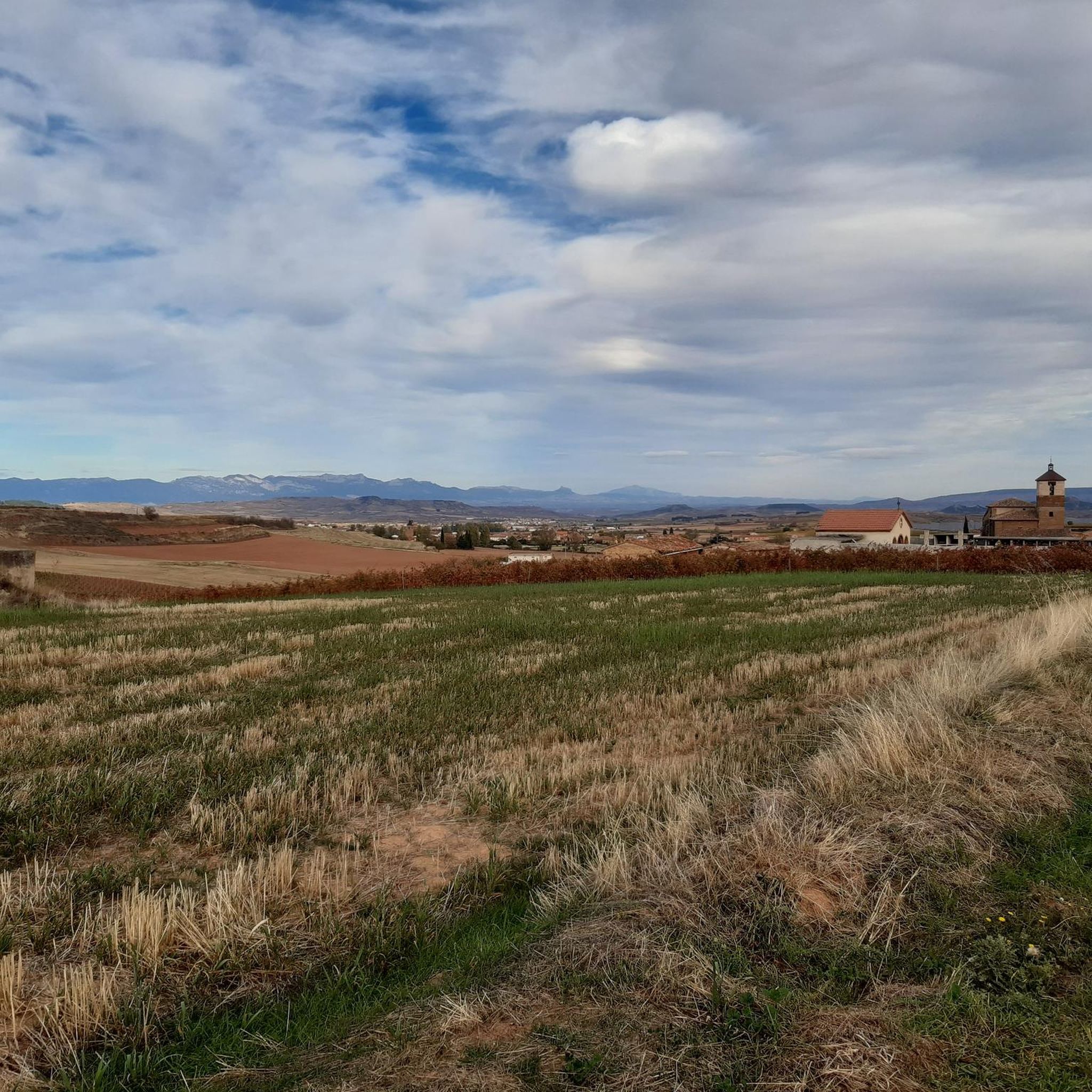
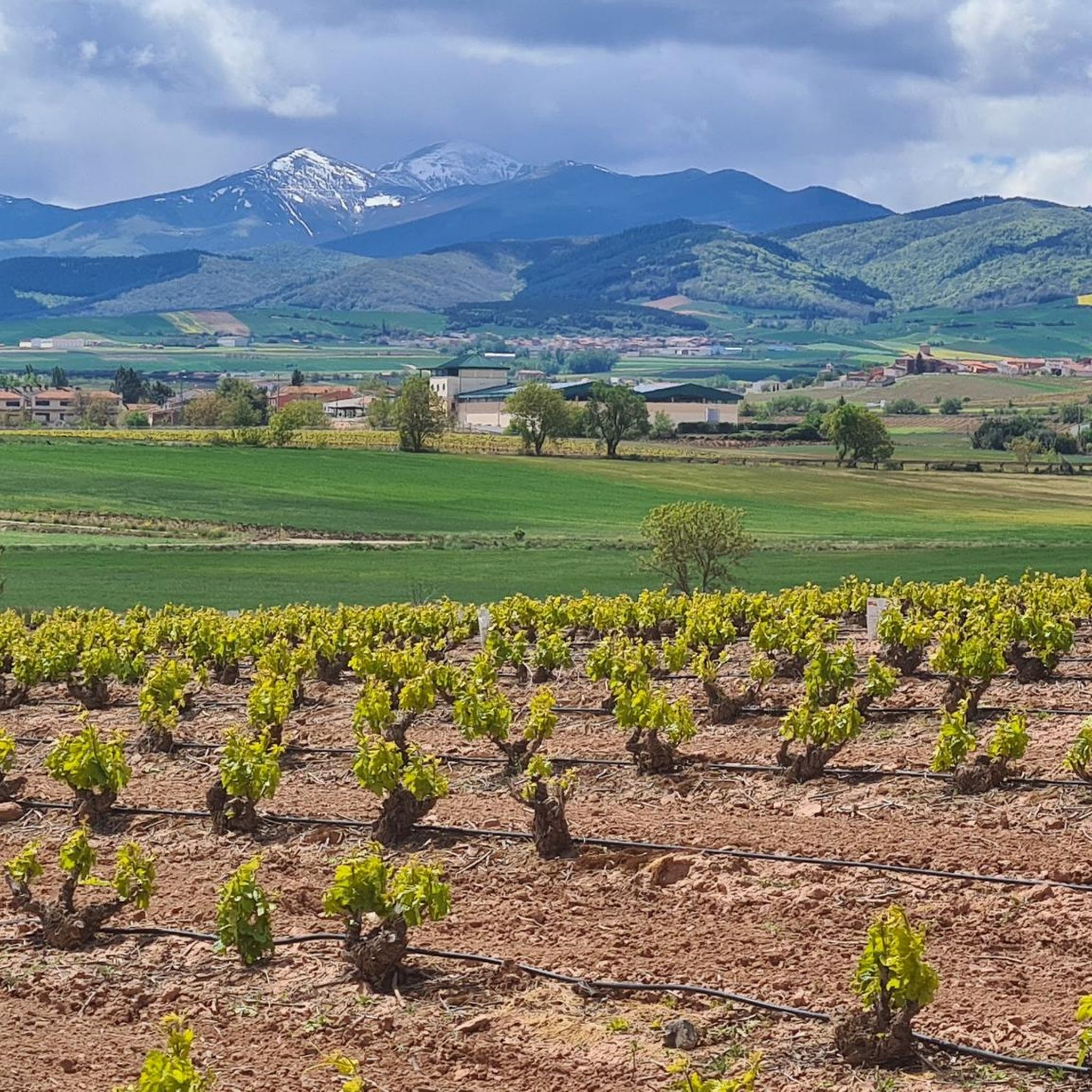
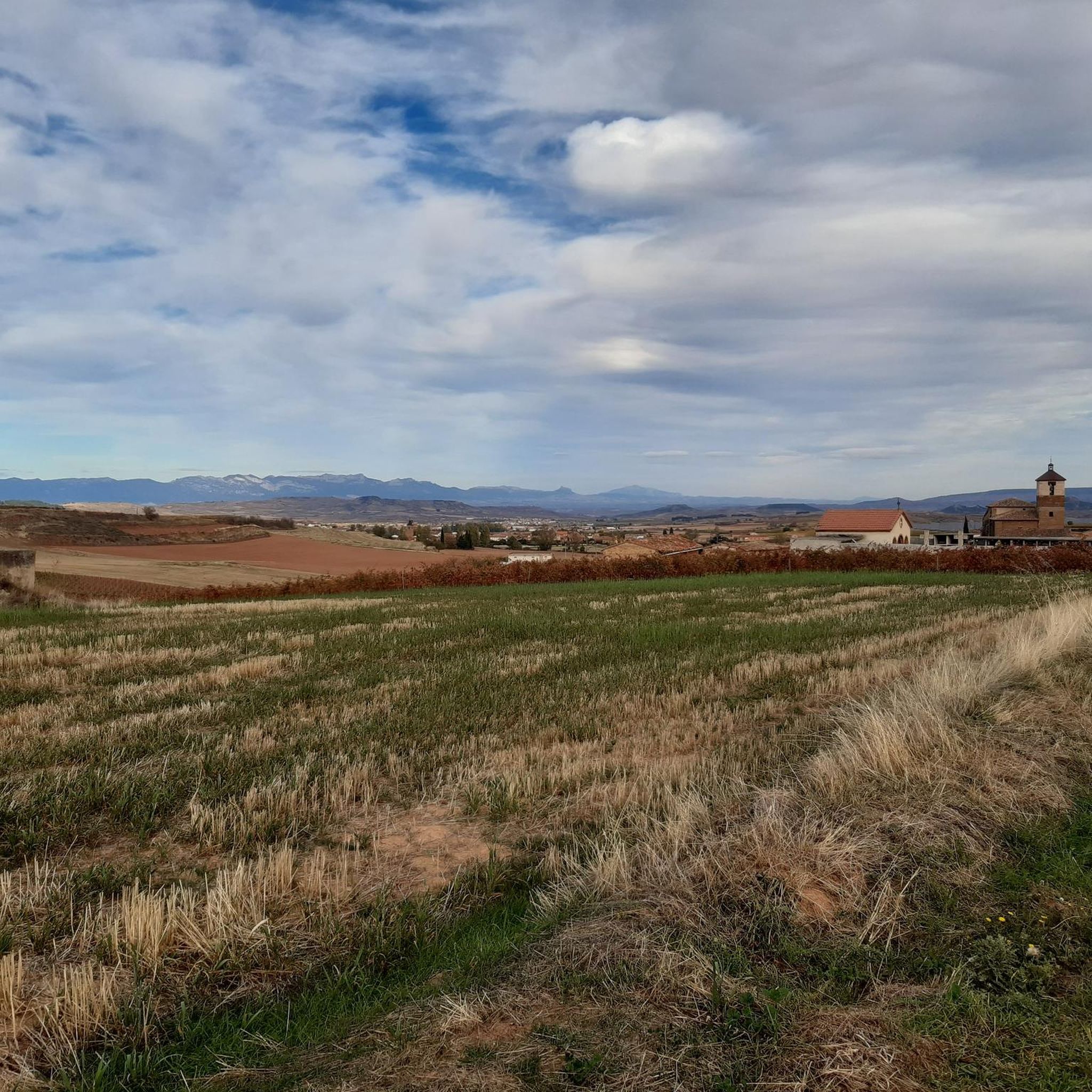
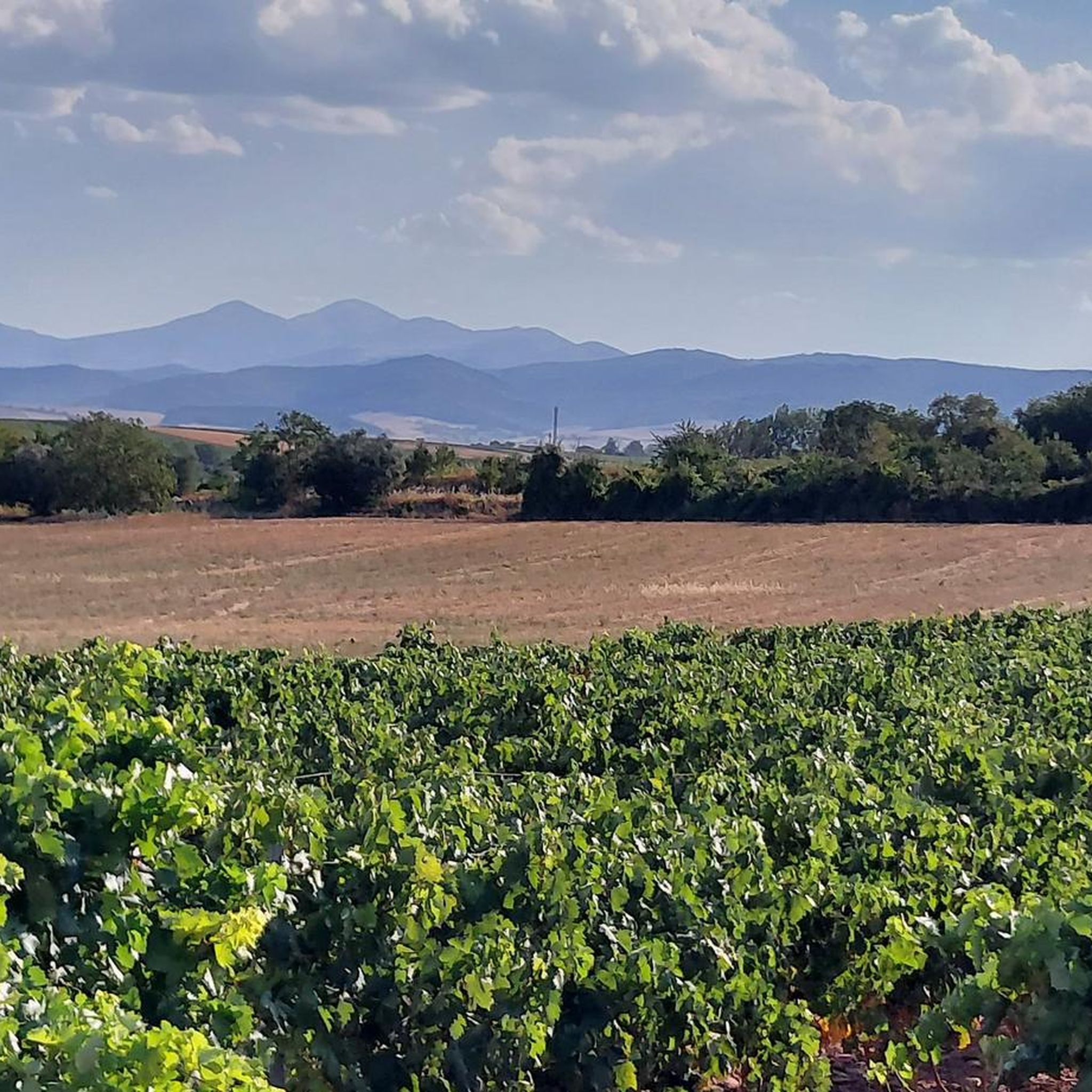
Road cycling routes around Canillas De Río Tuerto traverse the fertile Tuerto River valley, characterized by diverse agricultural landscapes including cereal fields, potato crops, and extensive vineyards. The terrain offers a mix of relatively flat sections along river valleys and more demanding climbs in nearby areas such as the Sierra de Moncalvillo. Cyclists can expect smooth asphalt surfaces winding through the renowned La Rioja wine region. The region's varied topography ensures options for different ability levels.
Best road cycling routes around Canillas De Río Tuerto
- The most popular road cycling route is Bar Restaurant La Estación – Alto de Pradilla loop from Cañas, a 47.4 miles (76.3 km) trail that takes 3 hours 36 minutes to complete. This difficult route includes significant elevation gain towards Alto de Pradilla.
- Another top favourite among local road cyclists is Monastery of Suso – Badarán loop from Alesanco, a moderate 30.6 miles (49.3 km) path. This route features varied terrain through the region's agricultural and vineyard landscapes.
- Local road cyclists also love the Fuente de Cárdenas – Badarán loop from Alesanco, a 20.9 miles (33.6 km) trail leading through the broader La Rioja wine country, often completed in about 1 hour 27 minutes.
- Road cycling around Canillas De Río Tuerto is defined by the Tuerto River valley, extensive vineyards, and the proximity to the Sierra de Moncalvillo. The network offers options for easy, moderate, and difficult ability levels.
- The routes in Canillas De Río Tuerto are highly rated by the komoot community with an average score of 4.7 stars from over 50 reviews. More than 1,400 road cyclists have used komoot to explore Canillas De Río Tuerto's varied terrain.
Last updated: July 12, 2026
52
riders
76.5km
03:37
930m
930m
Hard road ride. Very good fitness required. Mostly well-paved surfaces and easy to ride.
35
riders
100.0km
04:55
1,050m
1,050m
Hard road ride. Very good fitness required. Some segments of this route may be unpaved and difficult to ride.

Sign up for free
27
riders
63.9km
02:56
650m
650m
Moderate road ride. Good fitness required. Mostly well-paved surfaces and easy to ride.
4.5
(8)
20
riders
49.3km
02:18
600m
600m
Moderate road ride. Good fitness required. Mostly well-paved surfaces and easy to ride.
12
riders
33.6km
01:27
300m
300m
Moderate road ride. Good fitness required. Mostly well-paved surfaces and easy to ride.
Get access to more routes and recommendations from other explorers.
Sign up for free
Already have an account?
Our route recommendations are based on thousands of hikes, rides, and runs completed by other people on komoot.
Start today with a free account
Your next adventure awaits.
Login or Signup

Tips from the Community

The Monastery of San Millán de la Cogolla is a place of great importance in the La Rioja region of Spain. Founded in the 6th century AD by Saint Millán, this monastery has a rich history and a special connection with the Castilian language.
3
0

A Riojan town on the Camino de Santiago. It has a pilgrim hostel. Sculpture of Santiago and a samurai.
2
0

The pilgrimage route repeatedly involves crossing valleys and rivers like the Rio Oja – as here at Santo Domingo de la Calzada. The bridges are sometimes relatively modern, sometimes medieval, and sometimes even older.
1
0
It crosses the Oja River, connecting different parts of the city. Built in the 12th century by Saint Dominic de la Calzada to facilitate the passage of pilgrims on the Camino de Santiago. The stone bridge features several arches, a fine example of medieval engineering.
2
0
The Cathedral of Santo Domingo de la Calzada, also known as the Cathedral of El Salvador, is an impressive monument located in the town of Santo Domingo de la Calzada. The cathedral was built between the 12th and 13th centuries, combining Romanesque and Gothic styles. A unique feature is its free-standing tower, separated from the main body of the cathedral.
8
0

To the left and right of the path you can see vineyards everywhere in this area.
1
0

The perfect stop to replenish your energy after a bike ride (or walking, or skiing...) around Ezcaray
0
0
Romanesque church dating back to the 12th century on the outskirts of Valgañón, a town in the Sierra de la Demanda near Ezcaray. A great stop to get water on the way up to the top of Pradilla.
0
0
Frequently Asked Questions
What kind of terrain can I expect on road cycling routes around Canillas de Río Tuerto?
The region offers a diverse cycling experience. You'll find relatively flat sections winding through the fertile Tuerto River valley, characterized by extensive vineyards and agricultural landscapes. For more challenging rides, routes extend into nearby areas like the Sierra de Moncalvillo, providing demanding climbs and panoramic vistas. The area is known for its smooth asphalt surfaces, ideal for road cycling.
How many road cycling routes are available in the Canillas de Río Tuerto area?
There are over 35 road cycling routes around Canillas de Río Tuerto, catering to various skill levels. This includes 9 easy routes, 21 moderate routes, and 6 difficult routes, ensuring options for every cyclist.
Are there any challenging road cycling routes for experienced riders?
Yes, experienced riders will find several challenging routes. For instance, the Bar Restaurant La Estación – Alto de Pradilla loop from Cañas is a difficult 76.3 km route with significant elevation gain. Another demanding option is the Bar Restaurant La Estación – Llano de la Casa loop from Hormilla, covering 100.6 km with over 1,000 meters of ascent.
What cultural or historical landmarks can I see along the road cycling routes?
The region is rich in history and culture. You can explore the historic Santo Domingo de la Calzada Cathedral and its adjacent bridge. Further afield, the San Millán de la Cogolla Monastery, part of the Suso and Yuso Monasteries complex, offers a glimpse into the region's monastic heritage. Many routes also pass through charming villages and past local wineries, such as Winery Florentino Martínez, offering a taste of La Rioja's renowned wine culture.
Are there any family-friendly road cycling options in Canillas de Río Tuerto?
While specific family-friendly routes are not highlighted, the region's relatively flat sections along the Tuerto River valley and through agricultural landscapes can be suitable for families. These areas often feature tranquil environments with less traffic, making for a more enjoyable and safer cycling experience for all ages. Look for routes categorized as 'easy' for the most suitable options.
What is the best time of year for road cycling in Canillas de Río Tuerto?
The region's climate, typical of La Rioja, generally offers pleasant conditions for cycling during spring and autumn. These seasons provide comfortable temperatures and beautiful scenery, especially when the vineyards are in full bloom or displaying their autumnal colors. Summer can be warm, while winter might bring cooler temperatures, though cycling is possible year-round.
Can I find circular road cycling routes around Canillas de Río Tuerto?
Yes, many of the routes in the area are designed as loops, allowing you to start and finish in the same location. For example, the Fuente de Cárdenas – Badarán loop from Alesanco is a moderate 33.6 km circular route, and the Badarán – Monastery of Yuso loop from Alesanco offers a 39.8 km ride through scenic landscapes.
What do other road cyclists say about the routes in Canillas de Río Tuerto?
The road cycling routes around Canillas de Río Tuerto are highly rated by the komoot community, with an average score of 4.7 stars from over 50 reviews. Cyclists often praise the tranquil environment, the smooth asphalt roads winding through picturesque vineyards, and the diverse terrain that offers both gentle valley rides and challenging climbs towards the Sierra de Moncalvillo.
Are there opportunities to combine cycling with wine tasting in the region?
Absolutely. Canillas de Río Tuerto is nestled in the heart of the renowned La Rioja wine region. Many cycling routes, such as the Labastida loop from Hormilla, wind directly through extensive vineyards and past numerous bodegas. This offers excellent opportunities to stop at local wineries, like Winery Florentino Martínez, and experience La Rioja's celebrated wine culture firsthand.
What natural features will I encounter while cycling around Canillas de Río Tuerto?
You'll cycle through the lush Tuerto River valley, surrounded by fertile agricultural lands, including cereal fields and potato crops. The dominant natural feature is the vast expanse of vineyards, offering iconic views of rolling hills covered in grapevines. Routes also provide glimpses of the Sierra de Moncalvillo in the distance and, in the broader La Rioja region, sections along the significant Ebro River. The area also supports rich biodiversity, with various bird species adding to the natural allure.
Most popular routes around Canillas De Río Tuerto
Most popular attractions around Canillas De Río Tuerto

Get inspired with the komoot mobile app


Explore more
Browse the best Road cycling routes in other regions.
