The best gravel rides around Ficulle
4.5
(4)
83
riders
29
rides
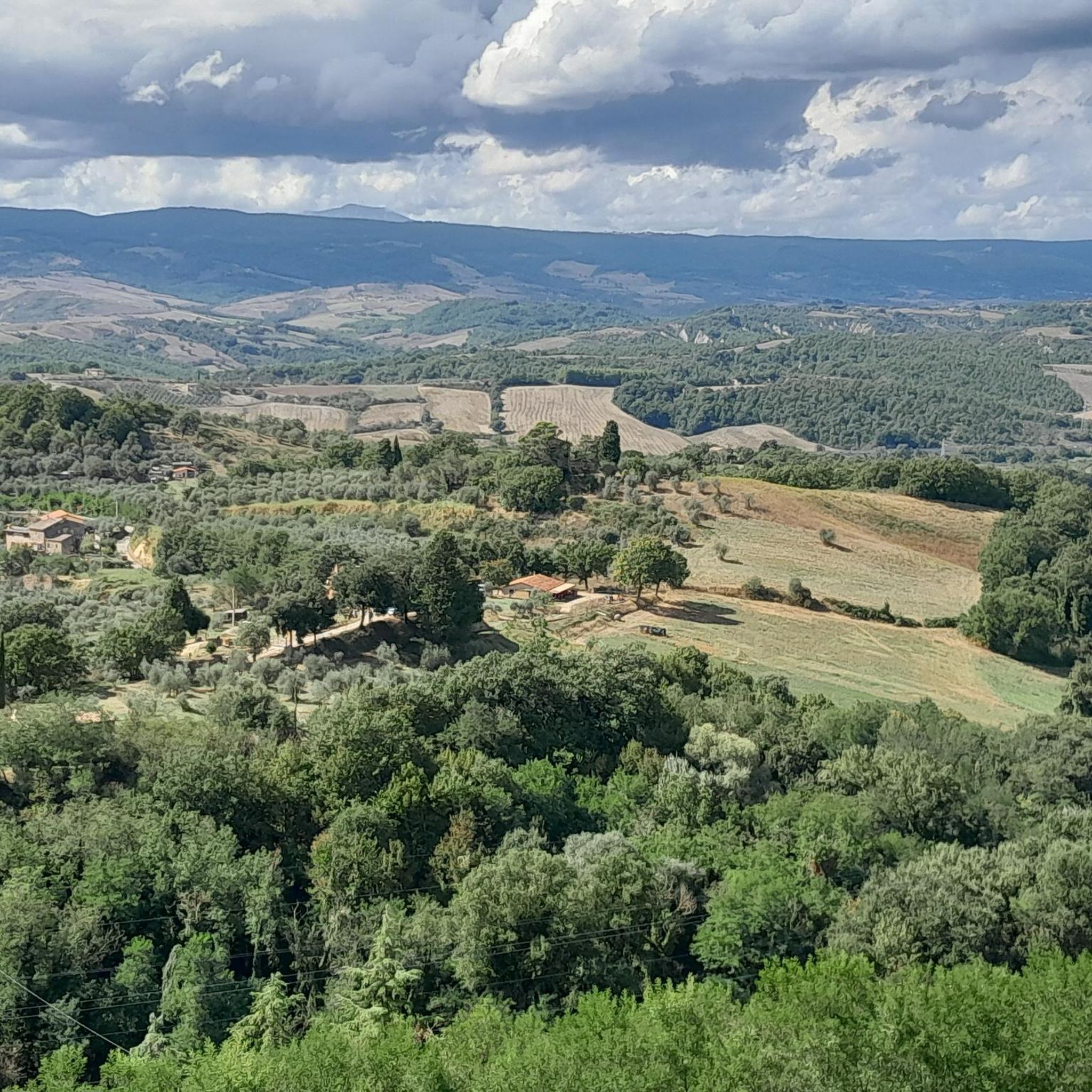
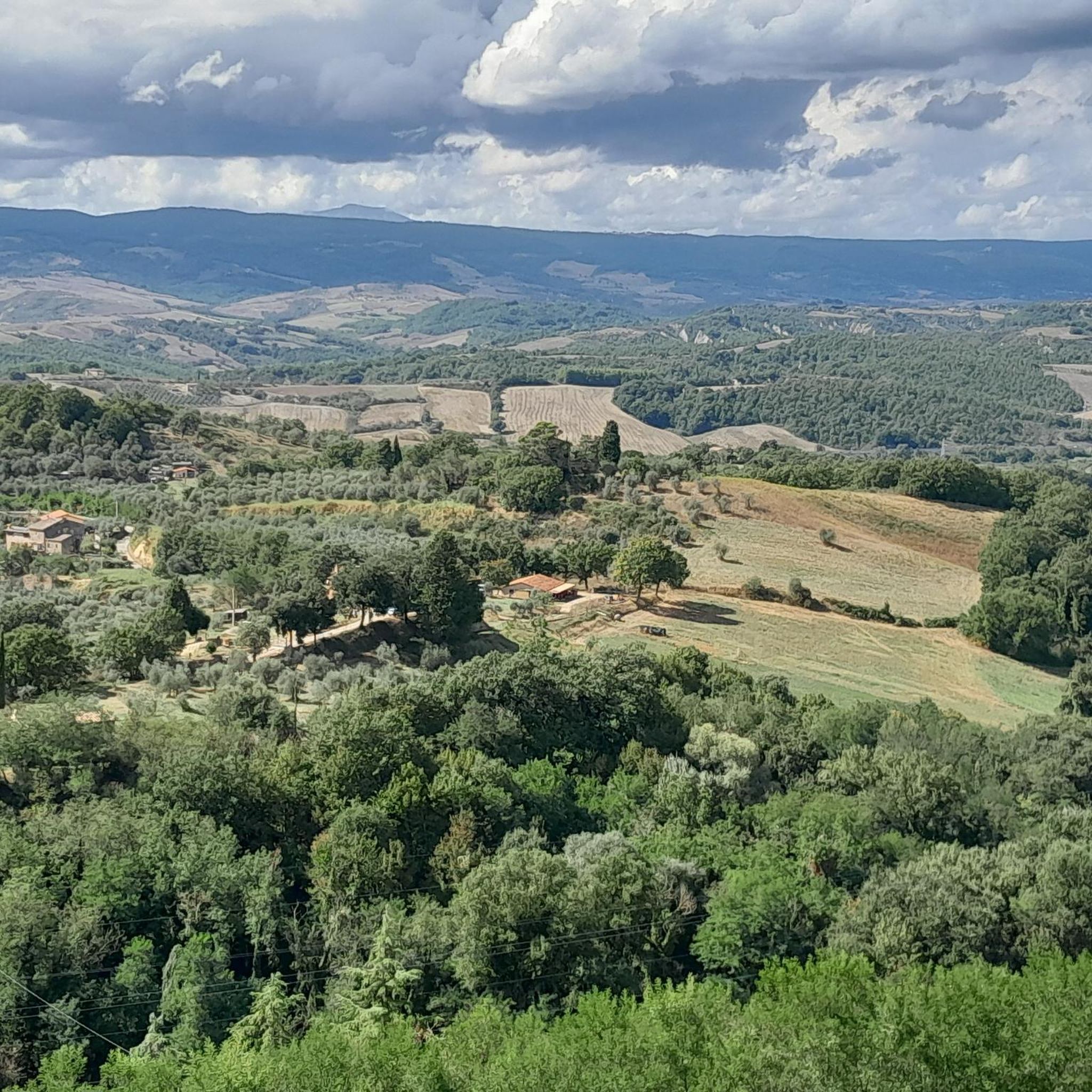
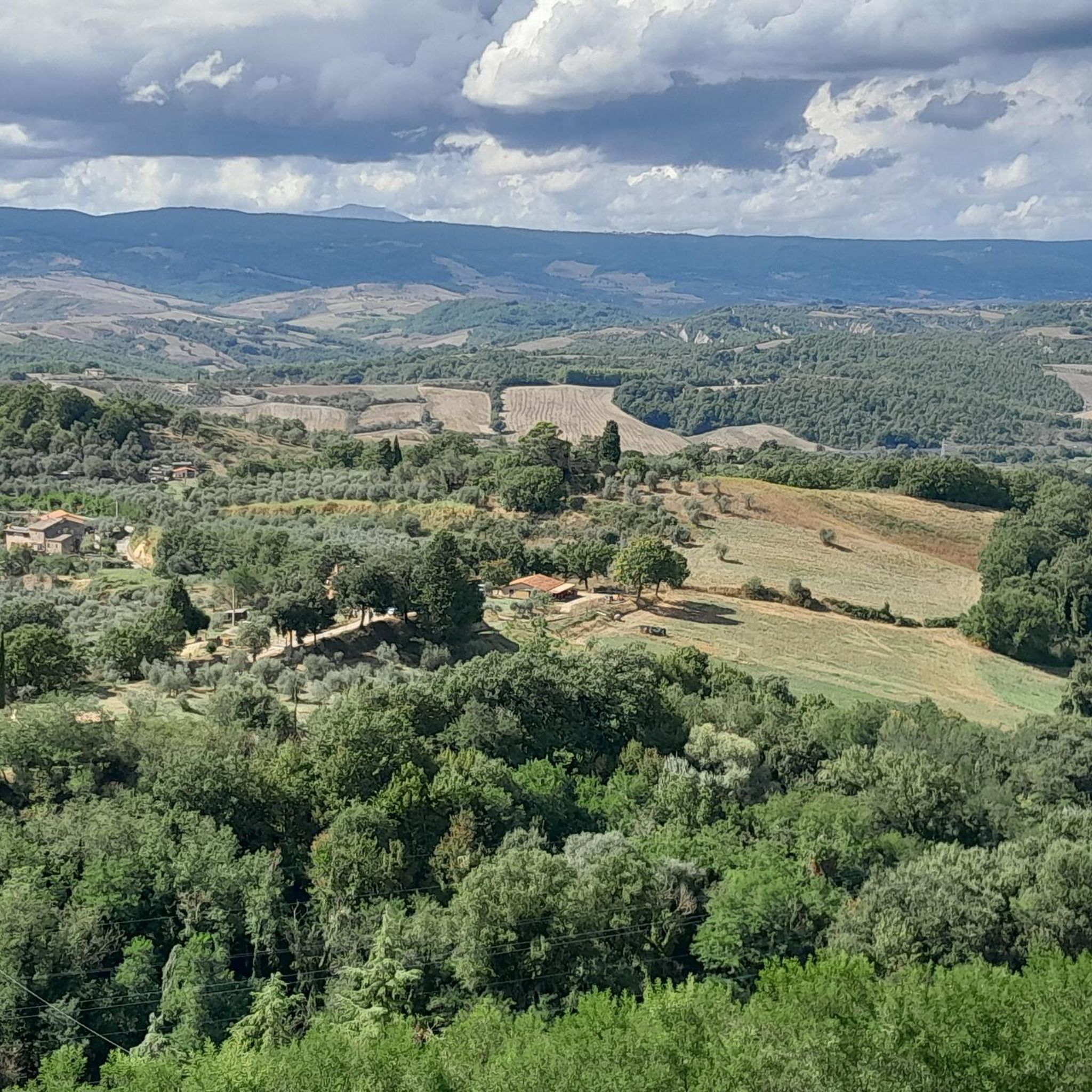
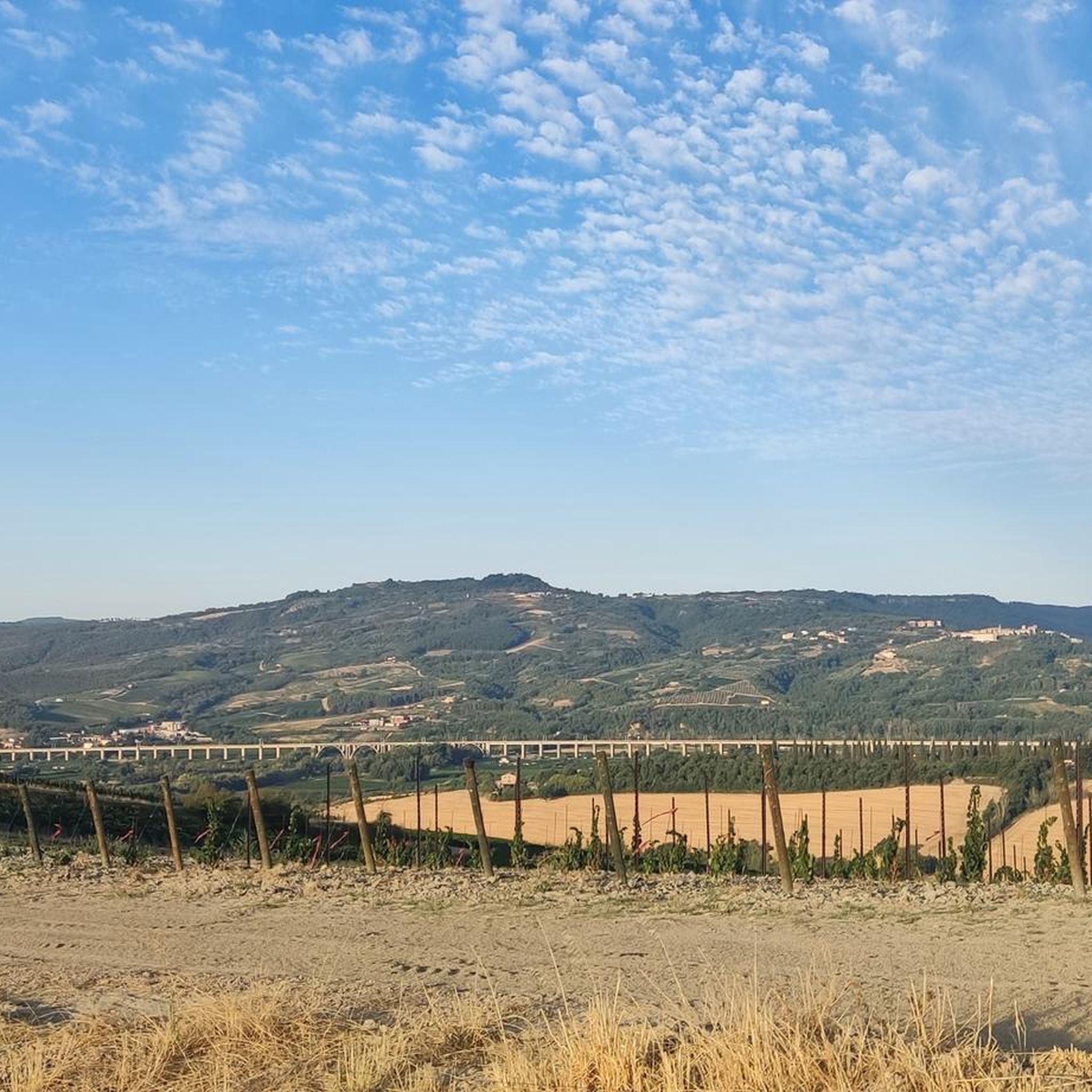
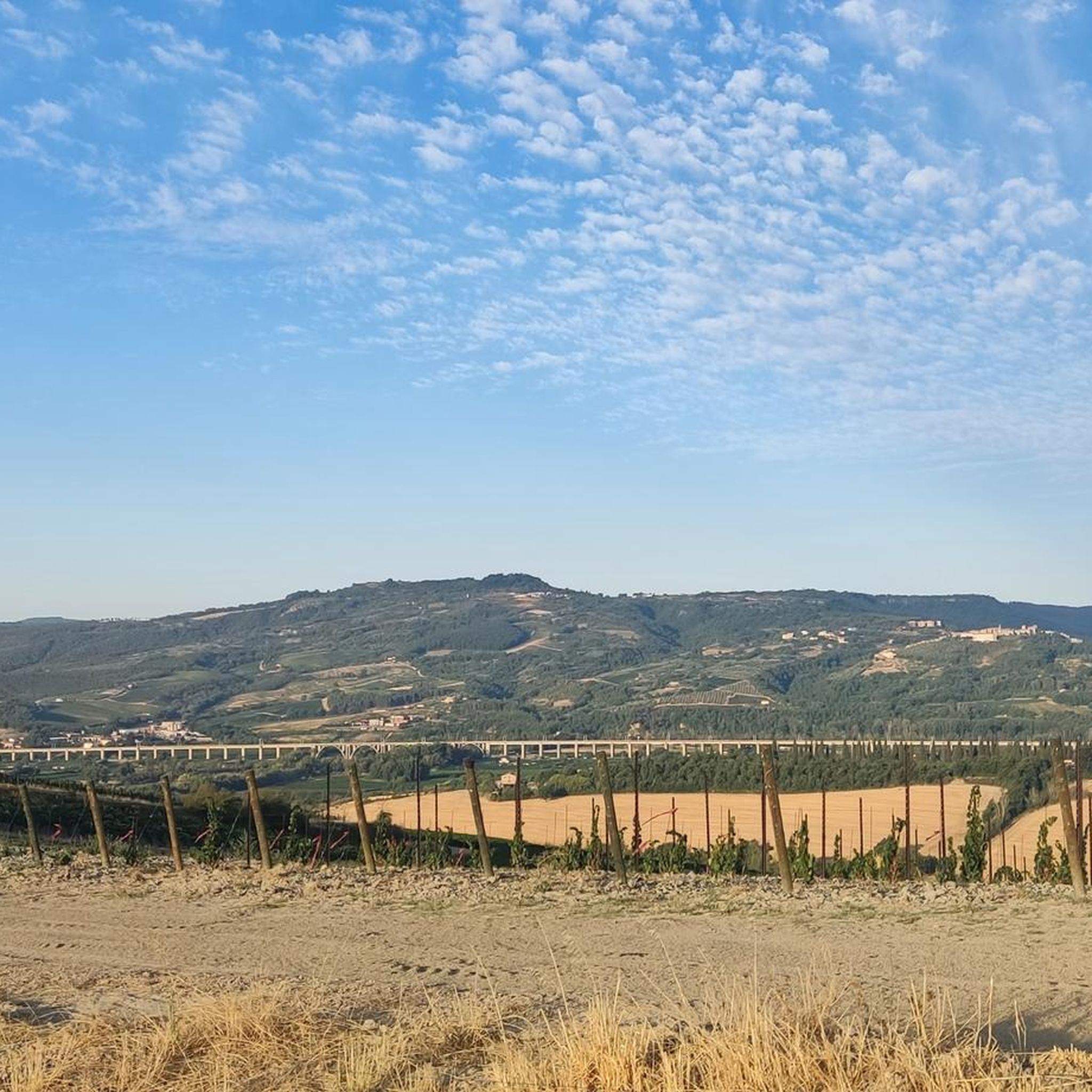
Gravel biking around Ficulle offers diverse terrain within Umbria's green hills, characterized by rolling landscapes, vineyards, and forests. The region features a mix of asphalt and well-beaten gravel roads, presenting varied gradients, climbs, and descents. Natural features like the Meana Forest and Monte Nibbio (over 530 meters) contribute to the area's challenging and rewarding routes. The terrain includes well-maintained white gravel roads, with some sections becoming more irregular and narrower.
Best gravel bike trails around Ficulle
- The most popular gravel…
Last updated: July 6, 2026
4.5
(2)
21
riders
58.6km
04:18
1,150m
1,140m
Hard gravel ride. Very good fitness required. Mostly paved surfaces. Suitable for all skill levels.
4.5
(2)
14
riders
43.8km
02:51
860m
860m
Hard gravel ride. Very good fitness required. Mostly paved surfaces. Suitable for all skill levels.

Sign up for free
5
riders
117km
08:40
2,070m
2,070m
Hard gravel ride. Very good fitness required. Mostly paved surfaces. Suitable for all skill levels.
6
riders
61.7km
05:14
1,470m
1,470m
Hard gravel ride. Very good fitness required. Mostly paved surfaces. Suitable for all skill levels.
6
riders
51.0km
03:16
100m
100m
Moderate gravel ride. Good fitness required. Mostly paved surfaces. Suitable for all skill levels.
Get access to more routes and recommendations from other explorers.
Sign up for free
Already have an account?
Our route recommendations are based on thousands of hikes, rides, and runs completed by other people on komoot.
Start today with a free account
Your next adventure awaits.
Login or Signup
Tips from the Community

The Basilica is stunning and the catacombs are absolutely worth visiting. We were lucky enough to have explanations from a gentleman who works there who practically acted as our private guide. A must-see
0
0

Beautiful and super welcoming country, both at the hotel and at the restaurant I found helpful people, I'll be back!
0
0


Lake Chiusi, a remnant of the ancient Valdichiana swamp, is today a natural oasis rich in biodiversity, ideal for relaxation, walks, and birdwatching. A must-try is brustico, a typical fishermen's dish in which lake fish is cooked directly on lake reeds, acquiring a characteristic smoky and intense aroma.
0
0

The small village of Fighine, completely enclosed within the castle walls, was once a center of great interest given its strategic position between the Chiana and Paglia Valleys. Today, it is a place of extreme tranquility where you can relive the medieval atmosphere.
1
0

Worth a visit. Ideal for a quiet outing!
0
0

For those who want to take a break, the beach is easily accessible by bike from several points.
0
0

Frequently Asked Questions
How many gravel bike trails are available around Ficulle?
There are over 25 gravel bike trails around Ficulle, offering a diverse range of experiences. Most of these, about 22, are considered difficult, while a few are moderate, catering to various skill levels.
What kind of terrain can I expect on gravel bike trails near Ficulle?
The terrain around Ficulle is characterized by rolling green hills, vineyards, and forests. You'll encounter a mix of asphalt and well-beaten white gravel roads, with varied gradients, climbs, and descents. Some sections can be more irregular and narrower, adding to the gravel biking experience.
What is the best time of year for gravel biking in Ficulle?
The spring and autumn months generally offer the most pleasant conditions for gravel biking in Ficulle, with mild temperatures and vibrant landscapes. Summers can be hot, while winters might bring cooler, potentially wetter conditions, though the region's beauty persists year-round.
Are there gravel bike routes suitable for beginners or families in Ficulle?
While many routes in Ficulle are rated as difficult, there are a few moderate options available. For instance, the route from Città della Pieve to Ficulle is described as a short and easy stage, beginning with a descent along a tree-lined cart track and incorporating gravel roads. It's best to check individual route details for specific suitability.
What historical or natural attractions can I see along gravel bike routes in Ficulle?
Many routes pass by or near significant landmarks. You can explore the medieval village of Ficulle itself, with its historic center and the Castle of the Bonavicini Counts. Further afield, routes may lead you past attractions like the stunning Orvieto Cathedral, the historic Albornoz Fortress, or the ancient St. Patrick's Well.
Are there any circular gravel bike routes around Ficulle?
Yes, many of the gravel bike routes in the Ficulle area are designed as loops, allowing you to start and end in the same location. An example is the Orvieto Cathedral – St. Patrick's Well loop from Piazza Cahen, which offers a challenging yet rewarding circular ride.
Is public transport available to access gravel bike trails in Ficulle?
While Ficulle itself is a smaller village, nearby towns like Orvieto offer better public transport connections. Some routes, such as the 'Orvieto – Ficulle' itinerary, start from Orvieto Scalo, which is accessible by train, making it a potential starting point for your gravel biking adventure.
Where can I find parking for gravel biking in Ficulle?
In Ficulle and surrounding villages, you can typically find public parking areas. For routes starting from larger towns like Orvieto, designated parking lots are usually available near the city center or train station, such as Piazza Cahen, which is a common starting point for several routes.
What do other gravel bikers say about the trails in Ficulle?
The gravel biking routes in Ficulle are highly rated by the komoot community, with an average score of 4.5 stars. Over 60 gravel bikers have explored the varied terrain, often praising the picturesque scenery, the blend of challenging climbs and rewarding descents, and the authentic Umbrian experience.
Can I find gravel bike routes with cafe stops or places to rest?
Many routes in the Ficulle area pass through or near charming medieval villages and small towns. These often provide opportunities for cafe stops, local eateries, or places to rest and refuel. Exploring Ficulle's historic center or passing through villages like Salci can offer pleasant breaks during your ride.
What are the typical distances and elevations for gravel bike routes in the Ficulle area?
Gravel bike routes around Ficulle vary significantly. Distances can range from around 30 km to over 115 km. For example, the Panini Stop loop from Allerona-Castel Viscardo is about 42 km, while the Salci village – Castello di Greppolischieto loop from Fabro-Ficulle is over 60 km. Elevation gains are substantial, often ranging from 500 meters to over 2000 meters for longer, more challenging routes, reflecting the hilly Umbrian landscape.
Are there any challenging gravel bike trails near Ficulle for experienced riders?
Absolutely. The Ficulle area is known for its challenging routes. For experienced riders seeking a demanding adventure, the Orvieto Cathedral – St. Patrick's Well loop from Piazza Cahen offers significant elevation gain and varied terrain over its 31.8 km. Many routes feature steep gradients and extensive climbs, providing a rewarding experience for those with good fitness.
Most popular attractions around Ficulle

Get inspired with the komoot mobile app


Explore more
Browse the best Gravel rides in other regions.
