The best gravel rides around Parco dell'Inviolata
4.3
(16)
101
riders
5
rides
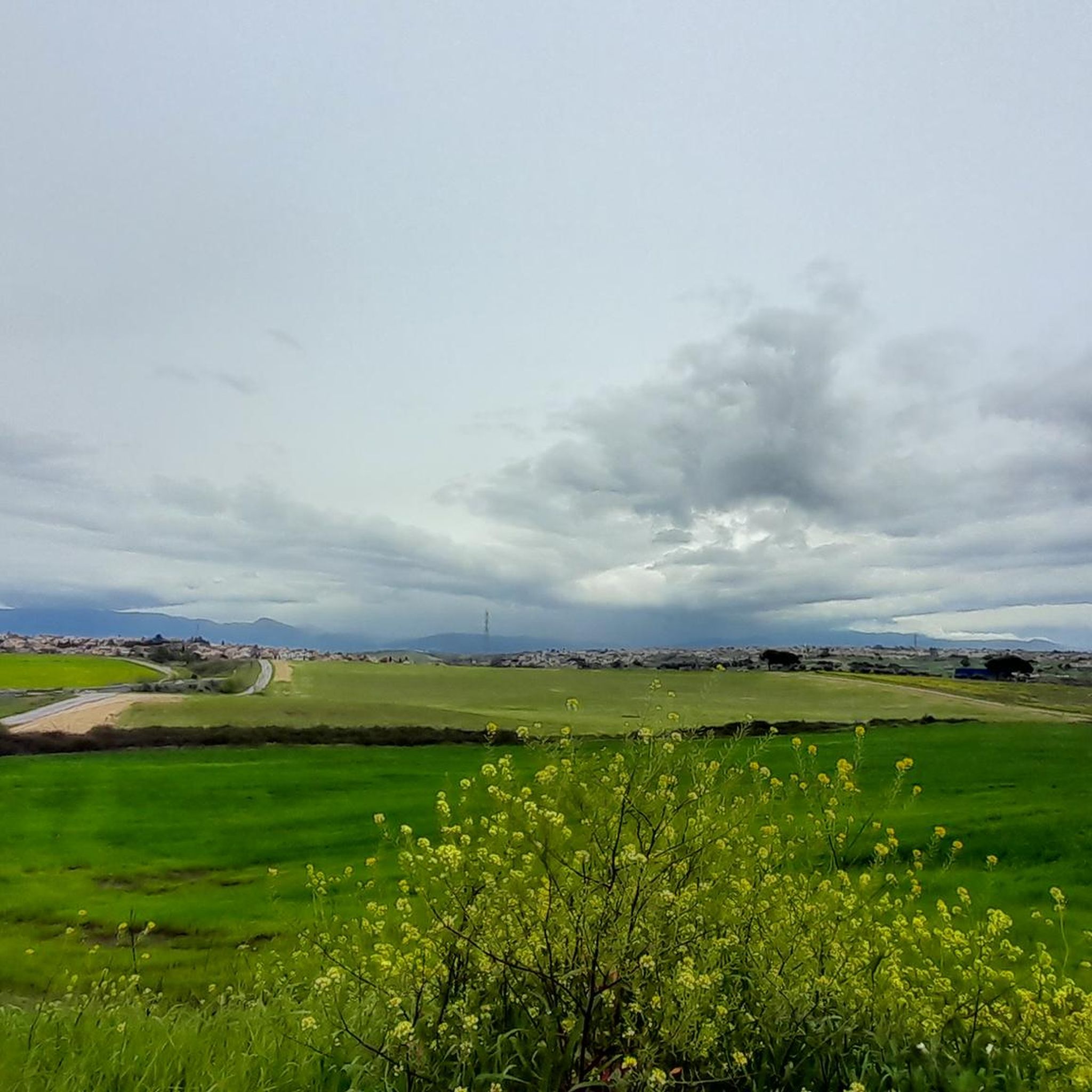
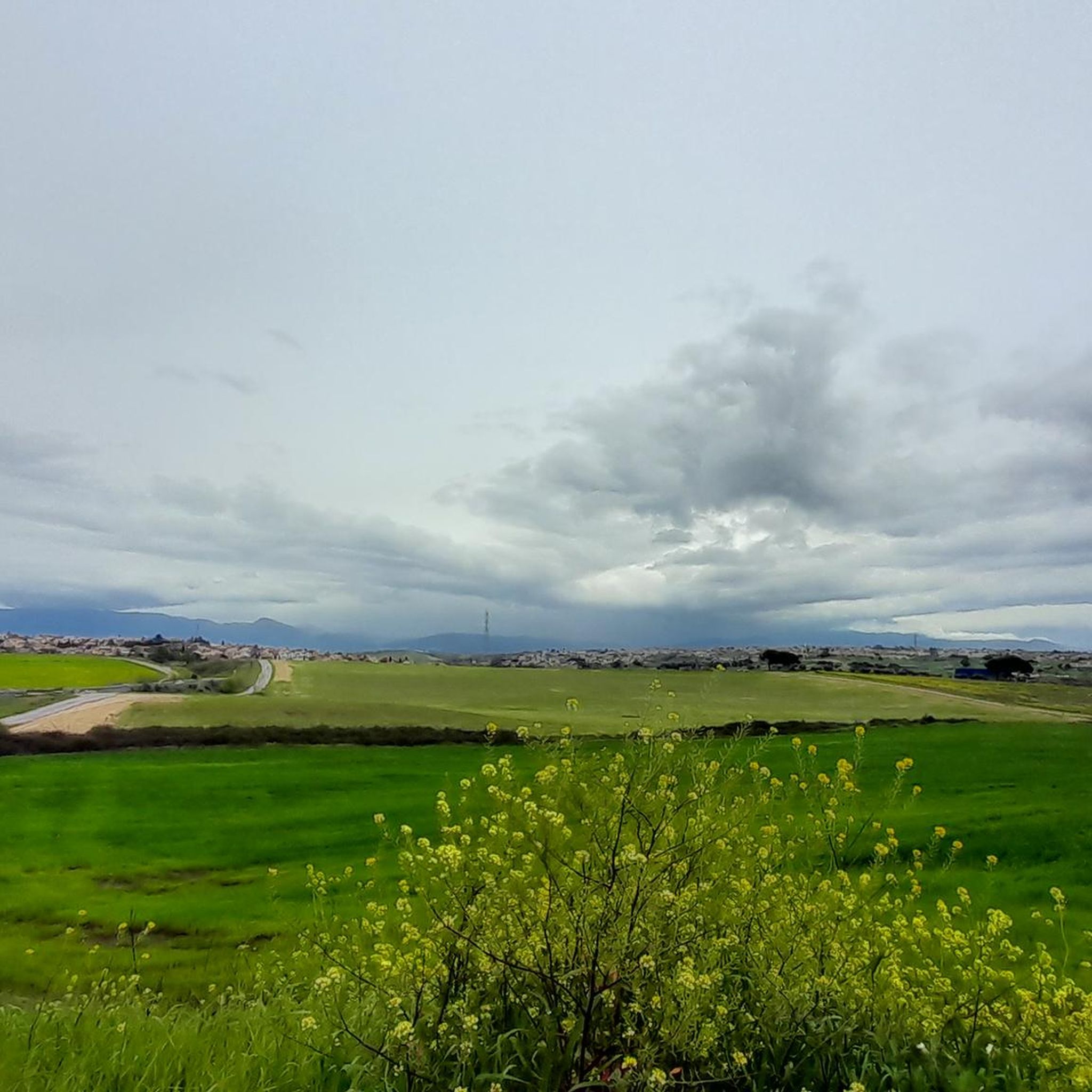
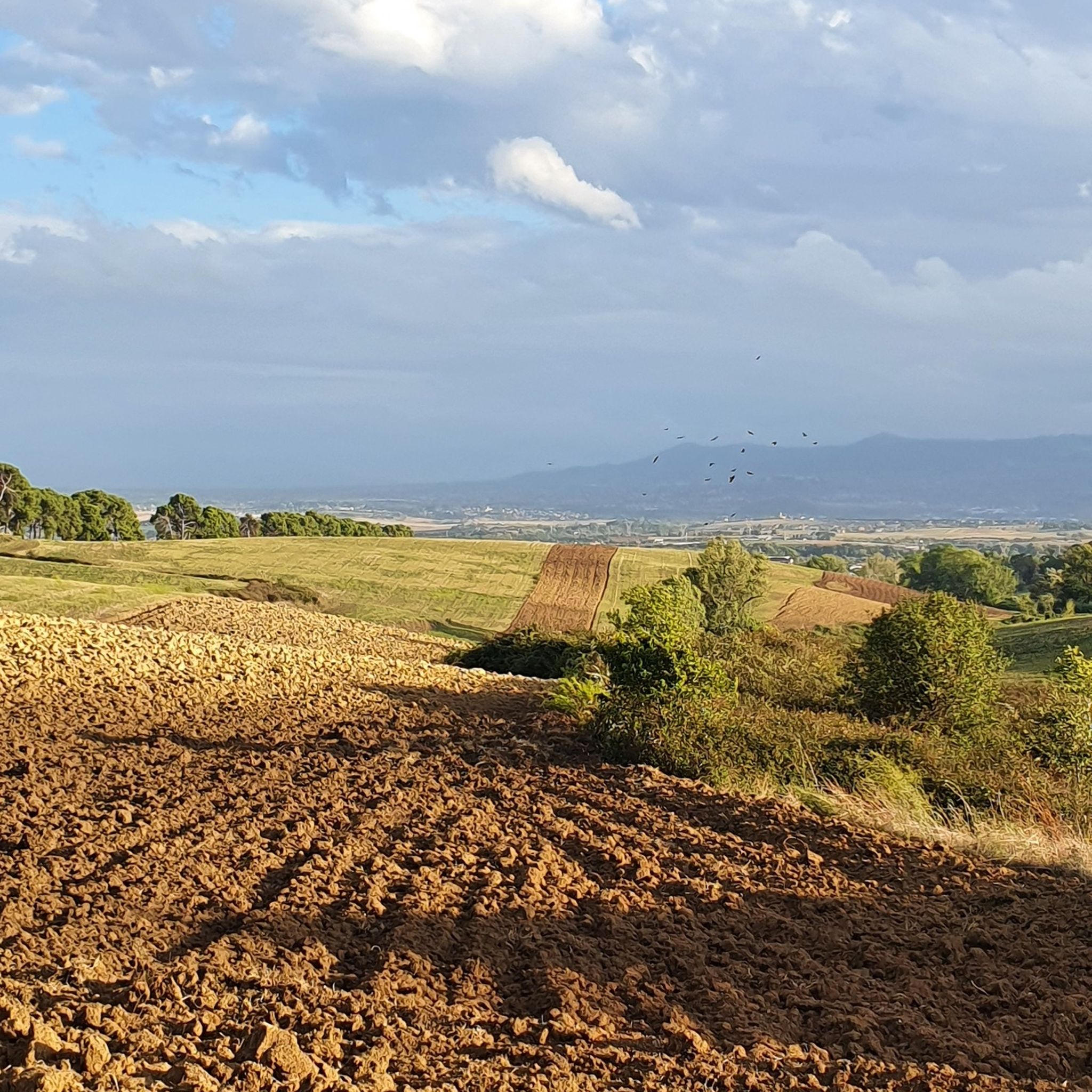
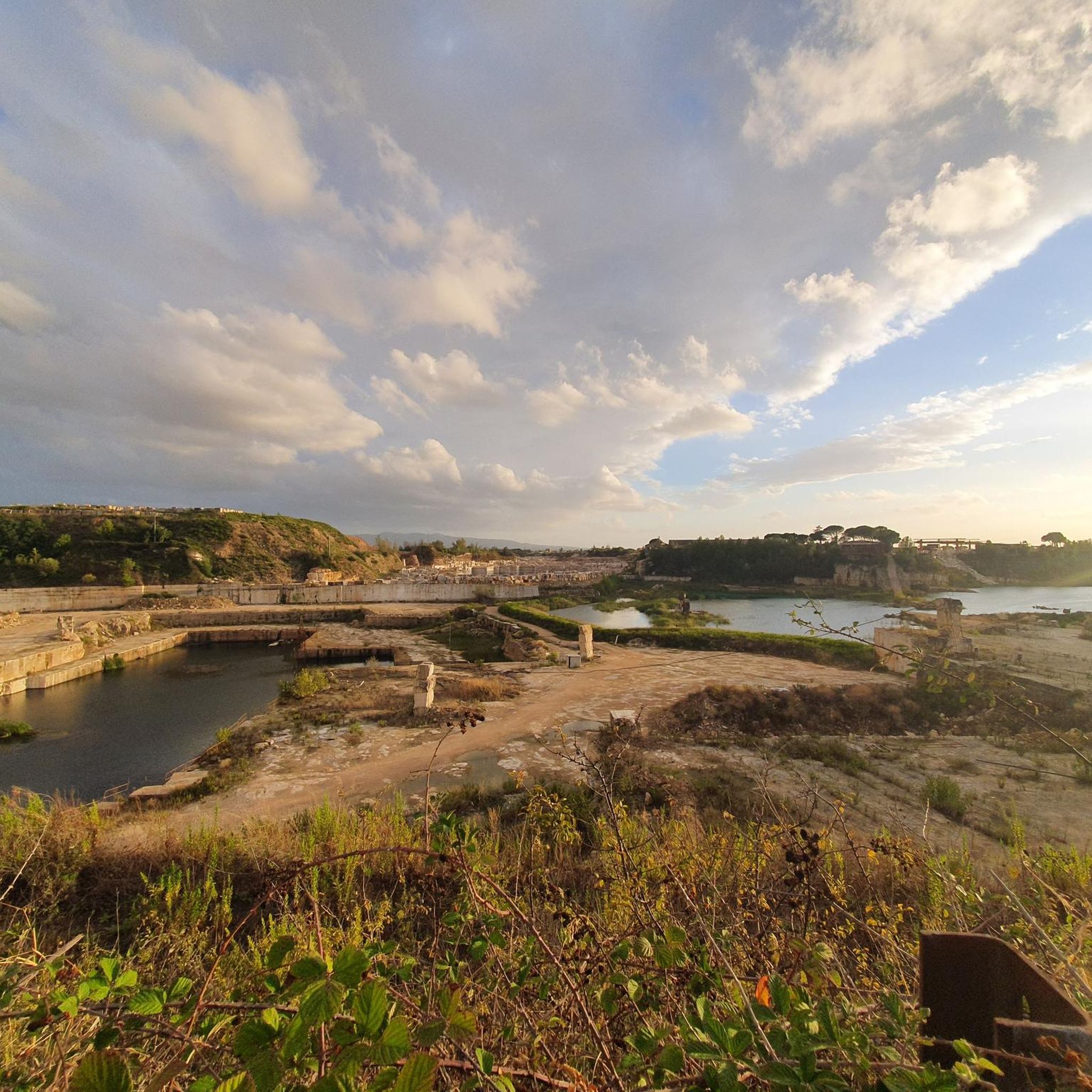
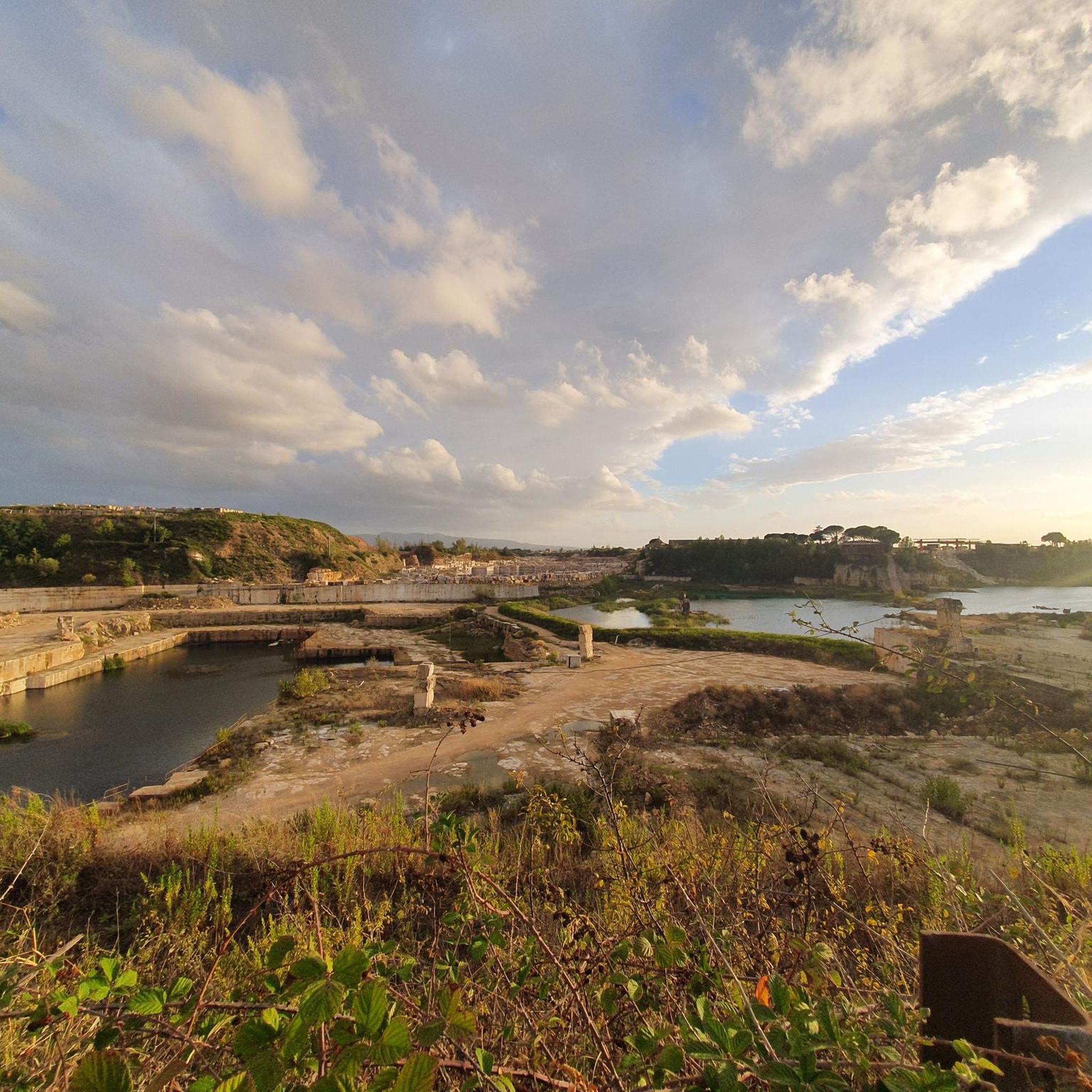
Gravel biking around Parco dell'Inviolata features diverse natural landscapes and varied terrain characteristic of the Roman countryside. The park spans approximately 2,000 hectares, with undulating hills ranging from 50 to 120 meters above sea level, shaped by volcanic sediments. The area includes multiple water courses, gallery forests, cultivated fields, and unpaved paths, providing a mix of surfaces for gravel cyclists. This ecological diversity, combined with historical and archaeological sites, defines the gravel bike trails in Parco dell'Inviolata.
Best gravel bike…
Last updated: July 9, 2026
8
riders
20.5km
01:28
100m
100m
Easy gravel ride. Great for any fitness level. Mostly paved surfaces. Suitable for all skill levels.
9
riders
48.4km
03:16
680m
680m
Hard gravel ride. Very good fitness required. Mostly paved surfaces. Suitable for all skill levels.

Sign up for free
3.9
(9)
57
riders
43.4km
02:47
320m
320m
Moderate gravel ride. Good fitness required. Mostly paved surfaces. Suitable for all skill levels.
4.7
(7)
7
riders
31.8km
02:44
970m
970m
Hard gravel ride. Very good fitness required. Mostly paved surfaces. Suitable for all skill levels.
4
riders
61.1km
04:40
1,260m
1,260m
Hard gravel ride. Very good fitness required. Mostly paved surfaces. Suitable for all skill levels.
Our route recommendations are based on thousands of hikes, rides, and runs completed by other people on komoot.
Start today with a free account
Your next adventure awaits.
Login or Signup
Tips from the Community


The Aniene River Park is one of the most interesting destinations to explore by bike in Rome. Along the river, trails accessible to all wind: from flat and relaxing stretches, perfect for city bikes or trekking, to more technical dirt trails, ideal for those who want to have fun with a mountain bike or enduro bike. Pedaling among willow trees, small bridges, and natural views, you'll forget you're in the city: the noise of traffic gives way to the rustling of the wind and the slow-flowing water. A place where every cyclist can find their own pace—from a leisurely ride to a short off-road adventure—surrounded by the greenery and history of Rome.
0
0

A small shelter, behind which is an underground cistern. A picnic area with barbecue grills is a great place to relax.
0
0

The picturesque town of Tivoli has rightly been declared a UNESCO World Heritage Site. Everywhere you look, you'll find beautiful corners and small alleys bathed in the glorious light of the evening sun.
0
0

The Galleria Borghese is a renowned art museum in Rome, housed in a 17th-century villa in Villa Borghese Park. It features masterpieces by Bernini (such as Apollo and Daphne), Caravaggio, Raphael, and Titian. The collection includes Baroque sculptures, Renaissance paintings, and ancient art. The museum is small and accessible by reservation only, ensuring a peaceful and exclusive experience.
5
0

Villa Ada is a guarantee for mountain biking, possibly starting from above on Via della Moschea and going down
0
0
beautiful but be careful as the path is sometimes very steep
0
0

The Tiber Island in Rome - A Local's Look The Tiber Island is deeply rooted in the Roman consciousness. For 2,500 years, it has separated Rome from Trastevere ("trans tiberim" - beyond the Tiber), connecting and separating at the same time, and not only in a geographical sense. Its history dates back to the time of the city's founding and blends myth, historical truth, and local events. Even before the city was founded in the 8th century BC, it served as a natural crossing over the Tiber, which at that time, as a raging river, separated southern from northern Italy. Control over the Seven Hills established a very important "trade hub": it was here that the archaic peoples of central Italy arrived, trading their goods with the Greeks and Etruscans. The fusion of these peoples and cultures, combined with the settlement of the area, led to the advanced civilization of the ancient Romans. The island above the Tiber has always been associated with the god of health, Aesculapius. After a plague epidemic in Rome, the Roman Senate sent a delegation to Greece with a petition to the god: the sign was his snake, which was said to have landed on the Tiber Island after a long journey in 293 BC. A temple dedicated to the god Aesculapius was built, along with a sanatorium, a kind of hospital primarily for the common people. An Egyptian obelisk adorned the central square. Text / Source: RomaCulta.com https://romaculta.com/kulturrubrik/die-tiberinsel-in-rom/#:~:text=Since%202500%20years%20it%20separates%20Rom%20from%20Trastevere,and%20mixes%20myth%2C%20historical%20truth%20and%20local%20events.
13
0
Frequently Asked Questions
What kind of terrain can I expect on gravel bike trails in Parco dell'Inviolata?
The Parco dell'Inviolata offers a diverse mix of terrain, characteristic of the Roman countryside. You'll encounter undulating hills, ranging from 50 to 120 meters above sea level, shaped by volcanic sediments like tuff. The routes feature unpaved paths, cultivated fields, gallery forests, and areas near water courses, providing a varied surface for gravel biking.
How many gravel bike routes are available in the Parco dell'Inviolata area?
There are over 10 gravel bike routes available around Parco dell'Inviolata, catering to various skill levels. These include easy loops and more challenging, longer rides through the diverse landscape.
Are there any easy gravel bike trails suitable for beginners or a more relaxed ride?
Yes, there are easy options available. For instance, the Aniene River – Nomentano Bridge loop from Chiesa di San Liborio is an easy 20.5 km (12.7 miles) trail that takes about 1 hour 28 minutes, leading through riverine landscapes and cultivated fields.
What are the more challenging gravel bike routes like in Parco dell'Inviolata?
For those seeking a challenge, many routes are rated as difficult. An example is the Borgo di Poli – Ponte Neola Rock Archway loop from Bagni di Tivoli, which is a 55.8 km (34.7 miles) trail traversing varied terrain and historical points of interest, typically taking around 4 hours 10 minutes.
What historical or natural attractions can I see along the gravel bike trails?
Parco dell'Inviolata is rich in both natural beauty and historical sites. You can expect to see ruins of ancient villas, mausoleums, medieval farmhouses, and segments of Roman-era roads integrated into the landscape. Natural features include multiple water courses, gallery forests, and tuff rock canyons. Some routes, like the Historic village of San Vittorino – Aniene Waterfalls loop from Bagni di Tivoli, offer views of the Aniene Waterfalls and ancient villages.
What do other gravel bikers say about the routes in Parco dell'Inviolata?
The routes in Parco dell'Inviolata are highly rated by the komoot community, with an average score of 4.8 stars from over 30 reviews. More than 100 gravel bikers have used komoot to explore the varied terrain, often praising the mix of natural beauty, historical elements, and diverse unpaved paths.
Are there any routes that offer scenic views of the Roman Countryside?
Yes, several routes provide excellent views. The View of the Roman Countryside – Aniene Waterfalls loop from Hadrian's Villa is a difficult 31.7 km (19.7 miles) route that specifically highlights scenic vistas of the surrounding Roman countryside, alongside the Aniene Waterfalls.
Is Parco dell'Inviolata suitable for family-friendly gravel biking?
While many routes are rated difficult, the presence of easy trails like the Aniene River – Nomentano Bridge loop suggests that families with some cycling experience could find suitable sections. It's advisable to check the specific route details for distance and elevation to ensure it matches your family's ability.
What is the best time of year for gravel biking in Parco dell'Inviolata?
The region generally offers pleasant conditions for gravel biking outside of the peak summer heat. Spring and autumn are often ideal, with milder temperatures and vibrant natural scenery. Winter can also be suitable, though some paths might be muddier after rain.
Are there any circular gravel bike routes available?
Yes, many of the gravel bike routes in the Parco dell'Inviolata area are designed as loops, allowing you to start and finish at the same point. Examples include the Passus by Solmaz Vilkachi – Grotta Marozza loop from Mentana, a challenging 48.4 km (30.1 miles) route, and the Borgo di Poli – Ponte Neola Rock Archway loop.
What kind of elevation changes can I expect on the gravel trails?
The park features undulating hills ranging from 50 to 120 meters above sea level, so you can expect a mix of gentle climbs and descents. More challenging routes, such as the Borgo di Poli – Ponte Neola Rock Archway loop, can have over 700 meters of elevation gain, while easier routes will have significantly less.
Most popular routes around Parco dell'Inviolata

Get inspired with the komoot mobile app


Explore more
Browse the best Gravel rides in other regions.
