Top 20 Caves around Gammertingen
Caves around Gammertingen are situated in the Swabian Alb, a region known for its diverse and historically significant cave systems. While Gammertingen itself may not host extensive cave networks, the immediate surrounding area and the broader Swabian Jura offer numerous remarkable subterranean formations. This area is characterized by its Upper Jurassic limestones, which have been carved over millennia to create these natural features. The region provides opportunities for exploring geological formations and historical sites within these caves.
Best caves around…
Last updated: June 22, 2026
Wimsener Cave
Highlight • Cave
The natural monument known as the "Wimsen Cave" or "Friedrich Cave" is the only "active" water cave in Germany that can be navigated …
Translated by Google •
Tip by

Gieß Waterfall (Veringendorf)
Highlight • Waterfall
Translated by Google •
Tip by

Sign up now to discover places like this
Get recommendations on the best single tracks, peaks, & plenty of other exciting outdoor places.
Sign up for free
Sommerkirch Cave
Highlight • Cave
Translated by Google •
Tip by

Bear Cave and Karl's Cave
Highlight • Cave
Translated by Google •
Tip by

Göpfelstein Cave
Highlight • Cave
Translated by Google •
Tip by

Sign up for free to discover even more caves around Gammertingen.
Sign up for free
Already have an account?
Start today with a free account
Your next adventure awaits.
Login or Signup
Popular around Gammertingen
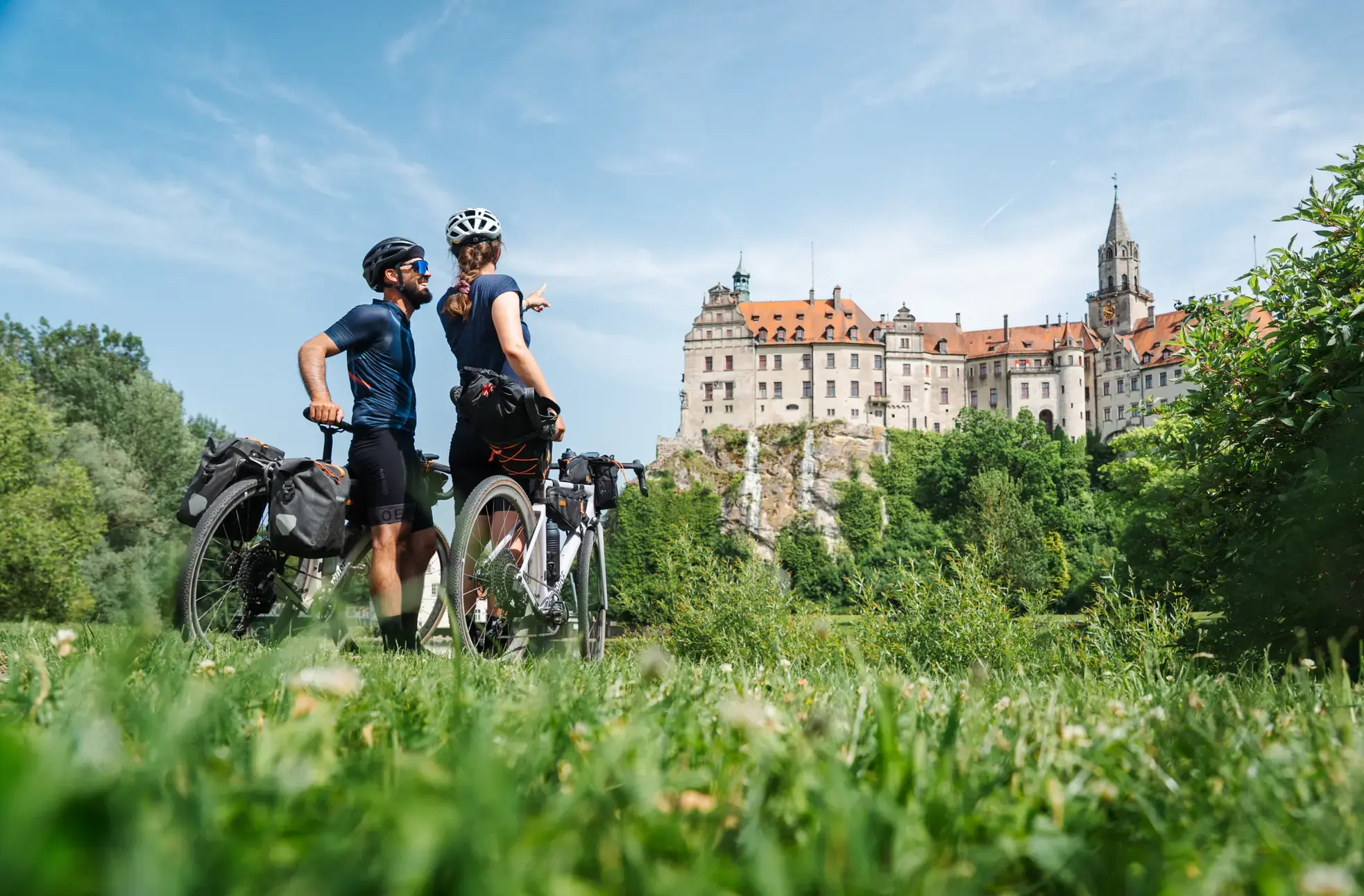
Castles, Alps and Lake Constance – gravel days on the Hohenzollern Cycle Route
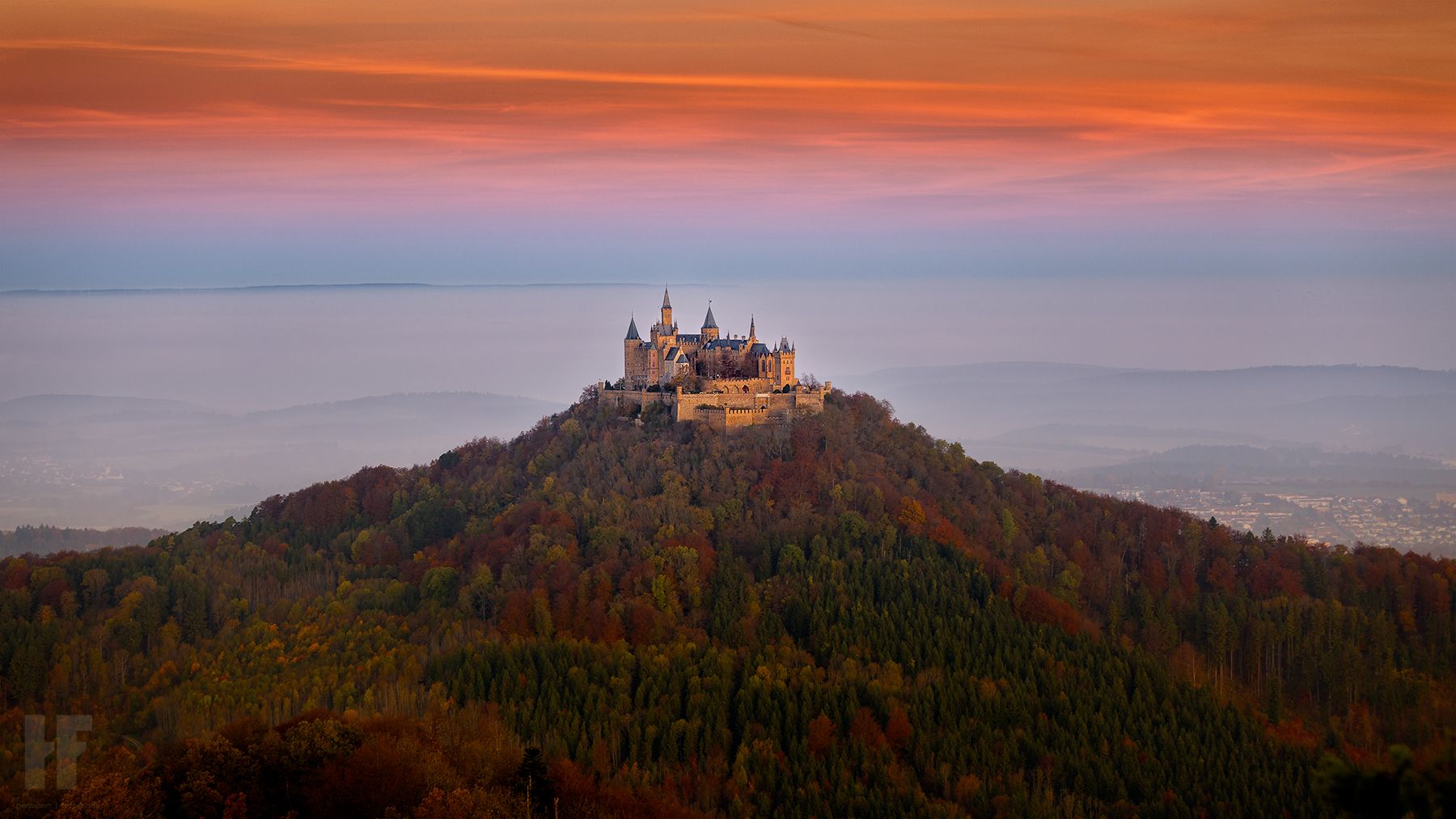
Hohenzollernweg – On the track of the knights, 7 stages
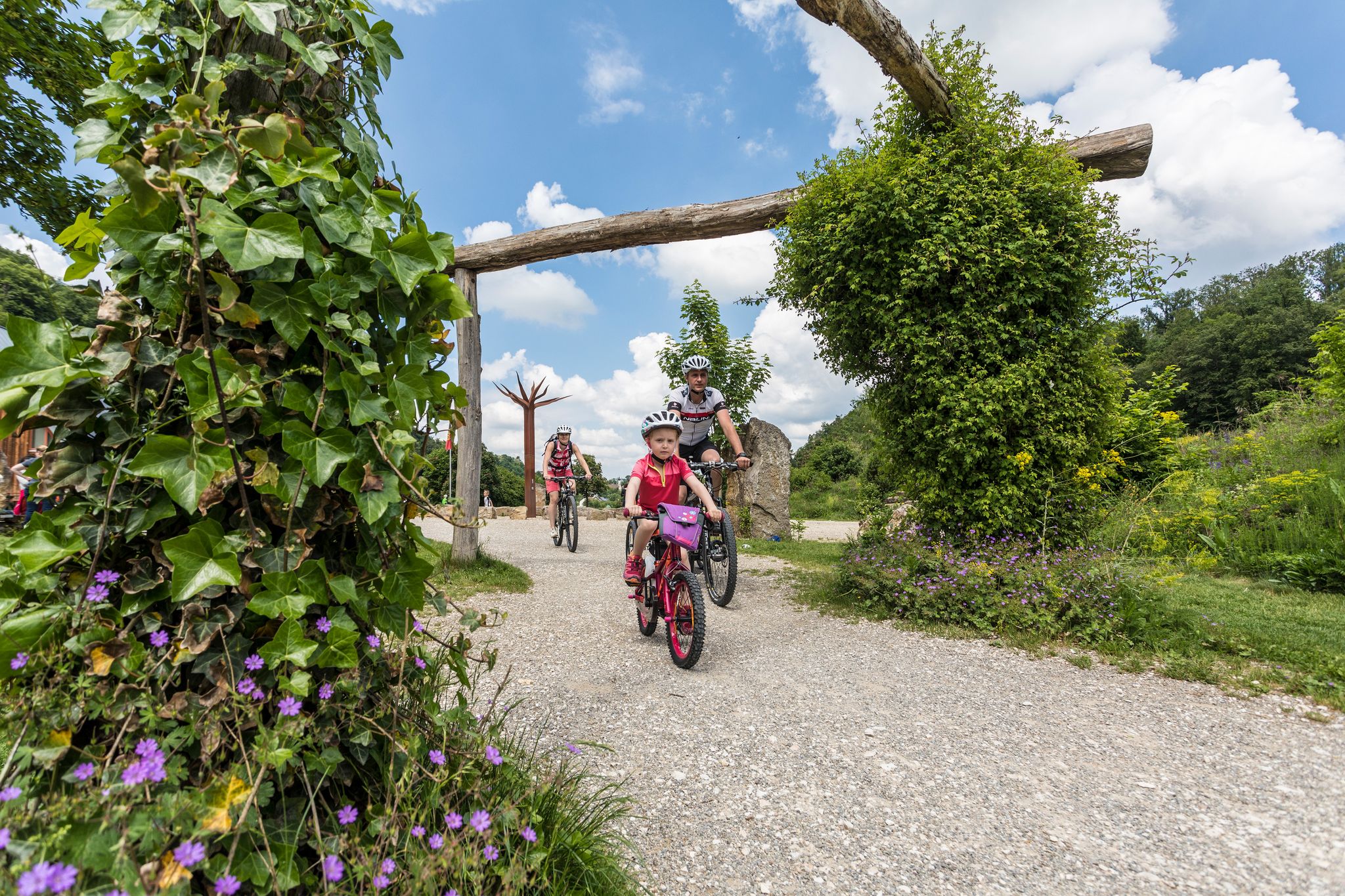
Family cycling – 9 day Tours in the Swabian Alb
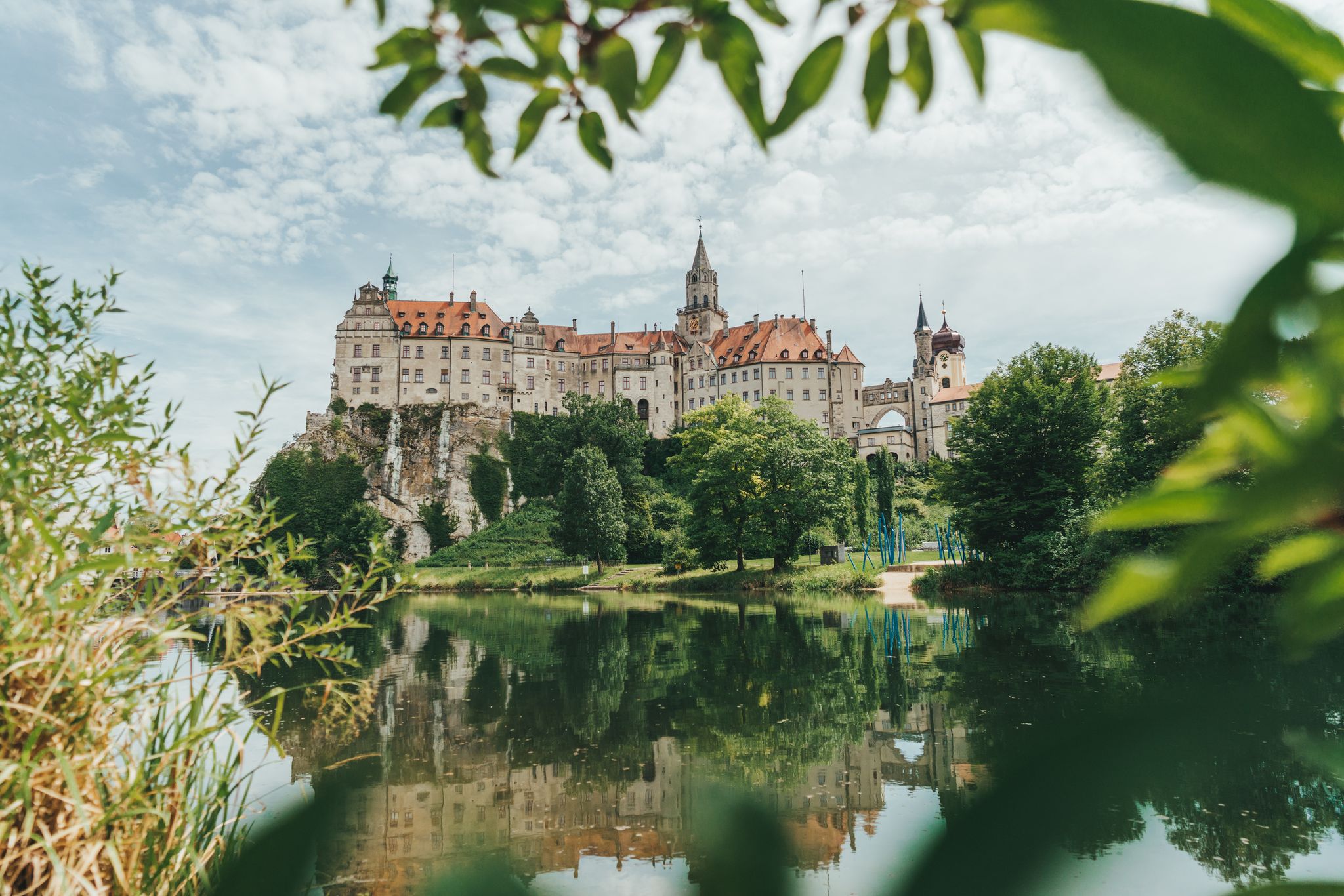
Germany’s Hohenzollern Cycle Path – 6 stages across the Swabian Alb
The Donau-Zollernalb-Weg in 10 stages – varied hikes through historic nature
Aktiv in die längeren Tage – Frühlingswandern zwischen Alb und Donau
Cycling around Gammertingen
Hiking around Gammertingen
MTB Trails around Gammertingen
Running Trails around Gammertingen
Other adventures around Gammertingen


Tips from the Community

Great route for everyone... but you're probably rarely alone here
9
0

The Burgweg leads upwards from the old town. At the crest of the mountain spur, a signposted footpath branches off to the left, leading down to the Göpfelstein Cave. An information board is located at the cave entrance. The cave is freely accessible. The Göpfelstein Cave is located at an elevation of 660 m above sea level at the western exit of Veringenstadt, to the right above the Lauchert River and the old town. The entrance faces south and is visible from afar, set in a massive White Jurassic rock. The cave has a spacious vestibule. Behind the vestibule lies the three-meter-wide and three-meter-high entrance to the actual cave, which leads into the interior of the rock on two levels. The upper, more spacious section of the cave is seven meters long, seven meters wide, and five meters high. The lower section has a similar floor area and a height of approximately 1.20 meters. When Neanderthals occupied the Göpfelstein Cave, the cave had only one level. Only after the last Ice Age did a false ceiling collapse, opening access to the upper cave level. 34 caves are known around Veringenstadt.
0
0

It is a very idyllic place where you can take a break
7
0

If you pass by, take a look, but there are more impressive caves in the Swabian Alb.
0
0


It's worth making a detour here. It's a really beautiful place.
3
0

a hill where Stone Age people lived.
0
0

The Bear Cave is a stalactite cave. It consists of the Karlshöhle, discovered in 1834, and its continuation, the Bear Cave, discovered in 1949. It owes its name to the numerous skeletons of cave bears that were found in it. Several skulls and bones as well as a restored bear skeleton can be viewed in the cave. https://hoehlen.sonnenbuehl.de/baerenhoehle.html
1
0
Frequently Asked Questions
Which caves around Gammertingen are suitable for families?
Several caves in the region are family-friendly. The Wimsener Cave is Germany's only navigable water cave, offering boat tours suitable for all ages, and features a water playground nearby. Bear Cave and Karl's Cave is another excellent choice, known for its stalactites and guided tours designed for children.
What unique geological features can be found in the caves around Gammertingen?
The caves are primarily carved out of Upper Jurassic limestones. The Wimsener Cave is notable as the source of the Zwiefalter Ach river and is Germany's only navigable water cave. Bear Cave and Karl's Cave features numerous stalactites, while the Göpfelstein Cave is a karst cave with a large vestibule leading to two different levels.
Do any caves around Gammertingen have historical or archaeological significance?
Yes, many caves in the Swabian Alb region are historically significant. The Wimsener Cave, also known as Friedrichshöhle, was visited by Duke Friedrich II in 1803 and has yielded Bronze Age artifacts. The Göpfelstein Cave was once used by Neanderthals as a living space. Additionally, the Sommerkirch Cave is a rock overhang believed to have served as a dwelling for Stone Age people.
What outdoor activities can I do near the caves?
The region around Gammertingen offers various outdoor activities. You can find numerous hiking trails, including easy hikes like the Fehlatal Nature Reserve loop. For cyclists, there are road cycling routes and mountain biking trails that pass by scenic points and natural landmarks.
What is the best time of year to visit the caves around Gammertingen?
Caves generally maintain a stable temperature year-round, making them suitable for visits in any season. However, the surrounding natural landscapes are particularly inviting for hiking and outdoor activities during spring, summer, and autumn. During winter, some access roads or paths might be affected by snow, so it's advisable to check local conditions.
Are there dining options or cafes near the caves?
Yes, near the Wimsener Cave, you'll find the Bio-Gasthof Friedrichshöhle, which offers dining. Other show caves like Bear Cave and Karl's Cave also have facilities, which often include restaurants or cafes nearby.
What should I wear when visiting the caves?
Caves maintain a cool temperature, typically between 7 and 8 °C, even in summer. It's recommended to wear warm clothing, such as a long-sleeved shirt or jacket, and sturdy, non-slip footwear, as paths can be damp or uneven. Some caves, like the Sonnenbühl Fog Cave, may have low ceiling heights, so head protection can also be useful.
Are there any UNESCO World Heritage caves in the Swabian Jura near Gammertingen?
Yes, the broader Swabian Jura region is home to a collection of six caves designated as a UNESCO World Heritage Site. These caves, including Hohle Fels and Geissenklösterle, are renowned for their Ice Age art and archaeological finds, which include some of the oldest known artistic objects and musical instruments. While many are active archaeological sites with limited public access, artifacts are displayed in local museums.
How long does it typically take to explore the caves?
The exploration time varies by cave. For instance, the boat tour in Wimsener Cave covers about 70 meters of its length. Show caves like Bear Cave and Karl's Cave, which is about 290 meters long, typically offer guided tours that last around 30-60 minutes. For natural caves like Göpfelstein Cave or Sommerkirch Cave, exploration might be shorter, depending on your interest in the formations and history.
Are the caves around Gammertingen dog-friendly?
While the natural landscapes surrounding the caves often welcome dogs on trails, access for dogs inside the caves themselves is generally restricted, especially in show caves or protected natural monuments. It's best to check specific regulations for each cave before planning your visit with a dog.
What is the Laichinger Tiefenhöhle and how far is it from Gammertingen?
The Laichinger Tiefenhöhle (Laichingen Vertical Cave) is Germany's deepest show cave and the only vertical cave open to the public, offering a unique insight into the Swabian Jura's structure. It is located further east from Gammertingen, requiring a drive to reach.
Are there any waterfalls near the caves?
Yes, the Gieß Waterfall (Veringendorf) is a picturesque natural monument where the floods plunge 10 meters over a tuff stone terrace. It's located between the main road and the “Oberdorf” local road on the northern outskirts of Veringendorf and can be reached via a newly created footpath.
Most popular routes around Gammertingen
Most popular attractions around Gammertingen

Get inspired with the komoot mobile app


Explore more
Extend your search for the best caves by checking out these guides of the top ones around Gammertingen:
