Top 20 Caves around Geislingen an der Steige
Best caves around Geislingen an der Steige are found within the Swabian Alb, a region characterized by its karst landscape and geological formations. Geislingen an der Steige is situated in this area, which naturally features numerous caves and sinkholes. The local geology includes active water caves and formations like Kalktuff deposits. This natural environment offers various opportunities for exploring underground features.
Best caves around Geislingen an der Steige
- The most popular caves is Mordloch Cave, a water-bearing cave located…
Last updated: May 25, 2026
Autal Waterfall
Highlight • Waterfall
Translated by Google •
Tip by

Mordloch Cave
Highlight • Cave
Translated by Google •
Tip by

Sign up now to discover places like this
Get recommendations on the best single tracks, peaks, & plenty of other exciting outdoor places.
Sign up for free
Brunnensteighöhle
Highlight • Cave
Translated by Google •
Tip by

Kahlenstein Viewpoint
Highlight • Viewpoint
Translated by Google •
Tip by

Falkenhöhle (Falcon Cave)
Highlight • Cave
Translated by Google •
Tip by

Sign up for free to discover even more caves around Geislingen an der Steige.
Sign up for free
Already have an account?
Start today with a free account
Your next adventure awaits.
Login or Signup
Popular around Geislingen an der Steige
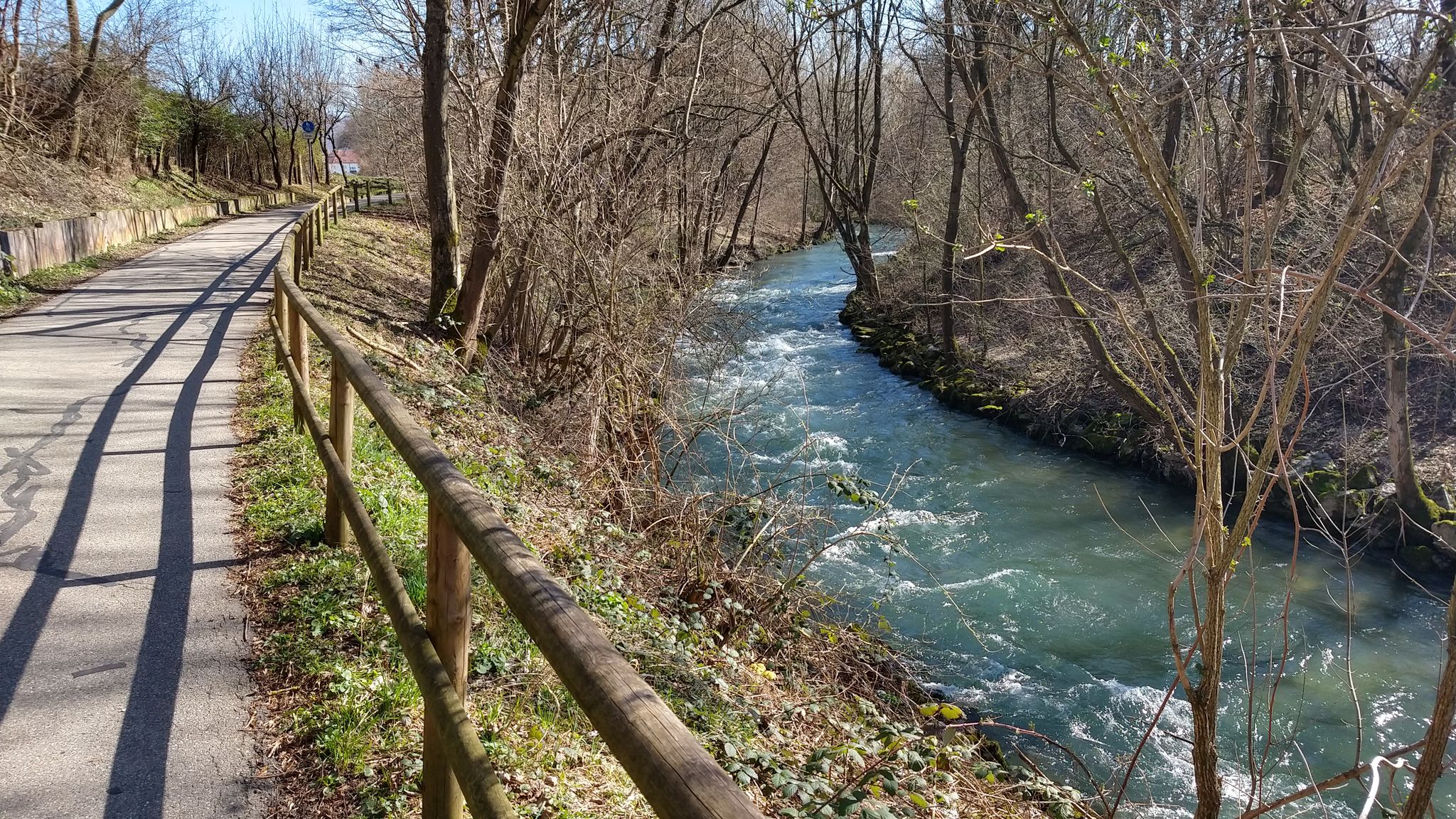
Germany's Filstal route – River cycling at its best
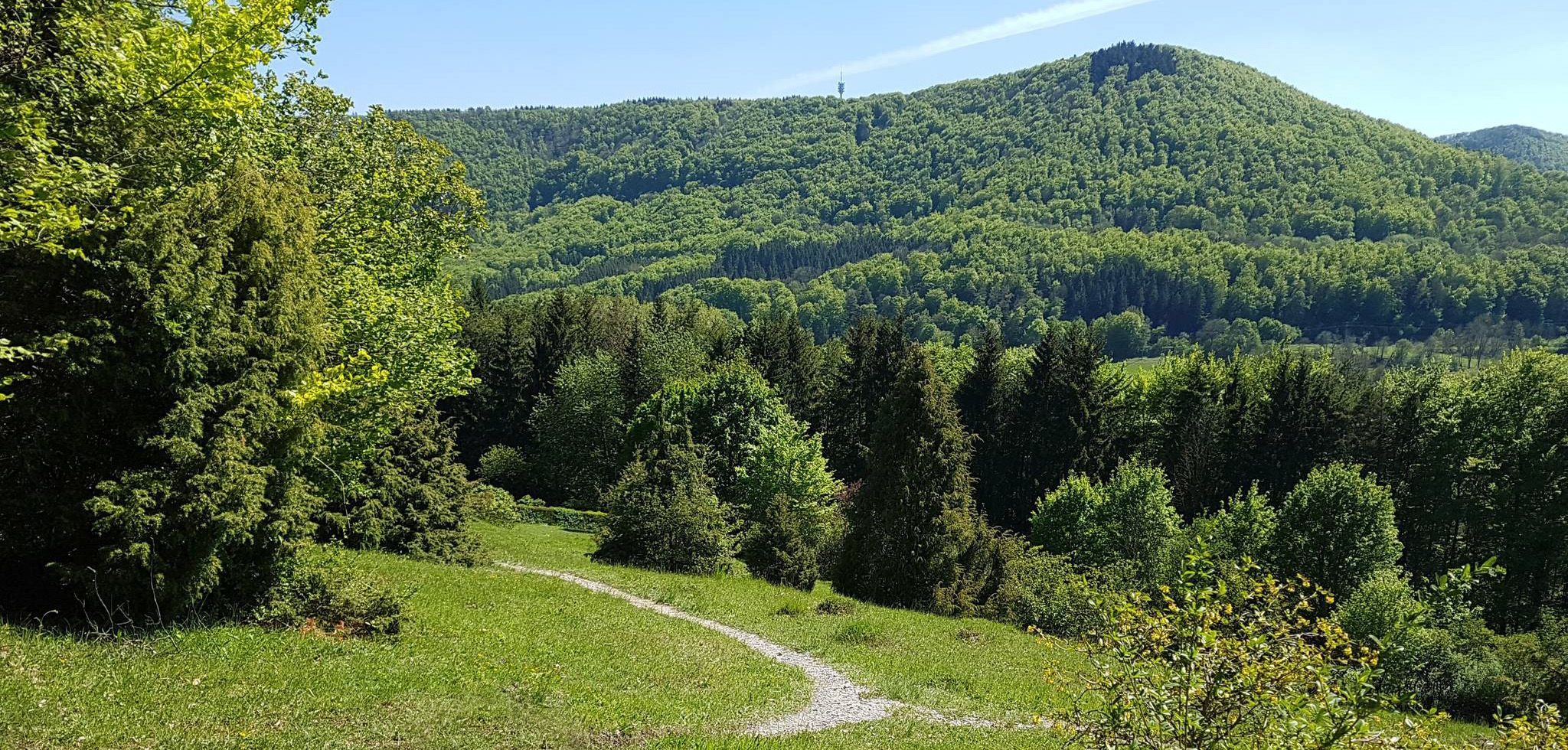
Spätzle Cross — 7 days on the Swabian Alb
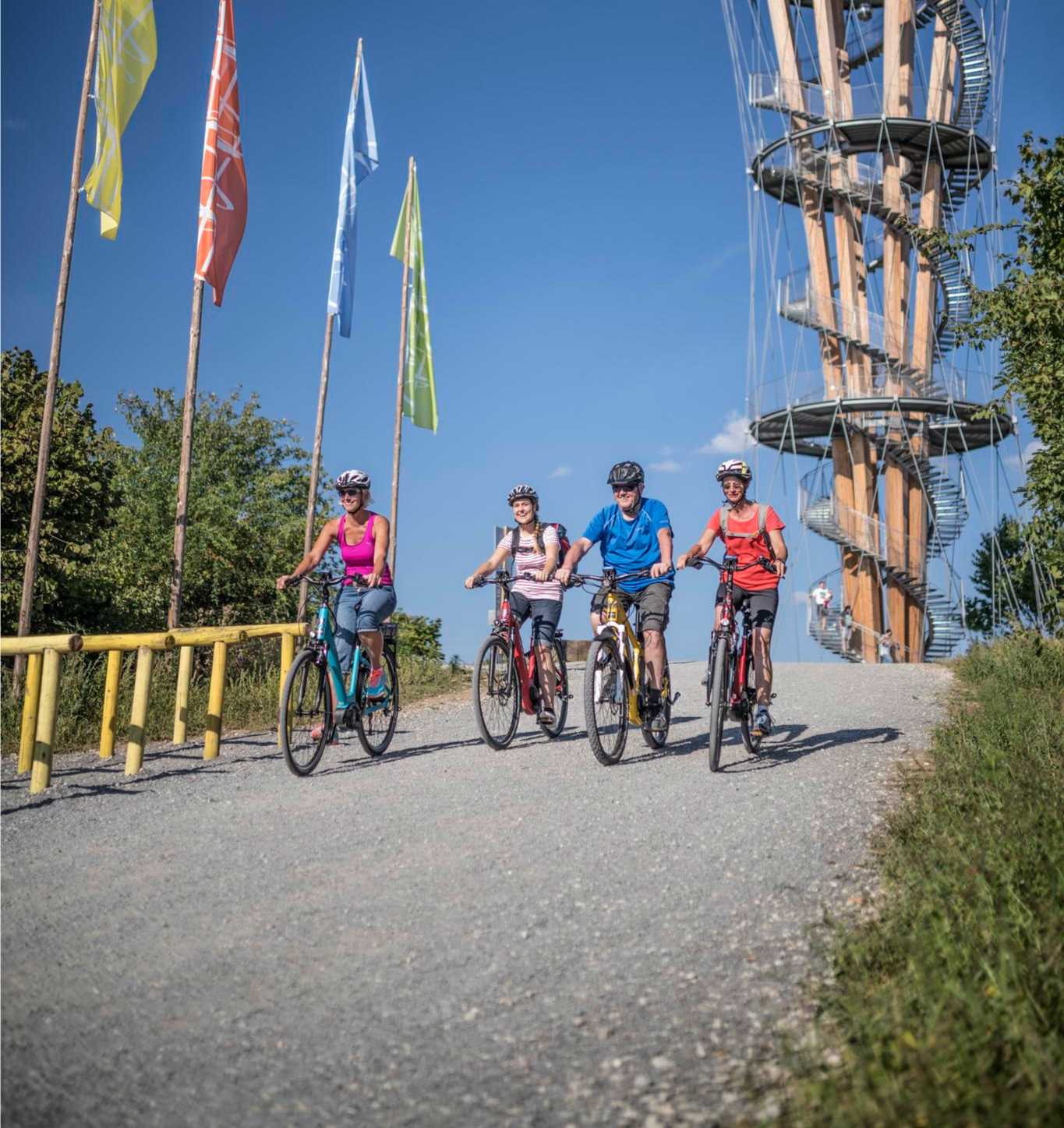
Discover Stuttgart's surroundings – main route of the Stuttgart E-Bike region
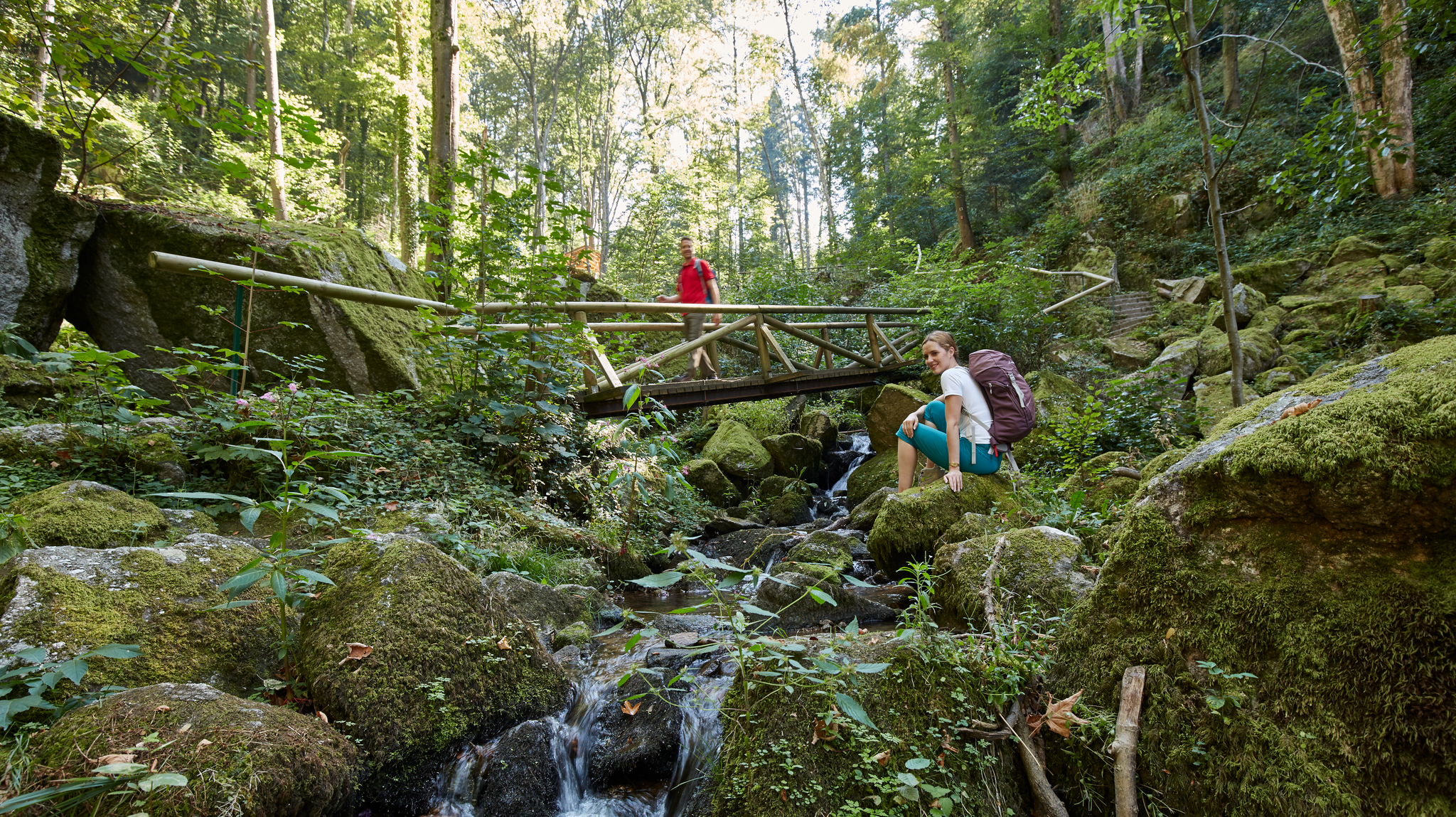
Waterfalls, gorges and cliffs – cooling off in Baden-Württemberg
Up, down, Albwards! MTB adventures on the Schwäbische Alb
MTB flow in BW! Trails from the Schwarzwald to the Odenwald
Experience nature by bike in the Swabian Jura
Hike Germany’s Swabian Alb – by bus and train
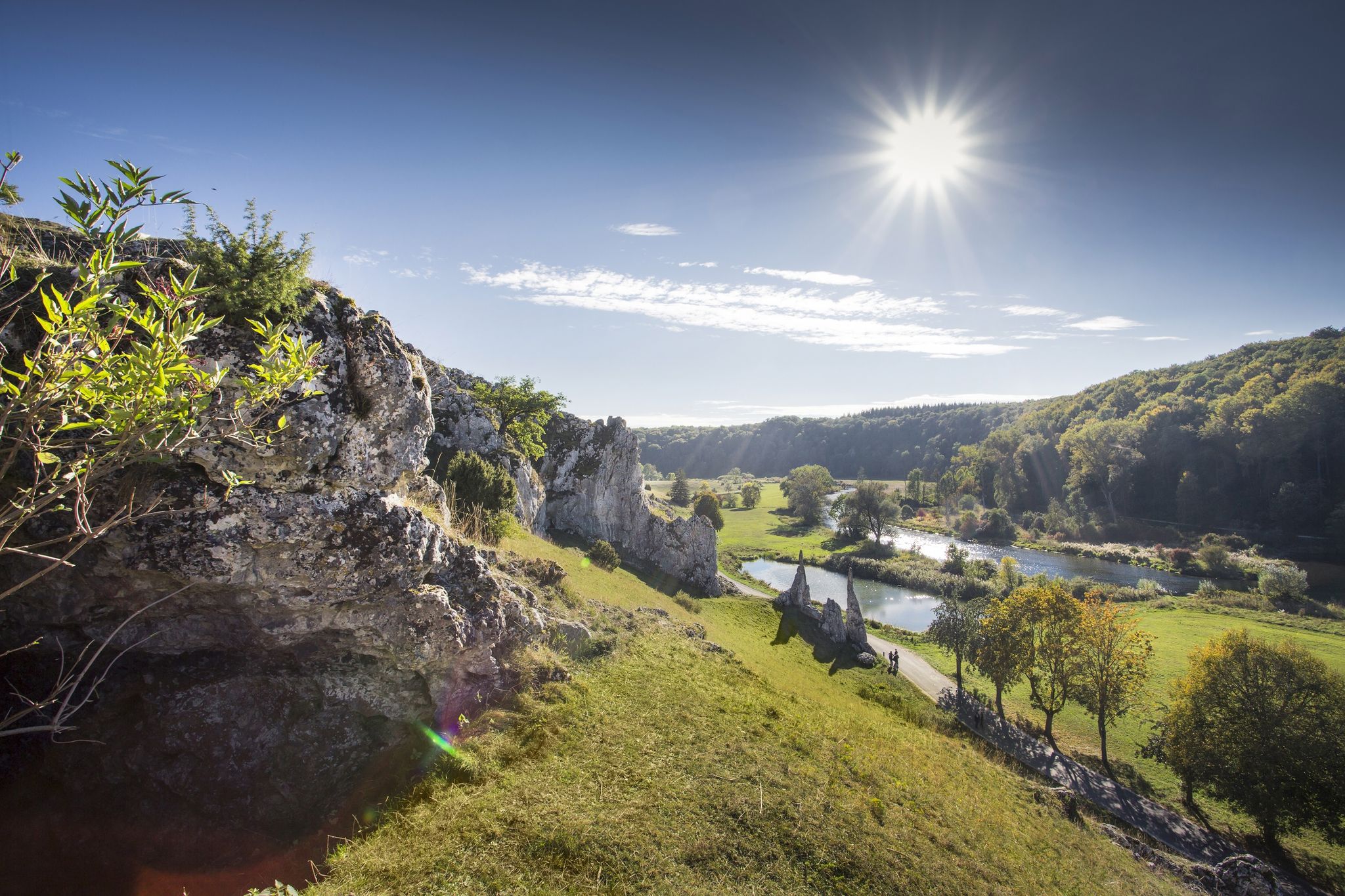
Albtäler Cycle Tour — discover the beautiful valleys of the Swabian Jura
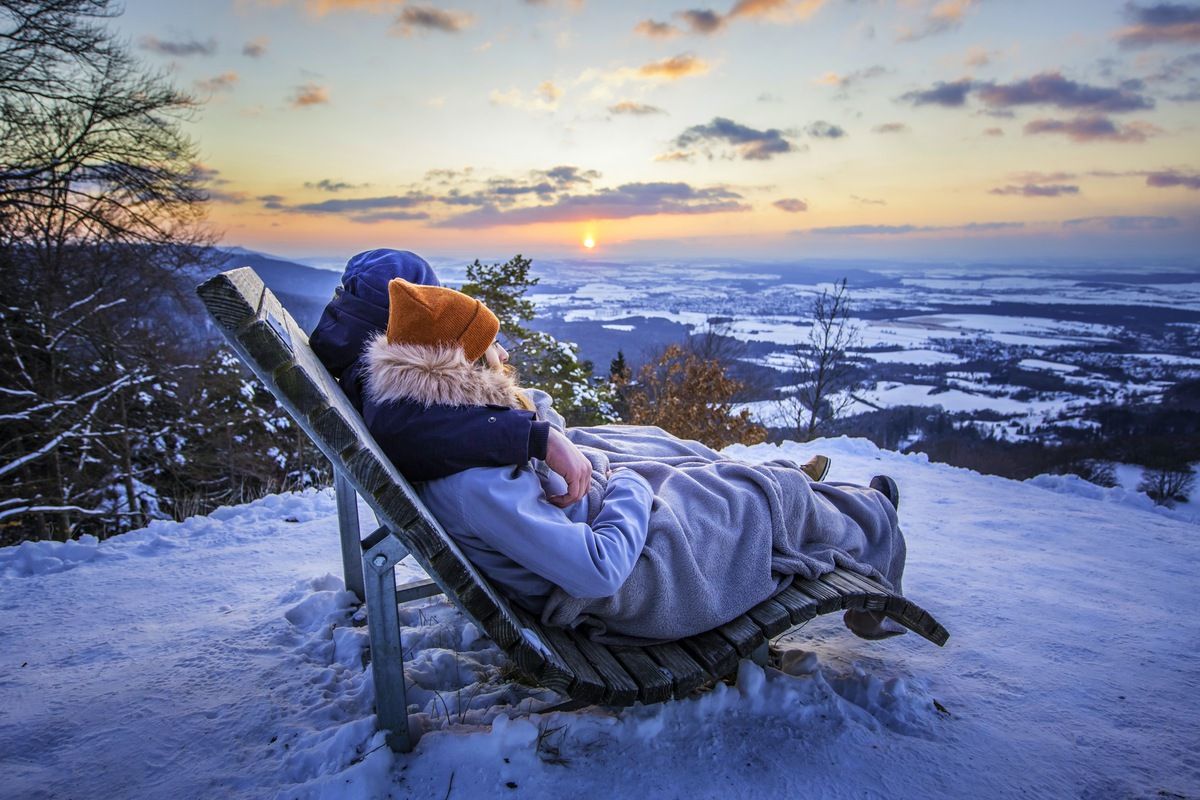
Winter wonderland — hiking in Germany’s Baden-Württemberg
Other adventures around Geislingen an der Steige


Tips from the Community

The cave is reserved for bats. It also has a history.
2
0

This cave has a history, but is locked. The cave is primarily of speleological significance. In 1530, something outrageous happened there, and we still have records of it. Pastor Degen from Großbettlingen was held captive there for eight weeks by the town clerk Halm from Aalen in order to extort a ransom. This may read like a pure crime story, but it is also part of the story that the pastor was a supporter of the Austrian party and the town clerk was a supporter of Duke Ulrich. There were serious political disputes at that time, which had led to Duke Ulrich of Württemberg being expelled. When Halm wanted to take Degen to a new hiding place, he had already starved to death. Halm was executed in Villingen for his crime. Source: https://www.lochstein.de/hoehlen/D/sw/ostalb/7225heubach/falken/falken.htm
4
1

Cold 🥶cave, which consists of one large room at the beginning. To go further I would have to crawl, which I didn't do.
2
0

Great rock with several holes that are an experience for the whole family. Surefootedness is a must, then it's a great place to discover hiding places. Was already a popular place when I was a child.
7
0

Nice vantage point to enjoy life and the view
16
1

Interesting story about the cave!!
4
0

If you want to visit the cave yourself, you have to find out in advance when it is open (IF it is open). In any case, it was closed for us!
6
0

Would recommend the waterfall to Brunnenstein cave in the climb. It was very slippery going down.
8
0
Frequently Asked Questions
What kind of caves can I explore around Geislingen an der Steige?
The region around Geislingen an der Steige, part of the Swabian Alb, is characterized by its karst landscape. This means you'll find a variety of underground features, including active water caves, wild caves, and general karst formations. The most prominent is the Mordloch Cave, an active water-bearing cave.
How accessible is the Mordloch Cave for visitors?
The Mordloch Cave is a wild cave and largely inaccessible to the general public. While the initial section can be explored for about 50-80 meters, beyond that point, specialized diving equipment and considerable experience are essential due to water-filled passages (siphons). Entering the cave, especially after heavy rainfall, is extremely dangerous due to rapidly rising water levels. It is primarily for experienced cavers.
Are there any family-friendly caves or easy-to-access cave sections in the area?
For a more accessible experience, the Brunnensteighöhle, associated with the Autal Waterfall, allows visitors to explore the first 130 meters. While it can be narrow and low in parts, the entrance area is generally passable. The Falkenhöhle (Falcon Cave) also has an accessible entrance hall, though further exploration requires crawling through muddy sections.
What is the historical significance of the Falkenhöhle (Falcon Cave)?
The Falkenhöhle (Falcon Cave) holds a notable historical anecdote. In 1530, Pastor Degen was held captive there for eight weeks by town clerk Halm in an attempt to extort a ransom. This event is tied to political disputes of the time. The cave is also significant for speleology and is closed in winter for bat protection.
Can I go hiking near the caves around Geislingen an der Steige?
Yes, the region offers various hiking opportunities. You can find several routes, including those that pass by natural attractions like the Autal Waterfall and the Mordloch Cave. For more detailed hiking routes, explore the Waterfall hikes around Geislingen an der Steige guide.
What other outdoor activities are available near the caves?
Beyond exploring caves, the area provides excellent opportunities for other outdoor activities. You can discover various running trails or enjoy gravel biking routes that traverse the scenic Swabian Alb landscape near the caves.
What should I know about the geology of the caves in this region?
The caves around Geislingen an der Steige are characteristic of the Swabian Alb's karst landscape. This means they are formed in soluble rock, primarily limestone, leading to features like sinkholes, underground rivers, and caves. The Mordloch Cave, for instance, is a prime example of an active water cave, showcasing ongoing geological processes.
Is there a specific time of year that is best for visiting the caves or their surrounding areas?
The best time to visit the surrounding natural areas for hiking is generally during spring, summer, and autumn. For cave exploration, especially wild caves like the Mordloch Cave, dry periods are safer due to fluctuating water levels. However, the Falkenhöhle (Falcon Cave) is closed in winter for bat protection, typically reopening in March.
Are there any viewpoints near the caves that offer scenic views of the landscape?
Yes, the region boasts several viewpoints. The Kahlenstein Viewpoint, for example, offers great views over Bad Überkingen and even has a small open cave nearby. These viewpoints provide excellent opportunities to appreciate the natural beauty of the Swabian Alb.
What is the legend associated with the Mordloch Cave?
A local legend surrounds the Mordloch Cave. It tells the tale of a murdered forester whose body was hidden in the cave by poachers. His loyal dog is said to have eventually discovered the body after a long search, giving the cave its name, which translates to 'murder hole'.
Where can I find parking when visiting the caves?
Parking is generally available in the vicinity of popular natural attractions. For instance, when visiting the Mordloch Cave, you would typically find parking in the Roggental valley. For other caves and hiking trails, designated parking areas are usually available at trailheads or nearby villages.
What should I wear if I plan to explore the accessible sections of the caves?
Even for accessible sections, it's advisable to wear sturdy, waterproof footwear, such as hiking boots or rubber boots, as cave floors can be wet and muddy. Layers of clothing are recommended as cave temperatures remain consistently cool, around 8 degrees Celsius in places like the Mordloch. A headlamp or flashlight is also essential for visibility.
Most popular routes around Geislingen an der Steige
Most popular attractions around Geislingen an der Steige

Get inspired with the komoot mobile app


Explore more
Extend your search for the best caves by checking out these guides of the top ones around Geislingen an der Steige:
