Top 17 Castles around Jossgrund
Best castles around Jossgrund offer a journey through history in a region known for its natural landscapes and cultural heritage. This area features a variety of historical sites, from ancient ruins to well-preserved structures. Visitors can explore different architectural styles and learn about the local past. The surroundings provide opportunities for exploration alongside these historical landmarks.
Best castles around Jossgrund
- The most popular castles is Ruins of the Birklergrund Glassworks, a historical site that showcases the foundation walls of…
Last updated: May 1, 2026
St. Martin's Church (Bad Orb)
Highlight • Religious Site
Translated by Google •
Tip by

Ruins of the Birklergrund Glassworks
Highlight • Historical Site
Translated by Google •
Tip by

Sign up now to discover places like this
Get recommendations on the best single tracks, peaks, & plenty of other exciting outdoor places.
Sign up for free
Wiesen Castle
Highlight • Castle
Translated by Google •
Tip by

Burgjoss Castle
Highlight • Castle
Translated by Google •
Tip by

Fronhofer Schlösschen
Highlight • Castle
mainpost.de/regional/main-spessart/paar-aus-paris-renoviert-das-fronhofer-schloesschen-art-8883794
mainpost.de/regional/main-spessart/das-dach-des-fronhofer-schloesschens-in-burgsinn-ist-decked-art-10401844
Translated by Google •
Tip by

Sign up for free to discover even more castles around Jossgrund.
Sign up for free
Already have an account?
Start today with a free account
Your next adventure awaits.
Login or Signup
Popular around Jossgrund
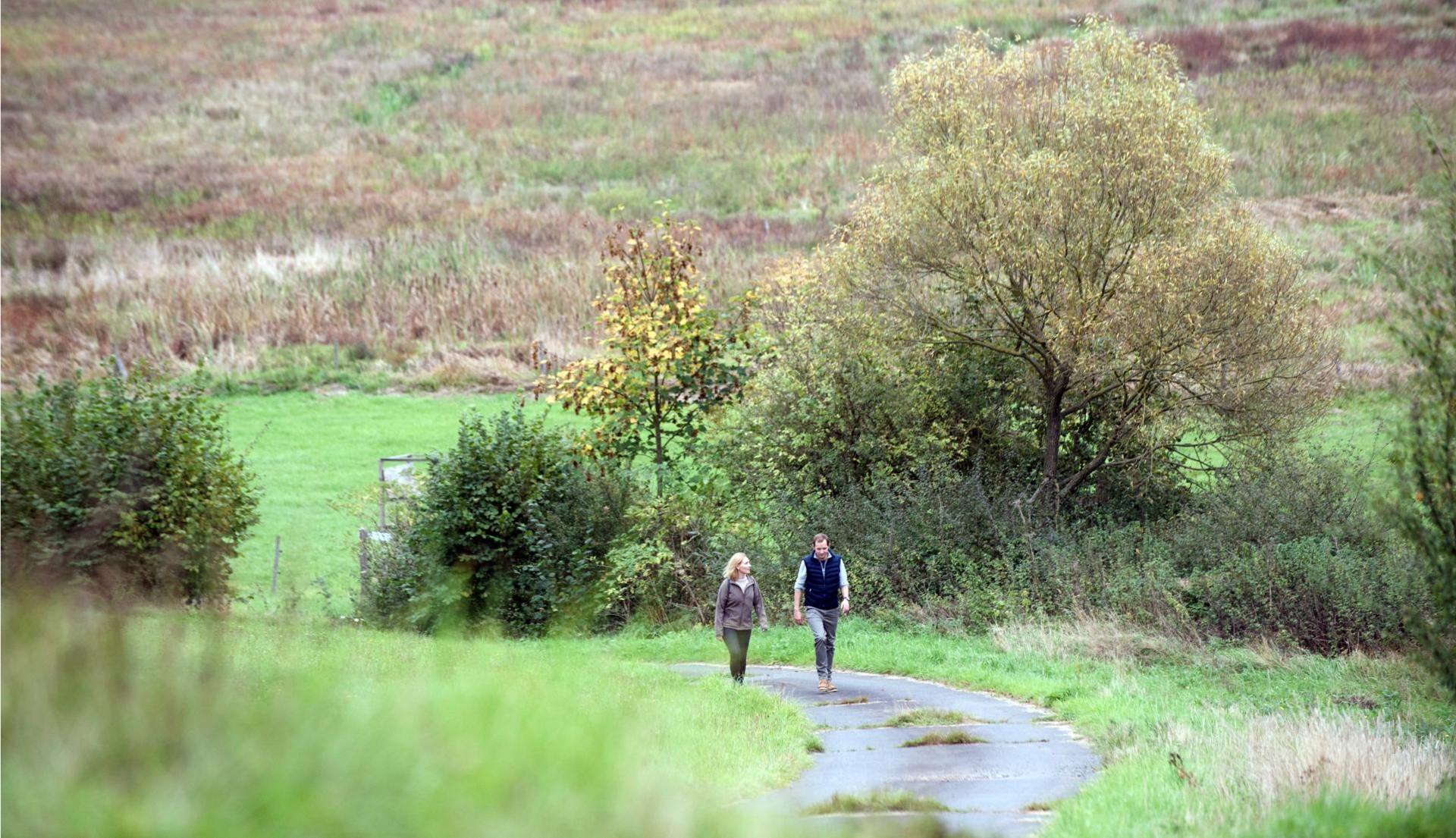
Pleasure hiking in the Spessart: trails that taste as good as they look
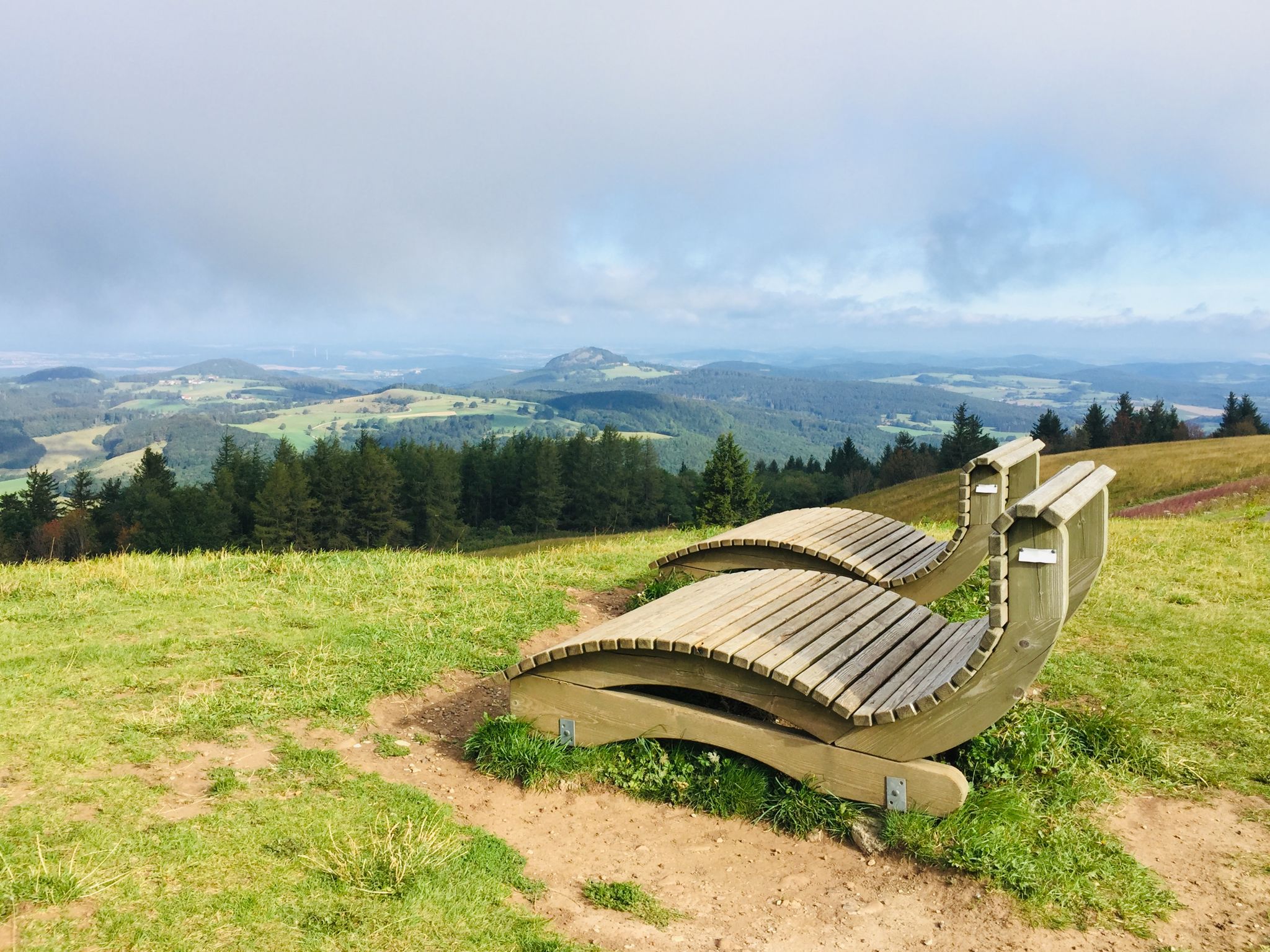
The National Natural Landscapes in Hessen
Mountain biking in the Spessart – Awesome trails in Germany
Mountain biking in the Spessart – Awesome trails in Germany
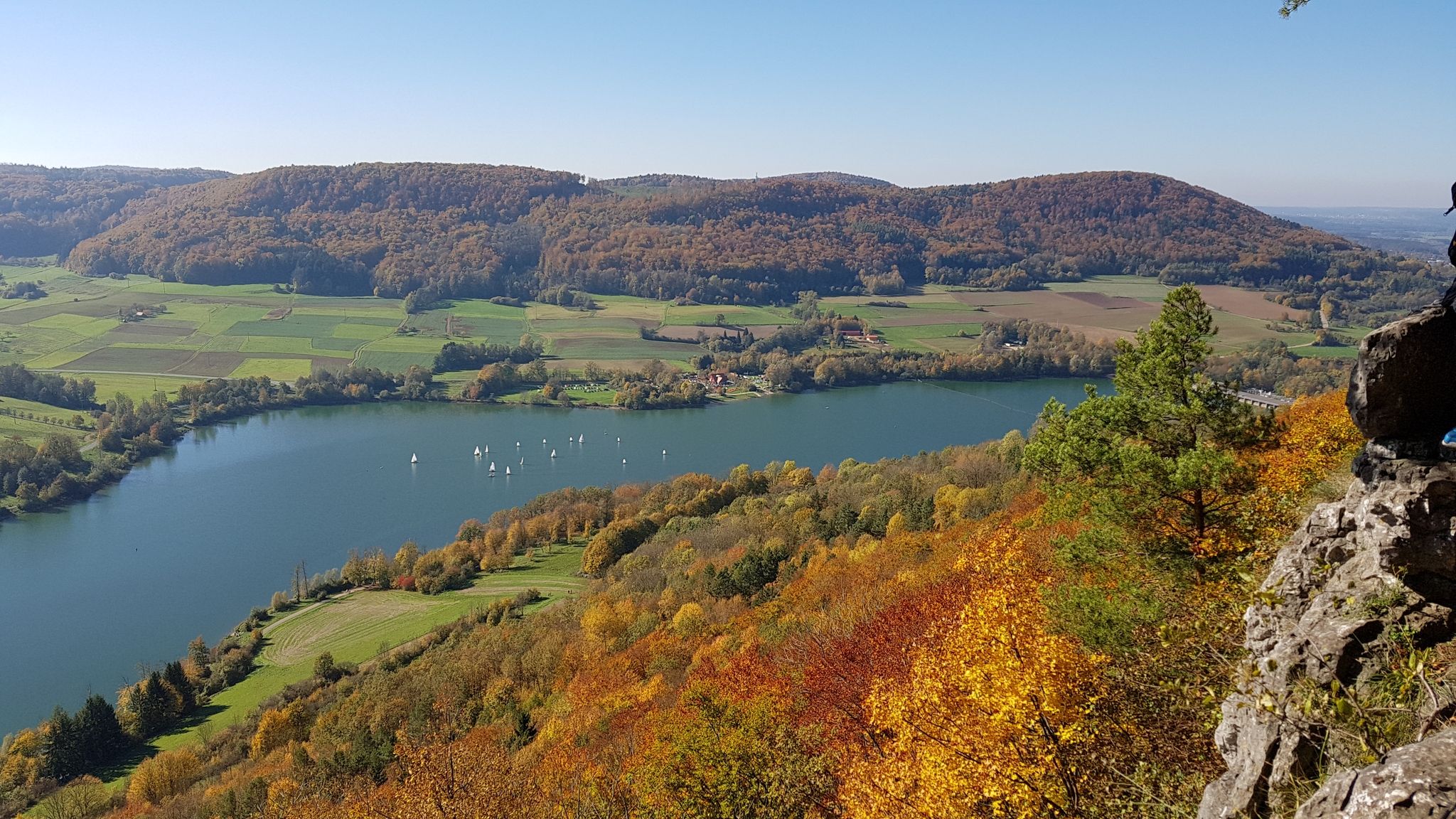
Colourful leaves & gentle hills – hiking in autumn in Franconia
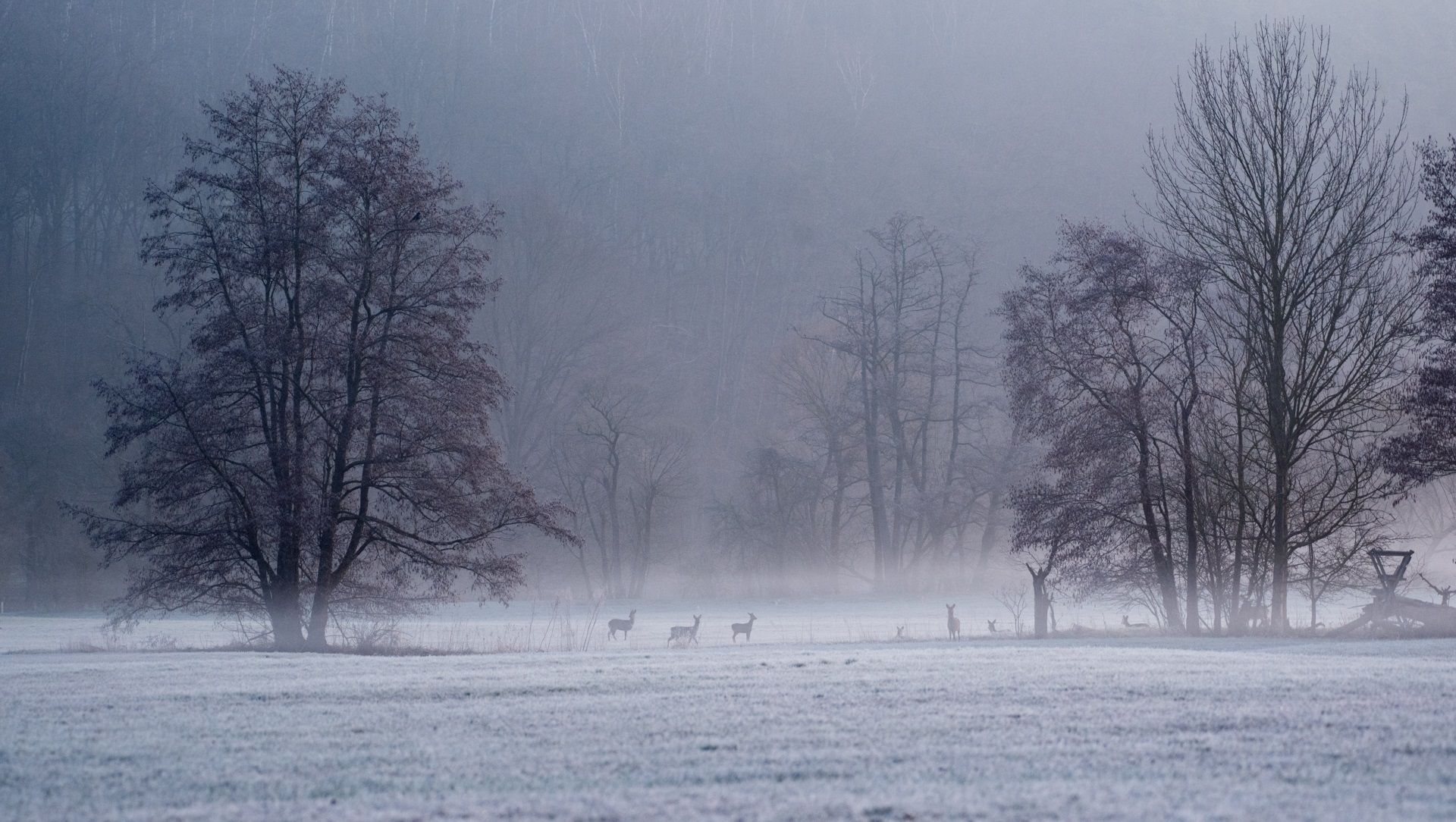
Die schönsten Winterwanderungen im Spessart
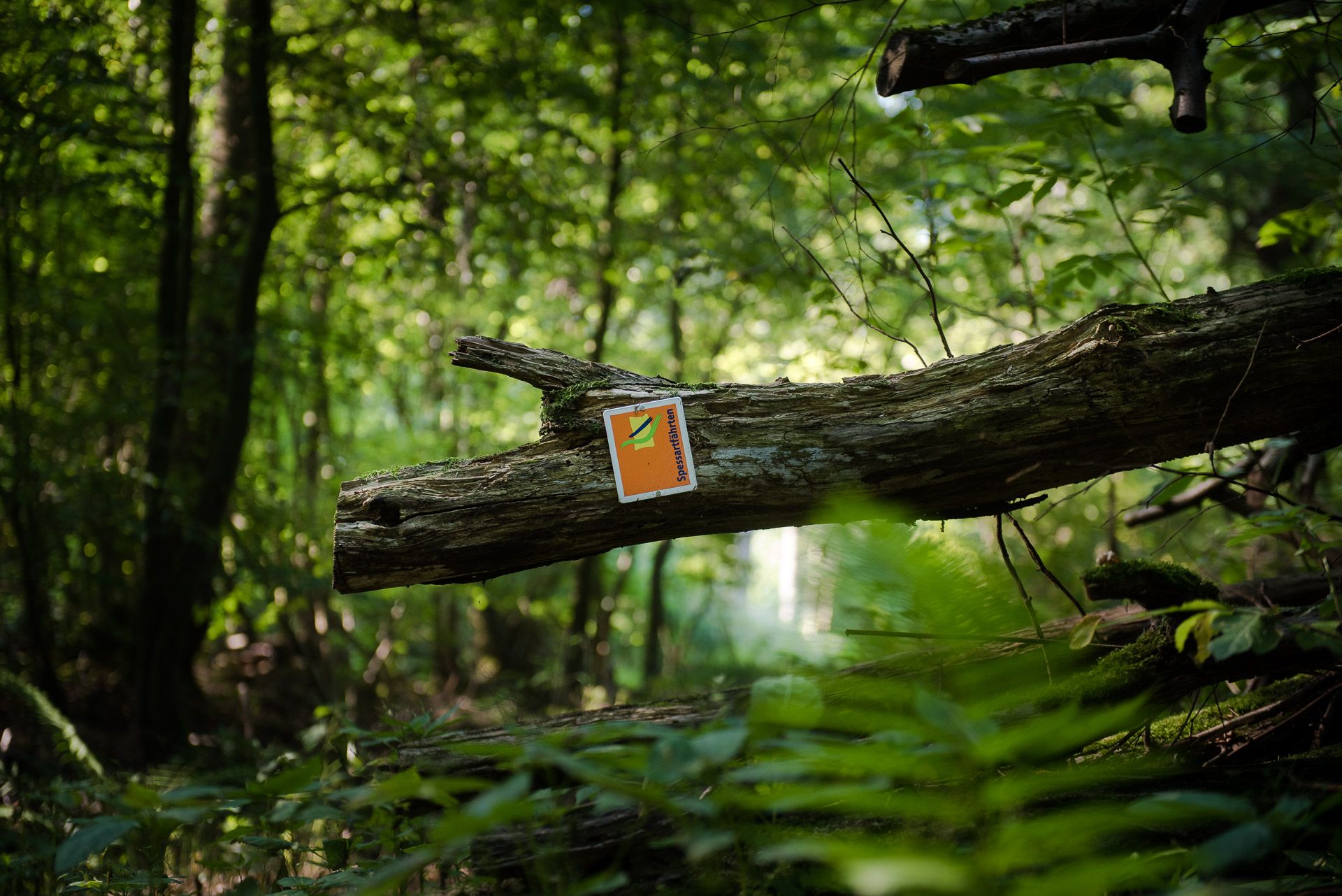
Die Spessartfährten: Sanfte Tageswanderungen durch den hessischen Spessart
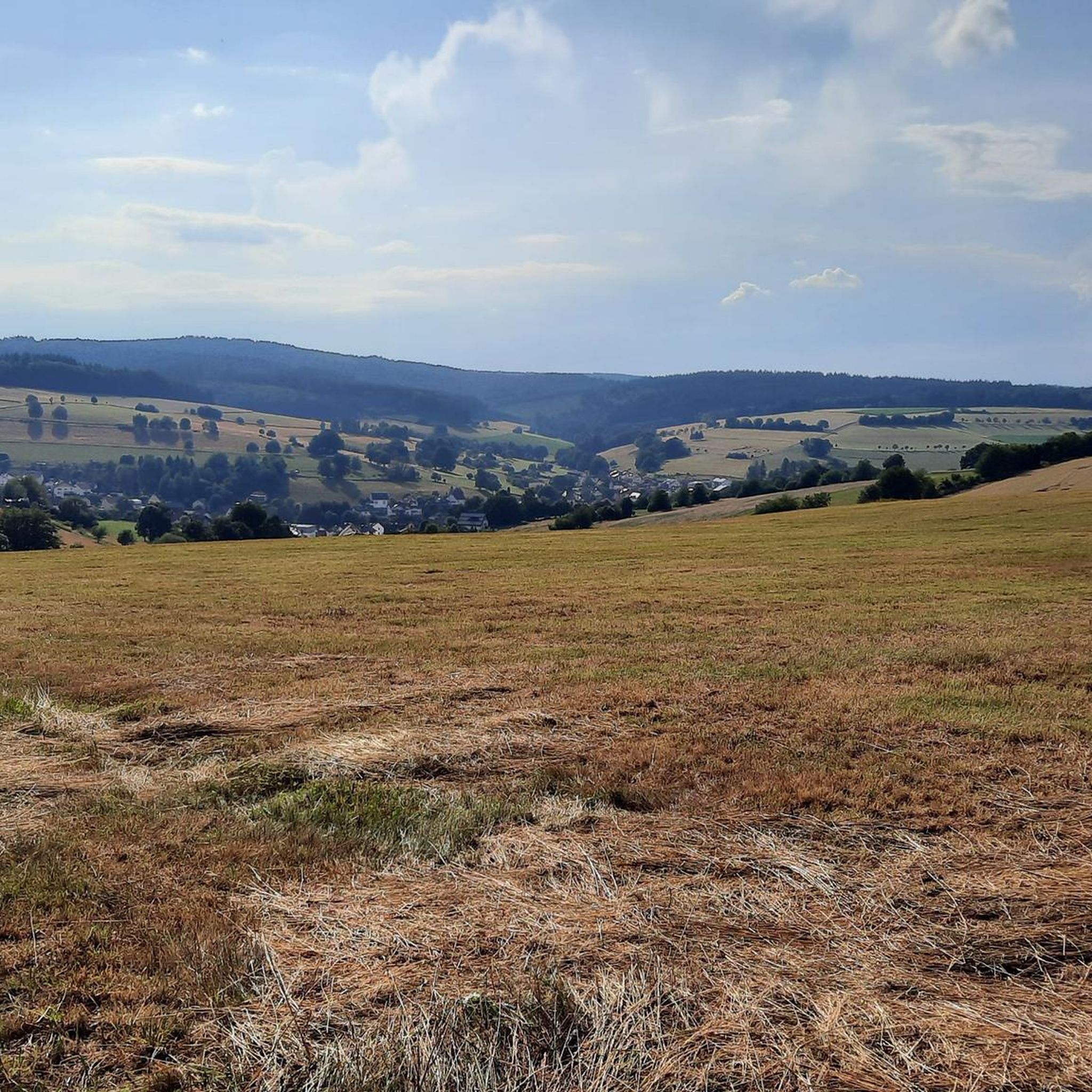
Hiking around Jossgrund
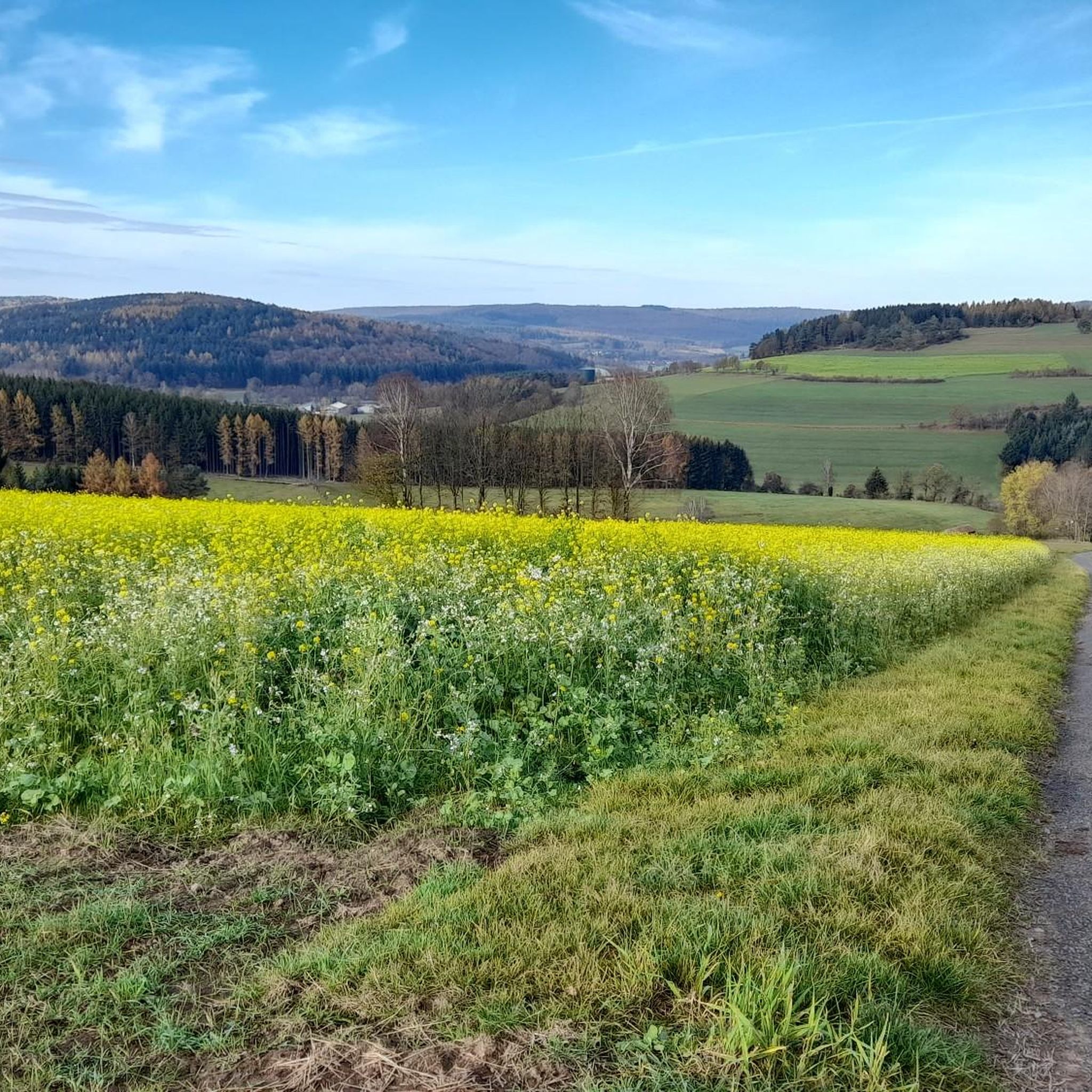
MTB Trails around Jossgrund
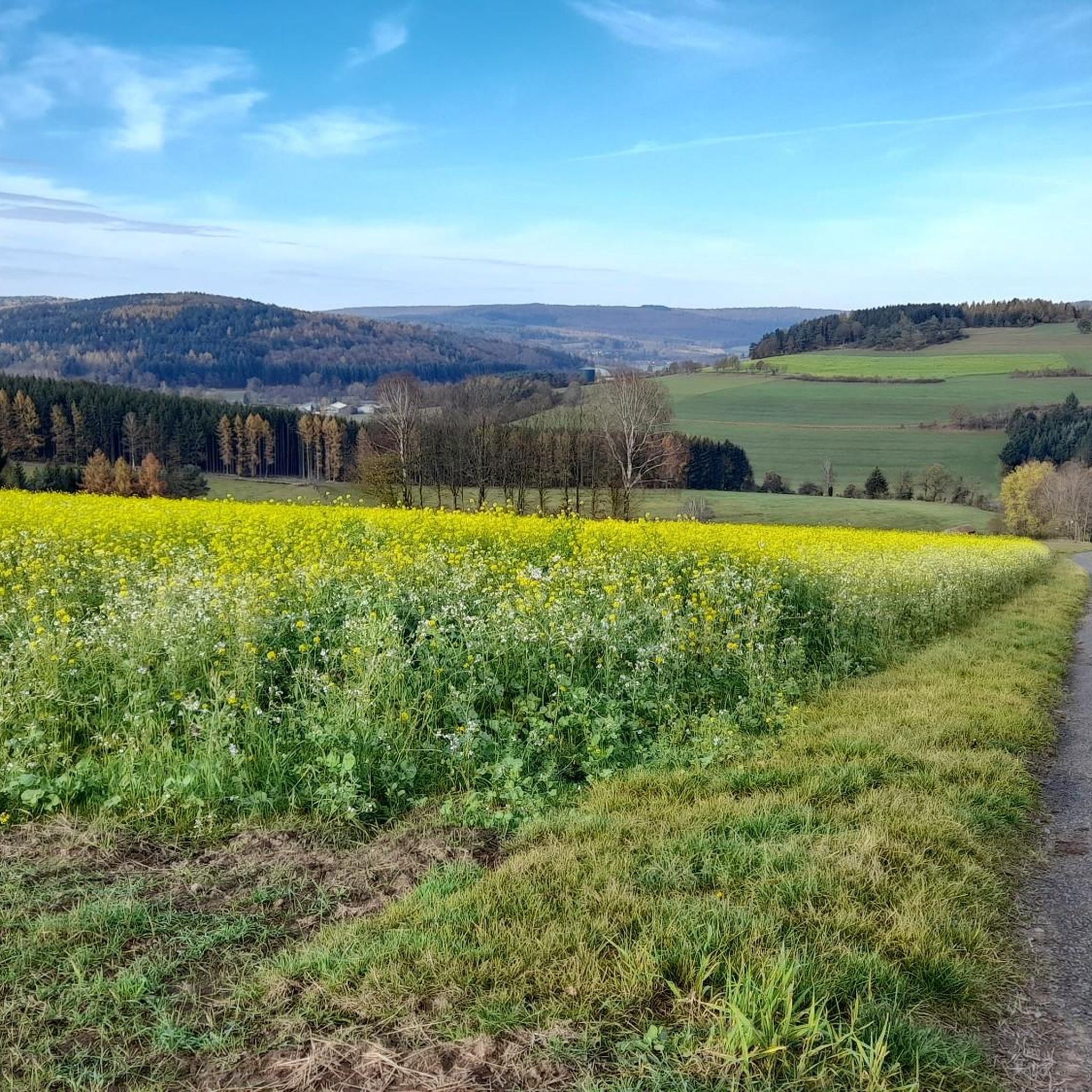
Cycling around Jossgrund
Other adventures around Jossgrund


Tips from the Community

The castle is privately owned
1
0

Wiesen Castle was built in 1597 by Wolfgang von Dalberg, Elector of Mainz. Since the castle is privately owned, it is unfortunately not open to the public.
2
0

Wiesen Castle At first glance, Wiesen's traffic situation seems unfavorable, but two state roads cross here. In the late Middle Ages, around 1400, Wiesen was even at the junction of two important supra-regional traffic routes, on Birkenhainer Strasse and Eselsweg. In Wiesen, on the site of the current castle, there was a castle belonging to the Counts of Rieneck, who controlled both of these high-altitude traffic routes from here. The forests and valleys around Wiesen were then dominated by glass production and the glass trade. The current building of the castle was probably built next to the church in the late 16th century. The former Mainz castle and its outbuildings, together with the church, form a slightly elevated, picturesque group of buildings on the edge of the actual village center. The importance of the castle lies in its excellent location in the townscape and its special significance for local history as a bearer of tradition from the old story of the village's founding. During excavations in the castle, Gothic stove tiles were also discovered. They are called Tannenberg type tiles after Tannenberg Castle on the Bergstrasse. Tiles of this type were manufactured in Dieburg from the middle of the 14th century and traded along the Main as far as Holland. The fragments suggest that the lord of the castle in Wiesen - formerly from Rieneck - owned a stove around 1400, the equipment of which reveals a high standard of living. However, the good piece was not only intended to serve as optimal room heating, but above all to impress guests with the proud display of wealth. Source: Information board at the site
1
0
Wiesen Castle At first glance, Wiesen's traffic situation seems unfavorable, but two state roads cross here. In the late Middle Ages, around 1400, Wiesen was even at the junction of two important supra-regional traffic routes, on Birkenhainer Strasse and Eselsweg. In Wiesen, on the site of the current castle, there was a castle belonging to the Counts of Rieneck, who controlled both of these high-altitude traffic routes from here. The forests and valleys around Wiesen were then dominated by glass production and the glass trade. The current building of the castle was probably built next to the church in the late 16th century. The former Mainz castle and its outbuildings, together with the church, form a slightly elevated, picturesque group of buildings on the edge of the actual village center. The importance of the castle lies in its excellent location in the townscape and its special significance for local history as a bearer of tradition from the old story of the village's founding. During excavations in the castle, Gothic stove tiles were also discovered. They are called Tannenberg type tiles after Tannenberg Castle on the Bergstrasse. Tiles of this type were manufactured in Dieburg from the middle of the 14th century and traded along the Main as far as Holland. The fragments suggest that the lord of the castle in Wiesen - formerly from Rieneck - owned a stove around 1400, the equipment of which reveals a high standard of living. However, the good piece was not only intended to serve as optimal room heating, but above all to impress guests with the proud display of wealth. Source: Information board at the site
3
0
Wiesen Castle At first glance, Wiesen's traffic situation seems unfavorable, but two state roads cross here. In the late Middle Ages, around 1400, Wiesen was even at the junction of two important supra-regional traffic routes, on Birkenhainer Strasse and Eselsweg. In Wiesen, on the site of the current castle, there was a castle belonging to the Counts of Rieneck, who controlled both of these high-altitude traffic routes from here. The forests and valleys around Wiesen were then dominated by glass production and the glass trade. The current building of the castle was probably built next to the church in the late 16th century. The former Mainz castle and its outbuildings, together with the church, form a slightly elevated, picturesque group of buildings on the edge of the actual village center. The importance of the castle lies in its excellent location in the townscape and its special significance for local history as a bearer of tradition from the old story of the village's founding. During excavations in the castle, Gothic stove tiles were also discovered. They are called Tannenberg type tiles after Tannenberg Castle on the Bergstrasse. Tiles of this type were manufactured in Dieburg from the middle of the 14th century and traded along the Main as far as Holland. The fragments suggest that the lord of the castle in Wiesen - formerly from Rieneck - owned a stove around 1400, the equipment of which reveals a high standard of living. However, the good piece was not only intended to serve as optimal room heating, but above all to impress guests with the proud display of wealth. Source: Information board at the site
2
0

A castle complex with an almost endless history, a rat's tail of owners and countless renovations
11
1
The seat of Hess. Forestry office with an almost endless past, countless renovations (formerly moated castle) and a list of owners that Von wrote...😉
2
1
The Catholic Church of St. Martin is well worth seeing and therefore recommended.
2
0
Frequently Asked Questions
Are there family-friendly historical sites around Jossgrund?
Yes, several sites are suitable for families. The Ruins of the Birklergrund Glassworks offer information boards explaining the history of glass production, which can be engaging for all ages. St. Martin's Church (Bad Orb), with its long history as a castle chapel, is also categorized as family-friendly.
What kind of historical sites can I explore in the Jossgrund area?
The Jossgrund region offers a diverse range of historical sites. You can find ancient ruins like the Ruins of the Birklergrund Glassworks, which showcases an 18th-century forest glassworks. There are also structures with origins as castle chapels, such as St. Martin's Church (Bad Orb), and former hunting lodges like Wiesen Castle.
Are there any castles in Jossgrund that are less crowded or considered hidden gems?
For a unique historical experience, consider visiting the Fronhofer Schlösschen. This noble seat, originally a widow's residence from 1607, has been extensively restored and offers a glimpse into Renaissance architecture away from the main tourist paths.
What outdoor activities can I do near the castles in Jossgrund?
The Jossgrund area is excellent for outdoor activities. You can find numerous routes for mountain biking, road cycling, and touring. For example, the 'SpessartBiking Tour 6: Borderline experience' is a moderate MTB trail, and the 'Bayerische Schanz Inn – Old Town of Lohr am Main loop' is a popular road cycling route. You can explore these and many more options in the MTB Trails around Jossgrund, Road Cycling Routes around Jossgrund, and Cycling around Jossgrund guides.
Can I visit Wiesen Castle, and what is its history?
Wiesen Castle is a former hunting lodge built in 1597. While it is privately owned, it can typically be visited on specific days, such as the Day of the Monument. It offers a look at historical architecture and a renovated surrounding farm.
What is the significance of St. Martin's Church in Bad Orb?
St. Martin's Church (Bad Orb) has a rich history, first mentioned in 1064 as a Romanesque castle chapel. It was rebuilt between 1335 and 1440 as a Gothic church and, after a fire in 1983, was partly reconstructed and partly redesigned, blending old and new architectural elements.
Are there any castles in Jossgrund with a long and complex history?
Burgjoss Castle is known for its almost endless history, having seen a succession of owners and numerous renovations. This Renaissance castle, which emerged from a moated castle, now houses the Jossgrund Forestry Office and significantly characterizes the townscape.
What can I learn about the industrial history of the region near Jossgrund's castles?
The Ruins of the Birklergrund Glassworks provide a fascinating insight into the region's industrial past. This historical site features the foundation walls of an 18th-century forest glassworks, with information boards detailing the history of glass production in the Spessart region.
What do visitors particularly enjoy about the castles and historical sites around Jossgrund?
Visitors appreciate the journey through history offered by the diverse sites, from ancient ruins to well-preserved structures. The komoot community has shown strong engagement, with more than 200 upvotes and 176 photos shared, highlighting the area's appeal for historical exploration and natural beauty.
Are there any easy or beginner-friendly walks near the castles in Jossgrund?
While specific 'easy castle walks' aren't detailed for each site, many historical locations like the Ruins of the Birklergrund Glassworks are situated within forests, suggesting accessible paths for exploration. The general area around Jossgrund offers various cycling and touring routes, some of which are rated as moderate, implying suitable terrain for beginners or casual walkers.
What is the best season to visit the castles around Jossgrund?
The region's natural landscapes complement its historical sites, making spring and autumn particularly appealing for visits. These seasons offer pleasant weather for exploring the outdoor ruins and castle grounds, with vibrant foliage in autumn and blooming nature in spring. Summer is also popular, though it can be warmer.
Most popular routes around Jossgrund
Most popular attractions around Jossgrund

Get inspired with the komoot mobile app


Explore more
Looking for the best castles somewhere else? Discover other guides around Jossgrund:
