The best gravel rides around Kemberg
4.5
(18)
115
riders
23
rides
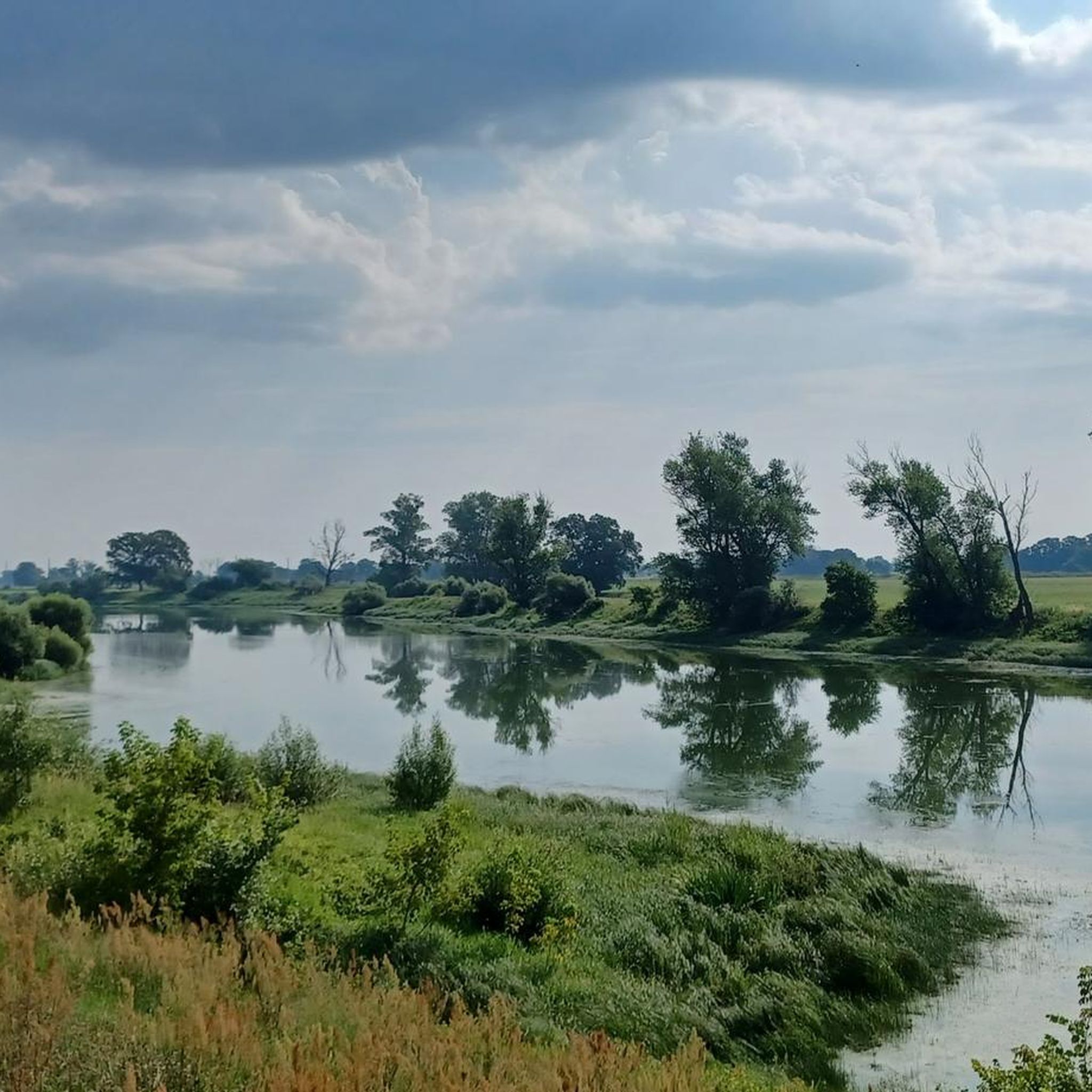
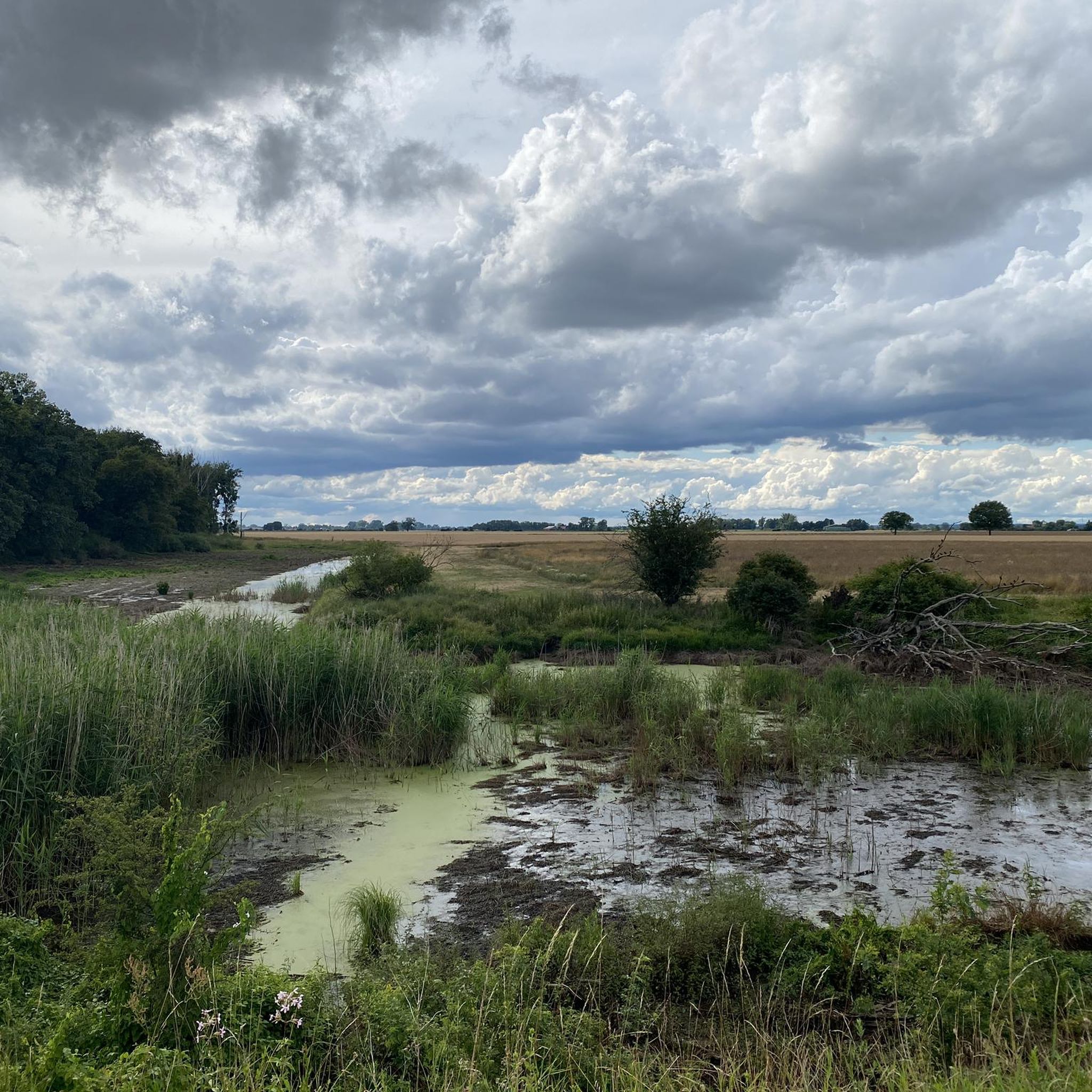
Gravel biking around Kemberg offers access to the diverse landscapes of the Düben Heath Nature Park. The region features extensive mixed forests, heathlands, and significant moor areas, providing varied terrain for gravel cyclists. Glacially-formed landscapes include numerous bodies of water, such as Lake Bergwitz, which offers lakeside riding opportunities. The proximity to the Mulde River valley and the Elbe River further contributes to a varied natural environment with mixed-surface paths.
Best gravel bike trails around Kemberg
- The most popular gravel…
Last updated: July 2, 2026
4.8
(4)
28
riders
Moderate gravel ride. Good fitness required. Mostly paved surfaces. Suitable for all skill levels.
4.0
(1)
7
riders
Hard gravel ride. Good fitness required. You may need to push your bike for some segments of this route.

Sign up for free
4.6
(5)
17
riders
Moderate gravel ride. Good fitness required. Mostly paved surfaces. Suitable for all skill levels.
4.0
(1)
4
riders
Hard gravel ride. Good fitness required. You may need to push your bike for some segments of this route.
4.5
(2)
19
riders
Easy gravel ride. Great for any fitness level. Mostly paved surfaces. Suitable for all skill levels.
Get access to more routes and recommendations from other explorers.
Sign up for free
Already have an account?
Our route recommendations are based on thousands of hikes, rides, and runs completed by other people on komoot.
Start today with a free account
Your next adventure awaits.
Login or Signup
Popular around Kemberg
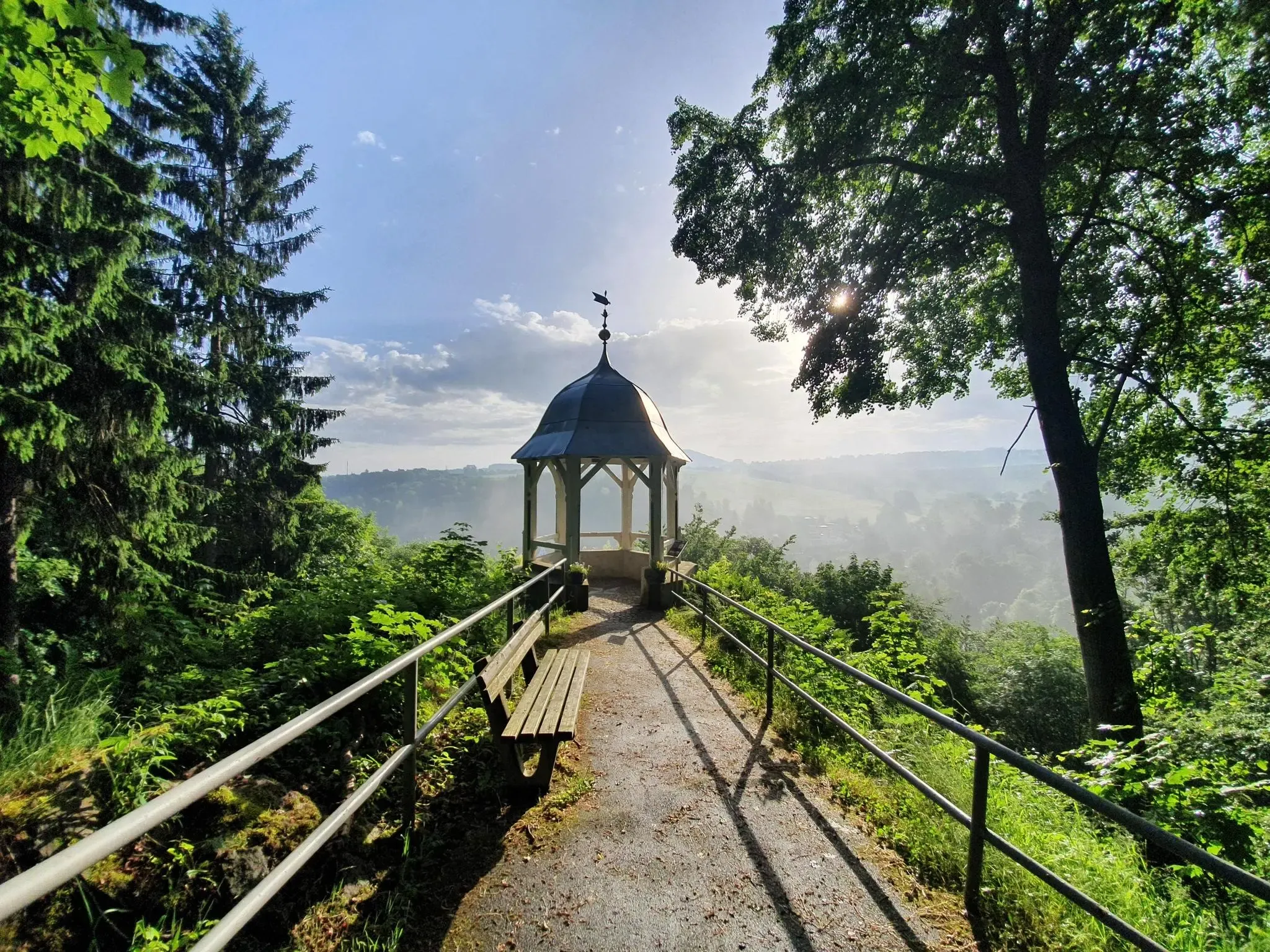
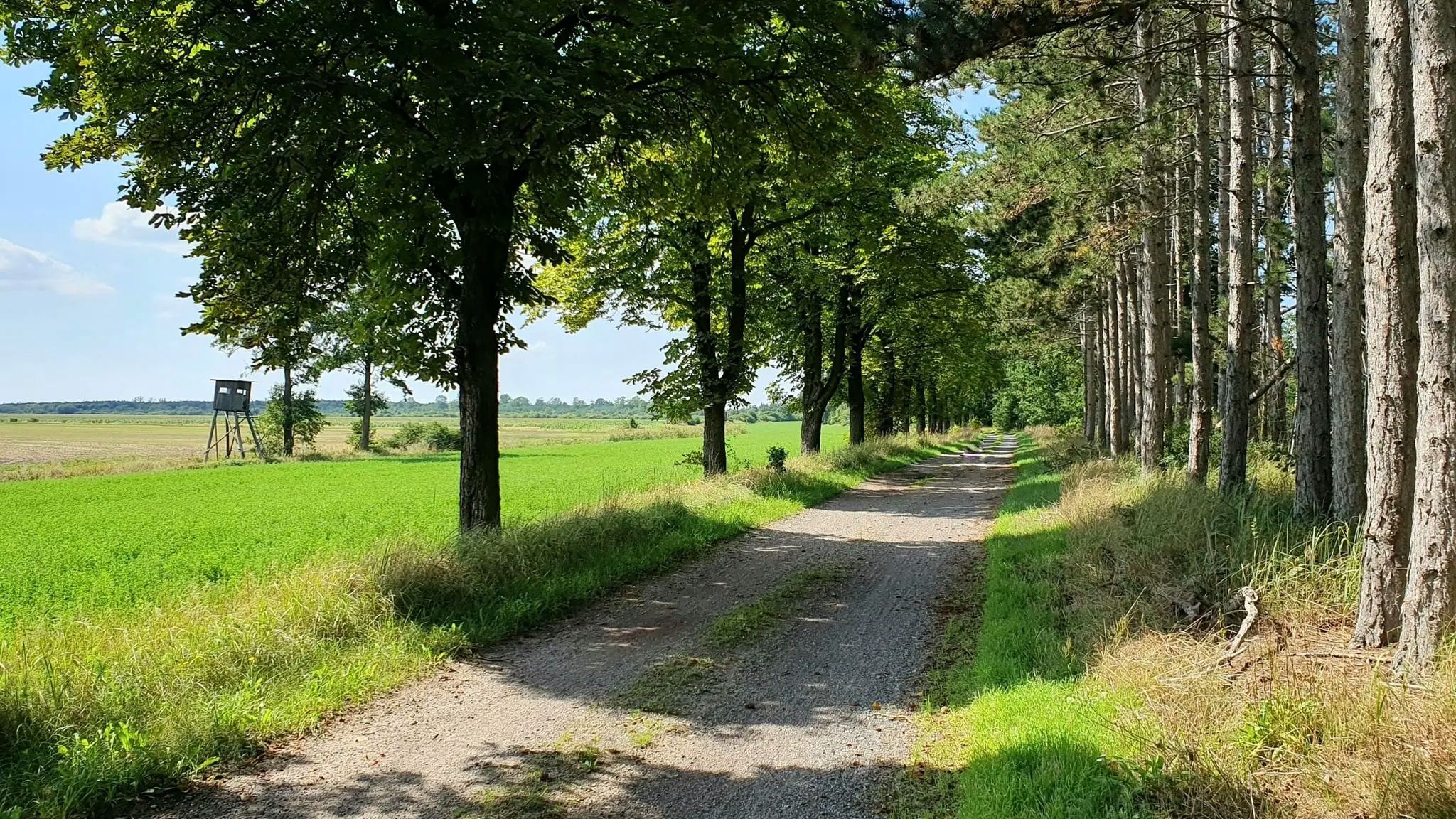
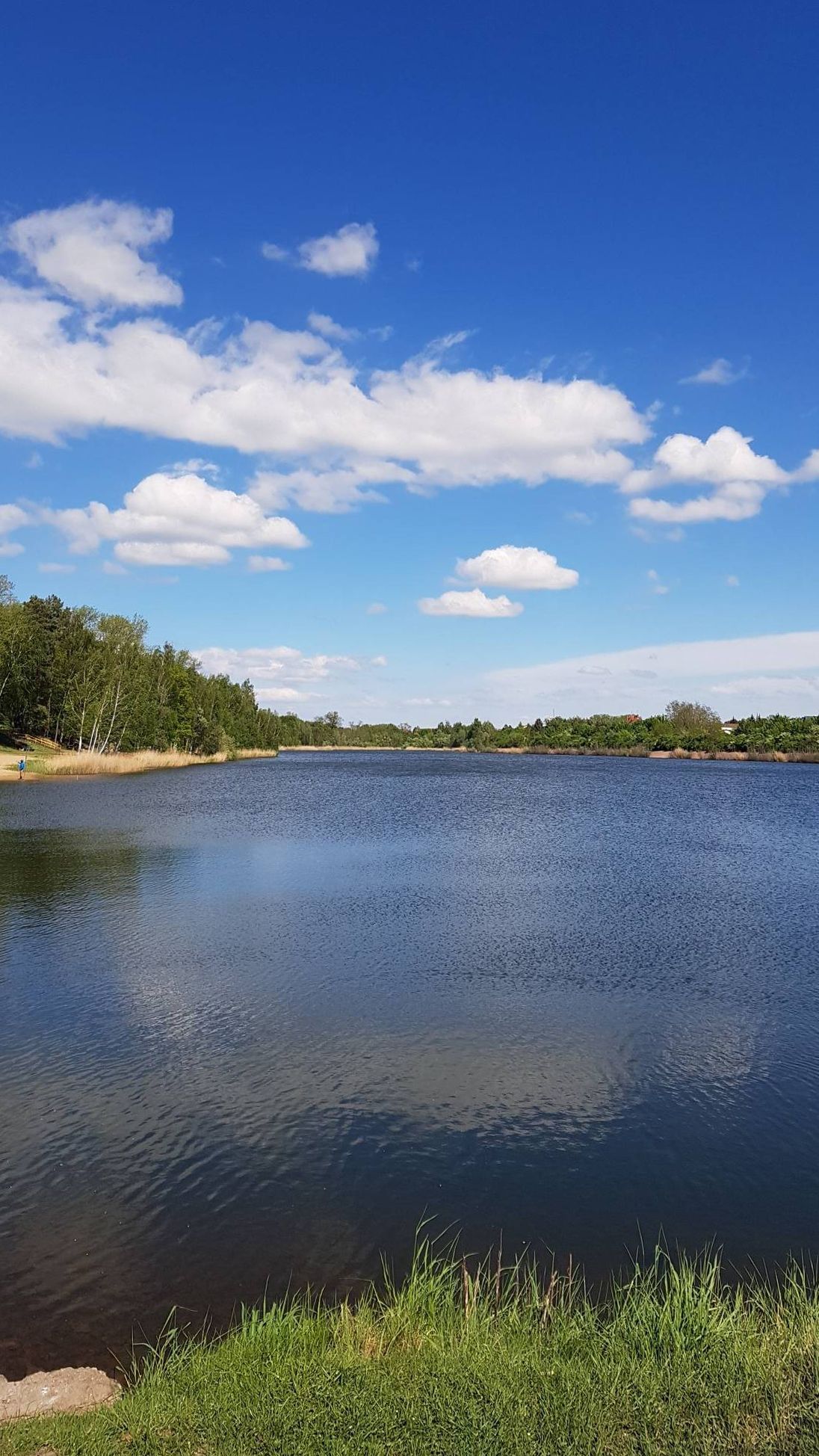
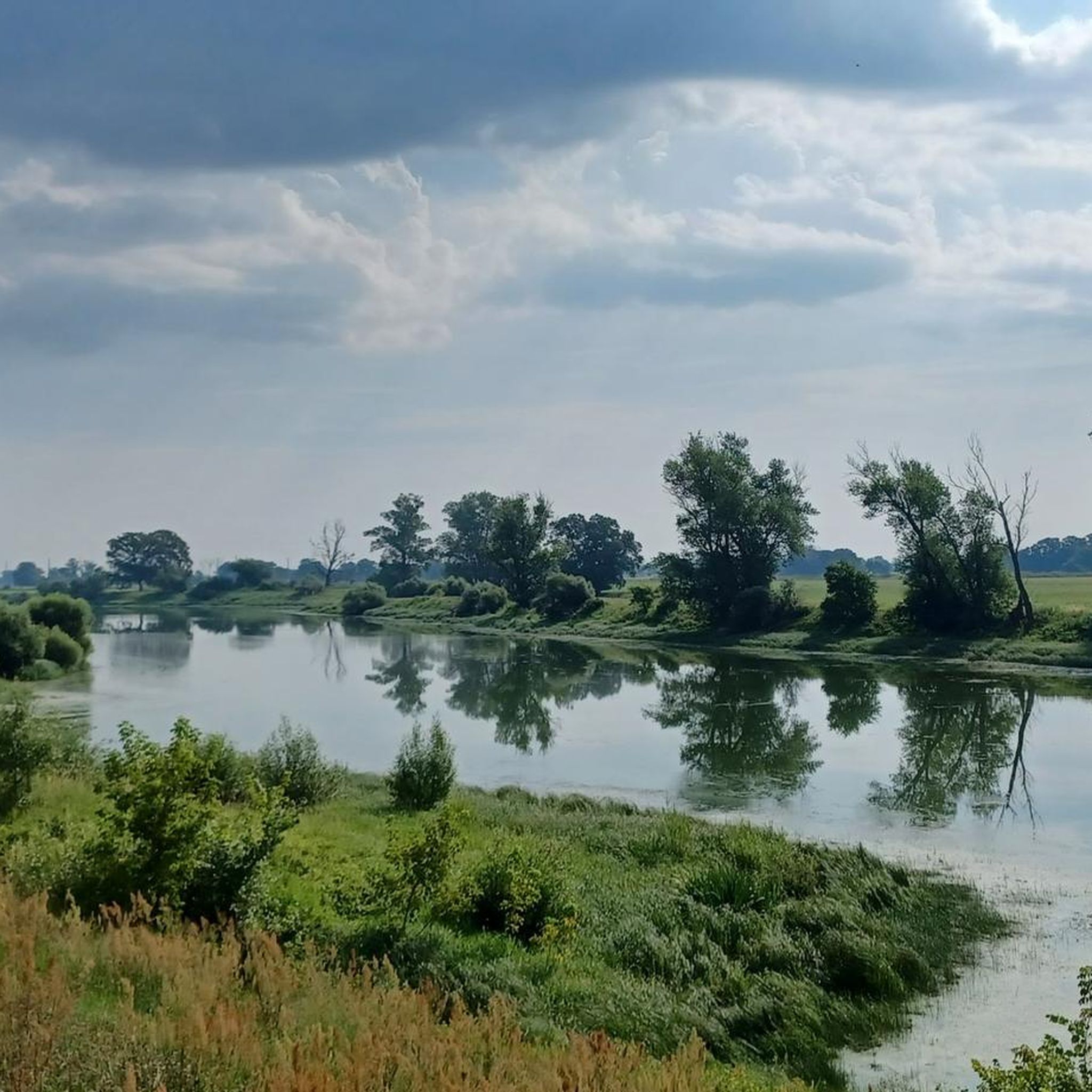


Tips from the Community

Definitely worth seeing
0
0
Beautiful rest area at the Seven-Armed Column
1
0

Unfortunately now broken and no water but nice
0
0

Ferropolis (Greek-Latin ferro and polis "iron city") is an industrial museum and event venue in Gräfenhainichen, east of Dessau-Roßlau, on a peninsula in Lake Gremmin, the former Golpa-Nord open-cast mine.[1][2] Ferropolis is an anchor point of the European Route of Industrial Heritage (ERIH). Originally, the workshops, power supply, and social facilities of the Golpa-Nord open-cast mine, part of the Bitterfeld mining district, were located here. Until 1955, a mine railway line connected Bergwitz with the Zschornewitz power station. Parts of the abandoned railway embankment were later used as an access road for the Golpa-Nord lignite open-cast mine and later for the connection to Ferropolis. The mine railway and the current connecting tracks for Ferropolis were built parallel to this former railway line. After the closure of the open-cast mine in 1991, the idea of bringing together and using the large machinery remaining on the site as a museum on a remaining pillar projecting into the open-cast mine, today's peninsula, was born, based on a diploma thesis submitted to the Bauhaus Dessau Foundation in 1992 by the architect Martin Brück.[3] In addition to the Bauhaus Foundation, the Expo 2000 Society Saxony-Anhalt GmbH and the Lusatian and Central German Mining Administration Company were involved in the design of the site, which was designated as a regional project for Expo 2000.[4][5] The official founding of the "City of Iron" was completed with the unveiling of the town sign by the then Minister of Economic Affairs of Saxony-Anhalt, Klaus Schucht, on December 14, 1995.[6] Ferropolis opened to the public in July 2000. The opening gala concert was conducted by Greek composer Mikis Theodorakis; the accompanying light show was staged by Gert Hof.[7] Bauhaus and Expo-Gesellschaft withdrew from the operating company Ferropolis GmbH at the end of 2001;[8] The current main shareholder (2019) is the city of Gräfenhainichen.[9] In 2004, extensive renovation work was carried out on the large-scale equipment. The connection to Ferropolis was renewed in 2005. In December 2005, Ferropolis was officially included in the European Route of Industrial Heritage. Since April 22, 2006, the Gräfenhainichen registry office has operated a branch office for weddings in the disused control room of the Golpa-Nord open-cast mine. Ferropolis can also be reached by museum trains from the former Zschornewitz narrow-gauge railway. An industrial museum has been established in the former Zschornewitz coal-fired power plant as a testament to coal-fired power generation. On July 6, 2013, one of five parallel concerts titled "Together Against the Flood - We Say Thank You" by the radio station MDR Jump was held in Ferropolis. The occasion was the regional impact of the 2013 floods in Central Europe.[10] Source: Wikipedia
0
0

Good for a short rest.
0
0
Frequently Asked Questions
How many gravel bike trails are available around Kemberg?
Kemberg offers a diverse selection of gravel bike trails, with over 45 routes available on komoot. These routes cater to various skill levels, ensuring there's something for everyone.
What kind of terrain can I expect on gravel bike trails near Kemberg?
The region around Kemberg, including the Dübener Heide Nature Park, features a varied terrain ideal for gravel biking. You'll encounter extensive mixed forests, classic gravel roads, and some smoother paved sections. This mix provides both challenging and relaxed riding experiences.
Are there any easy gravel bike routes suitable for beginners or families in Kemberg?
Yes, Kemberg has several easy gravel bike routes. For instance, the View of Gröberner Lake – Lake Gröbern loop from Radis is an easy 19.9-mile (32.0 km) trail with minimal elevation gain, perfect for a relaxed ride. Another easy option is the View over Gremminer Lake – Ferropolis Entrance loop from Jüdenberg, which is about 9.9 miles (15.9 km) long.
What are some notable natural features or landmarks I can see while gravel biking in Kemberg?
Gravel biking in Kemberg allows you to explore the vast Dübener Heide Nature Park with its extensive woodlands. You can also ride along picturesque water bodies like Lake Bergwitz. For specific landmarks, consider visiting the Elster Post Mill (Elbe) or the historic Wittenberg Market Square and the Town Church, which are accessible from some routes.
Are there any circular gravel bike routes in the Kemberg area?
Yes, many gravel bike routes around Kemberg are designed as loops. Examples include the View of the Elbe – Elster Post Mill (Elbe) loop from Lutherstadt Wittenberg-Labetz, which offers scenic views, and the View of Gröberner Lake – Lake Gröbern loop from Radis, a popular easy option.
What do other gravel bikers enjoy most about Kemberg's trails?
The gravel bike trails in Kemberg are highly rated by the komoot community, with an average score of 4.2 stars from over 50 reviews. Riders often praise the diverse landscapes, the quiet woodlands of the Dübener Heide, and the varied gravel roads that make for an engaging cycling experience.
Can I access Kemberg's gravel trails using public transport?
Many routes in the Kemberg region start from towns with public transport connections, such as Lutherstadt Wittenberg. For example, the Wonderful gravel route – Rabenstein Castle (Fläming) loop begins directly from Lutherstadt Wittenberg Hauptbahnhof, making it convenient to reach by train.
Are there any routes that pass by lakes or offer water views?
Absolutely. The region is known for its water bodies. The North Shore of Lake Bergwitz (Bergwitzsee) – Heideteich Pond and Shelter loop from Bergwitz is a prime example, exploring the scenic Lake Bergwitz. You can also find routes around Lake Gröbern, offering beautiful lake views.
What is the best time of year for gravel biking in Kemberg?
The diverse landscapes of Kemberg and the Dübener Heide are enjoyable throughout much of the year. Spring and autumn offer pleasant temperatures and beautiful scenery with changing foliage. Summer is also great, especially for routes that pass by lakes where you can cool off. Winter can be an option for hardy riders, though conditions may vary.
Are there any challenging gravel bike routes for experienced riders?
Yes, Kemberg offers routes for advanced gravel bikers. The North Shore of Lake Bergwitz (Bergwitzsee) – Heideteich Pond and Shelter loop from Bergwitz is classified as difficult, covering nearly 31 miles (49.8 km) with significant elevation changes, providing a good challenge for experienced riders.
Are there places to stop for refreshments or cafes along the gravel routes?
While specific cafes on every route aren't guaranteed, many routes start or pass through towns like Kemberg, Bergwitz, or Radis, where you can find options for refreshments. The region's focus on outdoor activities means you'll often find places to refuel in or near the main settlements.
Most popular routes around Kemberg
Most popular attractions around Kemberg

Get inspired with the komoot mobile app


Explore more
Browse the best Gravel rides in other regions.
