The best gravel rides around Schwienau
5.0
(6)
23
riders
14
rides
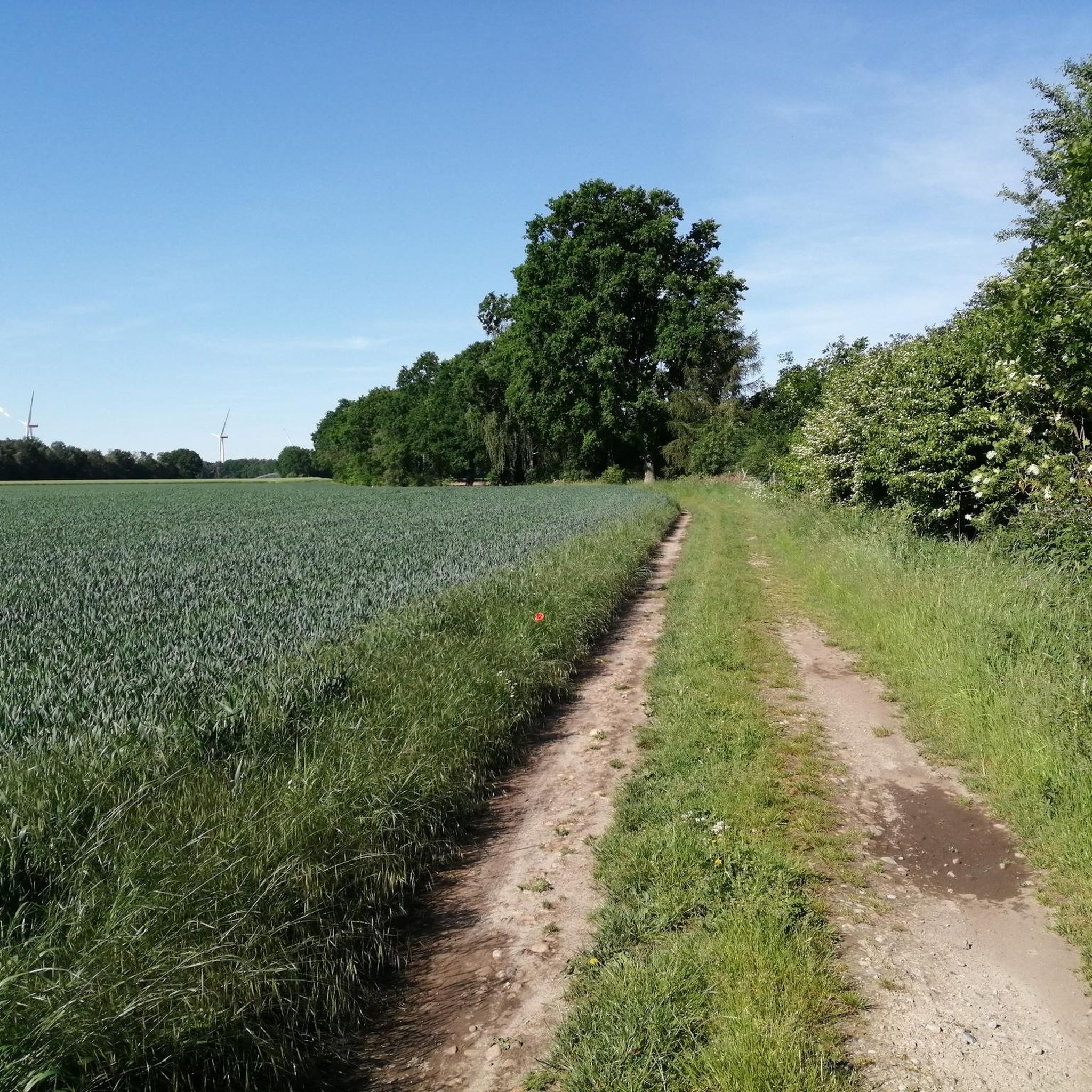
Gravel biking around Schwienau offers diverse terrain across idyllic countryside, heathlands, and forests. The region is situated between the Ilmenau and Gerdau rivers, providing opportunities for routes along waterways. Varied landscapes include juniper heath, dense woodlands, and open meadows, with some routes featuring unpaved segments. The area's natural features make it suitable for gravel cyclists seeking varied surfaces.
Best gravel bike trails around Schwienau
- The most popular gravel bike trail is Uelzen City Forest Wildlife Park – Forest Trail in…
Last updated: October 6, 2026
5.0
(2)
5
riders
Moderate gravel ride. Good fitness required. Mostly paved surfaces. Suitable for all skill levels.
5.0
(2)
5
riders
Easy gravel ride. Great for any fitness level. Mostly paved surfaces. Suitable for all skill levels.

2
riders
Hard gravel ride. Good fitness required. You may need to push your bike for some segments of this route.
5.0
(1)
7
riders
49.2km
03:03
190m
190m
Moderate gravel ride. Good fitness required. Mostly paved surfaces. Suitable for all skill levels.
3
riders
Moderate gravel ride. Good fitness required. Mostly paved surfaces. Suitable for all skill levels.
Get access to more routes and recommendations from other explorers.
Already have an account?
Our route recommendations are based on thousands of hikes, rides, and runs completed by other people on komoot.
Start today with a free account
Your next adventure awaits.
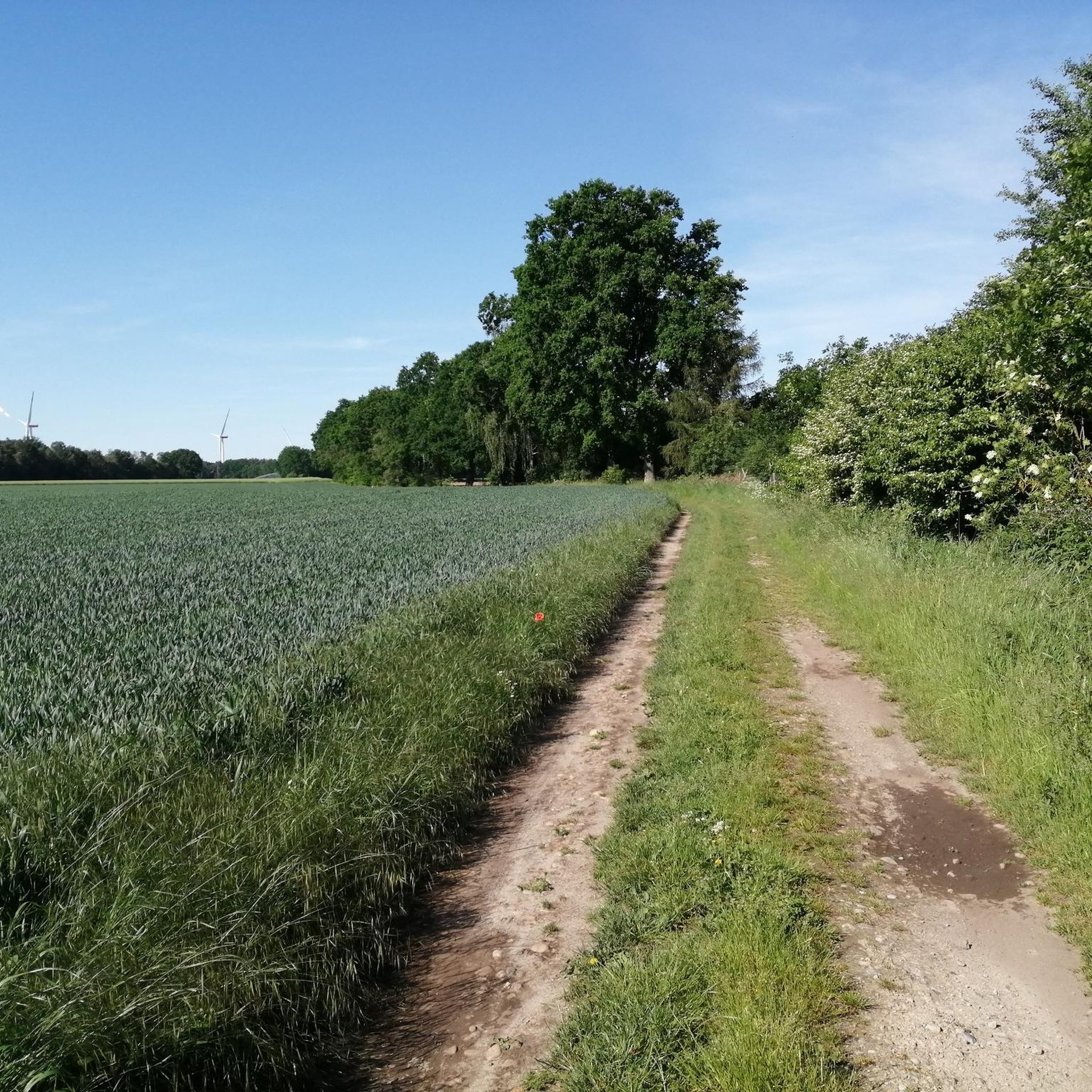
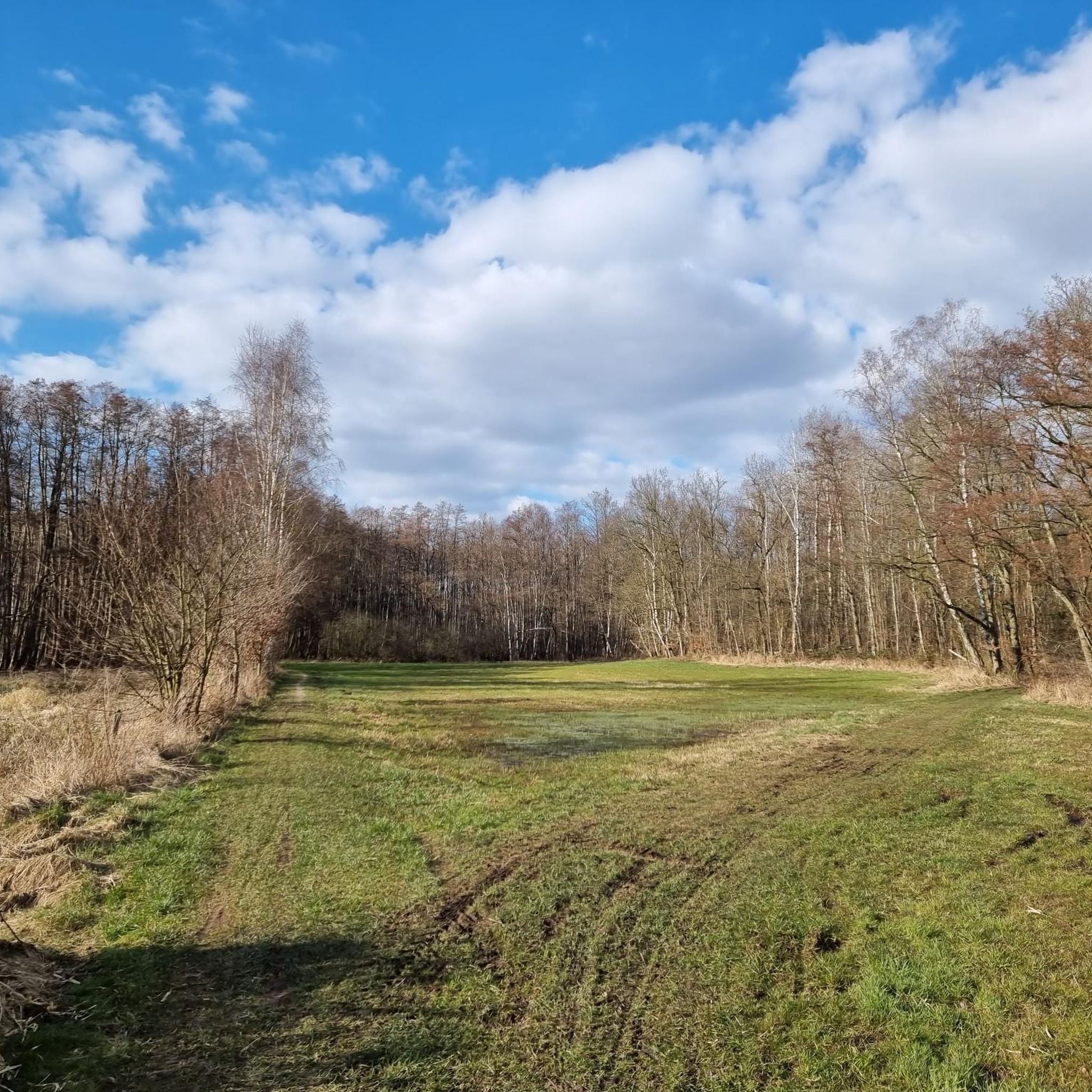
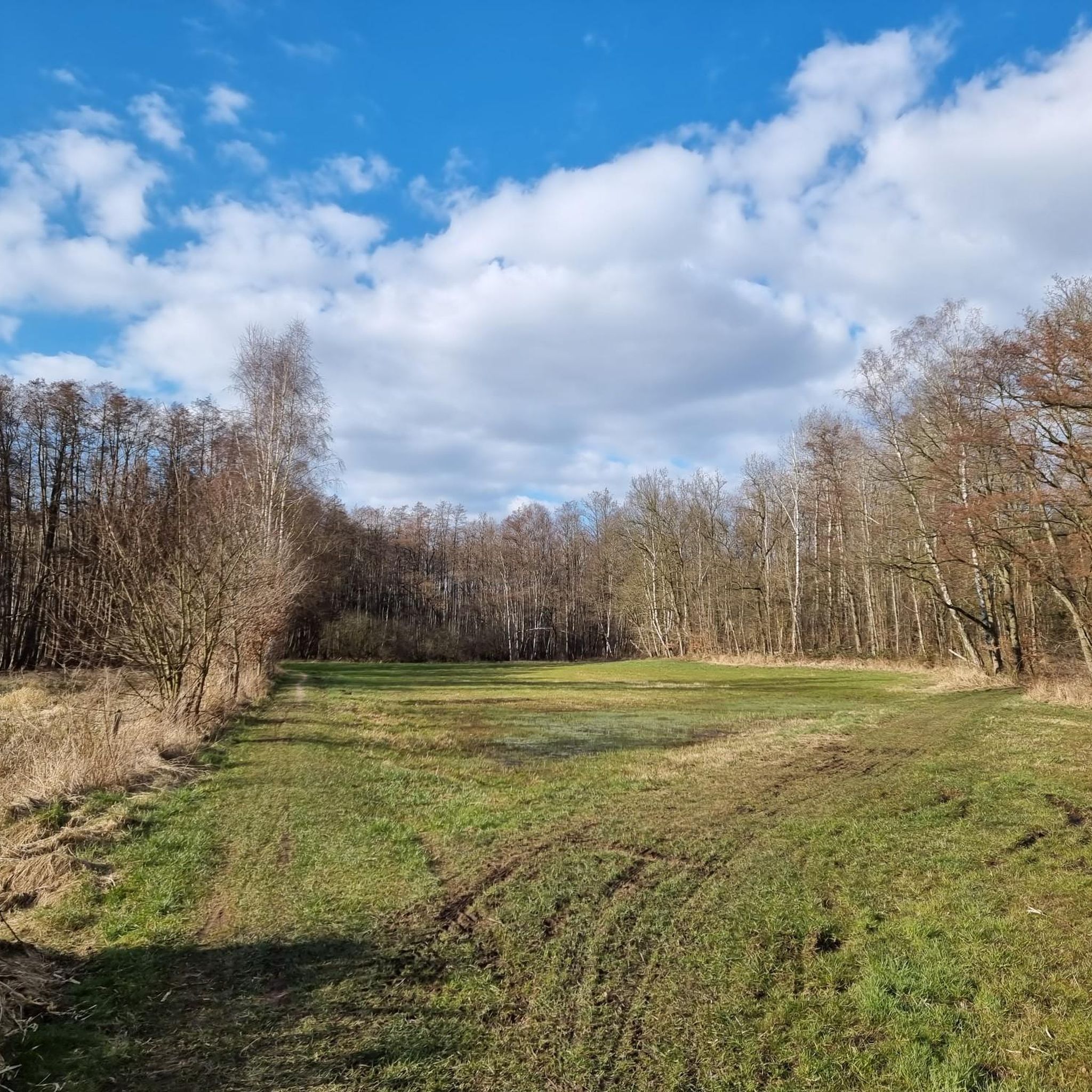
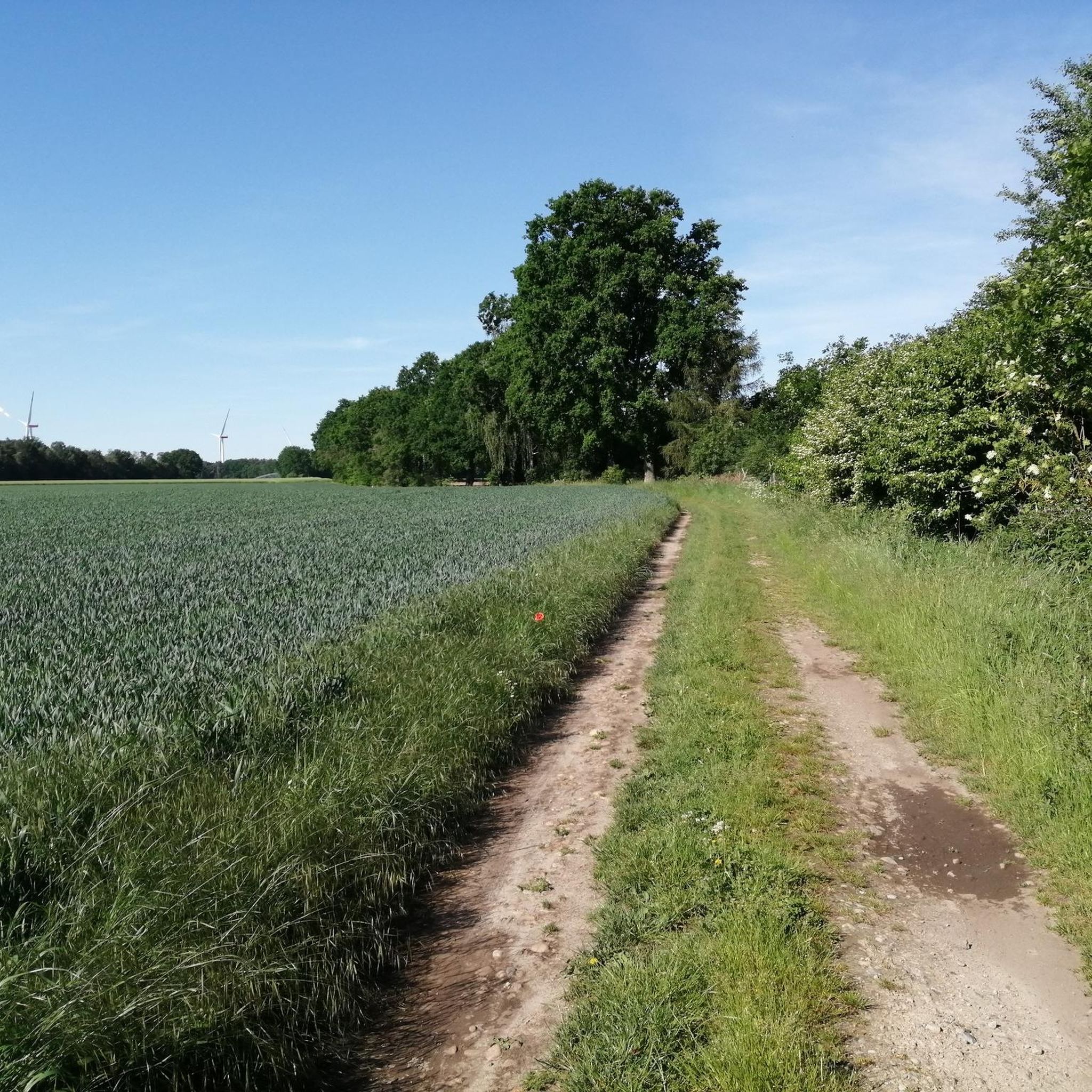
Tips from the Community


North of the castle, the church of St. Nicolai was rebuilt in the 17th century by the "lords of the castle" of Wense in the Baroque style, after the Romanesque predecessor church from 1010 had been largely destroyed in the Thirty Years' War.
1
0

The approximately 1-hectare heathland "Tannrähm" in Suderburg (near the sports field) has existed since 1998 on the site formerly occupied by deciduous and coniferous trees. The trees were cleared and the topsoil removed, allowing heathland to spread. A small outdoor barn serves as shelter for Heidschnucke sheep. Local beekeepers use the apiary to produce heather honey.
0
0

The Mill in Bohlsen: History and Present The Bohlsen Mill, idyllically situated on the edge of the village street, is a striking example of regional craftsmanship. Originally used as a grain mill, the charming, partially restored building has shaped the village landscape for decades and tells stories of early recordings, the sounds of milling, and a long community tradition. Historical Background Year of Construction and Type: The mill dates back to the 19th century and is typically owned by the local watermill families that utilized the surrounding watercourses. Function: Primarily for milling grain for the village community; occasionally supplemented by various agricultural uses. Change: With technological change and changes in agricultural structures, the mill gradually lost its original purpose and was modernized or rebuilt in several phases. Architecture and Layout External Appearance: The building exhibits characteristic features of a historic mill – robust construction, half-timbered or plastered facades, and a narrow tower/chimney, often connected to the milling equipment inside. Surroundings: Surrounded by green spaces, the mill blends harmoniously into the rural fabric of Bohlsen and serves as a magnet for walkers and those interested in local history. Present and Use Cultural and Educational Center: In many villages, the mill is now the site of cultural-historical exhibitions, local tours, or small events. Management: Depending on ownership and funding opportunities, the mill is maintained, sometimes through support associations, municipal support, or private initiatives. Significance for Bohlsen: As a constant reminder of the artisanal heritage, the mill strengthens awareness of regional history and promotes tourism and local identity. Outlook: Bohlsen's Mill remains an important component of the region's historical heritage. Through careful maintenance and possible openings to the public, it could become an even more vibrant place of learning and a magnet for visitors in the future.
0
0
The bridge over the Hardau near Holxen The bridge over the Hardau near Holxen has connected the banks of the small river for years, serving both local traffic and recreational users. It is a typical simple structure that blends harmoniously into the rural landscape. Access to the riverbank is often provided with stairs or ramps to facilitate access for hikers and anglers. History and Use: The bridge has undergone several renovations to ensure safety and load-bearing capacity. It offers commuters a convenient route through Holxen and provides nature lovers with recreational areas along the Hardau. Surroundings: The bridge location is characterized by quiet nature, riverside trees, and the constant rushing of the river. The bridge contributes to regional identity and occasionally serves as a photo motif.
0
0

Flugplatz Barnsen On Ascension Day, it's worth a nice trip. There are many small, different planes to see. Sightseeing flight, bouncy castle, snacks, and carousel. Always on Ascension Day. Inform yourself beforehand if it will actually take place 😊
0
0


This is how the yield of the meadows was increased in the past.
0
0
Frequently Asked Questions
How many gravel bike trails are there in Schwienau?
Schwienau offers a good selection of gravel biking routes, with over 20 trails available. These routes cater to various skill levels, including easy, moderate, and difficult options.
What kind of terrain can I expect on gravel bike trails in Schwienau?
You can expect a diverse mix of terrain. The region features idyllic countryside, extensive heathlands like the Juniper Heath, and dense forests. Many routes also follow the Ilmenau and Gerdau rivers, offering scenic waterways and some unpaved segments. The area is known for its varied surfaces, making it ideal for gravel cycling.
Are there routes suitable for beginners or families in Schwienau?
Yes, Schwienau has several easy gravel bike trails perfect for beginners or family outings. One popular easy route is the Uelzen City Forest Wildlife Park – Forest Trail in Lüneburg Heath loop from Westerweyhe, which is about 16.7 km long and traverses parts of the Lüneburg Heath.
Are there challenging gravel bike routes in Schwienau?
For those seeking a challenge, Schwienau does offer more demanding routes. An example of a difficult route is Uelzen's Historic Old Town – St. Remigius Church, Suderburg loop from Uelzen, which covers nearly 56 km and involves significant elevation changes, requiring good fitness.
What interesting sights or attractions can I see along the gravel bike trails in Schwienau?
Many gravel routes in Schwienau pass by notable attractions. You can explore Uelzen's Historic Old Town, cycle past the impressive Elbe Lateral Canal Aqueduct Over the Ilmenau, or enjoy views of the Ratsteich in Uelzen. The region also features historic half-timbered houses and the significant burial mounds at Klein Walstorf Heath.
Are there circular gravel bike routes in Schwienau?
Yes, many of the gravel bike trails in Schwienau are designed as circular routes, allowing you to start and end at the same point. For instance, the Boardwalk in the Hardau Valley – St. Remigius Church, Suderburg loop from Naturschutzgebiet Holdenstedter Teiche is a popular moderate circular route exploring the scenic Hardau Valley.
What do other gravel bikers enjoy most about Schwienau?
The gravel biking experience in Schwienau is highly rated by the komoot community, with an average score of 4.5 stars. Riders often praise the diverse landscapes, including the quiet woodlands, open heathlands, and scenic river valleys, which provide a varied and engaging ride. The mix of paved and unpaved segments is also a highlight for many.
Can I find routes along rivers or with water views?
Absolutely. Schwienau is situated between the Ilmenau and Gerdau rivers, and many routes take advantage of these waterways. For example, the Bad Bevensen Town Center – Wooden bridge over the Ilmenau loop from Barum offers beautiful views along the Ilmenau, including a picturesque wooden bridge.
Is there parking available for gravel bikers in Schwienau?
While specific parking areas for each route are not detailed, Schwienau and its surrounding towns generally offer public parking facilities. It's advisable to check local parking options near your chosen starting point, especially in larger towns like Uelzen or Suderburg, which serve as common access points for many trails.
Are there cafes or places to stop for refreshments along the routes?
Yes, you can find places to stop for refreshments. Some routes pass through or near towns and villages where cafes and restaurants are available. For example, the ObstScheune Barum is a highlight that could serve as a refreshment stop on routes in that area.
What is the best time of year for gravel biking in Schwienau?
The best time for gravel biking in Schwienau is generally from spring through autumn. During these seasons, the weather is milder, and the natural landscapes, especially the heathlands and forests, are at their most vibrant. While winter riding is possible, some unpaved sections might be muddy or sandy, requiring more effort.
Can I reach the gravel bike trails in Schwienau by public transport?
Schwienau and the Uelzen district have some public transport connections, primarily bus services, which can help you reach various starting points for gravel bike trails. Uelzen, a larger hub, is accessible by train. It's recommended to check local bus and train schedules, and policies regarding bicycle transport, when planning your trip.
Most popular attractions around Schwienau

Get inspired with the komoot mobile app


Explore more
Browse the best Gravel rides in other regions.
