The best gravel rides around Schieren
4.5
(10)
52
riders
9
rides
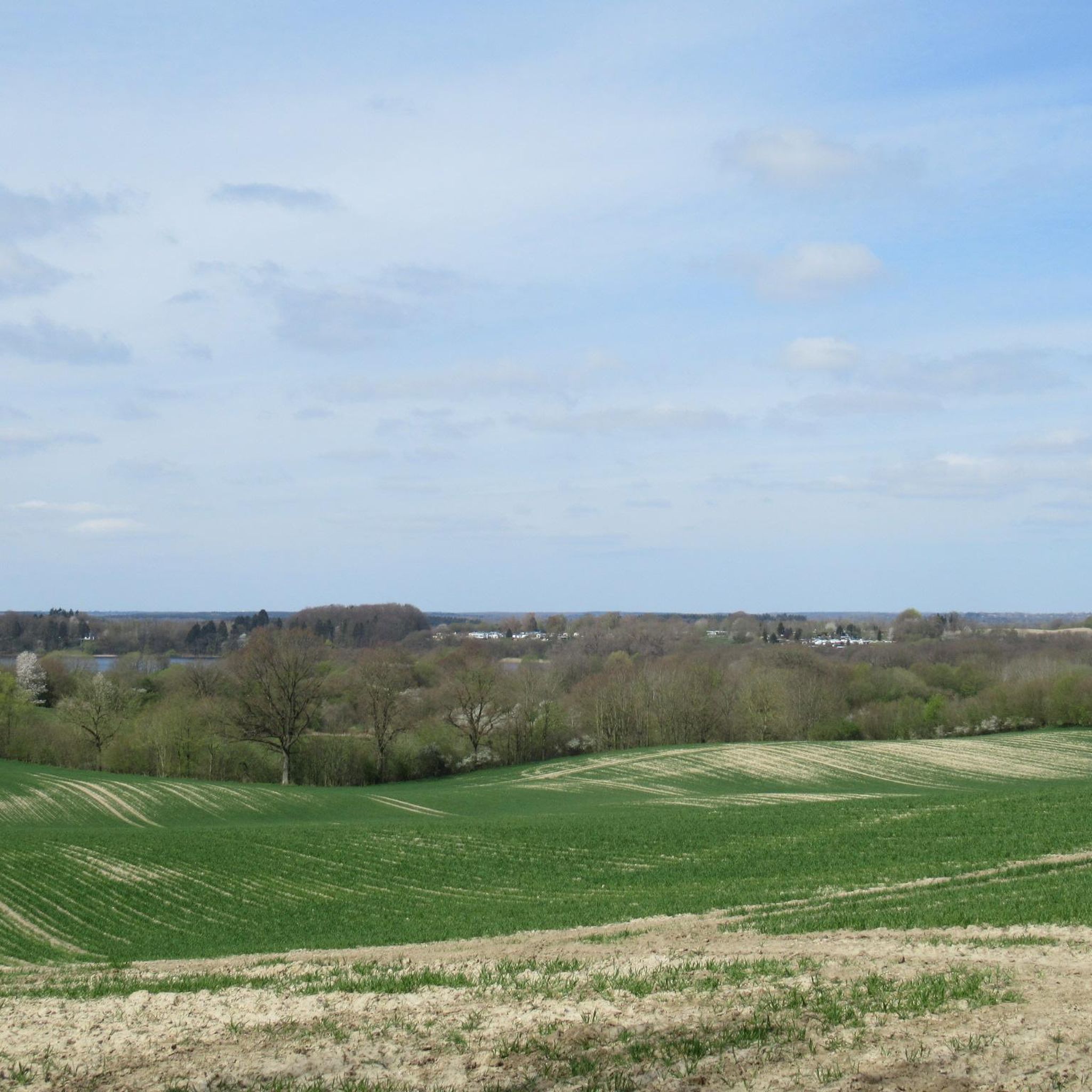
Gravel biking around Schieren offers routes through a landscape characterized by lakes, meadows, and heathlands. The terrain generally features gentle elevation changes, making it suitable for various skill levels. This region provides a mix of open paths and routes that skirt natural water bodies.
Best gravel bike trails around Schieren
- The most popular gravel bike trail is Great Segeberg Lake – View of the Großer Segeberger See loop from Bad Segeberg, a 5.6 miles (9.0 km) easy trail that…
Last updated: October 6, 2026
5.0
(4)
18
riders
Easy gravel ride. Great for any fitness level. Mostly paved surfaces. Suitable for all skill levels.
3.7
(3)
8
riders
Moderate gravel ride. Good fitness required. Mostly paved surfaces. Suitable for all skill levels.

5
riders
64.2km
03:27
170m
170m
Moderate gravel ride. Good fitness required. Mostly paved surfaces. Suitable for all skill levels.
3
riders
42.0km
02:37
100m
100m
Moderate gravel ride. Good fitness required. Mostly paved surfaces. Suitable for all skill levels.
4.0
(1)
7
riders
16.6km
01:00
70m
70m
Easy gravel ride. Great for any fitness level. Mostly paved surfaces. Suitable for all skill levels.
Get access to more routes and recommendations from other explorers.
Already have an account?
Our route recommendations are based on thousands of hikes, rides, and runs completed by other people on komoot.
Start today with a free account
Your next adventure awaits.
Tips from the Community

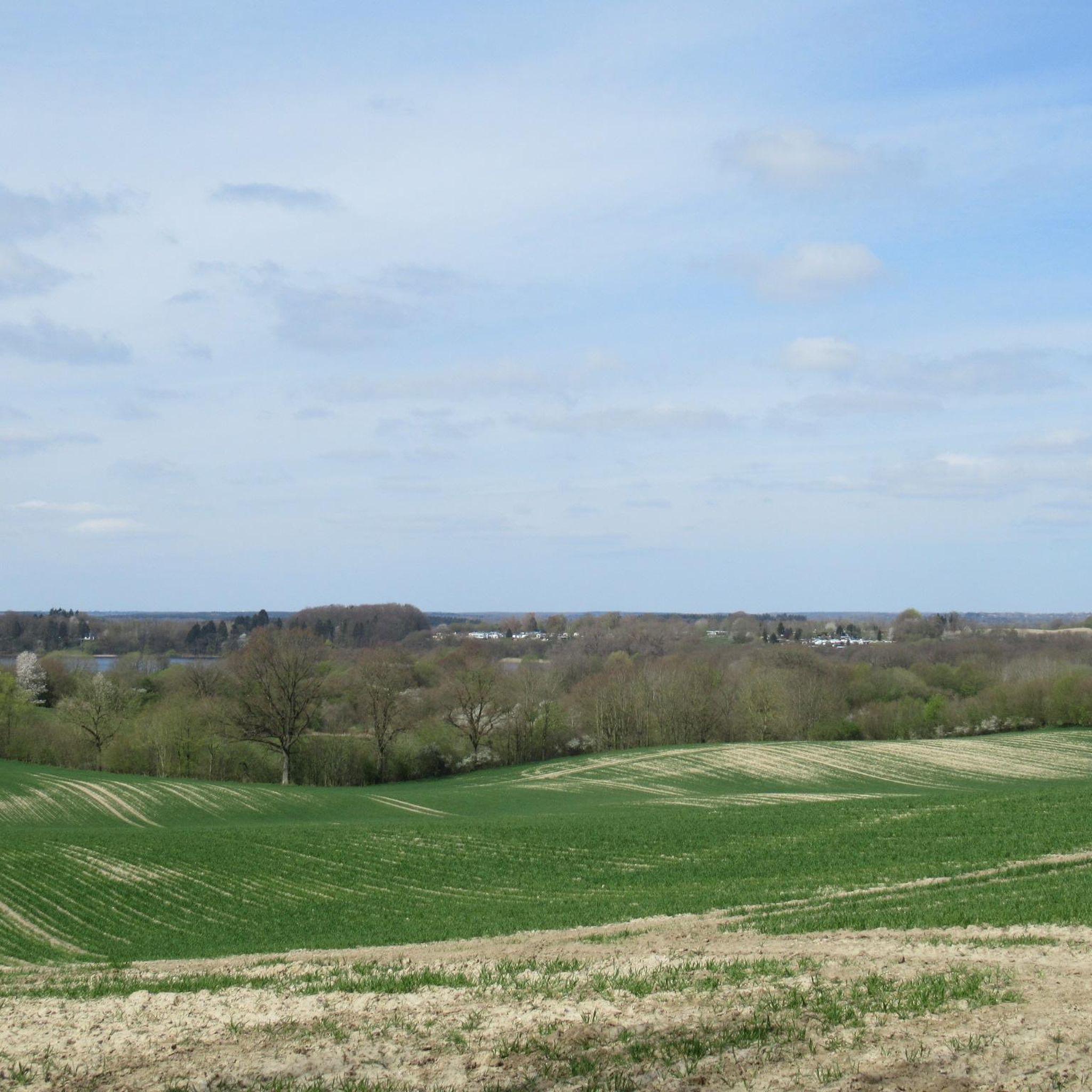
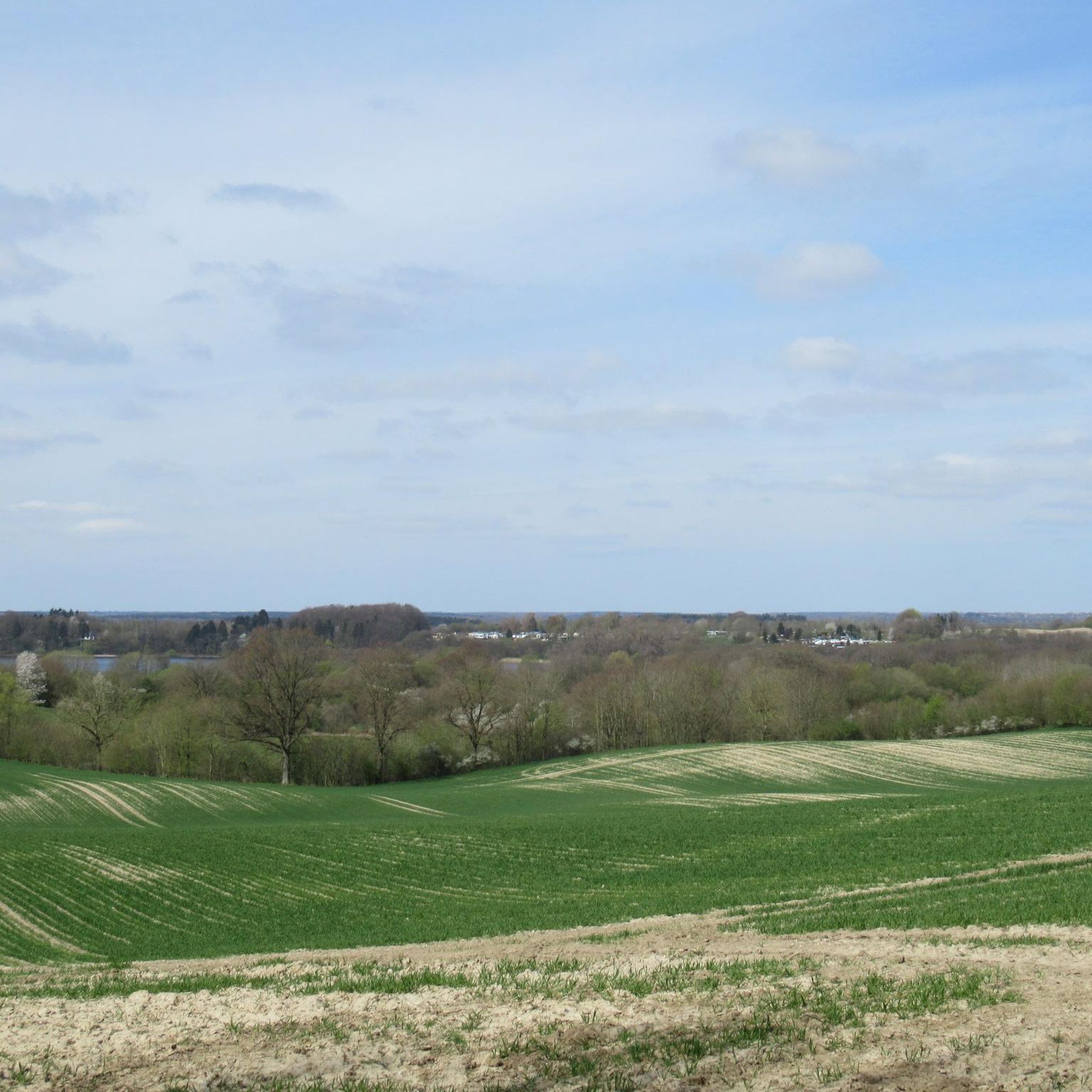
Also in autumn a beautiful view
0
0

Beginning of August 2026 completely dried-out riverbed.
0
0

I fully agree with Nik from Ahrensburg: originally intended as a hiking trail - for walkers it's quite annoying when e-bike hordes ride past and you have to jump aside...
0
0

The bench offers a wonderful view.
0
0


Opened again in May 2025 after the path was closed in 2018. Pioneers from the Lettow-Vorbeck Barracks built the so-called Soldiers' Bridge in the 1970s. Soldiers used the bridge as a shortcut on their way to the southern part of the city. Today, the bridge is part of the Mönchsweg long-distance hiking trail.
1
0

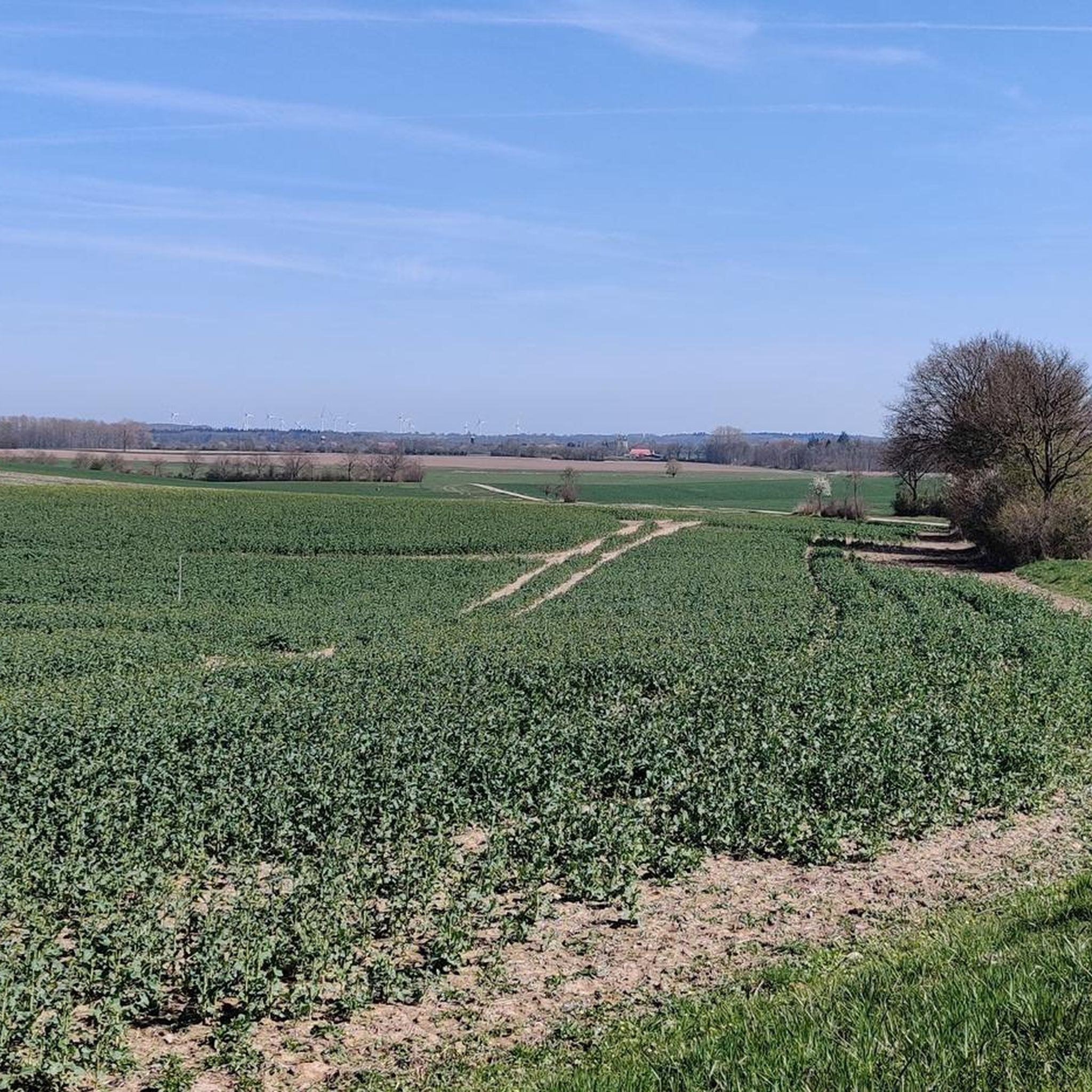
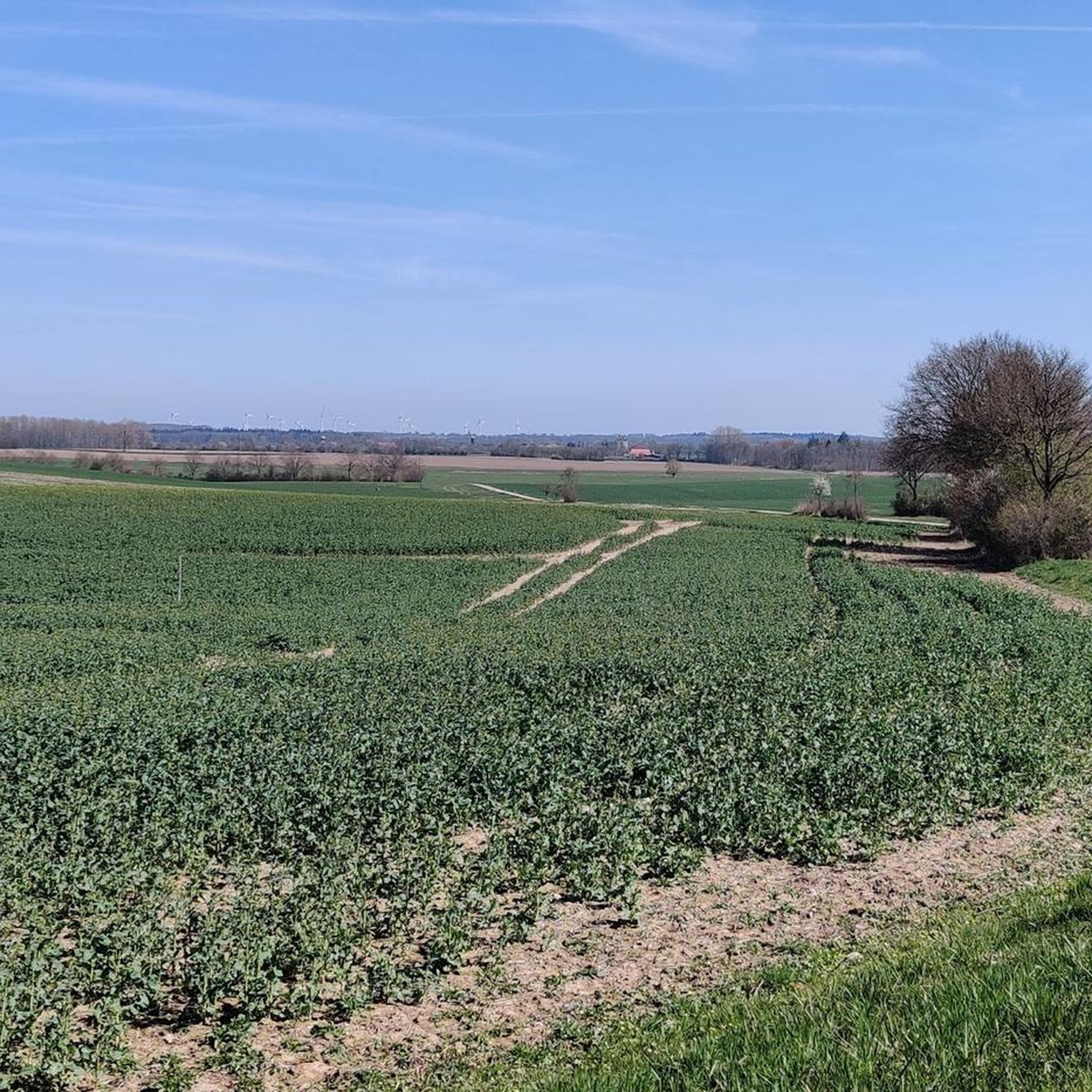
The route takes you through the middle of the forest on easily navigable gravel – a beautiful route.
2
0

The Trave covers a distance of 110 km from Giesselrade to Travemünde. The first half is an inconspicuous stream that is not even suitable for canoeing.
0
0
Frequently Asked Questions
How many gravel bike trails are there in Schieren?
There are around 18 gravel bike trails available in the Schieren region, offering a variety of experiences for different skill levels.
What is the difficulty level of gravel biking trails in Schieren?
The trails around Schieren cater to a range of abilities. You'll find a good mix of easy (9 routes) and moderate (8 routes) options, with one more challenging trail for experienced riders.
Are there any beginner-friendly gravel bike routes in Schieren?
Yes, Schieren offers 9 easy gravel bike routes perfect for beginners. A great option is the Great Segeberg Lake – View of the Großer Segeberger See loop from Bad Segeberg, which is 5.6 miles (9.0 km) long and offers scenic lake views.
What are some longer gravel bike trails near Schieren?
For those looking for a longer ride, the Heathland – Barker Heide Nature Reserve loop from Fahrenkrug covers 64.2 miles (103.3 km). Another substantial option is the Pond at the Lieth Meadows loop from Bad Segeberg, which is 38.3 miles (61.6 km) and traverses open meadows.
Are there circular gravel bike routes in Schieren?
Many of the gravel bike routes in Schieren are designed as loops. For example, the View of the Ihlsee – Bridge over the Young Trave loop from Bad Segeberg is a 10.3-mile (16.6 km) circular trail that offers lake views and river crossings.
What can I see along the gravel bike trails in Schieren?
The trails often pass by beautiful natural features and landmarks. You can enjoy views of the Großer Segeberger See, explore the West Shore of Great Segeberg Lake, or see the Old railway bridge over the Trave River at Groß Rönnau. The region is characterized by lakes, meadows, and heathlands.
What is the best time of year for gravel biking in Schieren?
The region's landscape of meadows and heathlands is enjoyable throughout the warmer months. Spring and autumn offer pleasant temperatures and vibrant scenery. While winter biking is possible, be prepared for potentially colder and wetter conditions.
Are there any viewpoints along the gravel bike trails?
Yes, several routes offer scenic viewpoints. The Great Segeberg Lake loop provides excellent views of the Großer Segeberger See. You can also find specific viewpoints like the View of Großer Segeberger Lake highlight.
What do other gravel bikers enjoy the most about gravel biking in Schieren?
The area is highly rated by the komoot community, with an average score of 4.7 stars. Reviewers often praise the varied terrain, which includes open meadows, heathlands, and numerous lakes, offering diverse and enjoyable riding experiences.
Is there public transport access to the gravel trails in Schieren?
While specific routes may start from towns like Bad Segeberg, which has public transport connections, it's advisable to check local bus or train schedules for direct access to trailheads. Many routes are easily accessible by car, with parking often available in nearby villages.
Are there family-friendly gravel biking options in Schieren?
With 9 easy routes available, Schieren offers several family-friendly gravel biking options. These routes typically feature gentle elevation changes and well-maintained paths, making them suitable for riders of varying ages and skill levels. The shorter, easy loops around the lakes are particularly good for families.
Most popular attractions around Schieren

Get inspired with the komoot mobile app


Explore more
Browse the best Gravel rides in other regions.
