The best gravel rides around Wülfershausen an der Saale
4.4
(17)
116
riders
46
rides
Gravel biking around Wülfershausen an der Saale offers diverse terrain within the Rhön-Grabfeld district, bordering the Bavarian Rhön Nature Park. The region features rolling hills, river valleys along the Fränkische Saale, and agricultural fields. This landscape provides a mix of natural beauty and varied topography suitable for gravel biking, combining gravel, forest paths, and quiet asphalt roads.
Best gravel bike trails around Wülfershausen an der Saale
- The most popular gravel bike trail is Saale Cycle Path – Bad Kissingen Spa…
Last updated: October 6, 2026
4.5
(4)
15
riders
56.6km
03:43
720m
720m
Hard gravel ride. Very good fitness required. Mostly paved surfaces. Suitable for all skill levels.
5
riders
59.4km
04:17
990m
990m
Hard gravel ride. Very good fitness required. You may need to push your bike for some segments of this route.

4.7
(3)
16
riders
46.1km
02:34
310m
310m
Moderate gravel ride. Good fitness required. Mostly paved surfaces. Suitable for all skill levels.
9
riders
60.3km
03:34
620m
620m
Hard gravel ride. Very good fitness required. Mostly paved surfaces. Suitable for all skill levels.
8
riders
Moderate gravel ride. Good fitness required. Mostly paved surfaces. Suitable for all skill levels.
Get access to more routes and recommendations from other explorers.
Already have an account?
Our route recommendations are based on thousands of hikes, rides, and runs completed by other people on komoot.
Start today with a free account
Your next adventure awaits.
Tips from the Community

Currently (early September 2026), the viewing platform is closed as the wood is apparently rotten and needs to be replaced.
0
0

The town hall is currently being renovated (08/2026) and is unfortunately completely covered.
0
0

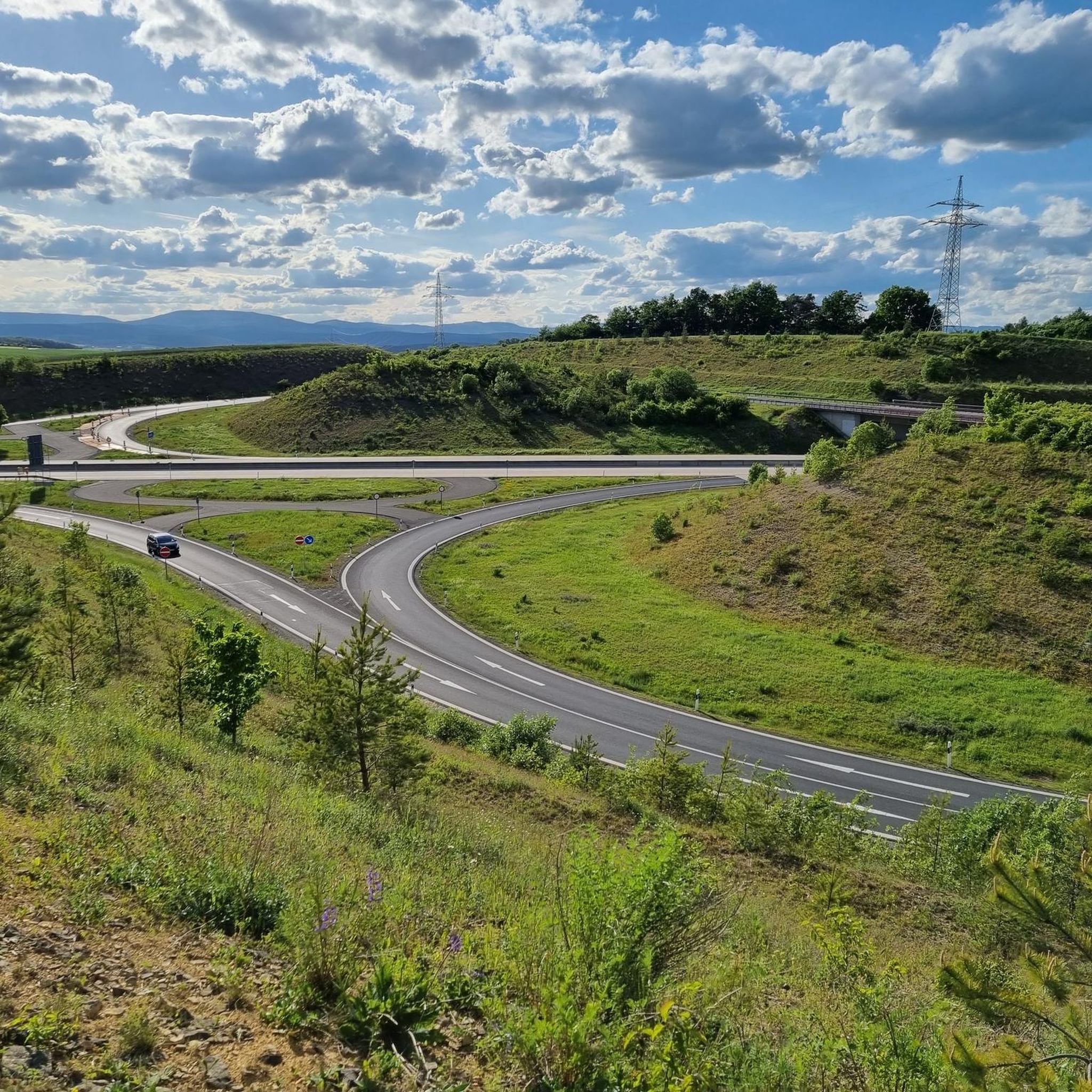
River valley of the Fränkische Saale at the foot of the Rhön in northern Unterfranken. Predominantly flat to gently rolling profile along the river meadows; ideal for beginners, families, as well as pleasure cyclists and hikers. Well-maintained (mostly asphalted or finely gravelled) paths, largely away from motorized road traffic.
3
0

Opportunity for a break, right next to it an interesting board about the course of the Baunach.
5
0
Here you are at the front Baumachsee, a detour to the rear Baunachsee is worthwhile. There is a seating area as well as an information board about the course of the Baunach.
9
0

See alpacas Coffee Simonshof, good cakes
0
0

Friesenhausen Castle was built as a moated castle in the 13th/14th century.
12
3

Frequently Asked Questions
How many gravel bike trails are available around Wülfershausen an der Saale?
There are over 80 gravel bike routes available around Wülfershausen an der Saale, offering a wide range of options for different skill levels and preferences.
What kind of terrain can I expect on gravel bike trails around Wülfershausen an der Saale?
The region offers diverse terrain, including rolling hills, picturesque river valleys along the Saale, and agricultural fields. Routes often combine gravel paths, forest tracks, and quiet asphalt roads, providing a varied and engaging experience for gravel bikers. You'll find yourself cycling between the Rhön and Haßberge mountain ranges, ensuring a mix of natural beauty and varied topography.
What is the overall difficulty level of gravel biking in this region?
The gravel biking routes around Wülfershausen an der Saale cater to various abilities. While there is 1 easy route, the majority are moderate (46 routes) or difficult (34 routes), offering challenges for experienced riders while still providing accessible options for those newer to gravel biking.
What do other gravel bikers say about the trails here?
The gravel biking routes in Wülfershausen an der Saale are highly rated by the komoot community, with an average score of 4.7 stars from over 60 reviews. More than 400 gravel bikers have explored the varied terrain, often praising the scenic beauty and diverse surfaces.
Are there any family-friendly gravel bike routes in Wülfershausen an der Saale?
While many routes offer varied terrain, the region's network includes options suitable for families. Look for routes described as 'easy' or 'moderate' that follow flatter sections of the Saale River valley, which tend to be less strenuous. The Saale Cycle Path – Bad Kissingen Spa Garden loop from Bad Neustadt (Saale), for example, includes sections along the Saale River that are generally more accessible.
Can I bring my dog on the gravel bike trails?
Yes, you can generally bring your dog on the gravel bike trails around Wülfershausen an der Saale. It's always recommended to keep your dog on a leash, especially in agricultural areas, near livestock, or in nature protection zones, and to ensure you clean up after them. Be mindful of other cyclists and hikers.
What interesting sights or natural features can I see along the gravel bike trails?
Many routes offer glimpses of the region's rich history and natural beauty. You might pass by historic sites like Wülfershausen Castle or St. George's Church. The Saale River itself is a central natural feature, providing scenic routes. For specific points of interest, consider exploring highlights such as the Ruins of Salzburg Castle or the Unsleben Moated Castle. The area also features charming Rococo Bildstöcke along the path to the Fränkische Saale.
Are there many circular gravel bike routes available?
Yes, many of the gravel bike routes around Wülfershausen an der Saale are designed as circular loops, allowing you to start and end your ride in the same location. Examples include the Münnerstadt Valley – Talkirche loop from Bad Neustadt (Saale) and the View of the Rhön – Bridge Over the Brend loop from Rödelmaier.
Where can I park my car when starting a gravel bike tour?
While specific parking areas aren't detailed for every route, Wülfershausen an der Saale and surrounding towns like Bad Neustadt (Saale) and Rödelmaier typically offer public parking facilities. Look for designated parking in town centers or near trailheads, especially for popular routes like those along the Saaletalradweg.
What is the best time of year for gravel biking in Wülfershausen an der Saale?
The region is generally pleasant for gravel biking from spring through autumn. Spring offers lush greenery and blooming landscapes, while autumn provides vibrant fall colors. Summer is also suitable, but be prepared for warmer temperatures. Winter can be challenging due to colder weather and potentially icy or muddy conditions on unpaved sections.
Are there any routes that offer views of the Rhön mountains?
Yes, several routes provide scenic views towards the Rhön mountains. For instance, the View of the Rhön – Bridge Over the Brend loop from Rödelmaier is specifically known for leading through rolling hills with vistas of the Rhön.
Can I find places to eat or stay overnight near the trails?
Wülfershausen an der Saale and nearby towns offer various options for refreshments and accommodation. You'll find cafes, pubs, and guesthouses in the villages along the routes. For specific information on local amenities, you might find resources on regional tourism websites like Hassberge Tourismus or Franken Tourismus.
Most popular routes around Wülfershausen an der Saale
Most popular attractions around Wülfershausen an der Saale

Get inspired with the komoot mobile app


Explore more
Browse the best Gravel rides in other regions.
