Attractions and Places To See around Bad Dürrenberg - Top 20
Best attractions and places to see around Bad Dürrenberg include a blend of historical landmarks, natural features, and cultural sites. Situated on the Saale River and surrounded by rolling hills and green forests, the town offers opportunities for outdoor activities. Bad Dürrenberg is known for its salt production heritage, exemplified by its historic graduation tower and spa town status. The region provides a variety of points of interest for visitors to explore.
Best attractions and places to see around Bad…
Last updated: August 30, 2026
Geiseltalsee Beach
Highlight • Beach
Translated by Google •
Tip by

Lake Kulkwitz
Highlight • Lake
Translated by Google •
Tip by

Sign up now to discover places like this
Get recommendations on the best single tracks, peaks, & plenty of other exciting outdoor places.
Sign up for free
Plagwitz–Pörsten Rail Trail
Highlight (Segment) • Cycleway
Translated by Google •
Tip by

Merseburg Cathedral
Highlight • Religious Site
Translated by Google •
Tip by

South Beach, Kulkwitzer See
Highlight • Beach
Translated by Google •
Tip by

Sign up for free to discover even more attractions around Bad Dürrenberg.
Sign up for free
Already have an account?
Start today with a free account
Your next adventure awaits.
Login or Signup
Popular around Bad Dürrenberg
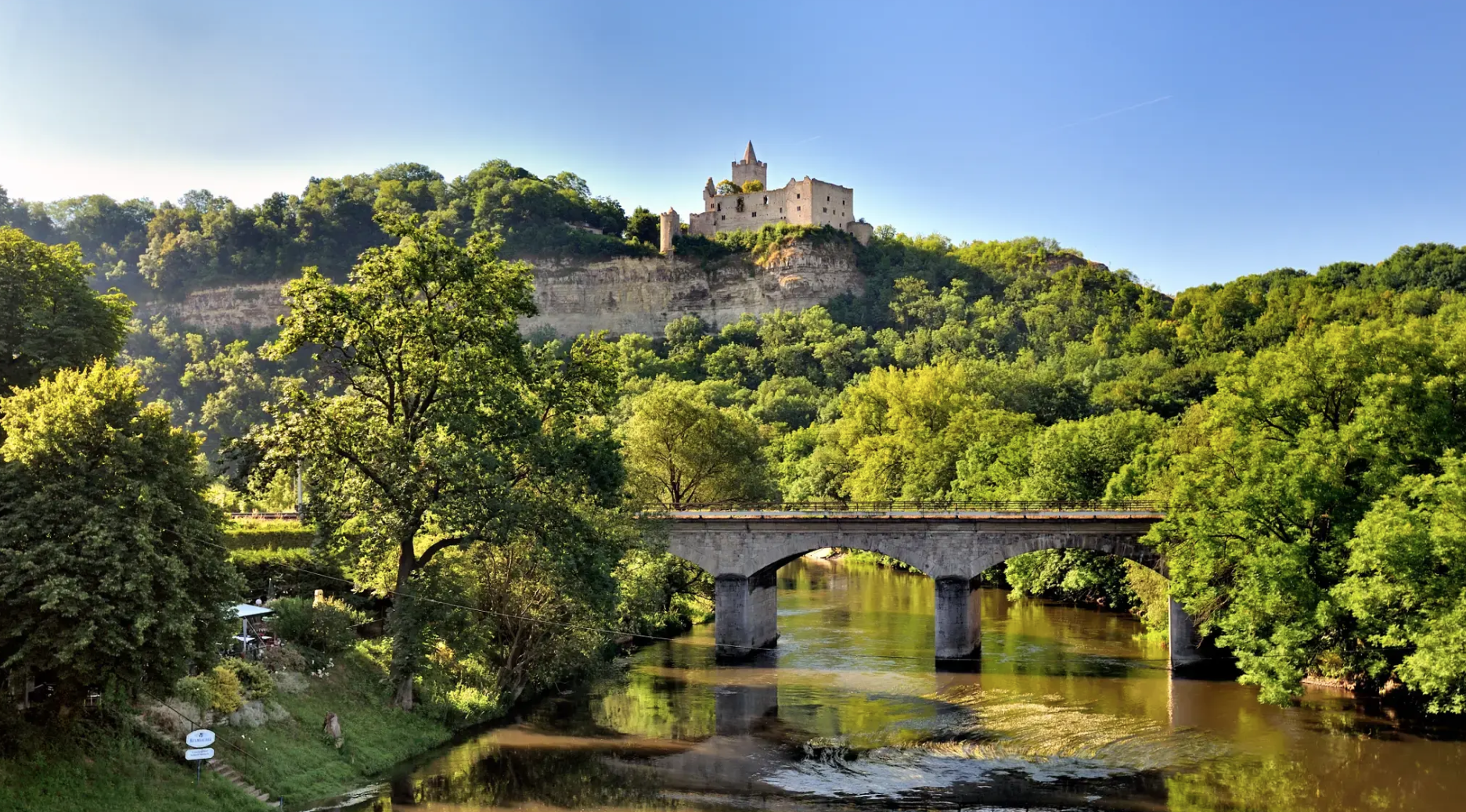
Walking and Wellness – spa towns in the Leipzig area
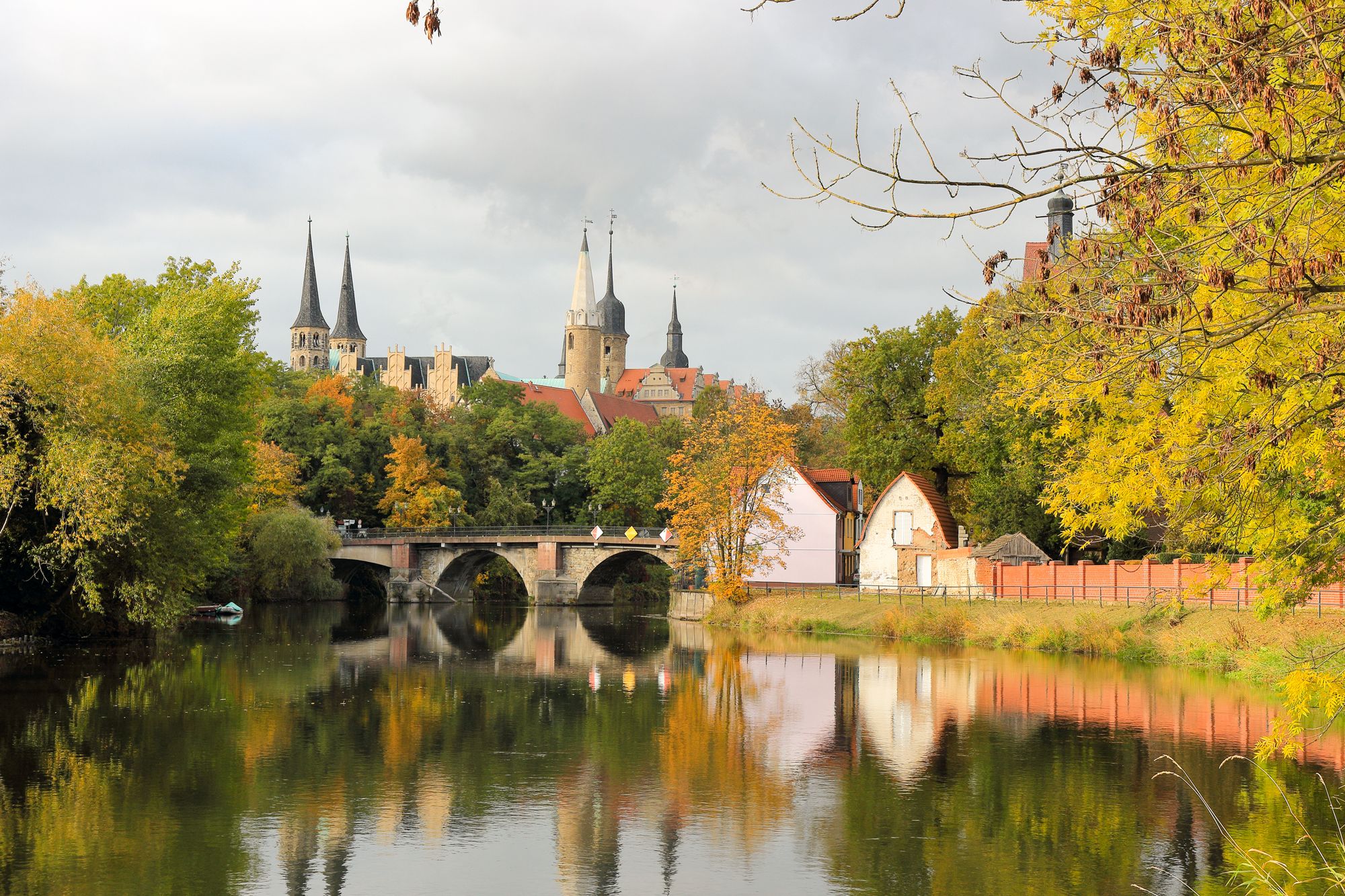
Art, history and museums in Germany — cultural Tours on MDV
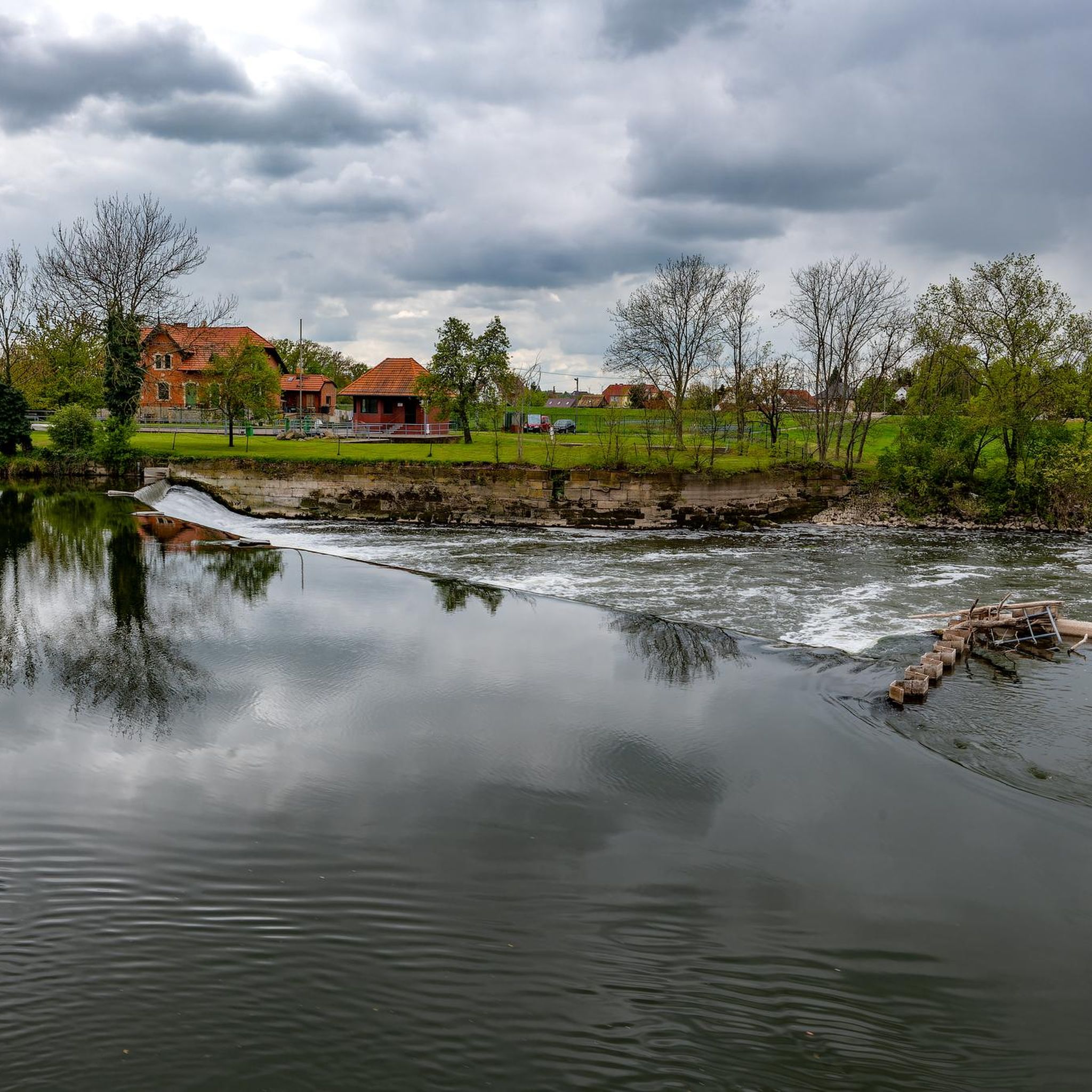
Cycling around Bad Dürrenberg
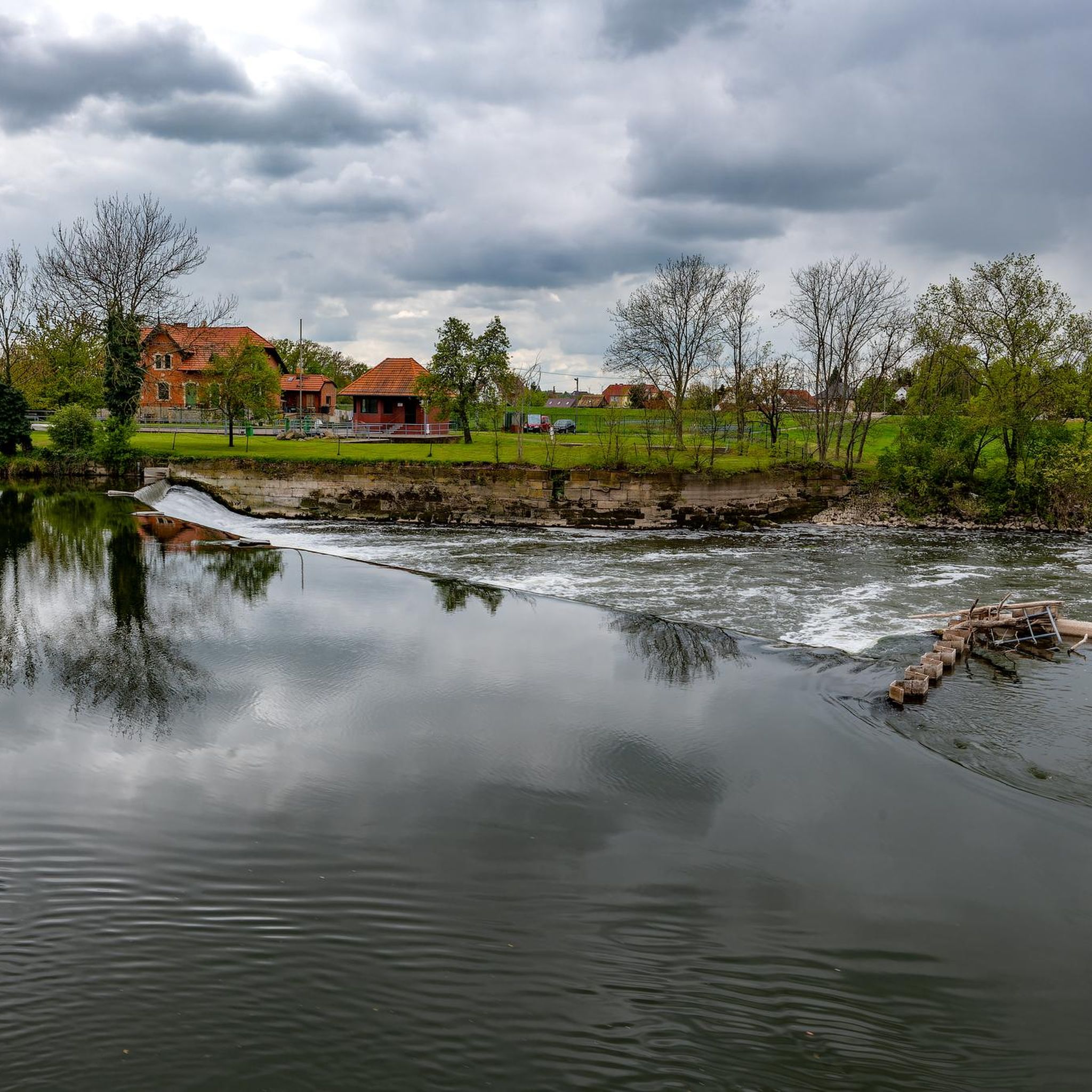
Hiking around Bad Dürrenberg
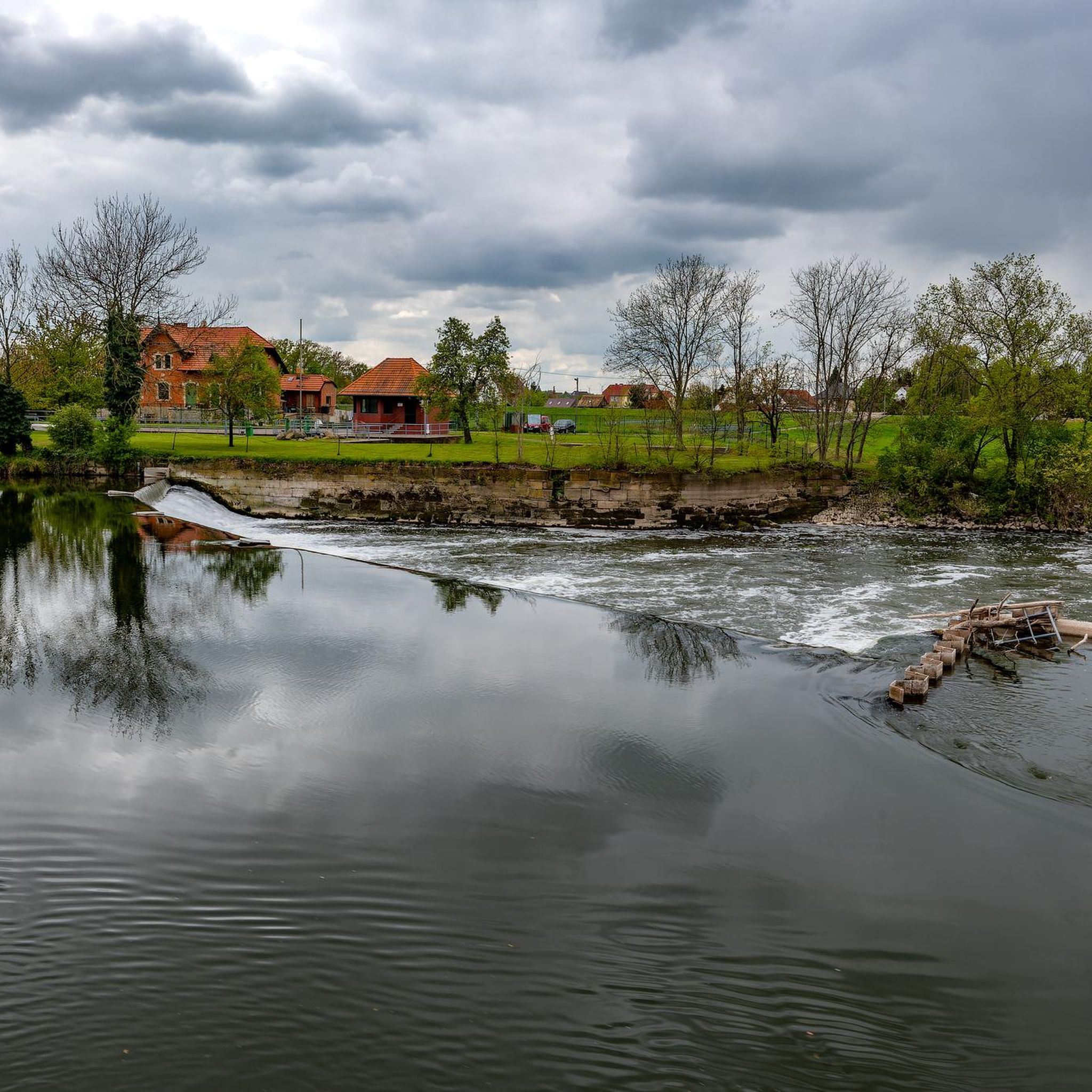
Road Cycling Routes around Bad Dürrenberg
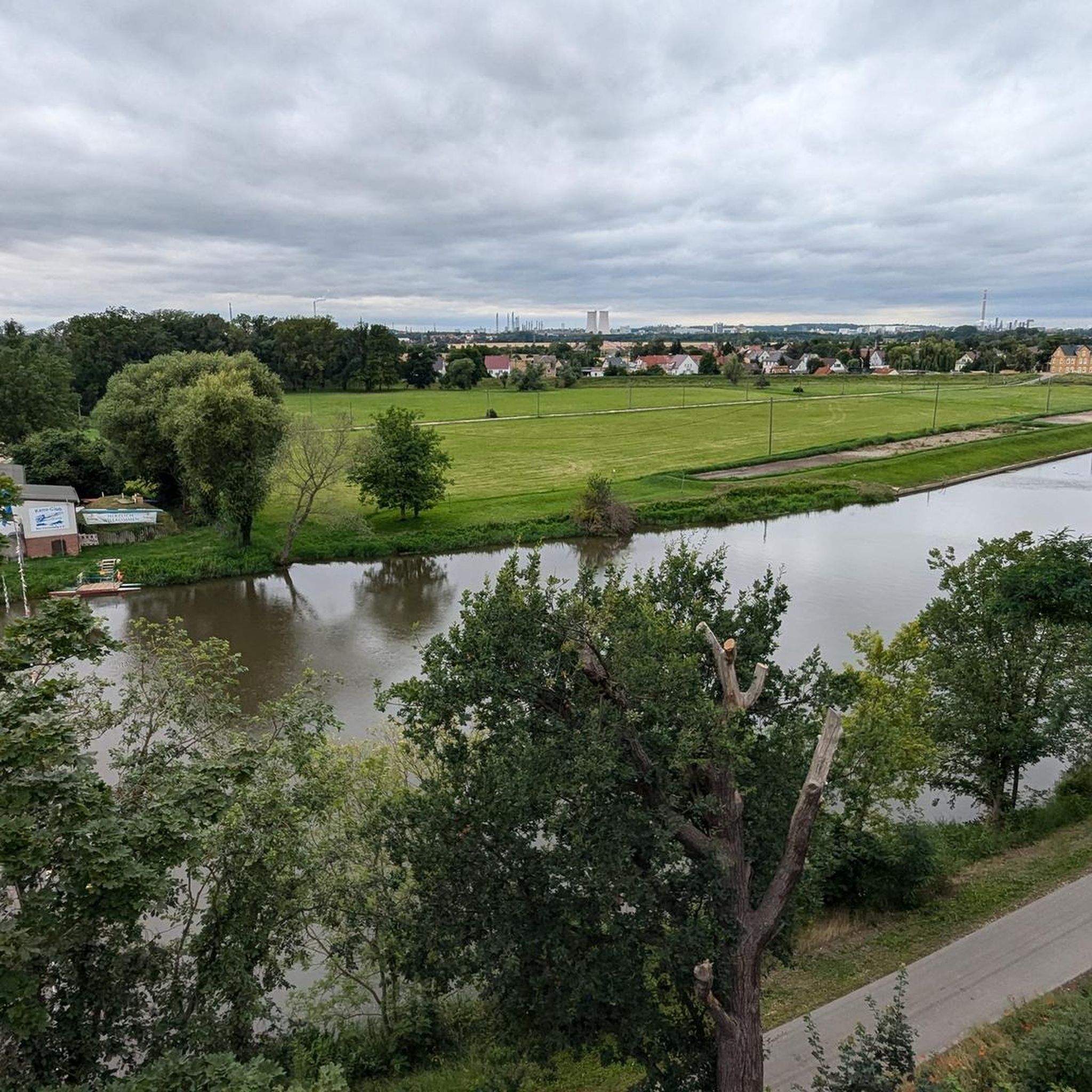
MTB Trails around Bad Dürrenberg
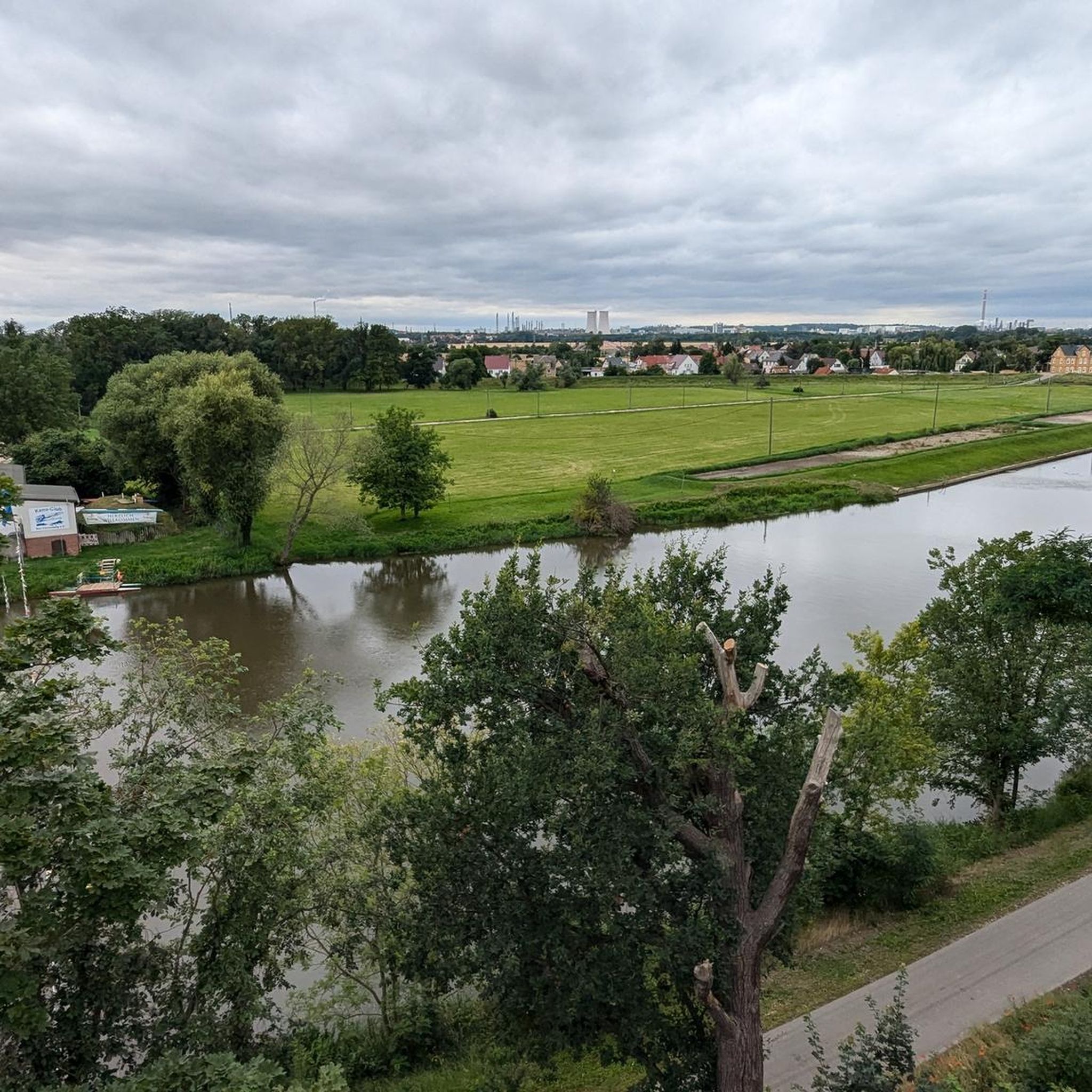
Running Trails around Bad Dürrenberg
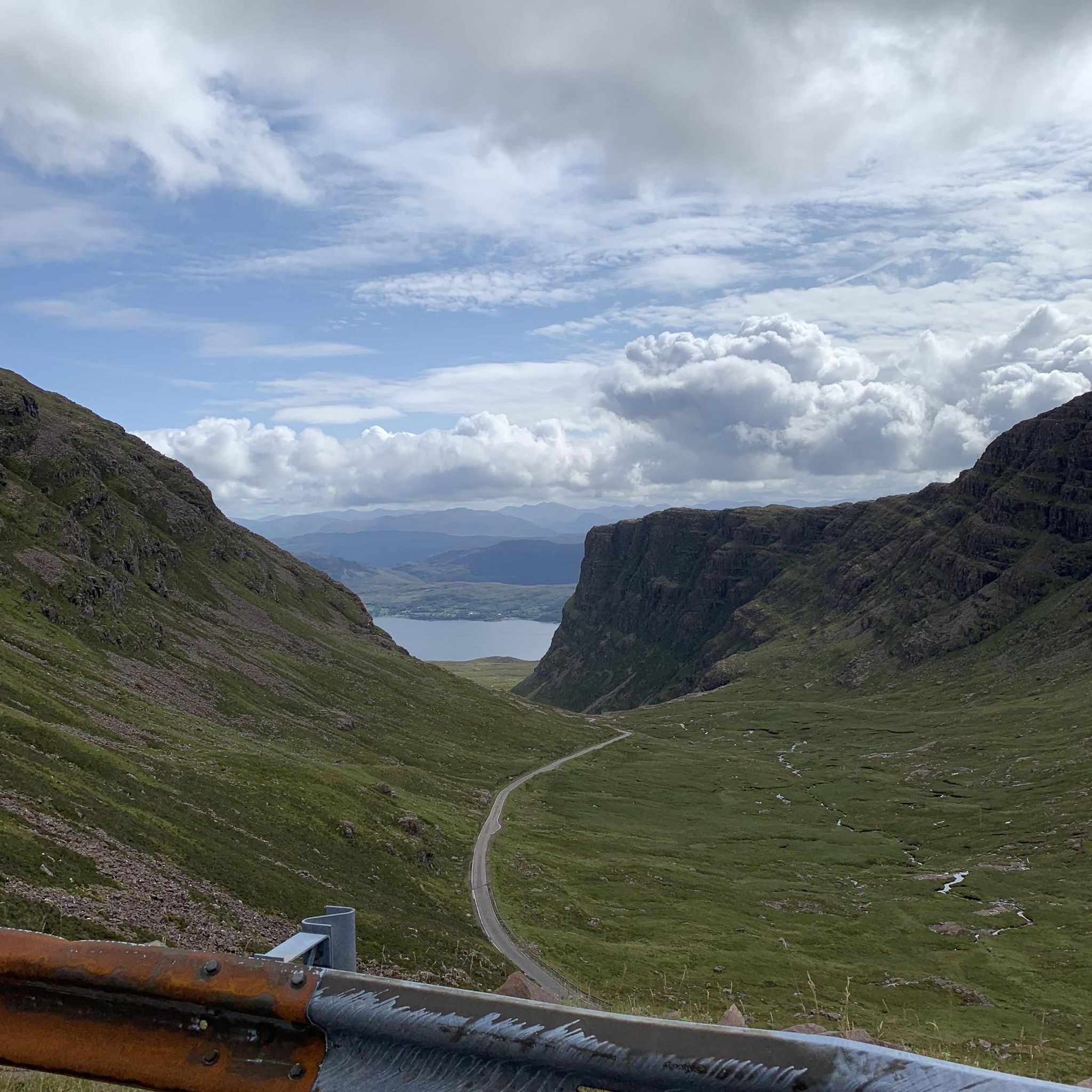
Gravel biking around Bad Dürrenberg

Tips from the Community

The sunbathing area is spacious but not particularly cozy 😜 as there's no sandy beach, only pebbles.
5
0

A great lake for swimming with clean, clear water. The approximately 8 km circular trail around Lake Kulkwitz is also ideal for cyclists, hikers, and walkers.
1
0

The old imperial cathedral in Merseburg is not only an outstanding place of German history, but also filled with numerous art objects worth seeing. The Langhans organ with well over 5000 pipes is another highlight.
11
3

REGULAR OPENING HOURS Opening hours: April to October Monday to Saturday: 9:00 a.m. – 6:00 p.m. Sunday, public holidays: 11:00 a.m. – 6:00 p.m. November to March Monday to Saturday: 10:00 a.m. – 4:00 p.m. Sunday, public holidays: 12:00 p.m. – 4:00 p.m. December 24: 9:00 a.m. – 12:00 p.m. December 31: 9:00 a.m. – 2:00 p.m.
17
3

The Kulkwitzer is super beautiful and in some places pure nature. To keep it that way, please don't leave any rubbish behind.
1
0

The tour around the Geiseltalsee is always beautiful.
31
0
It's just beautiful what has happened here.
28
0

The vault with the Merseburg magic spells in the side wing is particularly impressive. Mystical, mysterious, dark and with soft music in the background. Beautifully designed, the exhibits well prepared - really great!
10
3
Frequently Asked Questions
What historical landmarks can I explore in Bad Dürrenberg?
Bad Dürrenberg is rich in history, particularly related to its salt production. You can visit the Bad Dürrenberg Graduation Tower, which is Germany's longest and offers therapeutic air. Other historical sites include the Borlach-Museum, Altes Salzamt, and the Witzlebenturm/Borlachturm, all connected to the town's industrial past.
Are there any natural attractions or parks to visit in Bad Dürrenberg?
Yes, the Kurpark is a central natural feature, offering a tranquil setting with a unique Blumenuhr (Flower Clock) and a Palmen- und Vogelhaus (Palm and Bird House). The town is also situated on the Saale River, providing pleasant walking routes along its banks. The surrounding landscape features rolling hills and green forests, ideal for nature enthusiasts.
What family-friendly activities are available around Bad Dürrenberg?
Families can enjoy the Plagwitz–Pörsten Rail Trail, a well-paved and flat cycle path on a disused railway track. The Kurpark with its Flower Clock and Palm and Bird House is also great for families. Additionally, Lake Kulkwitz, a short distance away, offers various outdoor activities and is known as one of Germany's cleanest lakes.
Where can I learn about Bad Dürrenberg's salt production heritage?
The town's salt production heritage is best explored at the Bad Dürrenberg Graduation Tower, where you can witness the traditional process of brine evaporation. The Borlach-Museum also delves into the history of salt extraction and processing, recognized as an Individual Site of the European Route of Industrial Heritage. You can also visit the Schausiederei, a show saltworks demonstrating traditional production.
What kind of outdoor activities, like hiking or cycling, can I do near these attractions?
The region offers numerous opportunities for outdoor activities. You can find various hiking trails, including easy loops around the Kurpark and along the Saale River. For cyclists, the Plagwitz–Pörsten Rail Trail is a popular choice. There are also MTB trails and running routes available, catering to different fitness levels.
Are there any unique cultural sites or museums in Bad Dürrenberg?
Beyond the salt-related museums, you can visit the Heimatstube, a local history museum located in the Kurpark. The Kaltinhalierhalle reflects the town's spa history, and the Museumswohnung in der Gartenstadt Bad Dürrenberg offers a glimpse into historical living arrangements. The ancient Bad Dürrenberg burial site in the Kurpark also holds significant cultural value.
What is the significance of the Bad Dürrenberg burial site?
The Bad Dürrenberg burial site, discovered in the Kurpark, is a Mesolithic double burial dating back approximately 9000 to 8600 years. It contains the remains of a woman, often referred to as a shaman due to elaborate grave goods, and an infant. While the original artifacts are displayed in Halle, the site itself is a poignant historical attraction, offering insights into ancient life. You can learn more about its history on Wikipedia.
Can I find easy walking or cycling paths suitable for beginners?
Yes, the Plagwitz–Pörsten Rail Trail is noted for being very well-paved and flat, making it absolutely family-friendly and suitable for beginners. Within Bad Dürrenberg, the Kurpark offers easy strolls, and several hiking routes around the town are rated as easy, such as the 'Flower Pavilion – View of the Saale River loop'.
What are some notable attractions outside of Bad Dürrenberg but still nearby?
Just a short distance away, you can visit Merseburg Cathedral, an outstanding site of German history with impressive art and a significant organ. Also in Merseburg is the Neumarkt Bridge (Waterloo Bridge), a historic crossing with a commemorative plaque. For nature lovers, Lake Kulkwitz, part of the Saxon Lake District, offers various water sports and relaxation.
What do visitors particularly enjoy about the attractions in this region?
Visitors frequently praise the therapeutic air at the Bad Dürrenberg Graduation Tower and find the industrial history very impressive. The Plagwitz–Pörsten Rail Trail is loved for its smooth, flat surface, making it ideal for families. The grandeur and historical significance of Merseburg Cathedral, especially its vault with the Merseburg magic spells, also receive high acclaim.
Is Bad Dürrenberg known for any specific natural features or wildlife spotting opportunities?
Bad Dürrenberg is situated on the Saale River, offering scenic views and opportunities for walks along its banks. The surrounding area features green forests and rolling hills, which can provide chances for wildlife spotting, particularly birds and smaller mammals. The Kurpark also includes a Palm- und Vogelhaus, showcasing various bird species.
Are there any viewpoints to enjoy panoramic scenery around Bad Dürrenberg?
While not explicitly listed as dedicated viewpoints, the Bad Dürrenberg Graduation Tower itself offers elevated perspectives of the area. Additionally, routes along the Saale River and through the surrounding hills often provide picturesque views of the landscape and the town.
Most popular routes around Bad Dürrenberg
Most popular attractions around Bad Dürrenberg

Get inspired with the komoot mobile app


Explore more
Still not found the Highlight you’re looking for? See guides of the top attractions in other regions:
